


Comprehensive Guide to pH ORP Probes – Features, Uses, and Benefits

Comprehensive Guide to pH ORP Probes – Features, Uses, and Benefits
Nov . 19, 2025
Understanding the pH ORP Probe: Why It Matters Globally
Have you ever wondered how industries, municipal water plants, and environmental agencies monitor water quality so reliably? That’s where the humble yet powerful pH ORP probe comes into play. This device measures two critical parameters: the acidity/basicity (pH) and the oxidation-reduction potential (ORP) of a liquid, providing invaluable insight into water—and sometimes soil or chemical—conditions worldwide.
Why does this matter? Well, water quality is essential not just for human consumption but also for agriculture, manufacturing, and environmental protection. According to the UN Water Reports, over 2 billion people globally lack safely managed drinking water, and managing water quality effectively is a top priority. The pH ORP probe contributes significantly to this mission by offering reliable, real-time monitoring. It’s a small piece, sure, but it’s fundamental to solving big, global water challenges.
Mini takeaway: Grasping what a pH ORP probe does helps us appreciate the invisible guardians of water safety worldwide.
The Global Context: Tracking Water Quality with pH ORP Probes
Globally, as industries expand and environmental stress intensifies, maintaining monitoring accuracy for water and wastewater treatment plants is no small feat. The World Bank estimates nearly 80% of wastewater is discharged untreated worldwide, leading to health and environmental hazards. Here, the pH ORP probe emerges as a frontline tool, enabling operators to assess water’s chemical state quickly.
The challenge often lies in remote or under-resourced areas, where getting rapid, reliable chemical readings can be tricky. pH ORP probes help overcome this by offering robust, portable, and relatively low-cost measurement. Organizations like the ISO have also developed standards (ISO 10523 on pH measurement) to ensure testing consistency, raising confidence in results across regions.
Mini takeaway: Globally, pH ORP probes tackle water quality monitoring challenges head-on, especially where infrastructure gaps exist.
What Is a pH ORP Probe, Exactly?
Simply put, a pH ORP probe is a sensor device comprising two measurement components in one housing. It reads:
- pH: the intensity of hydrogen ions in a solution, indicating acidity or alkalinity, on a scale from 0 (acidic) to 14 (basic), with 7 as neutral.
- ORP (Oxidation-Reduction Potential): a measure of a solution’s ability to either gain or lose electrons, which relates to its sanitizing and reactivity properties, usually expressed in millivolts (mV).
These measurements are critical in industries like water treatment, food processing, and chemical manufacturing, where controlling chemical properties ensures safety and quality. Beyond industry, humanitarian efforts—like post-disaster water safety assessments—also rely on these probes for immediate, actionable data.
Mini takeaway: A pH ORP probe is a hybrid sensor that reveals much about a liquid’s chemistry, benefiting countless sectors.
Key Features That Define a Reliable pH ORP Probe
1. Durability in Harsh Environments
From wastewater plants to remote field testing stations, probes must withstand corrosive, abrasive, or extreme temperature conditions. Many modern probes are built with durable membranes, toughened glass electrodes, and rugged caps that keep them operational week after week.
2. Calibration and Accuracy
Accurate readings are only as good as the probe’s calibration. Many pH ORP probes come with simple calibration processes, often two or three-point calibration standards that users can perform onsite, ensuring precision without lab dependence.
3. Response Speed
Quick response times mean operators can monitor changing conditions in near-real-time—critical for processes like chemical dosing or environmental compliance.
4. Compatibility and Connectivity
Whether connecting to handheld meters or integrating with automated data-logging systems, probes that offer diverse connectivity options (analog, digital interfaces) provide better flexibility.
5. Maintenance Needs
A probe that requires minimal maintenance or offers easy membrane/gel replacement helps reduce downtime—many engineers swear by designs with longer life and simplified upkeep.
6. Cost Efficiency
Balancing upfront cost against lifespan and reliability is crucial, especially for continuous monitoring applications where regular replacement would be expensive and disruptive.
| Feature | Specification |
|---|---|
| Measurement Range (pH) | 0 to 14 pH |
| ORP Range | -1000 to +1000 mV |
| Operating Temperature | 0 °C to 80 °C |
| Material | Glass / PVC / Platinum (ORP Electrode) |
| Connector Type | BNC or digital output |
| Response Time | Under 30 seconds |
Mini takeaway: Choosing the right pH ORP probe balances ruggedness, precision, ease of use, and cost.
Global Applications: Where pH ORP Probes Make a Real Difference
The use cases are as varied as you’d imagine, cutting across sectors and continents:
- Water Treatment Plants: Monitoring pH and ORP to ensure treated water meets safety standards.
- Aquaculture: Keeping tank water chemistry optimal for fish health, often in coastal regions like Southeast Asia.
- Food & Beverage Industry: Ensuring sanitary conditions and controlling fermentation processes.
- Environmental Monitoring: NGOs and researchers use portable probes in disaster recovery zones to test water safety quickly.
- Industrial Manufacturing: Controlling process water chemistry to protect equipment and meet regulatory compliance.
For example, after major floods in the U.S. Midwest, relief teams deployed portable pH ORP probes to verify well water wasn’t contaminated before communities resumed use. Or, in remote mining sites in Australia, onsite probes constantly monitor wastewater discharge to prevent environmental damage.
Mini takeaway: pH ORP probes are indispensable tools across the world’s most critical water quality and chemical monitoring efforts.
Advantages & Long-Term Value of Using pH ORP Probes
Frankly, these probes strike a good balance between cost and reliability. A few benefits stand out:
- Cost Savings: Early detection of water chemistry imbalances prevents costly downstream damage or regulatory fines.
- Sustainability: Accurate monitoring supports responsible water management, conserving precious resources.
- Enhanced Safety: Real-time alerts from probe data protect public health by identifying contamination fast.
- Operational Efficiency: Automating measurement with probes reduces manual labor and human error.
- Trust & Innovation: Companies deploying modern probes send a solid signal they care about quality and compliance.
In many ways, investing in reliable pH ORP probes is like buying peace of mind — and frankly, that’s priceless when lives or livelihoods depend on it.
Mini takeaway: The right probe can save money, improve safety, and build confidence in environmental stewardship.
The Future: Innovations & Emerging Trends in pH ORP Probes
Technology marches on, and pH ORP probes are no exception. A few trends to keep an eye on:
- Digital & Wireless Sensors: Probes transmitting data wirelessly to cloud dashboards for instant analysis and remote management.
- Self-cleaning Electrodes: To reduce maintenance and extend lifespan in harsh conditions.
- Eco-Friendly Materials: Development of biodegradable membranes and non-toxic components.
- Miniaturization: Smaller, highly portable probes for fieldwork in tight or hard-to-reach spaces.
- Integration with IoT & AI: Predictive analytics using sensor data to pre-empt water quality issues.
In environmental terms, these innovations align perfectly with the UN’s Sustainable Development Goal 6 (Clean Water and Sanitation), pushing forward smart, sustainable water management solutions globally.
Mini takeaway: The future of pH ORP probes is digital, connected, and greener — an exciting horizon.
Challenges and How Experts Work Around Them
Of course, no technology is perfect — and pH ORP probes have their quirks:
- Sensitivity to Fouling: Probes can clog or drift due to biofilm or sediment buildup.
- Calibration Drift: Regular calibration is necessary; otherwise, accuracy suffers.
- Fragility of Glass Electrodes: They can break under rough handling or improper storage.
- Cost of Replacement Sensors: Frequent replacements add up, especially in continuous monitoring setups.
Experts suggest combining automated cleaning systems, choosing robust probe designs, and thorough operator training. Manufacturers also offer probes with replaceable membranes and easier calibration kits to tackle these challenges.
Mini takeaway: Maintenance and care remain key to getting full value from pH ORP probes, but solutions are evolving fast.
FAQ: Frequently Asked Questions About pH ORP Probes
- How often should I calibrate my pH ORP probe?
- For reliable readings, calibrate at least once a week in continuous use scenarios, or before critical measurements. Field use may require more frequent checks depending on water conditions.
- Can one probe measure both pH and ORP accurately?
- Yes, combined pH ORP probes are designed for simultaneous measurement and are widely used. However, make sure the probe’s specifications match your application needs.
- What is the lifespan of a typical pH ORP probe?
- Lifespan varies but generally ranges from 6 months to 2 years depending on usage, maintenance, and environment. Proper cleaning and storage can extend this.
- Are pH ORP probes suitable for extreme temperatures?
- Many industrial probes tolerate up to 80 °C, but extreme environments may require specialized sensors built to operate beyond standard temperature ranges.
- How do I choose the right pH ORP probe for industrial use?
- Consider your specific application’s chemical environment, temperature, response time, calibration ease, and connectivity. It's often helpful to consult vendors with your exact needs.
Comparing Top pH ORP Probe Vendors
| Vendor | Price Range | Durability | Connectivity | Unique Feature |
|---|---|---|---|---|
| Hach | $$$ | High | Analog/Digital | Smart sensor diagnostics |
| Thermo Fisher Scientific | $$ | Medium | Digital (Bluetooth) | Portable handheld with app |
| Yokogawa | $$$ | Very High | Analog | Robust industrial design |
| Oakton | $ | Medium | Analog | Great entry-level price |
Conclusion: Why Investing in pH ORP Probes Is a Smart Move
In the grand scope of water and chemical quality management, the pH ORP probe stands out as a trusty, indispensable sensor. Whether ensuring public health, supporting industrial processes, or guiding humanitarian efforts, its value can’t be overstated. Sure, there are challenges to keep in mind, but smart buying, regular maintenance, and embracing innovation can unlock years of dependable service.
If you’re looking to dive deeper into specifications or locked in on a solution, check out ph orp probe options tailored for your exact needs. It feels good to get the chemistry right — literally and figuratively.
References

Related Products
Related News

2026-04-16 03:20:19
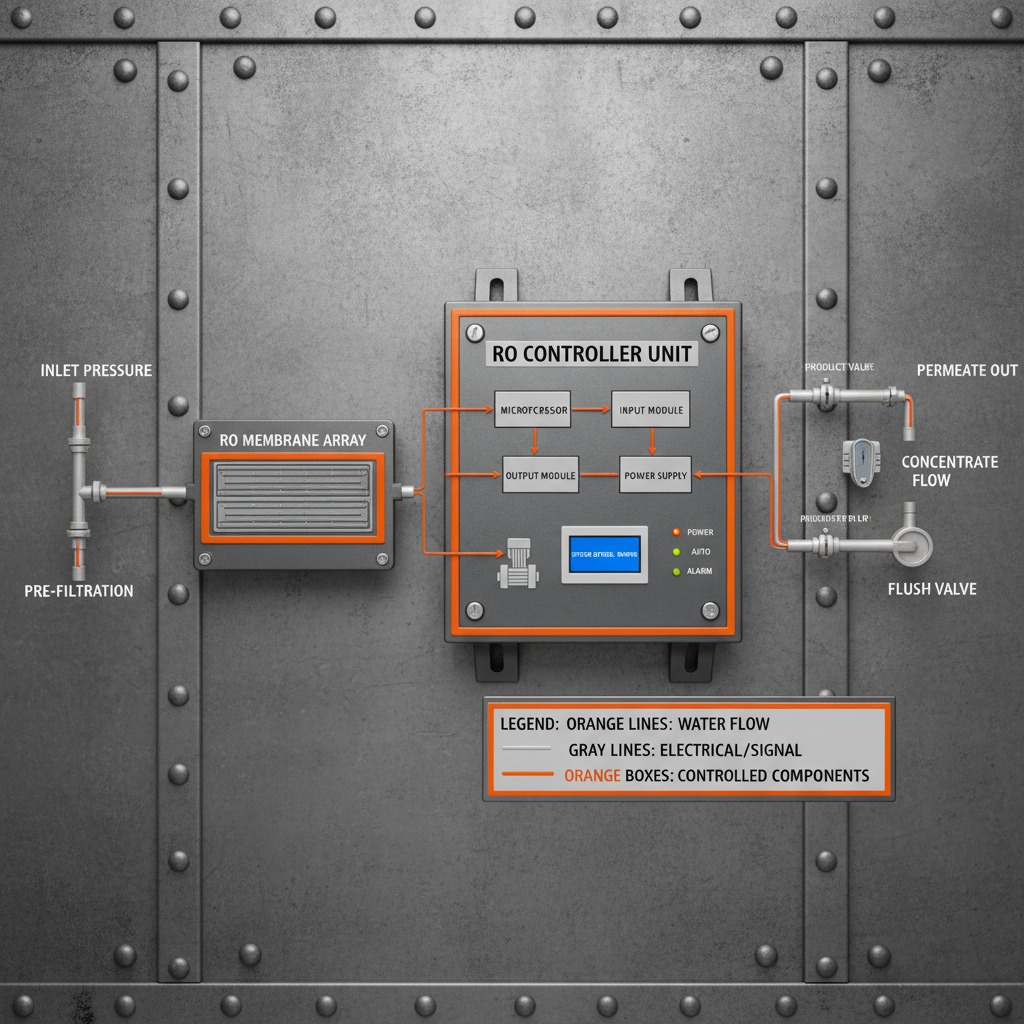
Guide to Choosing the Right RO Controller for Water PurificationMaintaining a high-performance reverse osmosis system requires more than just quality membranes; it demands precise regulation. An ro controller serves as the brain of the entire operation, monitoring critical parameters such as conductivity, temperature, and flow rates to ensure the output water meets stringent purity standards. Without an efficient controller, systems are prone to membrane fouling, inefficient energy use, and inconsistent water quality. In this comprehensive guide, we will explore how these devices optimize water treatment processes and how to select the best model for your specific industrial or commercial needs.
2026-04-09 03:25:47
Guide to Water Purity Using RO with TDS Controller SystemsAchieving the perfect balance of mineral content and purity in drinking water is a challenge for many households and industrial facilities. A ro with tds controller offers a sophisticated solution by combining the rigorous filtration of Reverse Osmosis (RO) with the precision of a Total Dissolved Solids (TDS) adjustment system. While standard RO systems remove almost everything, including beneficial minerals, a TDS controller allows users to re-mineralize the water to a desired level. This ensures that the water is not only safe and pure but also tastes better and provides essential nutrients.
2026-04-07 03:17:09
Understanding and Optimizing Reverse Osmosis Systems with a ControllerIn the world of water purification, reverse osmosis (RO) systems are a cornerstone for producing high-quality water for various applications, from drinking water to industrial processes. However, an RO system is only as effective as its control system. This is where the reverse osmosis controller comes into play. This critical component manages and optimizes the RO process, ensuring efficient operation, water quality, and system longevity.
2026-04-04 03:27:19
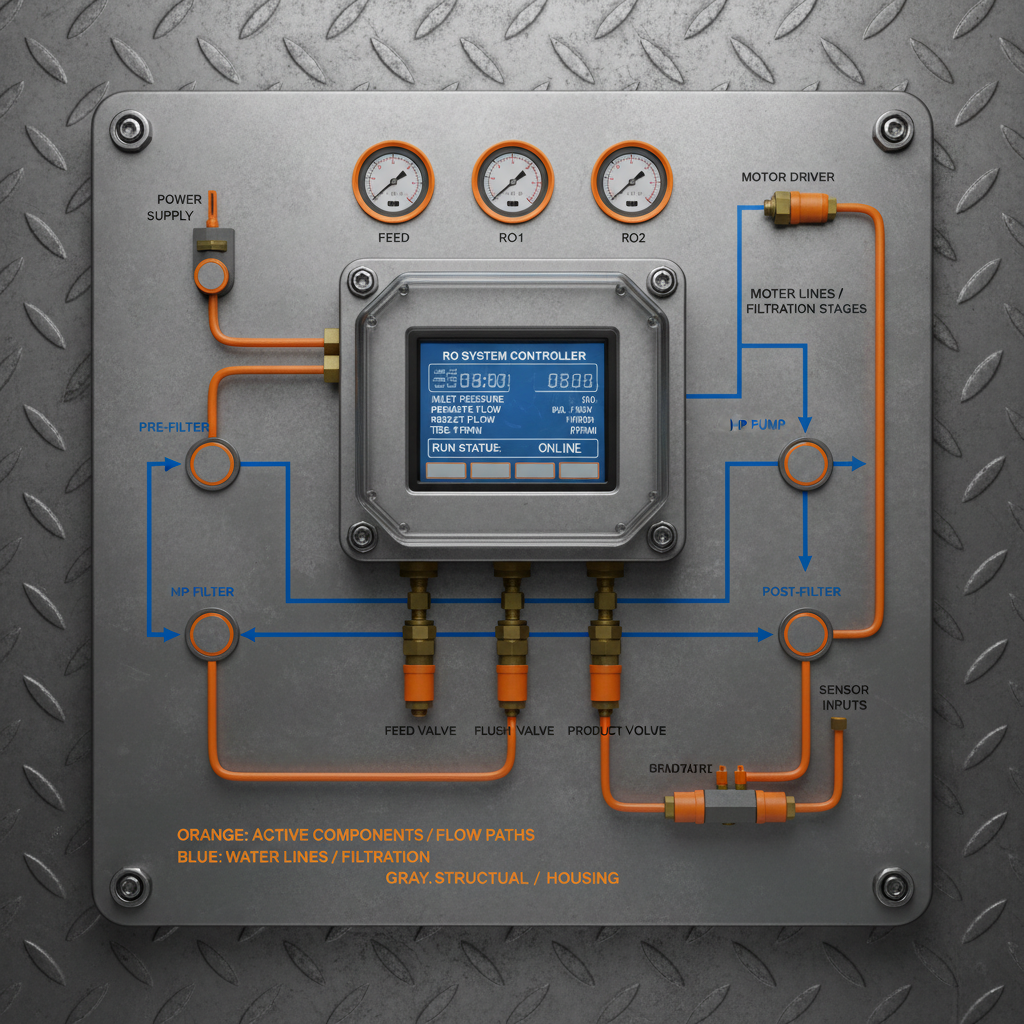
Understanding the Vital Role of an RO System Controller for Optimal PerformanceReverse Osmosis (RO) systems are critical for purifying water across various industries, from residential applications to large-scale industrial processes. At the heart of a well-functioning RO system lies the RO system controller. This intelligent device monitors and regulates all key parameters of the RO process, ensuring optimal performance, efficiency, and water quality. This article delves into the functionalities, benefits, and selection criteria for choosing the right RO system controller, particularly focusing on those offered by Watequipments. Understanding its role is crucial for maximizing the lifespan and effectiveness of your RO investment.
2026-03-24 17:18:24
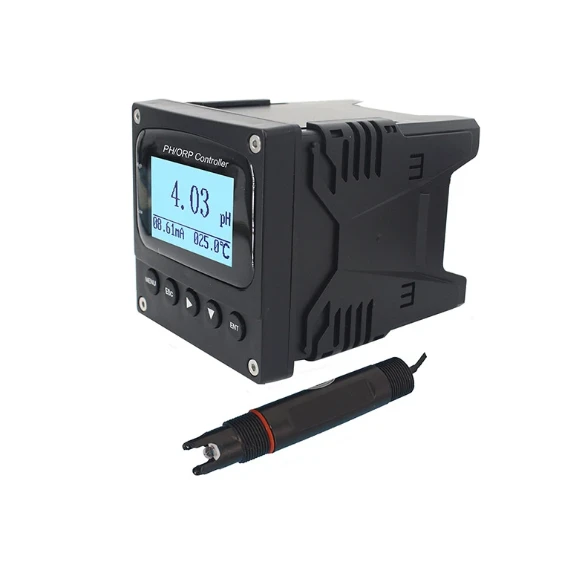
Smart Water Treatment Solutions Using PH ORP Controller SystemsIn modern water treatment and industrial fluid management, maintaining precise chemical balance is essential for safety, efficiency, and regulatory compliance.
2026-03-04 02:55:19
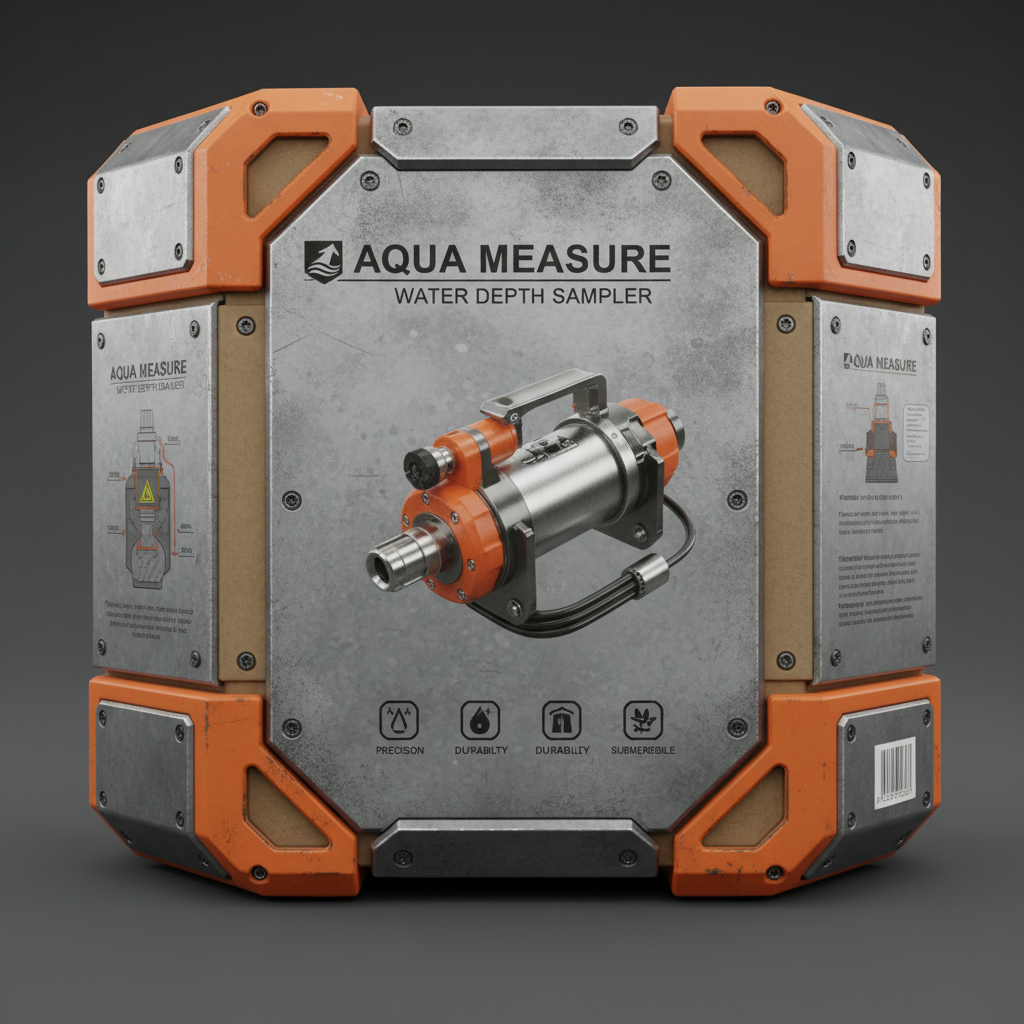
Comprehensive Guide to Water Depth Samplers and Their ApplicationsAccurate water quality monitoring is crucial in various fields, from environmental science and aquaculture to industrial wastewater management. A key tool for this is the water depth sampler. This article provides an in-depth look at water depth samplers, their applications, types, and essential considerations for choosing the right one for your needs. We'll explore the benefits of utilizing this equipment to collect reliable data for analysis and informed decision-making. Selecting the right sampler can significantly improve the precision and efficiency of your water monitoring program. A water depth sampler, also known as a depth-integrated sampler, is a device designed to collect water samples from specific depths within a body of water. Unlike simply dipping a container into the water, a depth sampler allows for collection of a representative sample across a defined depth range. This is critical because water properties (temperature, salinity, pollutants) often vary significantly with depth. The data gathered with a water depth sampler provides a more accurate assessment of water quality than surface samples alone.
2026-03-03 18:55:22
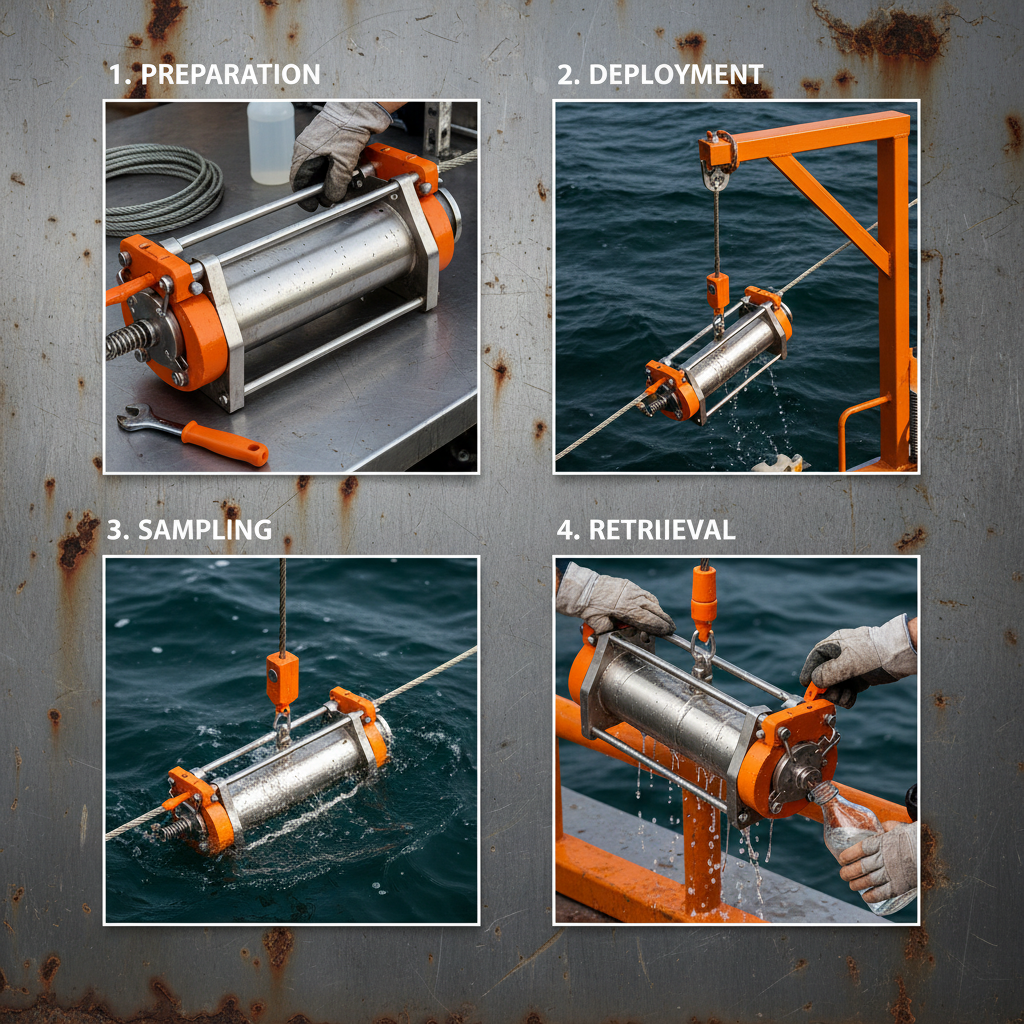
Comprehensive Guide to Horizontal Water Sampler Applications and SelectionCollecting water samples at varying depths is crucial for environmental monitoring, research, and quality control. The horizontal water sampler from Watequipment.com offers a precise and efficient solution for this task. This article provides an in-depth look at horizontal water samplers, their applications, benefits, and key considerations when choosing the right model. We will explore how these samplers contribute to accurate data collection and informed decision-making in various fields. A horizontal water sampler is a device designed to collect water samples from specific depths within a body of water – rivers, lakes, oceans, reservoirs, and even wastewater treatment plants. Unlike vertical samplers which primarily focus on depth, horizontal samplers prioritize collecting samples at a consistent depth while moving along a horizontal plane. This is essential for assessing water quality variations across a waterway or within a specific zone. They are used in applications ranging from environmental monitoring and scientific research to industrial process control and regulatory compliance.
2026-02-28 02:35:09
Comprehensive Guide to Selecting the Right Surface Water Sampler for Your NeedsMonitoring the quality of surface water is critical for environmental protection, public health, and various industrial applications. A surface water sampler is an essential tool for collecting representative samples from rivers, lakes, ponds, and other surface water sources. This article provides a detailed overview of surface water samplers, their types, applications, and key considerations for selecting the right equipment. Accurate water quality data relies on proper sample collection, and choosing the correct sampler is the first step toward achieving reliable results. Surface water samplers come in various designs, each suited to specific sampling needs. Common types include grab samplers, depth-integrating samplers, peristaltic pumps, and automatic samplers. Surface water samplers are used across a broad spectrum of applications, including environmental monitoring, wastewater discharge monitoring, drinking water source monitoring, agricultural runoff analysis, and research studies.

 English