


Comprehensive Guide to ORP Sensors | Water Quality & Industrial Applications

Comprehensive Guide to ORP Sensors | Water Quality & Industrial Applications
Dec . 16, 2025
Why Understanding the ORP Sensor Matters Globally
Oxidation-Reduction Potential sensors, or ORP sensors, might seem like a niche technical gadget, but their impact spans global water safety, industrial process control, and environmental monitoring. In a world increasingly conscious about clean water and sustainable industry, ORP sensors provide real-time insights into oxidation and reduction reactions — crucial for water treatment, chemical manufacturing, and even food processing.
Why does that matter? Because managing these redox states affects everything from drinking water safety to meeting environmental regulations worldwide. With over 2 billion people lacking safely managed drinking water globally according to the WHO, ORP sensors play a behind-the-scenes yet critical role in ensuring the quality and safety of water sources. That alone makes understanding these sensors more than a technical curiosity — it’s a practical necessity that helps protect human health and supports sustainable industry practices.
The Global Context: Why ORP Sensors Are More Relevant Than Ever
Globally, water treatment and chemical process control are booming industries, with the wastewater treatment market alone projected to hit $50 billion by 2027 (ResearchAndMarkets.com). ORP sensors sit at the heart of many such systems, providing reliable data on the oxidation state of liquids.
Industrial pollution, climate change, and stricter environmental policies have led to a surge in demand for effective monitoring technologies. For instance, ISO standards for water quality now emphasize oxidation-reduction potential as a key indicator, highlighting the critical role ORP sensors play in regulatory compliance. Meanwhile, in remote regions or disaster relief zones, ensuring water safety quickly is a life-saving priority — prompting NGOs to rely on ORP sensors for fast water quality assessment.
As these challenges grow, the demand for affordable, easy-to-use ORP sensors only increases.
ORP Sensor: What Exactly Is It?
Simply put, an ORP sensor is a device that measures the oxidation-reduction potential (ORP) of a liquid. It gauges the ability of a solution to either gain or lose electrons, indicating whether the environment is oxidizing or reducing. This electrical measurement tells operators about the presence of disinfectants, contaminants, or chemical imbalances — invaluable data in water purification or industrial processes.
Technically, an ORP sensor consists of a measuring electrode and a reference electrode submerged in the solution. The difference in their electrical potentials correlates with the solution's redox state in millivolts (mV). Unlike pH sensors, which measure acidity, ORP sensors assess how active oxidizers like chlorine or ozone are — basically the chemical “score” of cleanliness or contamination.
Today, ORP sensors are used in everything from swimming pools and municipal water plants to food safety inspection and even soil analysis in agriculture.
Core Aspects of ORP Sensors and Practical Implications
Durability: Built to Last in Tough Conditions
Many ORP sensors now feature robust housings resistant to corrosion and high temperatures. Industrial applications demand sensors that can survive harsh chemicals without drift or damage — meaning fewer replacements and less downtime.
Sensitivity & Accuracy
Good ORP sensors detect subtle changes, crucial for processes like disinfection where dosing is delicate. The accuracy of these sensors—generally ±10 mV—helps operators maintain healthy water without overusing chemicals.
Scalability & Integration
Modern ORP sensors often integrate with SCADA or cloud monitoring systems, enabling remote control and data logging. This scalability is key for large municipal systems or industrial plants managing multiple monitoring points.
Maintenance & Cost Efficiency
Low maintenance sensors reduce labor costs and prevent unexpected failures. Some models even come with self-cleaning functions or easy-to-replace electrodes to streamline upkeep.
Response Time
A faster sensor response allows quick adjustment in chemical dosing or process control — vital in emergency treatment scenarios or continuous monitoring.
| Specification | Typical Values | Notes |
|---|---|---|
| Measuring Range | -1000 to +1000 mV | Covers oxidizing & reducing states |
| Accuracy | ±10 mV | Sufficient for water treatment |
| Response Time | Fast enough for dynamic monitoring | |
| Operating Temp. | 0°C to 80°C | Suitable for industrial environments |
| Material | Glass/platinum electrode | High corrosion resistance |
How ORP Sensors Make a Difference Worldwide
Take municipal wastewater treatment plants in Europe, for example. They rely on ORP sensors to monitor oxidation reactions that break down organic material, ensuring treated water meets strict discharge limits. Or consider the aquaculture farms in Southeast Asia, where ORP sensors help control dissolved oxygen and disinfection in large water tanks — protecting fish health and yield.
Interestingly, in disaster relief scenarios after floods, ORP sensors enable on-site teams to quickly verify if water sources have sufficient disinfectants, avoiding outbreaks of waterborne diseases. Even remote mining operations in South America deploy rugged ORP sensors to oversee chemical runoff, ensuring environmental compliance.
Why Investing in ORP Sensors Pays Off Long Term
- Cost effectiveness: Reducing chemical waste by precisely monitoring oxidants saves money and limits environmental harm.
- Sustainability: Better control means less pollution and healthier ecosystems.
- Reliability: Continuous monitoring boosts operator confidence and trust among regulators.
- Social impact: Clean water access improves public health and dignity worldwide.
- Innovation fuel: Data from ORP sensors powers smarter automation and digital transformation.
There’s also the peace of mind factor — knowing your water treatment system or industrial setup runs cleanly and efficiently.
Where Are ORP Sensors Headed Next?
The future looks pretty bright with integration of AI-driven analytics, IoT connectivity, and more chemically inert materials extending lifespans. Imagine ORP sensors combined with remote monitoring drones at scale or embedded into smart city infrastructure for real-time urban water quality surveillance.
Also, manufacturers are experimenting with nanocoatings on electrodes to dramatically reduce fouling and maintenance — making sensors almost self-sufficient. Green energy usage in sensor manufacturing and recycling is gaining ground too, fitting global sustainability goals like the UN SDGs.
Common Challenges and How Experts Tackle Them
Truth be told, ORP sensors often face issues with drift over time, requiring regular calibration. Fouling from organic matter or scaling can degrade readings, especially in wastewater or seawater. Experts recommend combining sensors with automated cleaning systems or using sensor arrays to cross-check data accuracy.
Another limitation is standardization — since ORP values vary by industry and chemical systems, users must interpret results with context, not just raw numbers. Ongoing research into smarter sensor algorithms and hybrid sensor designs is promising to minimize guesswork.
FAQ: Frequently Asked Questions About ORP Sensors
- How often should I calibrate my ORP sensor?
- Generally, calibration every 1–3 months is advised depending on usage and water conditions. Frequent cleaning helps maintain accuracy between calibrations.
- Can ORP sensors be used in seawater environments?
- Yes, but electrodes must resist corrosion, and calibration should consider high salinity. Specialized marine-grade ORP sensors are available for harsh conditions.
- Are ORP sensors compatible with existing SCADA systems?
- Most modern ORP sensors feature digital outputs compatible with SCADA and IoT platforms, enabling seamless integration and remote monitoring.
- Do ORP sensors measure specific chemicals?
- Not exactly. ORP sensors measure overall redox potential, indicating the collective oxidizing or reducing capacity but not individual substances.
- What factors affect ORP sensor lifespan?
- Exposure to harsh chemicals, physical damage, membrane fouling, and lack of maintenance are primary factors. Choosing quality sensors and routine care extends lifespan.
Wrapping It Up: Why ORP Sensors Are Worth Your Attention
ORP sensors quietly power essential processes worldwide — from ensuring that the tap water is safe to drink, to helping factories maintain eco-friendly production. Their ability to provide rapid, reliable oxidation-reduction data is a linchpin in water treatment, industrial operations, and environmental stewardship alike. As technology advances, these sensors will become smarter, more durable, and integrated with digital ecosystems, making them even more vital.
Curious to explore the latest ORP sensor technology? Visit our website for comprehensive insights and product solutions: https://www.watequipments.com
| Brand | Durability Rating | Accuracy (mV) | Price Range | Integration Features |
|---|---|---|---|---|
| AquaSense | High | ±5 | $$$ | IoT & SCADA Ready |
| ChemPro | Medium | ±10 | $$ | Basic Analog Output |
| EnviroTrack | High | ±7 | $$$ | Wireless & Cloud Integration |
| PureCheck | Low | ±15 | $ | Manual Readings |
Quite honestly, the ORP sensor is one of those unsung heroes quietly measuring and safeguarding the world’s vital resources. It feels like, once you start paying attention, you notice how many processes depend on this fairly simple but elegantly effective device. Worth a closer look for engineers, environmentalists, or anyone interested in clean water and smart industry.
References

Related Products
Related News

2026-04-16 03:20:19
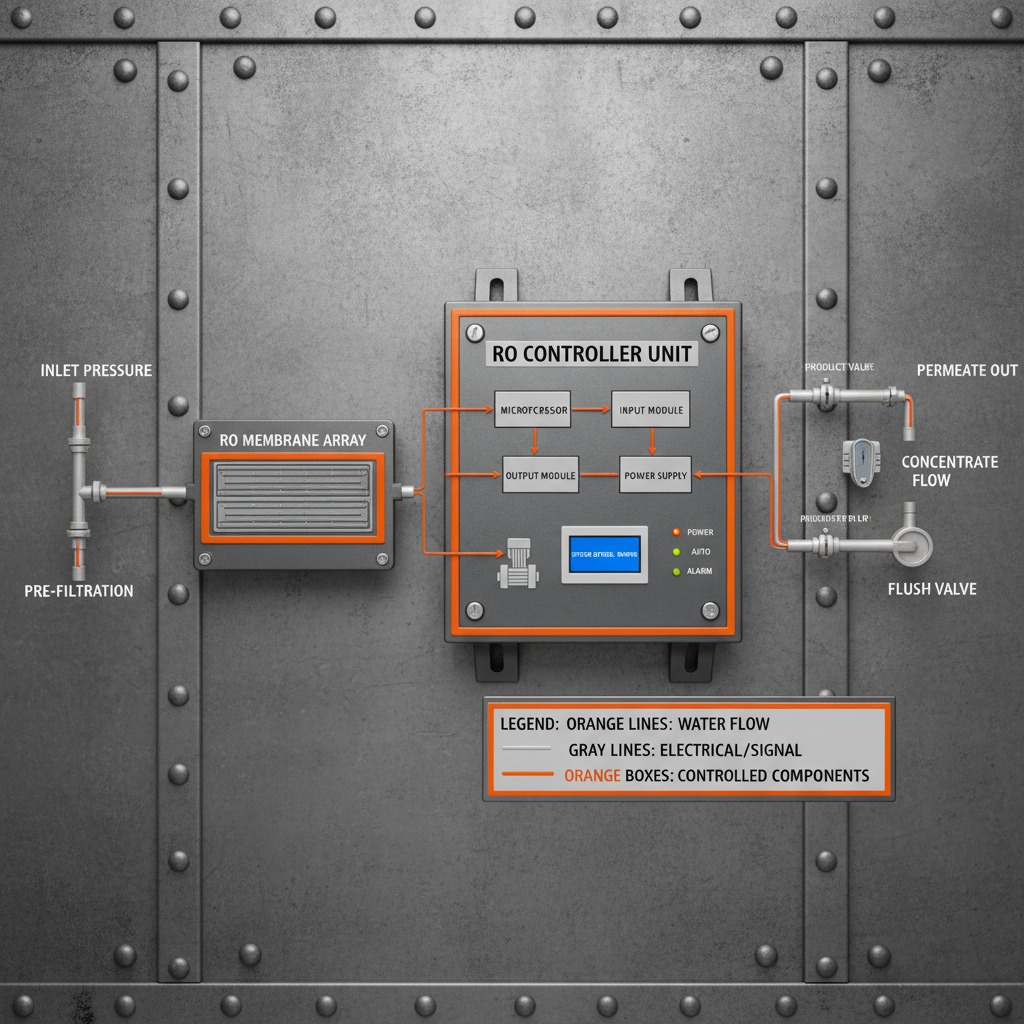
Guide to Choosing the Right RO Controller for Water PurificationMaintaining a high-performance reverse osmosis system requires more than just quality membranes; it demands precise regulation. An ro controller serves as the brain of the entire operation, monitoring critical parameters such as conductivity, temperature, and flow rates to ensure the output water meets stringent purity standards. Without an efficient controller, systems are prone to membrane fouling, inefficient energy use, and inconsistent water quality. In this comprehensive guide, we will explore how these devices optimize water treatment processes and how to select the best model for your specific industrial or commercial needs.
2026-04-09 03:25:47
Guide to Water Purity Using RO with TDS Controller SystemsAchieving the perfect balance of mineral content and purity in drinking water is a challenge for many households and industrial facilities. A ro with tds controller offers a sophisticated solution by combining the rigorous filtration of Reverse Osmosis (RO) with the precision of a Total Dissolved Solids (TDS) adjustment system. While standard RO systems remove almost everything, including beneficial minerals, a TDS controller allows users to re-mineralize the water to a desired level. This ensures that the water is not only safe and pure but also tastes better and provides essential nutrients.
2026-04-07 03:17:09
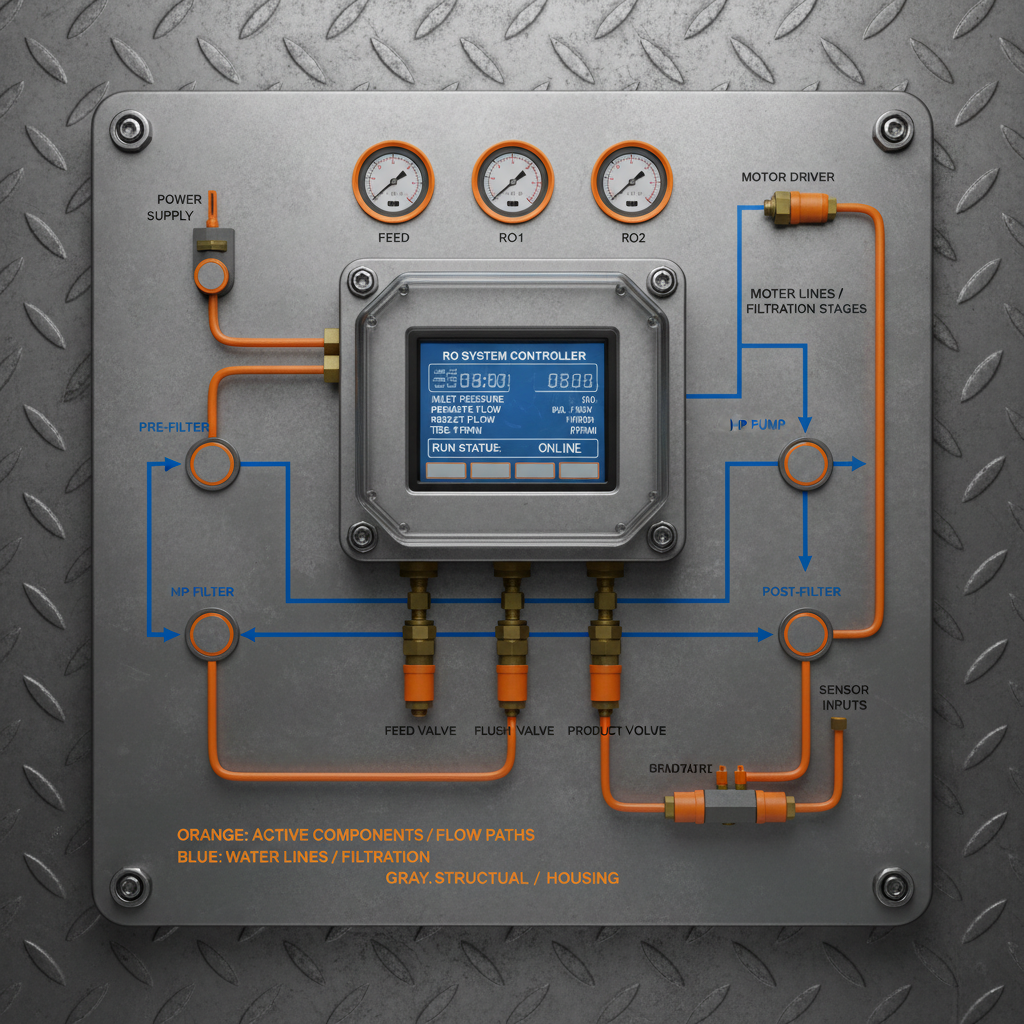
Understanding and Optimizing Reverse Osmosis Systems with a ControllerIn the world of water purification, reverse osmosis (RO) systems are a cornerstone for producing high-quality water for various applications, from drinking water to industrial processes. However, an RO system is only as effective as its control system. This is where the reverse osmosis controller comes into play. This critical component manages and optimizes the RO process, ensuring efficient operation, water quality, and system longevity.
2026-04-04 03:27:19
Understanding the Vital Role of an RO System Controller for Optimal PerformanceReverse Osmosis (RO) systems are critical for purifying water across various industries, from residential applications to large-scale industrial processes. At the heart of a well-functioning RO system lies the RO system controller. This intelligent device monitors and regulates all key parameters of the RO process, ensuring optimal performance, efficiency, and water quality. This article delves into the functionalities, benefits, and selection criteria for choosing the right RO system controller, particularly focusing on those offered by Watequipments. Understanding its role is crucial for maximizing the lifespan and effectiveness of your RO investment.
2026-03-24 17:18:24
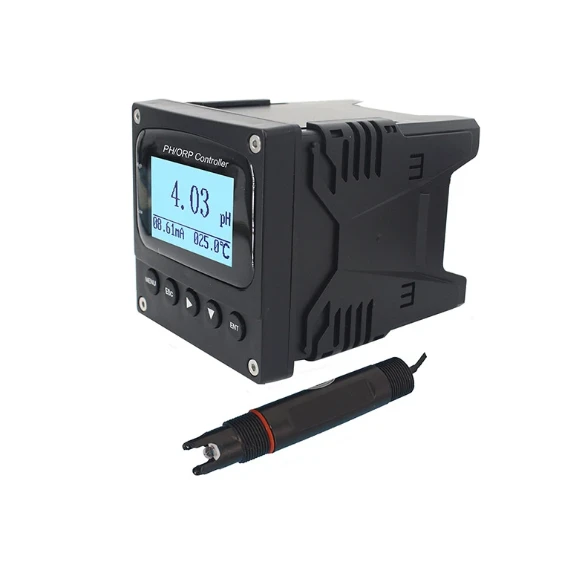
Smart Water Treatment Solutions Using PH ORP Controller SystemsIn modern water treatment and industrial fluid management, maintaining precise chemical balance is essential for safety, efficiency, and regulatory compliance.
2026-03-04 02:55:19
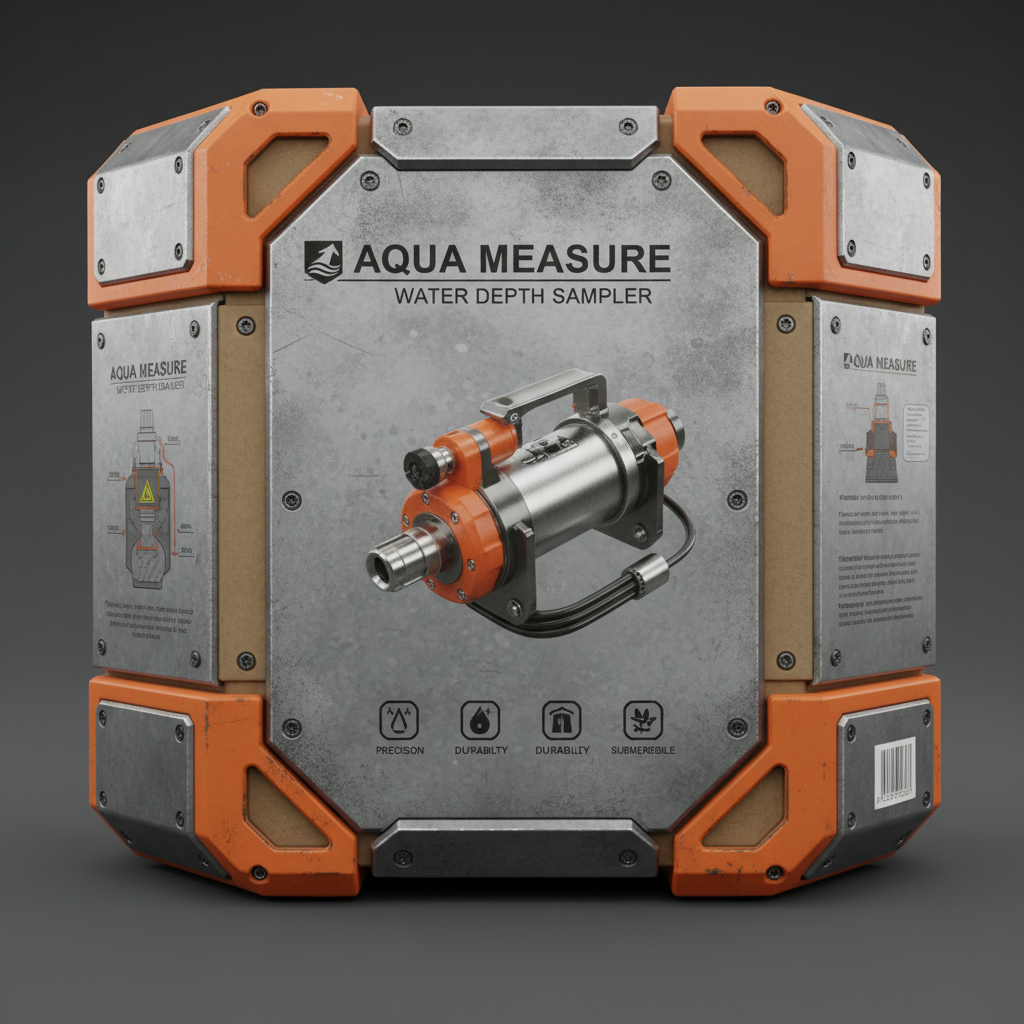
Comprehensive Guide to Water Depth Samplers and Their ApplicationsAccurate water quality monitoring is crucial in various fields, from environmental science and aquaculture to industrial wastewater management. A key tool for this is the water depth sampler. This article provides an in-depth look at water depth samplers, their applications, types, and essential considerations for choosing the right one for your needs. We'll explore the benefits of utilizing this equipment to collect reliable data for analysis and informed decision-making. Selecting the right sampler can significantly improve the precision and efficiency of your water monitoring program. A water depth sampler, also known as a depth-integrated sampler, is a device designed to collect water samples from specific depths within a body of water. Unlike simply dipping a container into the water, a depth sampler allows for collection of a representative sample across a defined depth range. This is critical because water properties (temperature, salinity, pollutants) often vary significantly with depth. The data gathered with a water depth sampler provides a more accurate assessment of water quality than surface samples alone.
2026-03-03 18:55:22
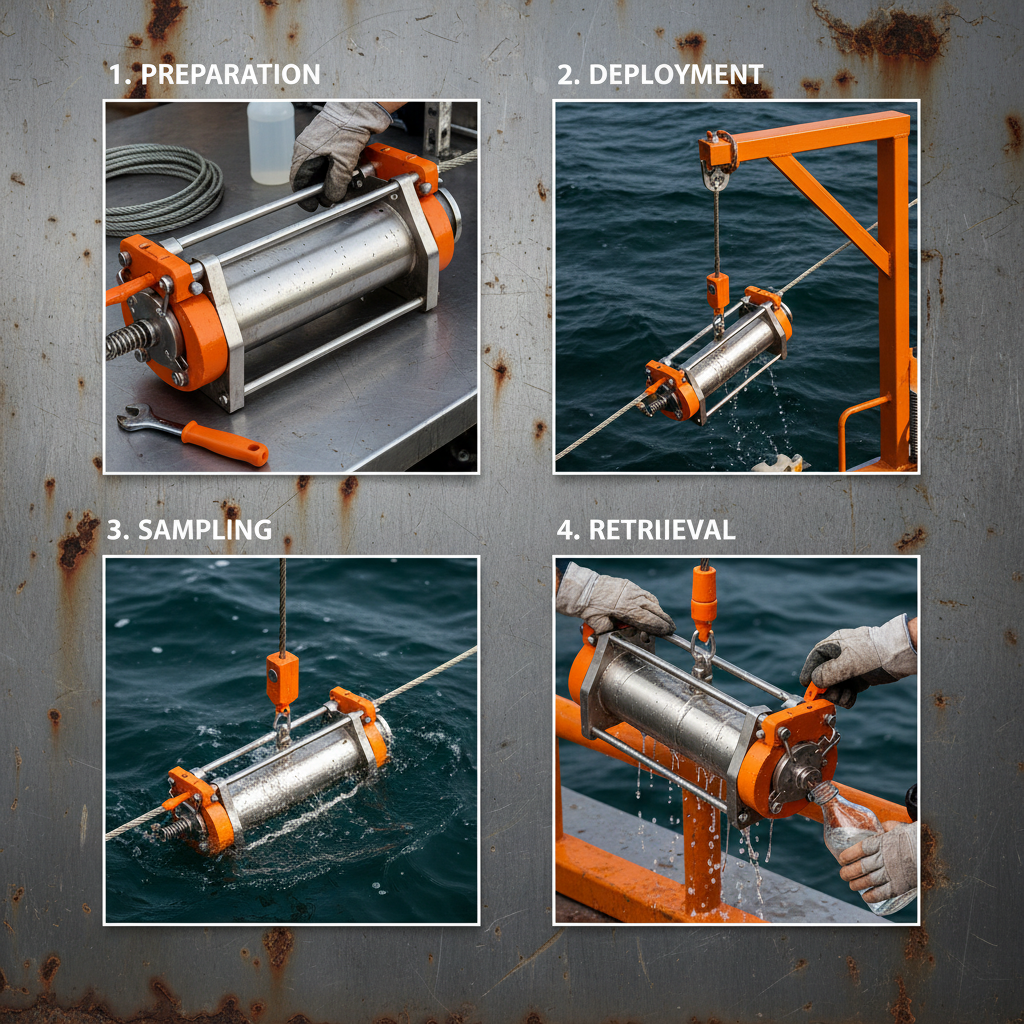
Comprehensive Guide to Horizontal Water Sampler Applications and SelectionCollecting water samples at varying depths is crucial for environmental monitoring, research, and quality control. The horizontal water sampler from Watequipment.com offers a precise and efficient solution for this task. This article provides an in-depth look at horizontal water samplers, their applications, benefits, and key considerations when choosing the right model. We will explore how these samplers contribute to accurate data collection and informed decision-making in various fields. A horizontal water sampler is a device designed to collect water samples from specific depths within a body of water – rivers, lakes, oceans, reservoirs, and even wastewater treatment plants. Unlike vertical samplers which primarily focus on depth, horizontal samplers prioritize collecting samples at a consistent depth while moving along a horizontal plane. This is essential for assessing water quality variations across a waterway or within a specific zone. They are used in applications ranging from environmental monitoring and scientific research to industrial process control and regulatory compliance.
2026-02-28 02:35:09
Comprehensive Guide to Selecting the Right Surface Water Sampler for Your NeedsMonitoring the quality of surface water is critical for environmental protection, public health, and various industrial applications. A surface water sampler is an essential tool for collecting representative samples from rivers, lakes, ponds, and other surface water sources. This article provides a detailed overview of surface water samplers, their types, applications, and key considerations for selecting the right equipment. Accurate water quality data relies on proper sample collection, and choosing the correct sampler is the first step toward achieving reliable results. Surface water samplers come in various designs, each suited to specific sampling needs. Common types include grab samplers, depth-integrating samplers, peristaltic pumps, and automatic samplers. Surface water samplers are used across a broad spectrum of applications, including environmental monitoring, wastewater discharge monitoring, drinking water source monitoring, agricultural runoff analysis, and research studies.

 English