


Comprehensive Guide to ORP Probes: Applications, Benefits & Innovations

Comprehensive Guide to ORP Probes: Applications, Benefits & Innovations
Dec . 16, 2025
Understanding ORP Probes: Why This Small Instrument Holds Global Importance
If you’ve ever dipped into water quality testing, you might have heard about ORP probes—those nifty devices that gauge oxidation-reduction potential to indicate water's cleanliness or contamination levels. Measuring ORP is vital not just for the science geeks but for industries spanning from drinking water treatment to aquaculture. Globally, as water scarcity and pollution intensify, understanding the role of ORP probes fuels safer water management and environmental protection. Now, you might wonder, why is a single probe so pivotal? Frankly, it’s a bit like having a health thermometer for water, offering an indirect yet reliable glimpse into chemical balances critical for both human and ecological health.The Global Context: ORP Probes in a Changing World
Nowadays, measuring oxidation-reduction potential (ORP) has become indispensable worldwide. According to the UN’s Sustainable Development Goals, by 2030, safe and affordable drinking water is targeted for all, putting tools like ORP probes front and center in ensuring water safety. Around 2.2 billion people lack safely managed drinking water globally (WHO/UNICEF, 2021), meaning accurate water quality monitoring—where ORP probes play a starring role—is not just technical stuff but a basic life necessity. Industries such as wastewater treatment plants, food and beverage processing, and even swimming pool maintenance rely heavily on ORP readings. The challenge, however, lies in consistently accurate measurement amidst variable environmental conditions—temperature changes, electrode fouling, or chemical interferences—all of which can skew readings and complicate decision-making. Mini takeaway: ORP probes aren’t just lab gadgets; they’re frontline defenders in global water safety challenges.What Exactly Is an ORP Probe?
At heart, an ORP probe is a sensor that measures the voltage generated by oxidation-reduction (redox) reactions in water. Think of redox reactions as the give-and-take exchange of electrons — when substances lose electrons (oxidize) or gain electrons (reduce). The ORP probe picks up on these electron shifts, providing a millivolt reading that tells you the water’s chemical activity level. This measurement is crucial since it helps determine water’s ability to break down contaminants or pathogens. In simpler terms, an ORP probe tells us how aggressive or “cleaning-capable” the water is. Thus, for water treatment operators, it’s not an abstract number; it’s a go/no-go signal.Core Aspects of ORP Probes for Practical Use
1. Durability and Materials
Typically, ORP probes feature robust glass electrodes combined with precious metals like platinum or gold to detect redox activity accurately. Their durability is critical for enduring harsh environments—think acidic industrial effluents or chlorinated swimming pools. Many models come with ruggedized tips or protective coatings to extend lifespan.2. Calibration and Maintenance
Like any sensitive instrument, ORP probes demand regular calibration using standard solutions. Some probes simplify this with automatic temperature compensation or self-cleaning mechanisms—features that reduce human error. Yet, routine maintenance remains a cornerstone to reliable data.3. Response Time and Accuracy
Speed matters. In fast-changing water systems, knowing whether the ORP reading updates within seconds or lags can impact operational decisions dramatically. Premium ORP probes often claim response times under a minute, with accuracy within ±10 mV, but real-world conditions can be less forgiving.4. Cost Efficiency and Scalability
Budget-conscious industries seek probes that deliver consistent readings without breaking the bank. Interestingly, many affordable probes now pack features such as digital outputs compatible with automated controllers, easing integration into large-scale monitoring setups.5. Versatility
The best ORP probes adapt to diverse applications — from aquaculture tanks needing delicate ecosystem balance to wastewater facilities battling highly variable contaminant loads. Mini takeaway: Selecting an ORP probe involves balancing sturdiness, speed, upkeep, and price, matching them to your water system’s quirks.ORP Probes In Action: Diverse Global Applications
ORP probes pop up in myriad places. In remote industrial zones, operators use them to monitor effluent quality before release, ensuring regulatory compliance. Post-disaster humanitarian groups often employ portable ORP probes to quickly verify if water sources are safe, which can be a matter of life or death. Aquaculture farms rely on them to maintain healthy water conditions that keep fish thriving, directly impacting food security. Countries dealing with aging urban infrastructure increasingly adopt automated ORP sensors to detect changes swiftly, preventing contamination events. Swimming pools worldwide, perhaps the most familiar application to many, use ORP readings to maintain disinfectant levels, avoiding harmful bacteria growth.| Feature | Typical Specs |
|---|---|
| Measurement Range | -1000 mV to +1000 mV |
| Response Time | |
| Temperature Range | 0°C to 80°C |
| Electrode Material | Platinum, Glass membrane |
| Output Signal | Analog (mV), Digital (optional) |
Long-Term Advantages of Using ORP Probes
The benefits extend beyond numbers on a screen. ORP probes empower industries to ensure public health by preventing unsafe water distribution. They also minimize unnecessary chemical dosing in water treatment, promoting sustainability and cost savings. From a social perspective, accurate ORP monitoring helps maintain water’s dignity as a clean, life-giving resource. Technically speaking, stable and reliable ORP sensing reduces downtime and operational headaches, fostering trust in water infrastructure. Emotionally, anyone in water management understands the quiet relief that comes from knowing water quality is monitored effectively.The Future of ORP Probes: Innovations to Watch
The ORP probe landscape is quietly evolving. New materials like graphene-enhanced electrodes promise longer life and improved sensitivity, while digital transformation introduces smart probes linked to cloud monitoring platforms offering real-time alerts. Imagine automated systems that adjust chemical dosing instantly after receiving ORP data — that’s happening already in high-tech plants. Green energy integration means low-power ORP sensors suitable for solar-powered remote systems. Plus, advances in membrane technology aim to reduce fouling, one of the biggest headaches in field use.Facing Challenges Head-On
Of course, challenges remain. Probe fouling and drift can lead to inaccurate readings — a “silent killer” of data integrity. Specialized cleaning protocols and novel self-cleaning mechanisms partly solve this, but user vigilance is key. Calibration frequency also varies widely depending on application — there’s no one-size-fits-all. Innovation helps but can’t remove all human factors. Still, many operators report that investing in quality probes and training pays off in long-term reliability and peace of mind.| Vendor | Price Range | Key Features | Best Use Case |
|---|---|---|---|
| OrpTech Probes | $150–$400 | High durability, auto temp-comp | Industrial water treatment |
| AquaSense | $100–$250 | Portable, digital output | Field testing, emergency relief |
| HydroCheck | $200–$450 | Self-cleaning, cloud connectivity | Smart water networks |
FAQ: Common Questions About ORP Probes
Q1: How often should I calibrate my ORP probe for accurate readings?Calibration generally depends on usage intensity, but a good rule of thumb is at least once a month. High-demand environments or variable water chemistries may require more frequent calibration to maintain precision. Q2: Can ORP probes detect all types of water contamination?
Not quite. ORP probes measure redox potential, giving indirect insight into oxidative or reductive water activity. They don’t specifically detect contaminants like heavy metals or bacteria but indicate the water's overall oxidation state, which correlates with treatment effectiveness. Q3: What’s the difference between ORP and pH probes?
While both are electrochemical sensors, pH probes measure acidity/basicity, whereas ORP probes measure the water's ability to oxidize or reduce substances. Think of pH as measuring “what the water is,” and ORP as measuring “what the water can do” chemically. Q4: Are ORP probes suitable for outdoor, harsh environments?
Yes, provided you select a probe designed with durable materials and protective shields. Regular maintenance helps combat fouling and damage, extending operational life in tough conditions. Q5: Can ORP probes be integrated into automated systems?
Definitely. Many modern ORP probes come with digital outputs compatible with PLCs or SCADA systems, enabling automated monitoring and real-time response in complex process controls.
Final Thoughts: Why ORP Probes Matter and Next Steps
It’s striking how a small sensor like an ORP probe holds such a cornerstone role in modern water management—from safeguarding drinking water to enabling smart industrial processes. Understanding its function, challenges, and evolving technologies equips operators, engineers, and decision-makers with a tool that’s as much about global health as it is about chemistry. If you’re ready to explore high-quality orp probe options tailored to your needs, visit our trusted resource at orp probe and take the first step toward smarter water quality management today. --- ### References 1. World Health Organization / UNICEF Joint Monitoring Programme (2021). Progress on Drinking Water, Sanitation and Hygiene. 2. ISO 20079:2005 – Water quality — Determination of oxidation-reduction potential (ORP). 3. Wikipedia contributors. Oxidation–reduction potential. Wikipedia, The Free Encyclopedia.
Related Products
Related News

2026-04-16 03:20:19
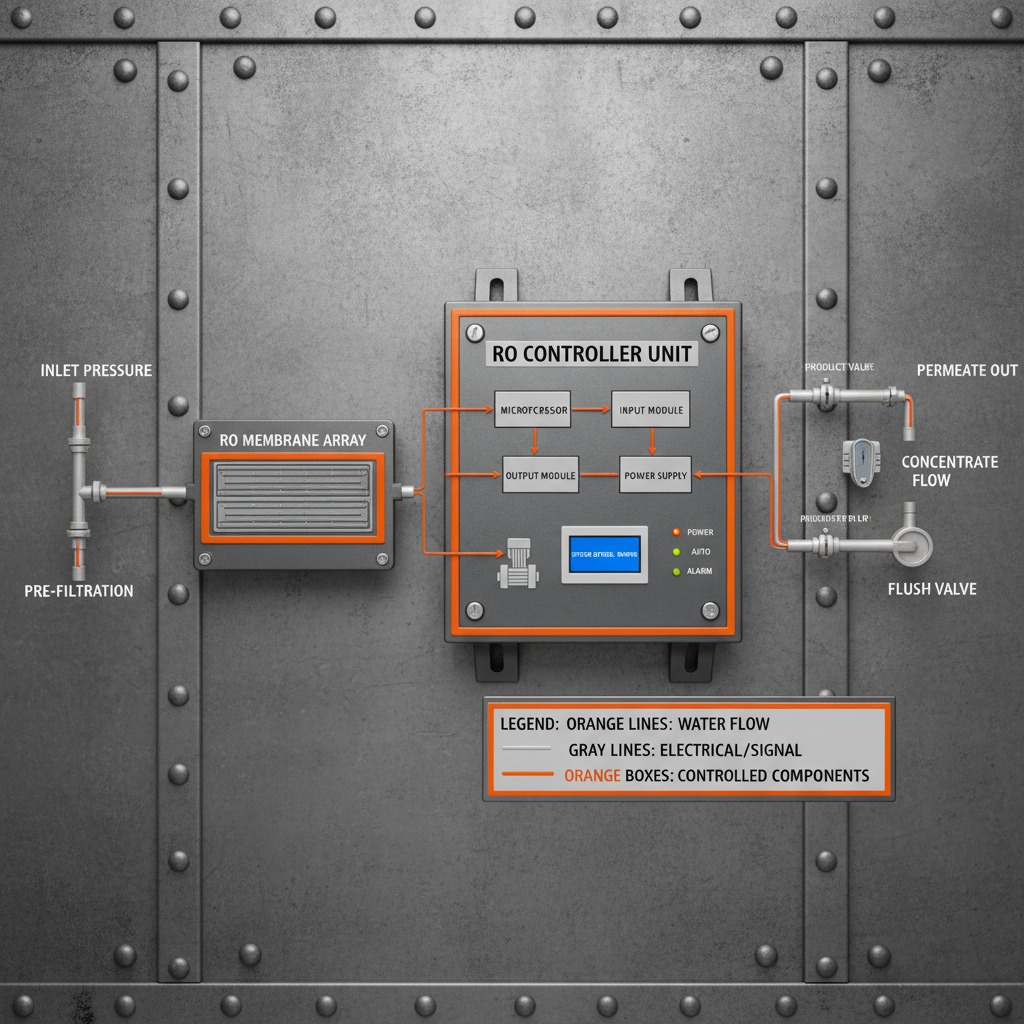
Guide to Choosing the Right RO Controller for Water PurificationMaintaining a high-performance reverse osmosis system requires more than just quality membranes; it demands precise regulation. An ro controller serves as the brain of the entire operation, monitoring critical parameters such as conductivity, temperature, and flow rates to ensure the output water meets stringent purity standards. Without an efficient controller, systems are prone to membrane fouling, inefficient energy use, and inconsistent water quality. In this comprehensive guide, we will explore how these devices optimize water treatment processes and how to select the best model for your specific industrial or commercial needs.
2026-04-09 03:25:47
Guide to Water Purity Using RO with TDS Controller SystemsAchieving the perfect balance of mineral content and purity in drinking water is a challenge for many households and industrial facilities. A ro with tds controller offers a sophisticated solution by combining the rigorous filtration of Reverse Osmosis (RO) with the precision of a Total Dissolved Solids (TDS) adjustment system. While standard RO systems remove almost everything, including beneficial minerals, a TDS controller allows users to re-mineralize the water to a desired level. This ensures that the water is not only safe and pure but also tastes better and provides essential nutrients.
2026-04-07 03:17:09
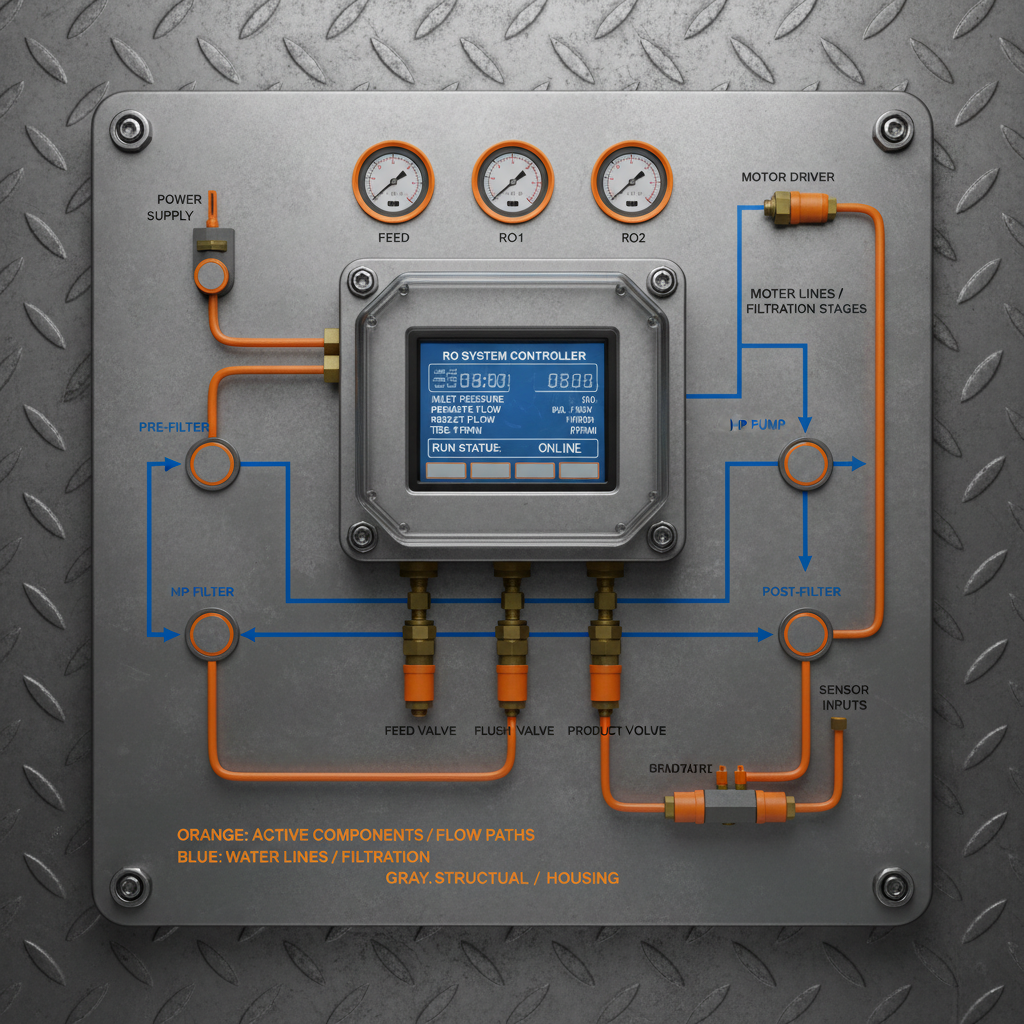
Understanding and Optimizing Reverse Osmosis Systems with a ControllerIn the world of water purification, reverse osmosis (RO) systems are a cornerstone for producing high-quality water for various applications, from drinking water to industrial processes. However, an RO system is only as effective as its control system. This is where the reverse osmosis controller comes into play. This critical component manages and optimizes the RO process, ensuring efficient operation, water quality, and system longevity.
2026-04-04 03:27:19
Understanding the Vital Role of an RO System Controller for Optimal PerformanceReverse Osmosis (RO) systems are critical for purifying water across various industries, from residential applications to large-scale industrial processes. At the heart of a well-functioning RO system lies the RO system controller. This intelligent device monitors and regulates all key parameters of the RO process, ensuring optimal performance, efficiency, and water quality. This article delves into the functionalities, benefits, and selection criteria for choosing the right RO system controller, particularly focusing on those offered by Watequipments. Understanding its role is crucial for maximizing the lifespan and effectiveness of your RO investment.
2026-03-24 17:18:24
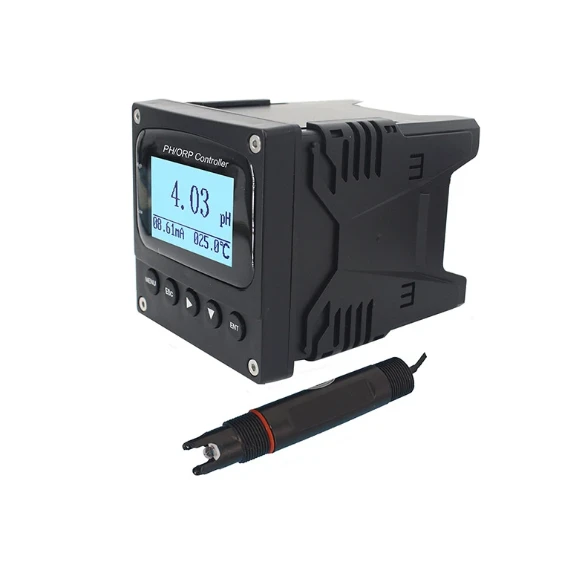
Smart Water Treatment Solutions Using PH ORP Controller SystemsIn modern water treatment and industrial fluid management, maintaining precise chemical balance is essential for safety, efficiency, and regulatory compliance.
2026-03-04 02:55:19
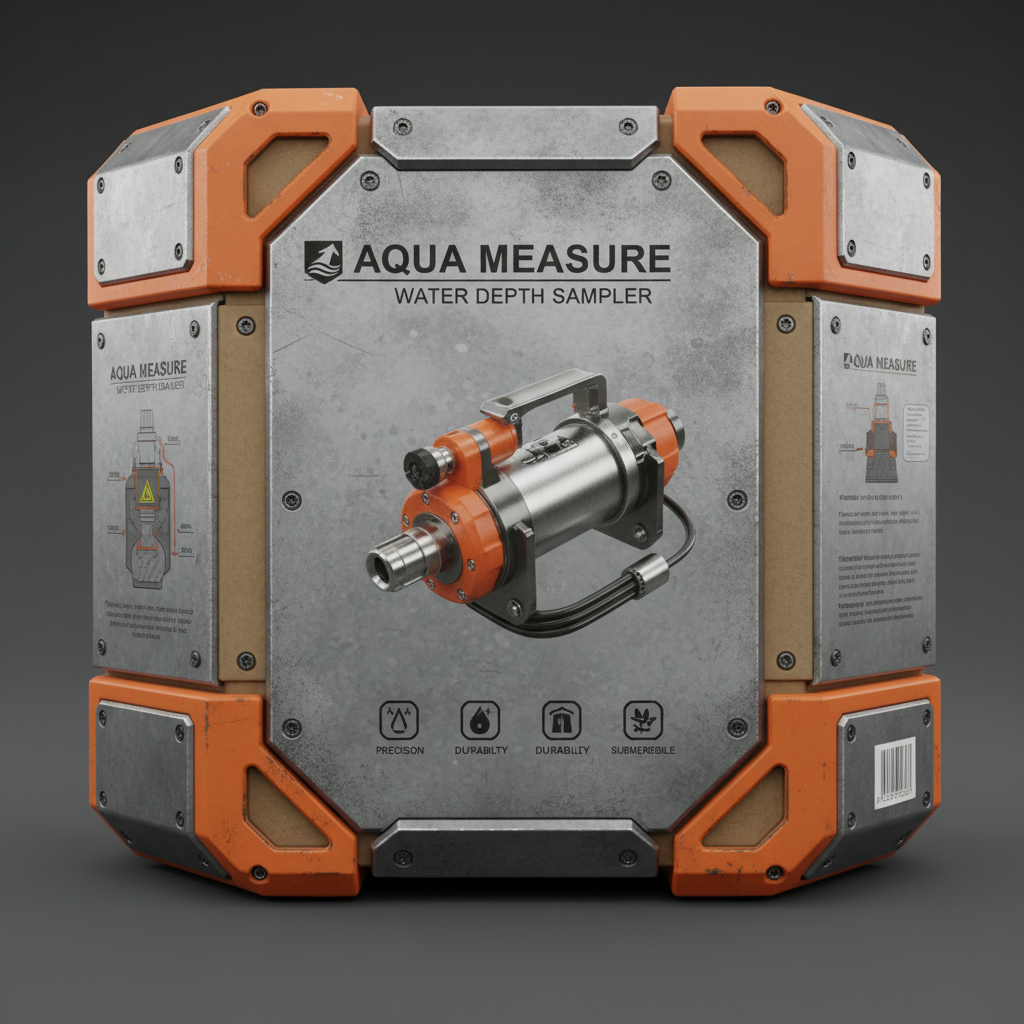
Comprehensive Guide to Water Depth Samplers and Their ApplicationsAccurate water quality monitoring is crucial in various fields, from environmental science and aquaculture to industrial wastewater management. A key tool for this is the water depth sampler. This article provides an in-depth look at water depth samplers, their applications, types, and essential considerations for choosing the right one for your needs. We'll explore the benefits of utilizing this equipment to collect reliable data for analysis and informed decision-making. Selecting the right sampler can significantly improve the precision and efficiency of your water monitoring program. A water depth sampler, also known as a depth-integrated sampler, is a device designed to collect water samples from specific depths within a body of water. Unlike simply dipping a container into the water, a depth sampler allows for collection of a representative sample across a defined depth range. This is critical because water properties (temperature, salinity, pollutants) often vary significantly with depth. The data gathered with a water depth sampler provides a more accurate assessment of water quality than surface samples alone.
2026-03-03 18:55:22
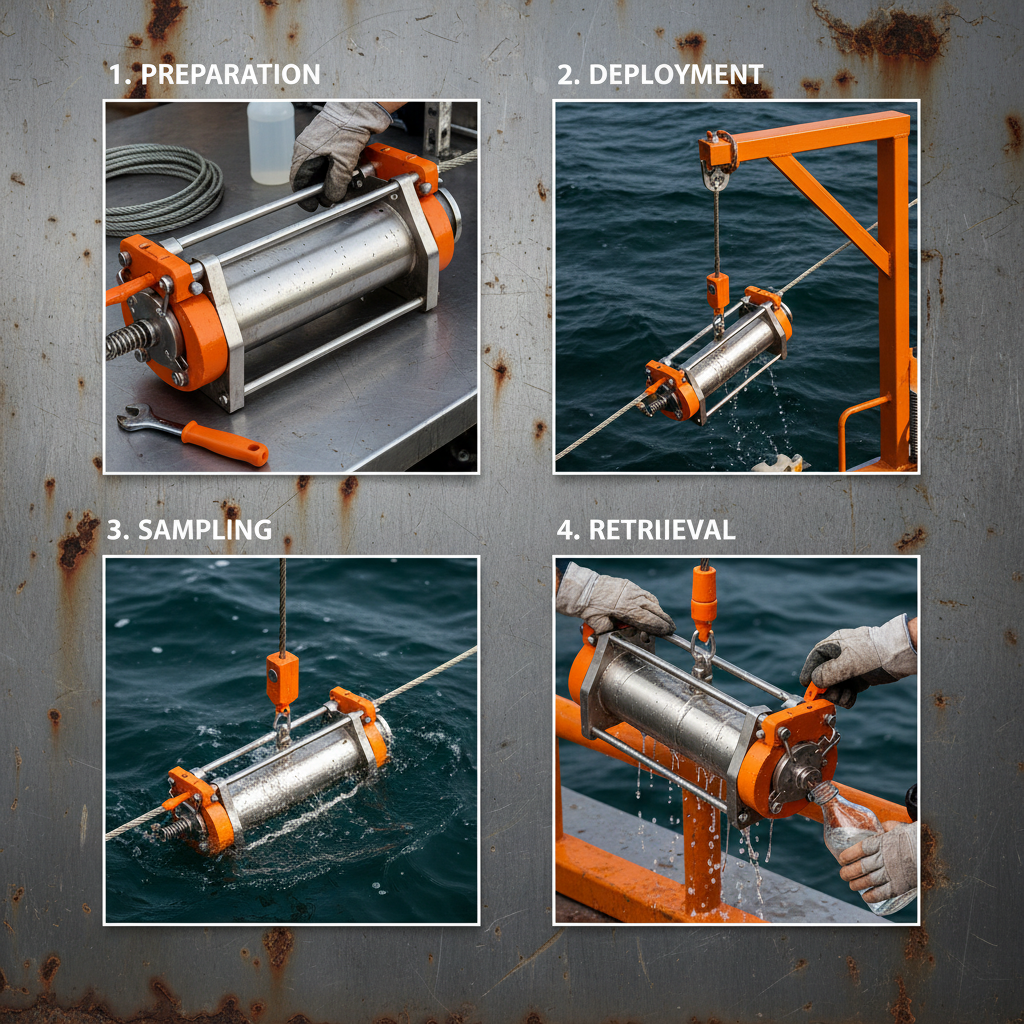
Comprehensive Guide to Horizontal Water Sampler Applications and SelectionCollecting water samples at varying depths is crucial for environmental monitoring, research, and quality control. The horizontal water sampler from Watequipment.com offers a precise and efficient solution for this task. This article provides an in-depth look at horizontal water samplers, their applications, benefits, and key considerations when choosing the right model. We will explore how these samplers contribute to accurate data collection and informed decision-making in various fields. A horizontal water sampler is a device designed to collect water samples from specific depths within a body of water – rivers, lakes, oceans, reservoirs, and even wastewater treatment plants. Unlike vertical samplers which primarily focus on depth, horizontal samplers prioritize collecting samples at a consistent depth while moving along a horizontal plane. This is essential for assessing water quality variations across a waterway or within a specific zone. They are used in applications ranging from environmental monitoring and scientific research to industrial process control and regulatory compliance.
2026-02-28 02:35:09
Comprehensive Guide to Selecting the Right Surface Water Sampler for Your NeedsMonitoring the quality of surface water is critical for environmental protection, public health, and various industrial applications. A surface water sampler is an essential tool for collecting representative samples from rivers, lakes, ponds, and other surface water sources. This article provides a detailed overview of surface water samplers, their types, applications, and key considerations for selecting the right equipment. Accurate water quality data relies on proper sample collection, and choosing the correct sampler is the first step toward achieving reliable results. Surface water samplers come in various designs, each suited to specific sampling needs. Common types include grab samplers, depth-integrating samplers, peristaltic pumps, and automatic samplers. Surface water samplers are used across a broad spectrum of applications, including environmental monitoring, wastewater discharge monitoring, drinking water source monitoring, agricultural runoff analysis, and research studies.

 English