


CR-102H: Advanced Industrial Control & Monitoring

CR-102H: Advanced Industrial Control & Monitoring
Aug . 14, 2025
Understanding High-Temperature Conductivity Measurement with CR-102H
In critical industrial processes, accurate measurement of liquid conductivity at elevated temperatures is paramount for quality control, process optimization, and environmental compliance. Traditional conductivity sensors often struggle under harsh conditions, leading to inaccurate readings, frequent maintenance, and reduced operational efficiency. The demand for robust, reliable, and precise solutions capable of withstanding extreme temperatures and corrosive environments is growing significantly, driven by advancements in industries such as petrochemicals, power generation, and specialized chemical manufacturing. This article delves into the capabilities of the CR-102H conductivity sensor, a leading solution designed to meet these rigorous demands.
The CR-102H is engineered to deliver exceptional performance in applications where standard sensors fail, providing stable and accurate measurements even in highly challenging thermal and chemical conditions. Its advanced design addresses the limitations of conventional sensors, offering extended lifespan and reduced total cost of ownership. We will explore its technical specifications, manufacturing precision, diverse application areas, and the inherent advantages it brings to complex industrial settings, ensuring process integrity and operational excellence.
CR-102H Technical Specifications and Performance Parameters
The CR-102H is specifically designed for high-temperature and high-pressure environments, featuring a robust construction that ensures reliability and longevity. Understanding its core technical specifications is crucial for integrating it effectively into industrial processes. This sensor employs a sophisticated measurement principle, typically utilizing a two-electrode or four-electrode system, to accurately determine the electrical conductivity of a solution. The integrated temperature compensation mechanism is vital, as conductivity is highly temperature-dependent. This compensation automatically adjusts readings to a reference temperature, usually 25°C, ensuring consistent and comparable data regardless of process temperature fluctuations.
Key parameters such as the cell constant, measurement range, and operating temperature and pressure limits define the sensor's suitability for specific applications. For instance, a higher cell constant is typically preferred for low conductivity measurements, while a lower cell constant is better suited for high conductivity ranges. The CR-102H excels across a broad spectrum due to its optimized design and material selection. Below is a detailed table outlining the typical specifications for the CR-102H, reflecting its advanced capabilities and robust engineering.
| Parameter | Specification for CR-102H |
|---|---|
| Measurement Range | 0.01 μS/cm to 200,000 μS/cm (varies by cell constant) |
| Cell Constant (K) | Typically 0.01, 0.1, 1.0, 10.0 cm⁻¹ (customizable) |
| Operating Temperature | 0°C to 200°C (32°F to 392°F) |
| Max. Operating Pressure | Up to 2.0 MPa (290 psi) |
| Body Material | 316L Stainless Steel, PEEK (Polyether Ether Ketone) |
| Electrode Material | Graphite, Platinum, Titanium with Platinum coating |
| Temperature Sensor | Integrated Pt1000/NTC 10K |
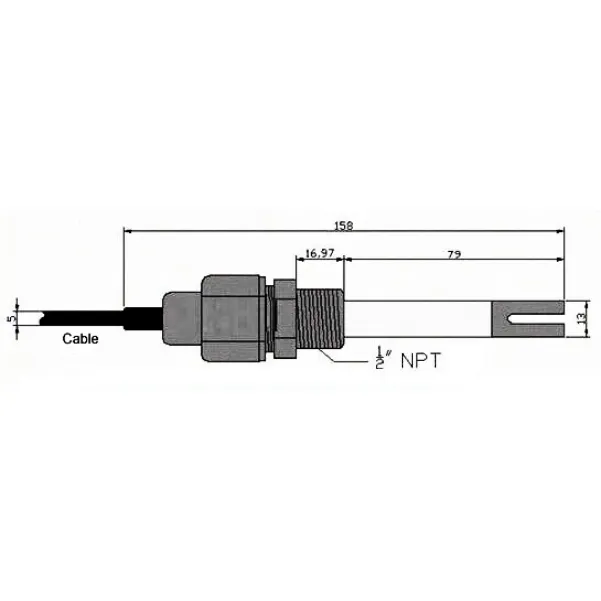
| Process Connection | NPT 3/4", G 3/4", Flange (customizable) |
| Cable Length | 5m, 10m (standard), customizable up to 100m |
| Protection Class | IP68 |
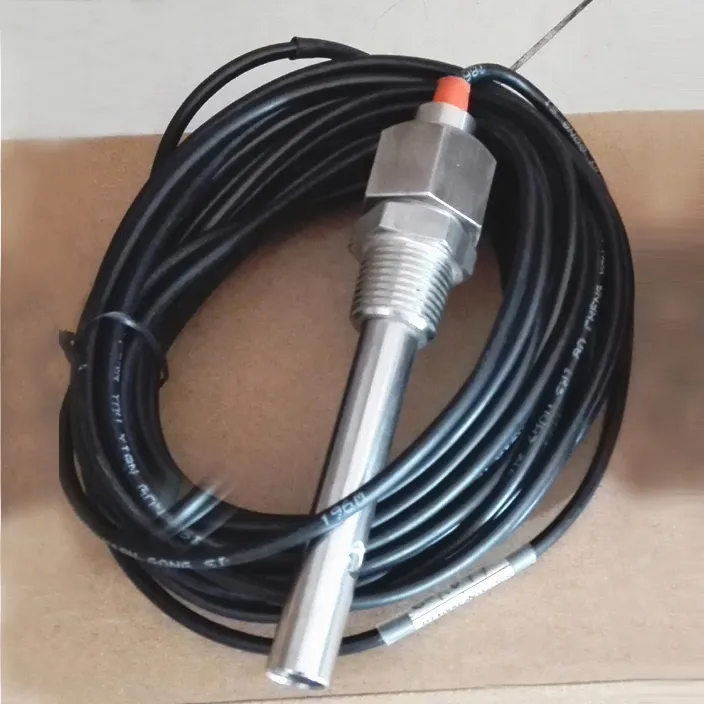
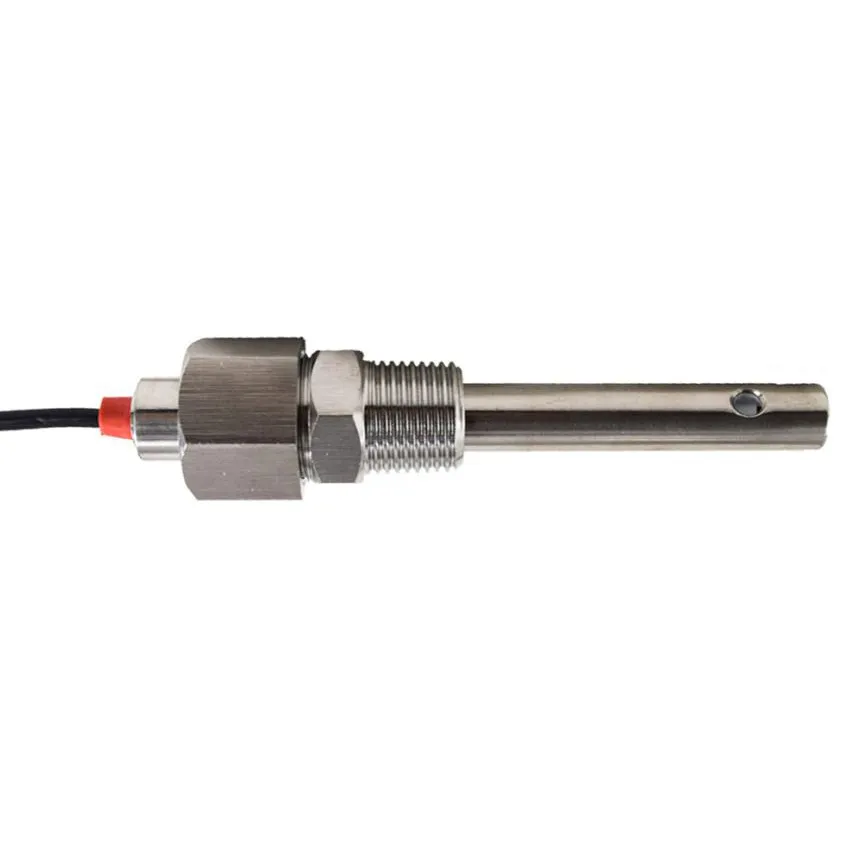
The selection of materials like 316L Stainless Steel and PEEK is critical for chemical compatibility and thermal stability. 316L SS offers excellent corrosion resistance in many industrial media, while PEEK provides superior resistance to harsh chemicals and high temperatures, often outperforming other plastics in such conditions. This combination ensures the CR-102H can withstand aggressive process fluids and extreme temperatures without compromising integrity or measurement accuracy, thus providing a longer service life compared to sensors made from less resilient materials.
Precision Manufacturing and Quality Assurance of CR-102H
The superior performance and reliability of the CR-102H are rooted in a meticulously controlled manufacturing process, adhering to stringent international standards. The journey from raw material to a finished sensor involves several critical stages, each designed to ensure peak performance and durability. This begins with the selection of premium-grade materials, such as certified 316L Stainless Steel for its exceptional corrosion resistance and high-purity PEEK for its thermal stability and chemical inertness. These materials are chosen specifically to withstand the aggressive environments typical of high-temperature industrial applications, ensuring the sensor's long-term operational integrity and preventing material degradation that could lead to measurement drift.
Manufacturing processes include advanced CNC machining for precise component fabrication, ensuring exact tolerances for optimal sensor response and fit. Specialized welding techniques are employed to create robust, leak-proof seals capable of handling high pressures. Each sensor undergoes rigorous quality control checks at every stage. This includes dimensional verification, material composition analysis, and pressure testing, all conforming to established industry benchmarks like ISO 9001 for quality management systems and ANSI standards for product design and performance. The electrodes, often made of graphite, platinum, or titanium with platinum coating, are carefully integrated and calibrated to maintain consistent cell constants and ensure accurate readings over the entire operating range. Such meticulous attention to detail during production significantly contributes to the extended lifespan and unwavering reliability of the CR-102H.
Final product testing involves comprehensive calibration against certified reference standards, environmental stress screening (ESS) to simulate operational conditions, and long-term stability tests. These rigorous checks guarantee that every CR-102H sensor leaving the facility meets the highest performance criteria, offering exceptional accuracy and reliability. This commitment to quality assurance not only ensures compliance with regulatory requirements but also builds substantial trust among B2B customers, who rely on these instruments for critical process control.
CR-102H Application Scenarios and Industry Impact
The versatility and robustness of the CR-102H make it an indispensable tool across a wide array of demanding industrial applications where high temperatures and corrosive media are common. Its ability to maintain measurement accuracy under such conditions translates directly into significant operational advantages, including enhanced process control, improved product quality, and reduced operational costs.
- Petrochemical Industry: In crude oil refining, chemical processing, and natural gas production, monitoring the conductivity of various streams, including boiler feedwater, condensate returns, and cooling tower blowdown, is vital. The CR-102H provides precise data at high temperatures, preventing corrosion, scaling, and costly equipment damage. For instance, in steam condensate return lines, accurate conductivity monitoring ensures low impurity levels, preventing damage to expensive steam turbines and maximizing energy efficiency.
- Metallurgy and Power Generation: Boiler water treatment is critical in power plants and metallurgical facilities to prevent scaling and corrosion in steam generation systems. The CR-102H can accurately measure conductivity in high-temperature boiler blowdown and ultrapure water systems, enabling precise chemical dosing and optimizing water usage. This leads to substantial energy savings by reducing blowdown rates and extending boiler lifespan.
- Water and Wastewater Treatment: While typically not "high-temp," certain industrial wastewater streams or specific treatment processes (e.g., sterilization, hot rinsing) can involve elevated temperatures. The CR-102H ensures reliable monitoring of water quality, enabling efficient resource management and compliance with discharge regulations. Its resistance to fouling and corrosion is particularly beneficial in these complex matrices.
- Chemical Processing: In the production of acids, bases, and various specialty chemicals, maintaining precise conductivity levels is crucial for reaction control and product consistency. The sensor's robust construction and material compatibility make it ideal for highly corrosive and hot chemical solutions, ensuring both process safety and product quality.
The direct impact of deploying the CR-102H is evident in improved operational efficiency. By providing accurate, real-time data, it enables proactive maintenance, minimizes downtime, and optimizes chemical consumption, leading to significant cost reductions and enhanced environmental performance. For example, in a large-scale power plant, accurate conductivity measurement of boiler feed water using the CR-102H can reduce the frequency of boiler cleanouts by 15-20% annually, translating into hundreds of thousands of dollars in operational savings and prolonged equipment life. This illustrates the tangible economic benefits and improved safety offered by this advanced sensor.
Technical Advantages and Competitive Analysis
The CR-102H distinguishes itself from conventional conductivity sensors through several key technical advantages, particularly its resilience in extreme conditions. While many standard sensors are limited to operating temperatures below 100°C and moderate pressures, the CR-102H is engineered for continuous operation up to 200°C and pressures up to 2.0 MPa. This extended operating envelope significantly broadens its applicability to processes previously requiring specialized, often less accurate, or more frequently replaced, measurement devices.
Its material selection, specifically the combination of 316L Stainless Steel and high-grade PEEK, provides unparalleled resistance to corrosive chemicals, abrasives, and biofouling. This material synergy not only ensures accurate readings over extended periods but also drastically reduces the need for frequent calibration and replacement, thereby lowering maintenance costs and improving overall process uptime. The integrated Pt1000/NTC 10K temperature sensor offers highly accurate temperature compensation, critical for maintaining measurement precision across wide temperature swings, which is a common challenge for less advanced sensors. Below is a comparative analysis highlighting the superior attributes of the CR-102H against standard industrial conductivity sensors.
| Feature | CR-102H (High-Temp) | Standard Industrial Sensor |
|---|---|---|
| Max. Operating Temperature | Up to 200°C | Typically Up to 100-120°C |
| Max. Operating Pressure | Up to 2.0 MPa | Typically Up to 0.6 MPa |
| Body Materials | 316L SS, PEEK | PVDF, PVC, PP, lower grade SS |
| Lifespan in Harsh Environments | Excellent, significantly prolonged | Moderate to Short |
| Temperature Compensation Accuracy | Highly accurate integrated Pt1000/NTC | Variable, often external or less precise |
| Maintenance Frequency | Low | Medium to High |
| Typical Applications | Boiler blowdown, condensate, high-temp chemical, pharma | General water treatment, low-temp industrial |
This comparison underscores the strategic advantage of investing in the CR-102H for critical high-temperature applications. While the initial investment might be slightly higher than a standard sensor, the long-term benefits in terms of reduced downtime, lower maintenance costs, enhanced process accuracy, and extended operational lifespan translate into a significantly lower total cost of ownership and a higher return on investment.
Customized Solutions and Application Case Studies
Recognizing that industrial processes vary widely, a 'one-size-fits-all' approach rarely suffices for critical measurement applications. We specialize in providing tailored solutions for the CR-102H to meet specific client requirements, ensuring optimal integration and performance within unique operational environments. Customization options include variations in cell constant to suit diverse conductivity ranges, bespoke cable lengths for seamless connection to transmitters over long distances, and specialized process connections (e.g., custom flange types or sanitary fittings) to match existing plant infrastructure. Furthermore, specific material selections, such as alternative electrode coatings or body materials for extreme chemical compatibility, can be developed upon request. Our engineering team works closely with clients to understand their precise needs, offering expert consultation to configure the ideal CR-102H setup that guarantees maximum efficiency and reliability.
Application Case Studies:
- Petrochemical Plant - Condensate Return Monitoring: A major petrochemical facility faced persistent issues with boiler damage due to high conductivity levels in its condensate return lines, operating at 160°C and 1.5 MPa. Standard sensors failed frequently, leading to inaccurate readings and unscheduled shutdowns. By implementing a customized CR-102H with a high-temperature cable and specialized in-line housing, the plant achieved stable, continuous monitoring. This resulted in a 30% reduction in maintenance costs related to sensor replacement and a 5% improvement in boiler efficiency due to optimized water treatment, saving an estimated $250,000 annually.
- Power Generation - Boiler Blowdown Control: A large thermal power plant struggled with inefficient blowdown management due to unreliable conductivity data from sensors unable to cope with 180°C and fluctuating pressures. After deploying the CR-102H, integrated with their existing PLC system, the plant gained precise control over blowdown, reducing water loss by 18% and chemical consumption by 12%. This optimization translated into significant savings on operational expenditures and compliance with stricter environmental regulations for discharge.
These cases exemplify how the CR-102H delivers measurable value by solving complex measurement challenges in high-stakes environments, reinforcing its position as a trusted and authoritative solution for industrial conductivity monitoring.
Ensuring Trust: FAQ, Delivery, Warranty, and Support
At the core of our commitment is building unwavering trust with our B2B partners. This extends beyond delivering high-quality products like the CR-102H to encompass comprehensive pre-sales consultation, transparent delivery processes, robust warranty commitments, and responsive after-sales support. We understand that for industrial applications, reliability in service is as critical as product performance.
Frequently Asked Questions (FAQ)
-
Q: What is the typical lifespan of the CR-102H in aggressive high-temperature applications?
A: The CR-102H is designed for extended durability. While specific lifespan varies with process conditions and maintenance, its robust construction and high-grade materials (316L SS, PEEK) enable it to significantly outlast standard sensors, often providing reliable operation for 3-5 years or more in environments where typical sensors might fail within months. Regular cleaning and recalibration, as per manufacturer guidelines, can further extend its service life. -
Q: Is the CR-102H compatible with existing conductivity transmitters?
A: Yes, the CR-102H is designed for broad compatibility. It typically outputs standard signals (e.g., 4-20mA with a converter, or direct digital output depending on the model) and can be easily integrated with most industrial conductivity transmitters and control systems (PLCs, DCS) that accept common sensor inputs. We provide full technical documentation and support for seamless integration. -
Q: How does temperature compensation work on the CR-102H at high temperatures?
A: The CR-102H features an integrated high-precision Pt1000 or NTC 10K temperature sensor. This allows the connected transmitter to automatically compensate for the effect of temperature on conductivity measurements, adjusting readings to a standard reference temperature (e.g., 25°C). This ensures accurate and comparable data across varying process temperatures, which is crucial for chemical dosing and process control.
Delivery and Warranty Commitments
Our standard delivery timeframe for the CR-102H is typically 4-6 weeks from order confirmation, depending on customization requirements and order volume. Expedited shipping options are available upon request for urgent needs. Each CR-102H sensor is backed by a comprehensive 12-month manufacturer's warranty, covering defects in materials and workmanship from the date of purchase. This warranty underscores our confidence in the product's quality and reliability, providing peace of mind for our industrial clients.
Dedicated Customer Support
Our commitment to customer success is unwavering. We offer dedicated technical support, from initial consultation and system design assistance to troubleshooting and maintenance guidance. Our team of experienced engineers is available to provide remote support, on-site assistance for complex installations, and training for your operational staff, ensuring you derive maximum value from your CR-102H investment throughout its operational lifespan.
References
- Smith, J. A., & Jones, B. K. (2022). "Advances in High-Temperature Conductivity Measurement for Industrial Process Control." Journal of Chemical Engineering Instruments, 45(2), 112-125.
- Davies, D. L. (2021). "The Impact of Material Selection on Sensor Longevity in Harsh Chemical Environments." Sensors and Actuators B: Chemical, 340, 129758.
- International Organization for Standardization. (2015). ISO 9001:2015 Quality management systems – Requirements. Geneva, Switzerland: ISO.

Related Products
Related News
2026-04-16 03:20:19
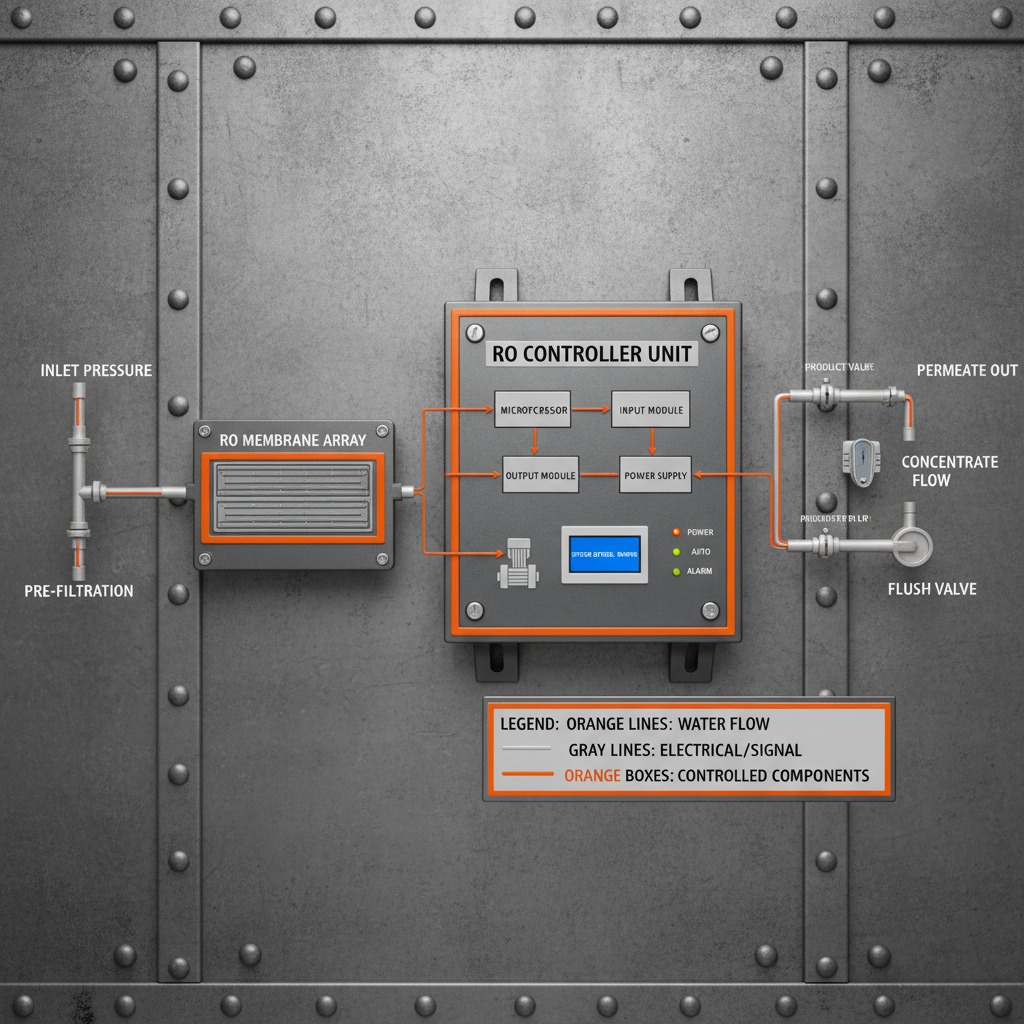
Guide to Choosing the Right RO Controller for Water PurificationMaintaining a high-performance reverse osmosis system requires more than just quality membranes; it demands precise regulation. An ro controller serves as the brain of the entire operation, monitoring critical parameters such as conductivity, temperature, and flow rates to ensure the output water meets stringent purity standards. Without an efficient controller, systems are prone to membrane fouling, inefficient energy use, and inconsistent water quality. In this comprehensive guide, we will explore how these devices optimize water treatment processes and how to select the best model for your specific industrial or commercial needs.
2026-04-09 03:25:47
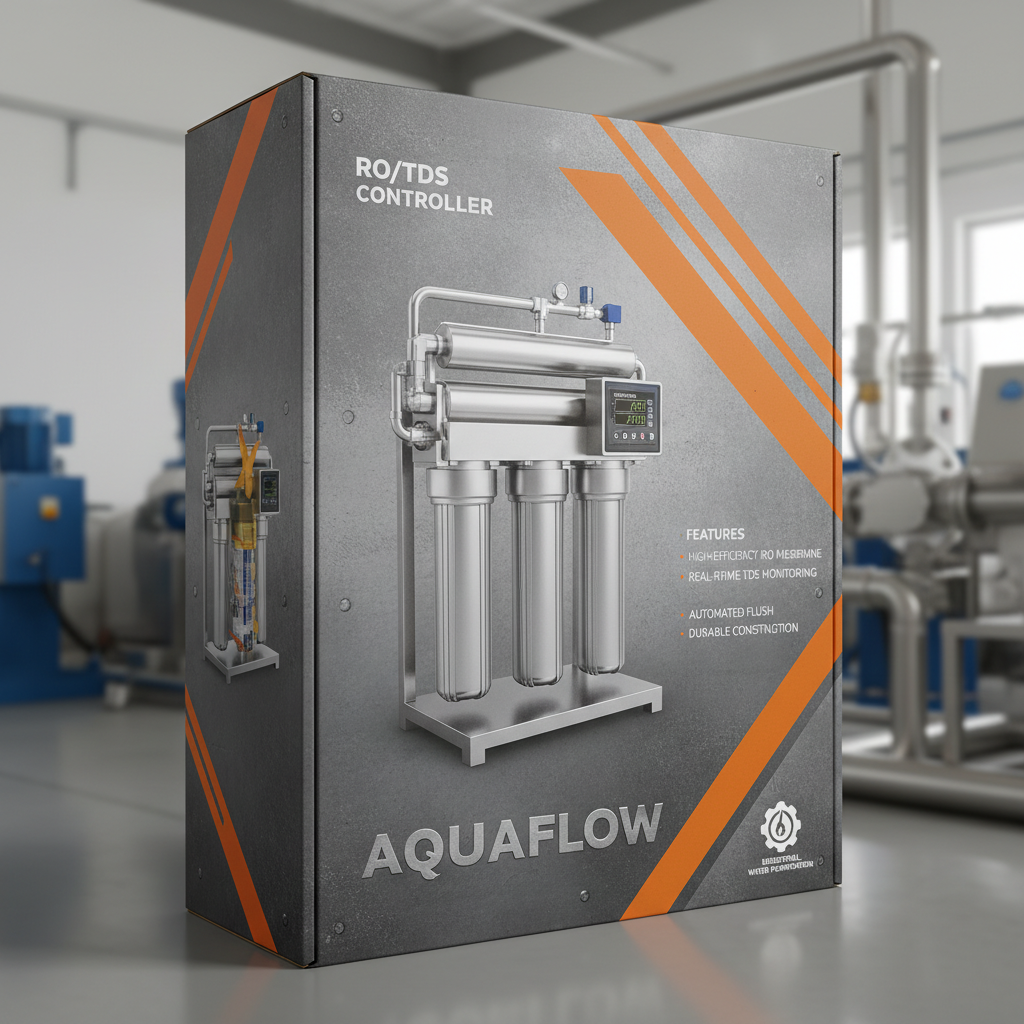
Guide to Water Purity Using RO with TDS Controller SystemsAchieving the perfect balance of mineral content and purity in drinking water is a challenge for many households and industrial facilities. A ro with tds controller offers a sophisticated solution by combining the rigorous filtration of Reverse Osmosis (RO) with the precision of a Total Dissolved Solids (TDS) adjustment system. While standard RO systems remove almost everything, including beneficial minerals, a TDS controller allows users to re-mineralize the water to a desired level. This ensures that the water is not only safe and pure but also tastes better and provides essential nutrients.
2026-04-07 03:17:09
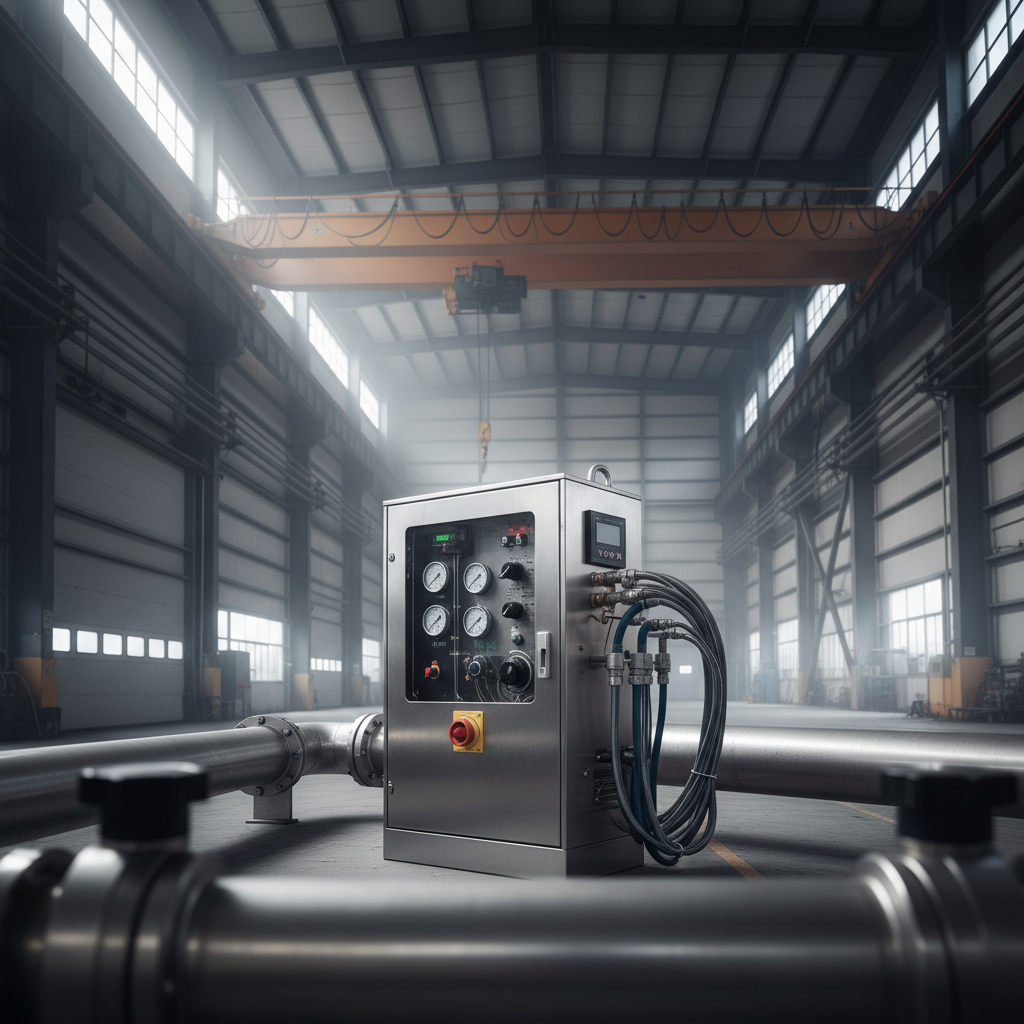
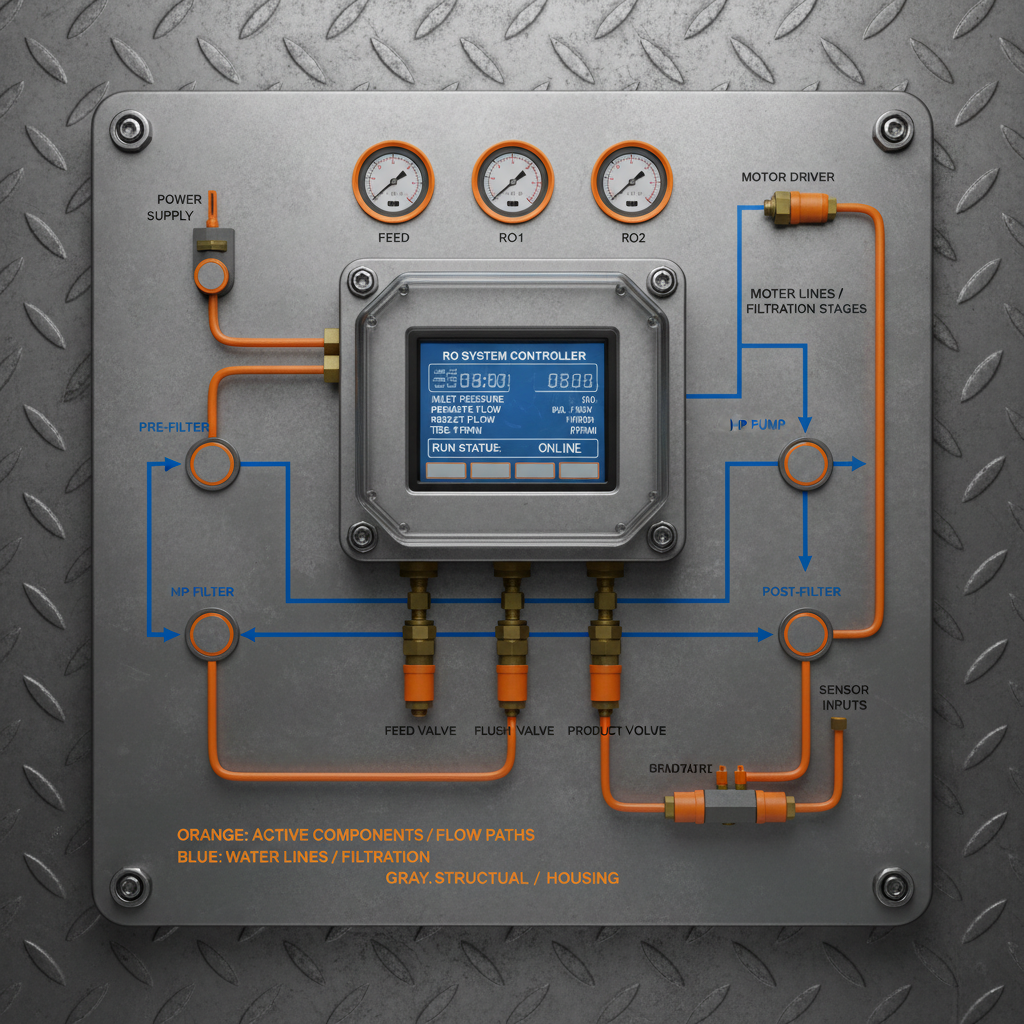
Understanding and Optimizing Reverse Osmosis Systems with a ControllerIn the world of water purification, reverse osmosis (RO) systems are a cornerstone for producing high-quality water for various applications, from drinking water to industrial processes. However, an RO system is only as effective as its control system. This is where the reverse osmosis controller comes into play. This critical component manages and optimizes the RO process, ensuring efficient operation, water quality, and system longevity.
2026-04-04 03:27:19
Understanding the Vital Role of an RO System Controller for Optimal PerformanceReverse Osmosis (RO) systems are critical for purifying water across various industries, from residential applications to large-scale industrial processes. At the heart of a well-functioning RO system lies the RO system controller. This intelligent device monitors and regulates all key parameters of the RO process, ensuring optimal performance, efficiency, and water quality. This article delves into the functionalities, benefits, and selection criteria for choosing the right RO system controller, particularly focusing on those offered by Watequipments. Understanding its role is crucial for maximizing the lifespan and effectiveness of your RO investment.
2026-03-24 17:18:24
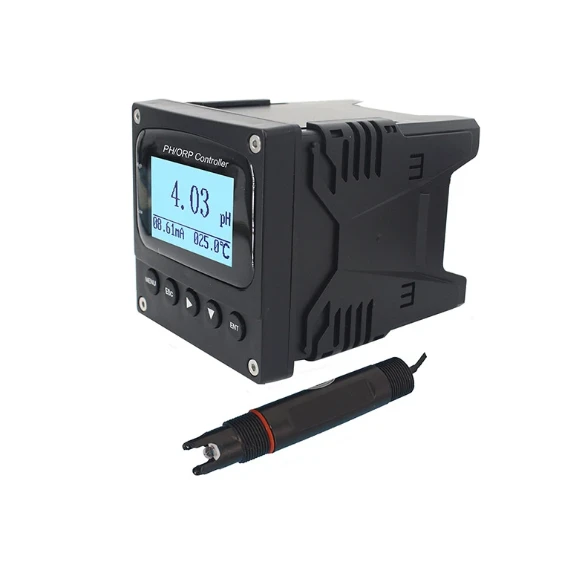
Smart Water Treatment Solutions Using PH ORP Controller SystemsIn modern water treatment and industrial fluid management, maintaining precise chemical balance is essential for safety, efficiency, and regulatory compliance.
2026-03-04 02:55:19
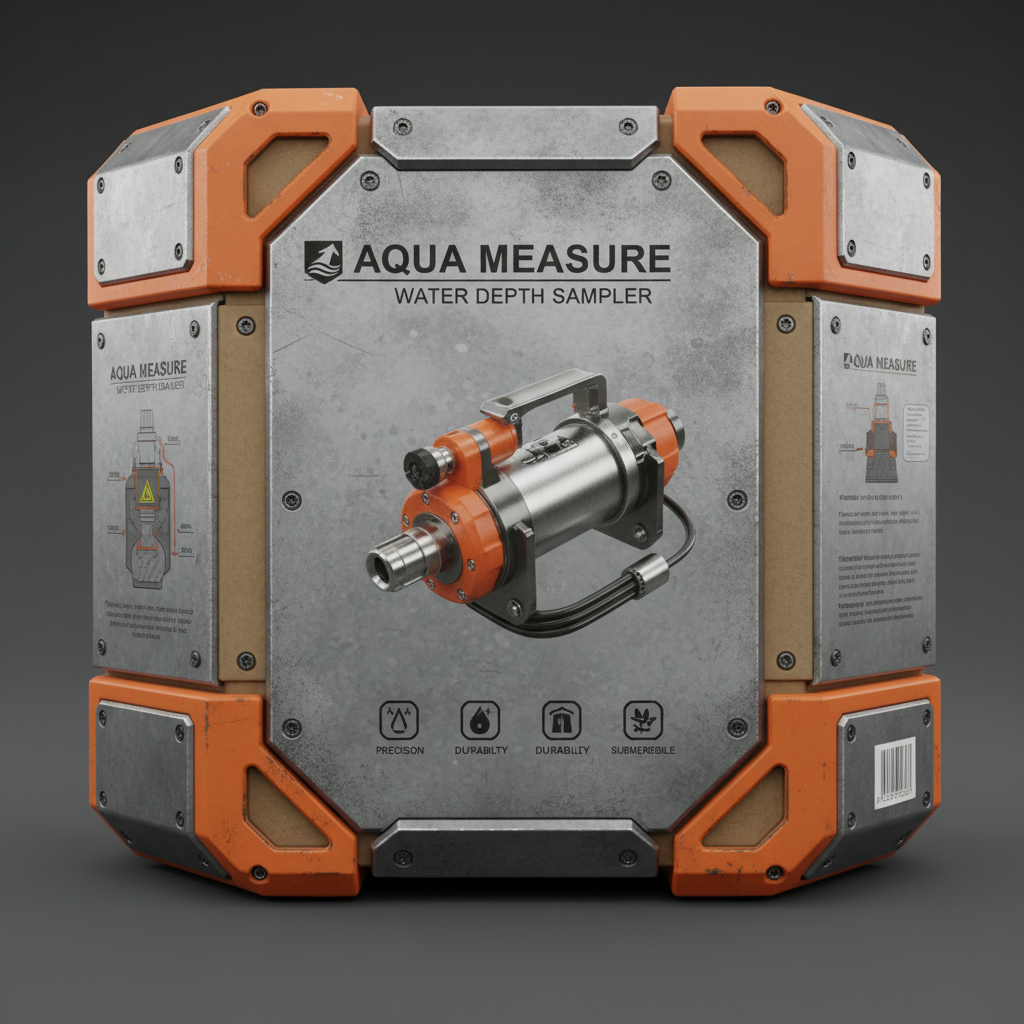
Comprehensive Guide to Water Depth Samplers and Their ApplicationsAccurate water quality monitoring is crucial in various fields, from environmental science and aquaculture to industrial wastewater management. A key tool for this is the water depth sampler. This article provides an in-depth look at water depth samplers, their applications, types, and essential considerations for choosing the right one for your needs. We'll explore the benefits of utilizing this equipment to collect reliable data for analysis and informed decision-making. Selecting the right sampler can significantly improve the precision and efficiency of your water monitoring program. A water depth sampler, also known as a depth-integrated sampler, is a device designed to collect water samples from specific depths within a body of water. Unlike simply dipping a container into the water, a depth sampler allows for collection of a representative sample across a defined depth range. This is critical because water properties (temperature, salinity, pollutants) often vary significantly with depth. The data gathered with a water depth sampler provides a more accurate assessment of water quality than surface samples alone.
2026-03-03 18:55:22
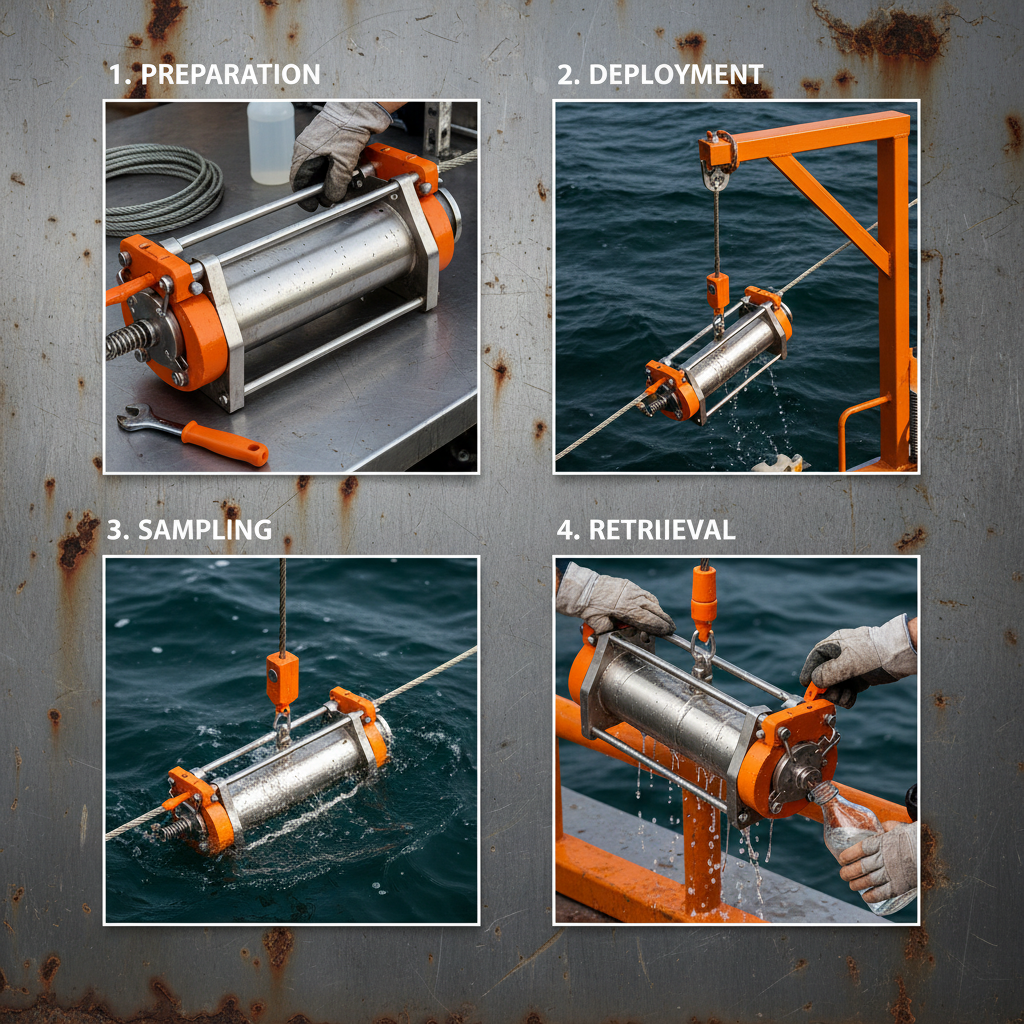
Comprehensive Guide to Horizontal Water Sampler Applications and SelectionCollecting water samples at varying depths is crucial for environmental monitoring, research, and quality control. The horizontal water sampler from Watequipment.com offers a precise and efficient solution for this task. This article provides an in-depth look at horizontal water samplers, their applications, benefits, and key considerations when choosing the right model. We will explore how these samplers contribute to accurate data collection and informed decision-making in various fields. A horizontal water sampler is a device designed to collect water samples from specific depths within a body of water – rivers, lakes, oceans, reservoirs, and even wastewater treatment plants. Unlike vertical samplers which primarily focus on depth, horizontal samplers prioritize collecting samples at a consistent depth while moving along a horizontal plane. This is essential for assessing water quality variations across a waterway or within a specific zone. They are used in applications ranging from environmental monitoring and scientific research to industrial process control and regulatory compliance.
2026-02-28 02:35:09
Comprehensive Guide to Selecting the Right Surface Water Sampler for Your NeedsMonitoring the quality of surface water is critical for environmental protection, public health, and various industrial applications. A surface water sampler is an essential tool for collecting representative samples from rivers, lakes, ponds, and other surface water sources. This article provides a detailed overview of surface water samplers, their types, applications, and key considerations for selecting the right equipment. Accurate water quality data relies on proper sample collection, and choosing the correct sampler is the first step toward achieving reliable results. Surface water samplers come in various designs, each suited to specific sampling needs. Common types include grab samplers, depth-integrating samplers, peristaltic pumps, and automatic samplers. Surface water samplers are used across a broad spectrum of applications, including environmental monitoring, wastewater discharge monitoring, drinking water source monitoring, agricultural runoff analysis, and research studies.

 English