


WS 9200: High-Performance Industrial Wireless Solution

WS 9200: High-Performance Industrial Wireless Solution
Aug . 15, 2025
Navigating the Future of Water Quality Monitoring: Trends and Innovations
The landscape of environmental monitoring is rapidly evolving, driven by increasingly stringent regulatory frameworks and a global imperative for sustainable resource management. Key industry trends point towards a greater demand for automation, real-time data acquisition, and robust remote monitoring capabilities in water quality assessment. The traditional methods of manual sampling are giving way to advanced, automated solutions that offer unparalleled precision, reproducibility, and safety. This shift is particularly evident in industrial discharge monitoring, municipal wastewater treatment, and environmental compliance programs, where accuracy and timely data are critical for operational optimization and regulatory adherence. The integration of IoT, AI-driven analytics, and cloud-based platforms is transforming raw data into actionable insights, enabling proactive decision-making and significantly reducing operational costs associated with labor-intensive sampling protocols.
Within this dynamic environment, the demand for highly reliable and efficient automatic water samplers has surged. These devices are pivotal in ensuring continuous and representative sample collection, which is fundamental for accurate pollutant load assessment, process control, and environmental impact studies. Innovators in the field are focusing on enhancing the durability, portability, and communication features of these samplers, making them suitable for deployment in diverse and often harsh environmental conditions. Furthermore, there is a growing emphasis on energy efficiency and modular design to facilitate ease of maintenance and long-term operational sustainability. The adoption of such cutting-edge technology is not merely a compliance measure but a strategic investment for industries seeking to optimize their environmental performance and achieve operational excellence.
Introducing the WS 9200 Automatic Water Sampler: Precision and Reliability
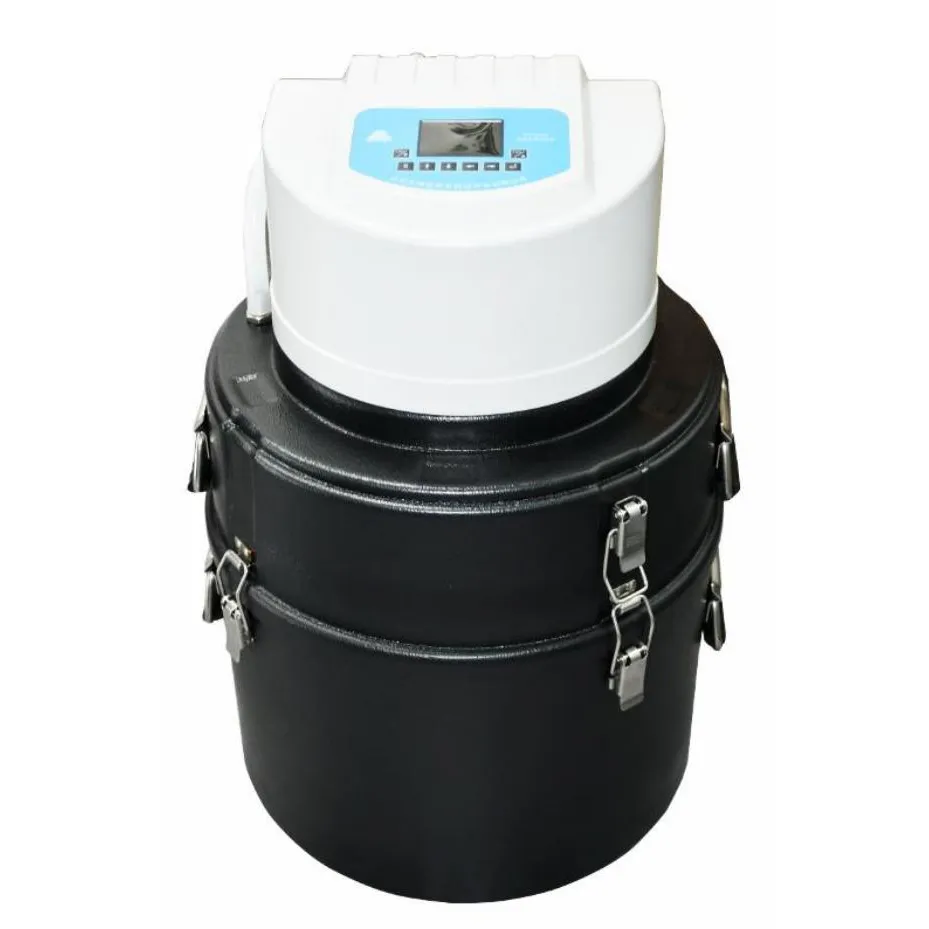
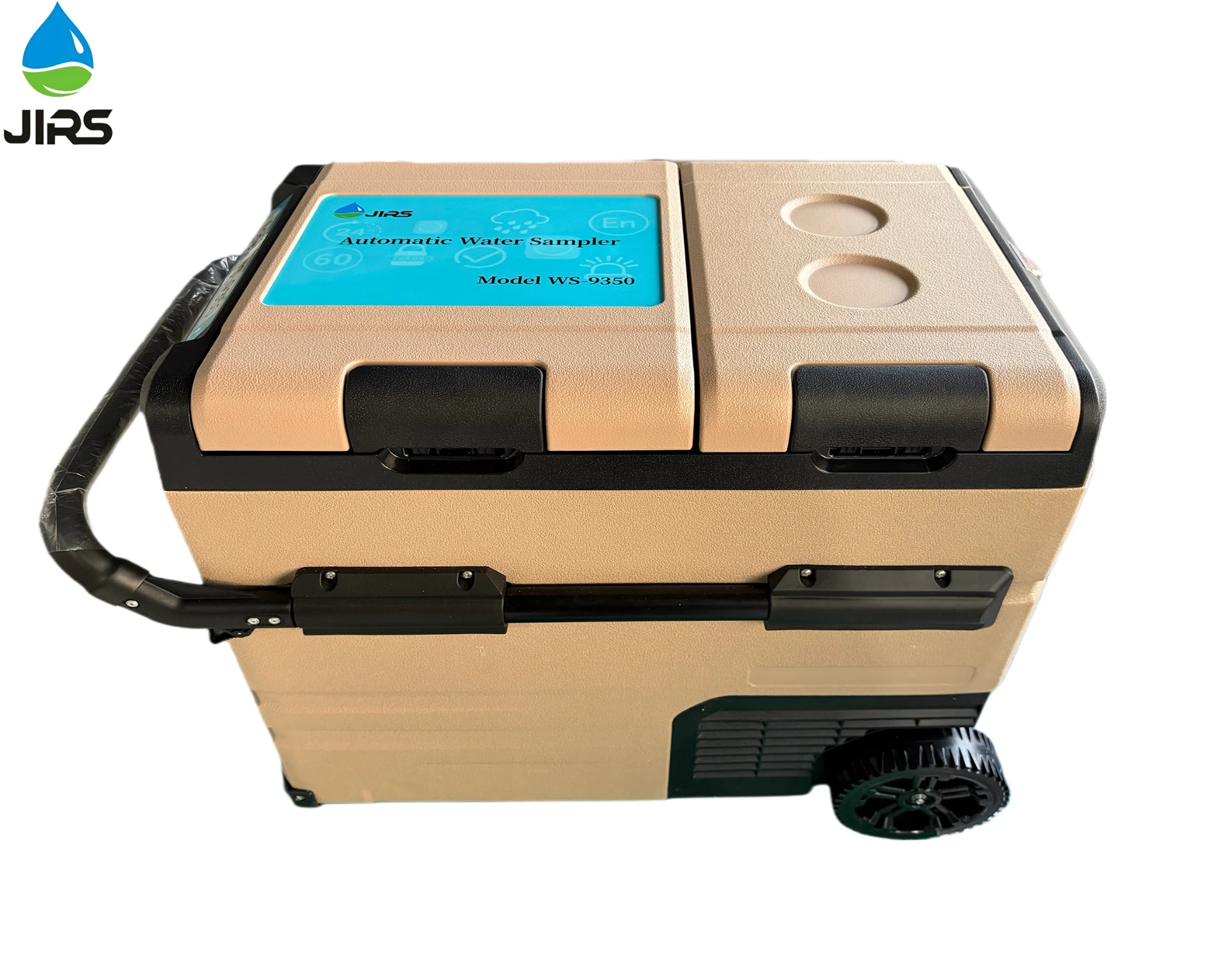
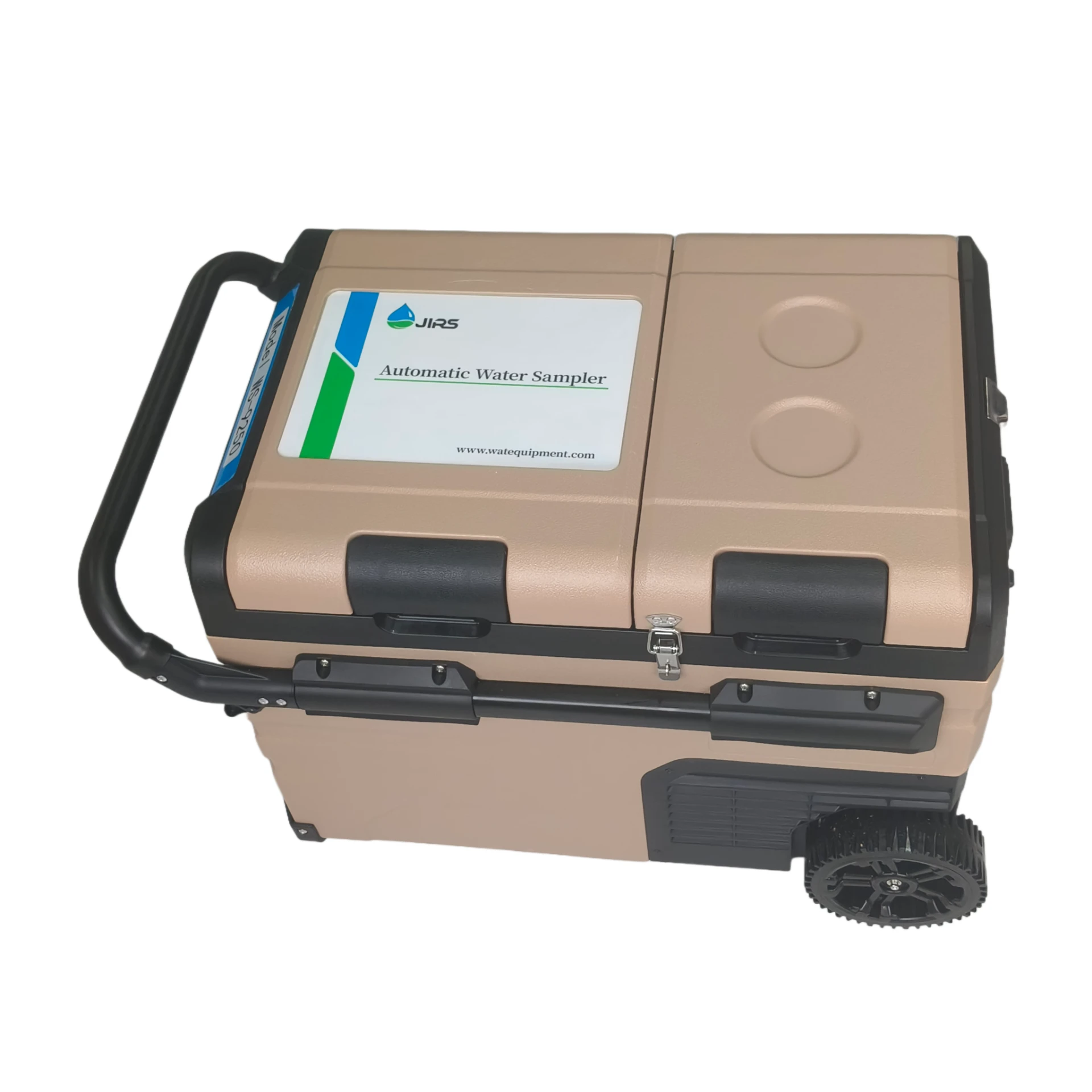
The WS 9200 automatic water sampler represents a significant advancement in automated environmental monitoring equipment. Engineered for superior performance in demanding applications, this robust device excels in collecting representative water samples from various sources, ranging from industrial wastewater streams to natural waterways. Its design integrates cutting-edge peristaltic pump technology, ensuring accurate and consistent sample volumes while minimizing cross-contamination. This makes the WS 9200 an indispensable tool for environmental consultants, industrial facilities, and regulatory bodies committed to stringent water quality management.
Key to the WS 9200's reliability is its ability to perform both composite and discrete sampling, adapting seamlessly to diverse monitoring requirements. Users can program the sampler for time-proportional, flow-proportional, or event-based sampling, offering exceptional flexibility. The intuitive interface and user-friendly programming simplify operation, reducing the learning curve for technical staff. Furthermore, its rugged construction, featuring an IP66/NEMA 4X rated enclosure, guarantees protection against harsh environmental elements, including dust ingress and powerful water jets, extending its operational lifespan in outdoor and industrial settings. This commitment to durability and precision positions the WS 9200 as a leading choice for critical water quality monitoring initiatives.
Crafting Excellence: The Manufacturing Process of WS 9200
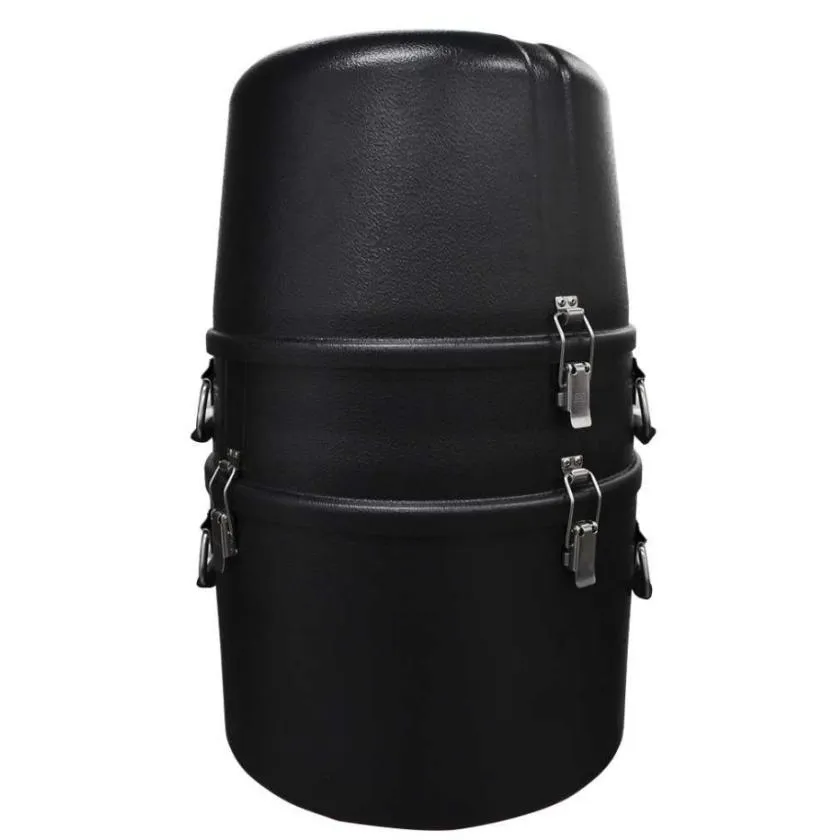
The production of the WS 9200 automatic water sampler involves a meticulously controlled manufacturing process, adhering to the highest industrial standards to ensure unparalleled quality and longevity. The journey begins with the selection of premium-grade materials. For critical components exposed to sampled liquids, corrosion-resistant materials such as medical-grade silicone tubing for the peristaltic pump and robust, chemical-resistant plastics like HDPE or PTFE for sample bottles and manifold systems are utilized. The external casing is typically constructed from UV-stabilized ABS or fiberglass, reinforced to achieve the NEMA 4X / IP66 rating, ensuring resilience against harsh environmental conditions, including extreme temperatures and corrosive atmospheres.
Precision manufacturing techniques are employed throughout. Key metallic components, if present, might undergo CNC machining for intricate parts, ensuring dimensional accuracy and tight tolerances critical for reliable mechanical operation. Plastic components are often produced via advanced injection molding or rotational molding processes, guaranteeing structural integrity and seamless fit. Each sub-assembly, from the peristaltic pump mechanism to the integrated control unit, undergoes rigorous in-process quality checks. Final assembly occurs in a controlled environment, followed by comprehensive performance testing. This includes pump calibration for precise volume delivery, leak testing of the entire fluid path, and simulated environmental chamber tests to verify functionality across the specified operating temperature range. Adherence to international standards such as ISO 9001 for quality management and ISO 5667 series for water sampling guidelines is paramount, ensuring that every WS 9200 unit meets global benchmarks for reliability and data integrity. The result is a durable instrument designed for an extended service life, typically exceeding 7-10 years with proper maintenance, reducing the total cost of ownership for our clients in sectors like petrochemical, metallurgy, and municipal water management.
Technical Specifications and Parameters of WS 9200
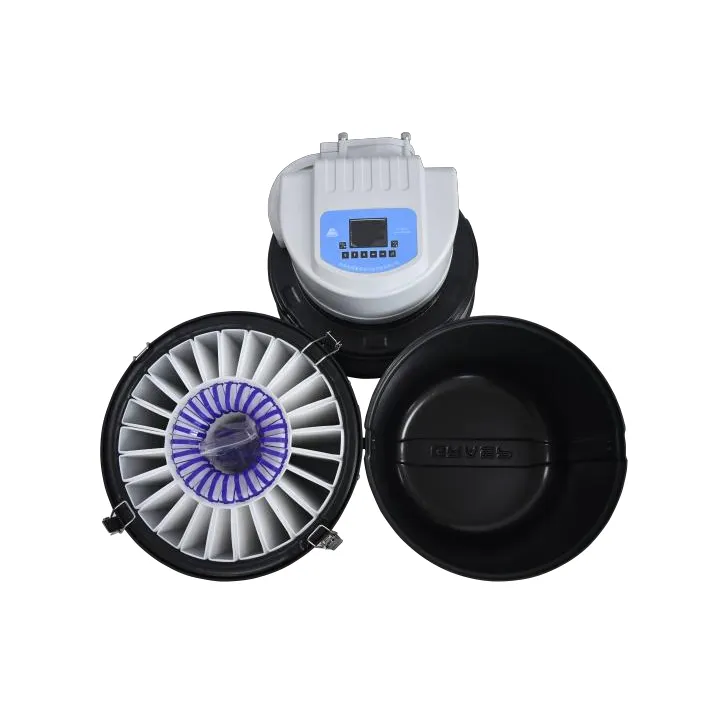
Understanding the detailed technical specifications of the WS 9200 is crucial for assessing its suitability for specific applications. This automatic water sampler is engineered with precision to ensure optimal performance in diverse industrial and environmental settings. The core of its sampling mechanism is a highly durable peristaltic pump capable of a vertical lift of up to 8 meters (26 feet), ensuring it can draw samples from various depths or elevated channels. The sampler supports a programmable sample volume range from 20 mL to 1000 mL, offering flexibility for both trace analysis and bulk sampling requirements. Its robust control system allows for programming up to 24 distinct sample cycles, accommodating complex monitoring schedules.
| Parameter | Specification | Notes |
|---|---|---|
| Sample Delivery Method | Peristaltic Pump | Minimizes sample contamination |
| Vertical Lift | Up to 8 meters (26 ft) | Strong suction for diverse sites |
| Sample Volume Range | 20 mL - 1000 mL (programmable) | Adjustable for various analysis needs |
| Number of Bottles | 1 x 20L Composite or 24 x 1L Discrete | Flexibility for composite/discrete sampling |
| Enclosure Rating | IP66 / NEMA 4X | Dust-tight, protected against powerful jets/corrosion |
| Operating Temperature | -20°C to +50°C (-4°F to +122°F) | Wide operational range |
| Power Supply | 12V DC (rechargeable battery) / 110/220V AC | Versatile power options for field or fixed use |
| Communication | USB for data download, Optional 4G/IoT Module | Remote access and data logging |
| Dimensions (H x W x D) | Approx. 750 x 500 x 400 mm | Compact design for ease of deployment |
| Weight | Approx. 25 kg (without battery/samples) | Portable yet robust |
These specifications highlight the versatility and robust engineering of the WS 9200. Its ability to operate across a broad temperature range and its superior ingress protection make it ideal for unattended sampling in challenging industrial environments. The inclusion of communication options ensures that data can be efficiently retrieved, supporting real-time monitoring and compliance reporting. The modular design further enhances its appeal, allowing for easy configuration and maintenance, thereby maximizing operational uptime.
Application Scenarios and Technical Advantages of WS 9200
The adaptability and technical prowess of the WS 9200 make it suitable for a broad spectrum of industrial and environmental applications. In industrial wastewater treatment plants, it provides automated, accurate samples for compliance monitoring, ensuring effluent quality meets regulatory standards and optimizing treatment processes. For the petrochemical industry, the sampler is invaluable for monitoring discharge from refining operations, preventing pollutant release, and demonstrating environmental stewardship. In municipal water and wastewater networks, it can be deployed at key points to detect illicit discharges, monitor combined sewer overflows (CSOs), or assess water quality in distribution systems, contributing significantly to public health protection and infrastructure management.
The technical advantages of the WS 9200 are manifold. Its peristaltic pump system, unlike vacuum-based or positive displacement pumps, handles samples containing suspended solids and sludge without clogging, ensuring representative sampling across varying water matrices. This also minimizes sample degradation during collection, preserving sample integrity for accurate laboratory analysis. The instrument's low power consumption, especially when operated on battery power, makes it ideal for remote deployments where grid power is unavailable. Its robust build, featuring an NEMA 4X enclosure, provides exceptional resistance to corrosion from chemical exposure and harsh weather, which translates to reduced maintenance costs and an extended operational life. This focus on durability and energy efficiency results in significant long-term savings and enhanced reliability, positioning the WS 9200 as an energy-efficient solution that helps businesses meet their sustainability goals while ensuring compliance and operational stability.
Competitive Landscape: WS 9200 vs. Industry Alternatives
In a competitive market, understanding how the WS 9200 stands against other leading automatic water samplers is essential for informed decision-making. While several reputable manufacturers offer automatic samplers, distinctions often lie in build quality, sample integrity, programmability, and long-term reliability. For instance, some entry-level models might offer lower initial costs but often compromise on material quality, leading to higher maintenance expenditures and shorter service life in harsh environments. Other high-end competitors may offer similar feature sets but at a significantly higher price point, without providing proportional gains in performance or durability under typical B2B usage scenarios.
| Feature | WS 9200 | Competitor A (e.g., "AquaSense X") | Competitor B (e.g., "EnviroFlow Z") |
|---|---|---|---|
| Enclosure Rating | IP66 / NEMA 4X | IP65 | NEMA 3R |
| Sample Delivery | Peristaltic Pump | Vacuum Pump | Peristaltic Pump |
| Max Vertical Lift | 8 meters (26 ft) | 6 meters (20 ft) | 8 meters (26 ft) |
| Programmability | Time, Flow, Event-based, up to 24 programs | Time, Flow-based, 10 programs | Time, Flow, Event-based, 20 programs |
| Material Compatibility | Excellent (silicone, HDPE, PTFE) | Good (PVC, Santoprene) | Excellent (silicone, PEEK) |
| Remote Connectivity | Optional 4G/IoT Module | Limited (Bluetooth only) | Standard 4G Module |
| Cost-Efficiency | High (Performance/Price Ratio) | Moderate (Lower upfront, higher TCO) | High (Premium pricing) |
As the comparison illustrates, the WS 9200 stands out through its superior enclosure rating, offering unmatched durability in challenging environments. While some competitors also use peristaltic pumps, the WS 9200’s specific pump configuration ensures minimal maintenance and superior sample integrity. Furthermore, its balance of advanced programmability, excellent material compatibility for diverse effluents, and competitive cost-efficiency positions it as a highly attractive solution for organizations seeking robust, reliable, and cost-effective automatic water sampling. Our commitment to providing versatile power options and optional IoT connectivity also enhances its value proposition in an increasingly connected world.
Customized Solutions and Application Case Studies
Recognizing that no two monitoring challenges are identical, we offer highly customized solutions built around the core capabilities of the WS 9200. This involves tailoring the sample collection configuration, integrating with existing SCADA systems, or adapting the power supply to specific site requirements, such as solar power for remote locations. Our engineering team collaborates closely with clients to understand their unique sampling matrix, environmental conditions, and regulatory obligations, ensuring the deployed WS 9200 system delivers optimal performance and compliance. This consultative approach extends beyond standard product offerings, providing clients with a truly bespoke monitoring solution.
Application Case Study: Chemical Processing Plant Effluent Monitoring A major chemical processing facility faced challenges in consistently meeting discharge limits due to intermittent pollutant spikes. Manual sampling was inconsistent, leading to potential non-compliance penalties. After consulting with our team, the plant implemented several WS 9200 units configured for flow-proportional composite sampling at critical discharge points. The units were integrated with their existing flow meters, enabling precise, volume-weighted sample collection. The robust NEMA 4X enclosure protected the samplers from corrosive fumes prevalent in the facility. Within six months, the plant reported a 70% reduction in detected non-compliance events, attributing it directly to the accurate and continuous data provided by the WS 9200. This allowed them to proactively adjust their treatment processes, significantly improving their environmental performance and reducing operational risks. This success story underscores the WS 9200’s capability to deliver tangible benefits in challenging industrial environments.
Ensuring Trust: FAQs, Delivery, and Support
Frequently Asked Questions (FAQ)
-
Q: How often does the WS 9200 require calibration?
A: The peristaltic pump on the WS 9200 is designed for high accuracy and consistency. A biennial calibration check is typically recommended under normal operating conditions. However, for applications requiring extreme precision or after servicing the pump head, more frequent calibration may be advisable. -
Q: Can the WS 9200 be operated remotely?
A: Yes, the WS 9200 offers an optional integrated 4G/IoT communication module. This enables remote programming, status monitoring, and data retrieval from virtually any location with cellular coverage, significantly enhancing operational efficiency for field deployments. -
Q: What is the typical service life of the WS 9200?
A: With proper maintenance and adherence to recommended service schedules, the WS 9200 is designed for a service life of 7-10 years or more. Its robust construction and high-quality components ensure long-term reliability even in challenging industrial environments.
Delivery and Quality Assurance
We understand the critical timelines associated with environmental monitoring projects. Our standard delivery period for the WS 9200 is typically 4-6 weeks from order confirmation, depending on customization requirements and current production schedules. We maintain a robust supply chain and efficient manufacturing processes to minimize lead times. Each WS 9200 unit undergoes a stringent multi-point quality assurance protocol, including functional testing, environmental chamber testing, and final inspection, before shipment. This ensures that every product leaving our facility meets our high standards and your specific operational needs.
Warranty and Customer Support
The WS 9200 is backed by a comprehensive two-year limited warranty, covering defects in materials and workmanship. This commitment reflects our confidence in the durability and reliability of our product. Beyond the warranty period, we offer extensive post-sales support, including technical assistance, spare parts availability, and repair services. Our dedicated team of technical experts is available to provide guidance on installation, operation, troubleshooting, and preventive maintenance, ensuring continuous optimal performance of your WS 9200. Our long-standing commitment to customer satisfaction and over two decades of industry experience make us a trusted partner in your water quality monitoring efforts.
References
- ISO 5667-1:2020. Water quality — Sampling — Part 1: Guidance on the design of sampling programmes and sampling techniques. International Organization for Standardization.
- U.S. Environmental Protection Agency. (2002). Guidance for Quality Assurance Project Plans (QA/G-5). EPA/240/R-02/009.
- ASTM D3370-10. Standard Practices for Sampling Water from Closed Conduits. ASTM International.

Related Products
Related News

2026-04-16 03:20:19
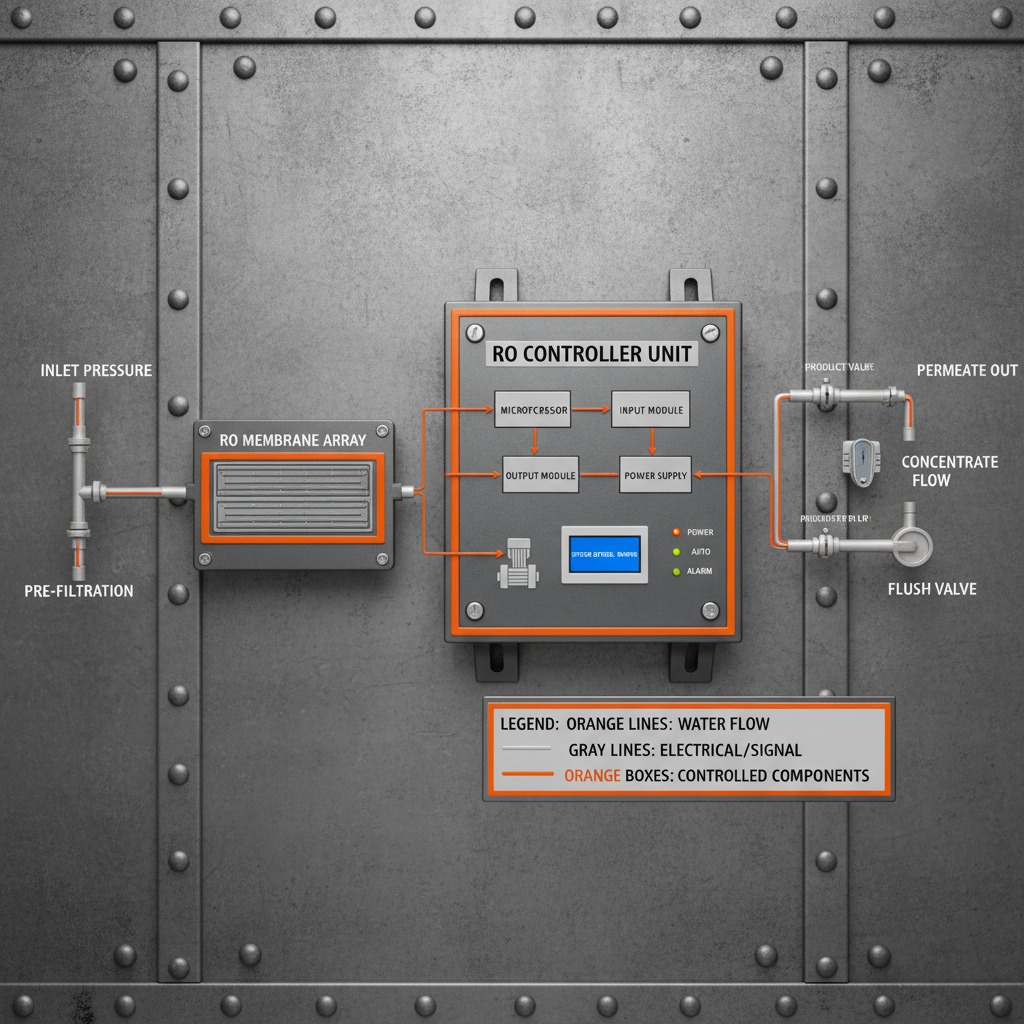
Guide to Choosing the Right RO Controller for Water PurificationMaintaining a high-performance reverse osmosis system requires more than just quality membranes; it demands precise regulation. An ro controller serves as the brain of the entire operation, monitoring critical parameters such as conductivity, temperature, and flow rates to ensure the output water meets stringent purity standards. Without an efficient controller, systems are prone to membrane fouling, inefficient energy use, and inconsistent water quality. In this comprehensive guide, we will explore how these devices optimize water treatment processes and how to select the best model for your specific industrial or commercial needs.
2026-04-09 03:25:47
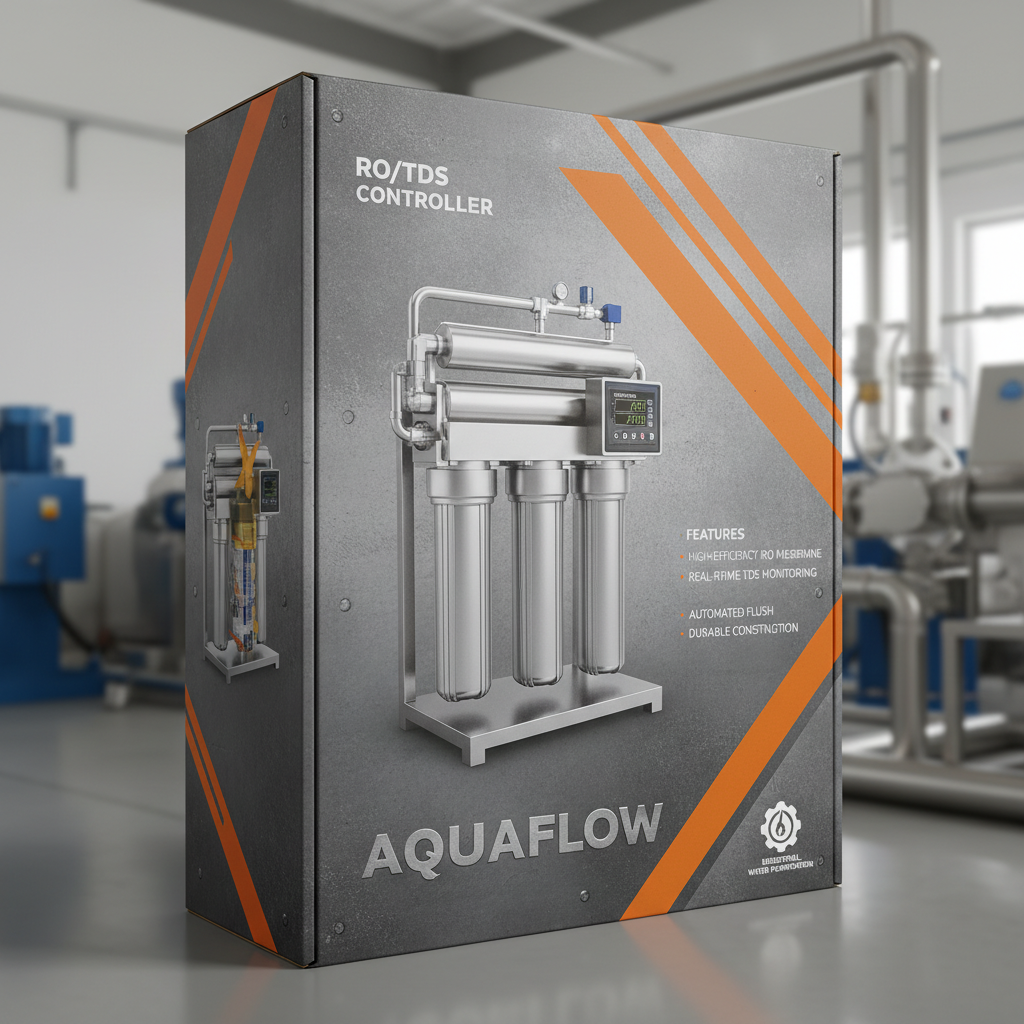
Guide to Water Purity Using RO with TDS Controller SystemsAchieving the perfect balance of mineral content and purity in drinking water is a challenge for many households and industrial facilities. A ro with tds controller offers a sophisticated solution by combining the rigorous filtration of Reverse Osmosis (RO) with the precision of a Total Dissolved Solids (TDS) adjustment system. While standard RO systems remove almost everything, including beneficial minerals, a TDS controller allows users to re-mineralize the water to a desired level. This ensures that the water is not only safe and pure but also tastes better and provides essential nutrients.
2026-04-07 03:17:09
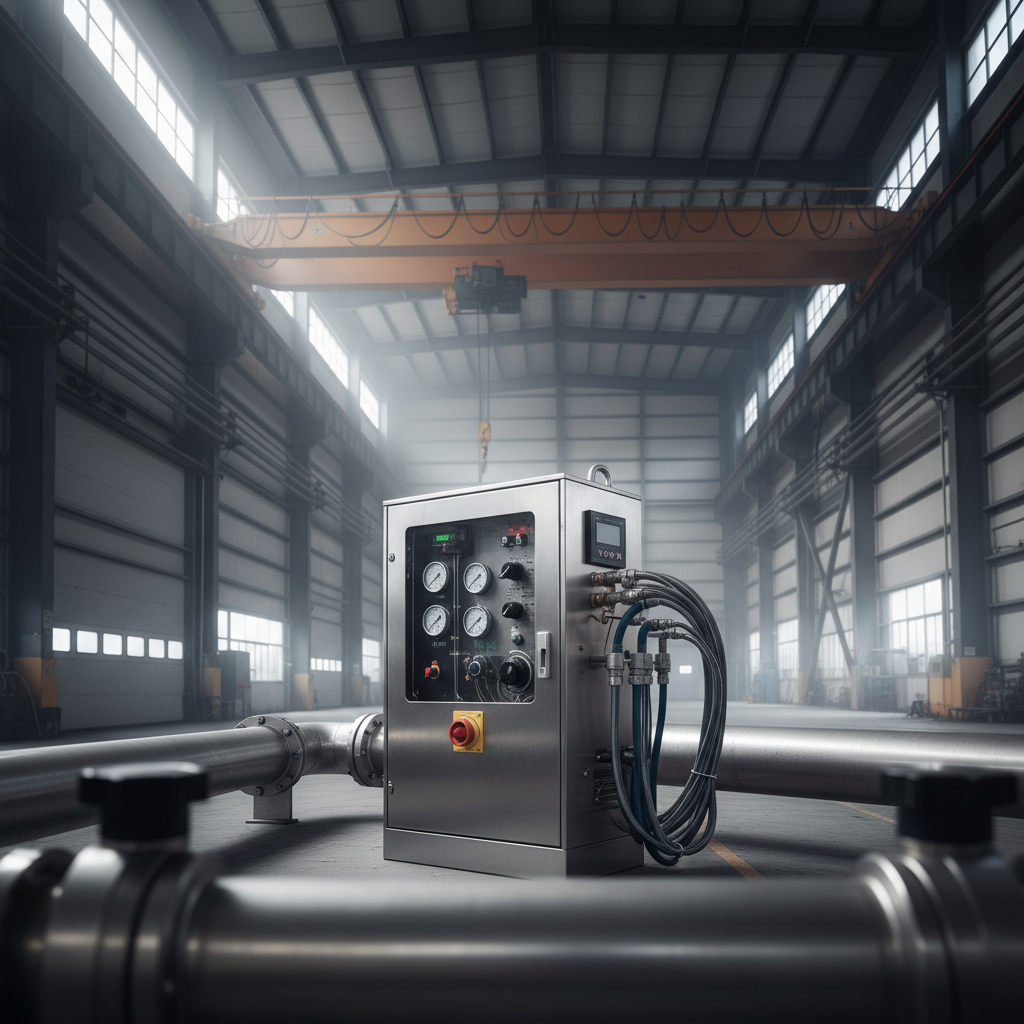
Understanding and Optimizing Reverse Osmosis Systems with a ControllerIn the world of water purification, reverse osmosis (RO) systems are a cornerstone for producing high-quality water for various applications, from drinking water to industrial processes. However, an RO system is only as effective as its control system. This is where the reverse osmosis controller comes into play. This critical component manages and optimizes the RO process, ensuring efficient operation, water quality, and system longevity.
2026-04-04 03:27:19
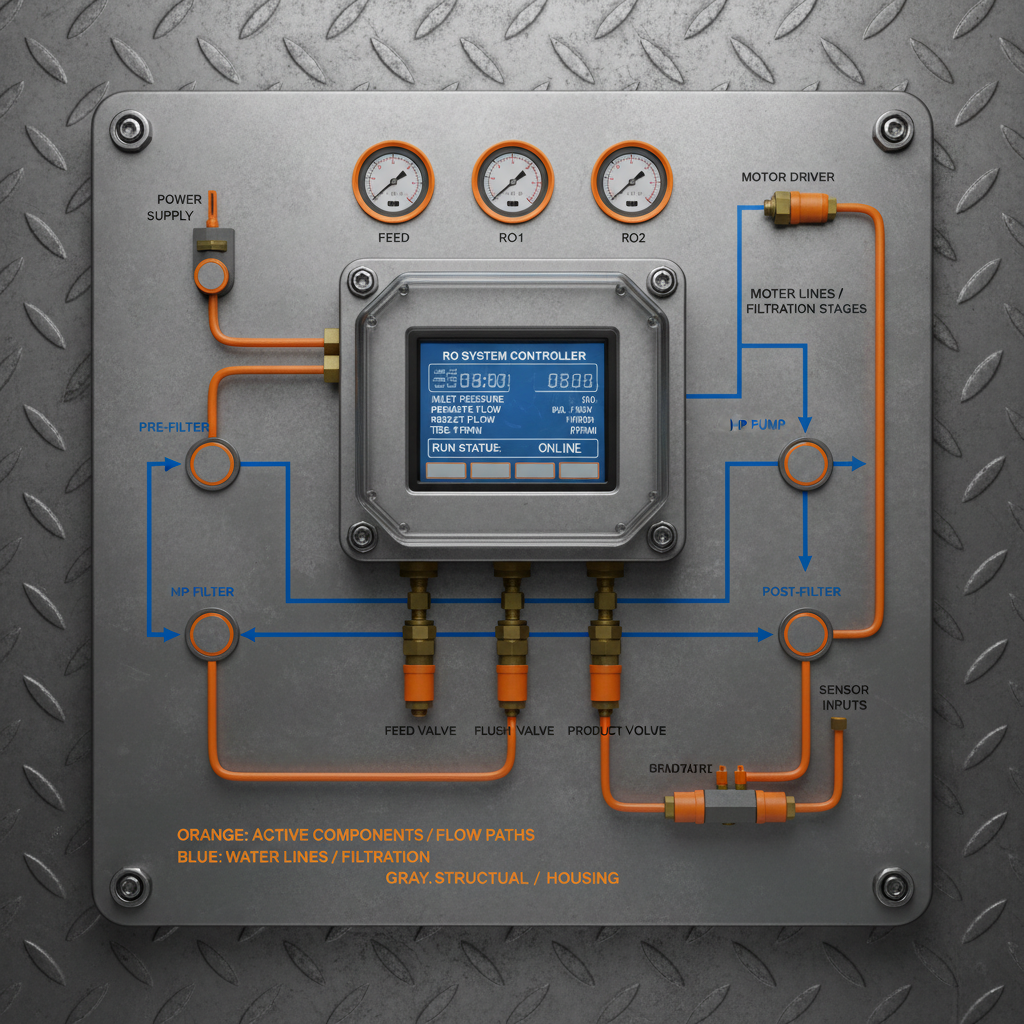
Understanding the Vital Role of an RO System Controller for Optimal PerformanceReverse Osmosis (RO) systems are critical for purifying water across various industries, from residential applications to large-scale industrial processes. At the heart of a well-functioning RO system lies the RO system controller. This intelligent device monitors and regulates all key parameters of the RO process, ensuring optimal performance, efficiency, and water quality. This article delves into the functionalities, benefits, and selection criteria for choosing the right RO system controller, particularly focusing on those offered by Watequipments. Understanding its role is crucial for maximizing the lifespan and effectiveness of your RO investment.
2026-03-24 17:18:24
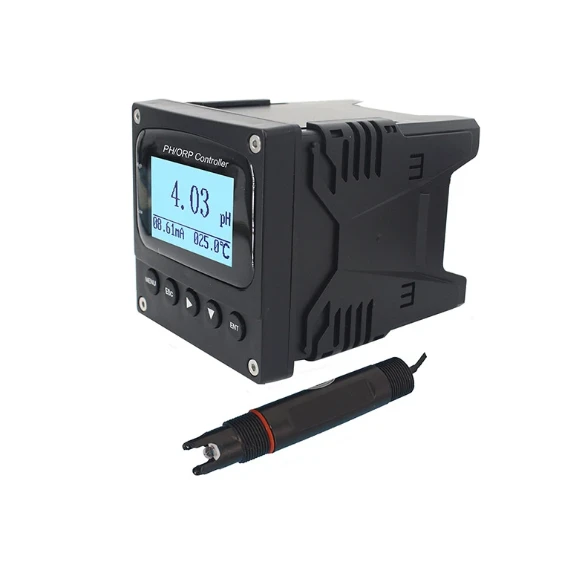
Smart Water Treatment Solutions Using PH ORP Controller SystemsIn modern water treatment and industrial fluid management, maintaining precise chemical balance is essential for safety, efficiency, and regulatory compliance.
2026-03-04 02:55:19
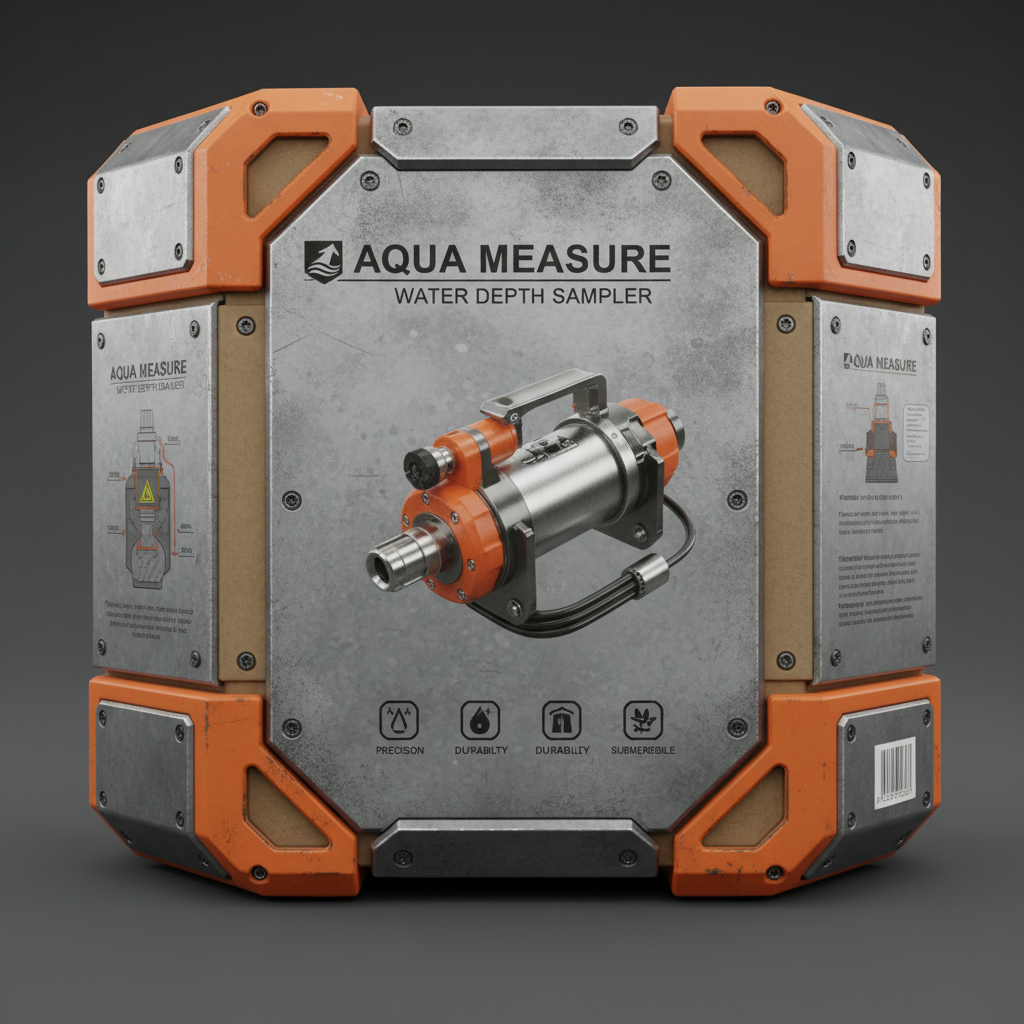
Comprehensive Guide to Water Depth Samplers and Their ApplicationsAccurate water quality monitoring is crucial in various fields, from environmental science and aquaculture to industrial wastewater management. A key tool for this is the water depth sampler. This article provides an in-depth look at water depth samplers, their applications, types, and essential considerations for choosing the right one for your needs. We'll explore the benefits of utilizing this equipment to collect reliable data for analysis and informed decision-making. Selecting the right sampler can significantly improve the precision and efficiency of your water monitoring program. A water depth sampler, also known as a depth-integrated sampler, is a device designed to collect water samples from specific depths within a body of water. Unlike simply dipping a container into the water, a depth sampler allows for collection of a representative sample across a defined depth range. This is critical because water properties (temperature, salinity, pollutants) often vary significantly with depth. The data gathered with a water depth sampler provides a more accurate assessment of water quality than surface samples alone.
2026-03-03 18:55:22
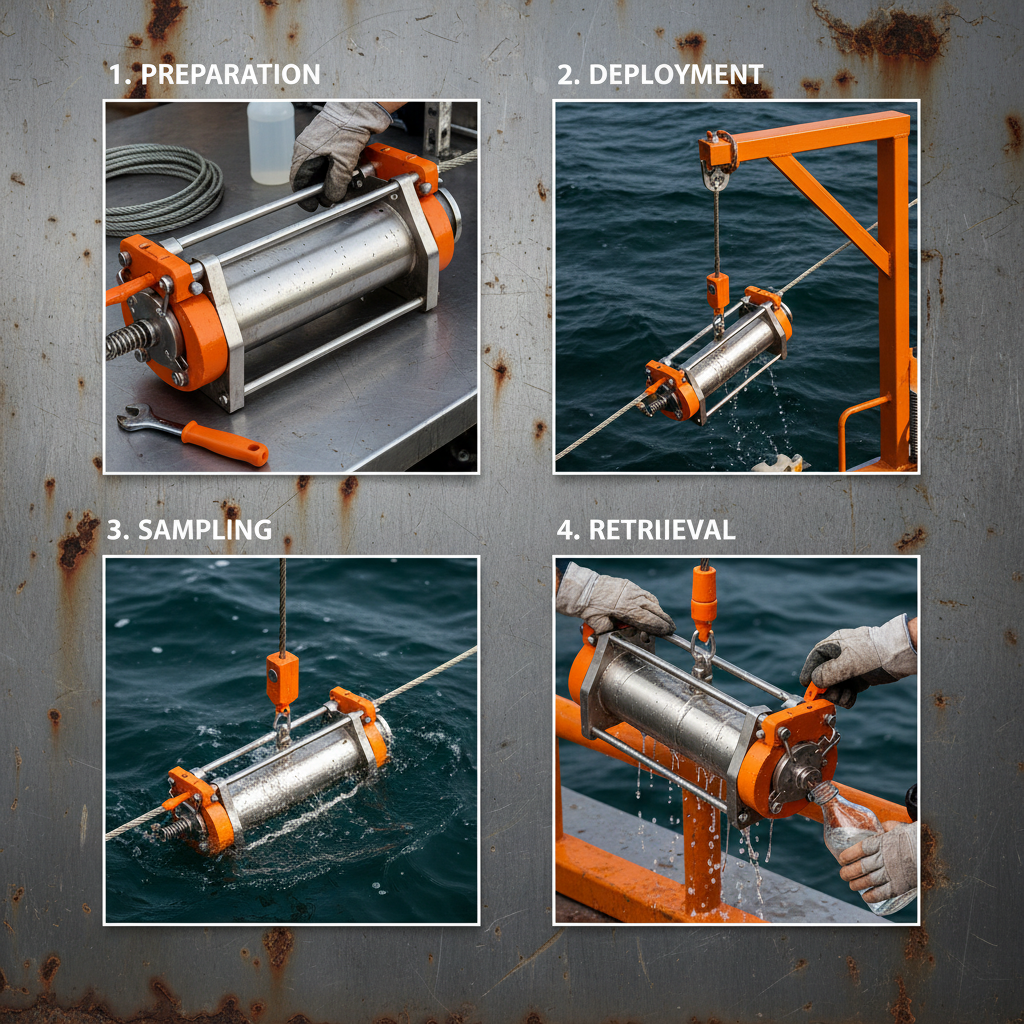
Comprehensive Guide to Horizontal Water Sampler Applications and SelectionCollecting water samples at varying depths is crucial for environmental monitoring, research, and quality control. The horizontal water sampler from Watequipment.com offers a precise and efficient solution for this task. This article provides an in-depth look at horizontal water samplers, their applications, benefits, and key considerations when choosing the right model. We will explore how these samplers contribute to accurate data collection and informed decision-making in various fields. A horizontal water sampler is a device designed to collect water samples from specific depths within a body of water – rivers, lakes, oceans, reservoirs, and even wastewater treatment plants. Unlike vertical samplers which primarily focus on depth, horizontal samplers prioritize collecting samples at a consistent depth while moving along a horizontal plane. This is essential for assessing water quality variations across a waterway or within a specific zone. They are used in applications ranging from environmental monitoring and scientific research to industrial process control and regulatory compliance.
2026-02-28 02:35:09
Comprehensive Guide to Selecting the Right Surface Water Sampler for Your NeedsMonitoring the quality of surface water is critical for environmental protection, public health, and various industrial applications. A surface water sampler is an essential tool for collecting representative samples from rivers, lakes, ponds, and other surface water sources. This article provides a detailed overview of surface water samplers, their types, applications, and key considerations for selecting the right equipment. Accurate water quality data relies on proper sample collection, and choosing the correct sampler is the first step toward achieving reliable results. Surface water samplers come in various designs, each suited to specific sampling needs. Common types include grab samplers, depth-integrating samplers, peristaltic pumps, and automatic samplers. Surface water samplers are used across a broad spectrum of applications, including environmental monitoring, wastewater discharge monitoring, drinking water source monitoring, agricultural runoff analysis, and research studies.

 English