


CR-102S: High-Performance, Compact & Robust Industrial Sensor

CR-102S: High-Performance, Compact & Robust Industrial Sensor
Sep . 13, 2025
Understanding the CR-102S: An Overview of Advanced Conductivity and Resistivity Measurement
The landscape of industrial process control demands precision and reliability, particularly in the measurement of water quality. Conductivity and resistivity are critical parameters influencing everything from product quality to operational efficiency and environmental compliance. In this context, the CR-102S sensor emerges as a pivotal instrument for high-accuracy analysis across diverse industrial applications. This comprehensive guide delves into its technical prowess, operational advantages, and strategic deployment within demanding environments.
The global market for water quality sensors is experiencing robust growth, driven by stringent regulatory frameworks, increasing industrial water consumption, and the rising adoption of smart manufacturing processes. According to a report by Grand View Research, the global water quality sensor market size was valued at USD 2.1 billion in 2022 and is projected to grow at a compound annual growth rate (CAGR) of 6.5% from 2023 to 2030. This growth underscores the critical need for advanced sensing technologies like the CR-102S, capable of providing real-time, accurate data for process optimization and risk mitigation.
Key trends shaping this market include the miniaturization of sensors, integration with IoT and AI platforms for predictive analytics, and the development of robust, low-maintenance sensors designed for harsh industrial environments. Sensors capable of maintaining high accuracy over extended periods, like the CR-102S, are becoming indispensable for industries striving for operational excellence and sustainability.
Process Flow: Manufacturing the CR-102S Sensor
The production of the CR-102S conductivity/resistivity sensor adheres to rigorous quality control standards, ensuring superior performance and longevity. The manufacturing process involves several critical stages, from material selection to final calibration and testing.
1. Material Selection and Preparation
High-grade materials are meticulously chosen for their chemical resistance, durability, and electrical properties. Key materials include:
- Electrode Material: Typically 316L stainless steel for robust industrial applications or titanium/graphite for highly corrosive environments. Platinum black coating is applied for enhanced measurement stability and accuracy, especially for lower conductivity ranges.
- Insulating Body: Engineered plastics such as PEEK (Polyether Ether Ketone) or PTFE (Polytetrafluoroethylene) are selected for their excellent chemical resistance, high-temperature stability, and electrical insulation properties. These materials are critical for preventing external interference and ensuring precise measurements.
- Sealing Components: EPDM or FKM O-rings are used to ensure leak-proof operation under varying pressures and temperatures, preventing process fluid ingress.
2. Component Fabrication
- Electrode Machining: The metallic electrodes undergo precision CNC machining to achieve the exact dimensions and surface finish required for optimal cell constant accuracy. This ensures consistent electrical contact with the process fluid.
- Insulator Molding/Machining: PEEK or PTFE bodies are either injection molded or CNC machined to form the sensor's structural housing, ensuring precise fitment for the electrodes and robust mechanical integrity.
- Platinum Black Deposition: For specific sensor types, a controlled electrochemical process applies a layer of platinum black to the electrode surface. This increases the effective surface area, minimizing polarization effects and improving measurement accuracy for low conductivity applications.
3. Assembly and Integration
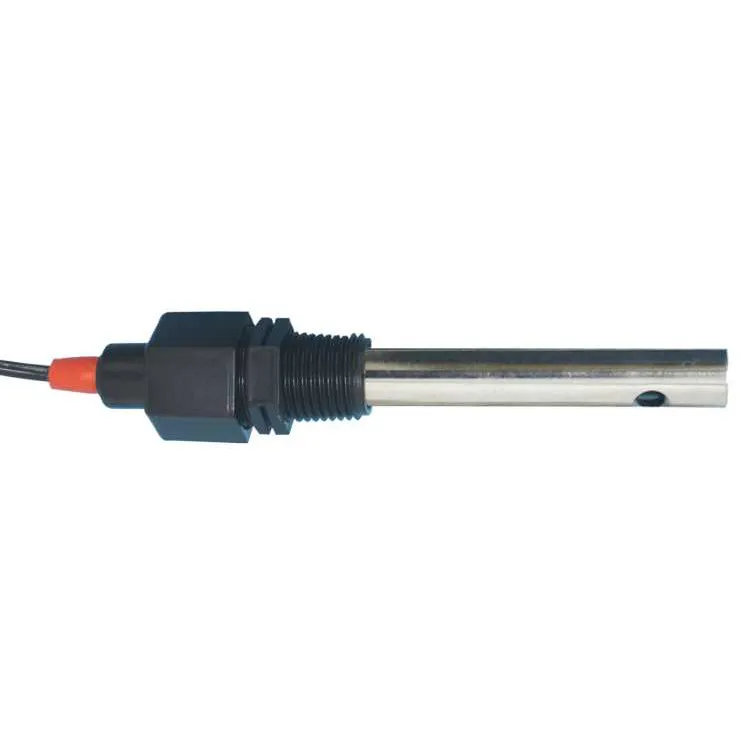
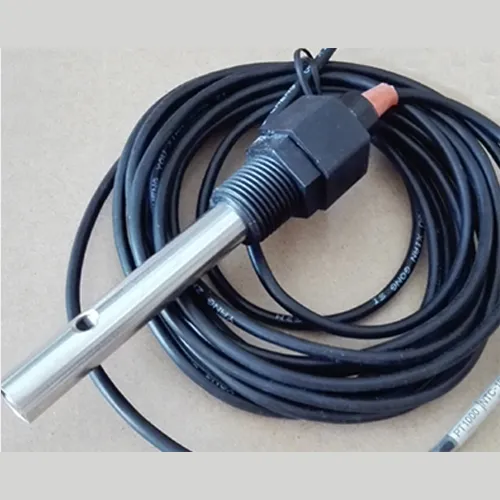
- Individual components are meticulously assembled in a clean environment. This includes careful insertion of electrodes into the insulating body, securing sealing elements, and integrating the temperature compensation element (e.g., Pt1000).
- Electrical connections are made using high-quality, corrosion-resistant wiring, ensuring reliable signal transmission to the transmitter.
4. Calibration and Testing Standards
- Cell Constant Calibration: Each CR-102S sensor undergoes individual calibration to determine its precise cell constant, a critical factor for accurate conductivity/resistivity measurements. This is performed using certified reference solutions.
- Leak Testing: Sensors are subjected to pressure tests to verify the integrity of all seals and joints, ensuring no leakage during operation.
- Performance Testing: Electrical performance, temperature compensation accuracy, and response time are rigorously tested across the sensor's specified operating range.
- Compliance: Manufacturing processes and final products adhere to international standards such as ISO 9001 for quality management. Material traceability and conformity to standards like ASTM (American Society for Testing and Materials) and ANSI (American National Standards Institute) are maintained.
5. Final Inspection and Packaging
A comprehensive final inspection verifies all physical and functional aspects. Sensors are then securely packaged to prevent damage during transit, ready for deployment. The typical service life of a CR-102S sensor, when properly maintained and used within its specified parameters, can exceed 5 years, showcasing its robust design and material quality.
Target Industries and Advantages: The robust design and precise manufacturing of the CR-102S make it ideal for demanding environments in the petrochemical, metallurgy, power generation, and water supply & drainage industries. Its high-grade material construction ensures exceptional corrosion resistance, crucial in aggressive chemical processes. In scenarios like boiler feed water monitoring, the accurate resistivity measurement provided by the CR-102S directly contributes to energy saving by preventing scale formation, which reduces heat transfer efficiency. In wastewater treatment, its reliability aids in optimizing chemical dosing, leading to more efficient processes and reduced operational costs.
Technical Specifications and Parameters of the CR-102S
The CR-102S sensor is engineered for precision, offering reliable data for critical process control. Its design incorporates advanced features for stable and accurate measurements of conductivity and resistivity.
| Parameter | Specification |
|---|---|
| Measurement Range (Conductivity) | 0 to 200,000 μS/cm (up to 200 mS/cm) |
| Measurement Range (Resistivity) | 0 to 20 MΩ·cm |
| Cell Constant | 0.01, 0.1, 1.0, 10.0 cm-1 (Configurable based on application) |
| Accuracy | ±1.0% of full scale |
| Temperature Sensor | Integrated Pt1000 (standard), NTC 10K (optional) |
| Operating Temperature | -10 °C to 120 °C (14 °F to 248 °F) |
| Maximum Pressure | 10 bar (145 psi) |
| Body Material | 316L Stainless Steel, PEEK, PTFE (Application dependent) |
| Electrode Material | 316L Stainless Steel, Titanium, Graphite (Platinum black optional) |
| Process Connection | NPT, G, Tri-Clamp, Flange (Various options) |
| Cable Length | 5m, 10m, 15m (Custom lengths available) |
| Protection Class | IP68 (fully submersible) |
The selection of the appropriate cell constant is paramount for accurate measurements. A 0.01 cm-1 cell constant is typically employed for ultra-pure water (resistivity measurements), while 1.0 cm-1 or 10.0 cm-1 is suited for higher conductivity industrial waters. The integrated Pt1000 temperature sensor provides highly accurate temperature compensation, essential for stable readings as conductivity is significantly temperature-dependent. This automatic compensation ensures that measurements are reported at a standard reference temperature, enhancing comparability and reliability.
Application Scenarios and Technical Advantages
The versatility and robust construction of the CR-102S make it suitable for a multitude of demanding industrial applications where precise conductivity and resistivity monitoring are vital.
Key Application Scenarios:
- Power Generation: Critical for monitoring boiler feed water, condensate, and cooling tower water. High purity water is essential to prevent scaling and corrosion in boilers, which can severely impact efficiency and safety. The CR-102S ensures minimal impurity levels, contributing to energy saving and prolonged equipment life.
- Pharmaceutical & Biotech: Essential for Water for Injection (WFI) and Purified Water (PW) systems. USP and EP guidelines mandate strict conductivity limits for these critical waters. The sensor's high accuracy (0.01 cm-1 cell constant variant) ensures compliance and product integrity.
- Semiconductor Manufacturing: Used in ultra-pure water (UPW) systems to prevent contamination of sensitive electronic components during fabrication. Resistivity measurements are paramount in these processes.
- Chemical Processing: Monitoring chemical concentrations, rinse water quality, and effluent discharge to ensure process control, product quality, and environmental compliance. Its corrosion resistance is a significant advantage in these environments.
- Food & Beverage: Ensuring water quality for brewing, blending, and cleaning-in-place (CIP) processes. The sensor's hygienic connection options facilitate sterile applications.
- Water & Wastewater Treatment: Monitoring influent and effluent water quality, optimizing treatment processes, and ensuring compliance with discharge regulations.
Technical Advantages of the CR-102S:
- Exceptional Accuracy & Stability: Precision-machined electrodes and advanced temperature compensation (Pt1000) ensure highly accurate and drift-free measurements over extended periods. Platinum black coating further enhances accuracy for low conductivity applications.
- Robust Construction for Harsh Environments: Available with 316L SS, PEEK, or PTFE bodies and titanium/graphite electrodes, the sensor offers superior corrosion resistance against a wide range of aggressive chemicals, extending its service life in challenging industrial settings.
- Wide Measurement Range: Covering both high resistivity (ultra-pure water) and high conductivity (strong chemical solutions) with various cell constants, providing flexibility across diverse applications.
- Versatile Installation Options: Multiple process connections (NPT, G, Tri-Clamp, Flange) and immersion/flow-through designs allow for seamless integration into existing pipelines and tanks.
- Low Maintenance: Designed for minimal fouling and easy cleaning, reducing operational downtime and associated costs.
- Cost-Effective Operation: The reliability and longevity of the CR-102S translate into lower total cost of ownership (TCO) due to reduced replacement frequency and minimized process upsets. Its precise data contributes to optimized chemical dosing and energy efficiency, further enhancing cost savings.
Vendor Comparison: CR-102S vs. Competitors
Choosing the right conductivity/resistivity sensor requires a careful evaluation of features, performance, and long-term value. Below is a comparative analysis of the CR-102S against typical market competitors, highlighting its competitive advantages.
| Feature | CR-102S | Competitor Model A (Standard) | Competitor Model B (Premium) |
|---|---|---|---|
| Measurement Range (Conductivity) | 0-200,000 μS/cm | 0-100,000 μS/cm | 0-200,000 μS/cm |
| Measurement Range (Resistivity) | 0-20 MΩ·cm | N/A (Limited to low resistivity) | 0-18.2 MΩ·cm |
| Cell Constant Options | 0.01, 0.1, 1.0, 10.0 cm-1 | 1.0 cm-1 (Fixed) | 0.01, 0.1, 1.0 cm-1 |
| Accuracy | ±1.0% FS | ±2.0% FS | ±0.8% FS |
| Temperature Sensor | Integrated Pt1000 | NTC 10K | Integrated Pt1000 |
| Max. Operating Temp. | 120 °C | 80 °C | 130 °C |
| Body Material Options | 316L SS, PEEK, PTFE | PVC, PP | 316L SS, PEEK |
| Electrode Material Options | 316L SS, Titanium, Graphite (Pt Black) | 316L SS | Titanium (Pt Black) |
| Price Point (Relative) | Mid-High | Low-Mid | High |
As demonstrated, the CR-102S offers a compelling balance of performance, versatility, and cost-effectiveness. While Competitor Model A is a budget-friendly option, its limited range, fixed cell constant, and basic materials restrict its application to less demanding industrial settings. Competitor Model B offers slightly higher accuracy and temperature tolerance in some configurations but typically comes at a significantly higher premium, often without the same breadth of material choices or process connections.
The CR-102S distinguishes itself with its broad range of configurable cell constants and robust material options, including PEEK and PTFE, which are superior for aggressive chemical resistance compared to common PVC/PP sensors. Its integrated Pt1000 temperature sensor provides a more stable and accurate temperature compensation than NTC sensors, crucial for precise measurements. This positions the CR-102S as an optimal choice for industrial users seeking reliable performance and adaptability without venturing into the highest price tiers.
Customized Solutions and Application Case Studies
Recognizing that standard solutions may not always meet unique industrial challenges, bespoke configurations of the CR-102S sensor are available to perfectly align with specific process requirements.
Customization Options:
- Specialized Materials: For extreme chemical resistance or specific regulatory compliance (e.g., FDA-approved materials for pharmaceutical applications), custom body and electrode materials can be specified.
- Extended Cable Lengths: For installations requiring sensors at significant distances from the transmitter, custom cable lengths up to several tens of meters can be provided without signal degradation.
- Unique Process Connections: Beyond standard NPT, G, Tri-Clamp, and flange connections, specific or proprietary process fittings can be accommodated.
- Integrated Accessories: Options for integrated cleaning systems (e.g., air blast or chemical rinse nozzles) for applications with high fouling potential.
- Temperature Element Variation: While Pt1000 is standard, other temperature sensing elements (e.g., Pt100, NTC) can be integrated upon request for compatibility with existing control systems.
Application Case Studies:
Case Study 1: Boiler Feed Water Optimization in a Thermal Power Plant
- Challenge: A large thermal power plant faced frequent boiler tube corrosion and scaling due to inconsistent monitoring of demineralized water conductivity, leading to unplanned downtime and high maintenance costs. Their existing sensors showed poor stability at low conductivity levels and required frequent calibration.
- Solution: The plant implemented several CR-102S sensors with a 0.01 cm-1 cell constant and platinum black electrodes at various points in their boiler feed water system.
- Results: The high accuracy and stability of the CR-102S allowed for real-time, precise monitoring of ultra-pure water quality. This led to proactive adjustments in the demineralization plant, reducing average boiler feed water conductivity by 15% and significantly extending the operational lifespan of boiler tubes. Within 12 months, the plant reported a 20% reduction in chemical treatment costs and a 5% increase in operational efficiency, directly attributable to improved water quality management.
Case Study 2: Chemical Concentration Control in a Pickling Line
- Challenge: A steel manufacturing facility needed to precisely control the concentration of sulfuric acid in a pickling bath to ensure optimal surface treatment while minimizing acid consumption. The highly corrosive environment degraded conventional sensors rapidly.
- Solution: A customized CR-102S with a PEEK body, graphite electrodes, and a 10.0 cm-1 cell constant was installed directly in the pickling tank.
- Results: The robust construction of the customized CR-102S proved highly resistant to the aggressive acid, outperforming previous sensors by a factor of three in terms of service life. The sensor's accurate conductivity measurements enabled precise, automated dosing of sulfuric acid, leading to a 10% reduction in acid consumption and a 7% improvement in product consistency. This translated to significant material cost savings and improved environmental compliance.
These case studies underscore the practical benefits and return on investment achieved through deploying the CR-102S, demonstrating its ability to enhance operational efficiency, reduce costs, and ensure process integrity in challenging industrial settings.
Ensuring Trust: FAQ, Fulfillment, Warranty & Support
Frequently Asked Questions (FAQ):
-
Q: How often does the CR-102S sensor need calibration?
A: For most industrial applications, calibration is recommended annually or semi-annually, depending on the fluid properties and required measurement accuracy. For critical applications like ultra-pure water, quarterly verification might be prudent. The sensor's robust design minimizes drift, extending calibration intervals.
-
Q: Can the CR-102S be used in hazardous areas?
A: Standard CR-102S models are not intrinsically safe. However, specific models or configurations with appropriate certified barriers and transmitters can be supplied for use in hazardous areas. Please consult our technical sales team for ATEX or IECEx certified solutions.
-
Q: What is the optimal cell constant for ultra-pure water applications?
A: For ultra-pure water (resistivity measurements > 1 MΩ·cm), a cell constant of 0.01 cm-1 is highly recommended. This ensures optimal measurement sensitivity and accuracy in low ionic strength solutions.
-
Q: How do I clean the CR-102S sensor?
A: The cleaning method depends on the type of fouling. For most deposits, a mild detergent solution or a dilute acid/base solution (compatible with sensor materials) followed by thorough rinsing with deionized water is effective. Mechanical cleaning with a soft brush is also possible for stubborn deposits, avoiding damage to the platinum black coating if present.
Lead Time and Fulfillment:
Standard configurations of the CR-102S typically have a lead time of 2-4 weeks. Customized solutions may require 6-8 weeks, depending on material availability and fabrication complexity. We maintain a robust supply chain and efficient manufacturing processes to ensure timely delivery. Urgent requirements can often be accommodated through expedited manufacturing and shipping options, subject to confirmation.
Warranty Commitments:
All CR-102S sensors are backed by a standard 12-month warranty from the date of shipment against defects in materials and workmanship. Extended warranty options are available for specific projects, providing enhanced peace of mind. Our commitment to quality is reinforced by adherence to ISO 9001 quality management systems, ensuring that every sensor meets stringent performance criteria.
Customer Support and After-Sales Service:
Our dedicated technical support team comprises experienced engineers available to assist with installation, calibration, troubleshooting, and application-specific inquiries. We offer comprehensive support through phone, email, and on-site service arrangements. Spare parts, including cables and sealing elements, are readily available. Our goal is to ensure the continuous, optimal performance of your CR-102S sensors throughout their operational lifespan.
References
- Grand View Research. (2023). Water Quality Sensor Market Size, Share & Trends Analysis Report. Retrieved from https://www.grandviewresearch.com/industry-analysis/water-quality-sensor-market
- International Organization for Standardization. (2015). ISO 9001:2015 - Quality management systems — Requirements.
- ASTM International. (2023). ASTM D1125 - 14(2023) Standard Test Methods for Electrical Conductivity and Resistivity of Water.

Related Products
Related News
2026-04-16 03:20:19
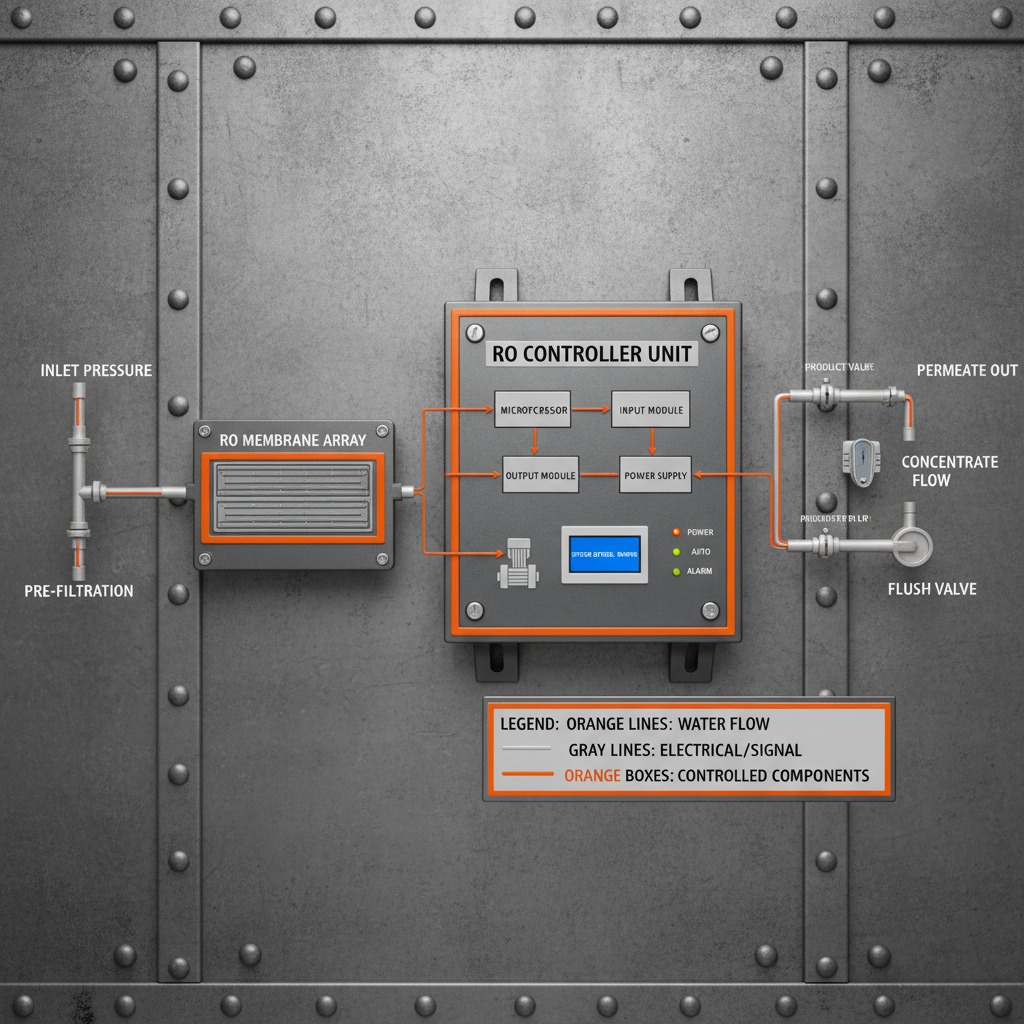
Guide to Choosing the Right RO Controller for Water PurificationMaintaining a high-performance reverse osmosis system requires more than just quality membranes; it demands precise regulation. An ro controller serves as the brain of the entire operation, monitoring critical parameters such as conductivity, temperature, and flow rates to ensure the output water meets stringent purity standards. Without an efficient controller, systems are prone to membrane fouling, inefficient energy use, and inconsistent water quality. In this comprehensive guide, we will explore how these devices optimize water treatment processes and how to select the best model for your specific industrial or commercial needs.
2026-04-09 03:25:47
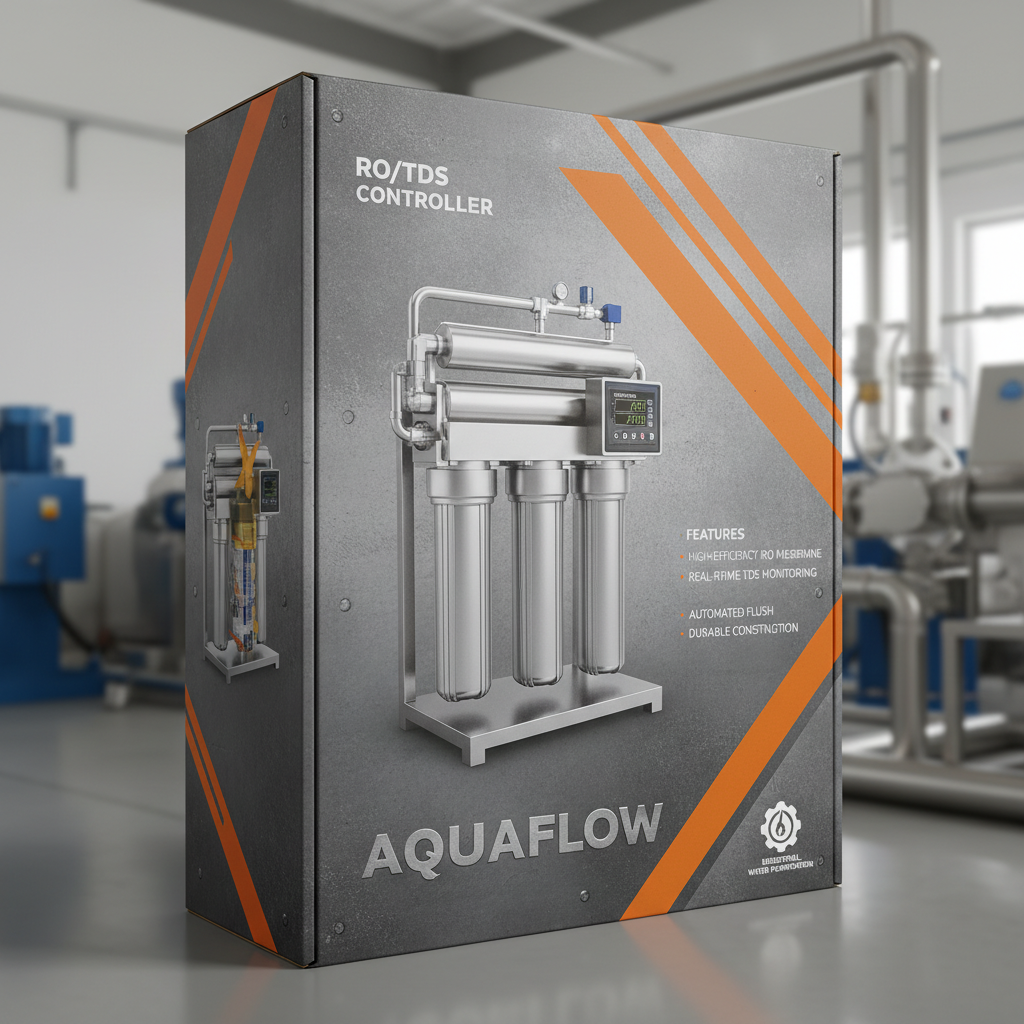
Guide to Water Purity Using RO with TDS Controller SystemsAchieving the perfect balance of mineral content and purity in drinking water is a challenge for many households and industrial facilities. A ro with tds controller offers a sophisticated solution by combining the rigorous filtration of Reverse Osmosis (RO) with the precision of a Total Dissolved Solids (TDS) adjustment system. While standard RO systems remove almost everything, including beneficial minerals, a TDS controller allows users to re-mineralize the water to a desired level. This ensures that the water is not only safe and pure but also tastes better and provides essential nutrients.
2026-04-07 03:17:09
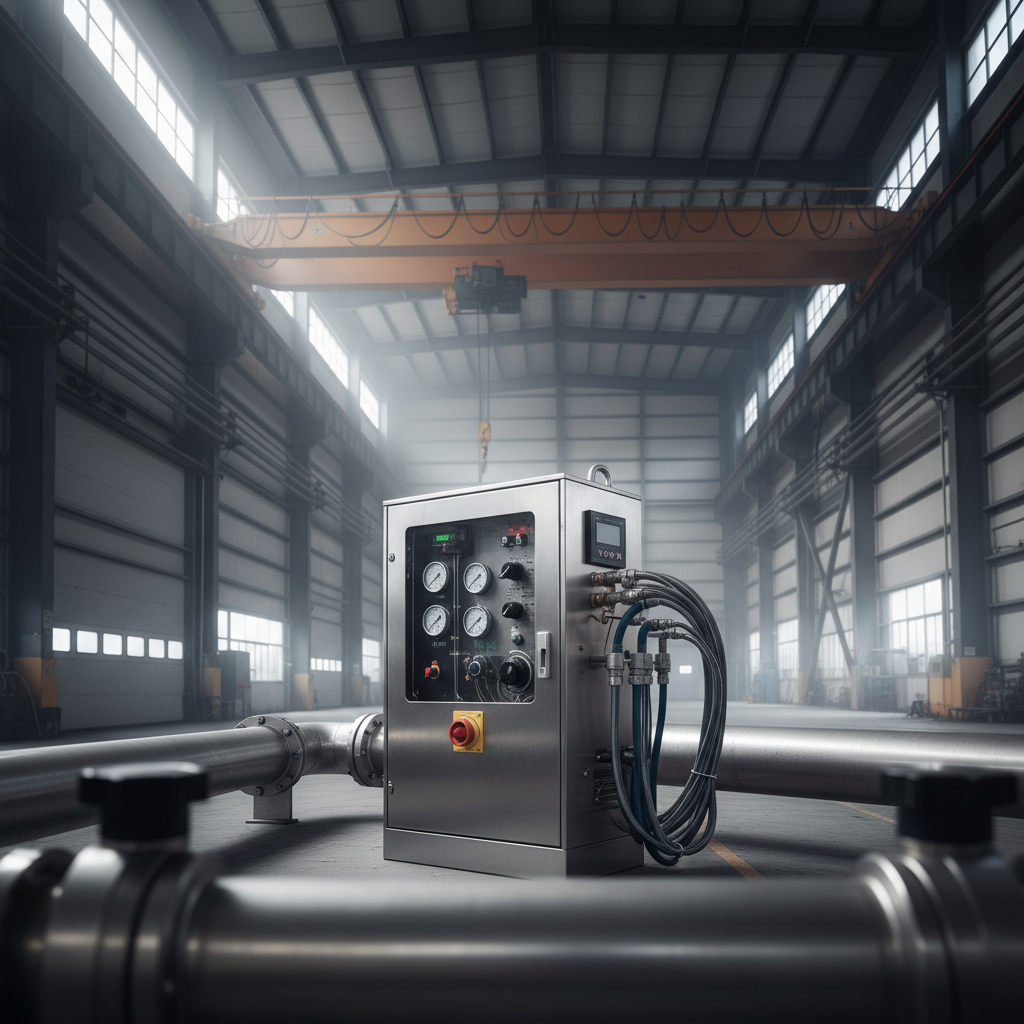
Understanding and Optimizing Reverse Osmosis Systems with a ControllerIn the world of water purification, reverse osmosis (RO) systems are a cornerstone for producing high-quality water for various applications, from drinking water to industrial processes. However, an RO system is only as effective as its control system. This is where the reverse osmosis controller comes into play. This critical component manages and optimizes the RO process, ensuring efficient operation, water quality, and system longevity.
2026-04-04 03:27:19
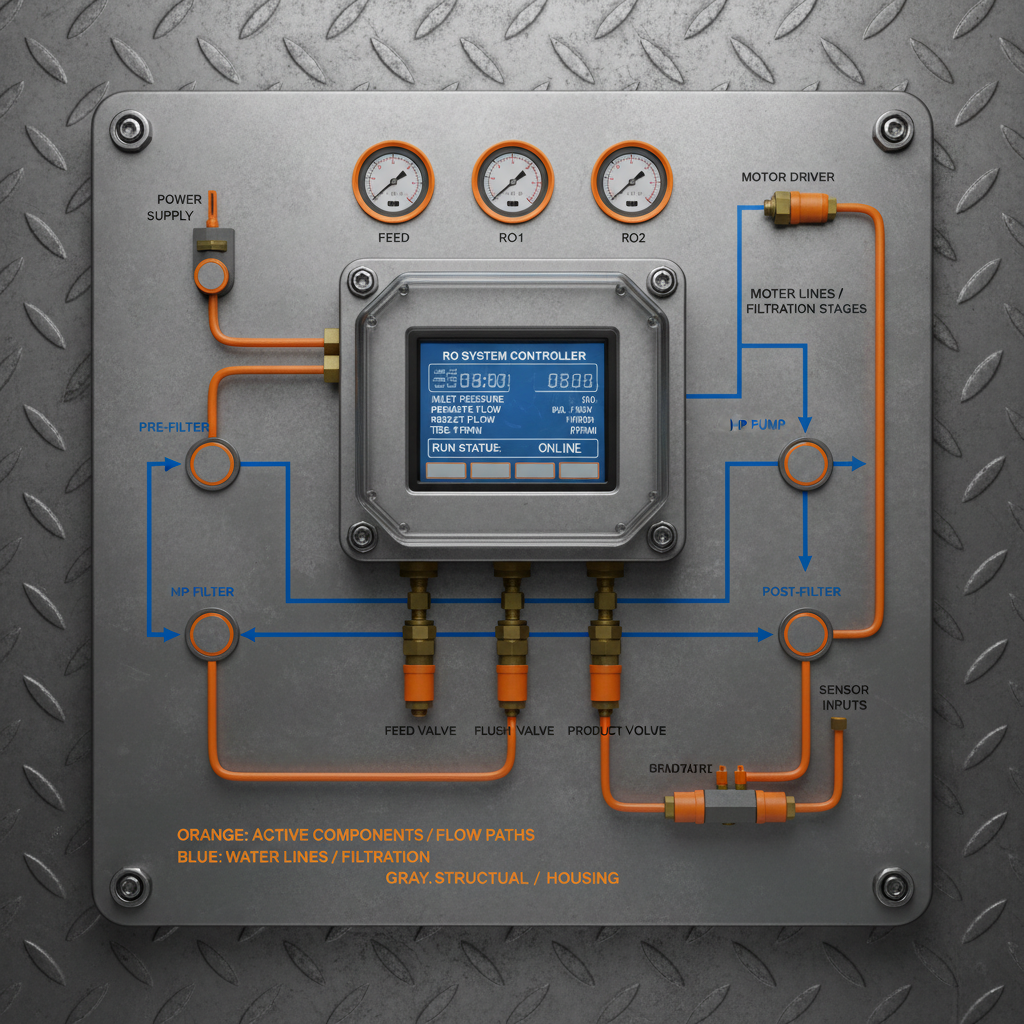
Understanding the Vital Role of an RO System Controller for Optimal PerformanceReverse Osmosis (RO) systems are critical for purifying water across various industries, from residential applications to large-scale industrial processes. At the heart of a well-functioning RO system lies the RO system controller. This intelligent device monitors and regulates all key parameters of the RO process, ensuring optimal performance, efficiency, and water quality. This article delves into the functionalities, benefits, and selection criteria for choosing the right RO system controller, particularly focusing on those offered by Watequipments. Understanding its role is crucial for maximizing the lifespan and effectiveness of your RO investment.
2026-03-24 17:18:24
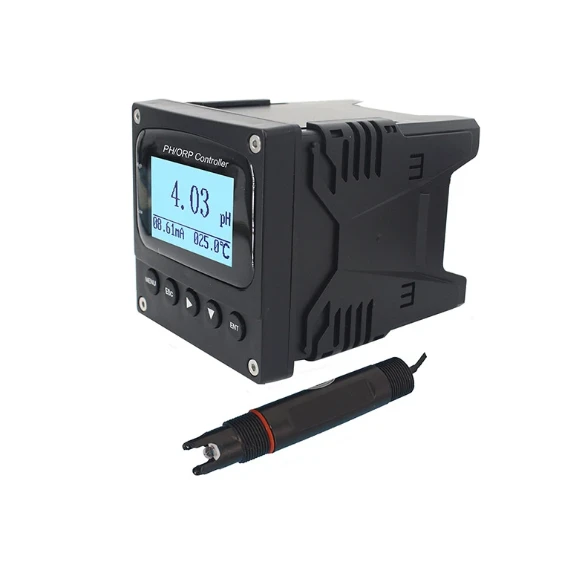
Smart Water Treatment Solutions Using PH ORP Controller SystemsIn modern water treatment and industrial fluid management, maintaining precise chemical balance is essential for safety, efficiency, and regulatory compliance.
2026-03-04 02:55:19
Comprehensive Guide to Water Depth Samplers and Their ApplicationsAccurate water quality monitoring is crucial in various fields, from environmental science and aquaculture to industrial wastewater management. A key tool for this is the water depth sampler. This article provides an in-depth look at water depth samplers, their applications, types, and essential considerations for choosing the right one for your needs. We'll explore the benefits of utilizing this equipment to collect reliable data for analysis and informed decision-making. Selecting the right sampler can significantly improve the precision and efficiency of your water monitoring program. A water depth sampler, also known as a depth-integrated sampler, is a device designed to collect water samples from specific depths within a body of water. Unlike simply dipping a container into the water, a depth sampler allows for collection of a representative sample across a defined depth range. This is critical because water properties (temperature, salinity, pollutants) often vary significantly with depth. The data gathered with a water depth sampler provides a more accurate assessment of water quality than surface samples alone.
2026-03-03 18:55:22
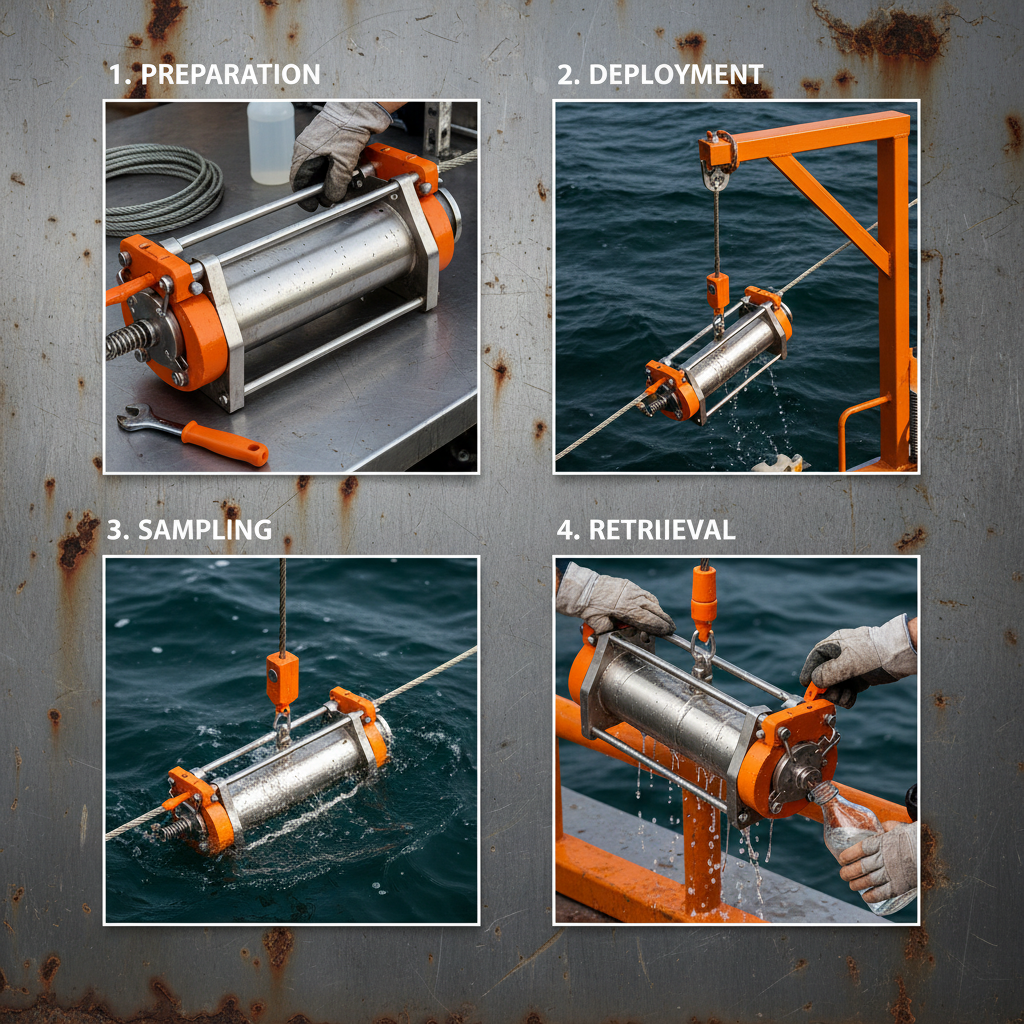
Comprehensive Guide to Horizontal Water Sampler Applications and SelectionCollecting water samples at varying depths is crucial for environmental monitoring, research, and quality control. The horizontal water sampler from Watequipment.com offers a precise and efficient solution for this task. This article provides an in-depth look at horizontal water samplers, their applications, benefits, and key considerations when choosing the right model. We will explore how these samplers contribute to accurate data collection and informed decision-making in various fields. A horizontal water sampler is a device designed to collect water samples from specific depths within a body of water – rivers, lakes, oceans, reservoirs, and even wastewater treatment plants. Unlike vertical samplers which primarily focus on depth, horizontal samplers prioritize collecting samples at a consistent depth while moving along a horizontal plane. This is essential for assessing water quality variations across a waterway or within a specific zone. They are used in applications ranging from environmental monitoring and scientific research to industrial process control and regulatory compliance.
2026-02-28 02:35:09
Comprehensive Guide to Selecting the Right Surface Water Sampler for Your NeedsMonitoring the quality of surface water is critical for environmental protection, public health, and various industrial applications. A surface water sampler is an essential tool for collecting representative samples from rivers, lakes, ponds, and other surface water sources. This article provides a detailed overview of surface water samplers, their types, applications, and key considerations for selecting the right equipment. Accurate water quality data relies on proper sample collection, and choosing the correct sampler is the first step toward achieving reliable results. Surface water samplers come in various designs, each suited to specific sampling needs. Common types include grab samplers, depth-integrating samplers, peristaltic pumps, and automatic samplers. Surface water samplers are used across a broad spectrum of applications, including environmental monitoring, wastewater discharge monitoring, drinking water source monitoring, agricultural runoff analysis, and research studies.

 English