


WS 9200: High-Performance, Reliable & Advanced Solution

WS 9200: High-Performance, Reliable & Advanced Solution
Sep . 14, 2025
Introduction to Advanced Environmental Monitoring
In an era of stringent environmental regulations and heightened public awareness, precision in water quality monitoring is not merely a compliance issue but a cornerstone of sustainable industrial operation and public health protection. Accurate and reliable sampling is the foundational step in this process, providing representative data crucial for informed decision-making. The challenge lies in collecting samples that accurately reflect dynamic conditions, often in harsh or remote environments, while minimizing human error and cross-contamination.
Addressing these critical requirements, the WS 9200 automatic water sampler emerges as a pivotal instrument for professionals across diverse industries. This advanced system is engineered to deliver unparalleled accuracy and operational robustness, setting new benchmarks for automated water sampling technology. Its sophisticated design and robust construction ensure consistent performance, making it an indispensable tool for environmental consultants, industrial facilities, and research institutions alike.
Industry Trends in Automatic Water Sampling
The landscape of environmental monitoring is evolving rapidly, driven by several key trends. Automation is paramount, reducing manual labor, improving data consistency, and enabling sampling in inaccessible or hazardous locations. There's a significant shift towards "smart" instruments capable of remote operation, real-time data transmission, and integration with SCADA (Supervisory Control and Data Acquisition) and IoT (Internet of Things) platforms. This connectivity facilitates proactive management and rapid response to contamination events.
Furthermore, the demand for precision and sample integrity has led to advancements in peristaltic pump technology, ensuring accurate aliquot volumes and minimizing sample degradation. Material science plays a crucial role in developing corrosion-resistant and chemically inert components, extending equipment lifespan and preventing sample contamination. Enhanced power efficiency, often leveraging solar or low-power consumption designs, is becoming critical for long-term deployments in remote areas. The WS 9200 is designed to align seamlessly with these emerging trends, offering a future-proof solution for modern environmental challenges.
Key Trends Shaping the Future of Water Sampling:
- Increased Automation and Remote Capabilities: Reducing human intervention and enabling monitoring in challenging environments.
- Integration with Digital Systems: Seamless connectivity with SCADA, IoT, and cloud-based data platforms for real-time insights.
- Enhanced Sample Integrity: Materials and pump designs that prevent cross-contamination and preserve sample quality.
- Energy Efficiency and Sustainability: Solutions designed for extended field deployment with minimal power consumption.
- Modular and Customizable Designs: Adaptability to a wide range of application-specific requirements.
The WS 9200 Automatic Water Sampler: Technical Specifications
The WS 9200 is engineered with precision and durability at its core, offering a suite of technical specifications that position it as a leader in its class. Its robust design is complemented by advanced operational features, making it suitable for demanding industrial and environmental monitoring tasks.
These specifications underscore the WS 9200's capability to perform reliably under a broad spectrum of environmental conditions and analytical requirements, ensuring high-quality, representative samples for critical water quality analysis.
Manufacturing Process and Quality Assurance of WS 9200
The production of the WS 9200 automatic water sampler adheres to a rigorous manufacturing process, ensuring each unit meets the highest standards of quality, reliability, and performance. This commitment to excellence is deeply embedded in every stage, from material selection to final testing.
Process Flow Diagram:
Manufacturing Workflow for WS 9200
- Material Procurement & Inspection: Sourcing of certified-grade materials, including UV-stabilized ABS/Polypropylene for casing, marine-grade stainless steel for internal components, and inert polymers (Teflon, Viton) for wetted parts. All materials undergo incoming quality control (IQC) to verify compliance with ASTM standards.
- Component Fabrication:
- Injection Molding/Casting: Precision molding of the NEMA 4X rated enclosure and internal structural elements, ensuring watertight seals and structural integrity.
- CNC Machining: Fabrication of critical pump components, bottle distribution mechanisms, and connectors from corrosion-resistant alloys, ensuring tight tolerances for optimal performance and longevity.
- Electronics Assembly: PCB (Printed Circuit Board) fabrication and assembly for the control unit, incorporating robust industrial-grade microcontrollers and communication modules.
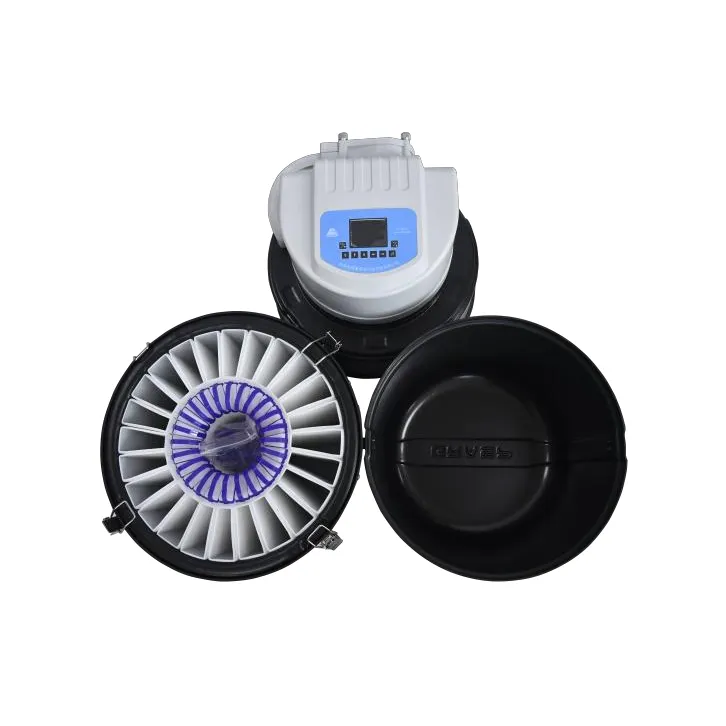
- Sub-Assembly & Integration: The pump, control unit, and bottle carousel mechanisms are assembled in a clean environment, followed by initial functional checks.
- Final Assembly & Calibration: Integration of all major sub-assemblies into the main enclosure. The pumping system is calibrated for accurate volume delivery, and sensors are aligned.
- Comprehensive Testing & Validation:
- Functional Test: Verification of all operational modes, sampling cycles, and communication protocols.
- Environmental Stress Test: Units undergo simulated environmental conditions including temperature cycling, humidity exposure, and vibration testing as per ISO 17025 guidelines to ensure resilience.
- Leakage & Pressure Test: Certification of the NEMA 4X (IP66) enclosure integrity and pump suction capabilities.
- EMC/EMI Compliance Test: Adherence to relevant ANSI/IEC standards for electromagnetic compatibility.
- Final Quality Control & Packaging: A final visual and operational inspection is performed. Products are then packaged with protective materials, ready for shipment.
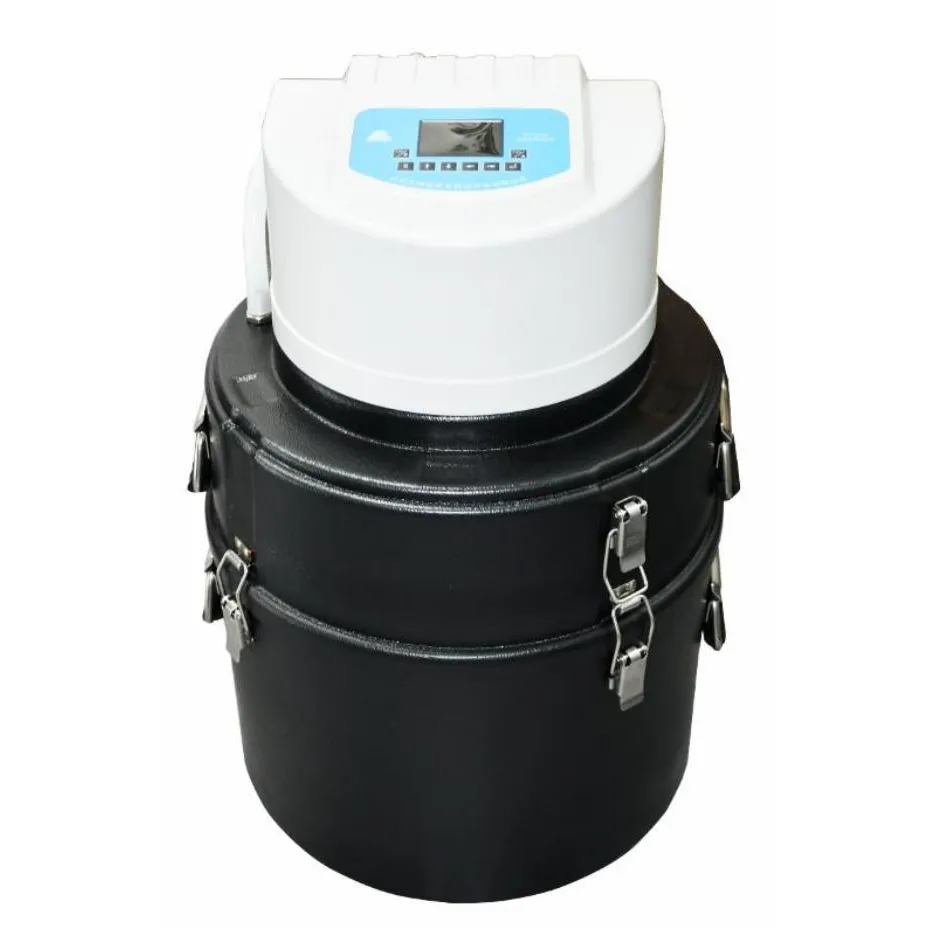
The meticulous manufacturing process ensures a service life often exceeding 10 years, even in demanding environments. For instance, in petrochemical plants, the corrosion-resistant materials and NEMA 4X rating of the WS 9200 significantly extend its operational lifespan compared to conventional samplers. Its design prioritizes energy saving through efficient pump mechanisms and advanced power management, a crucial advantage in remote installations.
Application Scenarios and Target Industries
The versatility and robustness of the WS 9200 make it an ideal solution across a multitude of industries where precise water quality monitoring is critical. Its ability to perform both composite and discrete sampling ensures flexibility for various analytical needs.
Target Industries and Advantages:
- Petrochemical Industry: Monitoring effluent discharge for regulatory compliance and process optimization. The WS 9200's corrosion resistance to harsh chemicals ensures long-term reliability in aggressive environments. It provides crucial data for early detection of contamination, preventing costly fines and environmental damage.
- Metallurgy and Mining: Tracking heavy metal contamination in wastewater streams and runoff. The sampler’s robust construction and NEMA 4X rating withstand the abrasive and corrosive conditions typical of these sites. Its precise volumetric sampling prevents biased results from fluctuating flow rates.
- Water Supply & Drainage Utilities: Monitoring raw water intake quality, treated effluent, and combined sewer overflows (CSOs). The WS 9200's capabilities for flow-proportional and event-triggered sampling are invaluable for managing intermittent pollution events and demonstrating compliance with discharge permits.
- Pharmaceutical Manufacturing: Ensuring ultrapure water quality and monitoring wastewater streams for active pharmaceutical ingredients (APIs). The inert wetted materials of the WS 9200 prevent any potential sample contamination, vital for maintaining product quality and regulatory adherence.
- Environmental Consulting and Research: Conducting baseline studies, pollution source identification, and long-term ecological monitoring. The sampler's programmability and remote communication options facilitate extensive field deployments, providing accurate data for complex scientific analyses and regulatory reports.
- Food and Beverage Production: Monitoring process water, cooling water, and effluent to uphold hygiene standards and environmental regulations. The system's reliability reduces manual sampling needs and ensures consistent data for quality control.
In each of these scenarios, the WS 9200 provides distinct advantages, including energy efficiency through optimized pump cycles and low-power electronics, and superior corrosion resistance due to the selection of advanced engineering plastics and marine-grade stainless steel for critical components. These features translate directly into reduced operational costs and extended equipment longevity, offering a strong return on investment.
Technical Advantages of WS 9200
The WS 9200 stands out in the market due to several distinct technical advantages that enhance its performance, reliability, and ease of use in demanding applications.
- Precision Peristaltic Pump System: Unlike standard vacuum systems, the optional peristaltic pump offers superior accuracy in drawing samples, minimizing shear stress on delicate analytes and preventing cross-contamination. Its self-priming capability and gentle action are ideal for samples containing suspended solids or biological components.
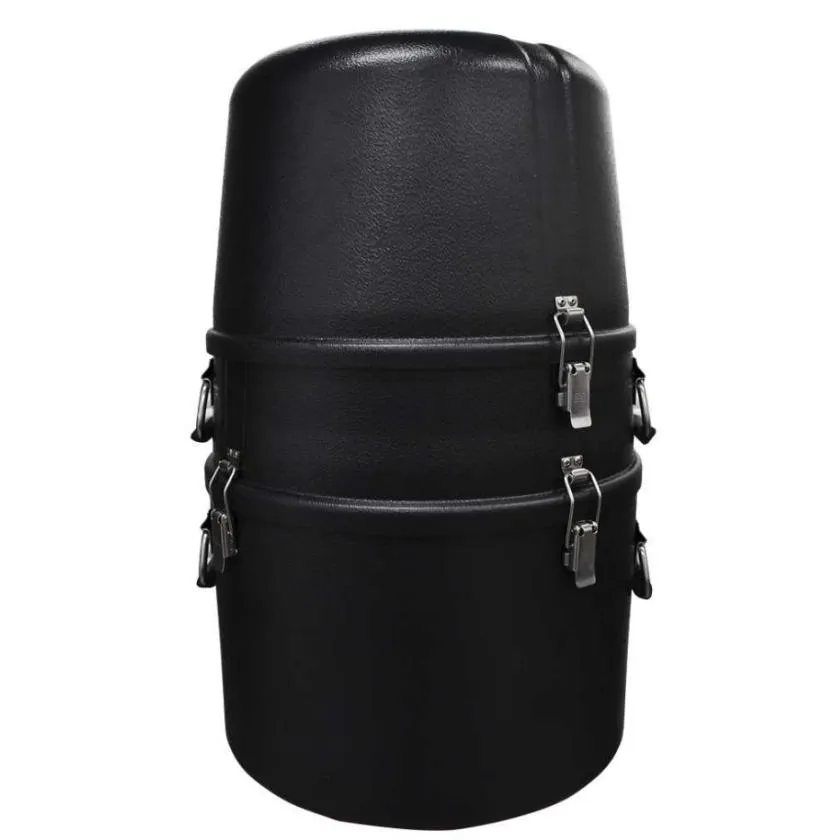
- Robust NEMA 4X / IP66 Enclosure: Engineered for extreme outdoor conditions, the corrosion-proof and weather-resistant enclosure protects internal components from dust, rain, sleet, snow, and corrosive agents, ensuring uninterrupted operation and a significantly extended service life without frequent maintenance.
- Versatile Sampling Modes: With capabilities for time-based, flow-proportional, and event-triggered sampling, the WS 9200 provides unparalleled flexibility for specific monitoring requirements, from routine compliance to urgent incident response.
- Advanced Data Logging and Connectivity: Integrated data logging stores comprehensive sampling records. Multiple communication protocols (Modbus RTU, RS-232) and analog inputs allow seamless integration with existing SCADA systems, PLC networks, and remote telemetry units, facilitating real-time data access and control.
- Modular and User-Friendly Design: The modular bottle carousel system allows for easy change-outs and cleaning. An intuitive, multi-language interface simplifies programming and operation, reducing training time and potential for human error.
- Energy-Efficient Operation: Optimized power management and high-efficiency pump motors ensure minimal power consumption, making the WS 9200 ideal for remote installations powered by internal batteries or solar panels, extending deployment duration and reducing operational costs.
These advantages collectively contribute to the WS 9200's superior performance, offering reliability and precision that are crucial for critical environmental and industrial water quality analysis.
Vendor Comparison: WS 9200 vs. Competitors
Choosing the right automatic water sampler involves a thorough evaluation of available options. While several manufacturers offer samplers, the WS 9200 distinguishes itself through a combination of advanced features, rugged design, and superior data integrity. Here's a comparative overview:
This comparison highlights the WS 9200's superior environmental resilience, broader functional capabilities, and better integration potential, justifying its position as a premium choice for critical applications demanding high levels of accuracy and long-term reliability.
Customized Solutions and Flexibility
Recognizing that no two monitoring scenarios are identical, the WS 9200 is designed with a high degree of modularity and customization options. This flexibility allows it to be precisely tailored to meet specific project requirements, ensuring optimal performance and cost-effectiveness.
- Bottle Configuration: Customers can choose from various bottle sizes (500ml, 1L, 2L) and quantities (8, 16, 24 bottles) to match sample volume needs and storage capacity for specific analytical parameters.
- Pump Technology: While the standard unit uses a robust vacuum pump, an optional peristaltic pump is available for highly viscous samples, samples with high suspended solids, or when minimizing sample agitation is critical for chemical integrity.
- Communication Modules: Beyond standard RS-232 and Modbus RTU, additional modules can be integrated for GPRS/cellular telemetry, satellite communication, or direct Ethernet connections, enabling real-time data transfer from remote sites.
- Power Options: Alongside the standard internal battery, external battery packs, solar charging kits, and direct AC power options are available to ensure continuous operation in any deployment scenario.
- Sensor Integration: The WS 9200 can be configured with inputs for various external sensors (e.g., pH, conductivity, turbidity, flow meters) to trigger sampling events or log environmental parameters alongside sample collection data, creating a comprehensive monitoring solution.
This level of customization ensures that the WS 9200 is not just a product, but a tailored solution, maximizing its effectiveness for diverse and evolving environmental monitoring challenges.
Application Case Studies and Customer Experience
The real-world performance of the WS 9200 underscores its value and reliability in demanding applications. Our clients consistently report enhanced operational efficiency, superior data quality, and substantial cost savings.
Case Study 1: Municipal Wastewater Treatment Plant, Europe
A major municipal wastewater treatment plant faced challenges in monitoring its final effluent for compliance with strict EU directives. Manual sampling was labor-intensive and often missed intermittent discharge spikes. After deploying two WS 9200 units with flow-proportional sampling linked to the plant's SCADA system, the facility achieved continuous, representative data. The NEMA 4X enclosure proved vital in the humid and corrosive environment. This led to a 30% reduction in manual sampling costs and significantly improved compliance reporting accuracy. "The automated data from the WS 9200 has been instrumental in optimizing our treatment processes and ensuring full compliance," noted the plant manager.
Case Study 2: Remote Mining Operation, Australia
An open-pit mine required monitoring of heavy metal runoff into local waterways, particularly during seasonal rain events. The site's remote location and harsh climate made traditional monitoring impractical. The WS 9200, equipped with solar power and satellite communication, was deployed for event-triggered sampling activated by external rain gauges. Its robust construction withstood extreme temperatures and dust. The precise, time-stamped samples provided irrefutable evidence for environmental impact assessments and proactive mitigation strategies. The client praised the unit's "unparalleled reliability in the harshest conditions, giving us peace of mind."
Trust and Assurance: Certifications, Warranty, and Support
Our commitment to quality extends beyond product manufacturing to comprehensive customer assurance and support. The WS 9200 is backed by industry-recognized certifications and a robust support infrastructure.
Certifications and Compliance:
- CE Certified: Conforming to European health, safety, and environmental protection standards.
- RoHS Compliant: Restricting the use of hazardous substances in electrical and electronic equipment.
- ISO 9001 Manufacturing: Produced under a quality management system certified to ISO 9001 standards, ensuring consistent quality and continuous improvement.
- NEMA 4X / IP66 Rated: Verifying superior ingress protection against dust, water, and corrosion.
Warranty and Lead Time:
- Standard Warranty: The WS 9200 comes with a 2-year manufacturer's warranty covering defects in materials and workmanship. Extended warranty options are available.
- Lead Time: Standard configurations typically ship within 4-6 weeks. Customized solutions may require 6-10 weeks, depending on complexity. Expedited options are available upon request.
Customer Support and After-Sales Service:
We provide comprehensive technical support, including online resources, phone assistance, and on-site service through our global network of certified partners. Our team of experienced engineers is dedicated to ensuring seamless integration and optimal performance of your WS 9200 unit throughout its operational life.
Frequently Asked Questions (FAQ):
Q: Can the WS 9200 operate on solar power?
A: Yes, the WS 9200 is highly energy-efficient and fully compatible with external solar charging kits for extended remote deployments.
Q: What types of samples can the WS 9200 handle?
A: It can handle a wide range of water and wastewater samples, including those with moderate suspended solids. For highly viscous or solids-laden samples, the optional peristaltic pump is recommended.
Q: Is the WS 9200 compatible with existing SCADA systems?
A: Absolutely. With standard Modbus RTU, RS-232, and 4-20mA inputs, the WS 9200 is designed for seamless integration with most industrial control and data acquisition systems.
Q: What is the maintenance schedule for the WS 9200?
A: Routine maintenance typically involves periodic cleaning of the intake line and bottles, and inspection of pump tubing. A detailed maintenance schedule is provided in the user manual.
Conclusion
The WS 9200 automatic water sampler represents a significant advancement in environmental and industrial water quality monitoring technology. Its blend of precision engineering, robust construction, versatile functionality, and comprehensive support positions it as an indispensable tool for professionals seeking reliable and accurate sampling solutions. By addressing critical industry needs for automation, data integrity, and operational efficiency, the WS 9200 empowers organizations to meet stringent regulatory requirements, optimize processes, and safeguard environmental health effectively. Investing in the WS 9200 is an investment in unparalleled monitoring capability and long-term operational peace of mind.
References
- United States Environmental Protection Agency (EPA). (2018). Guidance for Obtaining Representative Water Samples. Washington D.C.: EPA Office of Water.
- International Organization for Standardization (ISO). (2012). ISO 5667-10:2012 Water quality — Sampling — Part 10: Guidance on sampling of waste-waters. Geneva, Switzerland: ISO.
- American National Standards Institute (ANSI). (2016). ANSI/UL 50 Enclosures for Electrical Equipment, Non-Environmental Considerations. Washington D.C.: ANSI.
- World Health Organization (WHO). (2017). Guidelines for drinking-water quality. Geneva, Switzerland: WHO Press.
- Water Environment Federation (WEF). (2015). Wastewater Sampling for Process Control and Quality Assurance. Alexandria, VA: WEF Press.

Related Products




Related News


2026-11-03 04:36:32
Rotameter FAQ for small-flow measurement in water treatmentLearn how a Rotameter measures fluid flow, where it fits in water-treatment and RO systems, and which accuracy, pressure, and float details to review before ordering.

2026-10-29 03:32:11
Choosing WS 9100: Application Fit and Specification ChecksEvaluate whether the WS 9100 fits your environmental monitoring project. Review power supply options, temperature-controlled storage, sampling method compatibility, and key specifications before purchasing.

2026-10-23 04:19:53
PH/ORP-6850 Controller FAQ: Specifications, Configuration Options and Ordering QuestionsPH/ORP-6850 FAQ: pH 0–14 and ORP ±1200 mV ranges, ±0.02 pH accuracy, isolated 4–20 mA output, relay alarms, power supply options and panel installation.

2026-07-01 09:39:59
Guide to Ensuring Water Purity for drinking water tds MonitoringEnsuring Water Purity: The Ultimate Guide for Drinking Water TDS Monitoring Maintaining high water quality standards is essential for public health and industrial safety. One of the most critical metrics for assessing water purity is Total Dissolved Solids TDS, which represents the combined content of all inorganic and organic substances dissolved in water. Utilizing high-precision equipment for drinking water tds measurement allows facilities to detect contamination and ensure that filtration systems are operating at peak efficiency. In this guide, we will explore the technical aspects of TDS monitoring and how advanced transmitters provide the reliability needed for modern environmental monitoring.

2026-06-29 16:58:21
Understanding the Conversion of Electrical Conductivity to TDSUnderstanding the Conversion of Electrical Conductivity to TDS In water quality analysis, measuring the purity of a liquid often involves understanding the relationship between electrical conductivity to tds Total Dissolved Solids. While conductivity measures the ability of water to pass an electrical currentwhich is directly influenced by the concentration of ionized substancesTDS represents the total amount of mobile charged ions, including minerals, salts, or metals dissolved in a given volume of water. For professionals in environmental monitoring and water treatment, mastering this conversion is essential for maintaining system efficiency and ensuring regulatory compliance.

2026-06-27 17:38:40
Industrial Guide to Electrical Conductivity Salt Water MonitoringUnderstanding Electrical Conductivity Salt Water Monitoring for Industrial Precision In the realm of water quality analysis, measuring the electrical conductivity salt water levels is a critical process for maintaining industrial efficiency and environmental safety. Conductivity serves as a direct indicator of the concentration of dissolved ions, which is essential for industries ranging from desalination plants to chemical manufacturing. Accurate monitoring prevents equipment corrosion, ensures product purity, and supports regulatory compliance. By utilizing advanced instrumentation, operators can achieve real-time insights into salt concentrations, allowing for immediate adjustments in water treatment processes to avoid costly downtime.

2026-06-26 16:42:22
Technical Guide to Industrial ec meter circuit Design and UseUnderstanding the EC Meter Circuit: The Heart of Water Quality Analysis Electrical Conductivity EC is a fundamental parameter in environmental monitoring, aquaculture, and industrial water treatment. At the core of every reliable measurement device is a sophisticated ec meter circuit , which converts the physical conductance of a liquid into a precise digital reading. Whether you are managing a boilers deoxygenation process or monitoring nutrient levels in hydroponics, understanding how the circuit handles signal amplification and temperature compensation is key to ensuring data accuracy. This guide explores the technical intricacies of EC circuitry and how it integrates into professional water quality controllers.

2026-06-25 18:39:20
Professional Guide to drinking water testing for tds and PurityDrinking Water Testing for TDS: Ensuring Pure and Safe Water Quality Maintaining high water quality is essential for both health and industrial efficiency. When performing drinking water testing for tds , professionals seek to measure the Total Dissolved Solids TDS, which indicates the concentration of dissolved inorganic salts and organic matter in water. Whether you are managing a municipal water plant or a high-precision industrial facility, understanding the conductivity and TDS levels is the first step toward effective water treatment. In this guide, we explore the technical aspects of TDS measurement and the advanced instrumentation required for accurate monitoring.

 English