


CR-102S: High-Performance, Reliable & Versatile Solution

CR-102S: High-Performance, Reliable & Versatile Solution
Aug . 31, 2025
Industry Trends in Conductivity and Resistivity Measurement
The industrial landscape for water treatment, process control, and environmental monitoring is undergoing significant transformation, driving an escalating demand for advanced conductivity and resistivity sensors. Key trends indicate a shift towards enhanced precision, robust build quality, and smarter integration capabilities. Industries such as petrochemical, power generation, pharmaceutical, and semiconductor manufacturing require increasingly accurate and reliable measurement of water quality to ensure product integrity, optimize processes, and comply with stringent regulatory standards. The push for operational efficiency and sustainability also necessitates sensors that offer extended service life, reduced maintenance, and superior resistance to harsh chemical environments.
Digitalization and Industry 4.0 initiatives are profoundly impacting this sector. Modern conductivity sensors are expected to provide seamless integration with SCADA systems, PLCs, and cloud-based analytics platforms, facilitating real-time data acquisition and predictive maintenance. This evolution is moving beyond simple analog outputs to intelligent, self-diagnosing devices capable of communicating over standard industrial protocols. Furthermore, there is a growing emphasis on sensors that can handle a wider range of conductivities and resistivities, from ultrapure water applications (requiring giga-ohm-cm resolution) to highly concentrated industrial effluents, all while maintaining calibration stability and long-term accuracy. The CR-102S sensor is engineered to meet these evolving demands, offering a blend of high performance and adaptability crucial for contemporary industrial operations.
Technical Specifications and Parameters of CR-102S
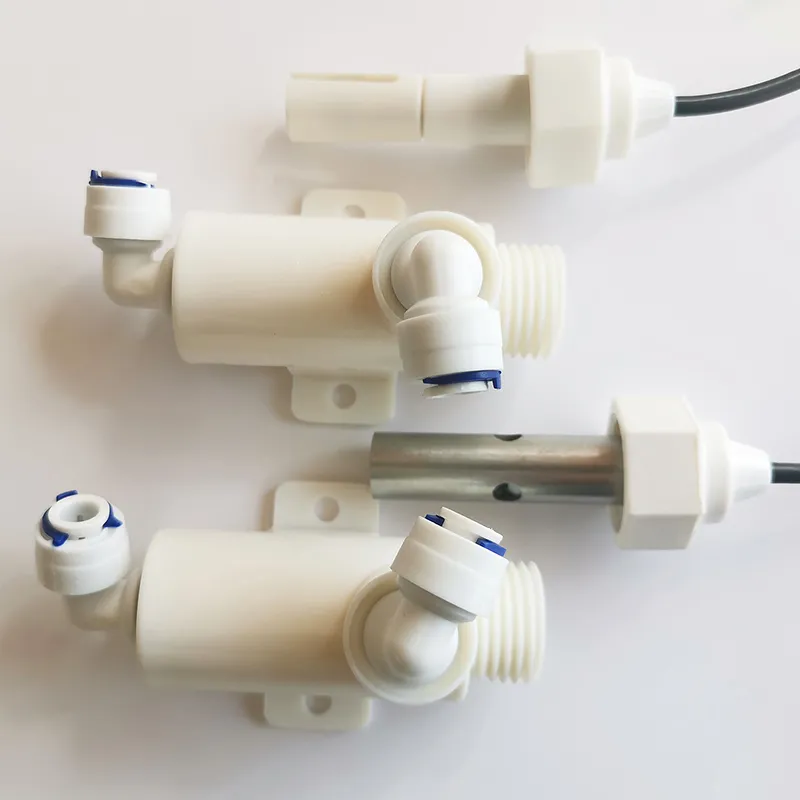
The CR-102S is a high-performance, robust conductivity and resistivity sensor designed for precision industrial applications. Its advanced design incorporates high-grade materials and sophisticated measurement principles to deliver consistent and accurate data in challenging environments. The sensor operates on the principle of electrochemical measurement, where two or more electrodes immersed in a solution measure the electrical conductance. For high-purity water applications, a 4-electrode design is often preferred to minimize polarization effects and extend the measurement range.
| Parameter | Specification |
|---|---|
| Measurement Range (Conductivity) | 0.01 µS/cm to 200 mS/cm (Configurable cell constant) |
| Measurement Range (Resistivity) | 10 kΩ·cm to 18.2 MΩ·cm (Ultrapure water applications) |
| Cell Constant (K) | 0.01, 0.1, 1.0, 10.0 cm-1 (User-selectable or fixed) |
| Accuracy | ±1.0% of full scale (Typical) |
| Resolution | 0.01 µS/cm or 0.1 MΩ·cm (Application dependent) |
| Temperature Compensation | Automatic (Pt1000 or NTC 10K thermistor) |
| Operating Temperature Range | 0 to 130°C (32 to 266°F) |
| Maximum Pressure | 10 bar (145 psi) at 25°C |
| Electrode Material | 316L Stainless Steel, Titanium, or Graphite (application-specific) |
| Body Material | 316L Stainless Steel, PEEK (Polyetheretherketone) |
| Process Connection | NPT ½", NPT ¾", G ½", G ¾", Flange (DN15-DN50), Tri-Clamp |
| Ingress Protection | IP68 (Submersible) |
The selection of electrode and body material is critical for long-term stability and corrosion resistance. 316L Stainless Steel offers excellent corrosion resistance in many aqueous solutions, while PEEK provides chemical inertness and high-temperature stability, particularly crucial in ultrapure water and aggressive chemical environments where metallic contamination is a concern. The robust design of the CR-102S ensures reliable operation even under fluctuating process conditions.
Manufacturing Process Flow of CR-102S
The production of the CR-102S sensor involves a meticulously controlled manufacturing process, adhering to stringent quality standards to ensure precision, durability, and consistent performance. This multi-stage process integrates advanced engineering techniques with high-quality material selection, ensuring each sensor meets or exceeds industry benchmarks like ISO 9001 for quality management and relevant ANSI/ASTM standards for material specifications.
Process Steps:
1. Material Procurement & Inspection
High-grade 316L stainless steel, PEEK, and platinum alloys are sourced from certified suppliers. Incoming materials undergo spectral analysis, hardness testing, and dimensional verification against ASTM A276/A479 for stainless steel and ISO 1043-1/ISO 1133 for PEEK to ensure chemical composition and mechanical properties.
2. Precision CNC Machining
Electrode components and sensor bodies are shaped using state-of-the-art multi-axis CNC machines. This process ensures micron-level tolerances critical for accurate cell constants. Surface finishes are meticulously controlled to prevent fouling and ensure optimal response characteristics.
3. Electrode Platinization & Conditioning
For specific applications, electrodes undergo a controlled platinization process to deposit a platinum black layer, enhancing surface area and minimizing polarization, crucial for low conductivity measurements. This is followed by a conditioning phase to stabilize the electrode surface.
4. Assembly & Encapsulation
Individual components, including electrodes, thermistors (e.g., Pt1000), and wiring, are meticulously assembled. Critical seals are formed using advanced polymers or ceramic-to-metal bonding techniques to ensure IP68 ingress protection and prevent leakage under high pressure or temperature.
5. Calibration & Final Testing
Each CR-102S sensor undergoes multi-point calibration using traceable conductivity standards (e.g., NIST-traceable KCl solutions) across its full measurement range. Performance tests include accuracy verification, temperature compensation linearity, and pressure resistance. All sensors are tested to withstand specified operating conditions per IEC 60746 standards.
6. Quality Control & Packaging
A final QC inspection checks for cosmetic flaws, proper labeling, and packaging integrity. Sensors are securely packaged with documentation, including calibration certificates, ready for dispatch. This stringent process contributes to a typical service life exceeding 5 years under recommended operating conditions.
This rigorous process ensures the CR-102S delivers exceptional reliability, corrosion resistance due to superior material choices, and energy saving benefits by enabling precise control in continuous process monitoring within target industries such as petrochemicals, metallurgy, power generation, and water supply & drainage.
Application Scenarios and Technical Advantages
The versatility and robust design of the CR-102S make it indispensable across a broad spectrum of industrial applications where precise conductivity and resistivity measurements are paramount.
- ✓ Ultrapure Water (UPW) Systems: In semiconductor manufacturing, pharmaceuticals, and power plants (e.g., boiler feed water), maintaining ultrapure water is critical. The CR-102S with a 0.01 cm-1 cell constant precisely monitors resistivity up to 18.2 MΩ·cm, detecting even minute ionic contaminants that could compromise product quality or cause equipment corrosion. Its PEEK body material ensures no metallic contamination.
- ✓ Chemical Process Monitoring: In chemical industries, monitoring chemical concentrations (e.g., acid/base solutions) is crucial for reaction control and waste treatment. The CR-102S, particularly with its high cell constant (e.g., 10.0 cm-1) and chemically resistant materials like 316L SS or PEEK, provides real-time conductivity data, optimizing dosing and ensuring process safety.
- ✓ Water & Wastewater Treatment: From influent quality monitoring to effluent discharge compliance, the CR-102S helps manage dissolved solids. In reverse osmosis (RO) systems, it monitors membrane efficiency, indicating when cleaning or replacement is needed, leading to significant energy saving by preventing premature membrane fouling. Its robust IP68 rating ensures reliability in harsh outdoor or submersible installations.
- ✓ Food & Beverage: For CIP (Clean-in-Place) processes, the sensor effectively distinguishes between cleaning solutions, rinse water, and product, ensuring efficient resource utilization and preventing cross-contamination. Its sanitary connection options (Tri-Clamp) are ideal for hygienic applications.
- ✓ Cooling Towers & Boilers: Maintaining proper water chemistry prevents scaling and corrosion, extending equipment life. The CR-102S continuously monitors blowdown control, optimizing water usage and chemical additive dosage, contributing to operational efficiency and corrosion resistance.
Technical Advantages:
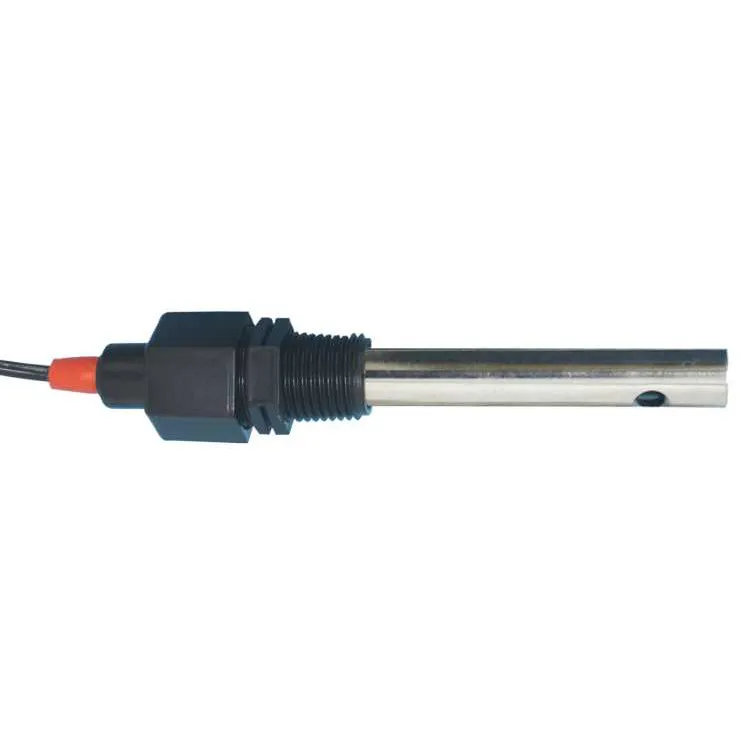
- Wide Measurement Range: Adaptable to both ultrapure and highly concentrated solutions through flexible cell constant configuration.
- Superior Material Compatibility: Options like 316L SS and PEEK offer excellent corrosion resistance against aggressive chemicals and ensure longevity.
- High Accuracy & Stability: Precise manufacturing and advanced temperature compensation (Pt1000) ensure stable, accurate readings over time and varying temperatures.
- Robust Construction: IP68 rated, capable of withstanding harsh industrial environments, high pressures, and wide temperature variations.
- Reduced Maintenance: Durable materials and self-cleaning designs (where applicable) minimize fouling and extend calibration intervals.
- Flexible Integration: Multiple process connection options (threaded, flanged, Tri-Clamp) for seamless integration into existing infrastructure.
Vendor Comparison: CR-102S vs. Competitor Models
In a highly competitive market, selecting the right conductivity sensor is paramount for operational success. While many vendors offer conductivity sensors, the CR-102S distinguishes itself through a blend of advanced features, material quality, and application flexibility. Below is a comparative analysis against typical competitor models (e.g., a standard industrial 2-electrode sensor and a high-end specialized sensor).
| Feature/Parameter | CR-102S | Competitor A (Standard 2-Electrode) | Competitor B (Specialized 4-Electrode) |
|---|---|---|---|
| Electrode Type | 2-Electrode (Low-mid range) / 4-Electrode (Mid-High range) | 2-Electrode | 4-Electrode |
| Measurement Range | 0.01 µS/cm to 200 mS/cm | 1 µS/cm to 20 mS/cm | 0.05 µS/cm to 100 mS/cm |
| Body Material Options | 316L SS, PEEK | 316 SS, PVC | PVDF, PEEK |
| Max Operating Temperature | 130°C | 80°C | 110°C |
| Max Operating Pressure | 10 bar | 6 bar | 8 bar |
| Ingress Protection | IP68 | IP65 | IP67 |
| Temperature Compensation | Automatic (Pt1000/NTC) | Automatic (NTC) | Automatic (Pt1000) |
| Typical Service Life | 5+ years | 2-3 years | 4-5 years |
| Certifications | CE, ISO 9001, RoHS | CE | CE, ATEX (optional) |
This comparison highlights that while basic models (Competitor A) offer entry-level solutions, they often lack the robustness, temperature/pressure ratings, and material versatility required for demanding industrial environments. High-end specialized sensors (Competitor B) might match some of the CR-102S's features but often come with a significantly higher price point. The CR-102S strikes an optimal balance, providing a wide range, superior material choices, and robust performance that typically exceeds standard offerings, making it a highly cost-effective and reliable choice for long-term industrial deployment.
Customized Solutions and Application Case Studies
Understanding that no two industrial applications are identical, we offer comprehensive customization options for the CR-102S to precisely align with specific operational requirements. Our engineering team collaborates closely with clients to tailor sensor configurations, ensuring optimal performance and seamless integration.
Customization Options:
- Material Selection: Choice of 316L SS, Titanium, Hastelloy, or PEEK for electrode and body materials to withstand highly corrosive or aggressive chemical media (e.g., strong acids, alkalis, high chloride solutions).
- Cell Constant Adjustment: Factory-configured cell constants (0.01, 0.1, 1.0, 10.0 cm-1) or custom values to optimize measurement range and accuracy for specific conductivity bands.
- Process Connections: Custom thread sizes (NPT, BSP), flange types (ANSI, DIN), Tri-Clamp, or specialized sanitary fittings to match existing pipework and vessels.
- Cable Length and Termination: Extended cable lengths, specific cable materials (e.g., shielded, armored), and custom connector types (e.g., M12, terminal blocks) for challenging installation environments.
- Temperature Element: Integrated Pt1000, Pt100, or NTC thermistors with specific resistance curves for compatibility with existing control systems.
- ATEX/Explosion Proofing: Design modifications and certifications for hazardous area installations, ensuring compliance with local safety regulations.
Application Case Studies:
Case Study 1: Pharmaceutical Grade Water Production
A leading pharmaceutical manufacturer required continuous, high-precision resistivity monitoring for their Water-for-Injection (WFI) loops. Previous sensors exhibited drift and required frequent recalibration, impacting batch quality and increasing downtime. We deployed customized CR-102S sensors with a PEEK body and 0.01 cm-1 cell constant, integrated with a Pt1000 temperature element. The non-metallic construction eliminated ion leaching, and the stable design provided consistent readings within the 18.2 MΩ·cm range for over 18 months without recalibration. This resulted in improved compliance with USP standards, reduced operational costs, and enhanced product quality assurance. Our client reported a 30% reduction in maintenance efforts attributed directly to the reliability of the CR-102S.
Case Study 2: Aggressive Caustic Solution Monitoring in Petrochemical Plant
A petrochemical facility needed to monitor the concentration of a 15% sodium hydroxide solution in a scrubbing process. The extreme alkalinity and temperature (up to 90°C) caused rapid degradation of existing sensors. We provided a specialized CR-102S variant featuring a Titanium electrode and body, with a 10.0 cm-1 cell constant. The robust Titanium construction offered superior corrosion resistance, significantly extending sensor life from 3 months to over 2 years. The accurate, real-time conductivity data enabled precise control of caustic dosing, optimizing the scrubbing process, reducing chemical consumption by 15%, and ensuring environmental compliance. This experience solidified our partnership as a reliable supplier for critical process control instrumentation.
Trustworthiness, Support, and FAQ for CR-102S
At the core of our operations is a commitment to trustworthiness and unwavering customer support. We understand that acquiring high-precision industrial instrumentation like the CR-102S is a significant investment, and our goal is to ensure long-term satisfaction and operational reliability. Our company has been serving the industrial sector for over two decades, building a reputation for quality and expertise, backed by ISO 9001 certification.
Commitment to Our Customers:
- ✓ Lead Time & Fulfillment: Standard configurations of the CR-102S typically ship within 2-4 weeks of order confirmation. Customized solutions may require 4-8 weeks, depending on complexity and material availability. We maintain robust supply chains and transparent communication throughout the fulfillment process.
- ✓ Warranty Commitments: Each CR-102S sensor comes with a standard 12-month limited warranty against manufacturing defects and material failures from the date of shipment. Extended warranty options are available upon request.
- ✓ Customer Support: Our dedicated technical support team is available during business hours via phone and email. We provide assistance with installation, calibration, troubleshooting, and application-specific inquiries. On-site support and training can also be arranged.
- ✓ Certifications & Partnerships: Our products are CE compliant, and our manufacturing processes adhere to ISO 9001 standards. We proudly partner with numerous global industrial leaders and have a track record of successful deployments across diverse sectors for over 20 years.
Frequently Asked Questions (FAQ):
Q1: How often does the CR-102S require calibration?
A: The calibration frequency for the CR-102S depends heavily on the specific application, the aggressiveness of the media, and required accuracy. For ultrapure water applications, it may only need recalibration every 6-12 months. In challenging industrial wastewater or chemical processes, it might be advisable every 1-3 months. Our technical support can provide a tailored recommendation based on your process parameters.
Q2: Can the CR-102S be used in hazardous environments?
A: Standard CR-102S models are not intrinsically safe or explosion-proof. However, we offer customized ATEX-certified versions for hazardous area classifications. Please consult with our sales team to specify your exact requirements for such applications to ensure compliance and safety.
Q3: What maintenance is typically required for the sensor?
A: The CR-102S is designed for low maintenance. Regular tasks include periodic cleaning of the electrode surface to prevent fouling, especially in media containing particulates or biofilms. This can often be done with a soft brush and clean water, or a mild cleaning solution if necessary. Visual inspection for any physical damage to the cable or sensor body is also recommended during routine checks.
Q4: What cell constant should I choose for my application?
A: The cell constant (K) determines the effective measurement range. A lower cell constant (e.g., 0.01 or 0.1 cm-1) is suitable for low conductivity/high resistivity applications like ultrapure water. A higher cell constant (e.g., 1.0 or 10.0 cm-1) is used for higher conductivity solutions like wastewater or chemical concentrations. Our technical specialists can help you select the optimal cell constant based on your specific process needs.
Authoritative References:
- ISO 9001:2015 - Quality management systems - Requirements. International Organization for Standardization.
- ASTM D1125-14 - Standard Test Methods for Electrical Conductivity and Resistivity of Water. ASTM International.
- IEC 60746-2:2003 - Expression of performance of electrochemical analyzers - Part 2: Electrical conductivity. International Electrotechnical Commission.
- USP Water Conductivity. United States Pharmacopeia.
- Metrology and Quality Control for High Purity Water Systems. Ultrapure Water Journal.

Related Products
Related News
2026-04-16 03:20:19
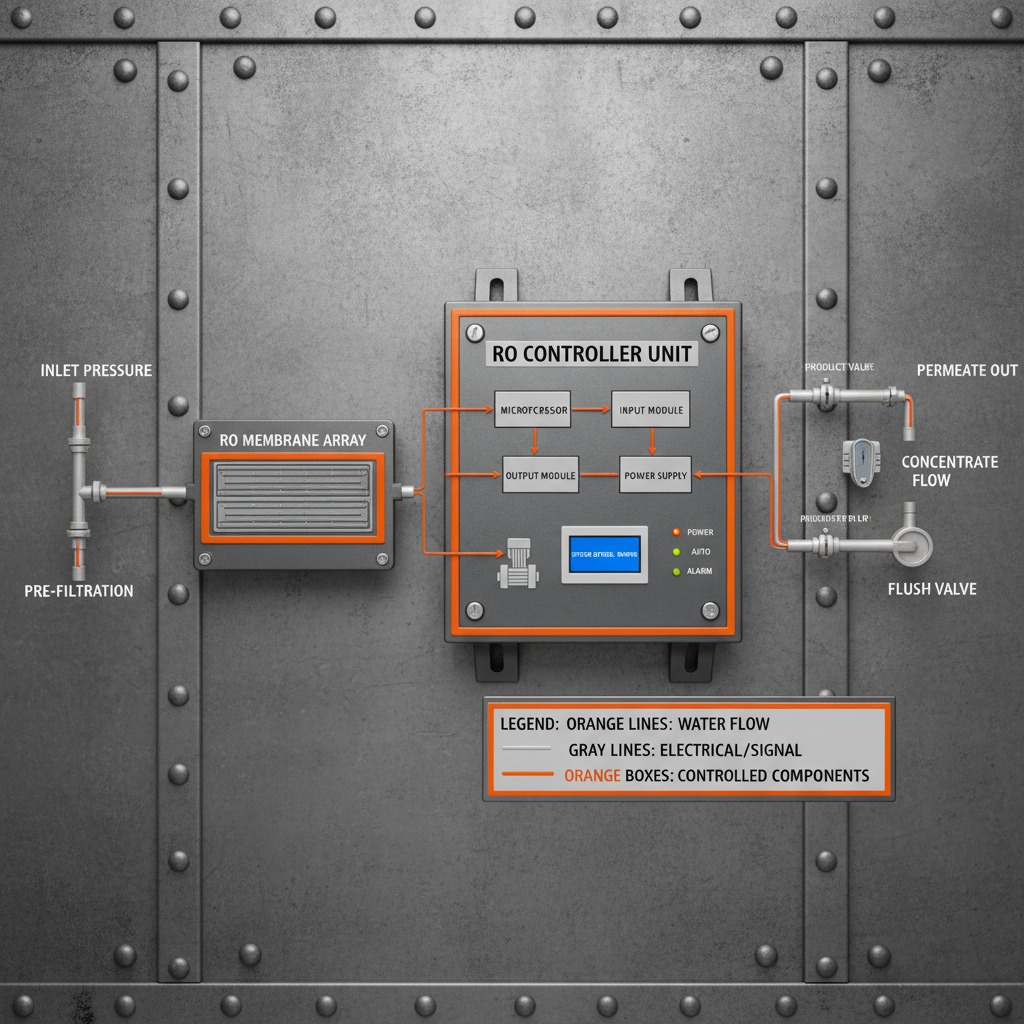
Guide to Choosing the Right RO Controller for Water PurificationMaintaining a high-performance reverse osmosis system requires more than just quality membranes; it demands precise regulation. An ro controller serves as the brain of the entire operation, monitoring critical parameters such as conductivity, temperature, and flow rates to ensure the output water meets stringent purity standards. Without an efficient controller, systems are prone to membrane fouling, inefficient energy use, and inconsistent water quality. In this comprehensive guide, we will explore how these devices optimize water treatment processes and how to select the best model for your specific industrial or commercial needs.
2026-04-09 03:25:47
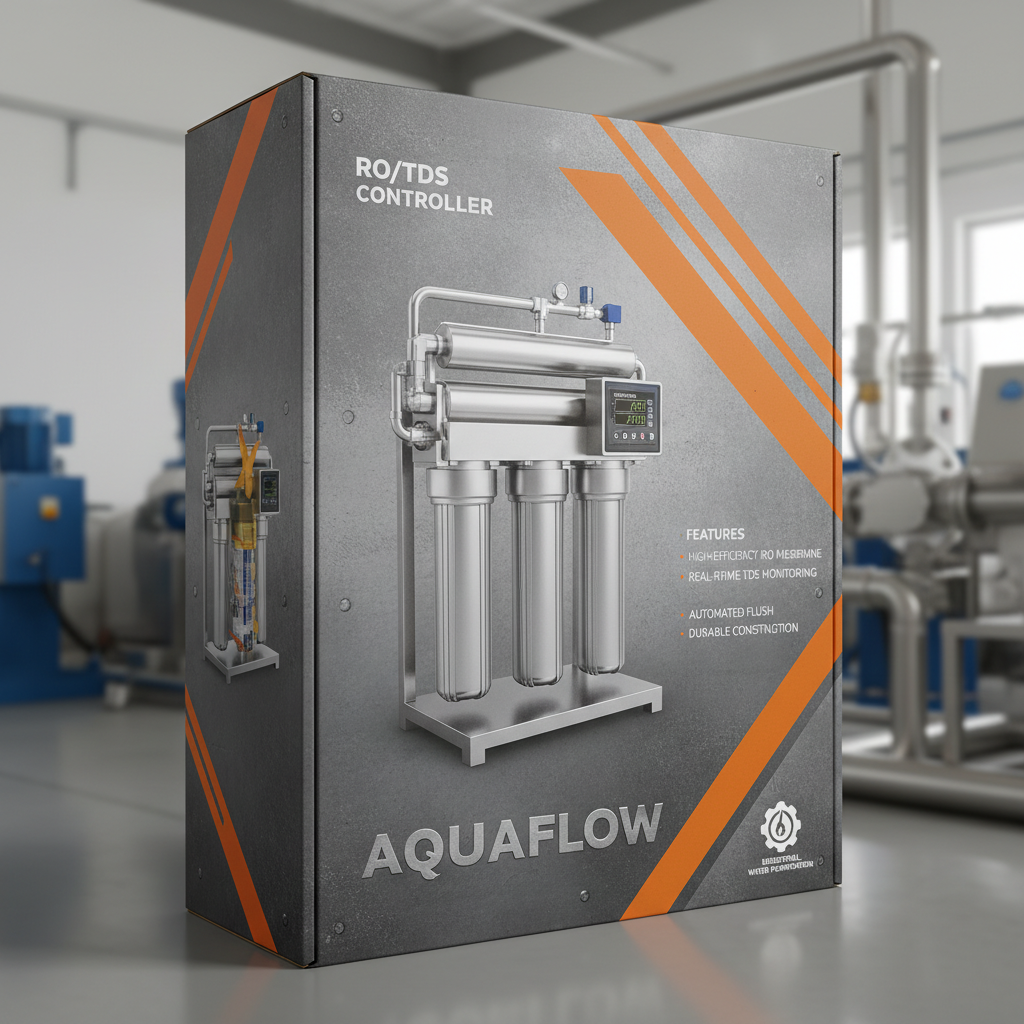
Guide to Water Purity Using RO with TDS Controller SystemsAchieving the perfect balance of mineral content and purity in drinking water is a challenge for many households and industrial facilities. A ro with tds controller offers a sophisticated solution by combining the rigorous filtration of Reverse Osmosis (RO) with the precision of a Total Dissolved Solids (TDS) adjustment system. While standard RO systems remove almost everything, including beneficial minerals, a TDS controller allows users to re-mineralize the water to a desired level. This ensures that the water is not only safe and pure but also tastes better and provides essential nutrients.
2026-04-07 03:17:09
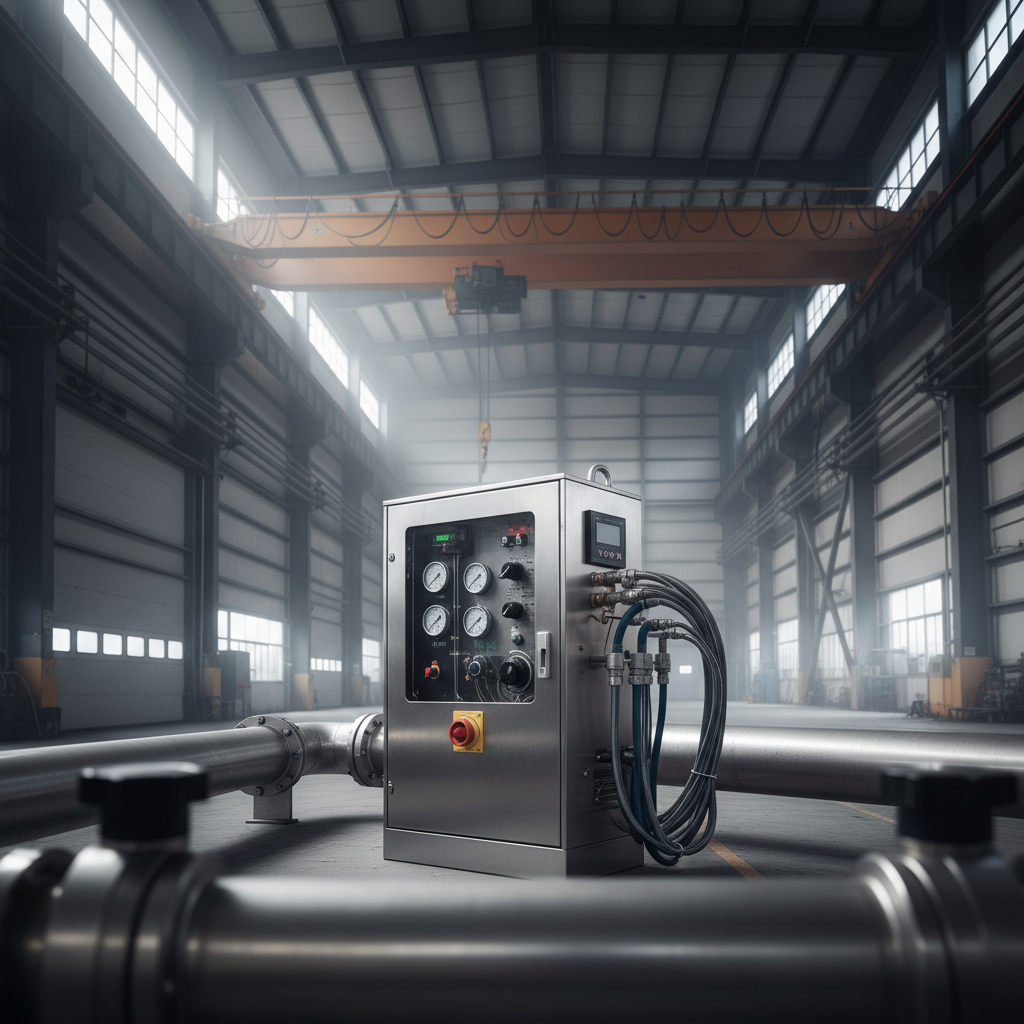
Understanding and Optimizing Reverse Osmosis Systems with a ControllerIn the world of water purification, reverse osmosis (RO) systems are a cornerstone for producing high-quality water for various applications, from drinking water to industrial processes. However, an RO system is only as effective as its control system. This is where the reverse osmosis controller comes into play. This critical component manages and optimizes the RO process, ensuring efficient operation, water quality, and system longevity.
2026-04-04 03:27:19
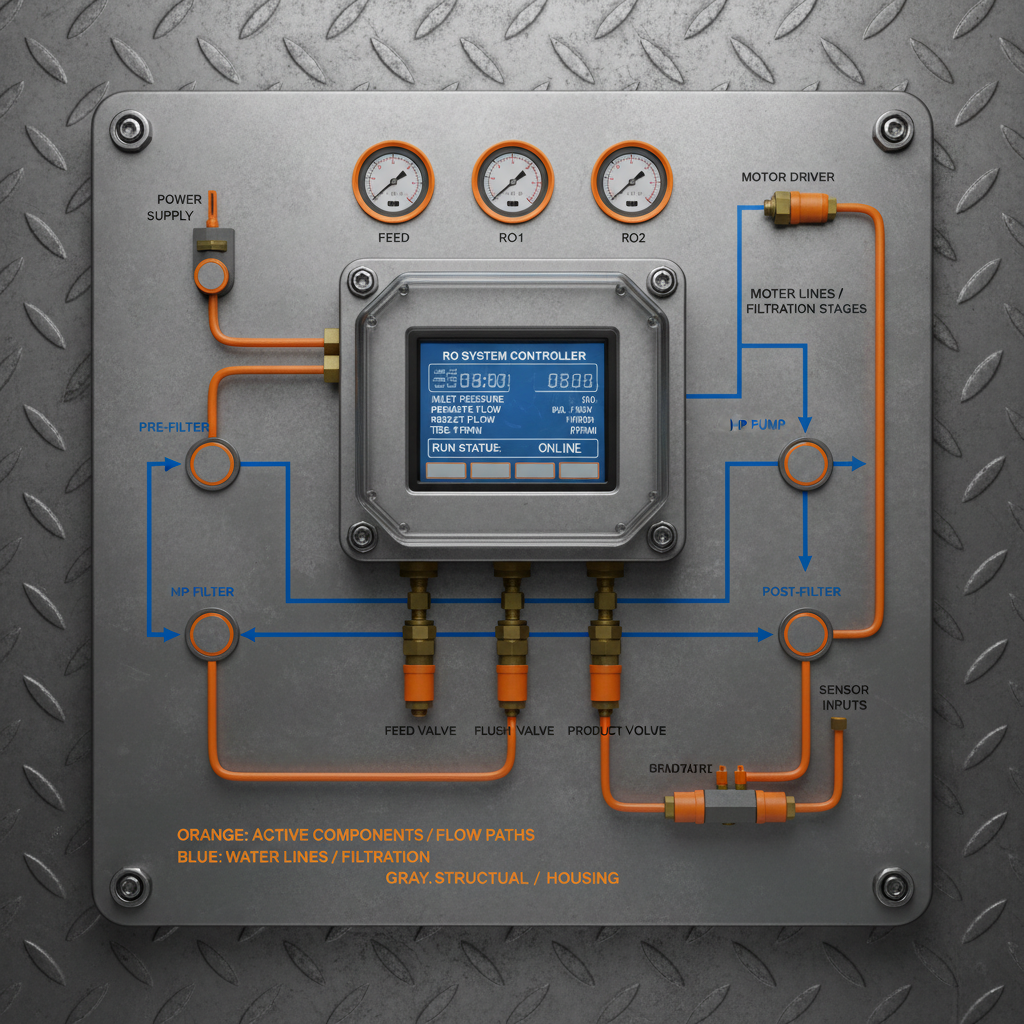
Understanding the Vital Role of an RO System Controller for Optimal PerformanceReverse Osmosis (RO) systems are critical for purifying water across various industries, from residential applications to large-scale industrial processes. At the heart of a well-functioning RO system lies the RO system controller. This intelligent device monitors and regulates all key parameters of the RO process, ensuring optimal performance, efficiency, and water quality. This article delves into the functionalities, benefits, and selection criteria for choosing the right RO system controller, particularly focusing on those offered by Watequipments. Understanding its role is crucial for maximizing the lifespan and effectiveness of your RO investment.
2026-03-24 17:18:24
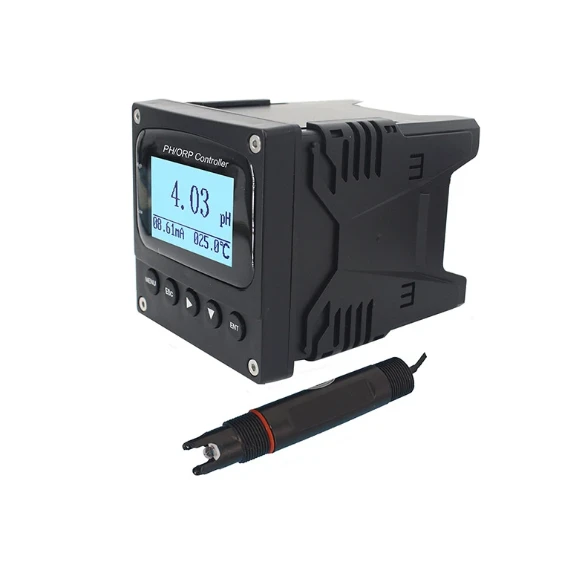
Smart Water Treatment Solutions Using PH ORP Controller SystemsIn modern water treatment and industrial fluid management, maintaining precise chemical balance is essential for safety, efficiency, and regulatory compliance.
2026-03-04 02:55:19
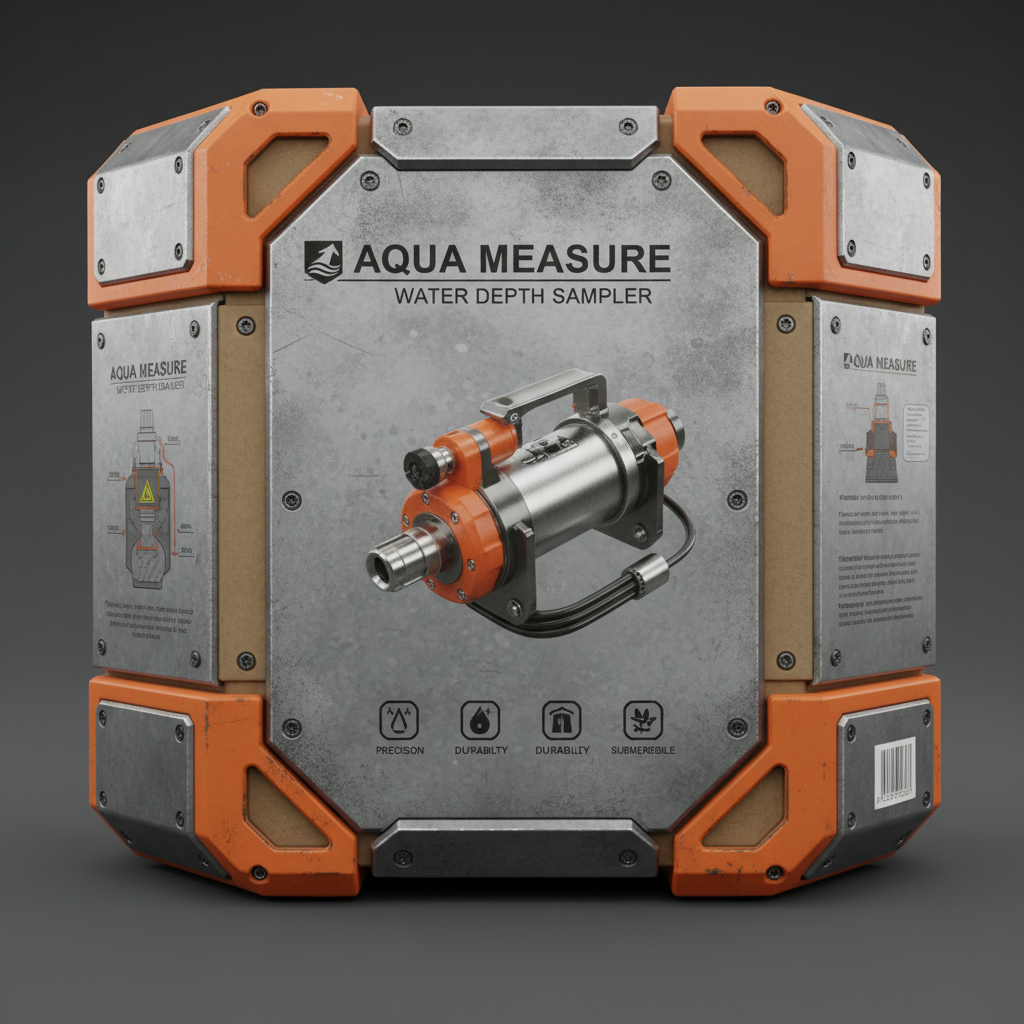
Comprehensive Guide to Water Depth Samplers and Their ApplicationsAccurate water quality monitoring is crucial in various fields, from environmental science and aquaculture to industrial wastewater management. A key tool for this is the water depth sampler. This article provides an in-depth look at water depth samplers, their applications, types, and essential considerations for choosing the right one for your needs. We'll explore the benefits of utilizing this equipment to collect reliable data for analysis and informed decision-making. Selecting the right sampler can significantly improve the precision and efficiency of your water monitoring program. A water depth sampler, also known as a depth-integrated sampler, is a device designed to collect water samples from specific depths within a body of water. Unlike simply dipping a container into the water, a depth sampler allows for collection of a representative sample across a defined depth range. This is critical because water properties (temperature, salinity, pollutants) often vary significantly with depth. The data gathered with a water depth sampler provides a more accurate assessment of water quality than surface samples alone.
2026-03-03 18:55:22
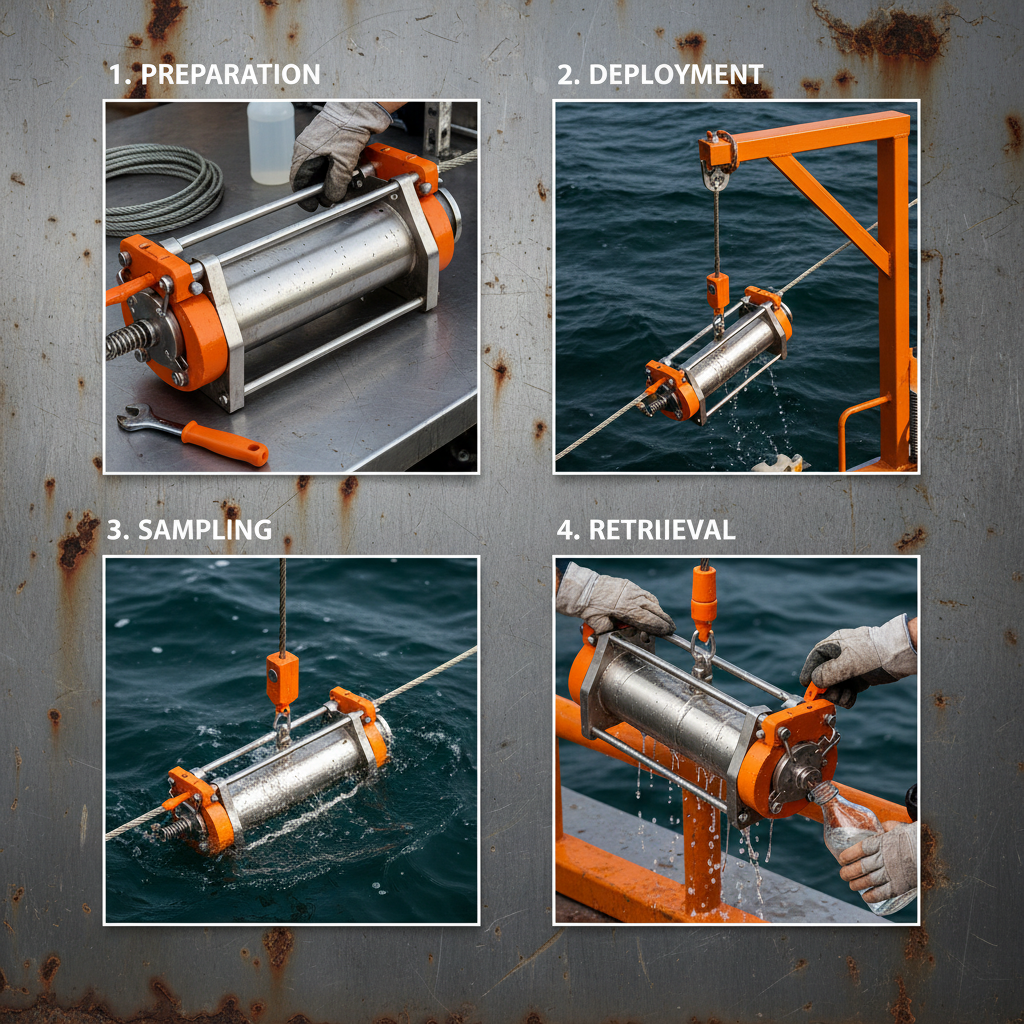
Comprehensive Guide to Horizontal Water Sampler Applications and SelectionCollecting water samples at varying depths is crucial for environmental monitoring, research, and quality control. The horizontal water sampler from Watequipment.com offers a precise and efficient solution for this task. This article provides an in-depth look at horizontal water samplers, their applications, benefits, and key considerations when choosing the right model. We will explore how these samplers contribute to accurate data collection and informed decision-making in various fields. A horizontal water sampler is a device designed to collect water samples from specific depths within a body of water – rivers, lakes, oceans, reservoirs, and even wastewater treatment plants. Unlike vertical samplers which primarily focus on depth, horizontal samplers prioritize collecting samples at a consistent depth while moving along a horizontal plane. This is essential for assessing water quality variations across a waterway or within a specific zone. They are used in applications ranging from environmental monitoring and scientific research to industrial process control and regulatory compliance.
2026-02-28 02:35:09
Comprehensive Guide to Selecting the Right Surface Water Sampler for Your NeedsMonitoring the quality of surface water is critical for environmental protection, public health, and various industrial applications. A surface water sampler is an essential tool for collecting representative samples from rivers, lakes, ponds, and other surface water sources. This article provides a detailed overview of surface water samplers, their types, applications, and key considerations for selecting the right equipment. Accurate water quality data relies on proper sample collection, and choosing the correct sampler is the first step toward achieving reliable results. Surface water samplers come in various designs, each suited to specific sampling needs. Common types include grab samplers, depth-integrating samplers, peristaltic pumps, and automatic samplers. Surface water samplers are used across a broad spectrum of applications, including environmental monitoring, wastewater discharge monitoring, drinking water source monitoring, agricultural runoff analysis, and research studies.

 English