


WS 9200: Advanced, Secure & Scalable Wireless System for Business

WS 9200: Advanced, Secure & Scalable Wireless System for Business
Aug . 30, 2025
Industry Trends in Automated Water Sampling
The landscape of environmental and industrial process monitoring is rapidly evolving, driven by stringent regulatory frameworks, increasing demand for real-time data, and the imperative for operational efficiency. Automatic water samplers have become indispensable tools, providing accurate and representative samples crucial for compliance, process control, and research. Key trends include the integration of IoT for remote monitoring, enhanced data analytics capabilities, the development of robust materials for harsh environments, and a growing emphasis on energy efficiency and lower maintenance requirements.
In this dynamic context, the WS 9200 automatic water sampler emerges as a leading solution, designed to meet the rigorous demands of modern industrial and environmental applications. Its advanced features address the challenges of sample integrity, operational reliability, and data traceability.
The drive for sustainability and resource optimization further fuels innovation in this sector. Industries are seeking intelligent sampling solutions that not only collect samples but also contribute to a holistic data ecosystem, informing better decision-making for water resource management, pollutant discharge control, and industrial process optimization.
Technical Specifications and Core Features
The WS 9200 is engineered for precision and durability, featuring a robust design capable of operating in diverse and challenging conditions. Its technical specifications reflect a commitment to high performance and reliability.
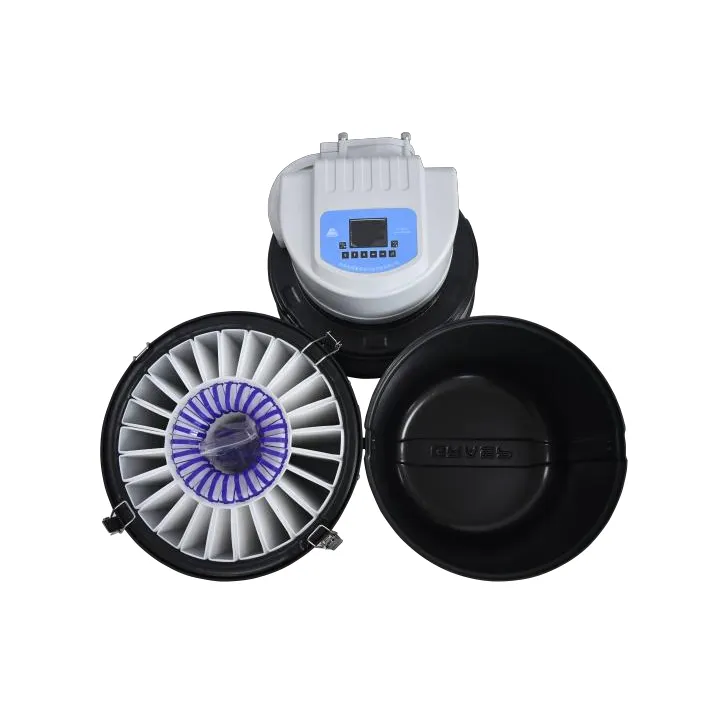
The core features of the WS 9200 include its highly accurate peristaltic pump system, ensuring precise sample volumes and minimizing cross-contamination. The integrated data logger stores sampling parameters, alarms, and system diagnostics, providing a comprehensive audit trail. Its modular design allows for easy maintenance and adaptability to various bottle configurations, catering to both discrete and composite sampling requirements. The intuitive user interface, typically an LCD screen with a keypad, simplifies programming and operation, even for less experienced personnel.
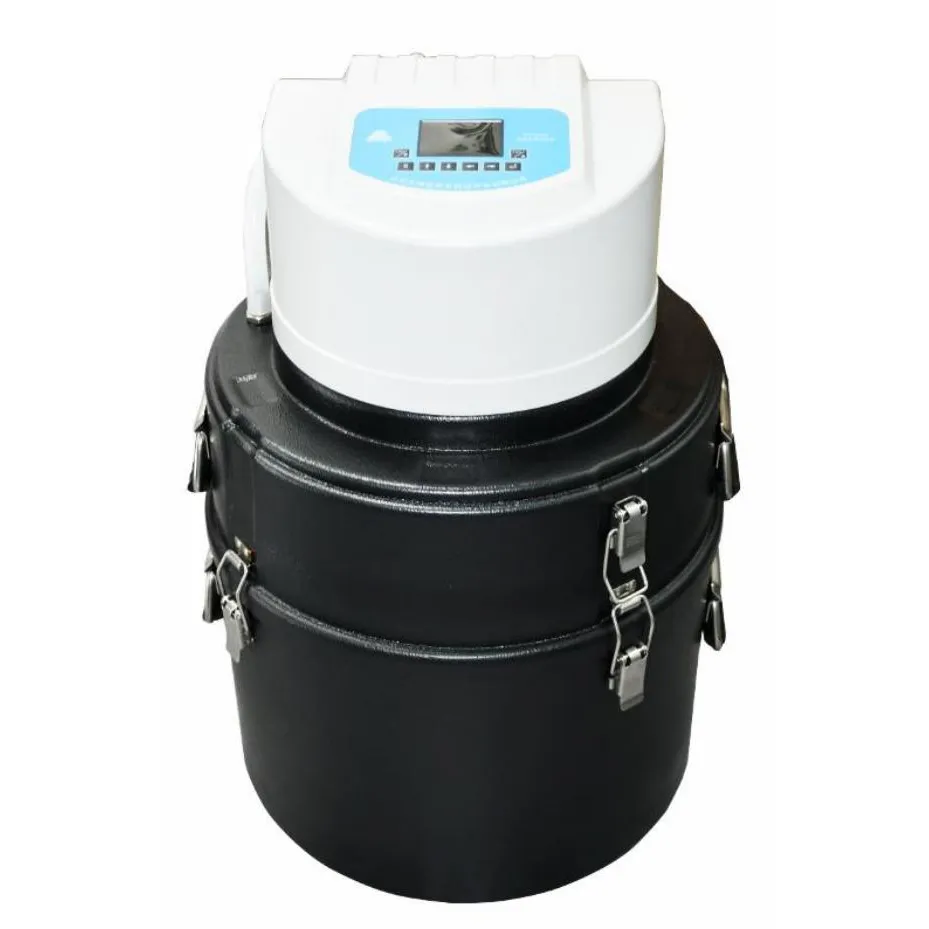
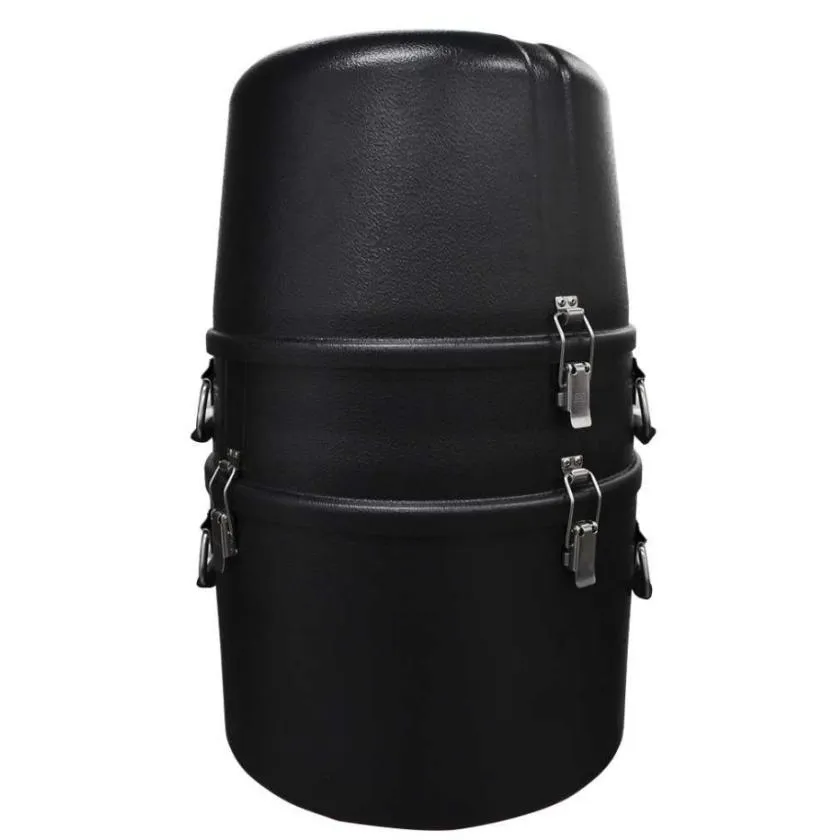
The robust enclosure, often constructed from UV-stabilized ABS or similar engineering plastics, provides exceptional resistance to environmental factors, making the WS 9200 suitable for long-term outdoor deployment. This material choice, combined with IP67 ingress protection, signifies its readiness for harsh weather and corrosive industrial atmospheres.
Manufacturing Process Flow of the WS 9200
The production of the WS 9200 involves a meticulous, multi-stage manufacturing process, emphasizing precision engineering, material quality, and rigorous testing to ensure optimal performance and longevity. Each stage adheres to strict quality control protocols, often aligned with ISO 9001 standards.
Manufacturing Stages:
-
1.
Material Sourcing & Preparation: High-grade, UV-stabilized ABS and Polycarbonate resins are sourced for the external enclosure, ensuring resistance to weathering and chemicals. Stainless steel (316L) is used for critical internal components requiring corrosion resistance. Peristaltic tubing materials (e.g., Silicone, Viton) are selected for chemical compatibility and durability. Raw materials undergo incoming quality inspection (IQC) to verify specifications.
-
2.
Enclosure Production (Injection Molding): The main housing components are manufactured using advanced injection molding techniques. This process ensures precise dimensions, consistent wall thickness, and optimal material distribution, crucial for achieving the IP67 environmental protection rating. Molds are regularly inspected for wear.
-
3.
Component Fabrication (CNC Machining & Forging): Critical metallic parts, such as pump shafts, connectors, and internal brackets, are often produced using CNC machining for extreme precision. Certain high-stress components may undergo forging to enhance structural integrity and mechanical properties, followed by precision grinding.
-
4.
Electronics Assembly (PCBA): Printed Circuit Board Assemblies (PCBAs) for the control unit, power management, and communication modules are manufactured in a cleanroom environment. Automated pick-and-place machines ensure accurate component placement, followed by reflow soldering. Each PCBA undergoes automated optical inspection (AOI) and in-circuit testing (ICT).
-
5.
Sub-Assembly & Integration: Individual modules – such as the peristaltic pump head, bottle carousels, cooling system, and user interface panel – are assembled and tested independently before final integration into the main enclosure. Special attention is paid to sealing elements for waterproof integrity.
-
6.
Final Assembly & Calibration: All components are meticulously assembled. The peristaltic pump is calibrated for precise flow rates and sample volumes. Software is loaded, and all communication interfaces are verified.
-
7.
Quality Assurance & Testing: Each WS 9200 unit undergoes a series of stringent tests, including:
- Functionality Test: Verification of all operational modes, sample collection, purging, and bottle indexing.
- Environmental Test: Temperature and humidity cycling to simulate extreme operating conditions.
- Ingress Protection Test: Water jet and dust ingress tests to confirm IP67 compliance.
- EMC/EMI Test: To ensure electromagnetic compatibility according to CE standards.
- Long-Term Reliability Test: A statistically significant number of units undergo extended operational testing to predict service life.
-
8.
Packaging & Dispatch: After passing all QA checks, units are carefully packaged for safe transit, including necessary documentation and accessories.
The careful selection of materials and manufacturing processes ensures a projected service life of 7-10 years under typical operating conditions, significantly reducing the total cost of ownership. The emphasis on corrosion-resistant materials like UV-stabilized plastics and stainless steel for wetted parts ensures reliability even in highly aggressive chemical environments, commonly found in petrochemical and metallurgy sectors. The precision calibration of the peristaltic pump system not only guarantees accurate sample volumes but also contributes to energy efficiency by optimizing pump cycles.
By integrating advanced manufacturing techniques and adhering to stringent testing standards, the production of the WS 9200 reflects a commitment to delivering a high-quality, durable, and precise instrument vital for critical environmental monitoring.
The versatility and robustness of the WS 9200 make it an ideal solution across a multitude of industries:
- Petrochemical Industry: Monitoring effluent discharge for hydrocarbon levels, heavy metals, and other pollutants to ensure compliance with environmental regulations. The corrosion-resistant construction is vital in handling aggressive chemical process waters. The energy-saving features of its pump system also contribute to overall site efficiency.
- Metallurgy and Mining: Sampling wastewater from smelting, refining, and mineral processing operations to detect concentrations of metals, cyanides, and acids. The ability of the WS 9200 to operate reliably in challenging outdoor conditions and handle suspended solids is critical here.
- Water Supply & Drainage: Essential for municipal wastewater treatment plants to monitor influent and effluent quality, assess treatment process efficiency, and manage discharge permits. In water distribution networks, it's used for routine quality checks and event-based sampling to detect contamination. Its precise volume control ensures representative samples for microbiological or chemical analysis.
- Environmental Research & Monitoring: Collecting samples from rivers, lakes, and oceans for long-term ecological studies, pollution assessment, and hydrological modeling. Remote communication options allow deployment in inaccessible locations.
- Food & Beverage Processing: Ensuring compliance with strict hygiene and quality standards by monitoring wastewater streams for organic loads, ensuring effective treatment and preventing contamination.
In all these scenarios, the automation offered by the WS 9200 reduces manual labor, minimizes human error, and ensures consistency and representativeness of samples, leading to more accurate analytical results and more reliable compliance reporting.
Technical Advantages and Performance Edge
The technical advantages of the WS 9200 are rooted in its sophisticated design and high-quality construction, providing a distinct performance edge in demanding applications:
-
✓
Unparalleled Sample Integrity: The peristaltic pump mechanism is specifically chosen to minimize sample agitation and preserve the integrity of volatile organic compounds (VOCs) and dissolved gases. Its programmable purge and rinse cycles effectively prevent cross-contamination between samples, ensuring analytical accuracy critical for regulatory compliance and process optimization. This is essential for parameters like oil-in-water, where even slight emulsification can skew results.
-
✓
Robustness and Durability: Constructed with industrial-grade, corrosion-resistant materials (e.g., UV-stabilized ABS/PC, 316L Stainless Steel), the WS 9200 is built to withstand extreme environmental conditions, from sub-zero temperatures to high humidity and exposure to aggressive chemicals. Its IP67 rated enclosure ensures protection against dust and water ingress, extending the operational life and reducing maintenance frequency in harsh outdoor or industrial settings.
-
✓
Advanced Automation and Flexibility: With multiple programmable sampling modes (time-based, flow-proportional, event-triggered), the WS 9200 adapts to diverse monitoring requirements. Its intelligent control system allows for complex sampling routines, crucial for capturing pollution events or monitoring diurnal variations. Remote connectivity options (GSM/GPRS) enable real-time status updates and remote parameter adjustments, minimizing site visits and improving response times.
-
✓
Operational Efficiency and Cost Savings: The low-power consumption design, especially when operating on battery power, extends deployment periods in remote locations. The reduced need for manual sampling translates into significant labor cost savings and enhanced safety for personnel. Its long service life and minimal component replacement further contribute to a lower total cost of ownership.
-
✓
Compliance and Data Traceability: Designed to meet or exceed international standards like ISO 5667 for water quality sampling, the WS 9200 provides traceable data through its integrated logger, recording parameters such as date, time, sample volume, and any alarms or operational events. This level of documentation is invaluable for regulatory audits and quality assurance programs.
These advantages collectively position the WS 9200 as a superior choice for professionals seeking reliable, accurate, and efficient automated water sampling capabilities.
Vendor Comparison and Differentiators
When evaluating automatic water samplers, decision-makers in B2B environments prioritize reliability, accuracy, and total cost of ownership. The WS 9200 stands out against competitors through several key differentiators.
The key differentiators for the WS 9200 include its superior sample integrity preservation, attributed to its advanced peristaltic pump and optimized rinse cycles. Many competitors, particularly in the mid-to-lower range, may use simpler pump mechanisms or lack effective cross-contamination prevention, leading to compromised sample validity. Furthermore, the WS 9200's robust construction materials and high IP rating offer extended operational life in challenging environments where other units would quickly degrade or fail.
While some competitors may offer lower initial acquisition costs, the long-term reliability, minimal maintenance requirements, and higher accuracy of the WS 9200 translate into a significantly lower total cost of ownership and superior return on investment for critical industrial and environmental monitoring applications.
Customized Solutions
Recognizing that no two monitoring challenges are exactly alike, the design philosophy behind the WS 9200 emphasizes adaptability and modularity. This allows for highly customized solutions to meet specific client requirements:
- Bottle Configurations: Clients can choose from various bottle setups, including multiple 1L discrete bottles for detailed time-series analysis or fewer large-volume composite bottles for aggregated sampling. Specialized bottles, such as amber glass for light-sensitive compounds or PTFE-lined for ultra-trace analysis, are also available.
- Sensor Integration: The WS 9200 can be integrated with external sensors (e.g., pH, conductivity, temperature, turbidity, flow meters). This allows for event-triggered sampling based on real-time water quality parameters or flow-proportional sampling, ensuring highly targeted data collection.
- Communication Modules: Options include advanced telemetry modules (GSM/GPRS/4G) for remote sites, Modbus/RS-485 for SCADA integration in industrial plants, or enhanced Wi-Fi/Bluetooth for local data transfer, depending on network availability and security requirements.
- Power Solutions: Beyond standard AC and DC battery options, specialized solar power kits are available for extended deployments in off-grid locations, ensuring continuous operation without frequent battery changes.
- Environmental Conditioning: For extreme climates, specialized heating elements for cold weather or active cooling systems for hot environments can be integrated into the unit to maintain sample integrity and ensure reliable operation.
These customization options ensure that the WS 9200 is not just a product, but a tailored solution, precisely aligned with the unique operational and analytical needs of each client.
Application Case Studies and Customer Experience
The real-world performance of the WS 9200 is best demonstrated through successful applications and positive customer feedback.
Case Study 1: Municipal Wastewater Treatment Plant
A large municipal wastewater treatment plant (WWTP) in a major metropolitan area faced challenges in consistent effluent monitoring. Previous manual sampling methods were labor-intensive, posed safety risks for personnel in confined spaces, and often resulted in non-representative samples due to inconsistent timing. The plant deployed three WS 9200 units at critical influent and effluent points.
- Solution: The WS 9200 units were configured for flow-proportional composite sampling, triggered by flow meters installed at the sampling points. GSM modules were integrated for remote monitoring of status and alarms.
- Results: The plant achieved 100% compliance with discharge permits for a consecutive 12-month period, a significant improvement. Labor costs associated with sampling were reduced by 40%, and personnel safety incidents were eliminated. The accurate, flow-proportional samples provided better data for optimizing chemical dosing and aeration processes, leading to an estimated 8% reduction in operational energy consumption. Customer feedback highlighted the ease of programming and the reliability of the system even during peak flow events.
Case Study 2: Industrial Manufacturing Facility (Metal Finishing)
A metal finishing plant required precise monitoring of its wastewater streams for heavy metal concentrations to meet strict local and national discharge limits. The highly acidic and corrosive nature of the wastewater, combined with fluctuating discharge patterns, made traditional sampling problematic.
- Solution: A customized WS 9200 was installed, featuring specialized Viton tubing for acid resistance and a robust external cooling unit to maintain sample integrity in high ambient temperatures. The unit was programmed for event-triggered sampling, activated by a pH sensor detecting excursions from permitted ranges.
- Results: The system successfully captured all exceedance events, providing critical data for process adjustments and preventing potential fines. The plant noted a substantial reduction in sample contamination, improving the reliability of lab results. The corrosion-resistant design withstood the aggressive environment, ensuring minimal component wear and extending maintenance cycles significantly compared to previous equipment.
These cases exemplify how the WS 9200 delivers tangible benefits in operational efficiency, compliance, and data quality across diverse industrial and environmental sectors.
Trust and Support: Ensuring Long-Term Value
Building trust with B2B clients requires more than just a superior product; it demands comprehensive support, transparent processes, and unwavering commitment to quality and service. Our approach for the WS 9200 is built upon these pillars.
Authoritative Credentials:
- Certifications: The WS 9200 and its manufacturing processes adhere to international quality standards, including ISO 9001 for quality management systems and CE marking for European market compliance. Specific components meet relevant ANSI and ASTM standards.
- Years of Service: With decades of experience in environmental monitoring and industrial instrumentation, our company brings extensive expertise to the design and support of products like the WS 9200.
- Partner Clients: Our client base includes leading organizations in government environmental agencies, major petrochemical corporations, national water utilities, and research institutions, demonstrating widespread industry acceptance and trust.
- Test Data & Analysis: All product specifications are backed by internal and third-party laboratory test data, ensuring verifiable performance parameters and adherence to claimed accuracy.
Frequently Asked Questions (FAQ):
Q: How often does the peristaltic tubing need to be replaced?
A: The service life of the peristaltic tubing depends on the sample matrix and frequency of use. Typically, with clean water, it can last for over a million pump cycles. In abrasive or chemically aggressive samples, replacement might be needed annually or semi-annually. We offer durable replacement kits.
Q: Can the WS 9200 operate in freezing temperatures?
A: Yes, with the optional internal heater and insulated enclosure, the WS 9200 can operate reliably down to -20°C, protecting both the electronics and the sample. We recommend using specific bottle types designed for freezing conditions if samples are expected to freeze.
Q: What kind of maintenance is required for the WS 9200?
A: Routine maintenance includes periodic inspection and cleaning of the sample intake line, checking for debris, and replacing peristaltic tubing as needed. Battery models require regular charging. A comprehensive maintenance schedule is provided in the user manual.
Lead Time & Fulfillment:
Standard configurations of the WS 9200 typically have a lead time of 2-4 weeks from order confirmation, depending on current stock levels and production schedules. Customized solutions may require 6-8 weeks due to specific component sourcing and additional testing. We maintain efficient supply chain management to ensure timely delivery.
Warranty Commitments:
Each WS 9200 unit comes with a standard 1-year warranty covering manufacturing defects and component failures under normal operating conditions. Extended warranty options and service contracts are available to provide additional peace of mind and long-term support for critical applications.
Customer Support Information:
Our dedicated customer support team is available to assist with installation, troubleshooting, and technical inquiries. Support is provided via phone, email, and a comprehensive online knowledge base. On-site service and training can also be arranged, ensuring clients maximize the value and performance of their WS 9200 investment.
Conclusion
The WS 9200 automatic water sampler represents the pinnacle of automated sampling technology, offering unmatched precision, reliability, and adaptability for critical environmental and industrial monitoring applications. Its robust design, advanced technical features, and comprehensive support infrastructure make it an indispensable tool for organizations committed to data accuracy, regulatory compliance, and operational excellence.
By investing in the WS 9200, industries ensure not only the integrity of their water sampling programs but also contribute to sustainable resource management and responsible environmental stewardship.
References:
- 1. International Organization for Standardization. ISO 5667: Water quality – Sampling. Various parts.
- 2. United States Environmental Protection Agency. Environmental Monitoring & Methods. (EPA.gov)
- 3. American National Standards Institute (ANSI) and National Electrical Manufacturers Association (NEMA) standards for enclosures.
- 4. Journal of Environmental Monitoring. Royal Society of Chemistry.

Related Products
Related News

2026-04-16 03:20:19
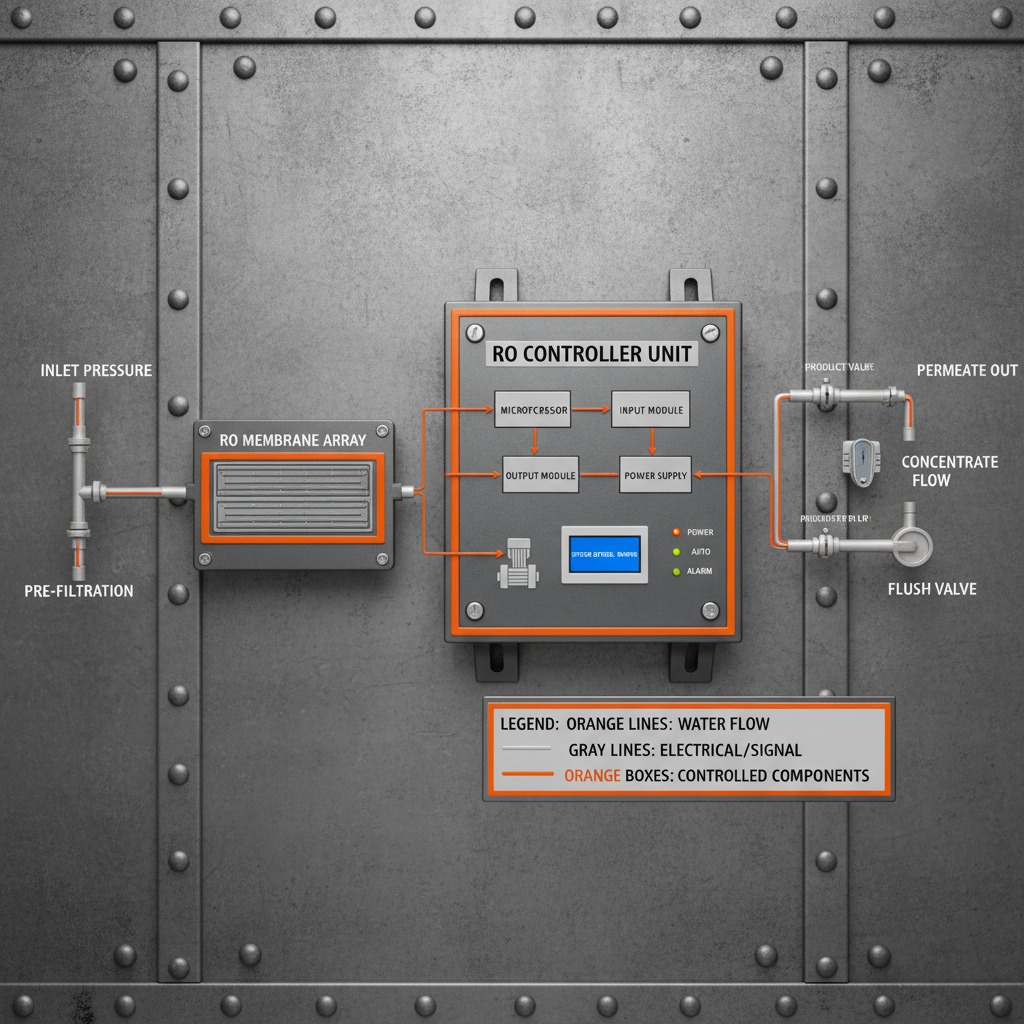
Guide to Choosing the Right RO Controller for Water PurificationMaintaining a high-performance reverse osmosis system requires more than just quality membranes; it demands precise regulation. An ro controller serves as the brain of the entire operation, monitoring critical parameters such as conductivity, temperature, and flow rates to ensure the output water meets stringent purity standards. Without an efficient controller, systems are prone to membrane fouling, inefficient energy use, and inconsistent water quality. In this comprehensive guide, we will explore how these devices optimize water treatment processes and how to select the best model for your specific industrial or commercial needs.
2026-04-09 03:25:47
Guide to Water Purity Using RO with TDS Controller SystemsAchieving the perfect balance of mineral content and purity in drinking water is a challenge for many households and industrial facilities. A ro with tds controller offers a sophisticated solution by combining the rigorous filtration of Reverse Osmosis (RO) with the precision of a Total Dissolved Solids (TDS) adjustment system. While standard RO systems remove almost everything, including beneficial minerals, a TDS controller allows users to re-mineralize the water to a desired level. This ensures that the water is not only safe and pure but also tastes better and provides essential nutrients.
2026-04-07 03:17:09
Understanding and Optimizing Reverse Osmosis Systems with a ControllerIn the world of water purification, reverse osmosis (RO) systems are a cornerstone for producing high-quality water for various applications, from drinking water to industrial processes. However, an RO system is only as effective as its control system. This is where the reverse osmosis controller comes into play. This critical component manages and optimizes the RO process, ensuring efficient operation, water quality, and system longevity.
2026-04-04 03:27:19
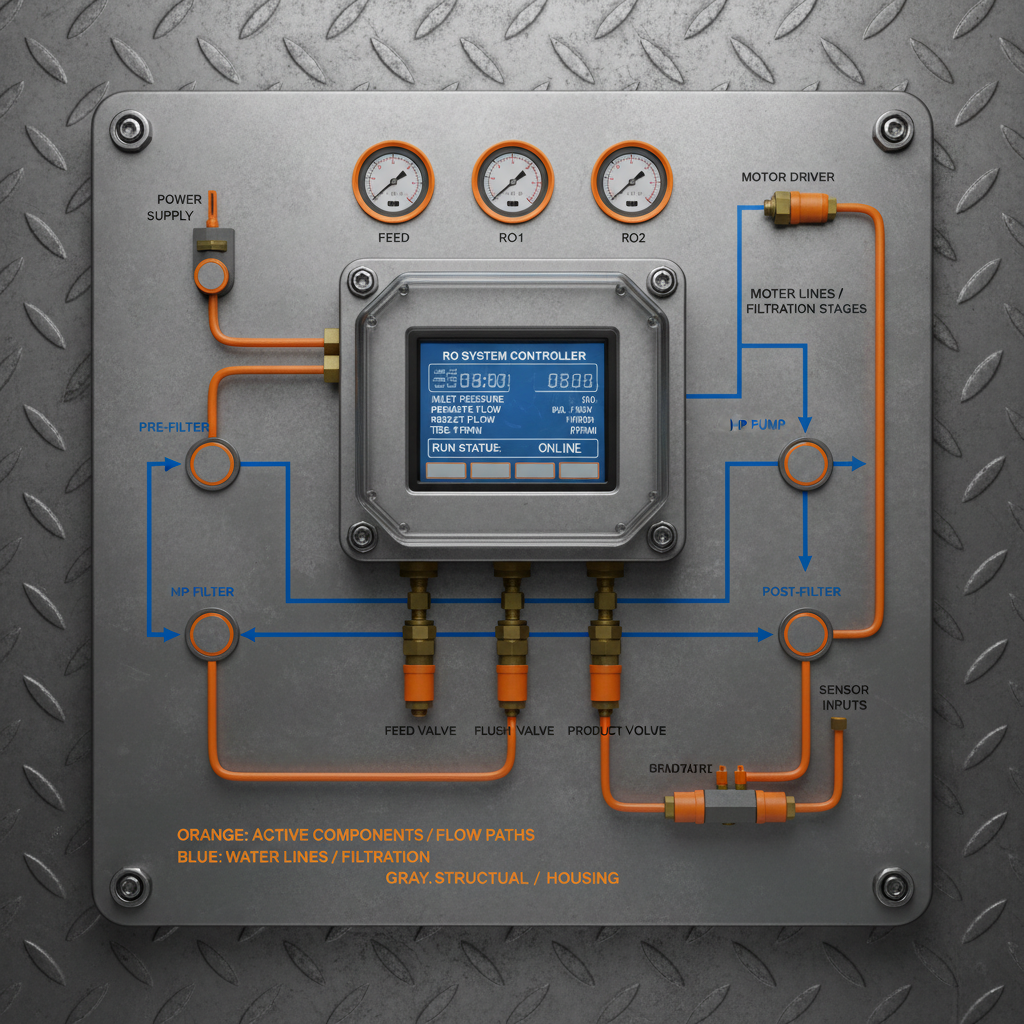
Understanding the Vital Role of an RO System Controller for Optimal PerformanceReverse Osmosis (RO) systems are critical for purifying water across various industries, from residential applications to large-scale industrial processes. At the heart of a well-functioning RO system lies the RO system controller. This intelligent device monitors and regulates all key parameters of the RO process, ensuring optimal performance, efficiency, and water quality. This article delves into the functionalities, benefits, and selection criteria for choosing the right RO system controller, particularly focusing on those offered by Watequipments. Understanding its role is crucial for maximizing the lifespan and effectiveness of your RO investment.
2026-03-24 17:18:24
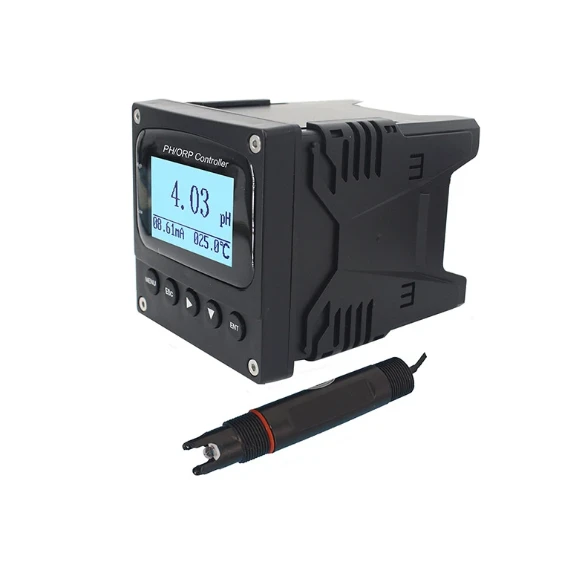
Smart Water Treatment Solutions Using PH ORP Controller SystemsIn modern water treatment and industrial fluid management, maintaining precise chemical balance is essential for safety, efficiency, and regulatory compliance.
2026-03-04 02:55:19
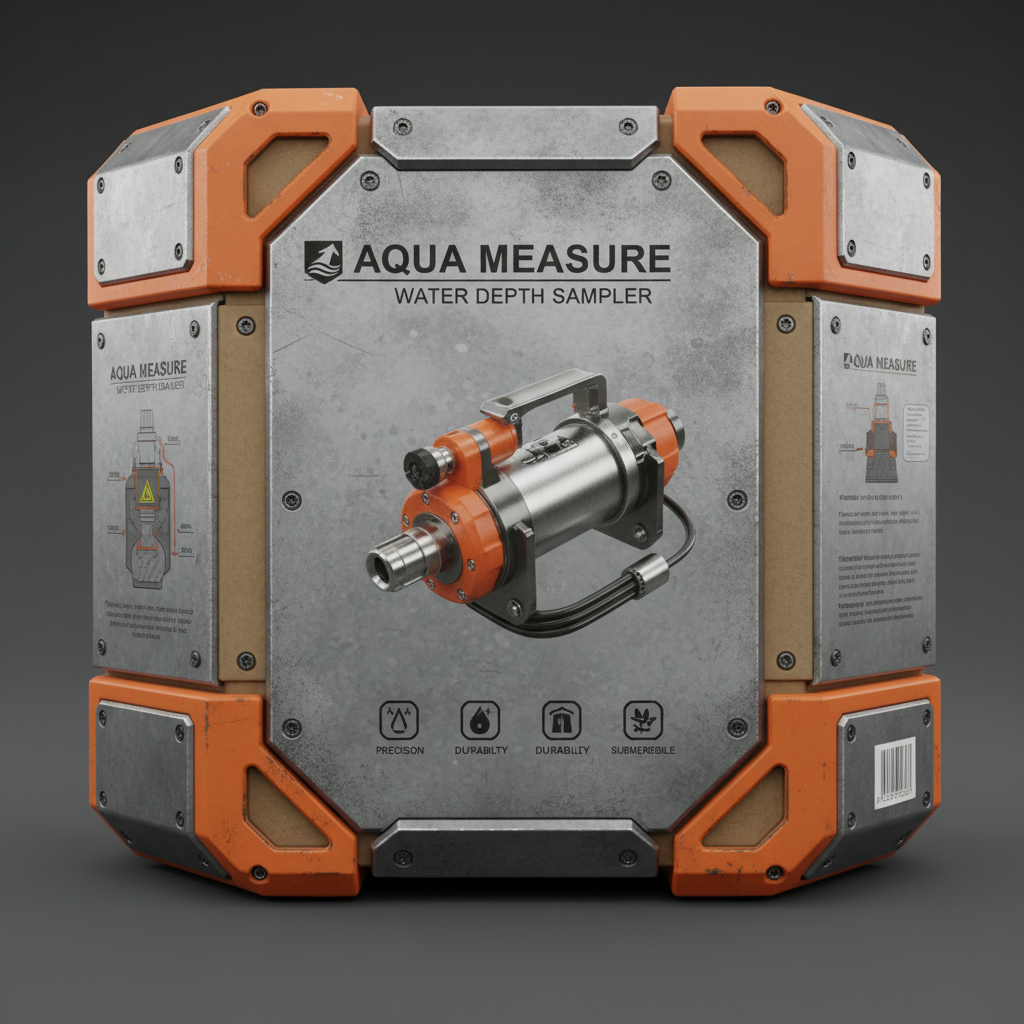
Comprehensive Guide to Water Depth Samplers and Their ApplicationsAccurate water quality monitoring is crucial in various fields, from environmental science and aquaculture to industrial wastewater management. A key tool for this is the water depth sampler. This article provides an in-depth look at water depth samplers, their applications, types, and essential considerations for choosing the right one for your needs. We'll explore the benefits of utilizing this equipment to collect reliable data for analysis and informed decision-making. Selecting the right sampler can significantly improve the precision and efficiency of your water monitoring program. A water depth sampler, also known as a depth-integrated sampler, is a device designed to collect water samples from specific depths within a body of water. Unlike simply dipping a container into the water, a depth sampler allows for collection of a representative sample across a defined depth range. This is critical because water properties (temperature, salinity, pollutants) often vary significantly with depth. The data gathered with a water depth sampler provides a more accurate assessment of water quality than surface samples alone.
2026-03-03 18:55:22
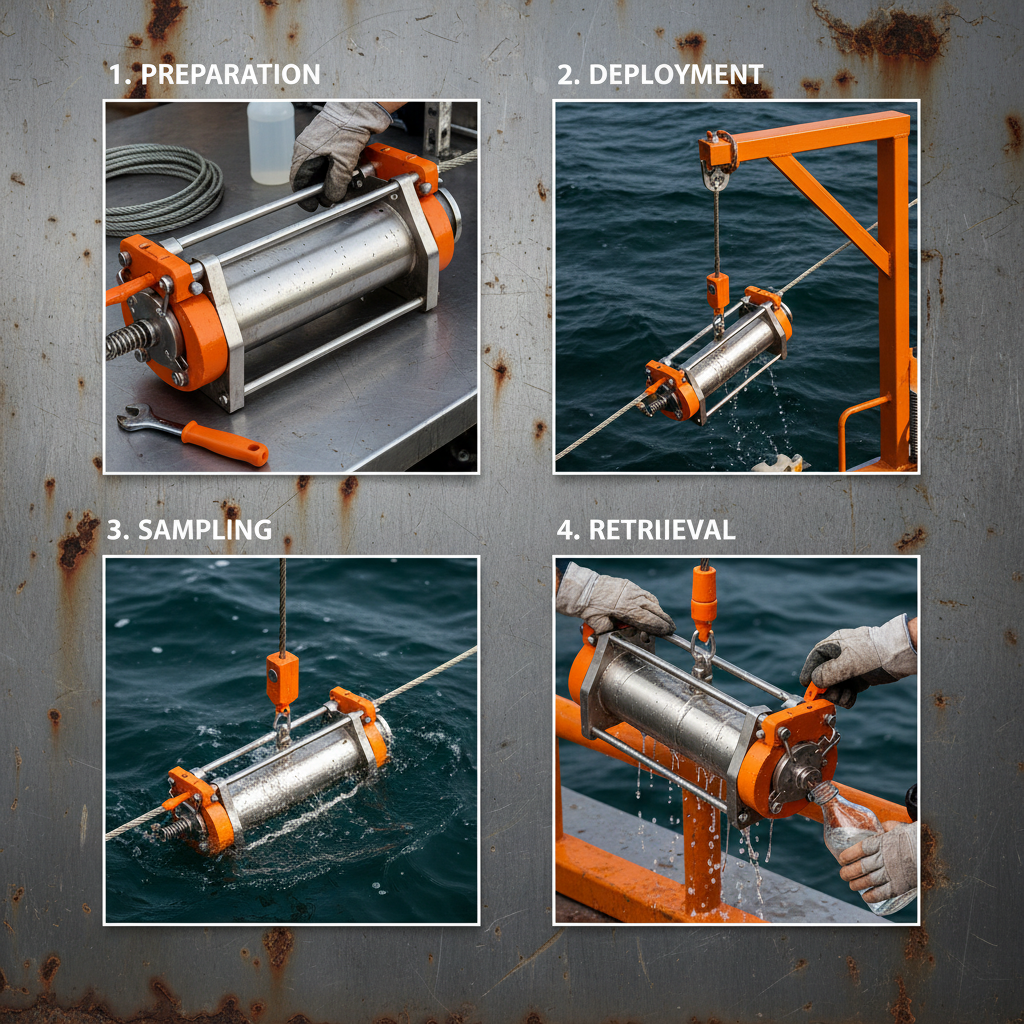
Comprehensive Guide to Horizontal Water Sampler Applications and SelectionCollecting water samples at varying depths is crucial for environmental monitoring, research, and quality control. The horizontal water sampler from Watequipment.com offers a precise and efficient solution for this task. This article provides an in-depth look at horizontal water samplers, their applications, benefits, and key considerations when choosing the right model. We will explore how these samplers contribute to accurate data collection and informed decision-making in various fields. A horizontal water sampler is a device designed to collect water samples from specific depths within a body of water – rivers, lakes, oceans, reservoirs, and even wastewater treatment plants. Unlike vertical samplers which primarily focus on depth, horizontal samplers prioritize collecting samples at a consistent depth while moving along a horizontal plane. This is essential for assessing water quality variations across a waterway or within a specific zone. They are used in applications ranging from environmental monitoring and scientific research to industrial process control and regulatory compliance.
2026-02-28 02:35:09
Comprehensive Guide to Selecting the Right Surface Water Sampler for Your NeedsMonitoring the quality of surface water is critical for environmental protection, public health, and various industrial applications. A surface water sampler is an essential tool for collecting representative samples from rivers, lakes, ponds, and other surface water sources. This article provides a detailed overview of surface water samplers, their types, applications, and key considerations for selecting the right equipment. Accurate water quality data relies on proper sample collection, and choosing the correct sampler is the first step toward achieving reliable results. Surface water samplers come in various designs, each suited to specific sampling needs. Common types include grab samplers, depth-integrating samplers, peristaltic pumps, and automatic samplers. Surface water samplers are used across a broad spectrum of applications, including environmental monitoring, wastewater discharge monitoring, drinking water source monitoring, agricultural runoff analysis, and research studies.

 English