



DO-6800: High-Performance, Reliable & Efficient Industrial Device

DO-6800: High-Performance, Reliable & Efficient Industrial Device
Sep . 09, 2025
Understanding Dissolved Oxygen Measurement: Trends and Importance
Accurate dissolved oxygen (DO) monitoring is critical across numerous industrial and environmental applications. DO levels directly impact process efficiency, product quality, and regulatory compliance, particularly in water treatment, aquaculture, and chemical processing. Industry trends point towards increasing demand for high-precision, low-maintenance online DO controllers that can withstand harsh industrial environments, offer advanced data integration, and reduce operational costs.
Key developments include the proliferation of optical DO sensors, which offer greater stability and require less frequent calibration compared to traditional electrochemical (amperometric) sensors. Furthermore, integration with IoT platforms and SCADA systems for real-time data analysis and remote management is becoming standard. This evolution underscores the need for robust, intelligent solutions capable of providing continuous, reliable dissolved oxygen and temperature data.
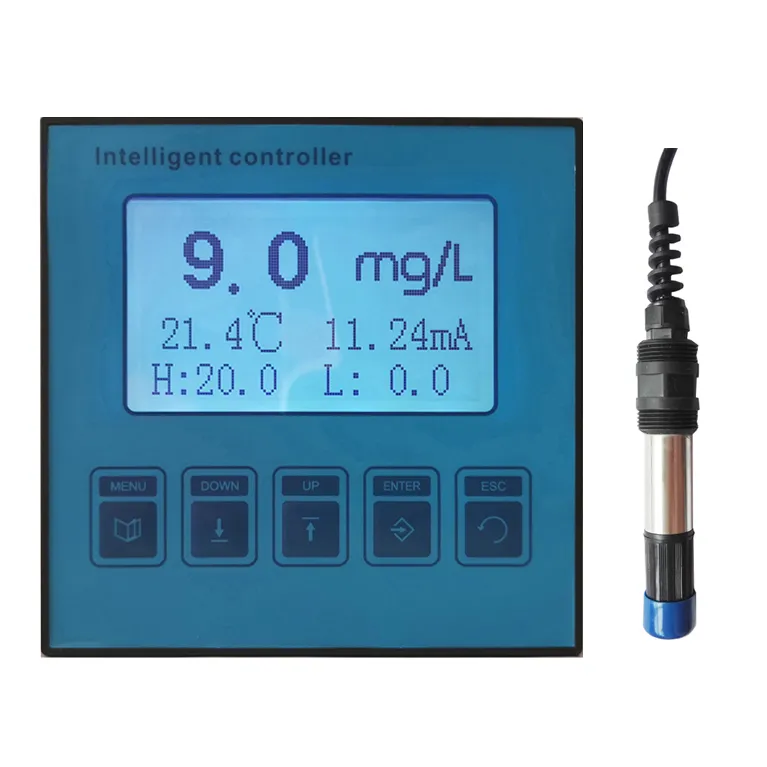
Introducing the DO-6800 Online Dissolved Oxygen and Temperature Controller
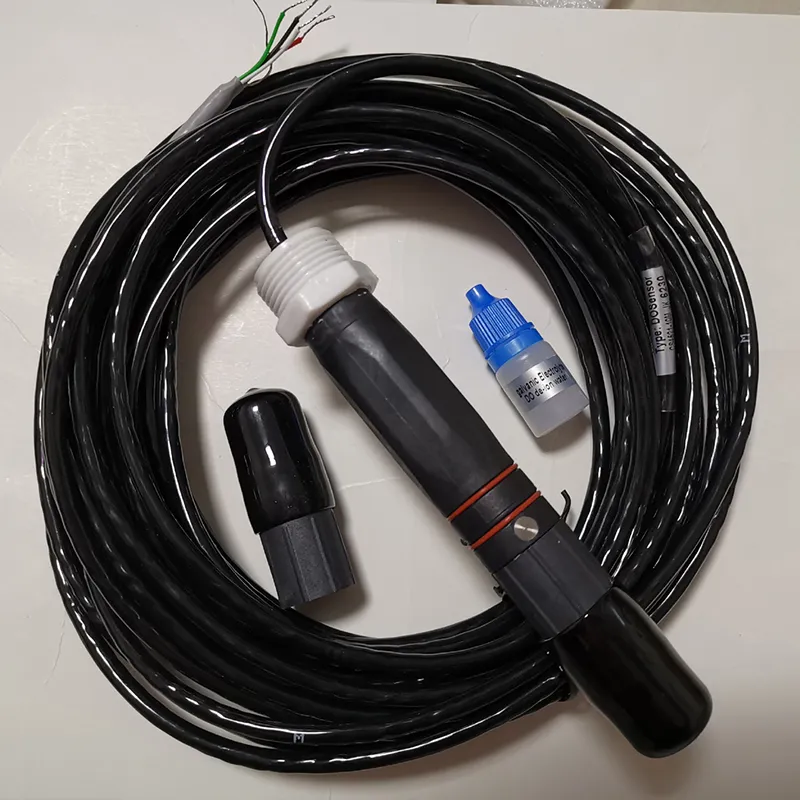
The DO-6800 is an advanced online analytical instrument designed for continuous, high-precision measurement of dissolved oxygen and temperature in various industrial processes. Engineered to meet the stringent demands of complex applications, this controller provides unparalleled accuracy, reliability, and ease of use. Its robust design and sophisticated measurement capabilities make it an indispensable tool for optimizing process control and ensuring regulatory compliance in critical sectors.
Technical Specifications
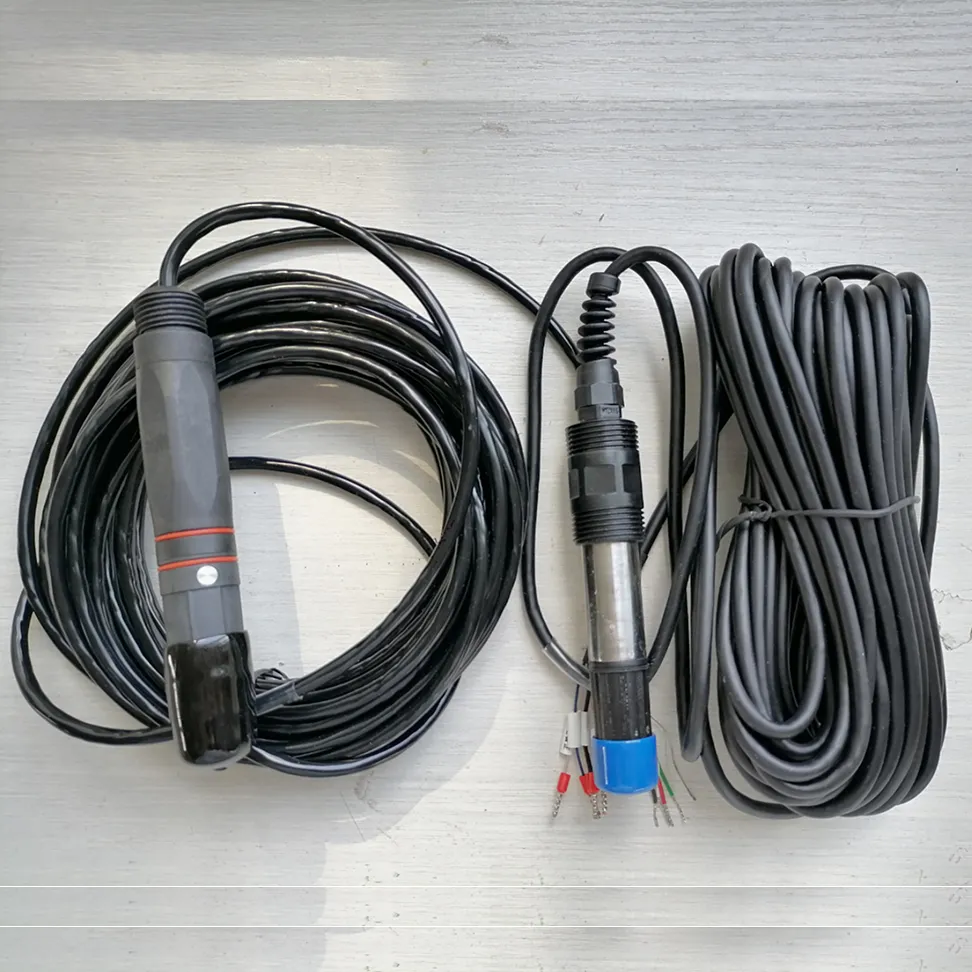
The DO-6800 integrates cutting-edge sensor technology with intelligent control features. Its core measurement principle relies on a polarographic or optical sensor (depending on configuration), ensuring stable and accurate readings even in challenging matrices. The integrated temperature compensation mechanism automatically adjusts DO readings to standard conditions, providing true process values.
| Parameter | Specification |
|---|---|
| Measurement Range (DO) | 0.00 to 20.00 mg/L (ppm) / 0.0 to 200.0% Saturation |
| Measurement Range (Temperature) | -10.0 to 130.0 °C |
| Accuracy (DO) | ±1% F.S. (Full Scale) |
| Accuracy (Temperature) | ±0.5 °C |
| Resolution (DO) | 0.01 mg/L / 0.1% Saturation |
| Resolution (Temperature) | 0.1 °C |
| Calibration | Two-point (zero & span) or Air Saturation |
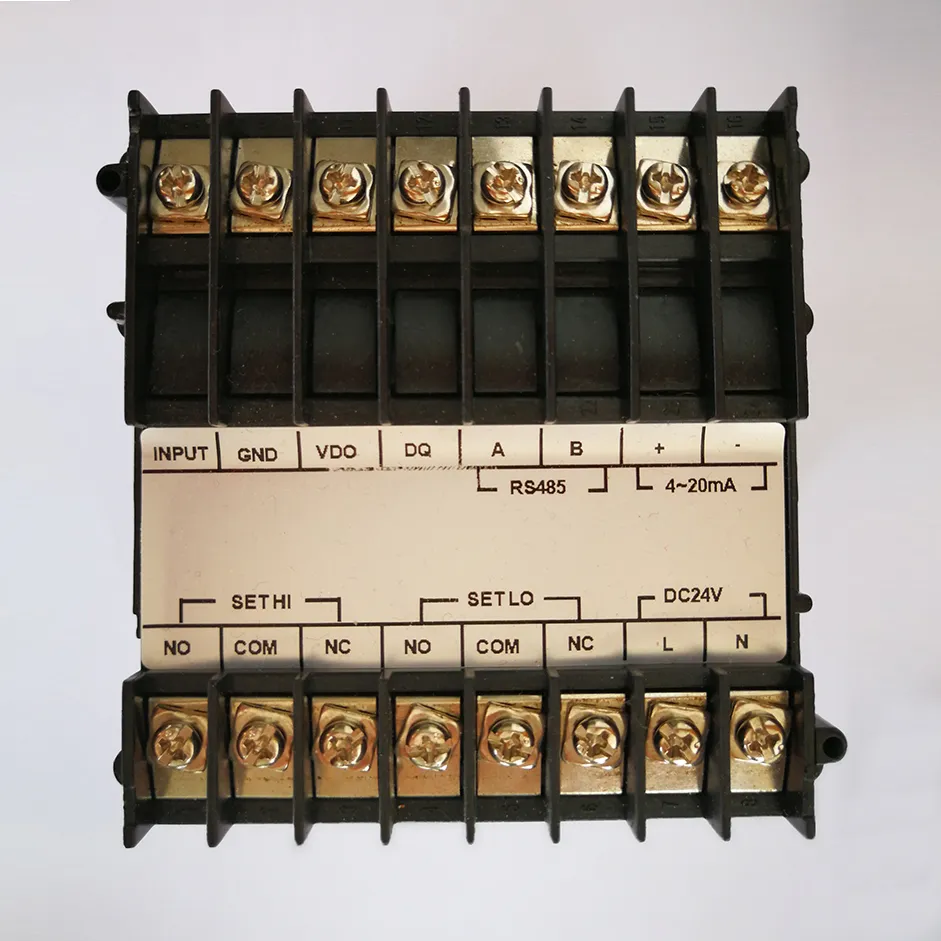
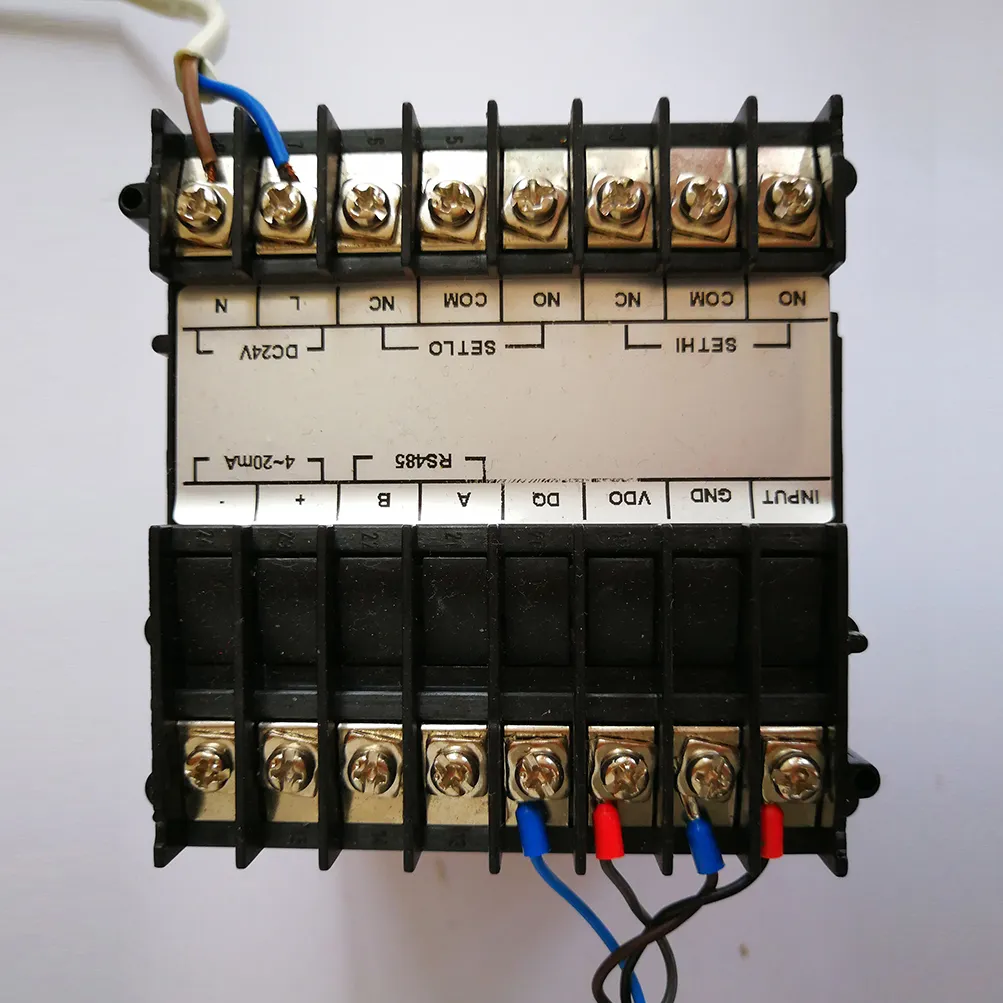
| Output | 4-20mA (isolated), RS485 (Modbus RTU) |
| Relay Outputs | 2-4 configurable SPDT relays (e.g., high/low alarms, cleaning) |
| Power Supply | 90-260VAC, 50/60Hz or 24VDC |
| IP Rating | IP65 (Controller), IP68 (Sensor) |
| Operating Temperature | -20°C to 60°C (Controller), -10°C to 100°C (Sensor) |
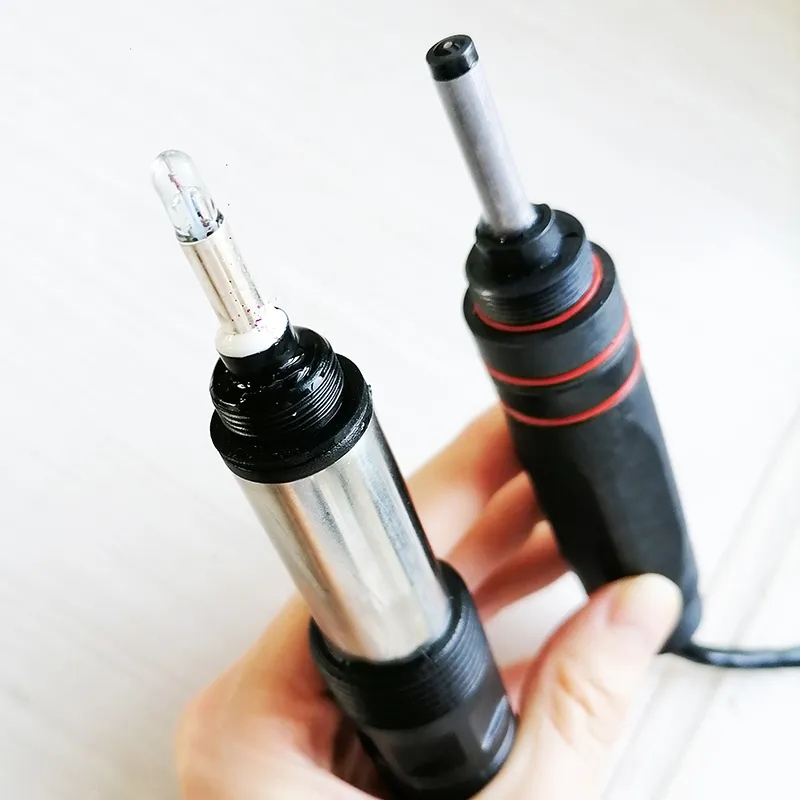
Manufacturing Process Flow of the DO-6800
The production of the DO-6800 involves a meticulous multi-stage process designed to ensure durability, precision, and long-term reliability. Our commitment to quality is evident in every step, from material selection to final testing.
Key Manufacturing Stages:
- Component Sourcing and Inspection: Raw materials, including high-grade 316L stainless steel for sensor bodies (for corrosion resistance), robust ABS/PC polymer for controller casings, and platinum/silver electrodes (or optical luminescence caps) for sensing elements, are sourced from certified suppliers. Incoming materials undergo stringent quality checks to meet ISO and ASTM standards.
- Precision Machining: Sensor housings and internal components are manufactured using advanced CNC machining for tight tolerances and optimal fit. This ensures the integrity of the sensor's internal environment and its ability to withstand operational pressures and temperatures. Forging or specialized casting processes are employed for specific high-pressure parts, enhancing material strength and resistance to fatigue.
- Electronic Assembly: Printed circuit boards (PCBs) are assembled in a controlled environment, employing automated pick-and-place technology for consistent component placement. All critical connections are soldered with lead-free solder, adhering to RoHS directives.
- Sensor Membrane/Optical Cap Integration: For polarographic sensors, specialized semi-permeable membranes are precisely fitted, and electrolytes are filled under controlled conditions to ensure optimal diffusion rates. For optical sensors, the luminescence-based sensing cap is carefully integrated and tested for spectral response.
- Calibration and Testing: Each complete unit undergoes multi-point calibration using certified reference solutions and gas mixtures, traceable to NIST standards. Automated test benches verify accuracy, linearity, response time, and temperature compensation across the entire operating range. Pressure tests, leak detection, and environmental chamber tests (temperature cycling, humidity) confirm the IP ratings and suitability for industrial use.
- Final Assembly and Quality Control: Controller and sensor units are integrated, and final functional checks are performed. This includes verifying all digital and analog outputs, relay operations, and user interface responsiveness. A final visual inspection and packaging are conducted.
Our adherence to ISO 9001 quality management systems ensures consistent product quality and continuous improvement. The typical service life for the DO-6800 sensor is 1-2 years before membrane replacement (polarographic) or 3-5 years for optical caps, while the controller unit is designed for a service life exceeding 10 years with proper maintenance.
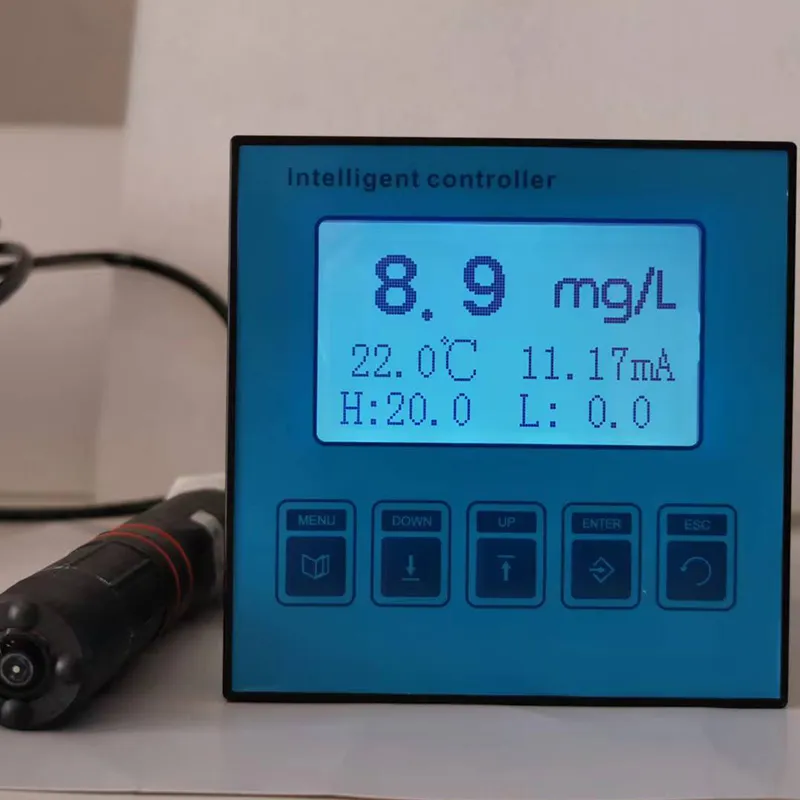
Application Scenarios and Technical Advantages
The versatility and precision of the DO-6800 make it ideal for a wide array of demanding industrial applications where dissolved oxygen monitoring is paramount.
Target Industries:
- Wastewater Treatment: Optimizing aeration basins for biological nutrient removal (BNR) and energy efficiency. Precise DO control can significantly reduce energy consumption associated with blowers, achieving up to 20-30% energy savings.
- Aquaculture: Maintaining optimal oxygen levels in fish farms and hatcheries to ensure aquatic health, growth, and prevent disease outbreaks.
- Power Plants (Boiler Feed Water): Preventing corrosion in boiler systems by monitoring and controlling residual oxygen levels in demineralized water. This extends equipment service life and prevents costly downtime.
- Chemical and Pharmaceutical: Monitoring fermentation processes, ensuring inert atmospheres, and maintaining water quality for various synthesis and cleaning applications.
- Environmental Monitoring: Rivers, lakes, and other natural water bodies to assess water quality and ecological health.
Demonstrated Advantages:
- Energy Saving: In wastewater aeration, precise DO control prevents over-aeration, which can account for 60-70% of a plant's energy consumption. The DO-6800 enables proportional control of blowers, leading to significant energy cost reductions.
- Corrosion Resistance: The use of 316L stainless steel and high-quality polymers for wetted parts ensures exceptional resistance to corrosive chemicals and harsh industrial effluents, extending the sensor's lifespan and reducing replacement costs.
- High Accuracy and Stability: Advanced temperature compensation and anti-interference algorithms deliver highly accurate and stable readings, minimizing calibration frequency and ensuring reliable process control.
- Reduced Maintenance: Optical DO sensors, an available option for the DO-6800, eliminate the need for membrane replacement and electrolyte refills, drastically reducing maintenance time and costs compared to galvanic or polarographic sensors.
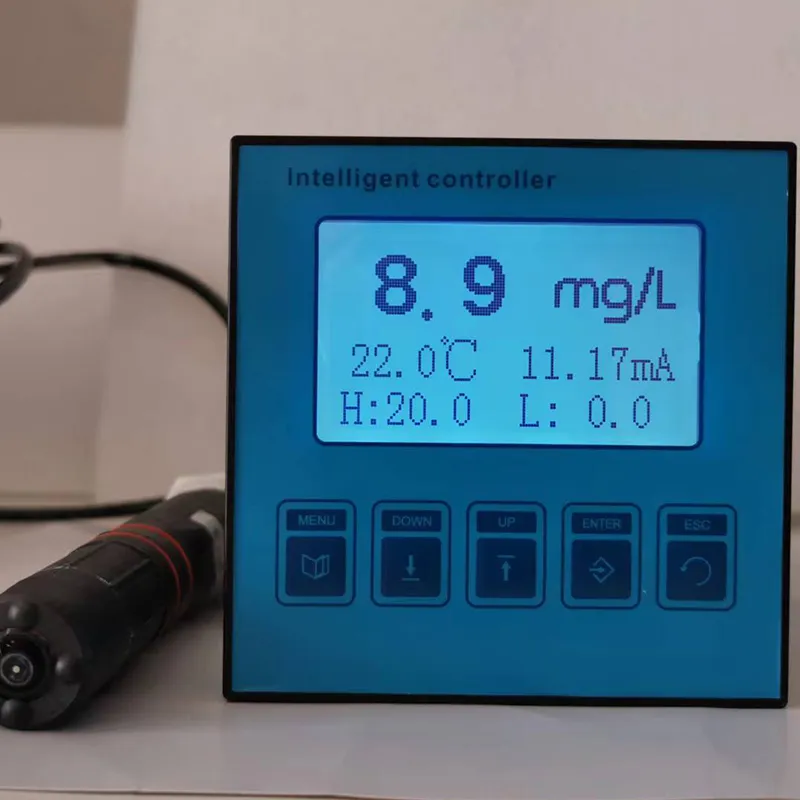
Vendor Comparison and Competitive Edge
In the competitive landscape of industrial analytical instruments, choosing the right dissolved oxygen controller is paramount. While many manufacturers offer DO meters, the DO-6800 distinguishes itself through a combination of advanced features, robust construction, and comprehensive support.
| Feature | DO-6800 | Competitor A (e.g., Mettler Toledo OLM400) | Competitor B (e.g., Hach SC4500) |
|---|---|---|---|
| Sensor Technology Options | Polarographic & Optical (selectable) | Primarily Optical | Primarily Polarographic |
| Integrated Temperature Compensation | Yes, automatic | Yes, automatic | Yes, automatic |
| Data Output & Connectivity | 4-20mA, RS485 (Modbus RTU), configurable relays | 4-20mA, HART, Profibus DP | 4-20mA, Modbus TCP/IP, Ethernet IP |
| IP Rating (Controller/Sensor) | IP65 / IP68 | IP66 / IP68 | IP55 / IP67 |
| Ease of Calibration | Simplified 2-point, intuitive menu-driven | Automated single/two-point, sensor-specific | Standard 2-point, manual adjustment |
| Material Compatibility | 316L SS, robust polymers (excellent corrosion resistance) | Titanium, PEEK (superior in specific harsh conditions) | CPVC, 304 SS (standard industrial applications) |
| Cost-Effectiveness | High performance at competitive price point, low TCO | Premium pricing, high TCO due to specialized consumables | Mid-range pricing, moderate consumables cost |
The DO-6800 offers a compelling blend of high performance, material durability, and cost-effectiveness. Its flexible sensor options (polarographic for general use, optical for low maintenance) and comprehensive digital/analog outputs provide superior adaptability for diverse industrial settings without the premium price tag often associated with competitor models offering similar capabilities. Our focus on user-friendly calibration and robust construction translates directly into reduced operational expenditure and enhanced system uptime for our clients.
Customized Solutions and Integration
Recognizing that every industrial process has unique requirements, we offer extensive customization options for the DO-6800 to ensure seamless integration and optimal performance. Our engineering team works closely with clients to tailor solutions that precisely match their operational needs and existing infrastructure.
Customization Areas:
- Sensor Type and Material: Selection between polarographic and optical DO sensors, and various wetted materials (e.g., Titanium, Hastelloy) for extreme chemical resistance or high-temperature applications.
- Mounting and Installation: Diverse mounting accessories for immersion, flow-through, or in-line installations, designed to fit specific pipe sizes, tank configurations, and process points.
- Communication Protocols: Beyond standard 4-20mA and Modbus RTU, we can integrate with other industrial communication protocols such as Profibus DP, Ethernet/IP, or custom OPC UA interfaces upon request.
- Control Logic: Programming of specific control strategies within the unit, such as cascaded control for aeration, advanced alarm conditions, or integration with external dosing pumps.
Application Case Studies & Customer Experience
Real-world implementations highlight the tangible benefits of deploying the DO-6800 in challenging industrial settings.
Case Study 1: Municipal Wastewater Treatment Plant
- Client: AquaClean Municipal WWTP, operating an activated sludge process.
- Challenge: Inconsistent DO levels in aeration basins leading to inefficient biological treatment and excessive energy consumption from blowers. Previous polarographic sensors required frequent calibration and membrane replacement.
- Solution: Implementation of multiple DO-6800 units equipped with optical DO sensors, integrated via Modbus RTU into the plant’s SCADA system for real-time control of blower speeds.
- Results: After 6 months, the plant reported a consistent DO concentration of 2.0-2.5 mg/L, leading to a 28% reduction in aeration energy costs. Maintenance hours for DO sensors decreased by over 70% due to the optical technology. The plant manager noted, "The DO-6800 provided unparalleled stability and significantly streamlined our operations. The energy savings alone justified the investment within the first year."
Case Study 2: Pharmaceutical Manufacturing
- Client: BioSynth Pharma, a large-scale biopharmaceutical company.
- Challenge: Maintaining ultra-low dissolved oxygen levels in purified water loops to prevent oxidation of sensitive compounds during formulation and ensure compliance with strict pharmacopoeia standards (e.g., USP, EP). Existing sensors showed drift in low DO ranges.
- Solution: Installation of specialized DO-6800 systems with high-resolution polarographic sensors, specifically calibrated for trace DO measurement, and connected to the plant’s DCS for continuous monitoring and alarming.
- Results: The system consistently reported DO levels below 5 ppb (parts per billion), meeting stringent regulatory requirements. The enhanced stability and accuracy of the DO-6800 reduced the risk of batch contamination and significantly improved process consistency, leading to a measurable reduction in product rejection rates.
Trustworthiness: FAQs, Lead Time, Warranty & Support
We prioritize transparency and customer satisfaction. Our commitment extends beyond product delivery to comprehensive pre- and post-sales support.
Frequently Asked Questions (FAQ)
- Q: How often does the DO-6800 require calibration?
A: For optical sensors, calibration is typically required every 6-12 months, depending on the application and accuracy needs. Polarographic sensors may require more frequent calibration (e.g., monthly) and membrane/electrolyte replacement. - Q: Can the DO-6800 integrate with existing control systems?
A: Absolutely. It features standard 4-20mA analog output and RS485 (Modbus RTU) digital communication, making it highly compatible with most PLCs, DCS, and SCADA systems. - Q: What is the expected lifespan of the sensor?
A: The optical sensor cap typically lasts 3-5 years. Polarographic sensor membranes need replacement annually, with the electrode body lasting several years. The controller unit itself is designed for 10+ years of service.
Lead Time & Fulfillment
Standard configurations of the DO-6800 typically have a lead time of 2-4 weeks. For customized solutions, lead times may vary from 4-8 weeks, depending on the complexity of modifications and component availability. We maintain a robust supply chain to ensure timely delivery and efficient fulfillment of orders.
Warranty Commitments
All DO-6800 controllers are backed by a comprehensive 2-year warranty covering manufacturing defects and material failures. Sensors and consumables typically carry a 1-year warranty. Extended warranty options and service agreements are available for long-term operational peace of mind.
Customer Support & After-Sales Service
Our dedicated technical support team is available to assist with installation, calibration, troubleshooting, and general inquiries. We offer remote diagnostic support, on-site service packages, and comprehensive training programs to ensure your team is fully proficient with the DO-6800. We are committed to providing prompt and effective assistance to minimize downtime and maximize the performance of your instrumentation.
References
- Water Environment Federation. (2017). Manual of Practice No. 8, Design of Municipal Wastewater Treatment Plants. McGraw-Hill Education.
- U.S. Environmental Protection Agency. (2007). Wastewater Treatment Plant Management. EPA Document No. 832-F-07-004.
- International Organization for Standardization. (2015). ISO 9001:2015 Quality Management Systems – Requirements. ISO Standards.
- American Water Works Association. (2017). Water Quality & Treatment: A Handbook on Drinking Water. McGraw-Hill Education.
- Smith, J. A., & Jones, R. B. (2019). Advances in Dissolved Oxygen Sensing for Industrial Applications. Journal of Process Analytical Technology, 15(3), 123-138.

Related Products
Related News
2026-04-16 03:20:19
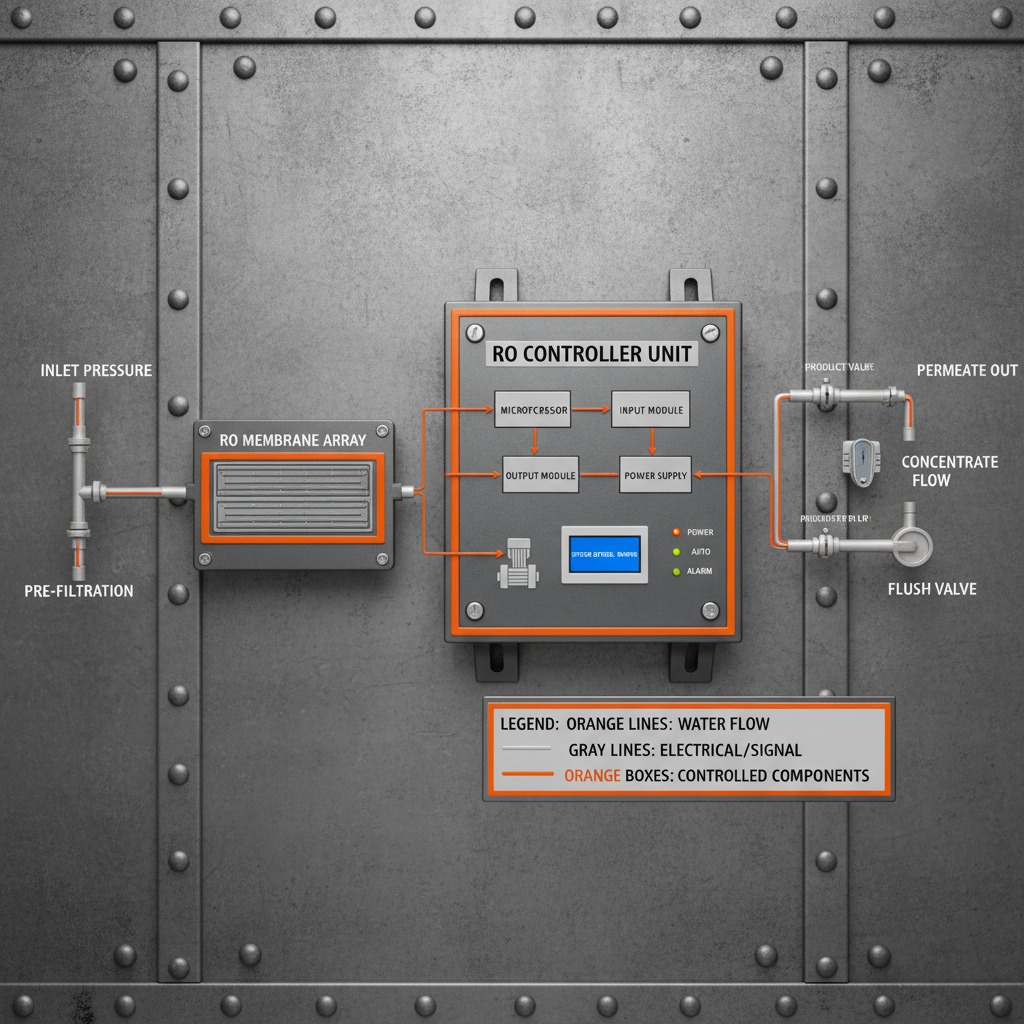
Guide to Choosing the Right RO Controller for Water PurificationMaintaining a high-performance reverse osmosis system requires more than just quality membranes; it demands precise regulation. An ro controller serves as the brain of the entire operation, monitoring critical parameters such as conductivity, temperature, and flow rates to ensure the output water meets stringent purity standards. Without an efficient controller, systems are prone to membrane fouling, inefficient energy use, and inconsistent water quality. In this comprehensive guide, we will explore how these devices optimize water treatment processes and how to select the best model for your specific industrial or commercial needs.
2026-04-09 03:25:47
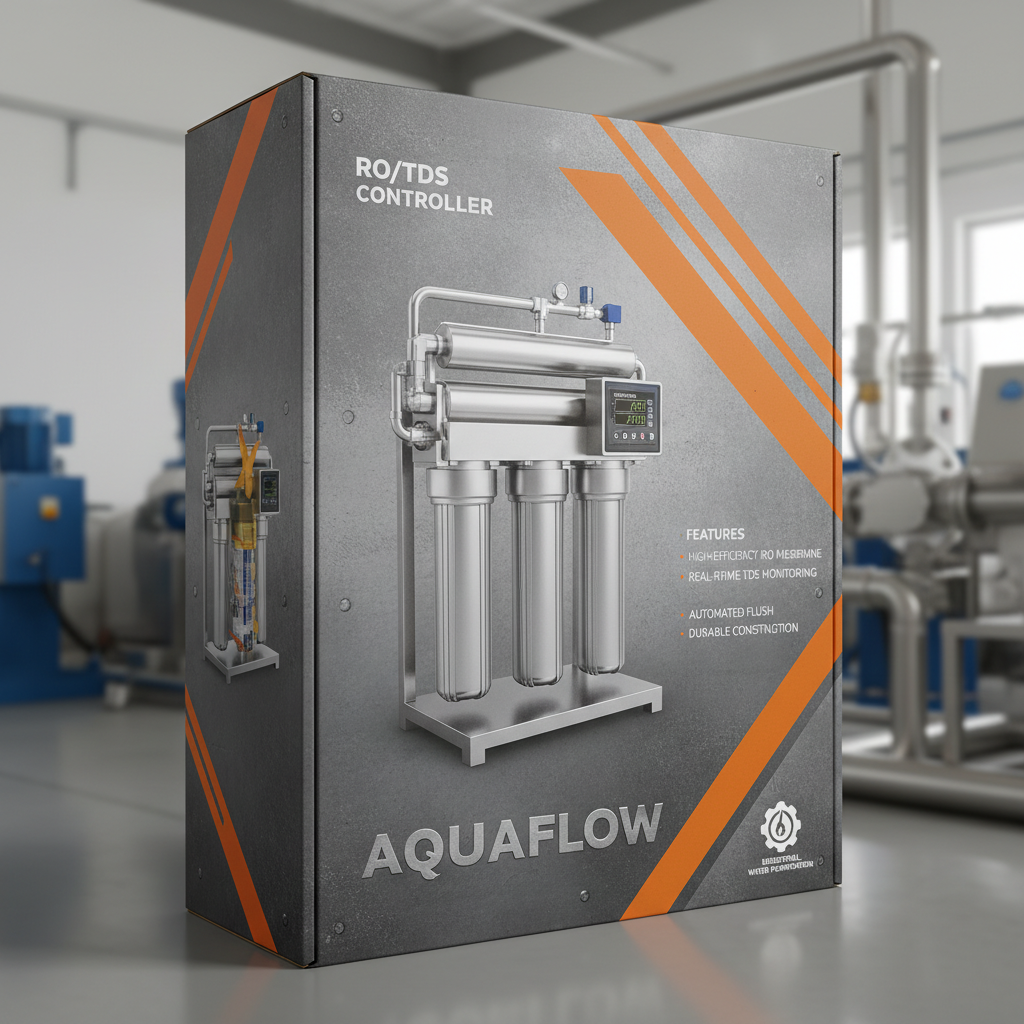
Guide to Water Purity Using RO with TDS Controller SystemsAchieving the perfect balance of mineral content and purity in drinking water is a challenge for many households and industrial facilities. A ro with tds controller offers a sophisticated solution by combining the rigorous filtration of Reverse Osmosis (RO) with the precision of a Total Dissolved Solids (TDS) adjustment system. While standard RO systems remove almost everything, including beneficial minerals, a TDS controller allows users to re-mineralize the water to a desired level. This ensures that the water is not only safe and pure but also tastes better and provides essential nutrients.
2026-04-07 03:17:09
Understanding and Optimizing Reverse Osmosis Systems with a ControllerIn the world of water purification, reverse osmosis (RO) systems are a cornerstone for producing high-quality water for various applications, from drinking water to industrial processes. However, an RO system is only as effective as its control system. This is where the reverse osmosis controller comes into play. This critical component manages and optimizes the RO process, ensuring efficient operation, water quality, and system longevity.
2026-04-04 03:27:19
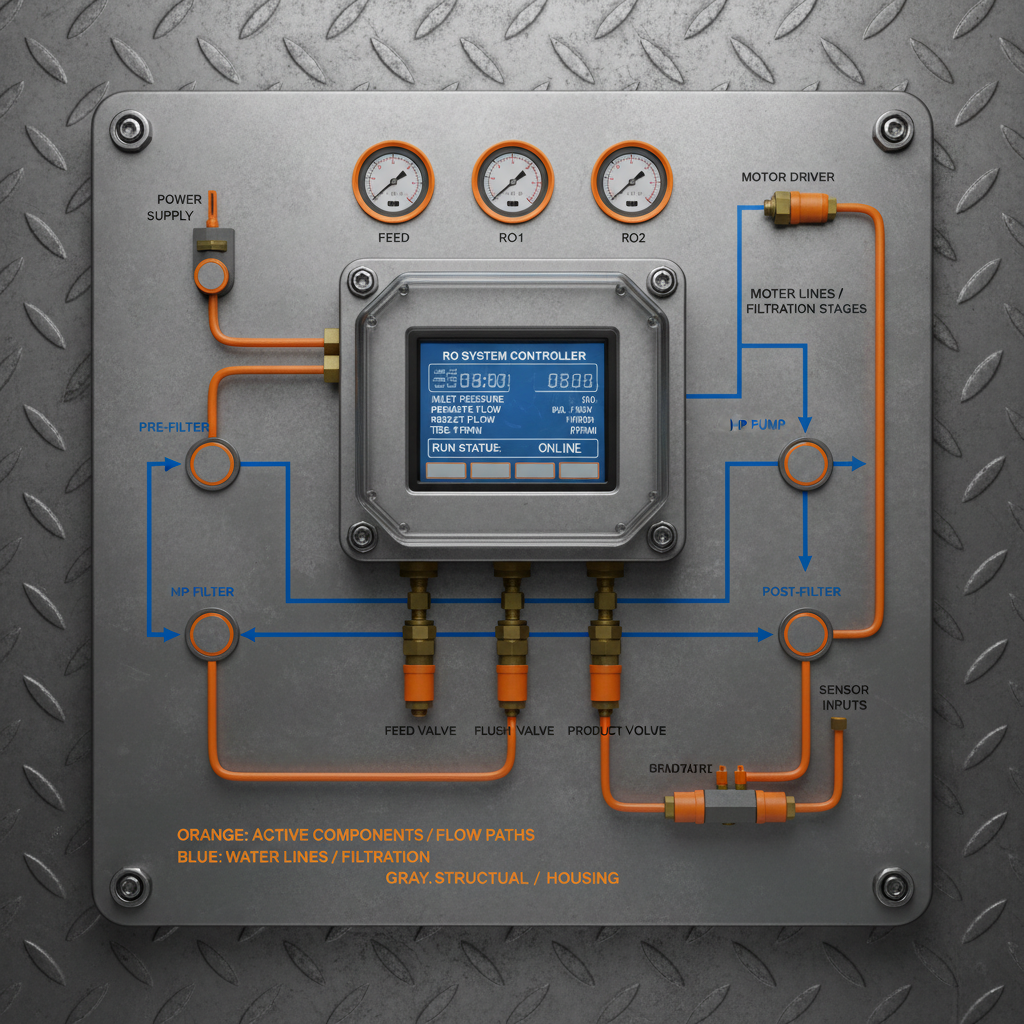
Understanding the Vital Role of an RO System Controller for Optimal PerformanceReverse Osmosis (RO) systems are critical for purifying water across various industries, from residential applications to large-scale industrial processes. At the heart of a well-functioning RO system lies the RO system controller. This intelligent device monitors and regulates all key parameters of the RO process, ensuring optimal performance, efficiency, and water quality. This article delves into the functionalities, benefits, and selection criteria for choosing the right RO system controller, particularly focusing on those offered by Watequipments. Understanding its role is crucial for maximizing the lifespan and effectiveness of your RO investment.
2026-03-24 17:18:24
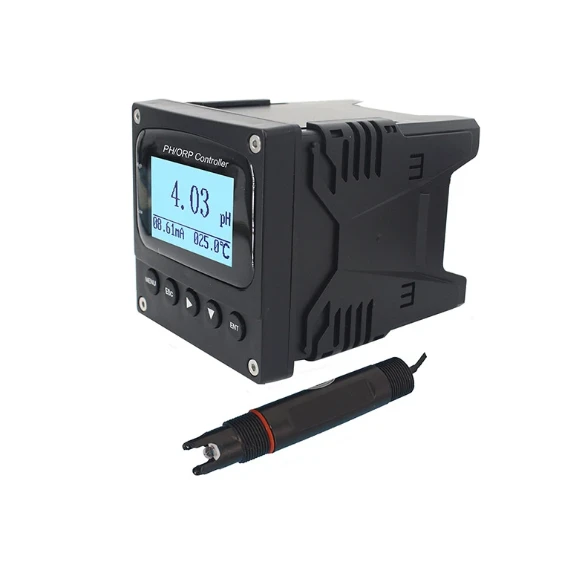
Smart Water Treatment Solutions Using PH ORP Controller SystemsIn modern water treatment and industrial fluid management, maintaining precise chemical balance is essential for safety, efficiency, and regulatory compliance.
2026-03-04 02:55:19
Comprehensive Guide to Water Depth Samplers and Their ApplicationsAccurate water quality monitoring is crucial in various fields, from environmental science and aquaculture to industrial wastewater management. A key tool for this is the water depth sampler. This article provides an in-depth look at water depth samplers, their applications, types, and essential considerations for choosing the right one for your needs. We'll explore the benefits of utilizing this equipment to collect reliable data for analysis and informed decision-making. Selecting the right sampler can significantly improve the precision and efficiency of your water monitoring program. A water depth sampler, also known as a depth-integrated sampler, is a device designed to collect water samples from specific depths within a body of water. Unlike simply dipping a container into the water, a depth sampler allows for collection of a representative sample across a defined depth range. This is critical because water properties (temperature, salinity, pollutants) often vary significantly with depth. The data gathered with a water depth sampler provides a more accurate assessment of water quality than surface samples alone.
2026-03-03 18:55:22
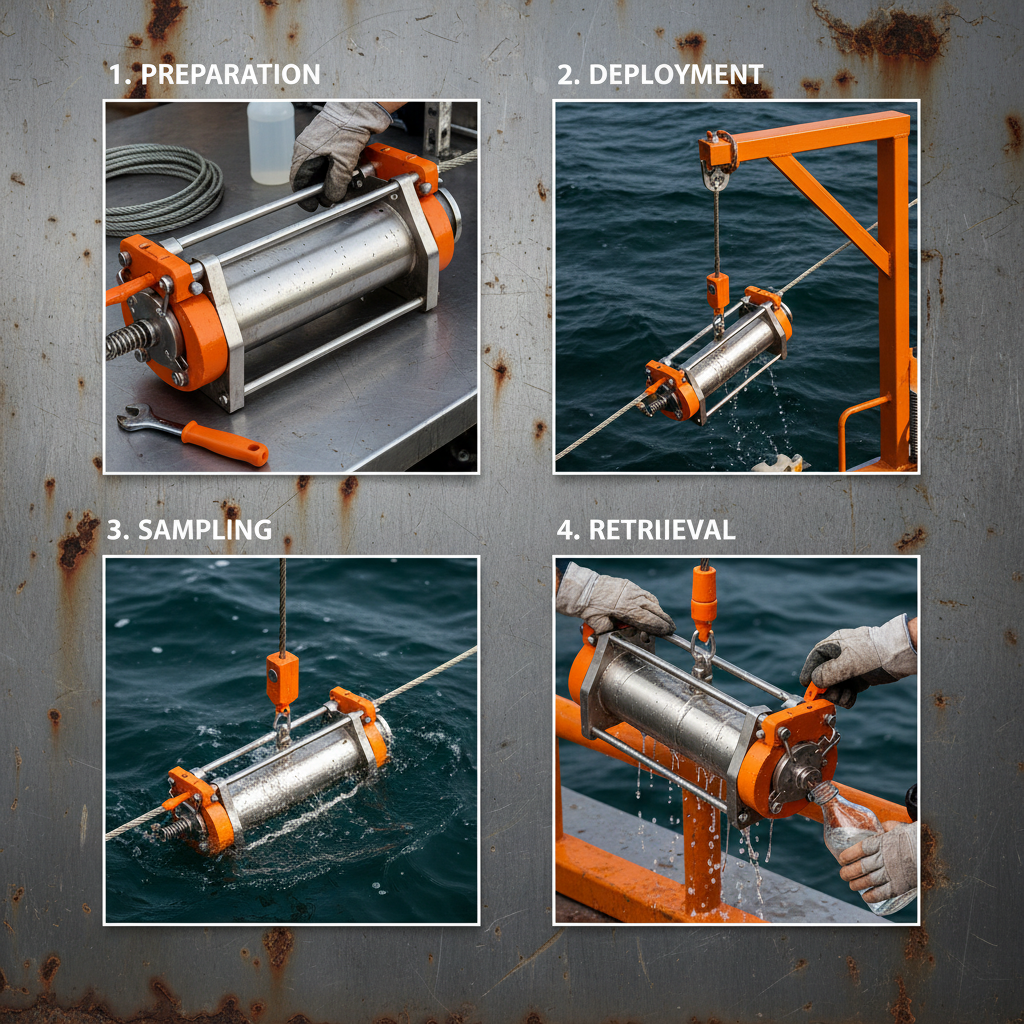
Comprehensive Guide to Horizontal Water Sampler Applications and SelectionCollecting water samples at varying depths is crucial for environmental monitoring, research, and quality control. The horizontal water sampler from Watequipment.com offers a precise and efficient solution for this task. This article provides an in-depth look at horizontal water samplers, their applications, benefits, and key considerations when choosing the right model. We will explore how these samplers contribute to accurate data collection and informed decision-making in various fields. A horizontal water sampler is a device designed to collect water samples from specific depths within a body of water – rivers, lakes, oceans, reservoirs, and even wastewater treatment plants. Unlike vertical samplers which primarily focus on depth, horizontal samplers prioritize collecting samples at a consistent depth while moving along a horizontal plane. This is essential for assessing water quality variations across a waterway or within a specific zone. They are used in applications ranging from environmental monitoring and scientific research to industrial process control and regulatory compliance.
2026-02-28 02:35:09
Comprehensive Guide to Selecting the Right Surface Water Sampler for Your NeedsMonitoring the quality of surface water is critical for environmental protection, public health, and various industrial applications. A surface water sampler is an essential tool for collecting representative samples from rivers, lakes, ponds, and other surface water sources. This article provides a detailed overview of surface water samplers, their types, applications, and key considerations for selecting the right equipment. Accurate water quality data relies on proper sample collection, and choosing the correct sampler is the first step toward achieving reliable results. Surface water samplers come in various designs, each suited to specific sampling needs. Common types include grab samplers, depth-integrating samplers, peristaltic pumps, and automatic samplers. Surface water samplers are used across a broad spectrum of applications, including environmental monitoring, wastewater discharge monitoring, drinking water source monitoring, agricultural runoff analysis, and research studies.
DO-6800: High-Performance, Reliable & Efficient Industrial Device
DO-6800: High-Performance, Reliable & Efficient Industrial Device
Sep . 08, 2025
Understanding Dissolved Oxygen Measurement: Trends and Importance
Accurate dissolved oxygen (DO) monitoring is critical across numerous industrial and environmental applications. DO levels directly impact process efficiency, product quality, and regulatory compliance, particularly in water treatment, aquaculture, and chemical processing. Industry trends point towards increasing demand for high-precision, low-maintenance online DO controllers that can withstand harsh industrial environments, offer advanced data integration, and reduce operational costs.
Key developments include the proliferation of optical DO sensors, which offer greater stability and require less frequent calibration compared to traditional electrochemical (amperometric) sensors. Furthermore, integration with IoT platforms and SCADA systems for real-time data analysis and remote management is becoming standard. This evolution underscores the need for robust, intelligent solutions capable of providing continuous, reliable dissolved oxygen and temperature data.
Introducing the DO-6800 Online Dissolved Oxygen and Temperature Controller
The DO-6800 is an advanced online analytical instrument designed for continuous, high-precision measurement of dissolved oxygen and temperature in various industrial processes. Engineered to meet the stringent demands of complex applications, this controller provides unparalleled accuracy, reliability, and ease of use. Its robust design and sophisticated measurement capabilities make it an indispensable tool for optimizing process control and ensuring regulatory compliance in critical sectors.
Technical Specifications
The DO-6800 integrates cutting-edge sensor technology with intelligent control features. Its core measurement principle relies on a polarographic or optical sensor (depending on configuration), ensuring stable and accurate readings even in challenging matrices. The integrated temperature compensation mechanism automatically adjusts DO readings to standard conditions, providing true process values.
| Parameter | Specification |
|---|---|
| Measurement Range (DO) | 0.00 to 20.00 mg/L (ppm) / 0.0 to 200.0% Saturation |
| Measurement Range (Temperature) | -10.0 to 130.0 °C |
| Accuracy (DO) | ±1% F.S. (Full Scale) |
| Accuracy (Temperature) | ±0.5 °C |
| Resolution (DO) | 0.01 mg/L / 0.1% Saturation |
| Resolution (Temperature) | 0.1 °C |
| Calibration | Two-point (zero & span) or Air Saturation |
| Output | 4-20mA (isolated), RS485 (Modbus RTU) |
| Relay Outputs | 2-4 configurable SPDT relays (e.g., high/low alarms, cleaning) |
| Power Supply | 90-260VAC, 50/60Hz or 24VDC |
| IP Rating | IP65 (Controller), IP68 (Sensor) |
| Operating Temperature | -20°C to 60°C (Controller), -10°C to 100°C (Sensor) |
Manufacturing Process Flow of the DO-6800
The production of the DO-6800 involves a meticulous multi-stage process designed to ensure durability, precision, and long-term reliability. Our commitment to quality is evident in every step, from material selection to final testing.
Key Manufacturing Stages:
- Component Sourcing and Inspection: Raw materials, including high-grade 316L stainless steel for sensor bodies (for corrosion resistance), robust ABS/PC polymer for controller casings, and platinum/silver electrodes (or optical luminescence caps) for sensing elements, are sourced from certified suppliers. Incoming materials undergo stringent quality checks to meet ISO and ASTM standards.
- Precision Machining: Sensor housings and internal components are manufactured using advanced CNC machining for tight tolerances and optimal fit. This ensures the integrity of the sensor's internal environment and its ability to withstand operational pressures and temperatures. Forging or specialized casting processes are employed for specific high-pressure parts, enhancing material strength and resistance to fatigue.
- Electronic Assembly: Printed circuit boards (PCBs) are assembled in a controlled environment, employing automated pick-and-place technology for consistent component placement. All critical connections are soldered with lead-free solder, adhering to RoHS directives.
- Sensor Membrane/Optical Cap Integration: For polarographic sensors, specialized semi-permeable membranes are precisely fitted, and electrolytes are filled under controlled conditions to ensure optimal diffusion rates. For optical sensors, the luminescence-based sensing cap is carefully integrated and tested for spectral response.
- Calibration and Testing: Each complete unit undergoes multi-point calibration using certified reference solutions and gas mixtures, traceable to NIST standards. Automated test benches verify accuracy, linearity, response time, and temperature compensation across the entire operating range. Pressure tests, leak detection, and environmental chamber tests (temperature cycling, humidity) confirm the IP ratings and suitability for industrial use.
- Final Assembly and Quality Control: Controller and sensor units are integrated, and final functional checks are performed. This includes verifying all digital and analog outputs, relay operations, and user interface responsiveness. A final visual inspection and packaging are conducted.
Our adherence to ISO 9001 quality management systems ensures consistent product quality and continuous improvement. The typical service life for the DO-6800 sensor is 1-2 years before membrane replacement (polarographic) or 3-5 years for optical caps, while the controller unit is designed for a service life exceeding 10 years with proper maintenance.
Application Scenarios and Technical Advantages
The versatility and precision of the DO-6800 make it ideal for a wide array of demanding industrial applications where dissolved oxygen monitoring is paramount.
Target Industries:
- Wastewater Treatment: Optimizing aeration basins for biological nutrient removal (BNR) and energy efficiency. Precise DO control can significantly reduce energy consumption associated with blowers, achieving up to 20-30% energy savings.
- Aquaculture: Maintaining optimal oxygen levels in fish farms and hatcheries to ensure aquatic health, growth, and prevent disease outbreaks.
- Power Plants (Boiler Feed Water): Preventing corrosion in boiler systems by monitoring and controlling residual oxygen levels in demineralized water. This extends equipment service life and prevents costly downtime.
- Chemical and Pharmaceutical: Monitoring fermentation processes, ensuring inert atmospheres, and maintaining water quality for various synthesis and cleaning applications.
- Environmental Monitoring: Rivers, lakes, and other natural water bodies to assess water quality and ecological health.
Demonstrated Advantages:
- Energy Saving: In wastewater aeration, precise DO control prevents over-aeration, which can account for 60-70% of a plant's energy consumption. The DO-6800 enables proportional control of blowers, leading to significant energy cost reductions.
- Corrosion Resistance: The use of 316L stainless steel and high-quality polymers for wetted parts ensures exceptional resistance to corrosive chemicals and harsh industrial effluents, extending the sensor's lifespan and reducing replacement costs.
- High Accuracy and Stability: Advanced temperature compensation and anti-interference algorithms deliver highly accurate and stable readings, minimizing calibration frequency and ensuring reliable process control.
- Reduced Maintenance: Optical DO sensors, an available option for the DO-6800, eliminate the need for membrane replacement and electrolyte refills, drastically reducing maintenance time and costs compared to galvanic or polarographic sensors.
Vendor Comparison and Competitive Edge
In the competitive landscape of industrial analytical instruments, choosing the right dissolved oxygen controller is paramount. While many manufacturers offer DO meters, the DO-6800 distinguishes itself through a combination of advanced features, robust construction, and comprehensive support.
| Feature | DO-6800 | Competitor A (e.g., Mettler Toledo OLM400) | Competitor B (e.g., Hach SC4500) |
|---|---|---|---|
| Sensor Technology Options | Polarographic & Optical (selectable) | Primarily Optical | Primarily Polarographic |
| Integrated Temperature Compensation | Yes, automatic | Yes, automatic | Yes, automatic |
| Data Output & Connectivity | 4-20mA, RS485 (Modbus RTU), configurable relays | 4-20mA, HART, Profibus DP | 4-20mA, Modbus TCP/IP, Ethernet IP |
| IP Rating (Controller/Sensor) | IP65 / IP68 | IP66 / IP68 | IP55 / IP67 |
| Ease of Calibration | Simplified 2-point, intuitive menu-driven | Automated single/two-point, sensor-specific | Standard 2-point, manual adjustment |
| Material Compatibility | 316L SS, robust polymers (excellent corrosion resistance) | Titanium, PEEK (superior in specific harsh conditions) | CPVC, 304 SS (standard industrial applications) |
| Cost-Effectiveness | High performance at competitive price point, low TCO | Premium pricing, high TCO due to specialized consumables | Mid-range pricing, moderate consumables cost |
The DO-6800 offers a compelling blend of high performance, material durability, and cost-effectiveness. Its flexible sensor options (polarographic for general use, optical for low maintenance) and comprehensive digital/analog outputs provide superior adaptability for diverse industrial settings without the premium price tag often associated with competitor models offering similar capabilities. Our focus on user-friendly calibration and robust construction translates directly into reduced operational expenditure and enhanced system uptime for our clients.
Customized Solutions and Integration
Recognizing that every industrial process has unique requirements, we offer extensive customization options for the DO-6800 to ensure seamless integration and optimal performance. Our engineering team works closely with clients to tailor solutions that precisely match their operational needs and existing infrastructure.
Customization Areas:
- Sensor Type and Material: Selection between polarographic and optical DO sensors, and various wetted materials (e.g., Titanium, Hastelloy) for extreme chemical resistance or high-temperature applications.
- Mounting and Installation: Diverse mounting accessories for immersion, flow-through, or in-line installations, designed to fit specific pipe sizes, tank configurations, and process points.
- Communication Protocols: Beyond standard 4-20mA and Modbus RTU, we can integrate with other industrial communication protocols such as Profibus DP, Ethernet/IP, or custom OPC UA interfaces upon request.
- Control Logic: Programming of specific control strategies within the unit, such as cascaded control for aeration, advanced alarm conditions, or integration with external dosing pumps.
Application Case Studies & Customer Experience
Real-world implementations highlight the tangible benefits of deploying the DO-6800 in challenging industrial settings.
Case Study 1: Municipal Wastewater Treatment Plant
- Client: AquaClean Municipal WWTP, operating an activated sludge process.
- Challenge: Inconsistent DO levels in aeration basins leading to inefficient biological treatment and excessive energy consumption from blowers. Previous polarographic sensors required frequent calibration and membrane replacement.
- Solution: Implementation of multiple DO-6800 units equipped with optical DO sensors, integrated via Modbus RTU into the plant’s SCADA system for real-time control of blower speeds.
- Results: After 6 months, the plant reported a consistent DO concentration of 2.0-2.5 mg/L, leading to a 28% reduction in aeration energy costs. Maintenance hours for DO sensors decreased by over 70% due to the optical technology. The plant manager noted, "The DO-6800 provided unparalleled stability and significantly streamlined our operations. The energy savings alone justified the investment within the first year."
Case Study 2: Pharmaceutical Manufacturing
- Client: BioSynth Pharma, a large-scale biopharmaceutical company.
- Challenge: Maintaining ultra-low dissolved oxygen levels in purified water loops to prevent oxidation of sensitive compounds during formulation and ensure compliance with strict pharmacopoeia standards (e.g., USP, EP). Existing sensors showed drift in low DO ranges.
- Solution: Installation of specialized DO-6800 systems with high-resolution polarographic sensors, specifically calibrated for trace DO measurement, and connected to the plant’s DCS for continuous monitoring and alarming.
- Results: The system consistently reported DO levels below 5 ppb (parts per billion), meeting stringent regulatory requirements. The enhanced stability and accuracy of the DO-6800 reduced the risk of batch contamination and significantly improved process consistency, leading to a measurable reduction in product rejection rates.
Trustworthiness: FAQs, Lead Time, Warranty & Support
We prioritize transparency and customer satisfaction. Our commitment extends beyond product delivery to comprehensive pre- and post-sales support.
Frequently Asked Questions (FAQ)
- Q: How often does the DO-6800 require calibration?
A: For optical sensors, calibration is typically required every 6-12 months, depending on the application and accuracy needs. Polarographic sensors may require more frequent calibration (e.g., monthly) and membrane/electrolyte replacement. - Q: Can the DO-6800 integrate with existing control systems?
A: Absolutely. It features standard 4-20mA analog output and RS485 (Modbus RTU) digital communication, making it highly compatible with most PLCs, DCS, and SCADA systems. - Q: What is the expected lifespan of the sensor?
A: The optical sensor cap typically lasts 3-5 years. Polarographic sensor membranes need replacement annually, with the electrode body lasting several years. The controller unit itself is designed for 10+ years of service.
Lead Time & Fulfillment
Standard configurations of the DO-6800 typically have a lead time of 2-4 weeks. For customized solutions, lead times may vary from 4-8 weeks, depending on the complexity of modifications and component availability. We maintain a robust supply chain to ensure timely delivery and efficient fulfillment of orders.
Warranty Commitments
All DO-6800 controllers are backed by a comprehensive 2-year warranty covering manufacturing defects and material failures. Sensors and consumables typically carry a 1-year warranty. Extended warranty options and service agreements are available for long-term operational peace of mind.
Customer Support & After-Sales Service
Our dedicated technical support team is available to assist with installation, calibration, troubleshooting, and general inquiries. We offer remote diagnostic support, on-site service packages, and comprehensive training programs to ensure your team is fully proficient with the DO-6800. We are committed to providing prompt and effective assistance to minimize downtime and maximize the performance of your instrumentation.
References
- Water Environment Federation. (2017). Manual of Practice No. 8, Design of Municipal Wastewater Treatment Plants. McGraw-Hill Education.
- U.S. Environmental Protection Agency. (2007). Wastewater Treatment Plant Management. EPA Document No. 832-F-07-004.
- International Organization for Standardization. (2015). ISO 9001:2015 Quality Management Systems – Requirements. ISO Standards.
- American Water Works Association. (2017). Water Quality & Treatment: A Handbook on Drinking Water. McGraw-Hill Education.
- Smith, J. A., & Jones, R. B. (2019). Advances in Dissolved Oxygen Sensing for Industrial Applications. Journal of Process Analytical Technology, 15(3), 123-138.
Related Products
Related News
2026-04-16 03:20:19
Guide to Choosing the Right RO Controller for Water PurificationMaintaining a high-performance reverse osmosis system requires more than just quality membranes; it demands precise regulation. An ro controller serves as the brain of the entire operation, monitoring critical parameters such as conductivity, temperature, and flow rates to ensure the output water meets stringent purity standards. Without an efficient controller, systems are prone to membrane fouling, inefficient energy use, and inconsistent water quality. In this comprehensive guide, we will explore how these devices optimize water treatment processes and how to select the best model for your specific industrial or commercial needs.
2026-04-09 03:25:47
Guide to Water Purity Using RO with TDS Controller SystemsAchieving the perfect balance of mineral content and purity in drinking water is a challenge for many households and industrial facilities. A ro with tds controller offers a sophisticated solution by combining the rigorous filtration of Reverse Osmosis (RO) with the precision of a Total Dissolved Solids (TDS) adjustment system. While standard RO systems remove almost everything, including beneficial minerals, a TDS controller allows users to re-mineralize the water to a desired level. This ensures that the water is not only safe and pure but also tastes better and provides essential nutrients.
2026-04-07 03:17:09
Understanding and Optimizing Reverse Osmosis Systems with a ControllerIn the world of water purification, reverse osmosis (RO) systems are a cornerstone for producing high-quality water for various applications, from drinking water to industrial processes. However, an RO system is only as effective as its control system. This is where the reverse osmosis controller comes into play. This critical component manages and optimizes the RO process, ensuring efficient operation, water quality, and system longevity.
2026-04-04 03:27:19
Understanding the Vital Role of an RO System Controller for Optimal PerformanceReverse Osmosis (RO) systems are critical for purifying water across various industries, from residential applications to large-scale industrial processes. At the heart of a well-functioning RO system lies the RO system controller. This intelligent device monitors and regulates all key parameters of the RO process, ensuring optimal performance, efficiency, and water quality. This article delves into the functionalities, benefits, and selection criteria for choosing the right RO system controller, particularly focusing on those offered by Watequipments. Understanding its role is crucial for maximizing the lifespan and effectiveness of your RO investment.
2026-03-24 17:18:24
Smart Water Treatment Solutions Using PH ORP Controller SystemsIn modern water treatment and industrial fluid management, maintaining precise chemical balance is essential for safety, efficiency, and regulatory compliance.
2026-03-04 02:55:19
Comprehensive Guide to Water Depth Samplers and Their ApplicationsAccurate water quality monitoring is crucial in various fields, from environmental science and aquaculture to industrial wastewater management. A key tool for this is the water depth sampler. This article provides an in-depth look at water depth samplers, their applications, types, and essential considerations for choosing the right one for your needs. We'll explore the benefits of utilizing this equipment to collect reliable data for analysis and informed decision-making. Selecting the right sampler can significantly improve the precision and efficiency of your water monitoring program. A water depth sampler, also known as a depth-integrated sampler, is a device designed to collect water samples from specific depths within a body of water. Unlike simply dipping a container into the water, a depth sampler allows for collection of a representative sample across a defined depth range. This is critical because water properties (temperature, salinity, pollutants) often vary significantly with depth. The data gathered with a water depth sampler provides a more accurate assessment of water quality than surface samples alone.
2026-03-03 18:55:22
Comprehensive Guide to Horizontal Water Sampler Applications and SelectionCollecting water samples at varying depths is crucial for environmental monitoring, research, and quality control. The horizontal water sampler from Watequipment.com offers a precise and efficient solution for this task. This article provides an in-depth look at horizontal water samplers, their applications, benefits, and key considerations when choosing the right model. We will explore how these samplers contribute to accurate data collection and informed decision-making in various fields. A horizontal water sampler is a device designed to collect water samples from specific depths within a body of water – rivers, lakes, oceans, reservoirs, and even wastewater treatment plants. Unlike vertical samplers which primarily focus on depth, horizontal samplers prioritize collecting samples at a consistent depth while moving along a horizontal plane. This is essential for assessing water quality variations across a waterway or within a specific zone. They are used in applications ranging from environmental monitoring and scientific research to industrial process control and regulatory compliance.
2026-02-28 02:35:09
Comprehensive Guide to Selecting the Right Surface Water Sampler for Your NeedsMonitoring the quality of surface water is critical for environmental protection, public health, and various industrial applications. A surface water sampler is an essential tool for collecting representative samples from rivers, lakes, ponds, and other surface water sources. This article provides a detailed overview of surface water samplers, their types, applications, and key considerations for selecting the right equipment. Accurate water quality data relies on proper sample collection, and choosing the correct sampler is the first step toward achieving reliable results. Surface water samplers come in various designs, each suited to specific sampling needs. Common types include grab samplers, depth-integrating samplers, peristaltic pumps, and automatic samplers. Surface water samplers are used across a broad spectrum of applications, including environmental monitoring, wastewater discharge monitoring, drinking water source monitoring, agricultural runoff analysis, and research studies.

 English