


Precision Solenoid Valves: Reliable Fluid Control Solutions

Precision Solenoid Valves: Reliable Fluid Control Solutions
Sep . 11, 2025
Introduction to Solenoid Valve Technology
In industrial automation and process control, the precise management of fluid flow is paramount for operational efficiency, safety, and reliability. At the heart of many such systems lies the Solenoid Valve, an electromechanically operated device that controls the flow of liquids or gases. These valves are integral components across a spectrum of B2B applications, enabling rapid and accurate control based on electrical signals. From managing water distribution in municipal infrastructure to critical chemical dosing in petrochemical plants, the capabilities of modern Solenoid Valves directly influence productivity and system integrity. This article delves into the intricacies of these essential devices, exploring their manufacturing, technical specifications, diverse applications, and the factors critical for selection and deployment in demanding industrial environments.
Industry Trends in Solenoid Valve Technology
The industrial landscape for Solenoid Valve technology is evolving rapidly, driven by global megatrends such as Industry 4.0, stringent environmental regulations, and the demand for greater energy efficiency. Key trends include:
- Smart Integration and IoT Connectivity: Manufacturers are increasingly incorporating sensors and communication modules into Solenoid Valves, enabling remote monitoring, predictive maintenance, and seamless integration with Industrial IoT (IIoT) platforms. This allows for real-time data acquisition on valve status, flow rates, and potential anomalies, optimizing system performance and reducing downtime.
- Energy Efficiency: A significant focus is on reducing power consumption. Innovations include latching Solenoid Valves that require only a momentary pulse of power to change state, and optimized coil designs that minimize continuous power draw, contributing to lower operational costs and a reduced carbon footprint.
- Miniaturization and Modularity: As industrial equipment becomes more compact and complex, there's a growing demand for smaller, lighter Solenoid Valves that offer high performance in constrained spaces. Modular designs facilitate easier installation, maintenance, and scalability.
- Advanced Materials: The development of new high-performance polymers, ceramics, and specialty alloys enhances resistance to aggressive chemicals, extreme temperatures, and high pressures, extending the service life and application range of Solenoid Valves.
- Enhanced Safety Features: Compliance with safety standards (e.g., SIL ratings for functional safety) is becoming critical, especially in hazardous environments. Valves with redundant coils, fail-safe mechanisms, and explosion-proof certifications are increasingly sought after.
These trends underscore a move towards more intelligent, efficient, and robust fluid control solutions, positioning the Solenoid Valve as a cornerstone of modern industrial processes.
Understanding the Solenoid Valve: Structure and Principles
A Solenoid Valve operates on a fundamental electromagnetic principle. When an electrical current passes through a coil, it generates a magnetic field. This field then acts upon a ferromagnetic plunger or armature, causing it to move. This movement is leveraged to open or close an orifice, thereby controlling fluid flow.
Key components typically include:
- Solenoid Coil: The heart of the valve, consisting of a wire wound around a core. When energized, it creates the magnetic field. Coils are typically encapsulated in robust materials for protection against environmental factors.
- Plunger/Armature: A movable ferromagnetic core that is attracted by the magnetic field. Its movement directly controls the valve's sealing mechanism.
- Valve Body: The main structure, typically made of brass, stainless steel, or engineered plastics, which houses the internal components and provides the inlet and outlet ports.
- Seat and Seal: The seat is the surface against which the plunger or diaphragm presses to create a seal, preventing fluid flow. Seals (e.g., NBR, EPDM, Viton, PTFE) are selected based on compatibility with the fluid and operating temperature.
- Spring: Returns the plunger to its original position when the coil is de-energized, defining the valve's default (normally open or normally closed) state.
Depending on their operation, Solenoid Valves are primarily categorized as direct-acting, pilot-operated (internal or external), or semi-direct lift, each suited for different pressure ranges, flow rates, and media types.
Manufacturing Process of Solenoid Valves
The production of a high-performance Solenoid Valve involves a multi-stage manufacturing process, emphasizing precision engineering, material science, and rigorous quality control to ensure reliability and longevity.
-
Material Selection and Preparation: This critical initial phase involves selecting appropriate materials based on the intended application, fluid compatibility, pressure, and temperature.
- Valve Body: Often brass for general purpose (e.g., water, air), 304 or 316 stainless steel for corrosive media (e.g., chemicals, high-purity water, food & beverage), or high-grade engineered plastics for specific chemical resistance.
- Seals: Elastomers like NBR (for oil, air), EPDM (for hot water, steam), FKM/Viton (for aggressive chemicals, high temperatures), or PTFE (for extreme chemical resistance, high purity).
- Internal Components: Stainless steel (e.g., 430F, 303) for plungers and springs due to their magnetic properties and corrosion resistance. Copper wire for coils.
-
Component Manufacturing:
- Valve Body Production: For metal bodies, this typically involves precision casting (e.g., investment casting for complex shapes, sand casting for larger sizes) or hot forging for enhanced material strength and grain structure. Followed by advanced CNC machining to achieve tight tolerances for ports, internal cavities, and sealing surfaces.
- Coil Winding: Automated winding machines precisely wrap copper wire around bobbins, followed by encapsulation with thermosetting resins or plastics to protect against moisture, vibration, and temperature fluctuations.
- Plunger and Spring Fabrication: Plungers are often manufactured via precision turning or cold forming of ferromagnetic alloys, then heat-treated and ground to ensure smooth operation. Springs are coiled from high-grade spring steel.
- Seal Production: Seals are molded or die-cut to exact specifications from selected elastomer sheets or rods.
- Assembly: Components are meticulously assembled in cleanroom environments where necessary to prevent contamination. This includes seating the seals, installing the plunger and spring assembly, and mounting the coil onto the valve body. Automated assembly lines are used for high-volume production, while specialized valves may require manual assembly by skilled technicians.
-
Quality Control and Testing: Each Solenoid Valve undergoes rigorous testing to ensure compliance with international standards and performance specifications.
- Leak Testing: All valves are tested for internal and external leaks using air, nitrogen, or helium at various pressures (e.g., according to ISO 5208, ANSI/FCI 70-2).
- Electrical Testing: Coil resistance, insulation resistance, dielectric strength, and power consumption are measured to ensure proper electrical function and safety.
- Functional Testing: Valves are cycled repeatedly under specified pressure and flow conditions to verify proper opening/closing, response time, and to estimate service life (often exceeding millions of cycles).
- Environmental Testing: For specific applications, valves may undergo tests for vibration, shock, temperature extremes, and ingress protection (IP ratings).
- Certifications: Products often carry certifications such as ISO 9001 (Quality Management), CE (European Conformity), UL (Underwriters Laboratories), ATEX (for explosive atmospheres), and NSF (for potable water applications), demonstrating adherence to authoritative standards.
Target industries benefiting from these rigorously manufactured valves include petrochemical, metallurgy, water supply & drainage, HVAC, pharmaceuticals, and food & beverage. Advantages demonstrated in typical application scenarios include significant energy saving through optimized coil design and reduced pressure drops, as well as superior corrosion resistance from specialized material selections, extending operational life even in harsh chemical environments.
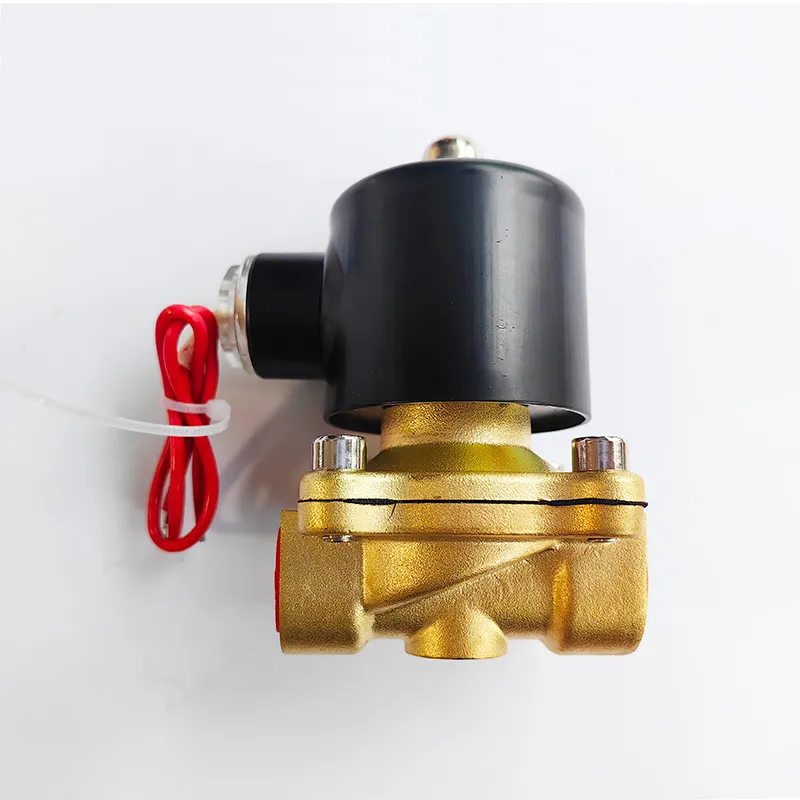
Precision-engineered Solenoid Valve components ready for assembly.
Technical Specifications and Parameters
Selecting the appropriate Solenoid Valve requires a detailed understanding of its technical specifications. These parameters define the valve's operational capabilities and suitability for specific applications.
| Parameter | Description |
|---|---|
| Operating Pressure Range | 0.5 - 10 bar (Direct-acting); 0.2 - 16 bar (Pilot-operated) |
| Media Temperature Range | -10°C to +120°C (NBR seals); -20°C to +180°C (FKM/Viton seals) |
| Ambient Temperature Range | -20°C to +50°C |
| Voltage Options | 12V DC, 24V DC, 24V AC, 110V AC, 230V AC (50/60 Hz) |
| Port Sizes (Thread) | G 1/8", G 1/4", G 3/8", G 1/2", G 3/4", G 1" (NPT, RC optional) |
| Flow Rate (Kv value) | 0.2 to 20 m³/h (depending on port size and type) |
| Response Time | 10 - 50 ms (Opening/Closing) |
| Body Material | Brass, 304 SS, 316 SS, PVC, POM |
| Seal Material | NBR, EPDM, FKM (Viton), PTFE |
| Ingress Protection (IP Rating) | IP65 (Dust tight, splash-proof) standard; IP67 (Water submersible) available |
| Operational Cycles (Service Life) | Typically > 5 million cycles for general purpose, > 10 million for high-end. |
The Kv value (flow coefficient) is a crucial parameter, representing the flow rate of water in cubic meters per hour at a pressure drop of 1 bar. This value is essential for accurate system sizing and ensuring the Solenoid Valve can meet the required flow demands without excessive pressure loss. Understanding the material compatibility with the process fluid and the operational environment is also paramount for preventing corrosion, premature wear, and potential system failures.
Application Scenarios and Industry Impact
The versatility and reliability of Solenoid Valve technology make it indispensable across a vast array of industries. Their ability to provide rapid, remote, and precise fluid control translates into significant operational advantages.
- Petrochemical Industry: Solenoid Valves are critical for controlling the flow of various chemicals, crude oil, and natural gas in refining processes, pipeline operations, and safety shutdown systems. High-pressure and explosion-proof valves are often required.
- Metallurgy: Used in cooling systems for furnaces and rolling mills, controlling hydraulic fluids in presses, and managing inert gases for welding and smelting processes.
- Water Supply & Drainage: Essential for automating irrigation systems, controlling water flow in municipal treatment plants, managing backwash cycles for filters, and preventing water hammer in large pipe networks.
- HVAC Systems: Regulating refrigerant flow in chillers, controlling hot water or steam in heating coils, and managing air dampers in ventilation systems to maintain optimal climate control.
- Food & Beverage: High-purity and sanitary Solenoid Valve designs are used in dispensing, mixing, and packaging lines, as well as in Clean-in-Place (CIP) systems to ensure hygiene and product safety.
- Medical and Pharmaceutical: Precise miniature Solenoid Valves are vital in medical diagnostic equipment, drug delivery systems, laboratory automation, and control of sterile gases and liquids.
- Automotive: Found in fuel injection systems, emission control, automatic transmission, and braking systems, contributing to vehicle performance and environmental compliance.
Customer feedback consistently highlights the impact of reliable Solenoid Valve integration on reducing operational costs through minimized leakage and optimized flow, alongside enhanced safety due to precise control and rapid shut-off capabilities.
Technical Advantages of Modern Solenoid Valves
Modern Solenoid Valve designs offer significant technical advantages that are crucial for contemporary industrial processes:
- High Precision and Fast Response: The electromagnetic actuation allows for near-instantaneous opening and closing, typically within milliseconds, providing accurate control over fluid dosing and rapid emergency shutdowns.
- Durability and Long Service Life: With fewer moving parts compared to mechanical valves and the use of robust materials, modern Solenoid Valves are designed for millions of operational cycles, minimizing maintenance needs and replacement costs.
- Energy Efficiency: Advances in coil technology, such as pulse-driven latching solenoids and optimized magnetic circuits, significantly reduce power consumption, especially for valves that remain in one state for extended periods.
- Compact Design: Their relatively small footprint allows for integration into complex, space-constrained systems and machinery, supporting the trend towards miniaturization in industrial equipment.
- Wide Range of Media Compatibility: Available in diverse body and seal materials (e.g., stainless steel, PTFE, FKM), they can handle aggressive chemicals, high-temperature steam, cryogenic fluids, and abrasive slurries.
- Remote Automation: As electrically operated devices, Solenoid Valves are inherently suited for integration into automated control systems, PLCs, and SCADA systems, enabling remote operation and monitoring without manual intervention.
Vendor Comparison and Selection Criteria
Choosing the right vendor for Solenoid Valve solutions is as critical as selecting the valve itself. A comprehensive evaluation involves assessing product specifications, supplier capabilities, and long-term support.
| Feature/Criterion | Vendor A (Example) | Vendor B (Example) | Vendor C (Example) |
|---|---|---|---|
| Primary Focus | General Industrial | High-Purity & Process | Hazardous Area & Heavy-Duty |
| Body Material Range | Brass, 304 SS | 316L SS, PTFE, PEEK | Bronze, Duplex SS, Carbon Steel |
| Max Pressure Rating | 16 bar | 25 bar | 60 bar |
| Temperature Range | -10°C to +120°C | -50°C to +200°C | -40°C to +180°C |
| Certifications | CE, ISO 9001 | CE, ISO, FDA, USP Class VI | ATEX, SIL 2, IECEx |
| Customization Options | Limited (voltage, seal) | Moderate (material, port, coil) | Extensive (full design, specialized fluids) |
| Warranty Period | 1 year | 2 years | 3 years |
Key criteria for selection should include:
- Product Range and Specialization: Does the vendor offer the specific type of Solenoid Valve (e.g., 2-way, 3-way, direct-acting, pilot-operated) and material compatibility required for your application?
- Certifications and Compliance: Verify adherence to industry standards like ISO, ATEX, UL, CSA, NSF, especially for sensitive or hazardous applications.
- Technical Support and Expertise: A vendor with strong application engineering support can help in optimal valve selection and troubleshooting.
- Customization Capabilities: For unique requirements, the ability to modify standard products or design bespoke solutions is invaluable.
- Lead Times and Logistics: Timely delivery and efficient supply chain management are crucial for project scheduling.
- Track Record and Reputation: Look for vendors with a proven history of reliability, positive customer feedback, and long-standing partnerships with reputable clients.
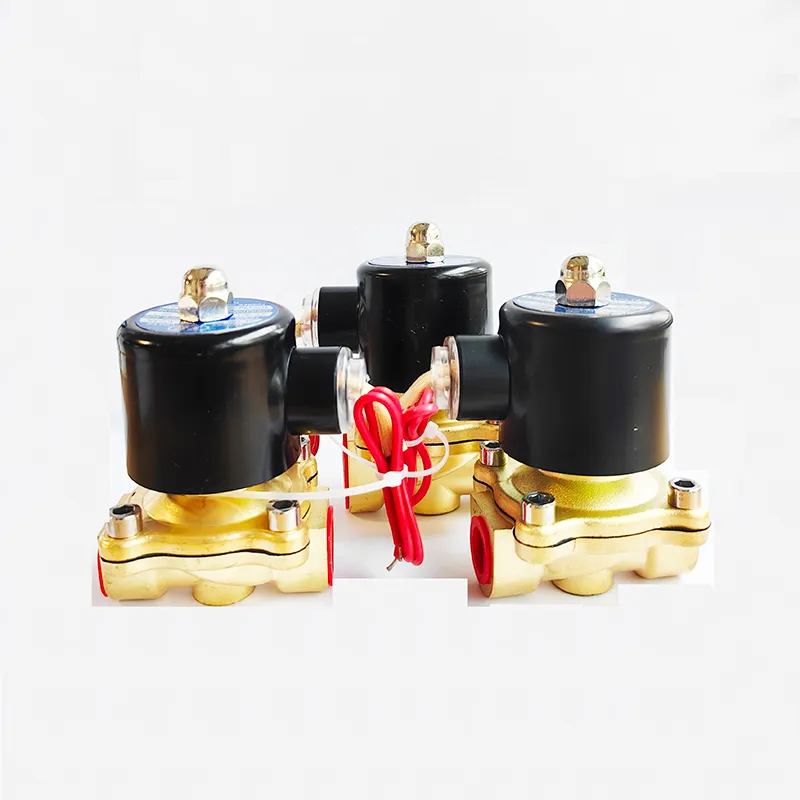
A range of Solenoid Valves demonstrating diverse configurations and sizes.
Customized Solenoid Valve Solutions
While standard Solenoid Valve offerings meet many industrial needs, specific applications often demand highly customized solutions. Tailored designs are crucial when dealing with extreme operating conditions, unique fluid properties, or stringent regulatory requirements. Customization can encompass several aspects:
- Material Selection: Beyond standard brass and stainless steel, custom solutions might involve exotic alloys (e.g., Hastelloy, Monel) for highly corrosive media, or specific polymers for biological compatibility or ultra-high purity applications.
- Seal Compounds: Specialized elastomers or thermoplastics are chosen for compatibility with unusual chemicals, extreme temperatures (cryogenic to superheated steam), or specific food-grade/medical-grade requirements.
- Voltage and Power: Custom coils can be designed for non-standard voltages, low-power consumption (e.g., battery-operated systems), or to meet specific surge protection needs.
- Porting and Mounting: Bespoke port configurations, manifold mounting designs, or integrated flow control features can optimize space and simplify system integration.
- Functional Adaptations: This includes incorporating flow sensors, pressure transducers, manual override options, or developing multi-way valves for complex fluidic circuits.
- Hazardous Area Compliance: Developing valves specifically certified for use in explosive atmospheres (e.g., ATEX, IECEx) with enhanced safety features and material integrity.
Engaging with a manufacturer possessing robust R&D capabilities and a history of successful custom projects is paramount for these specialized requirements. This collaborative approach ensures the resulting Solenoid Valve precisely meets the application's unique performance, safety, and longevity demands.
Application Case Studies
Real-world applications demonstrate the critical role and effectiveness of advanced Solenoid Valve solutions in optimizing industrial processes.
Case Study 1: Enhanced Efficiency in Municipal Water Treatment
A major municipal water treatment plant faced challenges with inefficient backwash cycles for its filtration beds, leading to excessive water consumption and reduced filter lifespan. The existing mechanical valves provided slow response and lacked the precision for optimized cycle timing.
Solution: The plant replaced its conventional valves with large-bore, pilot-operated Solenoid Valve units, specifically designed for high flow rates and low-pressure drop, constructed from corrosion-resistant brass with EPDM seals. These valves were integrated into a new SCADA system.
Results: The rapid and precise actuation of the Solenoid Valves allowed for significantly shorter and more effective backwash cycles, reducing water waste by 18% annually. The improved precision also extended the operational life of the filter media by 15%, demonstrating substantial cost savings and environmental benefits.
Case Study 2: Precision Chemical Dosing in Pharmaceutical Manufacturing
A pharmaceutical company required extremely accurate and repeatable chemical dosing for a new drug synthesis process. The existing peristaltic pumps struggled with consistency at very low flow rates, causing batch variations and product waste.
Solution: Miniature, direct-acting Solenoid Valves with PTFE wetted parts and highly responsive coils were selected. These valves were integrated with a precision flow meter and controlled by a PLC capable of microsecond pulse-width modulation (PWM).
Results: The Solenoid Valves delivered unparalleled accuracy in dispensing critical reagents, achieving a dosing precision of ±0.5% – a significant improvement over the previous ±5%. This resulted in a 25% reduction in raw material waste, improved batch consistency, and faster production cycles, directly impacting profitability and product quality.
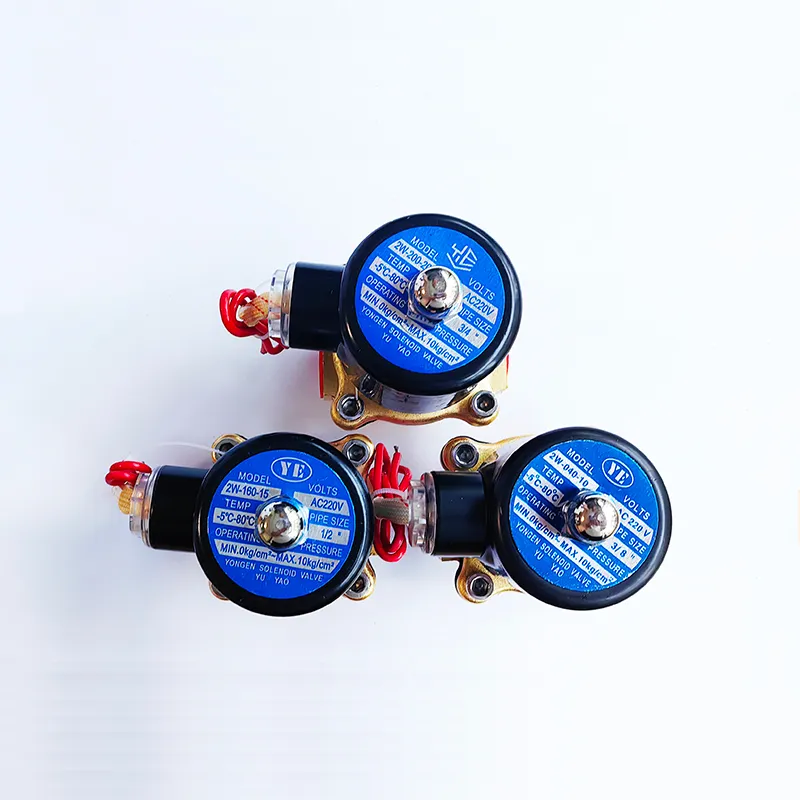
Integrated Solenoid Valve assembly in a process control manifold.
Frequently Asked Questions (FAQ)
Q: What is the typical service life of a Solenoid Valve?
A: The service life of a Solenoid Valve varies significantly based on its design, materials, operating conditions (pressure, temperature, media), and duty cycle. General-purpose valves often exceed 5 million cycles, while high-performance or heavy-duty industrial valves can achieve over 10 million cycles. Proper selection and maintenance are key to maximizing longevity.
Q: How do I choose the correct seal material for my Solenoid Valve?
A: Seal material selection is crucial for chemical compatibility and temperature range. NBR (Buna-N) is common for air, water, and oil. EPDM is suitable for hot water, steam, and many acids/alkalis. FKM (Viton) excels with aggressive chemicals and high temperatures. PTFE offers superior chemical resistance and high purity. Always consult a chemical compatibility chart for your specific media and operating conditions.
Q: What is the difference between direct-acting and pilot-operated Solenoid Valves?
A: Direct-acting Solenoid Valves open or close directly by the force of the solenoid acting on the plunger. They are ideal for small orifices and low flow rates, and do not require a minimum pressure differential to operate. Pilot-operated valves use line pressure to assist in opening/closing a larger orifice, with the solenoid controlling a small pilot port. This allows for higher flow rates and larger port sizes, but they typically require a minimum pressure differential to function correctly.
Lead Time, Warranty, and Customer Support
Understanding the commercial aspects of procuring Solenoid Valves is vital for project planning and long-term operational assurance.
- Lead Time & Fulfillment: Standard Solenoid Valves typically have lead times ranging from 2-4 weeks, depending on stock levels and order volume. Customized or specialized valves may require 6-12 weeks for design, production, and testing. Reputable vendors offer transparent communication regarding lead times and utilize efficient logistics to ensure timely delivery.
- Warranty Commitments: Most industrial Solenoid Valves come with a standard manufacturer's warranty of 1 to 3 years, covering defects in materials and workmanship under normal operating conditions. Extended warranties or specific performance guarantees may be available for high-value or critical applications.
- Customer Support: Comprehensive after-sales support is a hallmark of a trusted supplier. This includes technical assistance for installation and troubleshooting, access to spare parts, field service, and training programs for maintenance personnel. A dedicated support team capable of providing prompt and knowledgeable assistance minimizes downtime and optimizes the operational efficiency of the Solenoid Valve.
Conclusion
The Solenoid Valve remains a foundational component in modern industrial automation, indispensable for precise, reliable, and efficient fluid control. Its evolution, driven by advancements in materials, smart technology, and energy efficiency, continues to expand its utility across an ever-widening array of B2B applications. From critical process control in hazardous environments to optimizing resource management in vast municipal networks, understanding the technical nuances, manufacturing excellence, and strategic deployment of Solenoid Valves is essential for engineers and decision-makers seeking to enhance operational performance and drive innovation. Partnering with a knowledgeable and experienced vendor ensures access to high-quality, compliant, and often customized solutions that deliver measurable value and sustained reliability.
References
- Fluid Power Society. "Hydraulics & Pneumatics: Principles and Applications."
- International Organization for Standardization (ISO). "ISO 5208: Industrial valves — Pressure testing of metallic valves."
- ANSI/FCI 70-2. "Control Valve Seat Leakage."
- National Fluid Power Association (NFPA). "Fluid Power Standards."
- ISA (International Society of Automation). "Standards for Process Control."

Related Products
Related News

2026-04-16 03:20:19
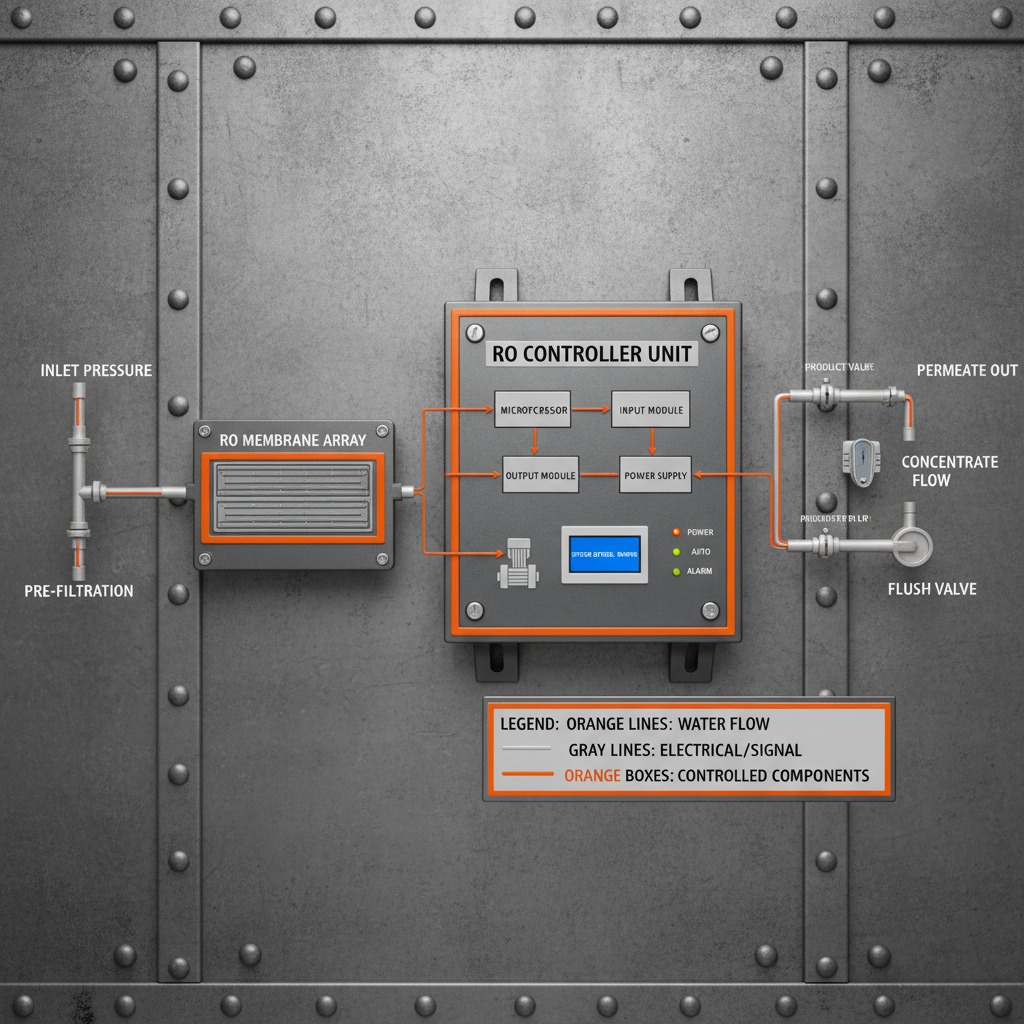
Guide to Choosing the Right RO Controller for Water PurificationMaintaining a high-performance reverse osmosis system requires more than just quality membranes; it demands precise regulation. An ro controller serves as the brain of the entire operation, monitoring critical parameters such as conductivity, temperature, and flow rates to ensure the output water meets stringent purity standards. Without an efficient controller, systems are prone to membrane fouling, inefficient energy use, and inconsistent water quality. In this comprehensive guide, we will explore how these devices optimize water treatment processes and how to select the best model for your specific industrial or commercial needs.
2026-04-09 03:25:47
Guide to Water Purity Using RO with TDS Controller SystemsAchieving the perfect balance of mineral content and purity in drinking water is a challenge for many households and industrial facilities. A ro with tds controller offers a sophisticated solution by combining the rigorous filtration of Reverse Osmosis (RO) with the precision of a Total Dissolved Solids (TDS) adjustment system. While standard RO systems remove almost everything, including beneficial minerals, a TDS controller allows users to re-mineralize the water to a desired level. This ensures that the water is not only safe and pure but also tastes better and provides essential nutrients.
2026-04-07 03:17:09
Understanding and Optimizing Reverse Osmosis Systems with a ControllerIn the world of water purification, reverse osmosis (RO) systems are a cornerstone for producing high-quality water for various applications, from drinking water to industrial processes. However, an RO system is only as effective as its control system. This is where the reverse osmosis controller comes into play. This critical component manages and optimizes the RO process, ensuring efficient operation, water quality, and system longevity.
2026-04-04 03:27:19
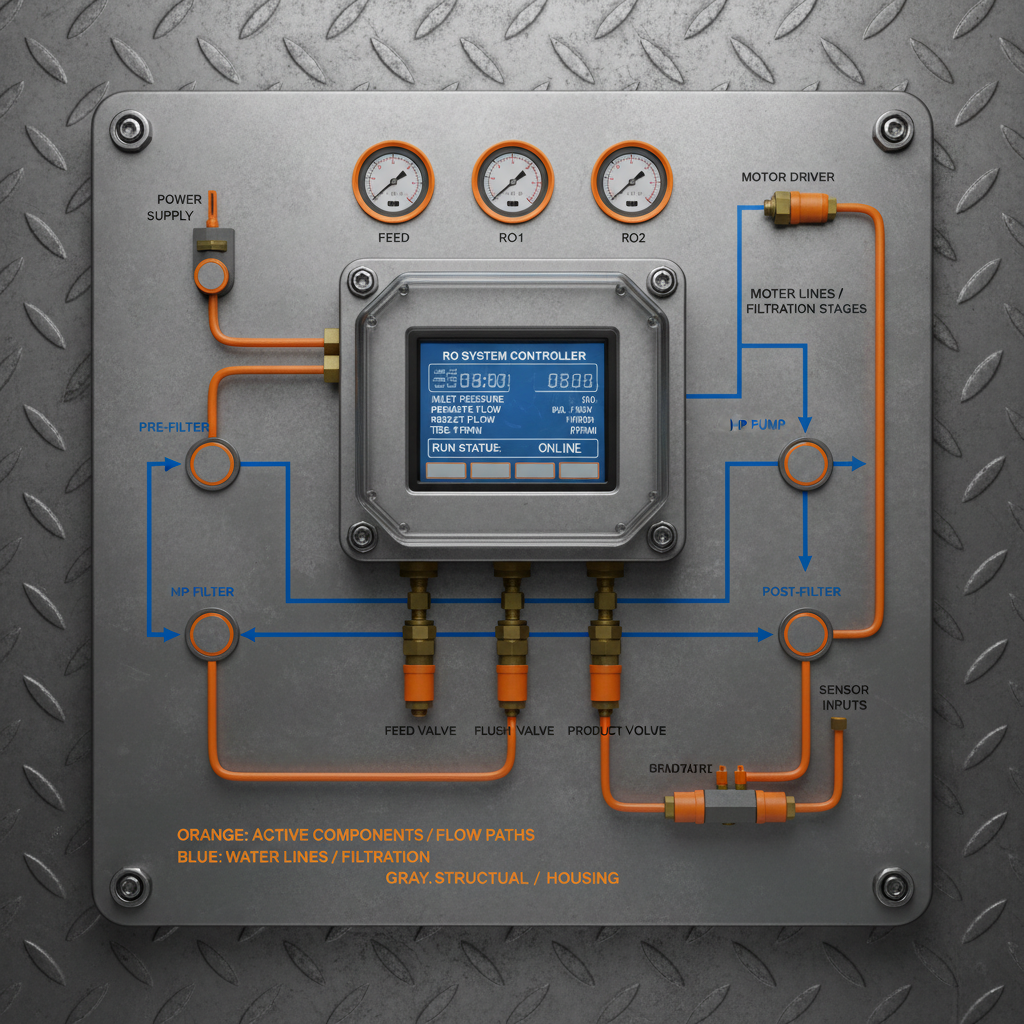
Understanding the Vital Role of an RO System Controller for Optimal PerformanceReverse Osmosis (RO) systems are critical for purifying water across various industries, from residential applications to large-scale industrial processes. At the heart of a well-functioning RO system lies the RO system controller. This intelligent device monitors and regulates all key parameters of the RO process, ensuring optimal performance, efficiency, and water quality. This article delves into the functionalities, benefits, and selection criteria for choosing the right RO system controller, particularly focusing on those offered by Watequipments. Understanding its role is crucial for maximizing the lifespan and effectiveness of your RO investment.
2026-03-24 17:18:24
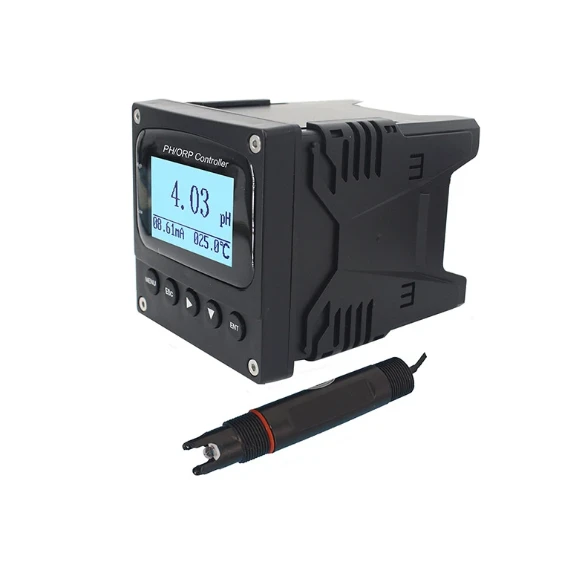
Smart Water Treatment Solutions Using PH ORP Controller SystemsIn modern water treatment and industrial fluid management, maintaining precise chemical balance is essential for safety, efficiency, and regulatory compliance.
2026-03-04 02:55:19
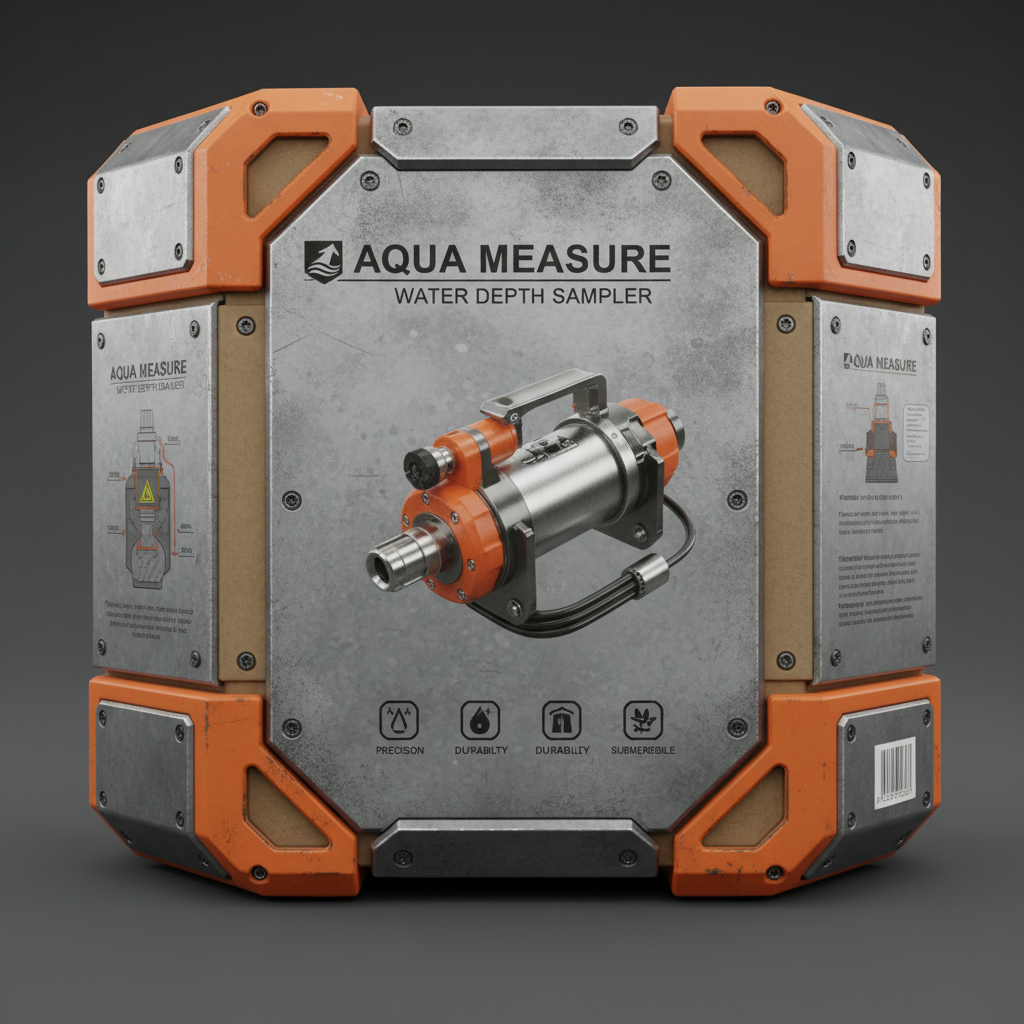
Comprehensive Guide to Water Depth Samplers and Their ApplicationsAccurate water quality monitoring is crucial in various fields, from environmental science and aquaculture to industrial wastewater management. A key tool for this is the water depth sampler. This article provides an in-depth look at water depth samplers, their applications, types, and essential considerations for choosing the right one for your needs. We'll explore the benefits of utilizing this equipment to collect reliable data for analysis and informed decision-making. Selecting the right sampler can significantly improve the precision and efficiency of your water monitoring program. A water depth sampler, also known as a depth-integrated sampler, is a device designed to collect water samples from specific depths within a body of water. Unlike simply dipping a container into the water, a depth sampler allows for collection of a representative sample across a defined depth range. This is critical because water properties (temperature, salinity, pollutants) often vary significantly with depth. The data gathered with a water depth sampler provides a more accurate assessment of water quality than surface samples alone.
2026-03-03 18:55:22
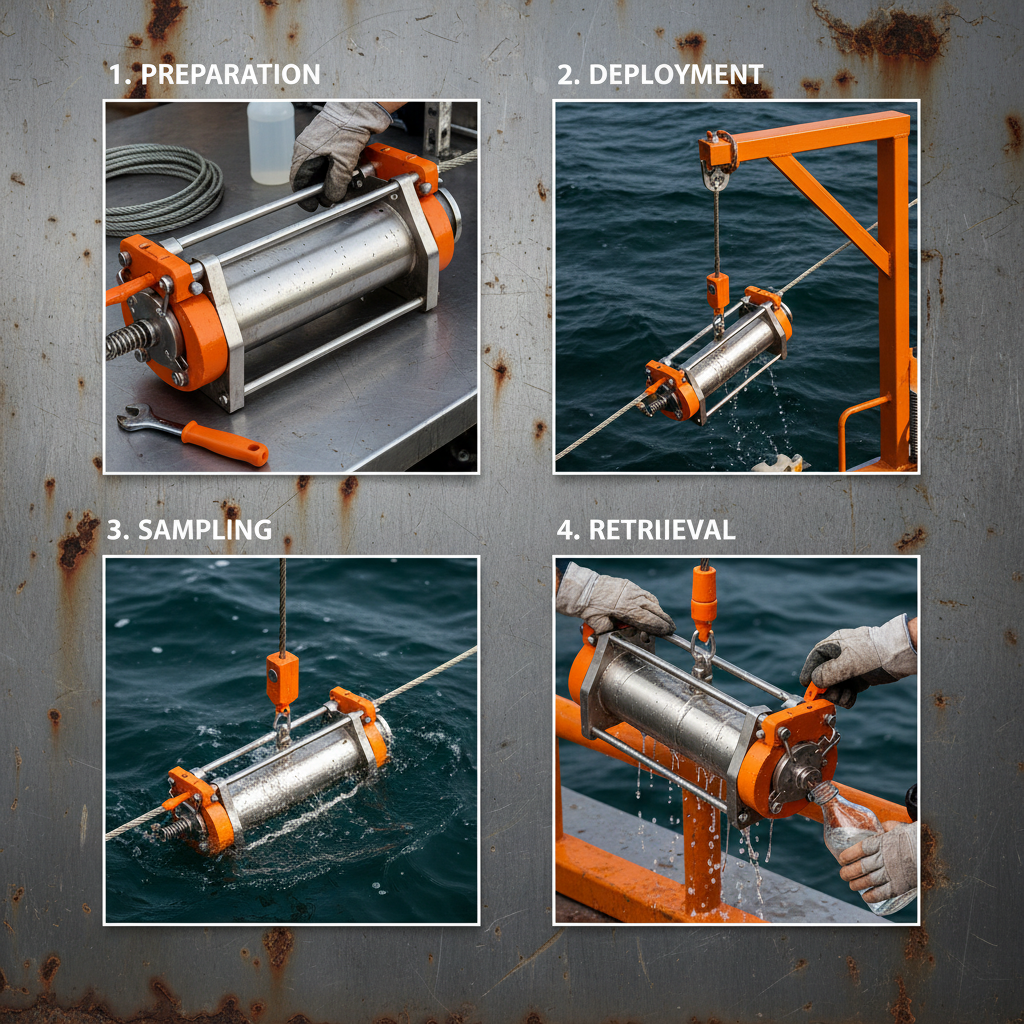
Comprehensive Guide to Horizontal Water Sampler Applications and SelectionCollecting water samples at varying depths is crucial for environmental monitoring, research, and quality control. The horizontal water sampler from Watequipment.com offers a precise and efficient solution for this task. This article provides an in-depth look at horizontal water samplers, their applications, benefits, and key considerations when choosing the right model. We will explore how these samplers contribute to accurate data collection and informed decision-making in various fields. A horizontal water sampler is a device designed to collect water samples from specific depths within a body of water – rivers, lakes, oceans, reservoirs, and even wastewater treatment plants. Unlike vertical samplers which primarily focus on depth, horizontal samplers prioritize collecting samples at a consistent depth while moving along a horizontal plane. This is essential for assessing water quality variations across a waterway or within a specific zone. They are used in applications ranging from environmental monitoring and scientific research to industrial process control and regulatory compliance.
2026-02-28 02:35:09
Comprehensive Guide to Selecting the Right Surface Water Sampler for Your NeedsMonitoring the quality of surface water is critical for environmental protection, public health, and various industrial applications. A surface water sampler is an essential tool for collecting representative samples from rivers, lakes, ponds, and other surface water sources. This article provides a detailed overview of surface water samplers, their types, applications, and key considerations for selecting the right equipment. Accurate water quality data relies on proper sample collection, and choosing the correct sampler is the first step toward achieving reliable results. Surface water samplers come in various designs, each suited to specific sampling needs. Common types include grab samplers, depth-integrating samplers, peristaltic pumps, and automatic samplers. Surface water samplers are used across a broad spectrum of applications, including environmental monitoring, wastewater discharge monitoring, drinking water source monitoring, agricultural runoff analysis, and research studies.

 English