


WS 9100: Advanced Performance & Unrivaled Reliability

WS 9100: Advanced Performance & Unrivaled Reliability
Sep . 10, 2025
Industry Trends and the Imperative for Precision Water Sampling
The global industrial landscape is experiencing an unprecedented convergence of stringent environmental regulations, growing public demand for ecological accountability, and the relentless drive towards operational efficiency. In this dynamic environment, accurate and reliable water quality monitoring is not merely a compliance task but a strategic imperative. Industries from petrochemicals to municipal water treatment facilities face increasing pressure to provide verifiable data on their water discharge and resource management. This trend necessitates the deployment of advanced sampling technologies that can operate autonomously, withstand harsh conditions, and deliver data integrity.
The shift towards smart, automated systems is palpable. Traditional manual sampling methods, while foundational, are increasingly being superseded by automatic solutions that mitigate human error, ensure temporal and volumetric consistency, and reduce personnel exposure to hazardous environments. This evolution is particularly critical in contexts requiring time-weighted composite samples or event-triggered discrete samples, where even slight deviations can compromise analytical results and regulatory adherence. It is within this demanding framework that advanced solutions like the WS 9100 portable automatic water sampler prove indispensable, offering a blend of robust design and intelligent sampling protocols.
Current industry trends also emphasize the importance of data integration. Samplers are no longer standalone devices but critical nodes within broader environmental monitoring networks. The ability to interface with SCADA systems, transmit data remotely, and be programmed for complex sampling matrices is paramount. This strategic integration enhances real-time decision-making, predictive maintenance, and overall system optimization, ensuring that businesses can proactively manage their environmental footprint and maintain operational licenses.
Manufacturing Process Flow and Engineering Excellence of the WS 9100
The engineering and manufacturing of the WS 9100 exemplify precision, durability, and adherence to the highest industrial standards. Each unit undergoes a meticulously controlled process designed to ensure unparalleled performance and longevity in demanding environmental applications.
1. Design and Material Selection:
The design phase leverages advanced CAD/CAM software for optimal component geometry and system integration, focusing on modularity and ease of maintenance. Material selection is critical for the sampler's target environments. Key components exposed to the sample stream, such as the pump head and tubing connectors, are typically crafted from high-grade 316L stainless steel or corrosion-resistant polymers like PTFE and Viton, ensuring inertness and preventing sample contamination. The exterior casing is constructed from robust, UV-stabilized ABS or similar engineering plastics, providing IP67-rated ingress protection against dust and water.
2. Component Fabrication:
- CNC Machining: Precision internal components, including flow sensors and valve manifolds, are manufactured using multi-axis CNC machining to tight tolerances, ensuring accurate sample volume collection and repeatable performance.
- Injection Molding: The rugged external enclosure and various internal structural elements are produced via advanced injection molding techniques, guaranteeing consistent quality, structural integrity, and resistance to environmental stressors.
- Electronic Board Assembly: Printed Circuit Boards (PCBs) are manufactured and assembled in-house or by certified partners under strict ESD (Electrostatic Discharge) controls. Each board undergoes automated optical inspection (AOI) and in-circuit testing (ICT) to verify component placement and functionality.
3. Assembly and Calibration:
The assembly process adheres to ISO 9001:2015 quality management standards. Sub-assemblies are systematically integrated, followed by critical calibration steps. This includes peristaltic pump flow rate calibration, ensuring precise aliquot volumes, and sensor calibration for parameters such as temperature and liquid level detection. Each module is tested independently before final integration.
4. Comprehensive Quality Control and Testing:
Before dispatch, every WS 9100 unit undergoes a rigorous battery of tests:
- Functionality Testing: Verification of all programmed modes, sample collection sequences, and data logging capabilities.
- Environmental Simulation: Units are subjected to simulated conditions to confirm their IP67 rating, vibration resistance, and operational stability across their specified temperature range (e.g., -20°C to +50°C).
- Compliance Testing: Adherence to international standards such as ANSI for safety and various CE directives for electromagnetic compatibility (EMC) and low voltage (LVD).
- Service Life Assessment: Components are chosen and tested for an extended service life, typically exceeding 5 years under continuous operation, minimizing total cost of ownership for our clients.
Target Industries & Advantages:
The robust manufacturing process makes the WS 9100 ideal for petrochemical facilities, metallurgy plants, water supply & drainage utilities, and environmental regulatory agencies. Its design for corrosion resistance, coupled with energy-saving operation through efficient pump mechanisms and advanced power management, delivers substantial advantages in typical application scenarios. For instance, in remote monitoring sites, its low power consumption translates to extended battery life, reducing maintenance intervals and associated operational costs.
Technical Specifications of the WS 9100 Series
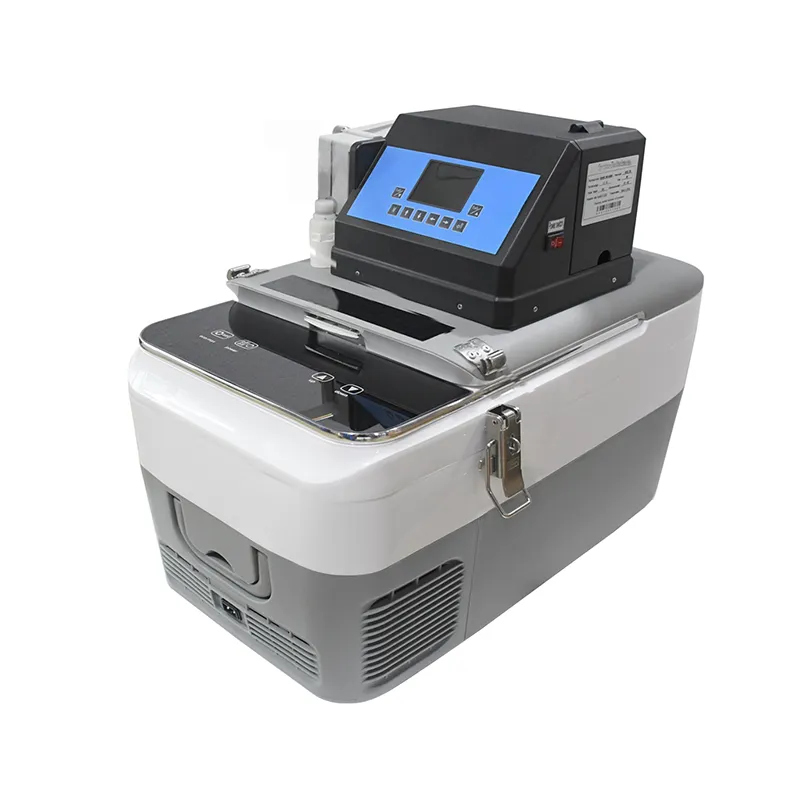
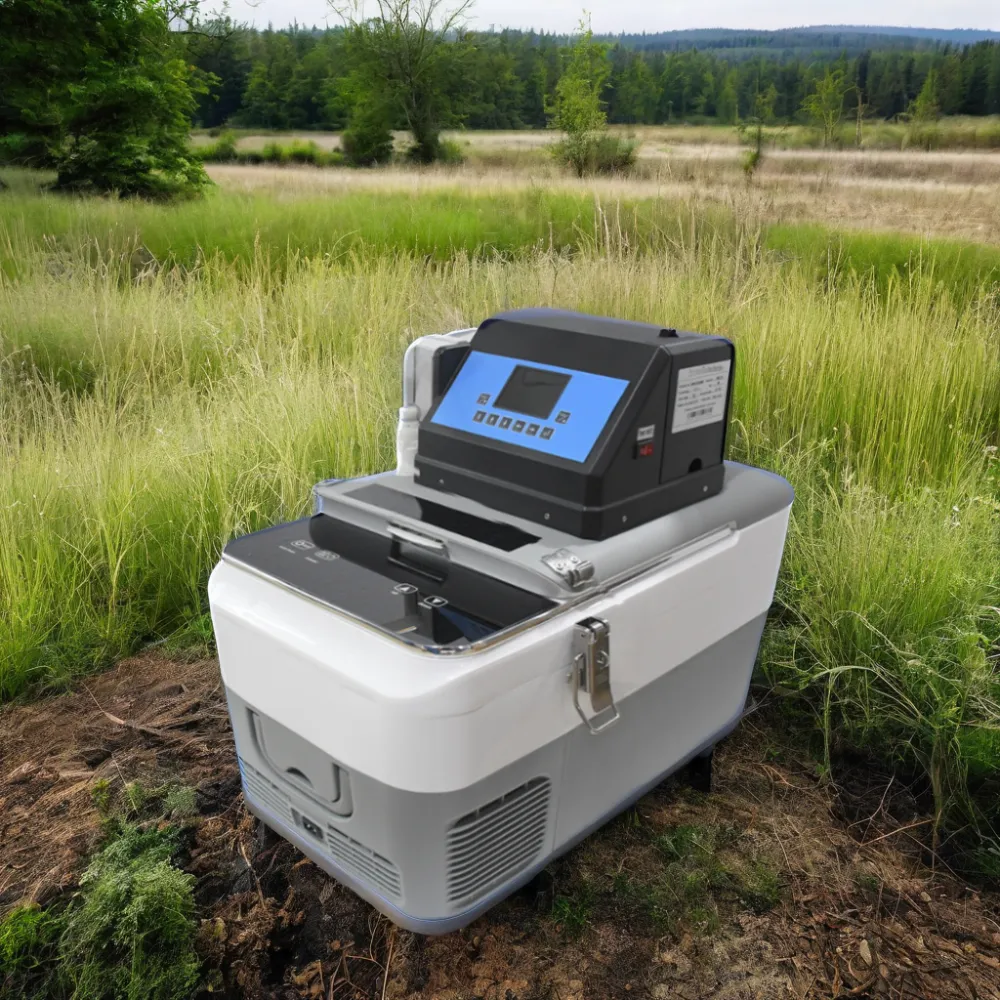
The WS 9100 is engineered with a suite of technical parameters designed to meet the rigorous demands of professional water quality monitoring. Its specifications ensure high precision, operational flexibility, and long-term reliability in diverse field conditions.
| Parameter | Specification |
|---|---|
| Sampler Type | Portable Automatic Water Sampler |
| Enclosure Rating | IP67 (NEMA 4X equivalent) |
| Pump Type | Peristaltic, High-Lift |
| Max Suction Lift | Up to 8.5 meters (28 feet) |
| Sample Volume | Programmable from 10 mL to 1000 mL (±5%) |
| Bottle Capacity | Single composite (9L/13L/21L) or Multiple discrete (24 x 1L or 8 x 2.4L) |
| Sample Interval | Time-weighted (1 min to 999 hr) or Flow-weighted (user-defined pulses) |
| Operating Temperature | -20°C to +50°C (-4°F to +122°F) |
| Power Supply | 12V DC (rechargeable battery), optional AC adapter |
| Data Logging | Up to 2000 events (sampling cycles, alarms, battery status) |
| Communication Interface | USB, optional Modbus RTU/GSM/GPRS module |
| User Interface | Backlit LCD display, intuitive keypad |
| Dimensions (H x W x D) | Approx. 700 x 400 x 300 mm (depending on configuration) |
| Weight (empty) | Approx. 15 kg (33 lbs) |
These specifications highlight the WS 9100's capability to deliver accurate, reproducible samples across a broad spectrum of challenging applications. The high-lift peristaltic pump system ensures reliable sample acquisition even from significant depths, while programmable volume and interval settings provide unparalleled flexibility for diverse monitoring requirements.
Versatile Application Scenarios for the WS 9100
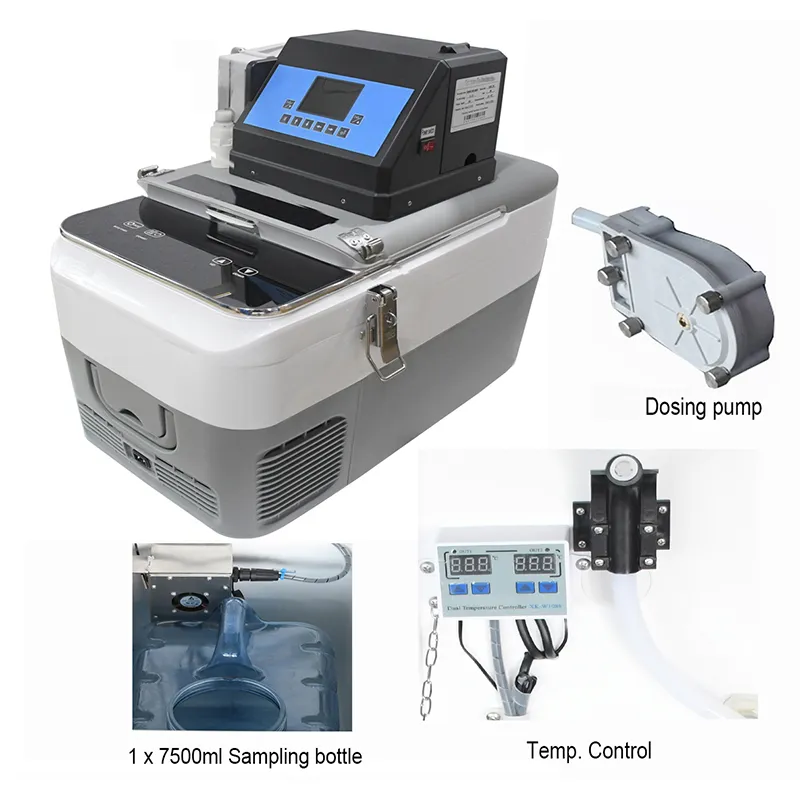
The adaptability and robust design of the WS 9100 make it an essential tool across numerous sectors requiring precise and automated water quality assessment. Its capabilities extend far beyond basic sampling, enabling comprehensive environmental and industrial monitoring.
1. Industrial Wastewater Discharge Monitoring:
In industries such as petrochemical, manufacturing, and food & beverage, compliance with discharge permits is critical. The WS 9100 can be programmed to collect time-weighted or flow-weighted composite samples of effluent streams, providing an accurate representation of discharge quality over a period. This capability helps facilities prevent regulatory fines, optimize treatment processes, and ensure adherence to national and international environmental standards (e.g., EPA, EU Water Framework Directive).
2. Surface Water and River Quality Assessment:
Environmental agencies and research institutions utilize the WS 9100 for monitoring the health of natural water bodies. Its portability allows for deployment at remote riverine or lake sites, collecting samples to track pollutants, nutrient loads, and seasonal variations. The discrete sampling option is invaluable for event-triggered sampling during flood events or pollution incidents, capturing critical transient data.
3. Municipal Wastewater Treatment Plants:
Within municipal treatment plants, the WS 9100 can monitor influent, various stages of treatment, and final effluent. This helps plant operators assess treatment efficiency, identify potential upsets, and ensure the quality of treated water before release. Its robust design is well-suited for the demanding and often corrosive environments of wastewater facilities.
4. Stormwater Runoff Monitoring:
Stormwater runoff is a significant non-point source of pollution. The WS 9100, with its event-triggered sampling capabilities (e.g., connected to a rain gauge or flow sensor), can automatically collect samples during storm events, enabling characterization of pollutant loads such as heavy metals, sediments, and nutrients from urban or agricultural areas.
5. Process Control in Manufacturing:
Beyond environmental compliance, the WS 9100 is employed for in-process quality control. For example, in the chemical processing or pharmaceutical industries, it can collect samples at various stages of a water-based manufacturing process to ensure consistent product quality or to monitor for contaminants, providing vital feedback for process optimization.
Technical Advantages of the WS 9100
The WS 9100 distinguishes itself through a suite of technical advantages that directly address the pain points faced by B2B users in environmental monitoring and process control.
- Precision and Accuracy: Equipped with a high-performance peristaltic pump and advanced flow measurement, the WS 9100 ensures highly repeatable and accurate sample volumes. This precision minimizes analytical variability, leading to more reliable data for compliance and decision-making. Its pre- and post-sample rinse cycles prevent cross-contamination, maintaining sample integrity.
- Robustness and Durability: The IP67-rated enclosure provides superior protection against dust, water ingress, and adverse weather conditions, making it suitable for deployment in harsh industrial and outdoor environments. Its robust construction minimizes the need for frequent maintenance and extends the operational lifespan.
- Flexible Sampling Programs: The advanced microcontroller allows for highly customizable sampling programs, including time-weighted, flow-weighted, and event-triggered modes. Users can define sample volumes, intervals, and distribution across multiple bottles, catering to specific regulatory requirements or investigative protocols.
- Portability and Ease of Deployment: Despite its robust capabilities, the WS 9100 is designed for easy transport and rapid setup. Its lightweight design and ergonomic handles facilitate deployment in remote or difficult-to-access locations, reducing logistical overhead.
- Comprehensive Data Logging: An integrated data logger records all sampling events, alarms, and system diagnostics, providing an auditable trail of operations. This data is easily retrievable via USB or optional communication modules, supporting transparency and regulatory reporting.
- Low Power Consumption: Optimized power management ensures extended battery life, critical for prolonged deployment in locations without grid power. This feature contributes to energy saving and reduced operational costs.
- Optional Communication Modules: Seamless integration with SCADA systems or remote monitoring platforms is possible through optional modules like Modbus RTU, GSM, or GPRS, enabling real-time data transmission and remote control functionalities, enhancing operational responsiveness.
Vendor Comparison: WS 9100 vs. Market Alternatives
When evaluating automatic water samplers, discerning buyers prioritize a combination of technical superiority, operational reliability, and value. The WS 9100 stands out in a competitive market by excelling in critical performance metrics, as illustrated in the comparison below.
| Feature/Metric | WS 9100 | Competitor A (General Purpose) | Competitor B (Premium Field Unit) |
|---|---|---|---|
| Enclosure Rating | IP67 (Submersible) | IP54 (Splash-proof) | IP67 (Submersible) |
| Max Suction Lift | 8.5 meters | 6 meters | 8 meters |
| Sample Volume Accuracy | ±5% (User Calibrated) | ±10% (Fixed) | ±5% (Factory Calibrated) |
| Bottle Configurations | Single composite (9L, 13L, 21L) / 24x1L discrete / 8x2.4L discrete | Single composite (10L) / 12x1L discrete | Single composite (15L) / 24x1L discrete |
| Remote Communication | Optional GSM/GPRS/Modbus | Limited (RS-232 only) | Optional Cellular modem (Higher Cost) |
| Operating Temperature | -20°C to +50°C | 0°C to +40°C | -10°C to +45°C |
| Power Consumption (Average) | ~0.05 Ah/cycle | ~0.1 Ah/cycle | ~0.06 Ah/cycle |
The WS 9100 clearly differentiates itself with a superior suction lift, ensuring accessibility to a broader range of sampling points. Its broader operating temperature range and robust IP67 rating mean greater reliability in extreme conditions, minimizing downtime. Furthermore, the extensive range of bottle configurations and flexible programming options provide unparalleled versatility, making it a highly adaptable solution for diverse industrial and environmental monitoring needs, often at a more competitive price point for its feature set.
Customized Solutions with the WS 9100
Recognizing that every B2B application has unique requirements, the WS 9100 is designed with modularity and adaptability at its core. This allows for significant customization to meet specific project demands, ensuring optimal performance and seamless integration into existing infrastructure.
- Sample Bottle Configurations: Beyond standard options, clients can specify specialized bottle materials (e.g., amber glass for light-sensitive analytes, chemically resistant plastics) or unique multi-bottle arrays to accommodate specific analytical requirements or extended monitoring durations.
- Sensor Integration: The WS 9100 can be integrated with external sensors (e.g., pH, conductivity, turbidity, flow meters) to trigger sampling events or log additional environmental parameters alongside sample collection data, providing a richer contextual dataset.
- Advanced Communication Modules: For remote sites or integration into complex SCADA networks, we offer custom-configured communication modules, including enhanced GSM/GPRS for unreliable networks, satellite communication for extremely remote locations, or specific industrial protocols like Profibus or Ethernet/IP.
- Specialized Tubing and Strainers: Depending on the sample matrix (e.g., high solids content, corrosive liquids), we can provide custom tubing materials (e.g., heavier wall thickness, different polymers) and intake strainers designed to prevent clogging or minimize particulate uptake.
- Mounting and Enclosure Modifications: While the standard enclosure is highly robust, for unique installation challenges, custom mounting brackets, additional protective shrouds, or even integrated solar power solutions can be engineered to ensure reliable operation in specific environmental settings.
- Software Customization: For clients with specific data visualization, analysis, or integration needs, our software team can develop custom firmware or PC-based applications to optimize data handling and operational control, ensuring the WS 9100 fits perfectly into your data ecosystem.
Application Case Studies: WS 9100 in Action
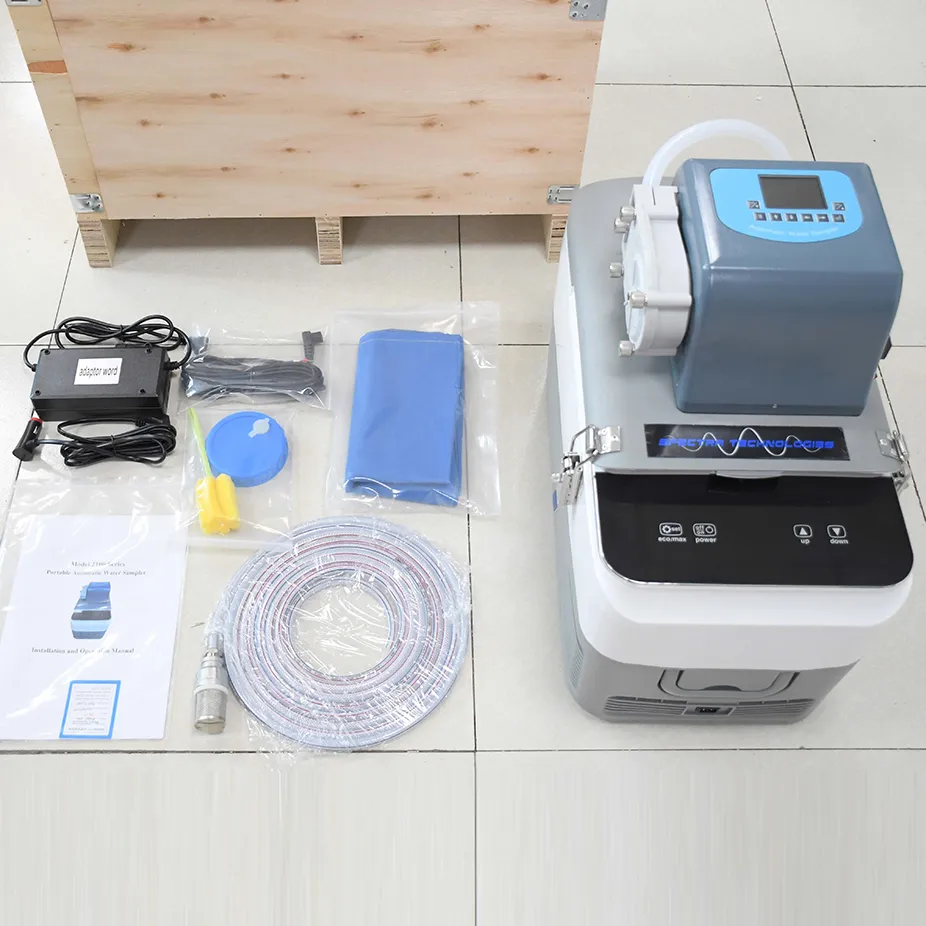
The proven track record of the WS 9100 in real-world scenarios underscores its reliability and performance. Here are examples of how it has delivered tangible benefits to our clients.
Case Study 1: Petrochemical Effluent Compliance Monitoring
A major petrochemical complex required continuous, auditable monitoring of its treated wastewater discharge to comply with strict national environmental permits. Manual sampling proved inconsistent and labor-intensive, often missing critical fluctuations in effluent quality. The client deployed two WS 9100 units at their primary discharge points, configured for flow-weighted composite sampling over 24-hour periods, linked to existing flow meters. The robust IP67 casing withstood the corrosive industrial environment. The system provided precise, time-stamped samples that significantly improved compliance reporting accuracy. Client feedback highlighted the substantial reduction in operational costs due to automation and the peace of mind offered by consistent, verifiable data, leading to a 15% reduction in potential non-compliance penalties over the first year.
Case Study 2: Remote River Quality Assessment for Environmental Agency
An environmental protection agency needed to monitor water quality in a remote river system prone to agricultural runoff, particularly during rainfall events. Deploying personnel for manual sampling was impractical and often missed the critical initial "first flush" of pollutants. The agency implemented a WS 9100 unit equipped with a GSM communication module and integrated with a rainfall sensor. The sampler was programmed to activate upon detection of significant rainfall, collecting discrete samples every hour for a 6-hour period. The high suction lift capability allowed sampling from the riverbank. Data and status updates were transmitted remotely, providing real-time insights into pollution events. This deployment enabled the agency to gather crucial event-based data that was previously impossible to obtain, enhancing their understanding of agricultural pollution dynamics and informing policy decisions.
Case Study 3: Water Distribution Network Contamination Detection
A municipal water utility faced challenges in rapidly detecting and characterizing potential contamination events within its extensive potable water distribution network. Response times were critical. They installed several WS 9100 units at strategic points, integrating them with real-time online water quality sensors (e.g., chlorine, turbidity, TOC). The samplers were set to trigger collection of discrete samples upon detection of anomalous sensor readings. This automated response significantly reduced the time from anomaly detection to sample collection for laboratory analysis, enabling quicker isolation of potential contamination sources and minimizing public health risks. The utility reported a 70% improvement in incident response efficiency for water quality anomalies.
Frequently Asked Questions (FAQ)
Q1: What types of water can the WS 9100 sample?
A: The WS 9100 is designed to sample a wide range of water types, including industrial wastewater, municipal wastewater, surface water (rivers, lakes), stormwater runoff, and process water. Its peristaltic pump and inert tubing materials minimize contamination risks and can handle water with moderate suspended solids.
Q2: How long does the battery last in the field?
A: Battery life for the WS 9100 depends on the sampling frequency, lift height, and operating temperature. Under typical conditions (e.g., 100 mL sample, 5m lift, ambient temperature), the standard 12V rechargeable battery can support hundreds of sampling cycles, often lasting several days to a week. For extended deployments, optional larger batteries or solar charging kits are available.
Q3: Can the WS 9100 be integrated with other monitoring equipment?
A: Yes, the WS 9100 offers flexible integration capabilities. It can accept external triggers from flow meters, pH sensors, turbidity sensors, or other process control systems. Optional communication modules (Modbus RTU, GSM/GPRS) allow for remote data access, control, and integration into SCADA or other telemetry networks.
Lead Time & Fulfillment Details
We maintain efficient manufacturing and supply chain processes to ensure prompt delivery of the WS 9100. Standard configurations typically have a lead time of 2-4 weeks from order confirmation. For customized solutions or large-volume orders, lead times will be provided upon detailed quotation. Our global logistics network is optimized to ensure secure and timely fulfillment to clients worldwide, with dedicated support for customs and shipping documentation.
Warranty Commitments & Customer Support
Our commitment to quality and customer satisfaction is paramount. The WS 9100 comes with a standard 12-month warranty covering manufacturing defects and material failures. Extended warranty options are available for clients seeking prolonged protection and peace of mind.
Our dedicated technical support team is available to assist with installation, calibration, troubleshooting, and general operational queries. We provide comprehensive after-sales support, including access to online resources, detailed user manuals, and a network of certified service partners globally. For immediate assistance, please contact our support hotline or email our technical department.
Authoritative References
- U.S. Environmental Protection Agency. (2002). Monitoring Guidance for the National Estuary Program: Estuarine and Coastal Waters. EPA 842-B-92-004. Washington, DC.
- ISO 5667-10:2020. (2020). Water quality — Sampling — Part 10: Guidance on sampling of waste water. International Organization for Standardization.
- American Public Health Association, American Water Works Association, Water Environment Federation. (2017). Standard Methods for the Examination of Water and Wastewater. 23rd Edition. Washington, DC.
- World Health Organization. (2017). Guidelines for Drinking-Water Quality, 4th edition, incorporating the first addendum. Geneva: World Health Organization.

Related Products
Related News

2026-04-16 03:20:19
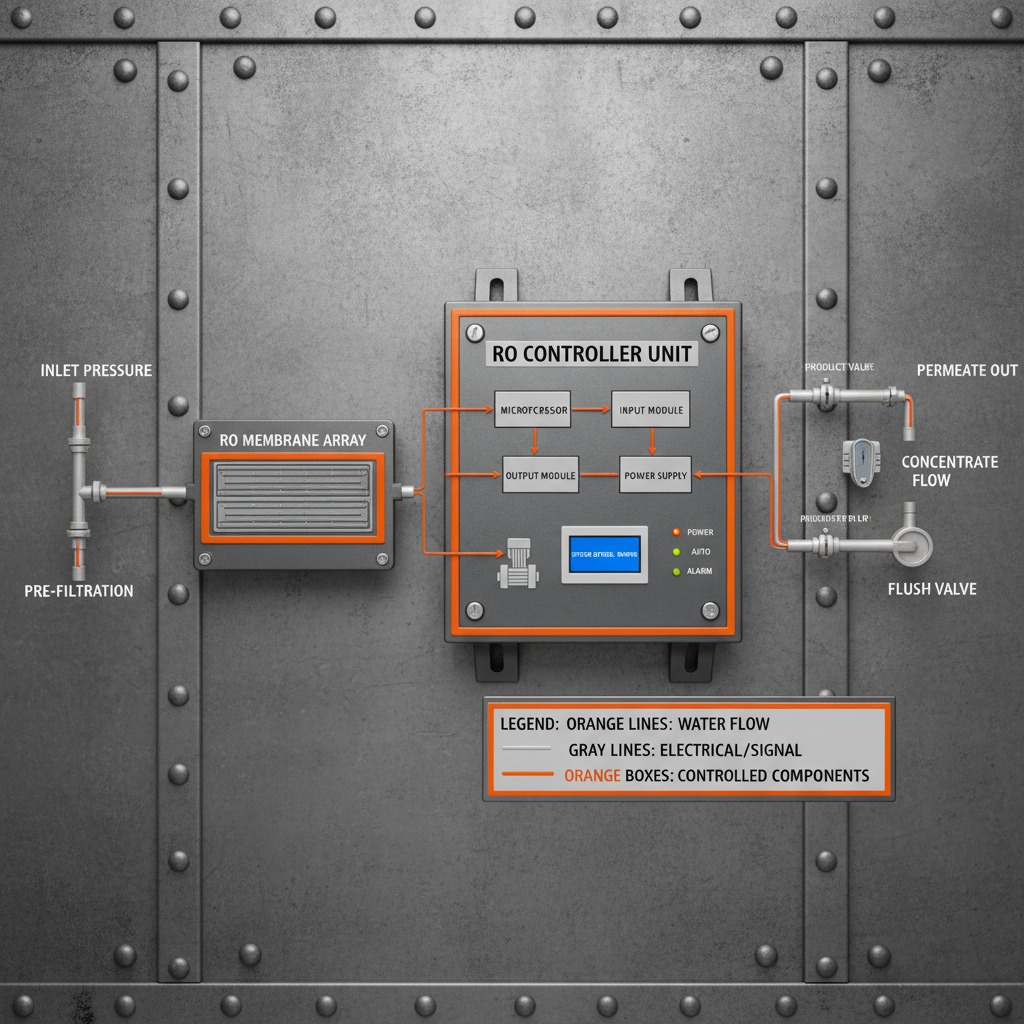
Guide to Choosing the Right RO Controller for Water PurificationMaintaining a high-performance reverse osmosis system requires more than just quality membranes; it demands precise regulation. An ro controller serves as the brain of the entire operation, monitoring critical parameters such as conductivity, temperature, and flow rates to ensure the output water meets stringent purity standards. Without an efficient controller, systems are prone to membrane fouling, inefficient energy use, and inconsistent water quality. In this comprehensive guide, we will explore how these devices optimize water treatment processes and how to select the best model for your specific industrial or commercial needs.
2026-04-09 03:25:47
Guide to Water Purity Using RO with TDS Controller SystemsAchieving the perfect balance of mineral content and purity in drinking water is a challenge for many households and industrial facilities. A ro with tds controller offers a sophisticated solution by combining the rigorous filtration of Reverse Osmosis (RO) with the precision of a Total Dissolved Solids (TDS) adjustment system. While standard RO systems remove almost everything, including beneficial minerals, a TDS controller allows users to re-mineralize the water to a desired level. This ensures that the water is not only safe and pure but also tastes better and provides essential nutrients.
2026-04-07 03:17:09
Understanding and Optimizing Reverse Osmosis Systems with a ControllerIn the world of water purification, reverse osmosis (RO) systems are a cornerstone for producing high-quality water for various applications, from drinking water to industrial processes. However, an RO system is only as effective as its control system. This is where the reverse osmosis controller comes into play. This critical component manages and optimizes the RO process, ensuring efficient operation, water quality, and system longevity.
2026-04-04 03:27:19
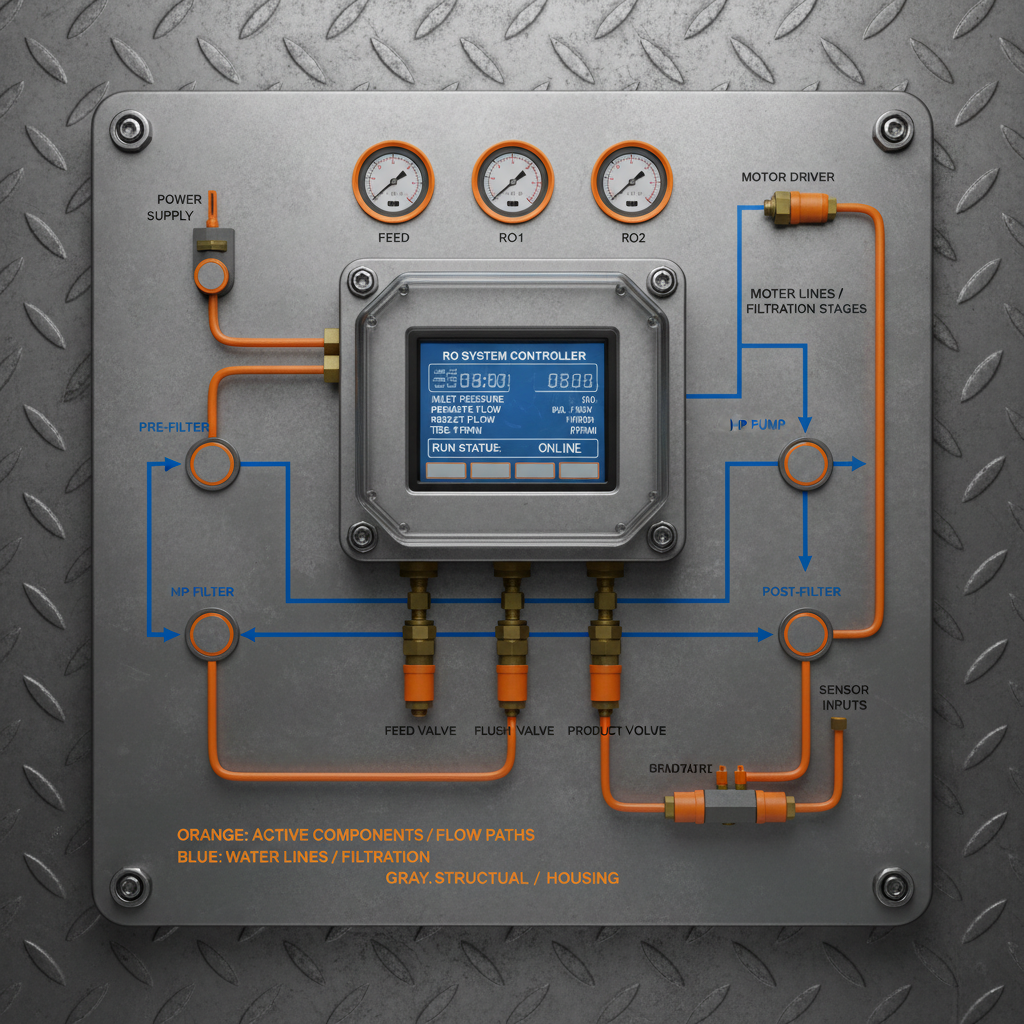
Understanding the Vital Role of an RO System Controller for Optimal PerformanceReverse Osmosis (RO) systems are critical for purifying water across various industries, from residential applications to large-scale industrial processes. At the heart of a well-functioning RO system lies the RO system controller. This intelligent device monitors and regulates all key parameters of the RO process, ensuring optimal performance, efficiency, and water quality. This article delves into the functionalities, benefits, and selection criteria for choosing the right RO system controller, particularly focusing on those offered by Watequipments. Understanding its role is crucial for maximizing the lifespan and effectiveness of your RO investment.
2026-03-24 17:18:24
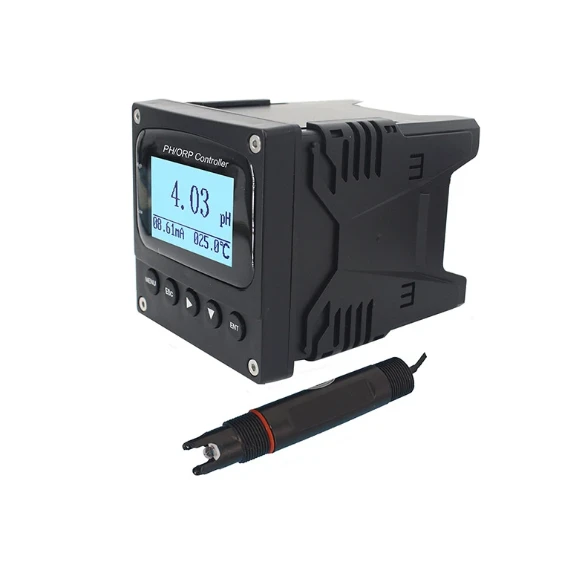
Smart Water Treatment Solutions Using PH ORP Controller SystemsIn modern water treatment and industrial fluid management, maintaining precise chemical balance is essential for safety, efficiency, and regulatory compliance.
2026-03-04 02:55:19
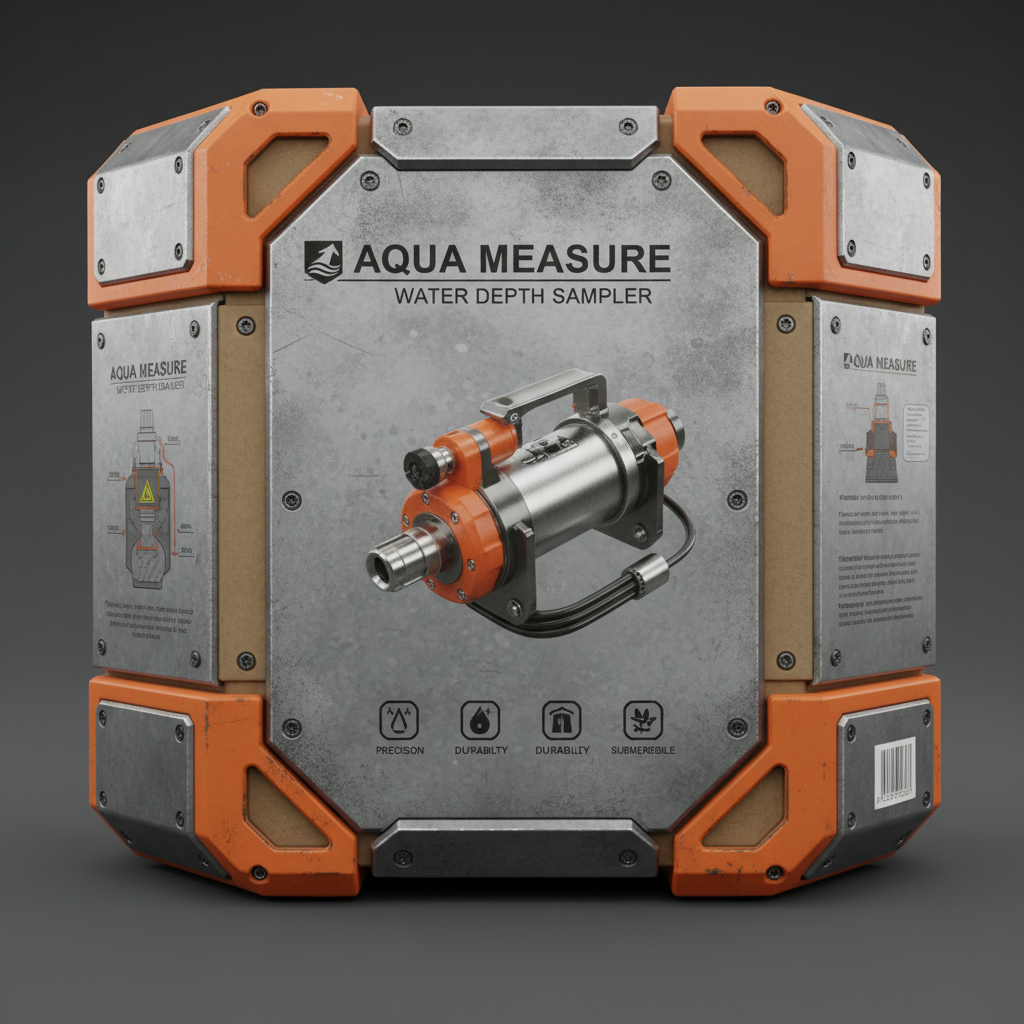
Comprehensive Guide to Water Depth Samplers and Their ApplicationsAccurate water quality monitoring is crucial in various fields, from environmental science and aquaculture to industrial wastewater management. A key tool for this is the water depth sampler. This article provides an in-depth look at water depth samplers, their applications, types, and essential considerations for choosing the right one for your needs. We'll explore the benefits of utilizing this equipment to collect reliable data for analysis and informed decision-making. Selecting the right sampler can significantly improve the precision and efficiency of your water monitoring program. A water depth sampler, also known as a depth-integrated sampler, is a device designed to collect water samples from specific depths within a body of water. Unlike simply dipping a container into the water, a depth sampler allows for collection of a representative sample across a defined depth range. This is critical because water properties (temperature, salinity, pollutants) often vary significantly with depth. The data gathered with a water depth sampler provides a more accurate assessment of water quality than surface samples alone.
2026-03-03 18:55:22
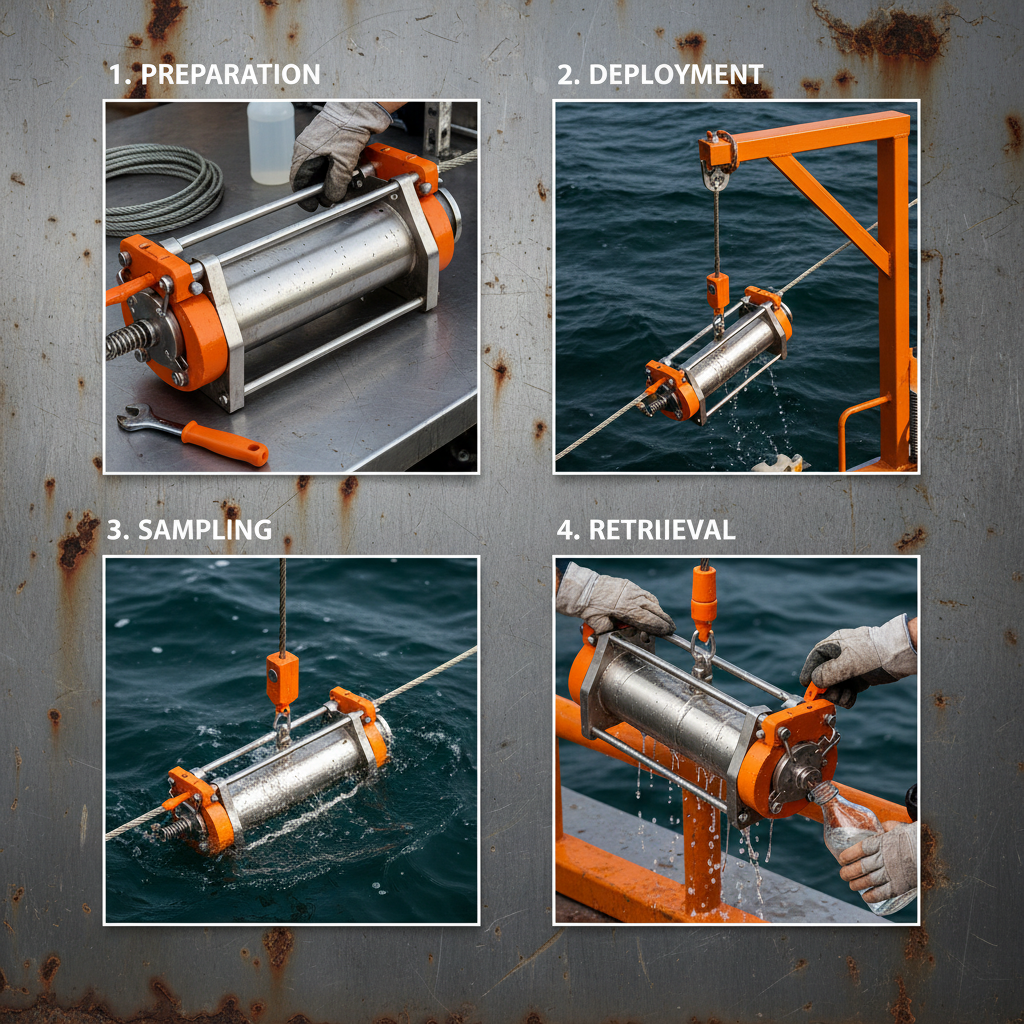
Comprehensive Guide to Horizontal Water Sampler Applications and SelectionCollecting water samples at varying depths is crucial for environmental monitoring, research, and quality control. The horizontal water sampler from Watequipment.com offers a precise and efficient solution for this task. This article provides an in-depth look at horizontal water samplers, their applications, benefits, and key considerations when choosing the right model. We will explore how these samplers contribute to accurate data collection and informed decision-making in various fields. A horizontal water sampler is a device designed to collect water samples from specific depths within a body of water – rivers, lakes, oceans, reservoirs, and even wastewater treatment plants. Unlike vertical samplers which primarily focus on depth, horizontal samplers prioritize collecting samples at a consistent depth while moving along a horizontal plane. This is essential for assessing water quality variations across a waterway or within a specific zone. They are used in applications ranging from environmental monitoring and scientific research to industrial process control and regulatory compliance.
2026-02-28 02:35:09
Comprehensive Guide to Selecting the Right Surface Water Sampler for Your NeedsMonitoring the quality of surface water is critical for environmental protection, public health, and various industrial applications. A surface water sampler is an essential tool for collecting representative samples from rivers, lakes, ponds, and other surface water sources. This article provides a detailed overview of surface water samplers, their types, applications, and key considerations for selecting the right equipment. Accurate water quality data relies on proper sample collection, and choosing the correct sampler is the first step toward achieving reliable results. Surface water samplers come in various designs, each suited to specific sampling needs. Common types include grab samplers, depth-integrating samplers, peristaltic pumps, and automatic samplers. Surface water samplers are used across a broad spectrum of applications, including environmental monitoring, wastewater discharge monitoring, drinking water source monitoring, agricultural runoff analysis, and research studies.

 English