


Reliable Dissolved Oxygen Probes for Accurate Water Quality Monitoring | Water Equipment

Reliable Dissolved Oxygen Probes for Accurate Water Quality Monitoring | Water Equipment
Dec . 15, 2025
The Importance of the Dissolved Oxygen Probe in Today's World
In a world where water quality increasingly dictates both ecosystem health and human livelihood, understanding tools like the dissolved oxygen probe matters immensely. These devices measure how much oxygen is dissolved in water, a critical factor influencing everything from fish survival in rivers to water treatment efficiency in urban settings. Recognizing the nuances of dissolved oxygen (DO) measurement is not just a niche concern for scientists; it resonates with global water sustainability goals and public health standards.
With global freshwater supplies under pressure and pollution on the rise, reliable oxygen sensing supports efforts to preserve aquatic biodiversity and monitor environmental change. In short: knowing how much oxygen is in water can serve as an early warning system, a diagnostic tool, and a benchmark for successful intervention — all of which makes the dissolved oxygen probe an unassuming but vital piece of tech.
The Global Context: Why Dissolved Oxygen Measurement Is More Crucial Than Ever
Worldwide, water bodies are facing unprecedented challenges. According to the United Nations, over 80% of wastewater globally is discharged untreated, leading to depleted oxygen levels harmful to aquatic life. The World Bank highlights that oxygen-depleting contaminants contribute majorly to water pollution, leading to “dead zones” in coastal waters. Here’s the kicker: these hypoxic areas are expanding, threatening fisheries and food security — key pillars of economic and social stability in many regions.
Enter the dissolved oxygen probe as a frontline technology. It's widely used for continuous monitoring in wastewater treatment plants, aquaculture farms, and environmental research stations. Yet despite its obvious significance, inconsistent usage and outdated equipment hamper efforts to catch early signs of oxygen stress in freshwater and marine environments.
To put it plainly, lack of precise dissolved oxygen data can leave industries blind to water quality decline — a big problem in regions depending on clean water for agriculture, drinking supplies, or ecosystem services.
What Exactly Is a Dissolved Oxygen Probe?
Simply put, a dissolved oxygen probe is an instrument designed to measure the amount of oxygen dissolved in a liquid, typically water. It typically consists of a sensor that reacts chemically or electrically to the oxygen in the sample, returning a measurable electrical signal proportional to oxygen concentration.
These devices play pivotal roles across wastewater management, aquaculture, and natural resource conservation. For humanitarian efforts, especially in disaster-affected or drought-prone areas, they help ensure water sources remain safe for consumption and irrigation. In industry, they contribute to process efficiency and regulatory compliance.
Core Components and Essential Features of Dissolved Oxygen Probes
1. Sensor Technology
The two main types are electrochemical (polarographic and galvanic) and optical sensors. Optical probes are gaining traction due to longer life and less maintenance, using luminescence quenching to detect DO levels. Many engineers find optical the “future-proof” option because it’s less prone to fouling and calibration drift.
2. Durability and Materials
Because these probes often sit in harsh environments — think mud, saltwater, or wastewater — strong, corrosion-resistant housings are a must. Usually, materials like stainless steel or high-grade plastics are used. An often-overlooked aspect is cable quality and connector integrity, which affect signal quality over time.
3. Calibration and Maintenance
Frequent calibration ensures reliable readings but can be a hassle in remote or industrial setups. Newer probes offer auto-calibration features or long calibration intervals, which are valuable for operations aiming to reduce downtime.
4. Response Time
In dynamic environments, the probe needs to register changes quickly. In aquaculture, for example, a fish farmer may want near-instant alerts on oxygen swings to avoid fish kills. Response times under 30 seconds are generally considered good.
5. Data Logging and Connectivity
Modern probes integrate with SCADA systems or wireless networks for real-time monitoring and data analytics. Cloud connectivity enables remote diagnostics — particularly handy during pandemic-related travel restrictions when onsite visits are limited.
Typical Product Specifications for Popular Dissolved Oxygen Probes
| Feature | Optical Probe Model X100 | Electrochemical Probe E200 |
|---|---|---|
| Measurement Range | 0–20 mg/L | 0–15 mg/L |
| Accuracy | ±0.1 mg/L | ±0.2 mg/L |
| Response Time | ||
| Calibration Interval | 6 months | 1 month |
| Power Source | Battery / External | External |
Mini takeaway: When selecting a dissolved oxygen probe, sensor type and maintenance frequency often make or break your user experience.
How Different Vendors Stack Up on Dissolved Oxygen Probes
| Vendor | Sensor Types Offered | Pricing | Support / Warranty | Top Industries Served |
|---|---|---|---|---|
| AquaSense | Optical, Electrochemical | Mid-Range | 2 years | Wastewater, Aquaculture |
| HydroTech | Optical Only | Premium | 3 years | Environmental Monitoring |
| EcoMeasure | Electrochemical | Budget | 1 year | Education, Small Farms |
Practical Global Use Cases: Where Dissolved Oxygen Probes Are Making a Difference
From the bustling aquaculture ponds in Southeast Asia to remote river basins in Africa, dissolved oxygen probes play a quiet but critical role. For instance, fish farms use DO probes to monitor oxygen fluctuations that could stress fish, preventing costly die-offs. In wastewater treatment plants across Europe, continuous oxygen monitoring ensures efficient microbial breakdown of pollutants and compliance with environmental regulations.
During humanitarian missions after floods in Pakistan, mobile DO probes helped assess water safety for displaced communities, guiding emergency water treatment decisions. Interestingly, some NGOs have begun integrating these probes into real-time water quality monitoring dashboards — a small step but meaningful in disaster resilience.
Oddly enough, even in developed countries, groundwater contamination sometimes flies under the radar until DO probes highlight unusual chemical activity, helping to pinpoint pollution sources.
Why Invest in a Dissolved Oxygen Probe? Advantages and Value Over Time
- Cost Savings: Early detection means fewer costly interventions later.
- Environmental Sustainability: Supports healthier aquatic ecosystems and regulatory compliance.
- Social Impact: Safer water for communities, reduced fish mortality, and better resource management.
- Reliability & Innovation: New probe technologies reduce maintenance and improve accuracy.
Beyond the numbers, there’s a trust factor — communities and industries can depend on consistent water quality data, which in turn fosters safer, more sustainable practices. It’s innovation that pays off not just in dollars but in dignity.
The Road Ahead: Emerging Trends and Innovations in Dissolved Oxygen Probes
The sensor world is buzzing with miniaturization, digital integration, and green tech. Optical sensors are advancing with even longer lifespans and self-cleaning surfaces inspired by biomimicry. Plus, cloud-based analytics allow real-time predictions of oxygen depletion trends, not just raw data.
Automation is another leap. Imagine probes paired with drones or autonomous underwater vehicles conducting routine water health checks in otherwise inaccessible regions. Partnered with AI for anomaly detection, they could revolutionize environmental monitoring.
Regulatory trends are also driving smarter instrumentation — expecting tighter water quality standards means better probes will soon be mandatory rather than optional.
Common Challenges and How Industry Experts Overcome Them
Despite advances, probes still face issues like biofouling, calibration drift, and harsh environment wear-and-tear. Experts suggest regular maintenance routines, careful site-specific probe selection, and sometimes sacrificial sensing units to extend probe longevity.
New coatings and materials help reduce fouling, but no solution is perfect yet. Training operators is equally important — many errors stem from human factors, oddly enough.
FAQ: Your Top Questions on Dissolved Oxygen Probes
- How often should I calibrate my dissolved oxygen probe?
- Calibration frequency depends on sensor type and use but typically ranges from monthly for electrochemical probes to every 6 months or more for optical sensors. Regular calibration ensures accurate readings and helps detect sensor degradation early.
- Can a dissolved oxygen probe be used in saltwater environments?
- Yes, most DO probes are suitable for both freshwater and saltwater. However, saltwater can accelerate sensor wear, so opt for corrosion-resistant materials and verify compatibility with specific saline ranges.
- What maintenance is required to keep my probe accurate?
- Cleaning sensor membranes to prevent fouling, routine calibration, and checking cable connections are essential. Some advanced probes offer self-cleaning or diagnostic features that alert users when maintenance is required.
- Are optical probes better than electrochemical ones?
- Optical probes generally offer longer life, less maintenance, and faster response, but come at a higher upfront cost. Electrochemical probes are more budget-friendly but require more frequent calibration and replacement of membranes/electrolytes.
- How do I choose the right dissolved oxygen probe for industrial applications?
- Consider environment (wastewater, freshwater, saltwater), required measurement accuracy, maintenance capabilities, and integration needs with data systems. Vendor support and warranty terms also play a big role in long-term satisfaction.
Wrapping Up: Why the Dissolved Oxygen Probe Still Matters
Measuring dissolved oxygen may sound straightforward, but the probe behind it tackles big global challenges—from protecting ecosystems to ensuring water safety for millions. The technology continues to evolve, pushing us toward smarter, more sustainable water management. Whether you’re an aquaculture manager, environmental scientist, or NGO worker, these probes are quietly indispensable tools that help keep water—and life—flowing.
If you want to explore the latest in dissolved oxygen monitoring equipment, take a look at our expertly curated selection at https://www.watequipments.com. Reliable readings lead to informed decisions, which in turn protect communities and environments for decades to come.
References

Related Products
Related News
2026-04-16 03:20:19
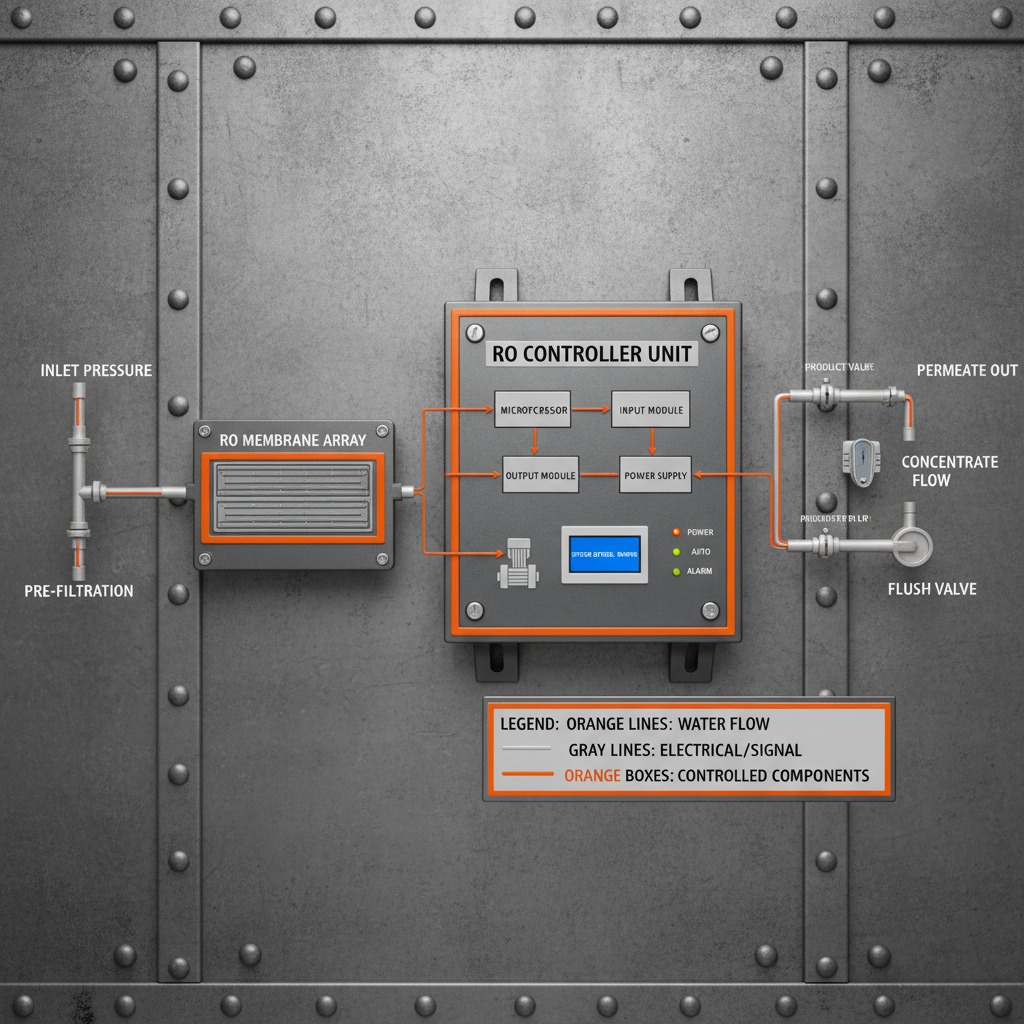
Guide to Choosing the Right RO Controller for Water PurificationMaintaining a high-performance reverse osmosis system requires more than just quality membranes; it demands precise regulation. An ro controller serves as the brain of the entire operation, monitoring critical parameters such as conductivity, temperature, and flow rates to ensure the output water meets stringent purity standards. Without an efficient controller, systems are prone to membrane fouling, inefficient energy use, and inconsistent water quality. In this comprehensive guide, we will explore how these devices optimize water treatment processes and how to select the best model for your specific industrial or commercial needs.
2026-04-09 03:25:47
Guide to Water Purity Using RO with TDS Controller SystemsAchieving the perfect balance of mineral content and purity in drinking water is a challenge for many households and industrial facilities. A ro with tds controller offers a sophisticated solution by combining the rigorous filtration of Reverse Osmosis (RO) with the precision of a Total Dissolved Solids (TDS) adjustment system. While standard RO systems remove almost everything, including beneficial minerals, a TDS controller allows users to re-mineralize the water to a desired level. This ensures that the water is not only safe and pure but also tastes better and provides essential nutrients.
2026-04-07 03:17:09
Understanding and Optimizing Reverse Osmosis Systems with a ControllerIn the world of water purification, reverse osmosis (RO) systems are a cornerstone for producing high-quality water for various applications, from drinking water to industrial processes. However, an RO system is only as effective as its control system. This is where the reverse osmosis controller comes into play. This critical component manages and optimizes the RO process, ensuring efficient operation, water quality, and system longevity.
2026-04-04 03:27:19
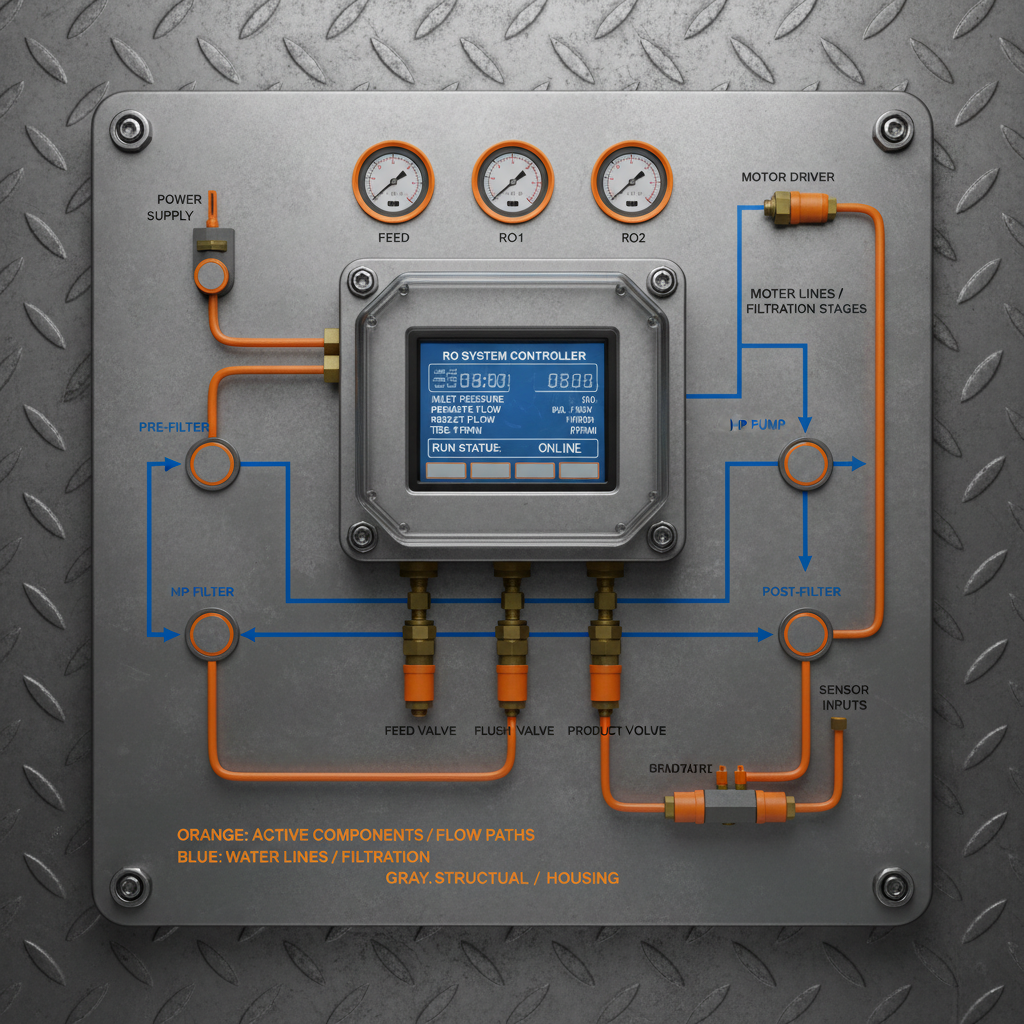
Understanding the Vital Role of an RO System Controller for Optimal PerformanceReverse Osmosis (RO) systems are critical for purifying water across various industries, from residential applications to large-scale industrial processes. At the heart of a well-functioning RO system lies the RO system controller. This intelligent device monitors and regulates all key parameters of the RO process, ensuring optimal performance, efficiency, and water quality. This article delves into the functionalities, benefits, and selection criteria for choosing the right RO system controller, particularly focusing on those offered by Watequipments. Understanding its role is crucial for maximizing the lifespan and effectiveness of your RO investment.
2026-03-24 17:18:24
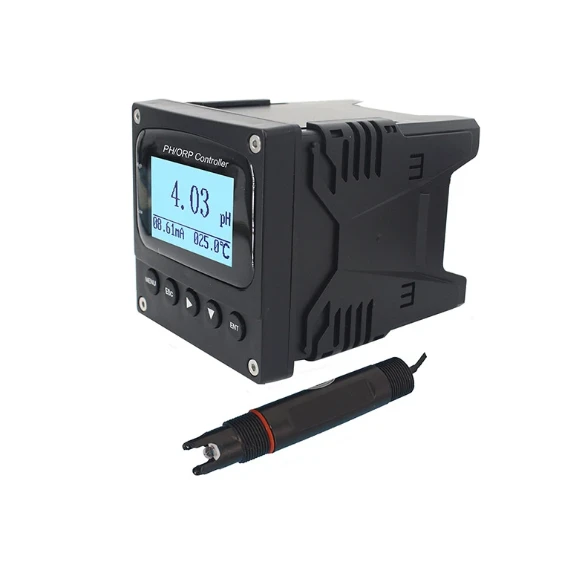
Smart Water Treatment Solutions Using PH ORP Controller SystemsIn modern water treatment and industrial fluid management, maintaining precise chemical balance is essential for safety, efficiency, and regulatory compliance.
2026-03-04 02:55:19
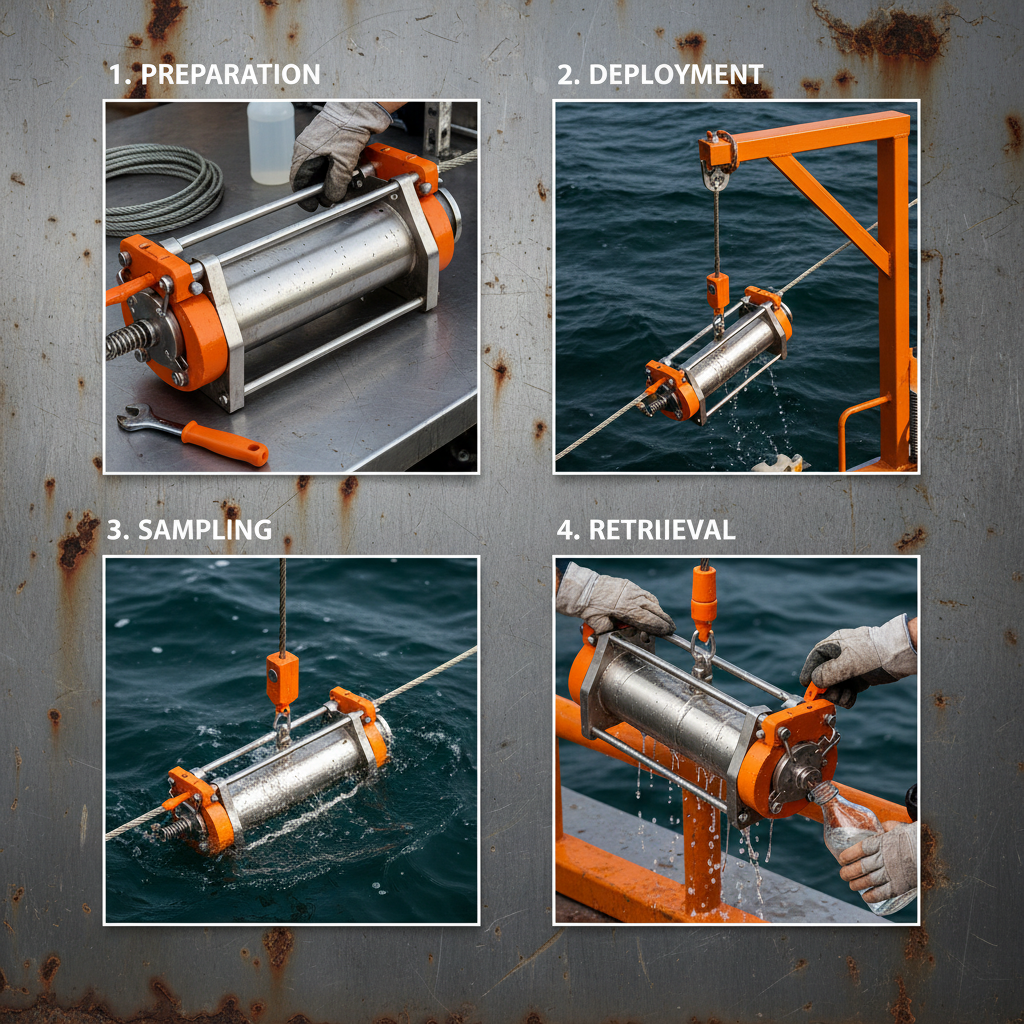
Comprehensive Guide to Water Depth Samplers and Their ApplicationsAccurate water quality monitoring is crucial in various fields, from environmental science and aquaculture to industrial wastewater management. A key tool for this is the water depth sampler. This article provides an in-depth look at water depth samplers, their applications, types, and essential considerations for choosing the right one for your needs. We'll explore the benefits of utilizing this equipment to collect reliable data for analysis and informed decision-making. Selecting the right sampler can significantly improve the precision and efficiency of your water monitoring program. A water depth sampler, also known as a depth-integrated sampler, is a device designed to collect water samples from specific depths within a body of water. Unlike simply dipping a container into the water, a depth sampler allows for collection of a representative sample across a defined depth range. This is critical because water properties (temperature, salinity, pollutants) often vary significantly with depth. The data gathered with a water depth sampler provides a more accurate assessment of water quality than surface samples alone.
2026-03-03 18:55:22
Comprehensive Guide to Horizontal Water Sampler Applications and SelectionCollecting water samples at varying depths is crucial for environmental monitoring, research, and quality control. The horizontal water sampler from Watequipment.com offers a precise and efficient solution for this task. This article provides an in-depth look at horizontal water samplers, their applications, benefits, and key considerations when choosing the right model. We will explore how these samplers contribute to accurate data collection and informed decision-making in various fields. A horizontal water sampler is a device designed to collect water samples from specific depths within a body of water – rivers, lakes, oceans, reservoirs, and even wastewater treatment plants. Unlike vertical samplers which primarily focus on depth, horizontal samplers prioritize collecting samples at a consistent depth while moving along a horizontal plane. This is essential for assessing water quality variations across a waterway or within a specific zone. They are used in applications ranging from environmental monitoring and scientific research to industrial process control and regulatory compliance.
2026-02-28 02:35:09
Comprehensive Guide to Selecting the Right Surface Water Sampler for Your NeedsMonitoring the quality of surface water is critical for environmental protection, public health, and various industrial applications. A surface water sampler is an essential tool for collecting representative samples from rivers, lakes, ponds, and other surface water sources. This article provides a detailed overview of surface water samplers, their types, applications, and key considerations for selecting the right equipment. Accurate water quality data relies on proper sample collection, and choosing the correct sampler is the first step toward achieving reliable results. Surface water samplers come in various designs, each suited to specific sampling needs. Common types include grab samplers, depth-integrating samplers, peristaltic pumps, and automatic samplers. Surface water samplers are used across a broad spectrum of applications, including environmental monitoring, wastewater discharge monitoring, drinking water source monitoring, agricultural runoff analysis, and research studies.

 English