


The Essential Guide to Dissolved Oxygen Meter for Water – Global Uses & Benefits

The Essential Guide to Dissolved Oxygen Meter for Water – Global Uses & Benefits
Dec . 15, 2025
The Global Importance of Measuring Water's Dissolved Oxygen Levels
If you ever tried fishing or simply took a sip from a mountain stream, you’ve experienced, in a direct or indirect way, a bit of nature’s balance. Dissolved oxygen is a silent, invisible cornerstone of life in water bodies. Measuring it precisely with a dissolved oxygen meter for water isn’t just a technical task—it’s essential for ecosystems, industries, and safe drinking water worldwide.
According to the United Nations, over 2 billion people still rely on untreated or unsafe water sources, where oxygen levels can severely impact the safety and biological health of water. Furthermore, the ISO standards highlight oxygen concentration as a key marker for water quality, which in turn affects agriculture, fisheries, and wastewater treatment.
Mini takeaway: Precise dissolved oxygen measurement is a lynchpin for water safety, aquatic health, and sustainable management on a global scale.
Why Does a Dissolved Oxygen Meter Matter Globally?
The fierce truth is, many water systems around the world suffer from pollution, overuse, and climate-related stress. According to the World Bank, nearly 80% of wastewater globally is discharged untreated, leading to reduced oxygen levels and endangering aquatic life. In such an environment, a reliable dissolved oxygen meter for water becomes indispensable to monitor and manage these changes before they spiral out of control.
This sensor technology helps industries, municipalities, and organizations detect early signs of eutrophication, contamination, and pollution. For instance, in Southeast Asia’s aquaculture zones or the Great Lakes of North America, dissolved oxygen meters guide interventions preventing fish kills, preserving biodiversity, or ensuring potable water safety.
What Is a Dissolved Oxygen Meter for Water?
Simply put, a dissolved oxygen meter is a device that measures the amount of oxygen dissolved in water—usually in milligrams per liter or percentage saturation. But behind that simplicity lies complex electrochemical or optical technology that reads the oxygen molecules freely floating in the liquid environment.
These meters can range from handheld instruments to permanently installed probes. Industries from wastewater treatment plants to environmental agencies value them for real-time data that feeds decision-making, compliance reporting, and conservation efforts.
Core Components and Features
1. Sensor Technology
Most dissolved oxygen meters use either electrochemical probes (like Clark-type electrodes) or optical (luminescence) sensors. Electrochemical sensors consume oxygen during measurement, requiring regular calibration and maintenance, while optical sensors offer longer lifespans and reduced interference.
2. Durability and Water Resistance
Because these meters often operate in harsh aquatic environments, durability is paramount. Many models come with waterproof housings and robust cables, sometimes with built-in antifouling measures to prevent algae buildup.
3. Portability and Ease of Use
Mobility is key for field work. Handheld meters allow technicians and researchers to carry devices easily between sites. Intuitive interfaces and quick calibration have become industry norms—after all, data is no good if it's inaccessible or inaccurate.
4. Data Logging and Connectivity
Modern meters often include onboard data storage and wireless or USB connectivity. This way, readings can be tracked over time and integrated with broader monitoring systems, critical for longitudinal studies or quality control audits.
5. Cost Efficiency & Maintenance
While optical sensors tend to be pricier upfront, their longer intervals between replacement and less frequent calibration can mean lower long-term costs. Users must balance budget with operational needs—the old “you get what you pay for” applies here.
Mini takeaway: Sensor choice, durability, portability, connectivity, and costs are the pillars that define which dissolved oxygen meter fits a given application.
Real-World Applications and Who Uses Them
From metropolitan sewage plants in Europe to remote Southeast Asian aquaculture farms, dissolved oxygen meters find home in a diverse array of places:
- Environmental Monitoring Groups: Track water body health to prevent toxic algal blooms and protect fish populations.
- Water Treatment Plants: Fine-tune aeration processes ensuring clean water outputs meet regulatory guidelines.
- Aquaculture: Maintain oxygen levels that optimize fish growth and reduce mortality rates.
- Research and Academia: Study oxygen dynamics as part of climate change and pollution impact assessments.
- Disaster Relief Teams: Quickly assess water quality post-flood or contamination events to ensure community safety.
For example, in the aftermath of recent floods in Louisiana, emergency responders used portable dissolved oxygen meters to identify stagnant areas prone to bacterial growth and unsafe drinking water supplies. Additionally, in Scandinavian salmon farms, automated sensors provide 24/7 monitoring to adjust oxygenation systems immediately.
Quick Specs Comparison of a Typical Mid-Range Dissolved Oxygen Meter
| Feature | Details |
|---|---|
| Measurement Range | 0–20 mg/L |
| Accuracy | ±0.1 mg/L |
| Sensor Type | Optical Luminescence |
| Battery Life | 10+ hours (rechargeable) |
| Data Storage | Up to 10,000 readings |
| Waterproof Rating | IP67 |
How Do Different Vendors Stack Up?
| Vendor | Main Technology | Price Range | Key Strength |
|---|---|---|---|
| Hanna Instruments | Optical | $$$ | High accuracy, rugged design |
| YSI (Xylem) | Electrochemical and Optical | $$$ | Industry-standard reliability & support |
| Extech | Electrochemical | $-$$ | Affordable, user-friendly |
| Hach | Optical | $$$ | Integration with water quality networks |
Long-Term Benefits of Using a Dissolved Oxygen Meter for Water
The benefits are diverse, from immediate safety gains to long-term sustainability and cost savings. A reliable meter reduces the risk of emerging waterborne diseases and fish kills, bolstering public health and local economies. The easy availability of data fosters trust between communities and regulators—a social dividend you don’t always see in tech specs.
In sustainability terms, timely oxygen measurement helps optimize aeration processes in wastewater and aquaculture, reducing energy consumption and chemical use. The emotional relief gained by knowing the water is safe—especially in vulnerable communities—is huge, and frankly, sometimes overlooked.
The Future of Dissolved Oxygen Measurement: Where Are We Headed?
Innovations are making dissolved oxygen meters smarter, smaller, and more connected. Emerging tech includes IoT-enabled probes that continuously upload data to cloud platforms, applying AI algorithms to predict oxygen depletion events before they happen. Simultaneously, green sensor materials and solar-powered monitoring stations are becoming test cases for sustainable water management.
Digital transformations also mean less manual calibration and faster deployments. Imagine drones carrying mini-sensors over lakes or rivers for rapid surveys, or automated systems integrating oxygen meters with water treatment controls seamlessly.
Common Challenges and How Experts Address Them
Of course, it’s not all perfect. Electrochemical sensors wear out faster, and all types require proper calibration to stay accurate. Biofouling, where marine organisms grow on sensor surfaces, can distort readings and increase maintenance. Addressing these challenges involves regular cleaning, antifouling coatings, and selecting the right sensor tech for the environment. Many engineers I know advocate combining sensor data with cross-checked manual tests to maintain confidence in readings.
FAQ — Your Questions About Dissolved Oxygen Meters Answered
1. How often should I calibrate my dissolved oxygen meter?
Calibration frequency depends on sensor type and usage. Optical sensors generally require calibration every one to three months, while electrochemical probes might need weekly checks, especially in harsh conditions. Regular calibration ensures accurate, reliable data, vital for compliance and safety.
2. Can dissolved oxygen meters work in freezing or highly turbulent waters?
Yes, but specialized models with robust housings and temperature compensation are needed. Turbulence can actually improve oxygen availability but may affect sensor stability. Some meters include damping features or installation designs that mitigate fluctuations for steady readings.
3. Are optical dissolved oxygen meters more expensive than electrochemical ones?
Typically, yes. Optical sensors have a higher upfront cost but often lower maintenance and longer lifespan, making them cost-effective over time. Electrochemical meters are cheaper initially but require more frequent probe replacement and calibration.
4. Can I use a dissolved oxygen meter for both freshwater and seawater?
Most meters work in both media, but they require salinity compensation because saltwater affects oxygen solubility. Many devices offer seawater-specific calibration modes or accessories to ensure precise measurements.
5. What industries rely most on dissolved oxygen meters?
Water treatment, aquaculture, environmental monitoring, agriculture, and even science research departments worldwide rely on these meters to uphold water quality standards and operational efficiency.
Wrapping Up: Why Investing in a Dissolved Oxygen Meter for Water Pays Off
At the end of the day, a dissolved oxygen meter is more than a gadget; it’s a guardian of health—both ecological and human. Whether you’re managing a fish hatchery or protecting a city’s water supply, the data these meters provide translate into better decisions and safer environments.
If you’re interested in exploring the full range of reliable, field-tested dissolved oxygen meters, visit our website for in-depth info and buying guides.
References:

Related Products
Related News
2026-04-16 03:20:19
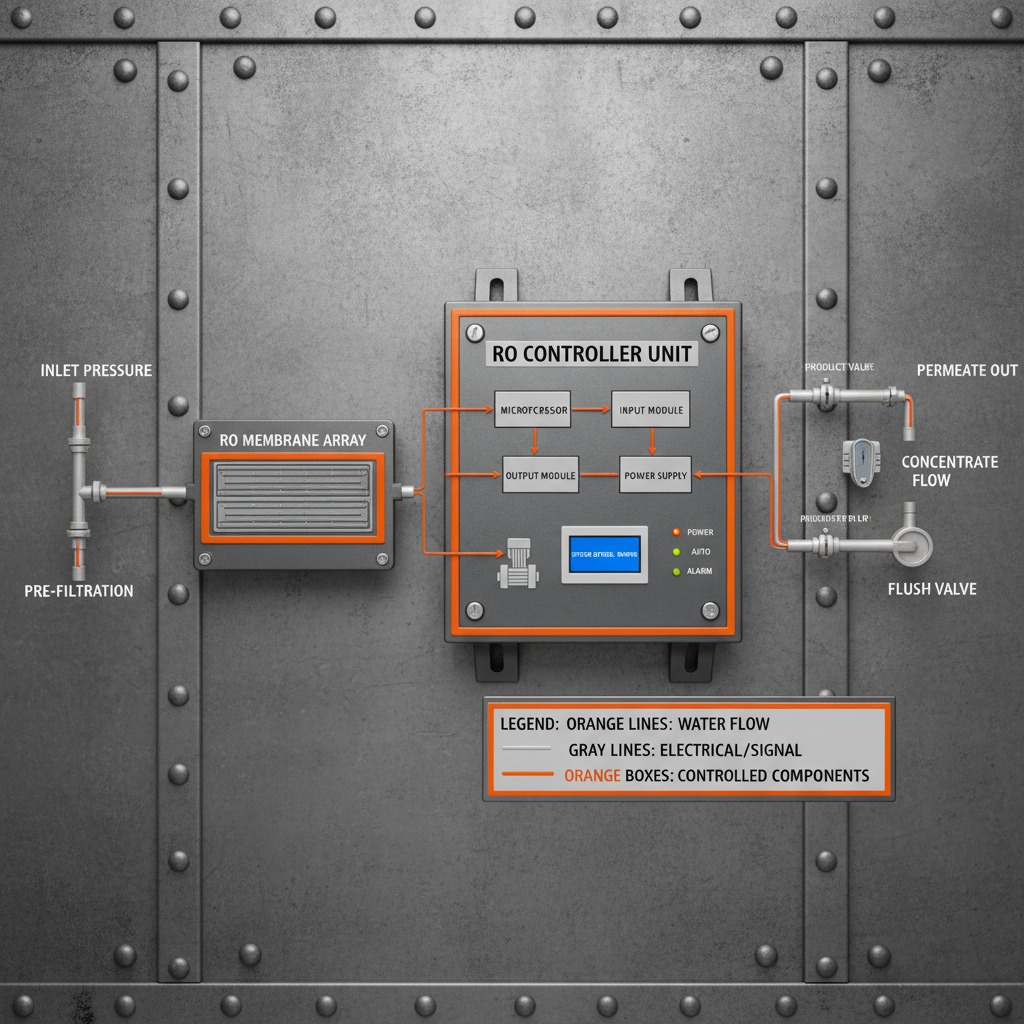
Guide to Choosing the Right RO Controller for Water PurificationMaintaining a high-performance reverse osmosis system requires more than just quality membranes; it demands precise regulation. An ro controller serves as the brain of the entire operation, monitoring critical parameters such as conductivity, temperature, and flow rates to ensure the output water meets stringent purity standards. Without an efficient controller, systems are prone to membrane fouling, inefficient energy use, and inconsistent water quality. In this comprehensive guide, we will explore how these devices optimize water treatment processes and how to select the best model for your specific industrial or commercial needs.
2026-04-09 03:25:47
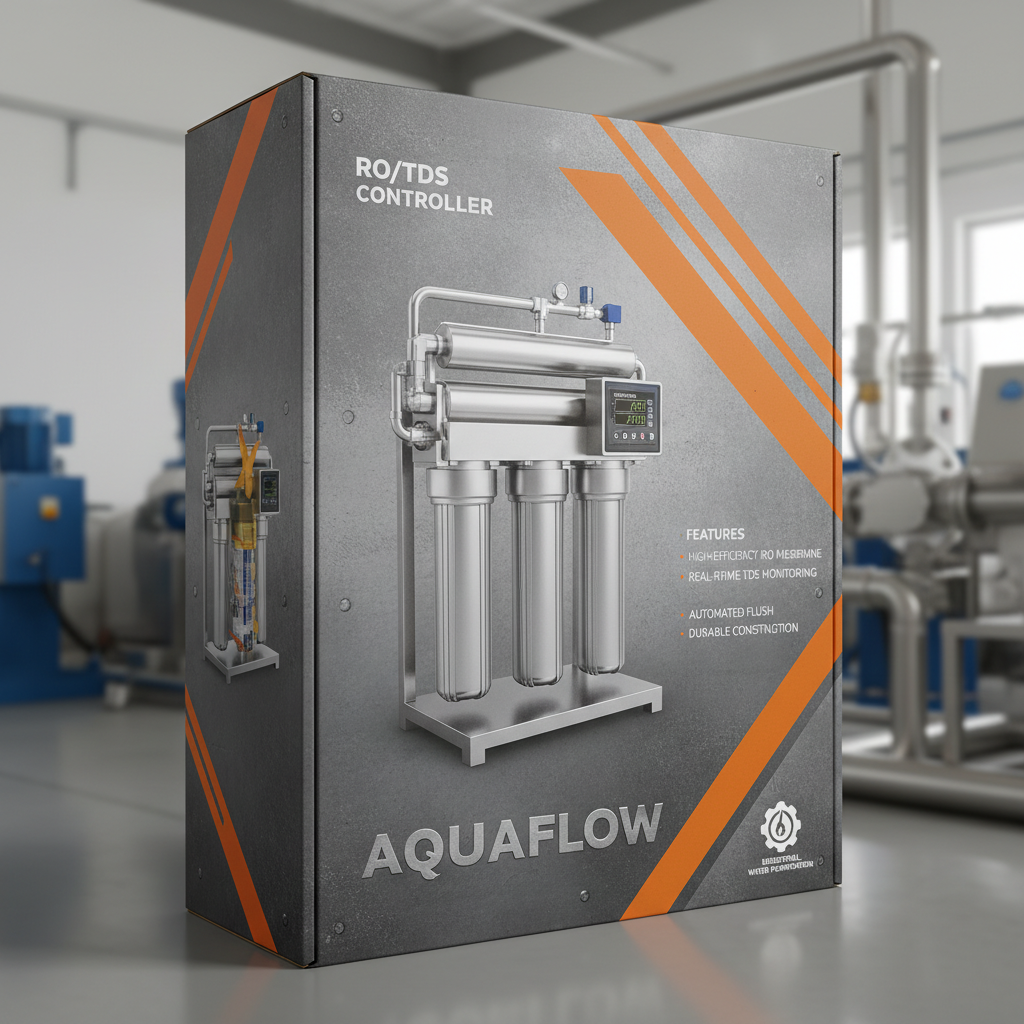
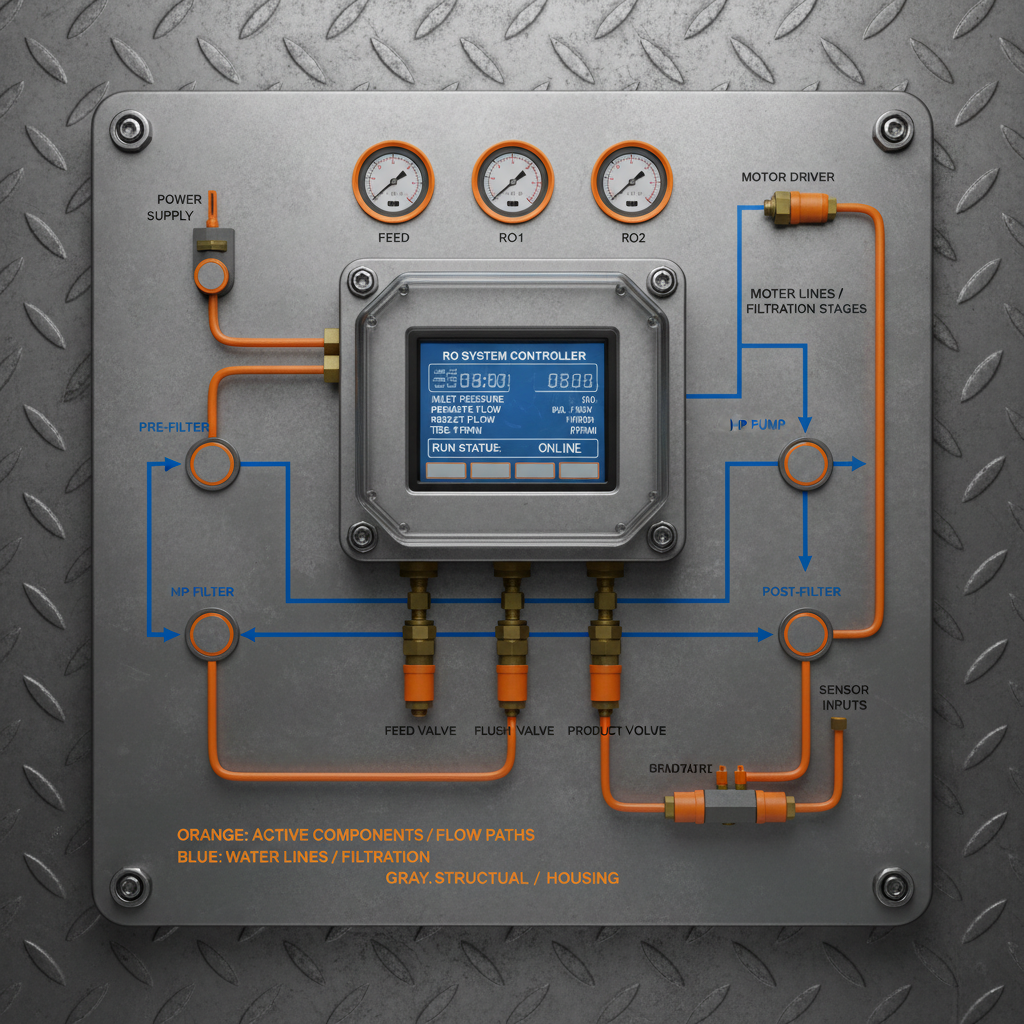
Guide to Water Purity Using RO with TDS Controller SystemsAchieving the perfect balance of mineral content and purity in drinking water is a challenge for many households and industrial facilities. A ro with tds controller offers a sophisticated solution by combining the rigorous filtration of Reverse Osmosis (RO) with the precision of a Total Dissolved Solids (TDS) adjustment system. While standard RO systems remove almost everything, including beneficial minerals, a TDS controller allows users to re-mineralize the water to a desired level. This ensures that the water is not only safe and pure but also tastes better and provides essential nutrients.
2026-04-07 03:17:09
Understanding and Optimizing Reverse Osmosis Systems with a ControllerIn the world of water purification, reverse osmosis (RO) systems are a cornerstone for producing high-quality water for various applications, from drinking water to industrial processes. However, an RO system is only as effective as its control system. This is where the reverse osmosis controller comes into play. This critical component manages and optimizes the RO process, ensuring efficient operation, water quality, and system longevity.
2026-04-04 03:27:19
Understanding the Vital Role of an RO System Controller for Optimal PerformanceReverse Osmosis (RO) systems are critical for purifying water across various industries, from residential applications to large-scale industrial processes. At the heart of a well-functioning RO system lies the RO system controller. This intelligent device monitors and regulates all key parameters of the RO process, ensuring optimal performance, efficiency, and water quality. This article delves into the functionalities, benefits, and selection criteria for choosing the right RO system controller, particularly focusing on those offered by Watequipments. Understanding its role is crucial for maximizing the lifespan and effectiveness of your RO investment.
2026-03-24 17:18:24
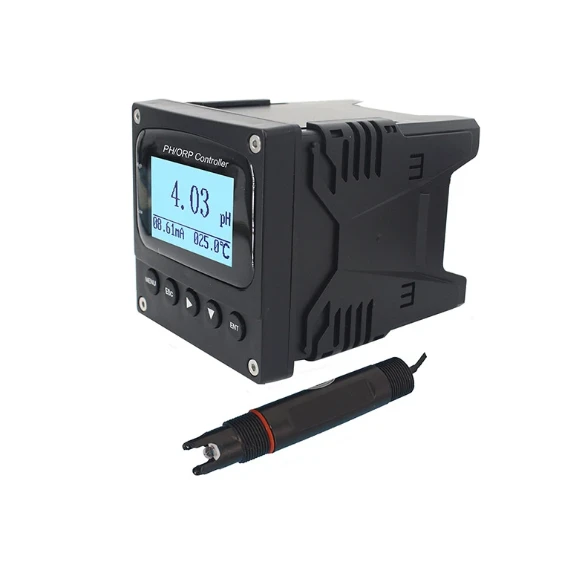
Smart Water Treatment Solutions Using PH ORP Controller SystemsIn modern water treatment and industrial fluid management, maintaining precise chemical balance is essential for safety, efficiency, and regulatory compliance.
2026-03-04 02:55:19
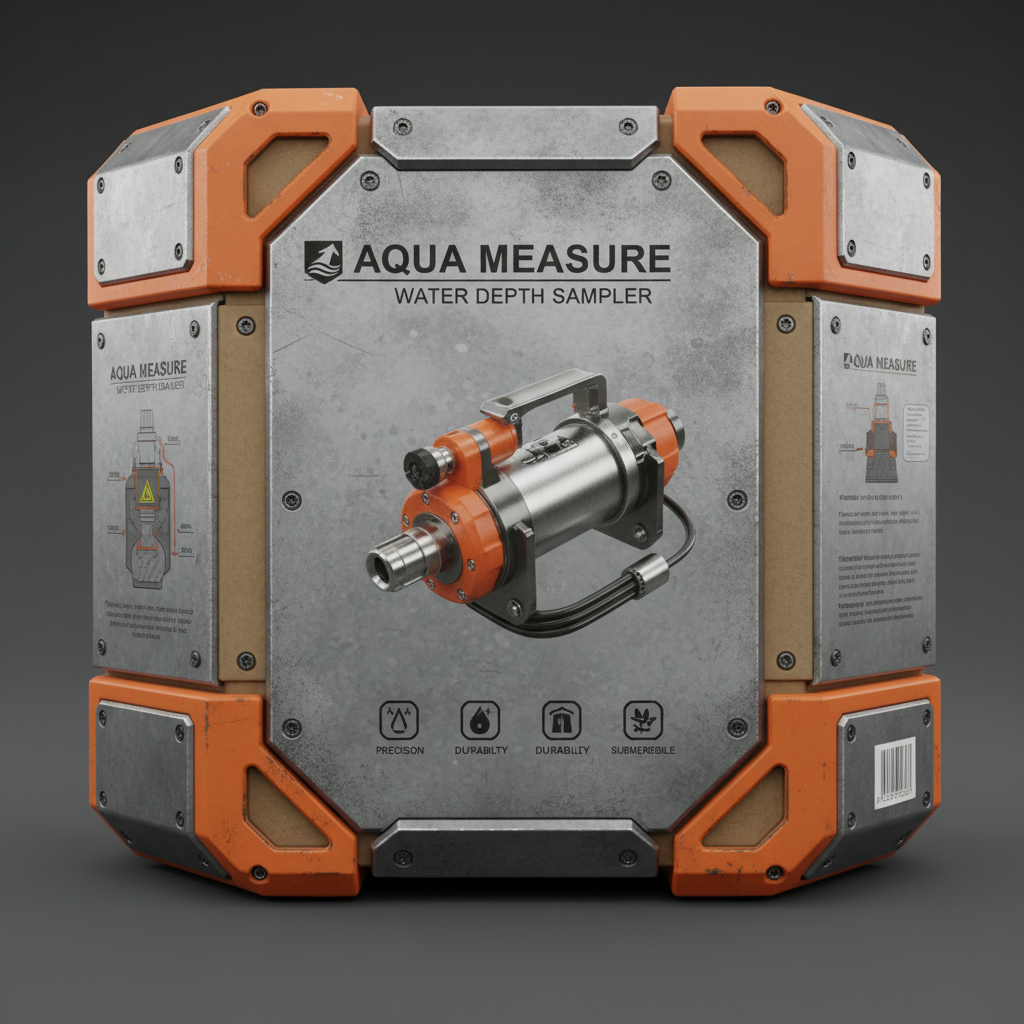
Comprehensive Guide to Water Depth Samplers and Their ApplicationsAccurate water quality monitoring is crucial in various fields, from environmental science and aquaculture to industrial wastewater management. A key tool for this is the water depth sampler. This article provides an in-depth look at water depth samplers, their applications, types, and essential considerations for choosing the right one for your needs. We'll explore the benefits of utilizing this equipment to collect reliable data for analysis and informed decision-making. Selecting the right sampler can significantly improve the precision and efficiency of your water monitoring program. A water depth sampler, also known as a depth-integrated sampler, is a device designed to collect water samples from specific depths within a body of water. Unlike simply dipping a container into the water, a depth sampler allows for collection of a representative sample across a defined depth range. This is critical because water properties (temperature, salinity, pollutants) often vary significantly with depth. The data gathered with a water depth sampler provides a more accurate assessment of water quality than surface samples alone.
2026-03-03 18:55:22
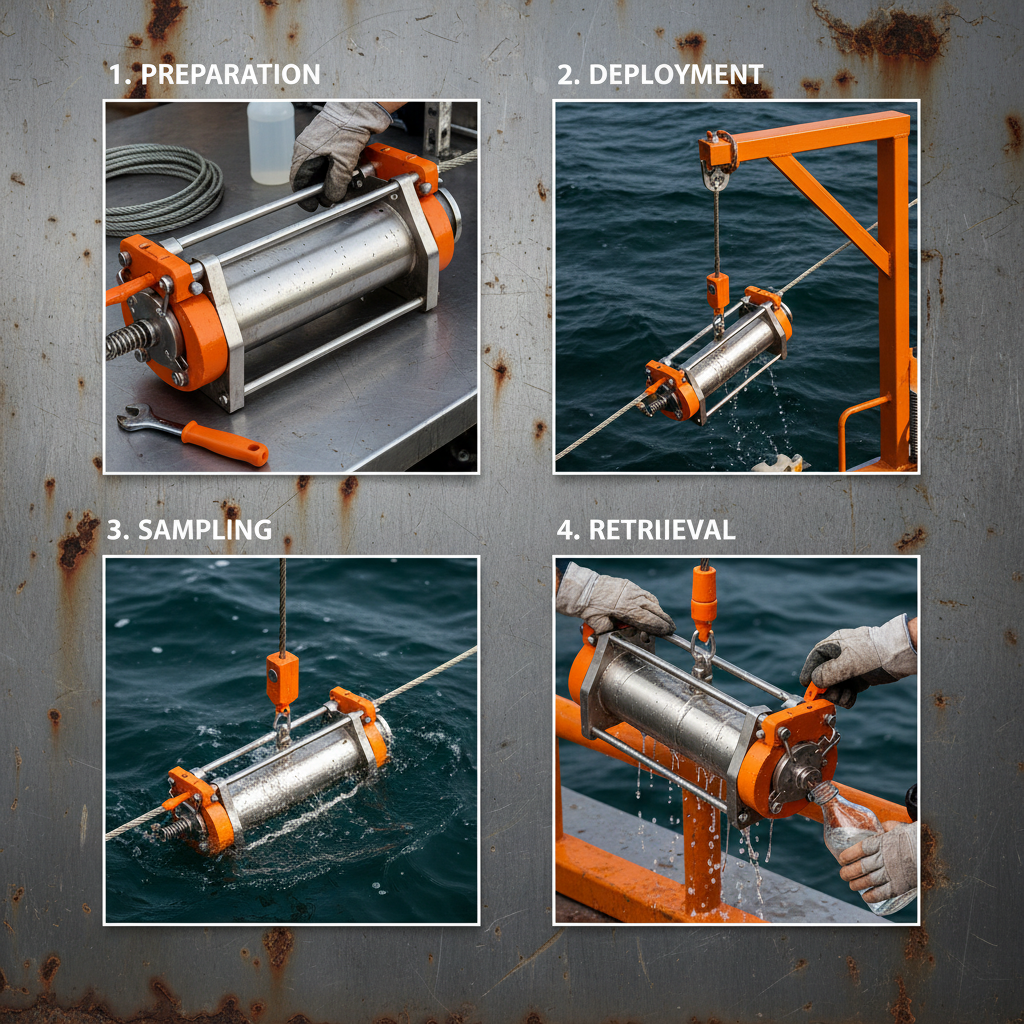
Comprehensive Guide to Horizontal Water Sampler Applications and SelectionCollecting water samples at varying depths is crucial for environmental monitoring, research, and quality control. The horizontal water sampler from Watequipment.com offers a precise and efficient solution for this task. This article provides an in-depth look at horizontal water samplers, their applications, benefits, and key considerations when choosing the right model. We will explore how these samplers contribute to accurate data collection and informed decision-making in various fields. A horizontal water sampler is a device designed to collect water samples from specific depths within a body of water – rivers, lakes, oceans, reservoirs, and even wastewater treatment plants. Unlike vertical samplers which primarily focus on depth, horizontal samplers prioritize collecting samples at a consistent depth while moving along a horizontal plane. This is essential for assessing water quality variations across a waterway or within a specific zone. They are used in applications ranging from environmental monitoring and scientific research to industrial process control and regulatory compliance.
2026-02-28 02:35:09
Comprehensive Guide to Selecting the Right Surface Water Sampler for Your NeedsMonitoring the quality of surface water is critical for environmental protection, public health, and various industrial applications. A surface water sampler is an essential tool for collecting representative samples from rivers, lakes, ponds, and other surface water sources. This article provides a detailed overview of surface water samplers, their types, applications, and key considerations for selecting the right equipment. Accurate water quality data relies on proper sample collection, and choosing the correct sampler is the first step toward achieving reliable results. Surface water samplers come in various designs, each suited to specific sampling needs. Common types include grab samplers, depth-integrating samplers, peristaltic pumps, and automatic samplers. Surface water samplers are used across a broad spectrum of applications, including environmental monitoring, wastewater discharge monitoring, drinking water source monitoring, agricultural runoff analysis, and research studies.

 English