


Solenoid Valve | Reliable, Fast-Acting, Leak-Tight Control

Solenoid Valve | Reliable, Fast-Acting, Leak-Tight Control
Dec . 13, 2025
Solenoid Valve is a key solution in the General equipment manufacturing industry, specifically within Manufacturing of pumps, valves, compressors, and similar machinery and Valve manufacturing. This article explores how Hebei JIRS Import & Export Co., Ltd. supports professionals with durable, high-performance products, and explains why this product is an ideal choice for businesses in these sectors.
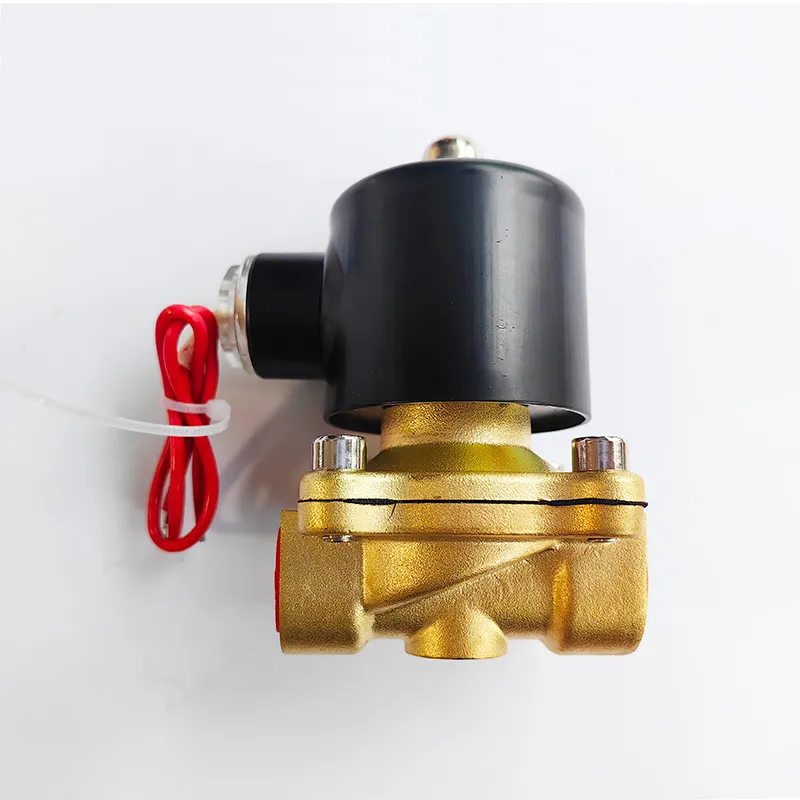
Table of Contents
- Solenoid Valve Overview
- Benefits & Use Cases of Solenoid Valve in Valve manufacturing
- Cost, Maintenance & User Experience
- Sustainability & Market Trends in General equipment manufacturing industry
- Conclusion on Solenoid Valve from Hebei JIRS Import & Export Co., Ltd.
Solenoid Valve Overview
A solenoid valve is an electromechanically actuated valve that uses a coil and plunger to open or close the flow path for liquids or gases. In the General equipment manufacturing industry—particularly within pump, compressor, and valve manufacturing—this compact component enables precise, automated control of media in skids, assemblies, and process lines. Typical configurations include 2/2-way (normally closed or normally open) and 3/2-way direct-acting or pilot-operated designs, with body materials such as brass or stainless steel and seal options like NBR, EPDM, or FKM to suit water, air, light oils, and compatible chemicals.
Available selections generally cover common port sizes (e.g., G/NPT from 1/8" upwards), voltage options (12/24 VDC, 110/220 VAC), moisture-resistant encapsulated coils, and DIN-style connectors for fast maintenance. Response times are fast by design, supporting tight cycle control in automated equipment. As a reliable manufacturer and supplier, Hebei JIRS Import & Export Co., Ltd. emphasizes consistent quality, traceable materials, and application-driven customization, helping OEMs integrate the right Solenoid Valve specification into demanding assemblies with minimal engineering friction.
Benefits & Use Cases of Solenoid Valve in Valve manufacturing
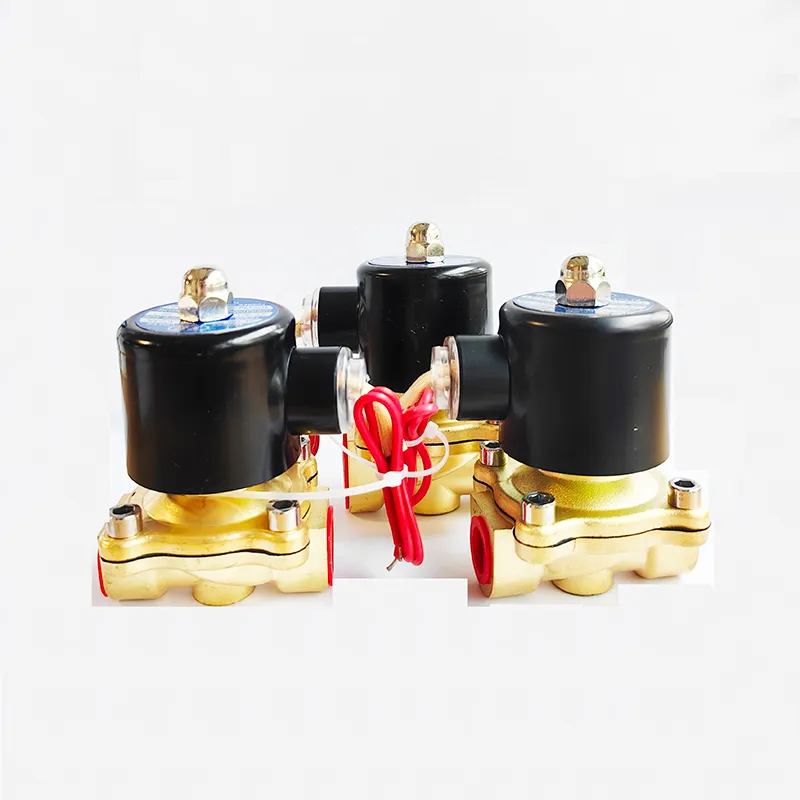
In valve manufacturing, Solenoid Valves are integral to pilot control circuits, pressure and leak test benches, lubrication and cooling loops, pneumatic actuation, purge and blow-off lines, dosing modules, and utilities (air, nitrogen, water). Their compact form factor and rapid actuation enable OEMs to design tighter manifolds, shorten panel depth, and improve response times for sequencing and interlocks. Engineers benefit from modular coils, manual overrides for commissioning, and standardized connectors that reduce wiring complexity and speed up assembly.
- Competitive advantages: fast response, low internal leakage, long cycle life, and broad media compatibility via multiple body and seal options.
- Design flexibility: normally closed/normal open options, direct-acting for zero-differential applications, pilot-operated for higher flow, and multiple port sizes.
- Production-ready: Hebei JIRS Import & Export Co., Ltd. supports OEM labeling, kitting, and application matching to streamline your bill of materials.
Cost, Maintenance & User Experience
Total cost of ownership for a Solenoid Valve hinges on reliability, energy draw, and serviceability. Energy-efficient coils help reduce operating costs in 24/7 systems, while durable materials and robust seat designs extend life in cycling applications. From a maintenance standpoint, field-replaceable coils and straightforward seat/seal access keep mean time to repair low and spares inventory simple. Many users standardize on a small set of coil voltages and connector styles to simplify stock and technician training.
- Durability and ROI: Quality construction supports long service intervals, which reduces unplanned downtime and improves ROI on automated lines and test stations.
- Industry feedback: Customers in the pumps, compressors, and valves segment value stable lead times, consistent performance across batches, and clear documentation—areas where Hebei JIRS Import & Export Co., Ltd. focuses to support predictable, low-risk procurement.
Sustainability & Market Trends in General equipment manufacturing industry
Sustainability is increasingly central to equipment design and sourcing decisions. Low-power coils help cut energy consumption at the machine level, while durable Solenoid Valves extend replacement cycles and reduce waste. There is growing demand for lead-free brass options, material traceability, and components that align with common environmental directives where applicable. On the market side, Industry 4.0 is pushing for smarter fluid control, faster commissioning, and standardization to compress engineering time-to-value.
- Hebei JIRS Import & Export Co., Ltd. takes a forward-looking approach—emphasizing efficient designs, robust QA, and application guidance that supports compliance goals and lifecycle sustainability.
- Trend alignment: flexible configurations, media-ready seals, and practical documentation help OEMs meet evolving standards while keeping assembly workflows efficient.
Conclusion on Solenoid Valve from Hebei JIRS Import & Export Co., Ltd.
For B2B decision makers in the General equipment manufacturing industry, the Solenoid Valve remains a compact, dependable way to enable precise, automated control across pump, compressor, and valve applications. Hebei JIRS Import & Export Co., Ltd. delivers the balance of quality, configurability, and service that OEMs need to design reliable systems, simplify maintenance, and manage risk. Whether you require standard units or application-matched configurations, the team is ready to support your next build.
- Contact us: email: info@watequipment.com
- Visit our website: https://www.watequipments.com
- View the product: https://www.watequipments.com/solenoid-valve.html

Related Products
Related News
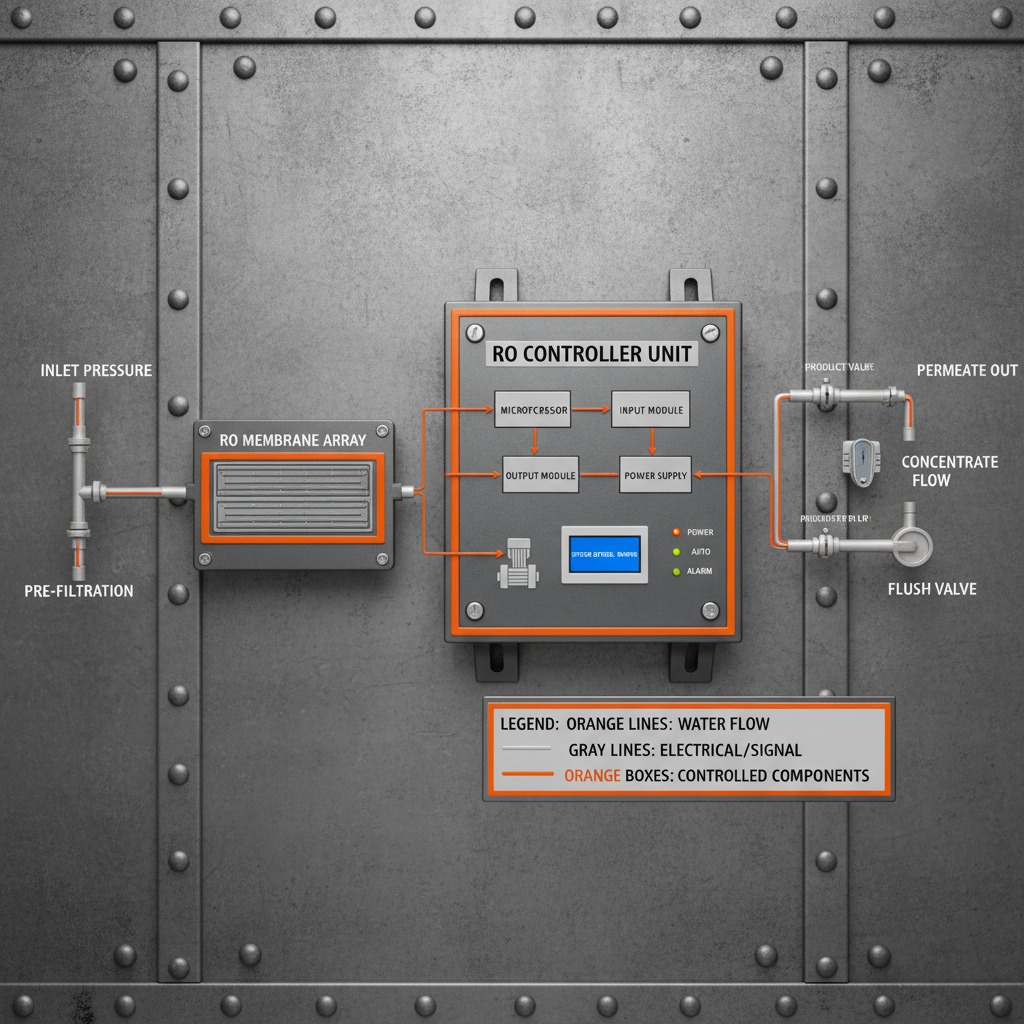
2026-04-16 03:20:19
Guide to Choosing the Right RO Controller for Water PurificationMaintaining a high-performance reverse osmosis system requires more than just quality membranes; it demands precise regulation. An ro controller serves as the brain of the entire operation, monitoring critical parameters such as conductivity, temperature, and flow rates to ensure the output water meets stringent purity standards. Without an efficient controller, systems are prone to membrane fouling, inefficient energy use, and inconsistent water quality. In this comprehensive guide, we will explore how these devices optimize water treatment processes and how to select the best model for your specific industrial or commercial needs.
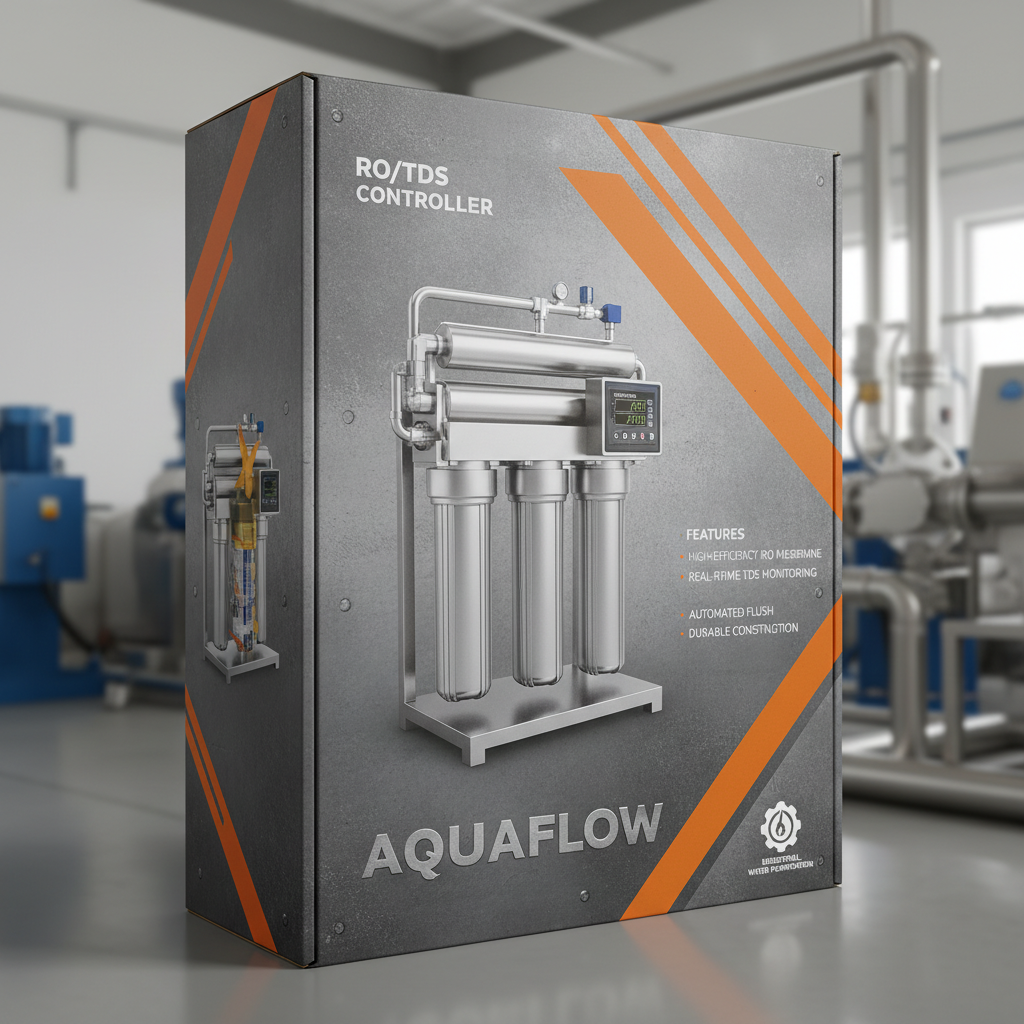
2026-04-09 03:25:47
Guide to Water Purity Using RO with TDS Controller SystemsAchieving the perfect balance of mineral content and purity in drinking water is a challenge for many households and industrial facilities. A ro with tds controller offers a sophisticated solution by combining the rigorous filtration of Reverse Osmosis (RO) with the precision of a Total Dissolved Solids (TDS) adjustment system. While standard RO systems remove almost everything, including beneficial minerals, a TDS controller allows users to re-mineralize the water to a desired level. This ensures that the water is not only safe and pure but also tastes better and provides essential nutrients.
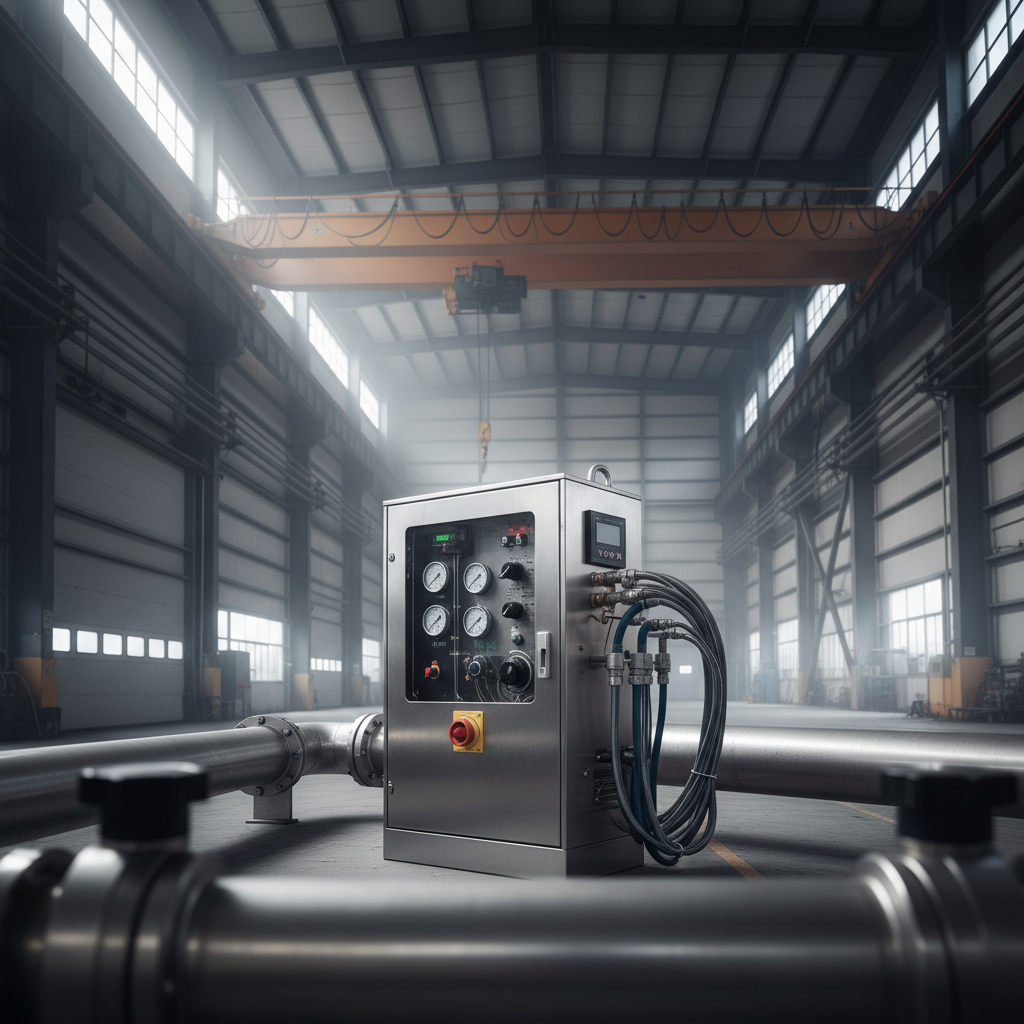
2026-04-07 03:17:09
Understanding and Optimizing Reverse Osmosis Systems with a ControllerIn the world of water purification, reverse osmosis (RO) systems are a cornerstone for producing high-quality water for various applications, from drinking water to industrial processes. However, an RO system is only as effective as its control system. This is where the reverse osmosis controller comes into play. This critical component manages and optimizes the RO process, ensuring efficient operation, water quality, and system longevity.
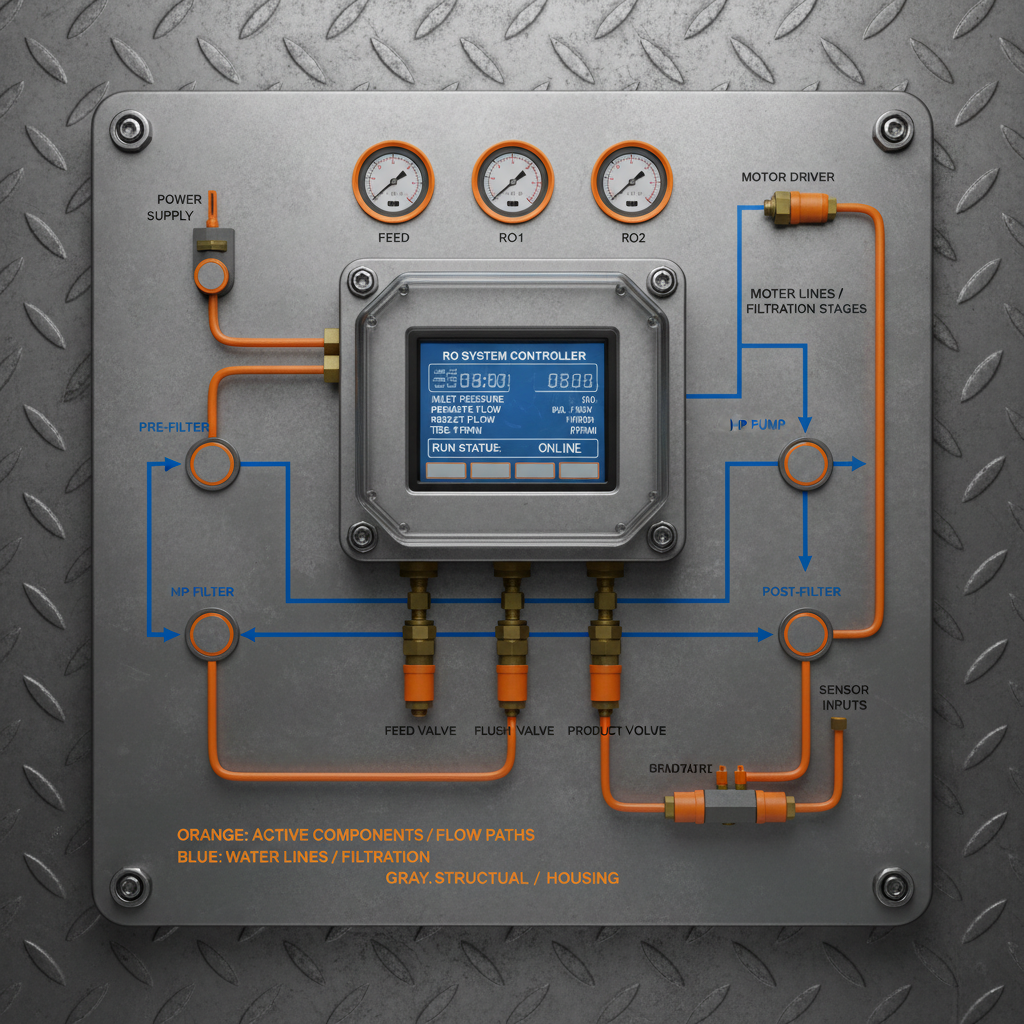
2026-04-04 03:27:19
Understanding the Vital Role of an RO System Controller for Optimal PerformanceReverse Osmosis (RO) systems are critical for purifying water across various industries, from residential applications to large-scale industrial processes. At the heart of a well-functioning RO system lies the RO system controller. This intelligent device monitors and regulates all key parameters of the RO process, ensuring optimal performance, efficiency, and water quality. This article delves into the functionalities, benefits, and selection criteria for choosing the right RO system controller, particularly focusing on those offered by Watequipments. Understanding its role is crucial for maximizing the lifespan and effectiveness of your RO investment.
2026-03-24 17:18:24
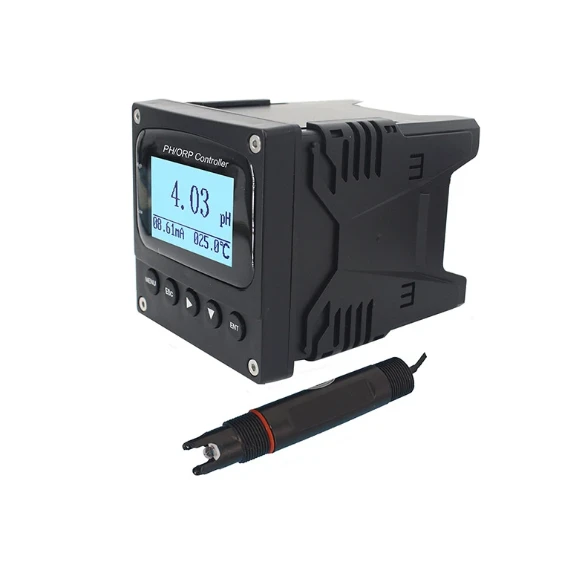
Smart Water Treatment Solutions Using PH ORP Controller SystemsIn modern water treatment and industrial fluid management, maintaining precise chemical balance is essential for safety, efficiency, and regulatory compliance.
2026-03-04 02:55:19
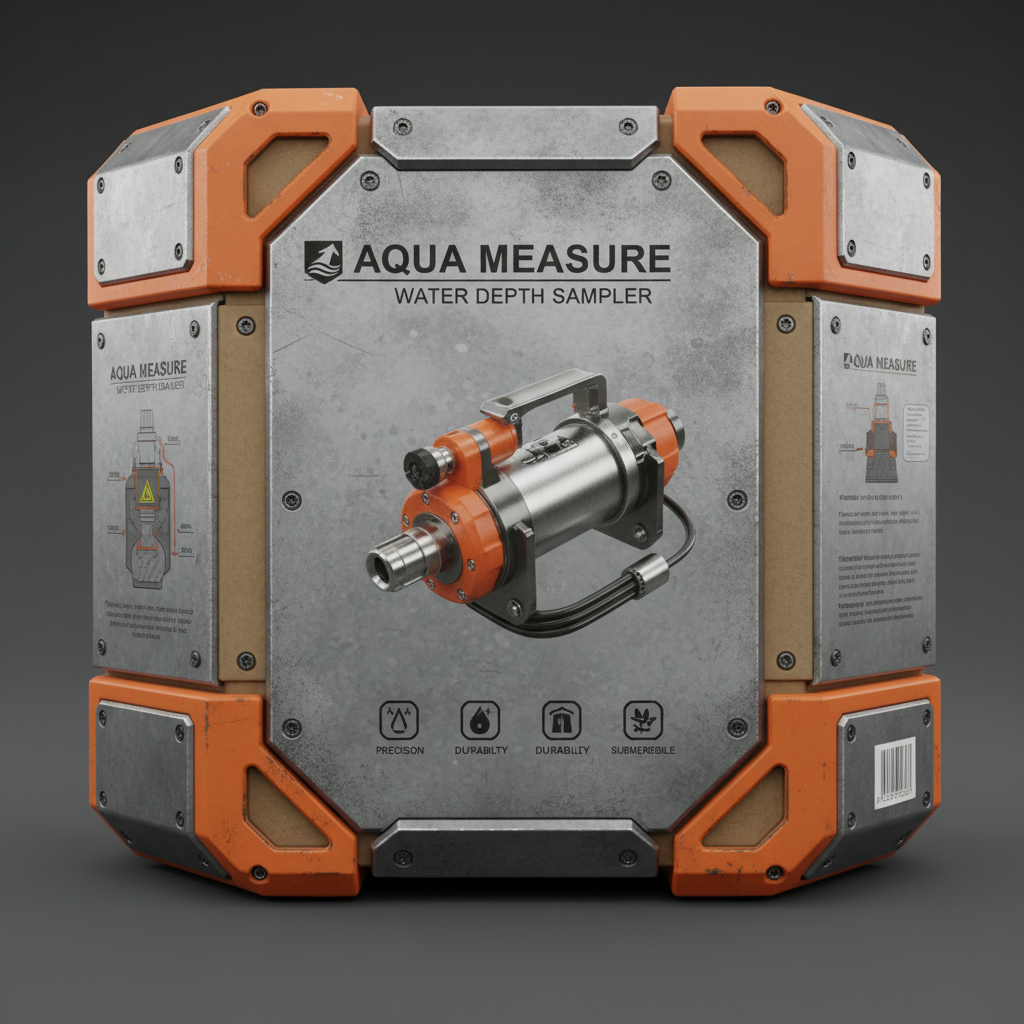
Comprehensive Guide to Water Depth Samplers and Their ApplicationsAccurate water quality monitoring is crucial in various fields, from environmental science and aquaculture to industrial wastewater management. A key tool for this is the water depth sampler. This article provides an in-depth look at water depth samplers, their applications, types, and essential considerations for choosing the right one for your needs. We'll explore the benefits of utilizing this equipment to collect reliable data for analysis and informed decision-making. Selecting the right sampler can significantly improve the precision and efficiency of your water monitoring program. A water depth sampler, also known as a depth-integrated sampler, is a device designed to collect water samples from specific depths within a body of water. Unlike simply dipping a container into the water, a depth sampler allows for collection of a representative sample across a defined depth range. This is critical because water properties (temperature, salinity, pollutants) often vary significantly with depth. The data gathered with a water depth sampler provides a more accurate assessment of water quality than surface samples alone.
2026-03-03 18:55:22
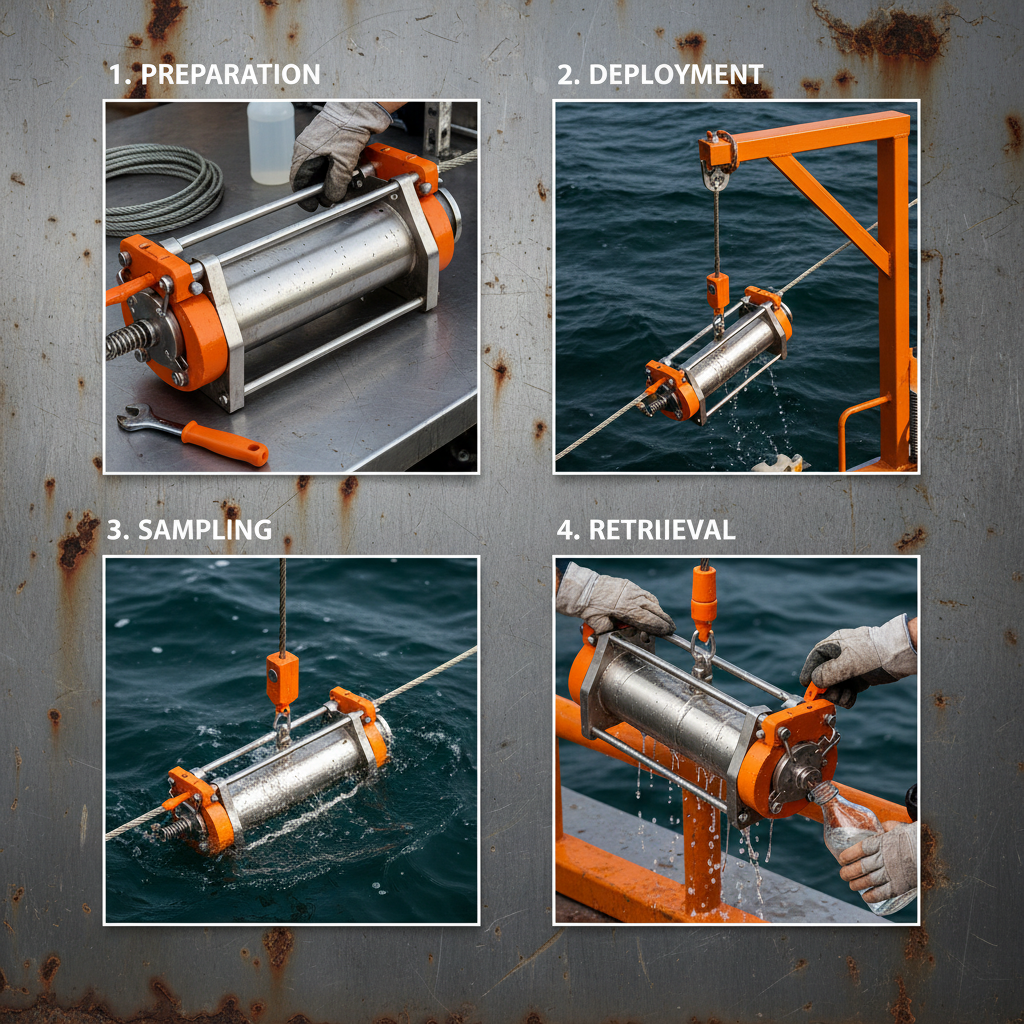
Comprehensive Guide to Horizontal Water Sampler Applications and SelectionCollecting water samples at varying depths is crucial for environmental monitoring, research, and quality control. The horizontal water sampler from Watequipment.com offers a precise and efficient solution for this task. This article provides an in-depth look at horizontal water samplers, their applications, benefits, and key considerations when choosing the right model. We will explore how these samplers contribute to accurate data collection and informed decision-making in various fields. A horizontal water sampler is a device designed to collect water samples from specific depths within a body of water – rivers, lakes, oceans, reservoirs, and even wastewater treatment plants. Unlike vertical samplers which primarily focus on depth, horizontal samplers prioritize collecting samples at a consistent depth while moving along a horizontal plane. This is essential for assessing water quality variations across a waterway or within a specific zone. They are used in applications ranging from environmental monitoring and scientific research to industrial process control and regulatory compliance.
2026-02-28 02:35:09
Comprehensive Guide to Selecting the Right Surface Water Sampler for Your NeedsMonitoring the quality of surface water is critical for environmental protection, public health, and various industrial applications. A surface water sampler is an essential tool for collecting representative samples from rivers, lakes, ponds, and other surface water sources. This article provides a detailed overview of surface water samplers, their types, applications, and key considerations for selecting the right equipment. Accurate water quality data relies on proper sample collection, and choosing the correct sampler is the first step toward achieving reliable results. Surface water samplers come in various designs, each suited to specific sampling needs. Common types include grab samplers, depth-integrating samplers, peristaltic pumps, and automatic samplers. Surface water samplers are used across a broad spectrum of applications, including environmental monitoring, wastewater discharge monitoring, drinking water source monitoring, agricultural runoff analysis, and research studies.

 English