


ROS-2210 Industrial Device – Rugged, Compact, Reliable

ROS-2210 Industrial Device – Rugged, Compact, Reliable
Dec . 13, 2025
ROS-2210 is a key solution in the High-end equipment manufacturing industry, specifically within intelligent manufacturing equipment and Industrial Robot Control System. This article explores how Hebei JIRS Import & Export Co., Ltd. supports professionals with durable, high-performance products, and explains why this product is an ideal choice for businesses in these sectors. In automated factories where uptime, repeatability, and traceability determine competitiveness, ROS-2210 helps standardize process quality at the machine-cell level, enabling data-driven decisions across the entire production line.
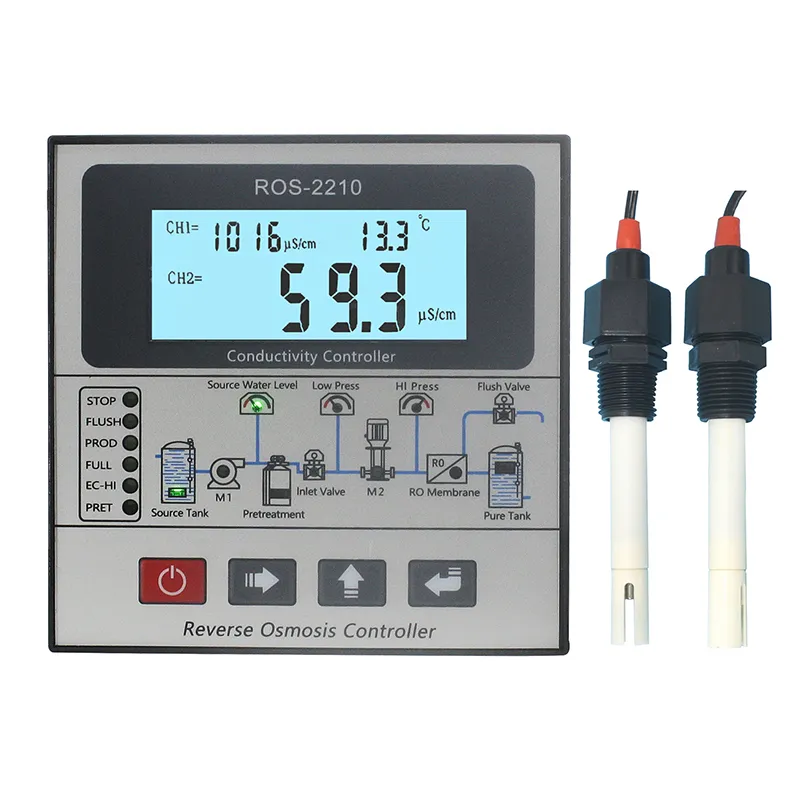
Table of Contents
- ROS-2210 Overview
- Benefits & Use Cases of ROS-2210 in Industrial Robot Control System
- Cost, Maintenance & User Experience
- Sustainability & Market Trends in High-end equipment manufacturing
- Conclusion on ROS-2210 from Hebei JIRS Import & Export Co., Ltd.
ROS-2210 Overview
The ROS-2210 is an industrial-grade control and monitoring unit engineered for precision, reliability, and seamless integration across modern factory ecosystems. In high-end equipment manufacturing and intelligent manufacturing environments, even minor variations in critical process media—such as water quality for cleaning, coating, cooling, or electrode preparation—can cascade into major yield losses. The ROS-2210 provides consistent, real-time measurement and control to keep these parameters within specification, aligning with the stringent requirements of Industrial Robot Control Systems where robotic cells demand repeatable, sensor-driven decisions.
Designed for interoperability, ROS-2210 supports integration with line PLCs, SCADA, and higher-level MES, enabling centralized visibility and edge-to-cloud analytics. Its industrial design emphasizes robust components, intuitive HMI, configurable I/O, alarm/event logging, and easy commissioning—features that reduce risk during ramp-up and support continuous improvement once production is live. Whether you are automating cleaning lines, precision surface prep, or coolant management around robot cells, ROS-2210 helps standardize quality and accelerate corrective actions.
Backed by Hebei JIRS Import & Export Co., Ltd., a supplier recognized for dependable delivery and responsive technical support, the ROS-2210 is built to withstand demanding duty cycles while offering a long service life. This combination of durability and data-driven control makes it a practical foundation for scaling smart factory initiatives.
Benefits & Use Cases of ROS-2210 in Industrial Robot Control System
In robotized production, ROS-2210 helps maintain stable process conditions that directly influence robot performance and product quality. Typical use cases include: deionized/process water control for robotic cleaning cells, coolant and rinse-quality monitoring for robotic machining centers, surface treatment and coating lines adjacent to robot handlers, and precision fluid management in battery and electronics assembly where robots operate alongside wet processes. By providing dependable measurement and control, ROS-2210 reduces rework, prevents contamination-driven stoppages, and enhances repeatability across shifts.
- Operational excellence: Continuous monitoring, alarms, and interlocks help robot cells respond to out-of-spec conditions before they affect throughput.
- Integration readiness: Connects with PLC/SCADA/MES for unified dashboards, traceability, and simplified recipe management across the line.
- Fast commissioning: User-friendly configuration and clear diagnostics shorten setup and changeover, minimizing downtime during line upgrades.
- Durability: Industrial-grade materials and design help withstand harsh shop-floor environments and long duty cycles.
Hebei JIRS Import & Export Co., Ltd. brings field-proven application knowledge to every deployment—supporting OEMs, integrators, and plant teams with selection, integration guidance, and lifecycle service. This expertise ensures the ROS-2210 becomes a reliable node within your Industrial Robot Control System architecture.
Cost, Maintenance & User Experience
Total cost of ownership for ROS-2210 is optimized across the full lifecycle. Upfront, the controller’s straightforward configuration and integrator-friendly design help compress engineering hours and shorten FAT/SAT cycles. In operation, stable measurements, early-warning alarms, and alignment with centralized control strategies decrease unplanned downtime and scrap. Over years of service, rugged construction and maintainable parts selection reduce service interventions and extend usable life—key to ROI in capital-intensive lines.
Maintenance teams benefit from clear diagnostics, accessible calibration workflows, and well-documented procedures that reduce mean time to repair. Production managers report smoother audits thanks to traceable events and the ability to surface critical parameters on SCADA dashboards. For operators, an intuitive interface minimizes training time and supports rapid response when conditions drift. Across intelligent manufacturing equipment portfolios, this translates into faster ramp-ups, steadier takt, and measurable quality consistency—value drivers that matter to B2B decision makers balancing OEE and cost.
Sustainability & Market Trends in High-end equipment manufacturing
High-end manufacturers are accelerating digitalization while aligning with stricter environmental expectations—water stewardship, resource efficiency, and transparent reporting. In this context, controllers like ROS-2210 enable disciplined process control that supports reduced chemical use, lower wastewater volumes, and better energy utilization through optimized pump/valve operations. They also help generate the data sets needed for sustainability KPIs, customer audits, and continuous improvement programs across multi-site operations.
Market trends point to tighter integration between edge devices and enterprise systems, predictive maintenance with analytics, and standardized data models for interoperability in mixed-vendor lines. Hebei JIRS Import & Export Co., Ltd. actively aligns products and support practices with these trends—prioritizing reliability, integration flexibility, and lifecycle support. The company’s forward-looking approach helps customers meet evolving regulations and corporate ESG commitments while maintaining competitive throughput and quality.
Conclusion on ROS-2210 from Hebei JIRS Import & Export Co., Ltd.
For manufacturers seeking dependable control at the heart of automated lines, ROS-2210 delivers stable performance, integration readiness, and long-term value. It supports intelligent manufacturing equipment and Industrial Robot Control Systems by ensuring process consistency, enhancing traceability, and improving OEE. With Hebei JIRS Import & Export Co., Ltd. as your partner, you gain a reliable product plus the application expertise needed to deploy at scale and sustain results across complex operations.
- Recap the value of ROS-2210 in High-end equipment manufacturing / intelligent manufacturing equipment / Industrial Robot Control System.
- Reinforce Hebei JIRS Import & Export Co., Ltd.’s reputation.
- Strong CTA: - Contact us: email: info@watequipment.com - Visit our website: https://www.watequipments.com

Related Products
Related News
2026-04-16 03:20:19
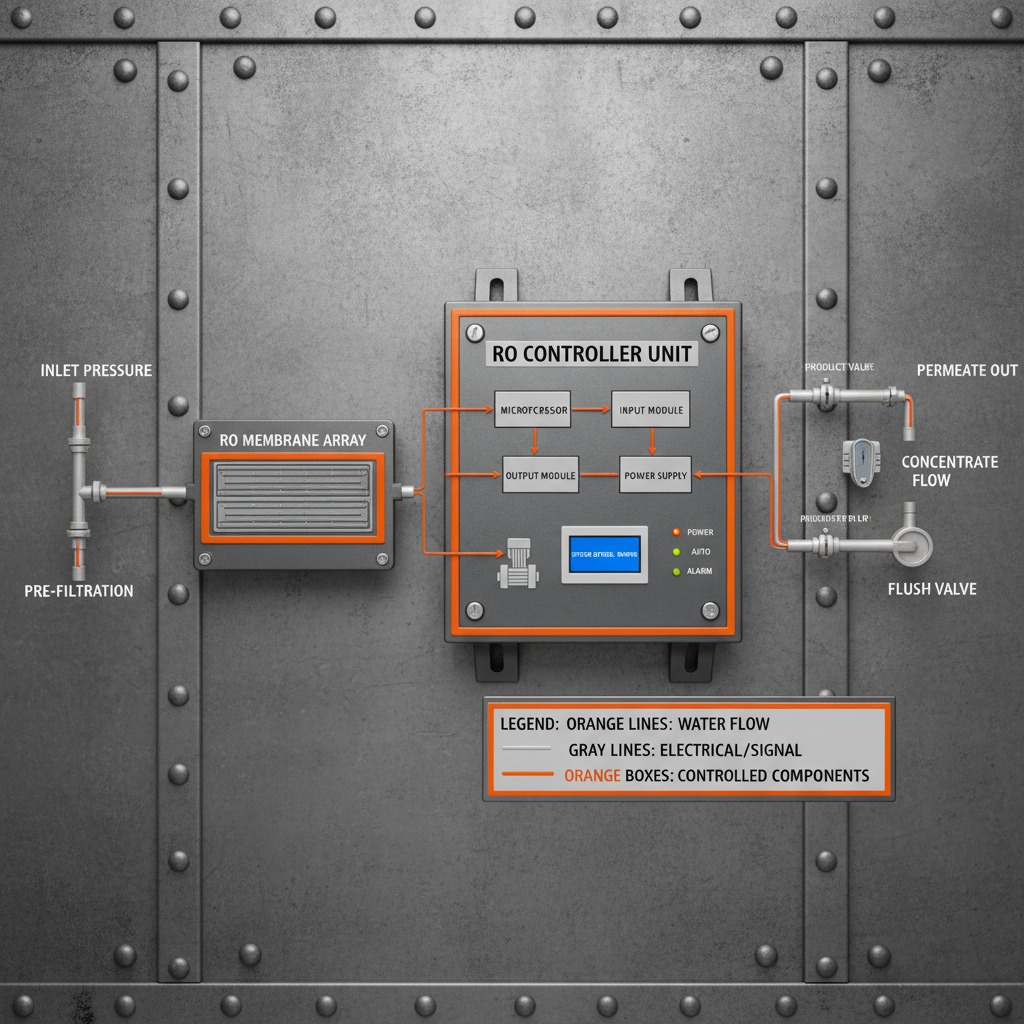
Guide to Choosing the Right RO Controller for Water PurificationMaintaining a high-performance reverse osmosis system requires more than just quality membranes; it demands precise regulation. An ro controller serves as the brain of the entire operation, monitoring critical parameters such as conductivity, temperature, and flow rates to ensure the output water meets stringent purity standards. Without an efficient controller, systems are prone to membrane fouling, inefficient energy use, and inconsistent water quality. In this comprehensive guide, we will explore how these devices optimize water treatment processes and how to select the best model for your specific industrial or commercial needs.
2026-04-09 03:25:47
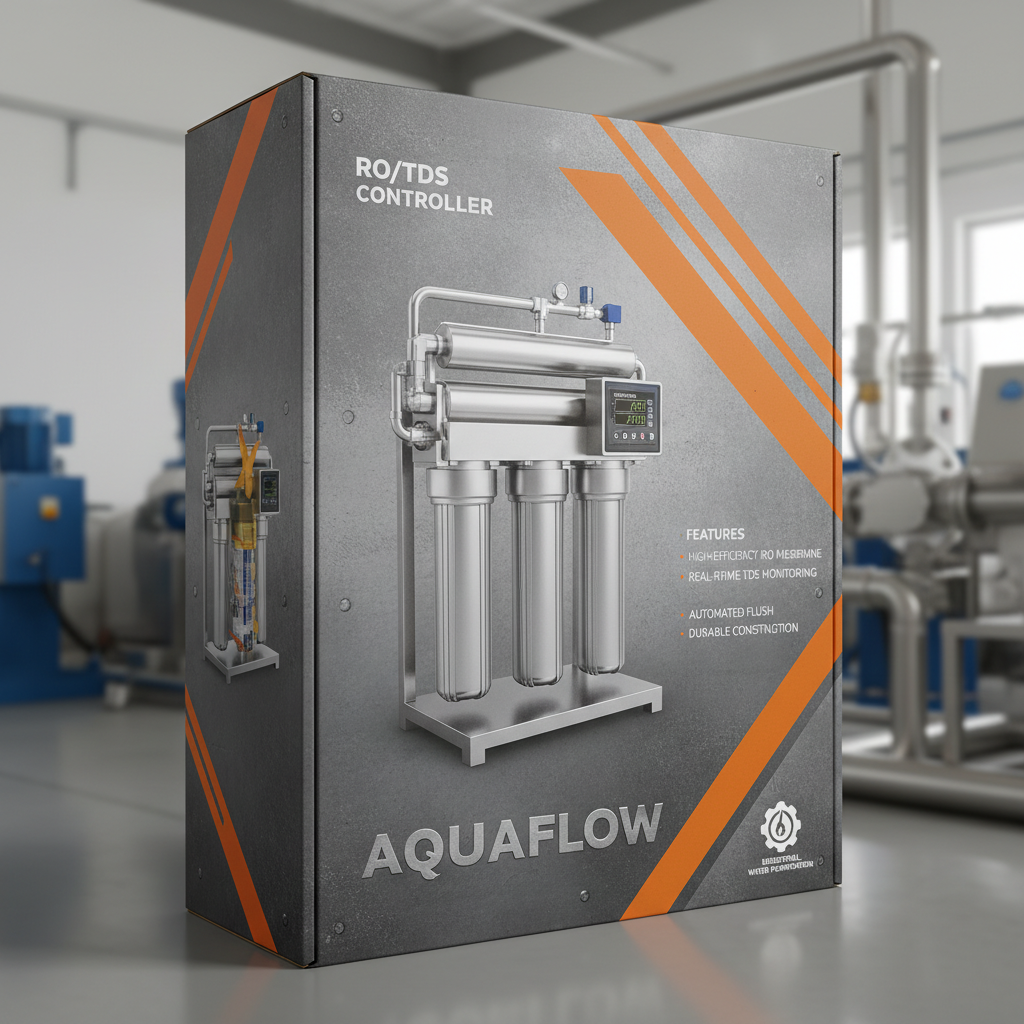
Guide to Water Purity Using RO with TDS Controller SystemsAchieving the perfect balance of mineral content and purity in drinking water is a challenge for many households and industrial facilities. A ro with tds controller offers a sophisticated solution by combining the rigorous filtration of Reverse Osmosis (RO) with the precision of a Total Dissolved Solids (TDS) adjustment system. While standard RO systems remove almost everything, including beneficial minerals, a TDS controller allows users to re-mineralize the water to a desired level. This ensures that the water is not only safe and pure but also tastes better and provides essential nutrients.
2026-04-07 03:17:09
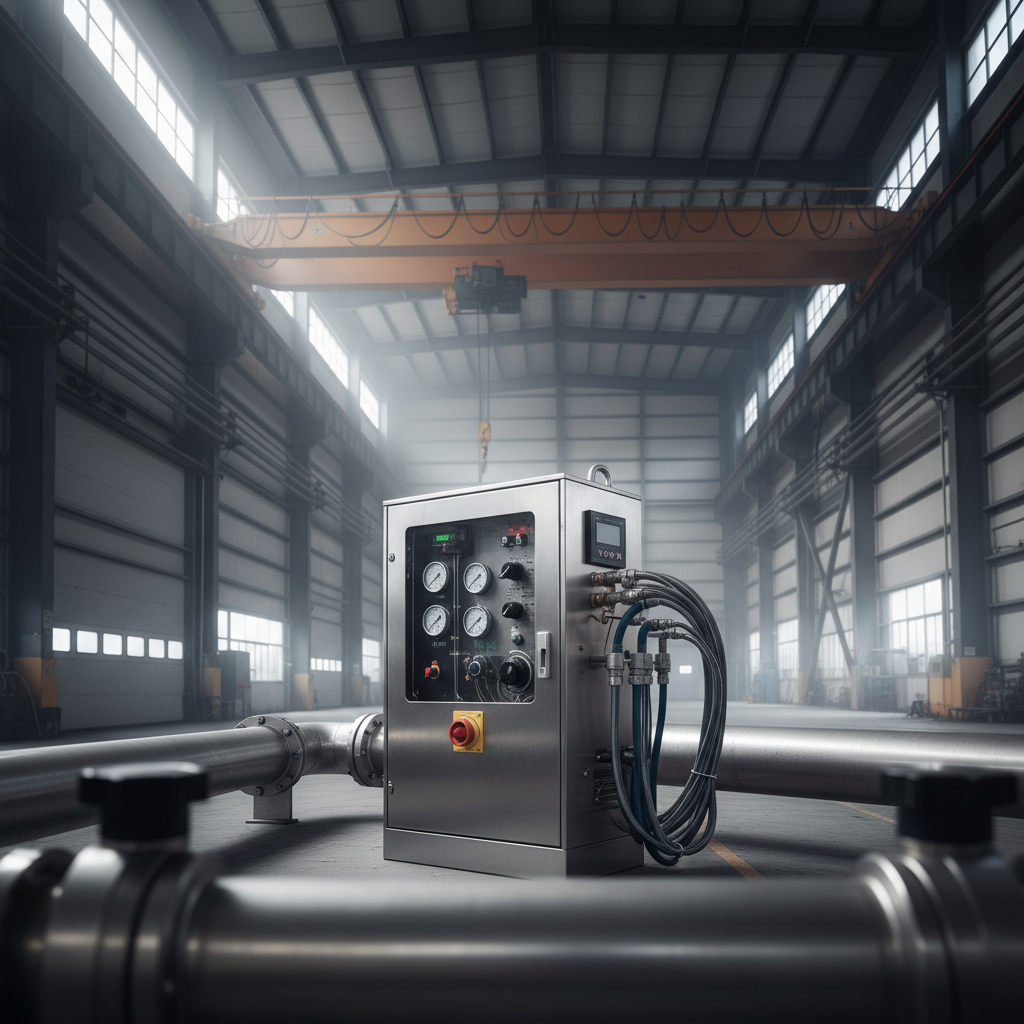
Understanding and Optimizing Reverse Osmosis Systems with a ControllerIn the world of water purification, reverse osmosis (RO) systems are a cornerstone for producing high-quality water for various applications, from drinking water to industrial processes. However, an RO system is only as effective as its control system. This is where the reverse osmosis controller comes into play. This critical component manages and optimizes the RO process, ensuring efficient operation, water quality, and system longevity.
2026-04-04 03:27:19
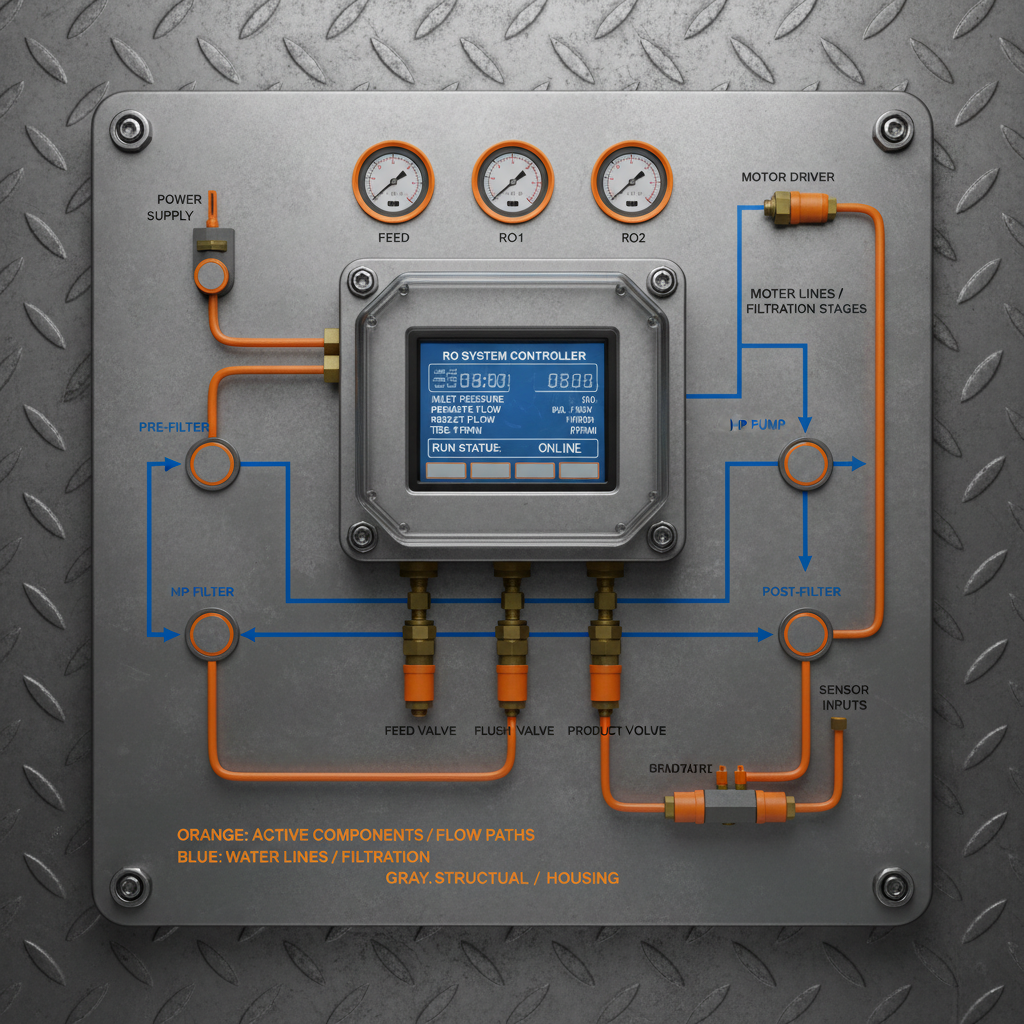
Understanding the Vital Role of an RO System Controller for Optimal PerformanceReverse Osmosis (RO) systems are critical for purifying water across various industries, from residential applications to large-scale industrial processes. At the heart of a well-functioning RO system lies the RO system controller. This intelligent device monitors and regulates all key parameters of the RO process, ensuring optimal performance, efficiency, and water quality. This article delves into the functionalities, benefits, and selection criteria for choosing the right RO system controller, particularly focusing on those offered by Watequipments. Understanding its role is crucial for maximizing the lifespan and effectiveness of your RO investment.
2026-03-24 17:18:24
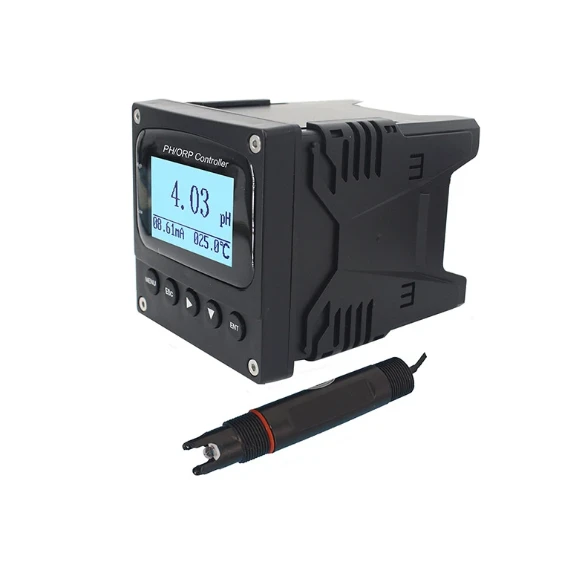
Smart Water Treatment Solutions Using PH ORP Controller SystemsIn modern water treatment and industrial fluid management, maintaining precise chemical balance is essential for safety, efficiency, and regulatory compliance.
2026-03-04 02:55:19
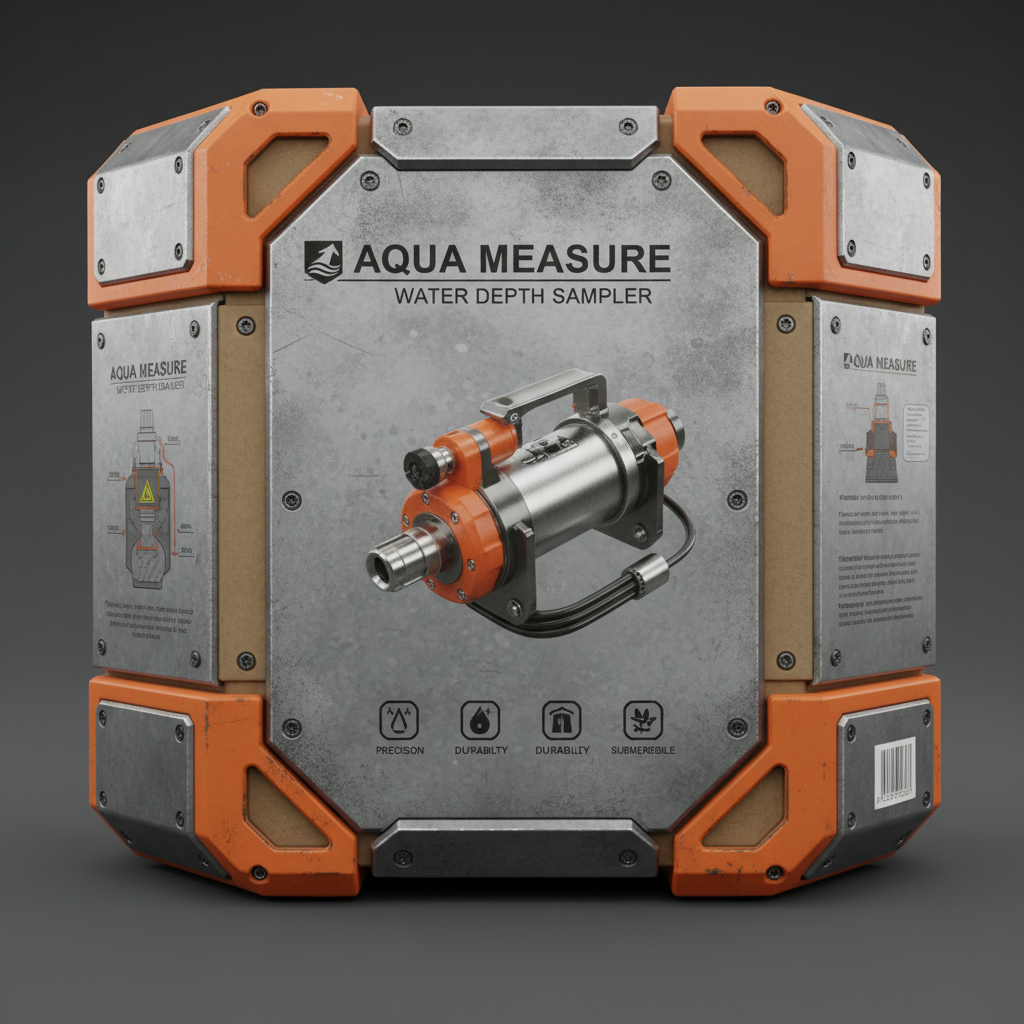
Comprehensive Guide to Water Depth Samplers and Their ApplicationsAccurate water quality monitoring is crucial in various fields, from environmental science and aquaculture to industrial wastewater management. A key tool for this is the water depth sampler. This article provides an in-depth look at water depth samplers, their applications, types, and essential considerations for choosing the right one for your needs. We'll explore the benefits of utilizing this equipment to collect reliable data for analysis and informed decision-making. Selecting the right sampler can significantly improve the precision and efficiency of your water monitoring program. A water depth sampler, also known as a depth-integrated sampler, is a device designed to collect water samples from specific depths within a body of water. Unlike simply dipping a container into the water, a depth sampler allows for collection of a representative sample across a defined depth range. This is critical because water properties (temperature, salinity, pollutants) often vary significantly with depth. The data gathered with a water depth sampler provides a more accurate assessment of water quality than surface samples alone.
2026-03-03 18:55:22
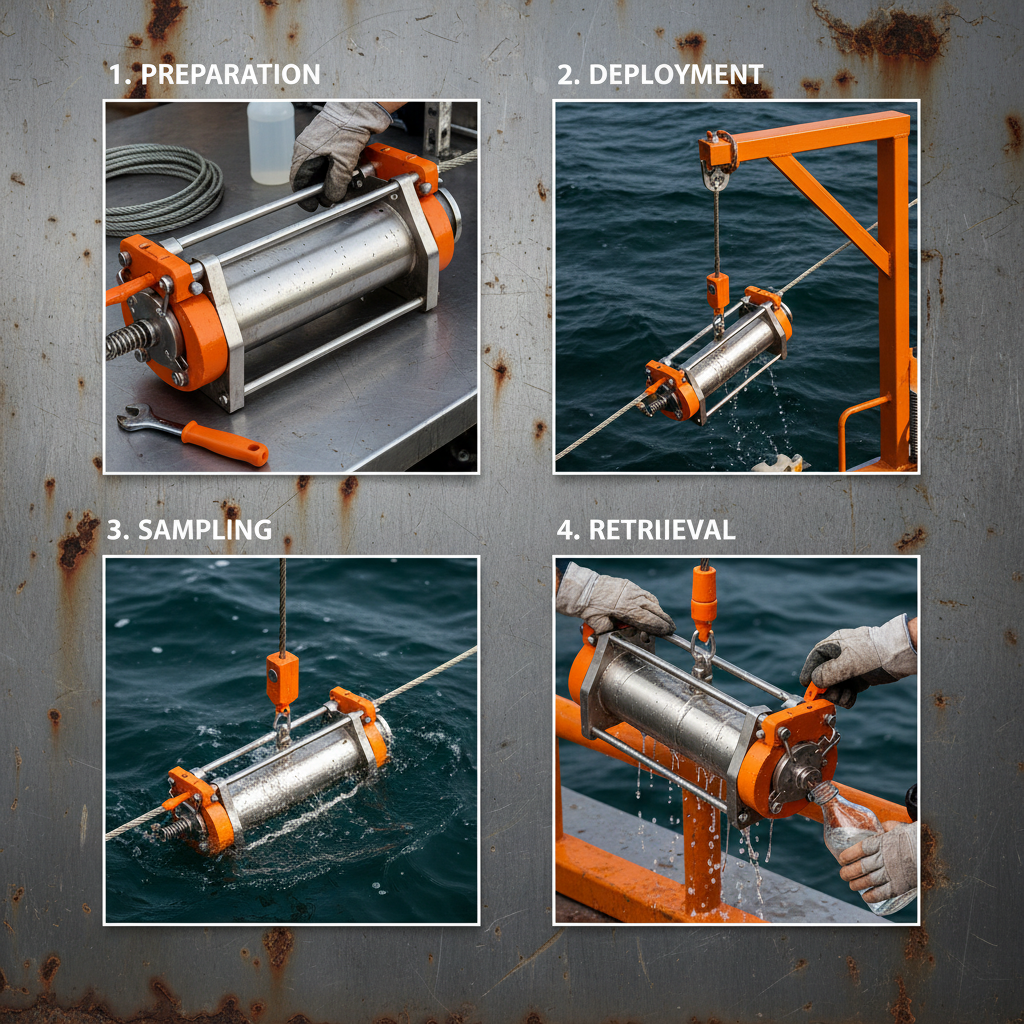
Comprehensive Guide to Horizontal Water Sampler Applications and SelectionCollecting water samples at varying depths is crucial for environmental monitoring, research, and quality control. The horizontal water sampler from Watequipment.com offers a precise and efficient solution for this task. This article provides an in-depth look at horizontal water samplers, their applications, benefits, and key considerations when choosing the right model. We will explore how these samplers contribute to accurate data collection and informed decision-making in various fields. A horizontal water sampler is a device designed to collect water samples from specific depths within a body of water – rivers, lakes, oceans, reservoirs, and even wastewater treatment plants. Unlike vertical samplers which primarily focus on depth, horizontal samplers prioritize collecting samples at a consistent depth while moving along a horizontal plane. This is essential for assessing water quality variations across a waterway or within a specific zone. They are used in applications ranging from environmental monitoring and scientific research to industrial process control and regulatory compliance.
2026-02-28 02:35:09
Comprehensive Guide to Selecting the Right Surface Water Sampler for Your NeedsMonitoring the quality of surface water is critical for environmental protection, public health, and various industrial applications. A surface water sampler is an essential tool for collecting representative samples from rivers, lakes, ponds, and other surface water sources. This article provides a detailed overview of surface water samplers, their types, applications, and key considerations for selecting the right equipment. Accurate water quality data relies on proper sample collection, and choosing the correct sampler is the first step toward achieving reliable results. Surface water samplers come in various designs, each suited to specific sampling needs. Common types include grab samplers, depth-integrating samplers, peristaltic pumps, and automatic samplers. Surface water samplers are used across a broad spectrum of applications, including environmental monitoring, wastewater discharge monitoring, drinking water source monitoring, agricultural runoff analysis, and research studies.

 English