


Sprinkler Blowout Cost Explained: What You Should Know

Sprinkler Blowout Cost Explained: What You Should Know
Dec . 10, 2025
Understanding sprinkler blowout cost: What You Need to Know
Having spent over a decade working around industrial water systems and irrigation, I’ve seen firsthand how sprinkler blowouts can be a surprisingly significant part of maintenance expenses. Oddly enough, while people often focus just on the upfront equipment cost or the installation labor, the cost associated with performing sprinkler blowouts each year sometimes flies under the radar.
Now, in real terms, a sprinkler blowout is the process where compressed air is used to clear water out of irrigation pipes to prevent freezing and damage during winter. It’s pretty standard practice in cold climates but, depending on your system's size and setup, the cost can vary quite a bit.
One of the reasons I find this topic interesting is that the blowout cost doesn’t just involve any one factor. It’s this interplay between labor, equipment rental (or purchase), and sometimes the inconvenience caused by system downtime. Plus, selecting the right equipment designed for your specific setup can make or break your budget.
The Basics: What Factors Affect Sprinkler Blowout Costs?
There’s a handful of things to consider. First, the size and complexity of your system — obviously, a large commercial irrigation field with dozens of zones will naturally cost more to blow out than a residential lawn setup.
Then there’s the equipment. Many contractors and facilities managers rent compressed air blowout machines, but if your operation demands regular annual maintenance, investing in your own blower might actually pay off. I remember a mid-size industrial site where the equipment purchase saved them a nice chunk after just three seasons.
Labor costs are no joke either. It often takes a few hours for technicians to properly blow out all the lines, especially if the system isn’t well-labeled or if repairs crop up mid-process. Plus, if you hire third-party specialists, their rates will vary depending on region and experience.
Sprinkler Blowout Equipment Specs to Keep in Mind
When looking at blowout machines, some specs tend to stand out as essential. Here’s a quick rundown I’ve compiled from experience and product research:
| Specification | Typical Value | Notes |
|---|---|---|
| Airflow (CFM) | 100-250 | Higher CFM clears water faster |
| Operating Pressure (PSI) | 60-100 | Too high damages pipes |
| Portability | Handheld to trailer-mounted | Depends on system size |
| Power Source | Gas or electric | Gas preferred on remote sites |
| Noise Level (dB) | 70-90 | Consider operator safety |
Vendor Comparison: What to Look For
In the industry, certain brands are more known for reliability, cost-effectiveness, or ease of use. I’ve gathered a little comparison chart below, focusing on 3 popular suppliers in North America that many irrigation professionals I know tend to recommend.
| Vendor | Price Range | Warranty | Portability | Customer Support |
|---|---|---|---|---|
| HydroBlow Inc. | $1,200 - $2,500 | 2 years | Portable handheld | Highly rated |
| ClearFlow Systems | $800 - $1,900 | 1 year | Trailer-mounted options | Good |
| AquaTech Pro | $1,500 - $3,000 | 3 years | Compact and electric | Excellent |
In my work, I’ve noticed customers often balance upfront cost with durability and support quality. Frankly, the best value is a system that won’t break down during a crucial winter prep, saving both money and headaches.
Real-World Example
I once consulted for a municipal park system that was paying nearly $7,000 annually to contract out sprinkler blowouts for several large fields. After we evaluated their costs, they opted to purchase their own high-capacity blower from a local vendor recommended above. The purchase paid off after just two seasons, saving staff hours and allowing on-demand blowouts that fit their schedule better.
That case really illustrates why it’s worth digging into the details rather than blindly following generic quotes. You might be surprised how customizing your approach can lower overall sprinkler blowout cost.
To wrap up, planning for the right equipment and labor investment upfront saves you money and stress over the long haul. Oddly enough, many industrial teams still treat blowout costs as an afterthought, but it’s really a smart place to optimize if you want to improve your maintenance budget.
Hope this sheds some practical light considering your system's needs and local conditions. For more detailed options and equipment reviews, you can always check trusted industry suppliers online.
Stay dry, and keep those pipes safe this winter!
References:
- Industry experiences and client consultations, 2010-2023
- Manufacturer specs from HydroBlow Inc., ClearFlow Systems, AquaTech Pro catalogs
- Technical guidelines from irrigation maintenance manuals and cold climate best practices

Related Products
Related News

2026-04-16 03:20:19
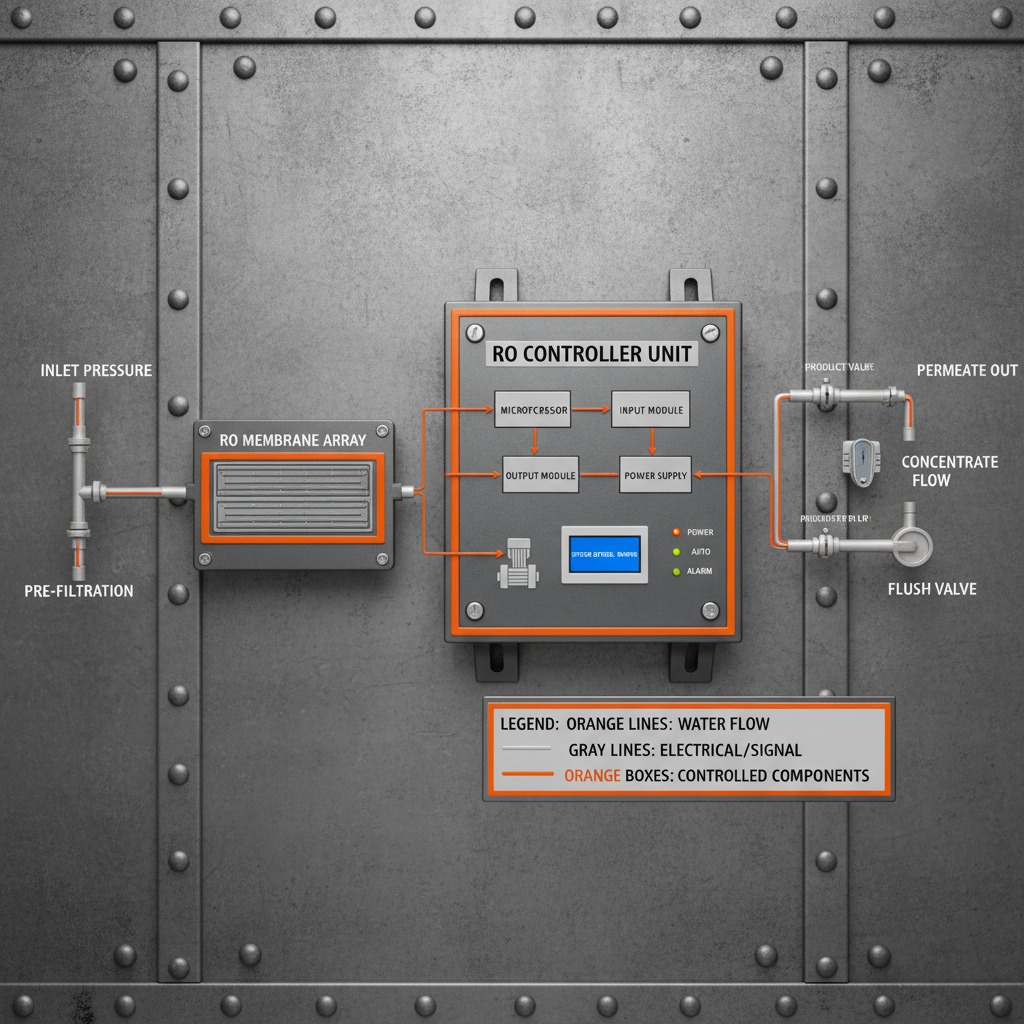
Guide to Choosing the Right RO Controller for Water PurificationMaintaining a high-performance reverse osmosis system requires more than just quality membranes; it demands precise regulation. An ro controller serves as the brain of the entire operation, monitoring critical parameters such as conductivity, temperature, and flow rates to ensure the output water meets stringent purity standards. Without an efficient controller, systems are prone to membrane fouling, inefficient energy use, and inconsistent water quality. In this comprehensive guide, we will explore how these devices optimize water treatment processes and how to select the best model for your specific industrial or commercial needs.
2026-04-09 03:25:47
Guide to Water Purity Using RO with TDS Controller SystemsAchieving the perfect balance of mineral content and purity in drinking water is a challenge for many households and industrial facilities. A ro with tds controller offers a sophisticated solution by combining the rigorous filtration of Reverse Osmosis (RO) with the precision of a Total Dissolved Solids (TDS) adjustment system. While standard RO systems remove almost everything, including beneficial minerals, a TDS controller allows users to re-mineralize the water to a desired level. This ensures that the water is not only safe and pure but also tastes better and provides essential nutrients.
2026-04-07 03:17:09
Understanding and Optimizing Reverse Osmosis Systems with a ControllerIn the world of water purification, reverse osmosis (RO) systems are a cornerstone for producing high-quality water for various applications, from drinking water to industrial processes. However, an RO system is only as effective as its control system. This is where the reverse osmosis controller comes into play. This critical component manages and optimizes the RO process, ensuring efficient operation, water quality, and system longevity.
2026-04-04 03:27:19
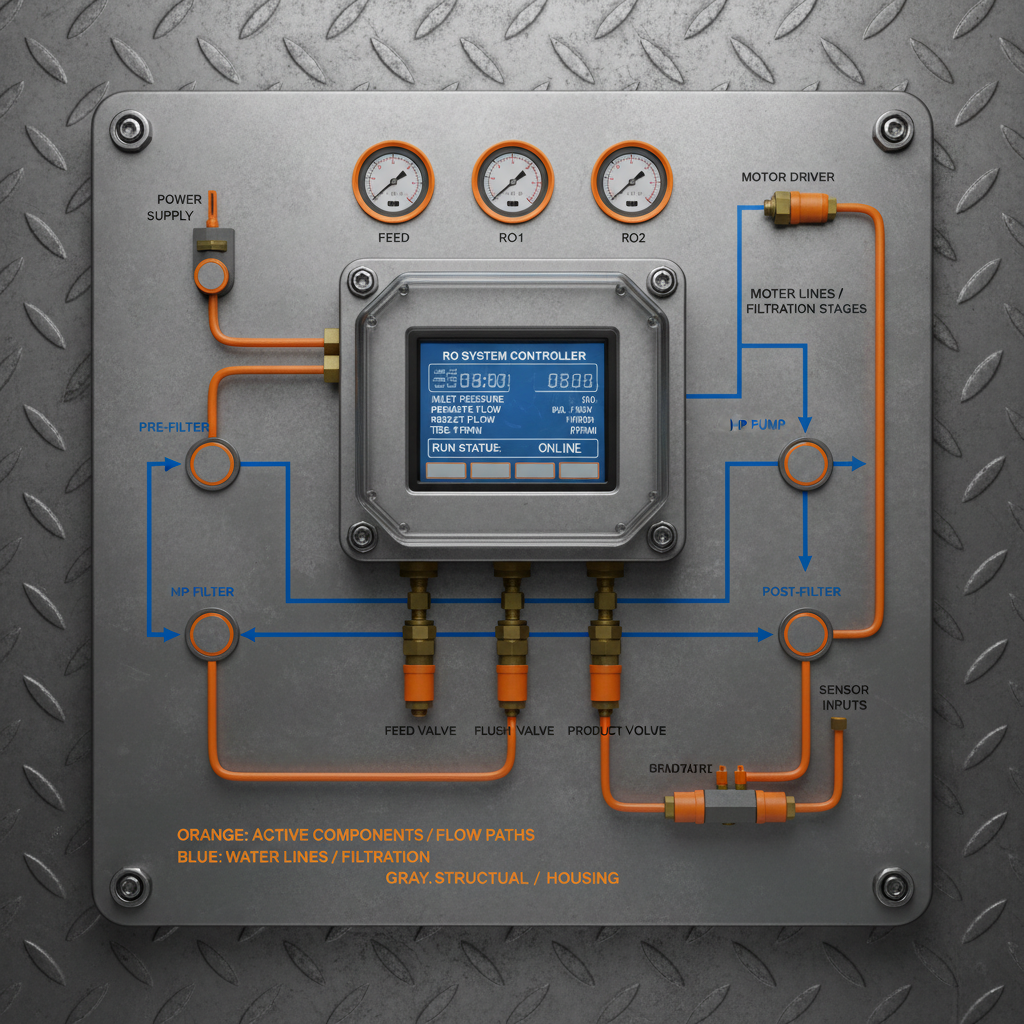
Understanding the Vital Role of an RO System Controller for Optimal PerformanceReverse Osmosis (RO) systems are critical for purifying water across various industries, from residential applications to large-scale industrial processes. At the heart of a well-functioning RO system lies the RO system controller. This intelligent device monitors and regulates all key parameters of the RO process, ensuring optimal performance, efficiency, and water quality. This article delves into the functionalities, benefits, and selection criteria for choosing the right RO system controller, particularly focusing on those offered by Watequipments. Understanding its role is crucial for maximizing the lifespan and effectiveness of your RO investment.
2026-03-24 17:18:24
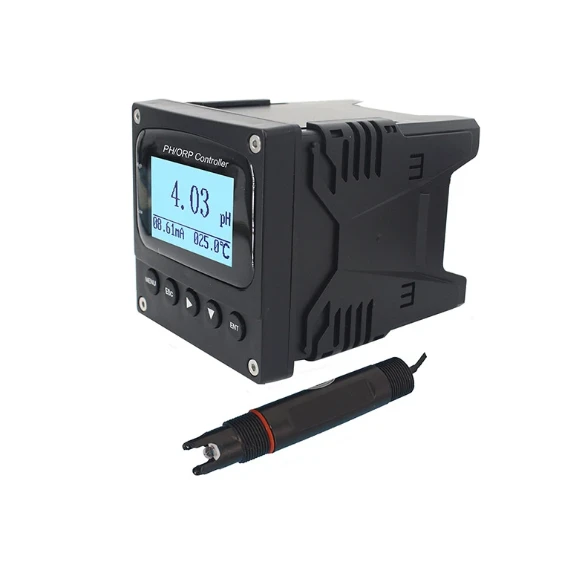
Smart Water Treatment Solutions Using PH ORP Controller SystemsIn modern water treatment and industrial fluid management, maintaining precise chemical balance is essential for safety, efficiency, and regulatory compliance.
2026-03-04 02:55:19
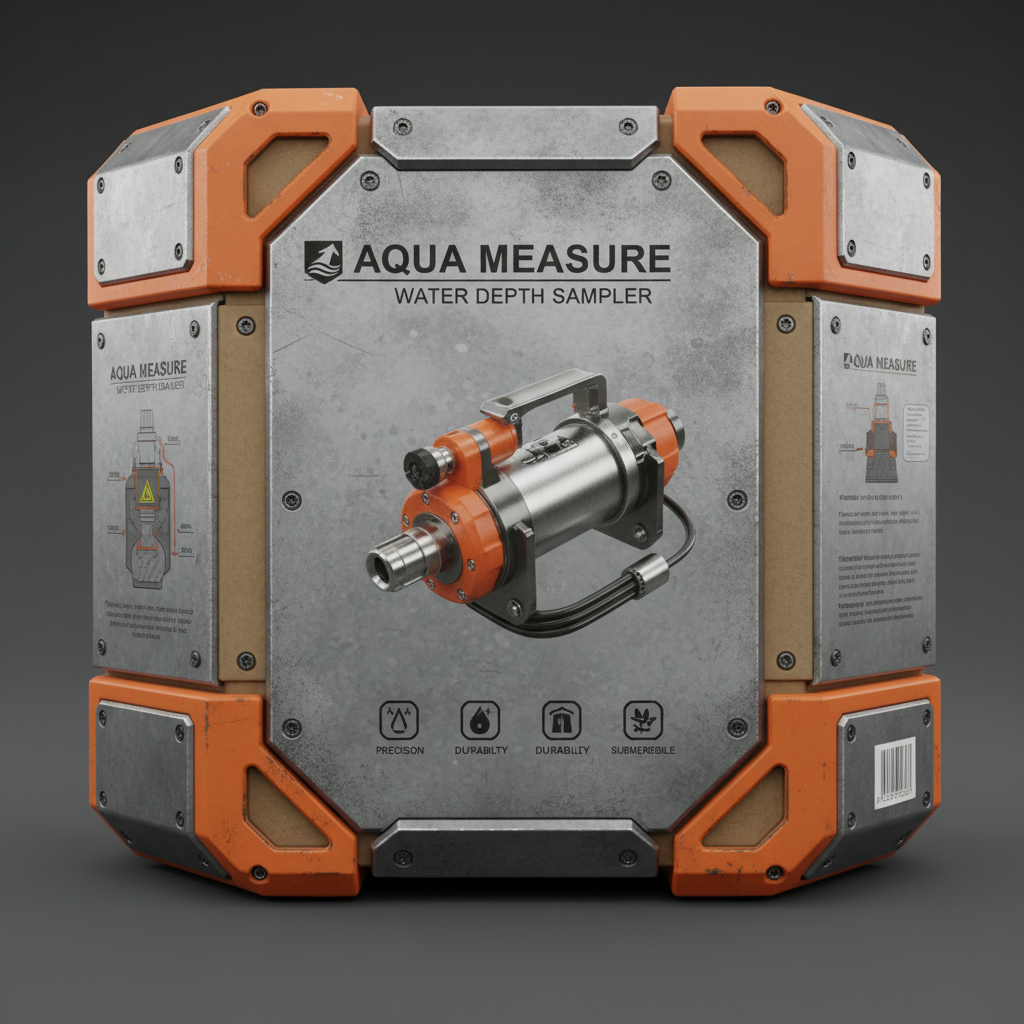
Comprehensive Guide to Water Depth Samplers and Their ApplicationsAccurate water quality monitoring is crucial in various fields, from environmental science and aquaculture to industrial wastewater management. A key tool for this is the water depth sampler. This article provides an in-depth look at water depth samplers, their applications, types, and essential considerations for choosing the right one for your needs. We'll explore the benefits of utilizing this equipment to collect reliable data for analysis and informed decision-making. Selecting the right sampler can significantly improve the precision and efficiency of your water monitoring program. A water depth sampler, also known as a depth-integrated sampler, is a device designed to collect water samples from specific depths within a body of water. Unlike simply dipping a container into the water, a depth sampler allows for collection of a representative sample across a defined depth range. This is critical because water properties (temperature, salinity, pollutants) often vary significantly with depth. The data gathered with a water depth sampler provides a more accurate assessment of water quality than surface samples alone.
2026-03-03 18:55:22
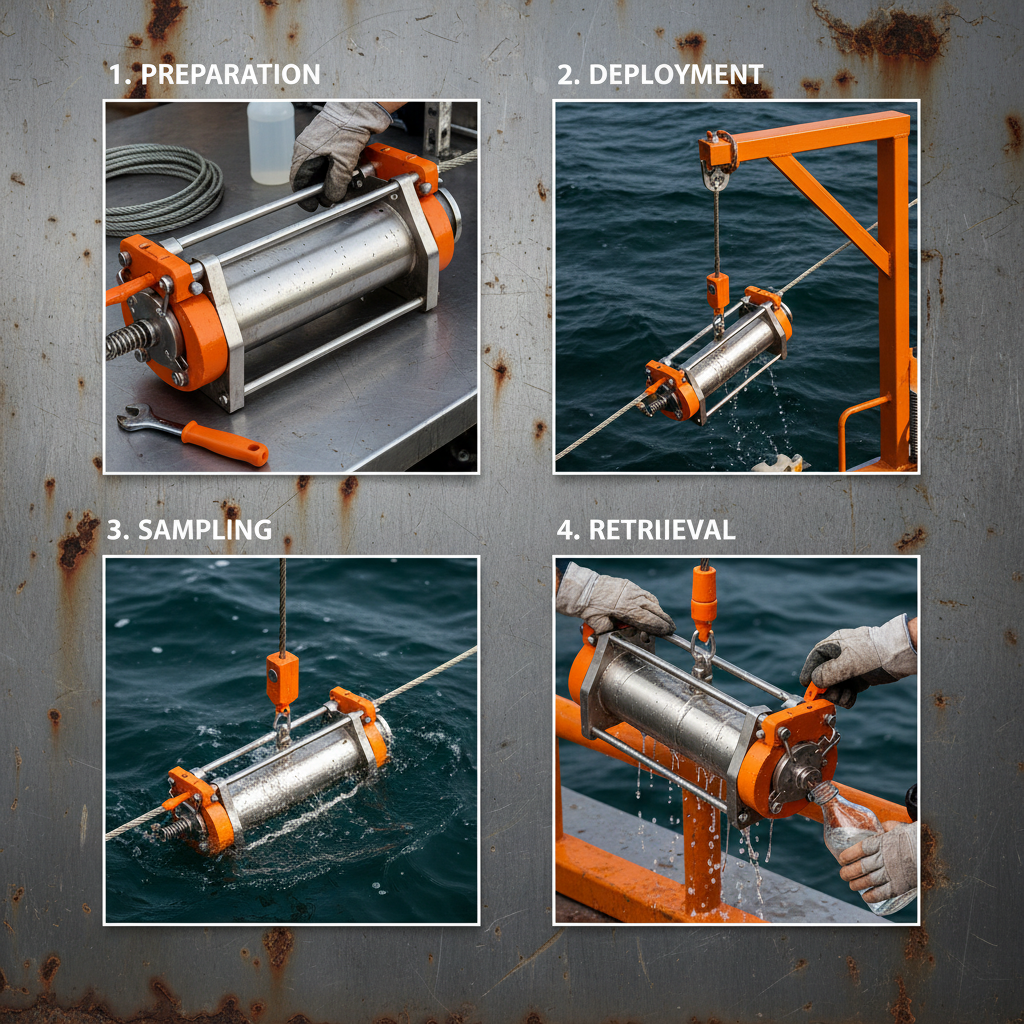
Comprehensive Guide to Horizontal Water Sampler Applications and SelectionCollecting water samples at varying depths is crucial for environmental monitoring, research, and quality control. The horizontal water sampler from Watequipment.com offers a precise and efficient solution for this task. This article provides an in-depth look at horizontal water samplers, their applications, benefits, and key considerations when choosing the right model. We will explore how these samplers contribute to accurate data collection and informed decision-making in various fields. A horizontal water sampler is a device designed to collect water samples from specific depths within a body of water – rivers, lakes, oceans, reservoirs, and even wastewater treatment plants. Unlike vertical samplers which primarily focus on depth, horizontal samplers prioritize collecting samples at a consistent depth while moving along a horizontal plane. This is essential for assessing water quality variations across a waterway or within a specific zone. They are used in applications ranging from environmental monitoring and scientific research to industrial process control and regulatory compliance.
2026-02-28 02:35:09
Comprehensive Guide to Selecting the Right Surface Water Sampler for Your NeedsMonitoring the quality of surface water is critical for environmental protection, public health, and various industrial applications. A surface water sampler is an essential tool for collecting representative samples from rivers, lakes, ponds, and other surface water sources. This article provides a detailed overview of surface water samplers, their types, applications, and key considerations for selecting the right equipment. Accurate water quality data relies on proper sample collection, and choosing the correct sampler is the first step toward achieving reliable results. Surface water samplers come in various designs, each suited to specific sampling needs. Common types include grab samplers, depth-integrating samplers, peristaltic pumps, and automatic samplers. Surface water samplers are used across a broad spectrum of applications, including environmental monitoring, wastewater discharge monitoring, drinking water source monitoring, agricultural runoff analysis, and research studies.

 English