


Understanding Sprinkler Cost: What Factors Affect Pricing?

Understanding Sprinkler Cost: What Factors Affect Pricing?
Dec . 11, 2025
Sprinkler Cost: What Really Goes Into It?
If you’ve spent any time in industrial equipment, you know that the price tag on something like a sprinkler system rarely tells the whole story. Frankly, sprinkler cost can be surprisingly variable, depending on a handful of factors that often go overlooked by non-specialists.
I remember early in my career, a client asked me why one sprinkler system proposal was almost double the other’s price. The answer wasn’t just brand prestige or vendor markup – it boiled down to the materials used, the system design, and customization levels. So let’s unpack what actually drives up or down these costs. Spoiler: it’s not just the system itself.
Key Factors Behind Sprinkler Cost
First off, there’s the sprinkler type. You’ve got your basic upright, pendent, or sidewall sprinklers—and then specialty ones like deluge or pre-action systems if the environment demands it. Materials range from brass to stainless steel, which naturally affects durability and price.
Design complexity often gets glossed over, too. A simplistic layout with minimal pipe runs is cheaper, but challenging building geometries, or systems designed to cover unusual hazards, bump up labor and engineering hours. Testing and certification costs aren’t freebies, either—especially in industrial spaces where safety codes are tight.
Lastly, don’t forget the control valves, alarm connections, and backflow preventers. These bits add subtle costs but play huge roles in system reliability and regulatory compliance.
| Specification | Standard Upright | Stainless Steel Pendent | Deluge |
|---|---|---|---|
| Material | Brass | 304 Stainless Steel | Brass with Coating |
| Temperature Rating | 155°F (68°C) | 175°F (79°C) | Variable |
| Finish | Chrome Plated | Matte | Epoxy Coated |
| Pressure Rating | 175 psi | 200 psi | Up to 300 psi |
| Average Price Per Unit | $35 - $50 | $60 - $85 | $100 - $150 |
Another consideration, oddly enough, is vendor reliability. I’ve seen projects stall because a vendor couldn’t meet delivery timelines or certification standards. It’s one of those cost-adjacent factors you might overlook—until it bites you.
| Feature | Vendor A | Vendor B | Vendor C |
|---|---|---|---|
| Average Unit Cost | $45 | $55 | $50 |
| Lead Time | 2 weeks | 4 weeks | 3 weeks |
| Certifications | UL, FM | UL only | UL, FM, LPCB |
| Warranty | 5 years | 3 years | 5 years |
| Customer Support | 24/7 phone & chat | Business hrs only | Business hrs + email |
In real terms, investing in a higher upfront sprinkler cost from a vendor with strong certifications and quick lead times can save a ton of headaches in downtime or compliance fines. It’s sort of like paying a little extra for peace of mind.
A small anecdote to close: I once had a customer who switched to stainless steel pendent sprinklers from a cheaper supplier’s brass units. Over six months, the switch prevented corrosion issues in a humid warehouse environment, saving on costly replacements and downtime. That story still sticks with me — you really do get what you pay for.
So that’s the scoop on sprinkler costs. It’s not just pick and buy; you have to consider materials, system complexity, vendor reliability, and future savings too.
Takeaway: A smart purchase balances price, quality, and service — don’t just chase the lowest quote.
References:
1. National Fire Protection Association (NFPA) Standards
2. UL and FM Approvals Guides
3. Industry case studies and vendor catalogs

Related Products
Related News
2026-04-16 03:20:19
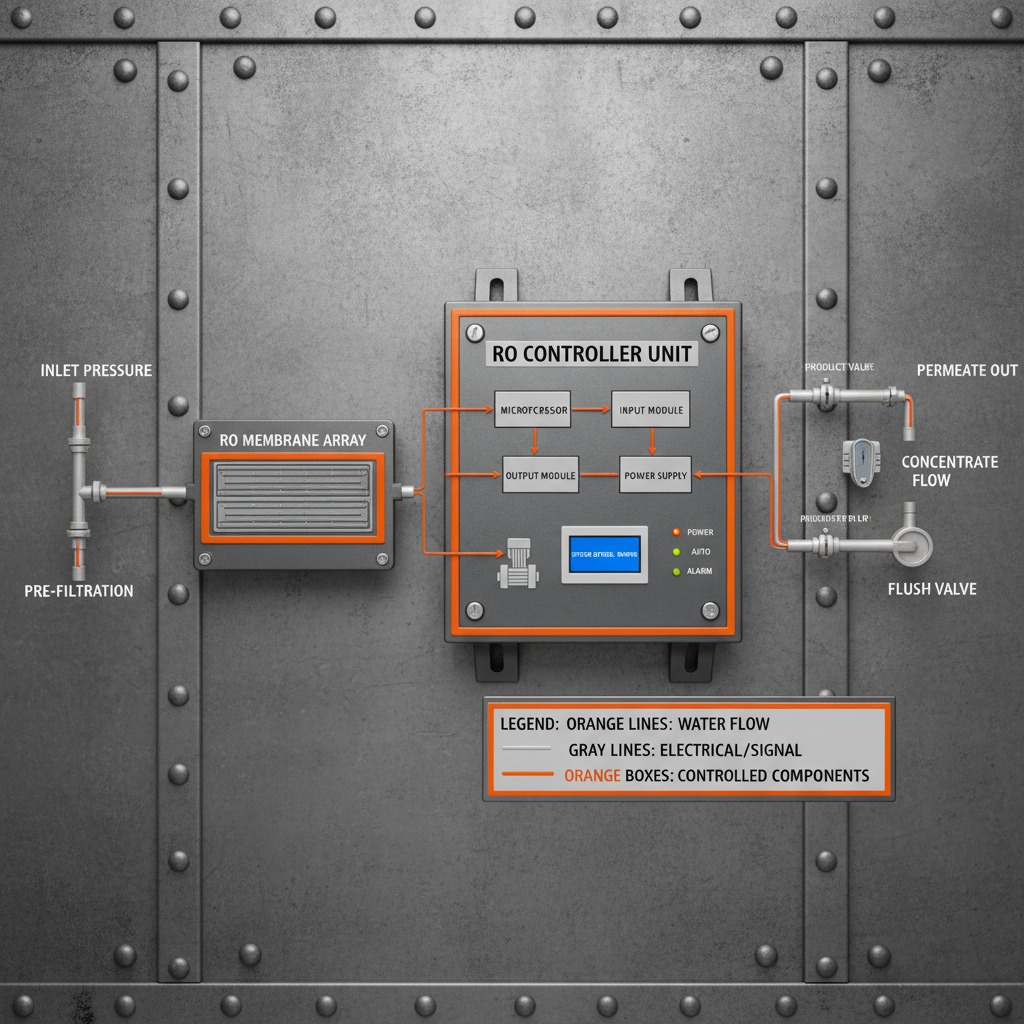
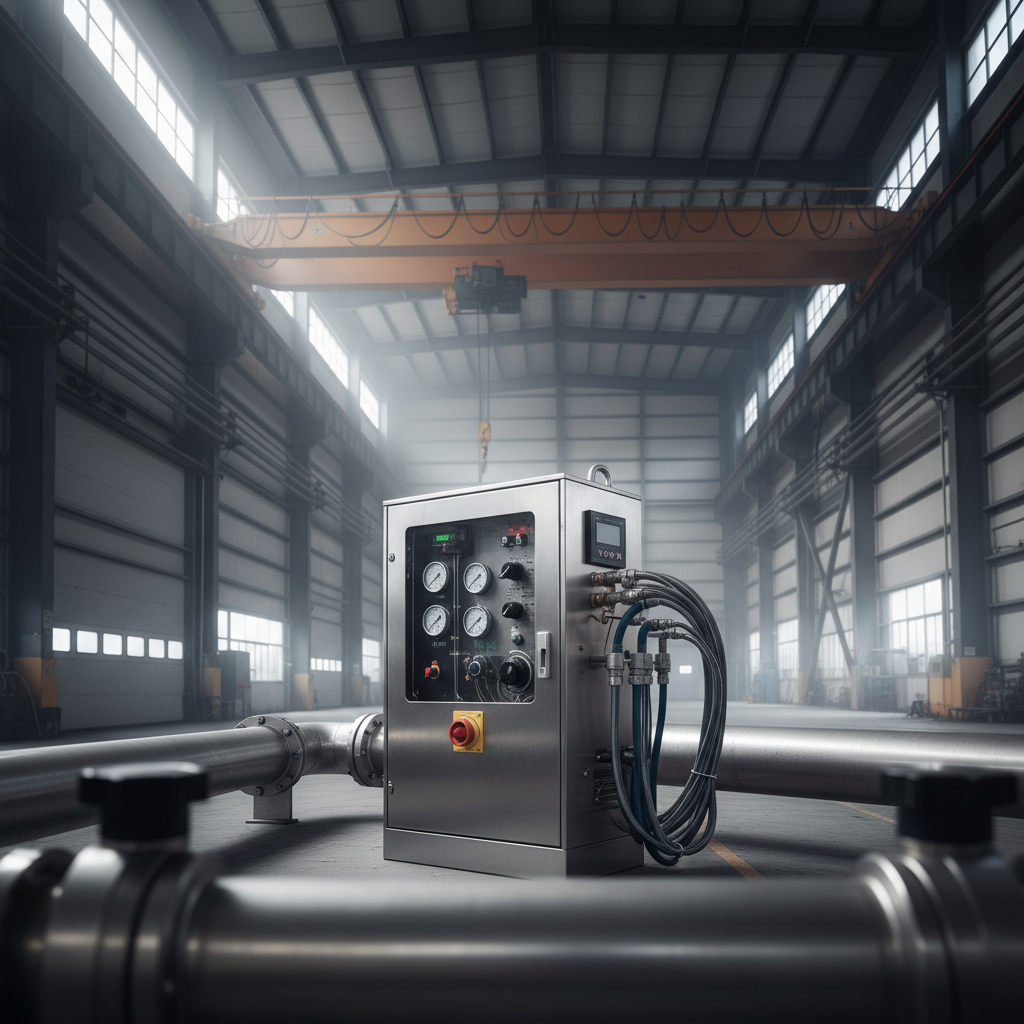
Guide to Choosing the Right RO Controller for Water PurificationMaintaining a high-performance reverse osmosis system requires more than just quality membranes; it demands precise regulation. An ro controller serves as the brain of the entire operation, monitoring critical parameters such as conductivity, temperature, and flow rates to ensure the output water meets stringent purity standards. Without an efficient controller, systems are prone to membrane fouling, inefficient energy use, and inconsistent water quality. In this comprehensive guide, we will explore how these devices optimize water treatment processes and how to select the best model for your specific industrial or commercial needs.
2026-04-09 03:25:47
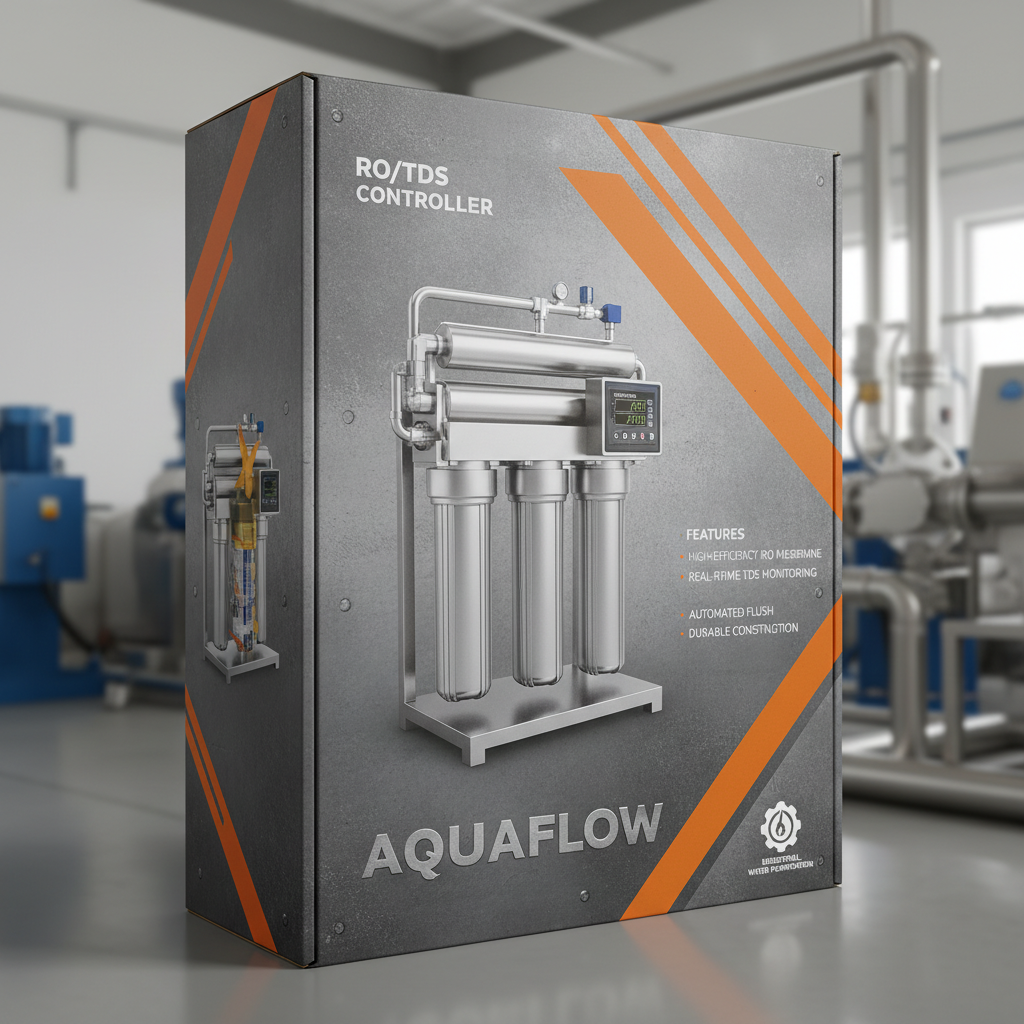
Guide to Water Purity Using RO with TDS Controller SystemsAchieving the perfect balance of mineral content and purity in drinking water is a challenge for many households and industrial facilities. A ro with tds controller offers a sophisticated solution by combining the rigorous filtration of Reverse Osmosis (RO) with the precision of a Total Dissolved Solids (TDS) adjustment system. While standard RO systems remove almost everything, including beneficial minerals, a TDS controller allows users to re-mineralize the water to a desired level. This ensures that the water is not only safe and pure but also tastes better and provides essential nutrients.
2026-04-07 03:17:09
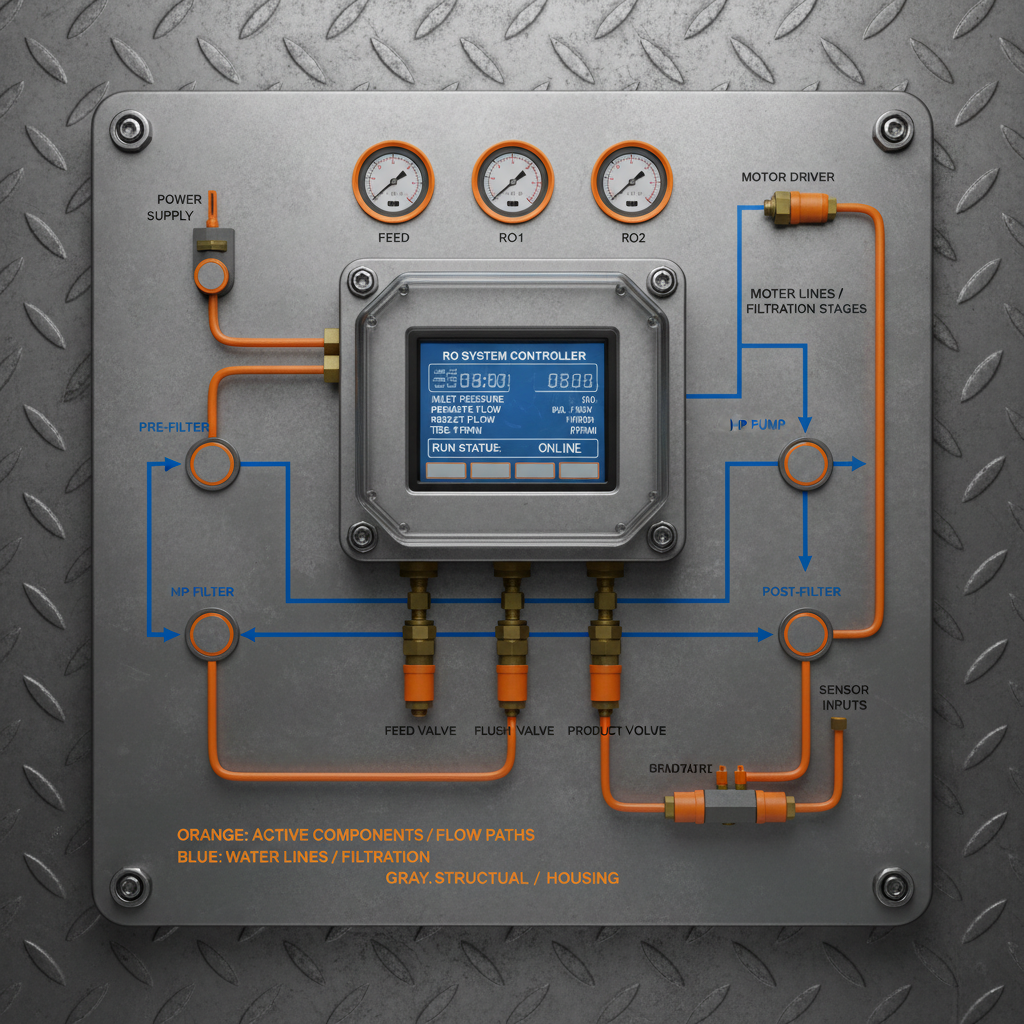
Understanding and Optimizing Reverse Osmosis Systems with a ControllerIn the world of water purification, reverse osmosis (RO) systems are a cornerstone for producing high-quality water for various applications, from drinking water to industrial processes. However, an RO system is only as effective as its control system. This is where the reverse osmosis controller comes into play. This critical component manages and optimizes the RO process, ensuring efficient operation, water quality, and system longevity.
2026-04-04 03:27:19
Understanding the Vital Role of an RO System Controller for Optimal PerformanceReverse Osmosis (RO) systems are critical for purifying water across various industries, from residential applications to large-scale industrial processes. At the heart of a well-functioning RO system lies the RO system controller. This intelligent device monitors and regulates all key parameters of the RO process, ensuring optimal performance, efficiency, and water quality. This article delves into the functionalities, benefits, and selection criteria for choosing the right RO system controller, particularly focusing on those offered by Watequipments. Understanding its role is crucial for maximizing the lifespan and effectiveness of your RO investment.
2026-03-24 17:18:24
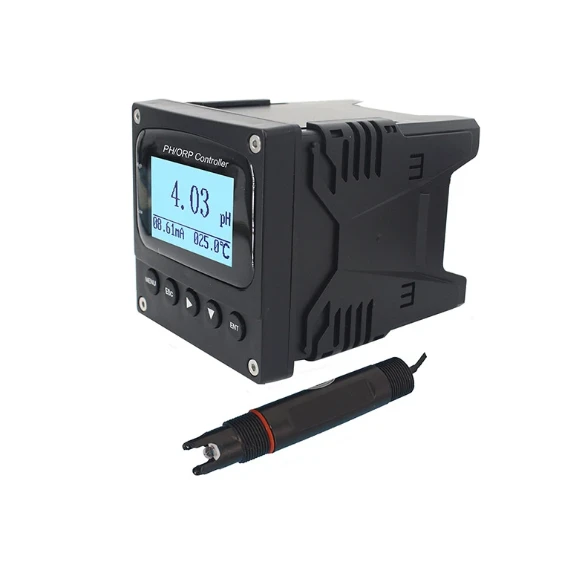
Smart Water Treatment Solutions Using PH ORP Controller SystemsIn modern water treatment and industrial fluid management, maintaining precise chemical balance is essential for safety, efficiency, and regulatory compliance.
2026-03-04 02:55:19
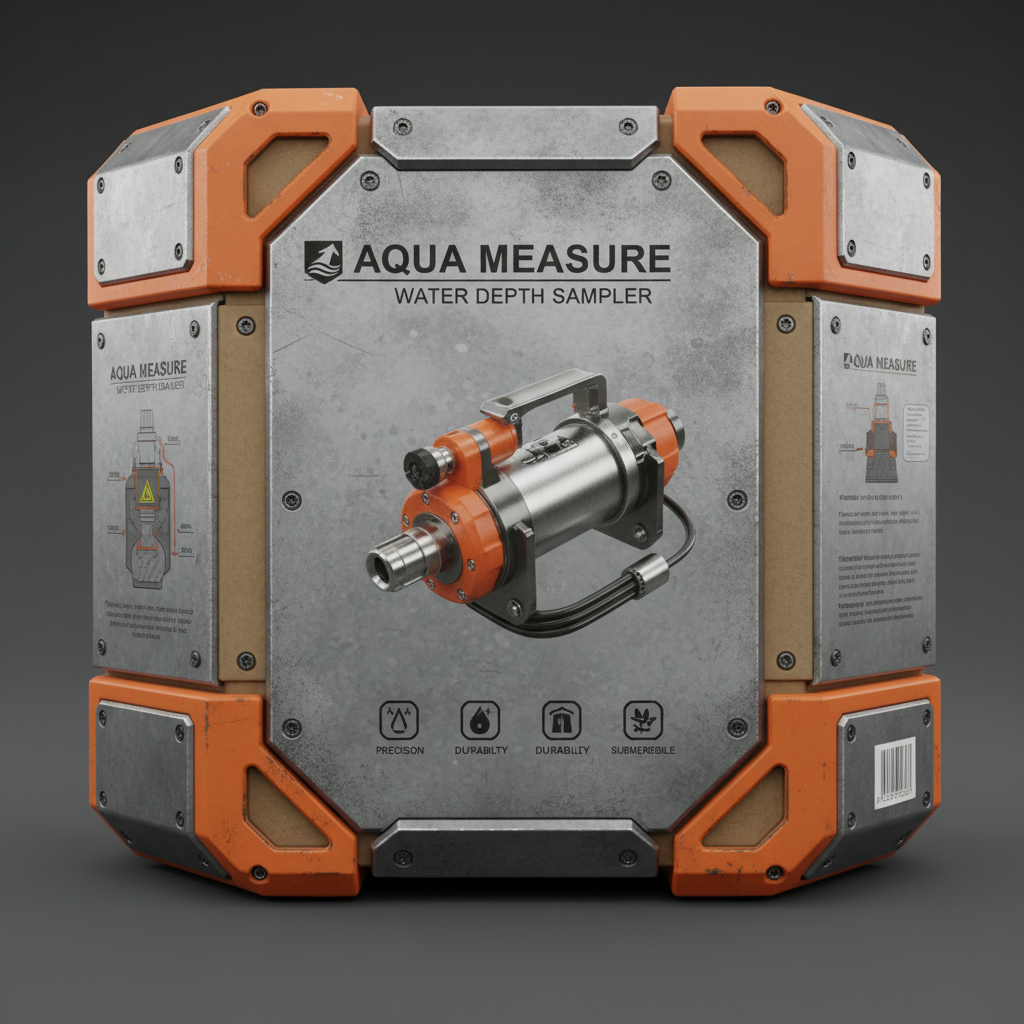
Comprehensive Guide to Water Depth Samplers and Their ApplicationsAccurate water quality monitoring is crucial in various fields, from environmental science and aquaculture to industrial wastewater management. A key tool for this is the water depth sampler. This article provides an in-depth look at water depth samplers, their applications, types, and essential considerations for choosing the right one for your needs. We'll explore the benefits of utilizing this equipment to collect reliable data for analysis and informed decision-making. Selecting the right sampler can significantly improve the precision and efficiency of your water monitoring program. A water depth sampler, also known as a depth-integrated sampler, is a device designed to collect water samples from specific depths within a body of water. Unlike simply dipping a container into the water, a depth sampler allows for collection of a representative sample across a defined depth range. This is critical because water properties (temperature, salinity, pollutants) often vary significantly with depth. The data gathered with a water depth sampler provides a more accurate assessment of water quality than surface samples alone.
2026-03-03 18:55:22
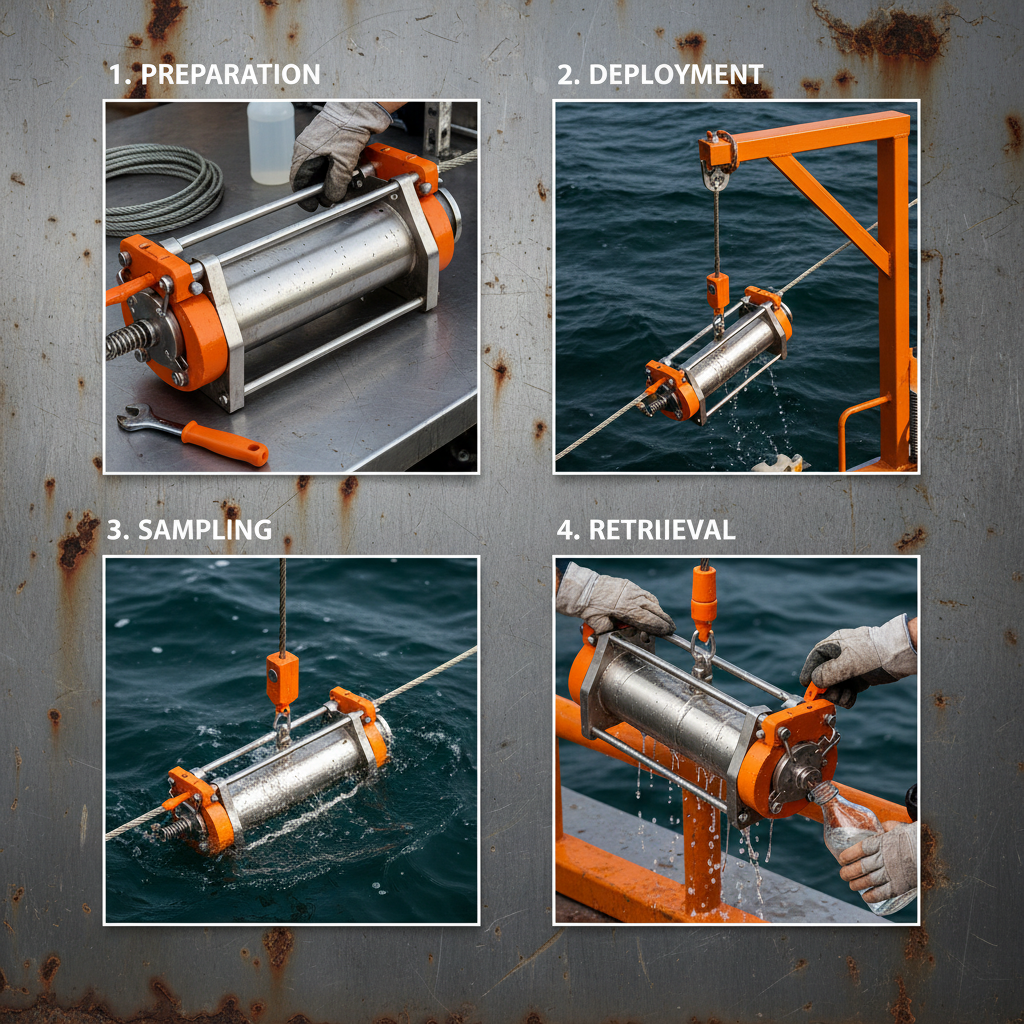
Comprehensive Guide to Horizontal Water Sampler Applications and SelectionCollecting water samples at varying depths is crucial for environmental monitoring, research, and quality control. The horizontal water sampler from Watequipment.com offers a precise and efficient solution for this task. This article provides an in-depth look at horizontal water samplers, their applications, benefits, and key considerations when choosing the right model. We will explore how these samplers contribute to accurate data collection and informed decision-making in various fields. A horizontal water sampler is a device designed to collect water samples from specific depths within a body of water – rivers, lakes, oceans, reservoirs, and even wastewater treatment plants. Unlike vertical samplers which primarily focus on depth, horizontal samplers prioritize collecting samples at a consistent depth while moving along a horizontal plane. This is essential for assessing water quality variations across a waterway or within a specific zone. They are used in applications ranging from environmental monitoring and scientific research to industrial process control and regulatory compliance.
2026-02-28 02:35:09
Comprehensive Guide to Selecting the Right Surface Water Sampler for Your NeedsMonitoring the quality of surface water is critical for environmental protection, public health, and various industrial applications. A surface water sampler is an essential tool for collecting representative samples from rivers, lakes, ponds, and other surface water sources. This article provides a detailed overview of surface water samplers, their types, applications, and key considerations for selecting the right equipment. Accurate water quality data relies on proper sample collection, and choosing the correct sampler is the first step toward achieving reliable results. Surface water samplers come in various designs, each suited to specific sampling needs. Common types include grab samplers, depth-integrating samplers, peristaltic pumps, and automatic samplers. Surface water samplers are used across a broad spectrum of applications, including environmental monitoring, wastewater discharge monitoring, drinking water source monitoring, agricultural runoff analysis, and research studies.

 English