


Understanding Digital Chlorine Meter: Precision Water Quality Monitoring for Safer Water

Understanding Digital Chlorine Meter: Precision Water Quality Monitoring for Safer Water
Dec . 02, 2025
Understanding the Digital Chlorine Meter: A Modern Essential for Water Safety
Water quality is a global priority—needed for drinking, agriculture, and industry alike. One tool helping to ensure safe water worldwide is the digital chlorine meter, a device that measures chlorine levels accurately and efficiently. As we rely heavily on chlorination to protect water supplies from harmful bacteria and viruses, understanding and using this technology is crucial. This review dives into the meter’s workings, its global impact, and why it’s increasingly relevant in today’s connected and health-conscious world.
Introduction: Why the Digital Chlorine Meter Matters Globally
Chlorine disinfection has helped reduce waterborne diseases dramatically worldwide. According to the World Health Organization, over 2 billion people gained access to safely managed drinking water services between 2000 and 2020, thanks in part to chlorination practices.[1] But simply adding chlorine isn’t enough — too little and bacteria survive; too much and you risk toxicity.
Here’s where digital chlorine meters step in: they provide quick, accurate data in real-time so operators—from municipal plants to disaster relief teams—can adjust treatment accordingly. In many developing areas, where manual testing is slow or unavailable, these meters solve a critical challenge: safe water without complicated lab setups.
What Is a Digital Chlorine Meter?
At its core, a digital chlorine meter is an electronic device designed to measure chlorine concentration in water accurately. Unlike traditional chemical test kits, which rely on color changes and subjective visual interpretation, digital meters use sensors that detect chlorine ions or free chlorine with high precision. This means readings are faster, less prone to human error, and often more consistent across different water types.
The device typically outputs results on an LCD screen, often with options to record data or integrate with computer systems for monitoring. It’s a staple in industries like water treatment plants, swimming pools, food processing, and emergency humanitarian services, where timely decisions about water quality impact health directly.
Core Components & Features of a Digital Chlorine Meter
1. Sensor Technology
The heart of the device is its sensor. Most modern digital chlorine meters use electrochemical sensors that react selectively with free chlorine molecules. Some use amperometric or colorimetric sensors with LED light sources. The sensor's sensitivity determines how accurately the device measures sub-ppm chlorine levels, essential for safe drinking water.
2. Portability and Durability
Many models prioritize field use, meaning they have rugged, waterproof enclosures and often come handheld. For instance, workers in remote areas or disaster zones rely on handheld meters with intuitive controls—quick calibration and long battery life are a must here. This portability means faster response and more frequent monitoring.
3. Calibration and Accuracy
Calibration options help ensure readings remain reliable over time. Some meters automatically calibrate using built-in reagents; others require manual calibration via standards. Accuracy usually falls within ±0.01 to ±0.05 mg/L chlorine, sufficient for regulatory compliance and operational safety.
4. Data Logging and Connectivity
Advanced meters can store hundreds of readings, sketch trends, or even connect wirelessly to mobile apps or SCADA systems. This lets organizations maintain logs, spot contamination events early, and optimize chlorine dosing remotely.
5. User Interface
Intuitive LCD screens and simple buttons reduce training time and mistakes. Units are selectable (mg/L, ppm), and some models feature backlit or touchscreen displays for poor-light conditions.
Product Specifications at a Glance
| Spec | Typical Values |
|---|---|
| Measurement Range | 0.00 – 5.00 mg/L (ppm) |
| Accuracy | ±0.02 mg/L |
| Sensor Type | Amperometric Electrochemical |
| Display | LCD with backlight |
| Power | Rechargeable Battery / AA Batteries |
| Data Storage | Up to 500 readings |
Mini takeaway: Digital chlorine meters combine sensitive sensor tech with user-friendly designs to make water safety checks faster and more reliable. This blend is what makes them so globally valuable.
Comparing Leading Digital Chlorine Meter Vendors
| Feature | Hach Pocket Pro | LaMotte ColorQ | Hanna Instruments HI96771 |
|---|---|---|---|
| Sensor Type | Amperometric | Colorimetric | Amperometric |
| Range (mg/L) | 0.01 to 5.00 | 0.02 to 2.00 | 0.00 to 5.00 |
| Battery Life | Approx. 1000 tests | Up to 200 tests | Approx. 300 tests |
| Data Storage | Yes, 500 readings | No | Yes, 400 readings |
| Price Range | $$$ | $ | $$ |
Global Applications and Use Cases
Frankly, you find digital chlorine meters everywhere: urban water plants, food & beverage factories, swimming pools, and even emergency relief hubs. In the aftermath of disasters—like floods or earthquakes—relief teams use handheld meters to regularly check water quality, preventing outbreaks of cholera or typhoid.
In developing regions of Africa and Asia, where lab access is sparse, digital chlorine meters help NGOs maintain safe water points. Oddly enough, industries such as semiconductor manufacturing also require ultrapure water and use these meters to keep contamination in check.
Mini takeaway: The device’s versatility means it plays a vital role across vastly different settings—from local clinics to remote industrial zones.
Advantages and Long-Term Value
- Cost Efficiency: Cutting lab time and errors lowers overall water-testing expenses.
- Sustainability: Real-time data supports proper chlorine dosing, avoiding chemical waste and environmental harm.
- Social Impact: Safe drinking water safeguards health and dignity, especially in underserved areas.
- Reliability: Consistent readings build trust among operators and regulators.
The feeling of controlling your water quality in real-time instills confidence. Especially where waterborne diseases run rampant, it’s an emotional relief to have trustworthy, immediate measurements instead of guesswork.
Future Trends & Innovations
The industry is moving toward more integrated solutions—think digital chlorine meters built into smart water networks that auto-adjust chlorine pumps. Green energy powering these kits is also rising, with solar-chargeable hand-held models for off-grid locations. Plus, miniaturization and app-driven interfaces make testing accessible even to non-specialists.
Regulatory bodies like the ISO are updating standards to incorporate continuous digital monitoring for improved water safety globally.[2] The outlook is toward smarter, greener, and more connected water management systems.
Challenges & Solutions
It’s not perfect, of course. Sensors may drift over time, requiring frequent calibration, and costs can be a barrier for some smaller operators. Also, in extremely turbid or chemically complex waters, interference can affect readings.
Solutions include user-friendly auto-calibration tech, more robust sensor materials, and training programs to empower local staff. Some companies now offer rental or subscription models to ease upfront investment.
FAQ: Digital Chlorine Meter
- Q: How often should I calibrate a digital chlorine meter?
A: Calibration frequency depends on use, but typically every 1-4 weeks. Field conditions or heavy usage may require more frequent calibration to maintain accuracy. - Q: Can digital chlorine meters measure total chlorine, or only free chlorine?
A: Most handheld meters measure free chlorine, but some advanced models can test combined or total chlorine with specific sensors or reagents. - Q: Are digital chlorine meters suitable for swimming pool maintenance?
A: Absolutely. They provide rapid and reliable readings that help maintain safe chlorine levels, improving swimmer safety and reducing chemical overuse. - Q: Can these meters be used in saltwater or brackish water?
A: Some models are designed for or can be adapted to measure chlorine in saline conditions, but it’s important to check specifications to avoid sensor interference. - Q: What is the typical lifespan of the sensor in a digital chlorine meter?
A: Sensors usually last from 6 months to 2 years depending on usage and maintenance. Following manufacturer guidelines helps extend sensor life.
Conclusion
Digital chlorine meters aren’t just gadgets; they’re instruments of public health and environmental stewardship. From cutting operational costs to protecting vulnerable communities, their long-term value is compelling. If you manage water quality—whether in a small clinic or a sprawling city plant—equipping yourself with a reliable meter is a smart move.
Curious to explore models that fit your needs? Visit our website to see the latest range of digital chlorine meters and related testing equipment.
Here's an odd little thought—it feels like measuring water’s “pulse” these days, and that pulse is safer thanks to this tech.
References

Related Products
Related News

2026-04-16 03:20:19
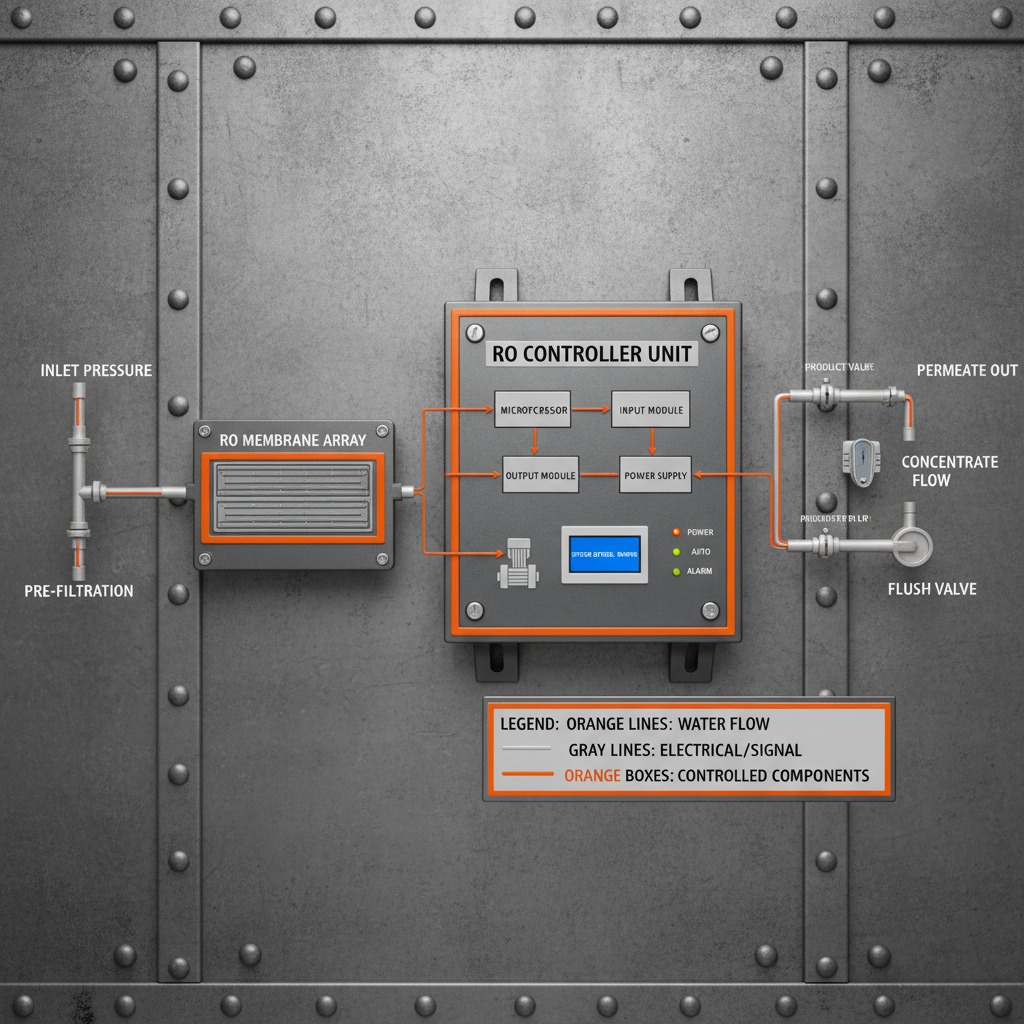
Guide to Choosing the Right RO Controller for Water PurificationMaintaining a high-performance reverse osmosis system requires more than just quality membranes; it demands precise regulation. An ro controller serves as the brain of the entire operation, monitoring critical parameters such as conductivity, temperature, and flow rates to ensure the output water meets stringent purity standards. Without an efficient controller, systems are prone to membrane fouling, inefficient energy use, and inconsistent water quality. In this comprehensive guide, we will explore how these devices optimize water treatment processes and how to select the best model for your specific industrial or commercial needs.
2026-04-09 03:25:47
Guide to Water Purity Using RO with TDS Controller SystemsAchieving the perfect balance of mineral content and purity in drinking water is a challenge for many households and industrial facilities. A ro with tds controller offers a sophisticated solution by combining the rigorous filtration of Reverse Osmosis (RO) with the precision of a Total Dissolved Solids (TDS) adjustment system. While standard RO systems remove almost everything, including beneficial minerals, a TDS controller allows users to re-mineralize the water to a desired level. This ensures that the water is not only safe and pure but also tastes better and provides essential nutrients.
2026-04-07 03:17:09
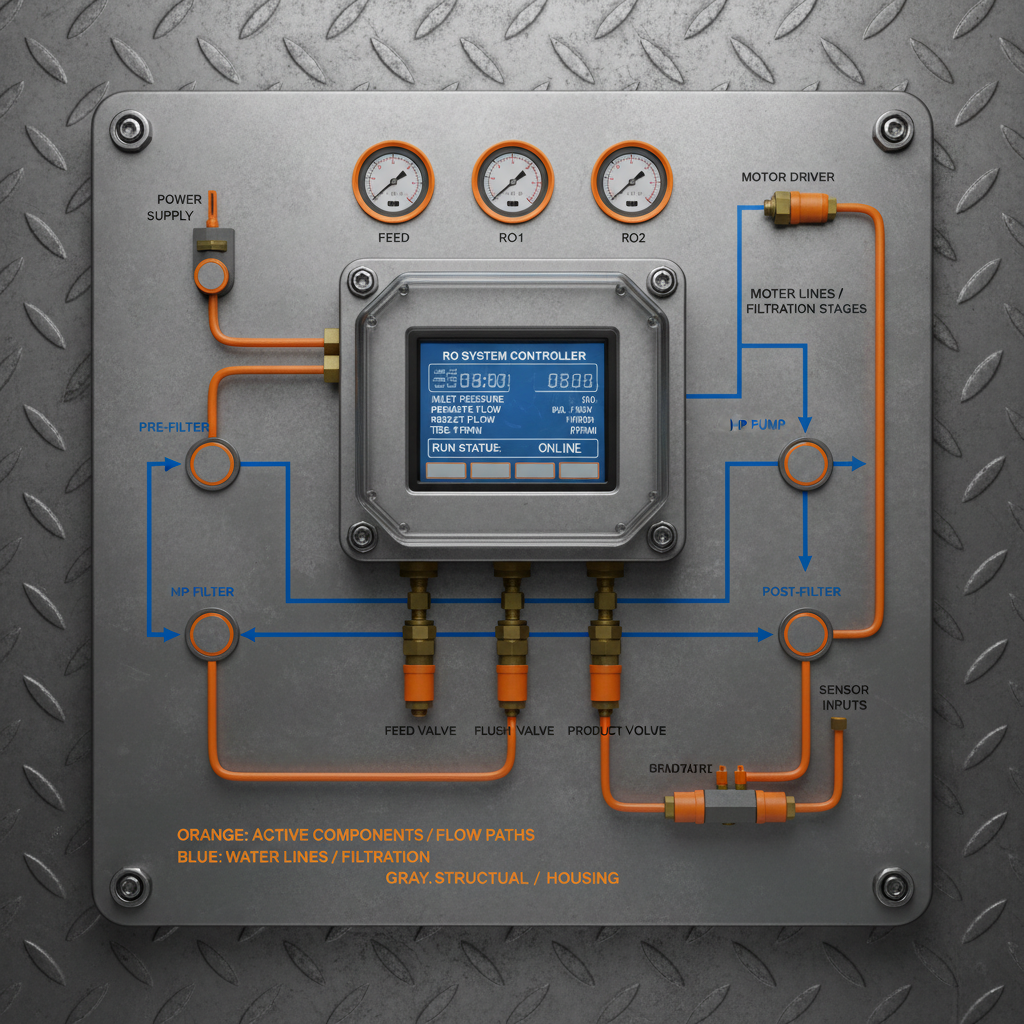
Understanding and Optimizing Reverse Osmosis Systems with a ControllerIn the world of water purification, reverse osmosis (RO) systems are a cornerstone for producing high-quality water for various applications, from drinking water to industrial processes. However, an RO system is only as effective as its control system. This is where the reverse osmosis controller comes into play. This critical component manages and optimizes the RO process, ensuring efficient operation, water quality, and system longevity.
2026-04-04 03:27:19
Understanding the Vital Role of an RO System Controller for Optimal PerformanceReverse Osmosis (RO) systems are critical for purifying water across various industries, from residential applications to large-scale industrial processes. At the heart of a well-functioning RO system lies the RO system controller. This intelligent device monitors and regulates all key parameters of the RO process, ensuring optimal performance, efficiency, and water quality. This article delves into the functionalities, benefits, and selection criteria for choosing the right RO system controller, particularly focusing on those offered by Watequipments. Understanding its role is crucial for maximizing the lifespan and effectiveness of your RO investment.
2026-03-24 17:18:24
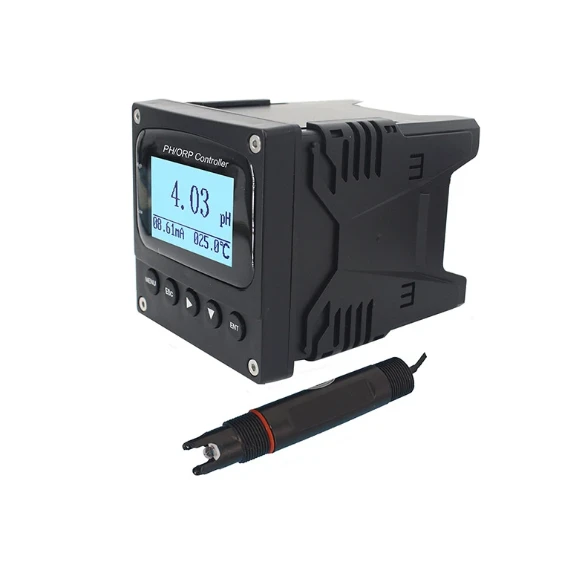
Smart Water Treatment Solutions Using PH ORP Controller SystemsIn modern water treatment and industrial fluid management, maintaining precise chemical balance is essential for safety, efficiency, and regulatory compliance.
2026-03-04 02:55:19
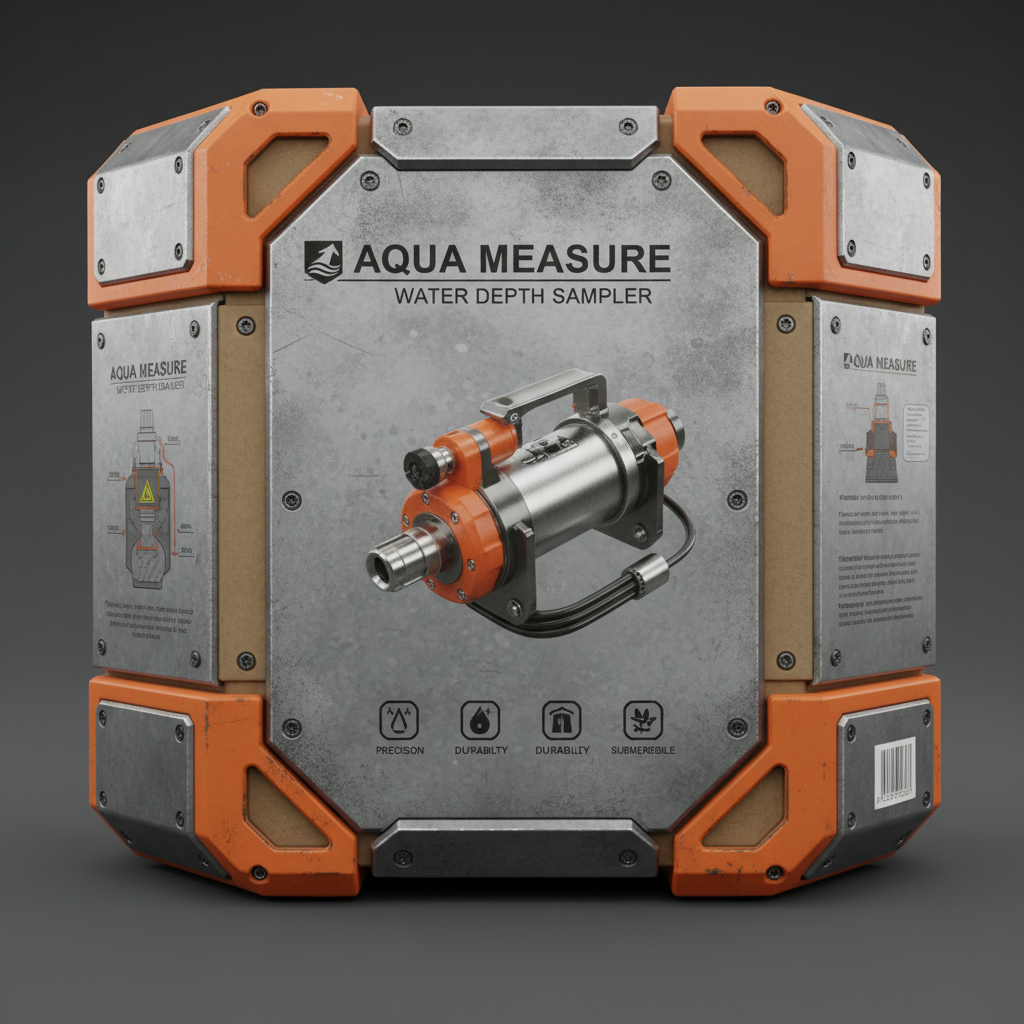
Comprehensive Guide to Water Depth Samplers and Their ApplicationsAccurate water quality monitoring is crucial in various fields, from environmental science and aquaculture to industrial wastewater management. A key tool for this is the water depth sampler. This article provides an in-depth look at water depth samplers, their applications, types, and essential considerations for choosing the right one for your needs. We'll explore the benefits of utilizing this equipment to collect reliable data for analysis and informed decision-making. Selecting the right sampler can significantly improve the precision and efficiency of your water monitoring program. A water depth sampler, also known as a depth-integrated sampler, is a device designed to collect water samples from specific depths within a body of water. Unlike simply dipping a container into the water, a depth sampler allows for collection of a representative sample across a defined depth range. This is critical because water properties (temperature, salinity, pollutants) often vary significantly with depth. The data gathered with a water depth sampler provides a more accurate assessment of water quality than surface samples alone.
2026-03-03 18:55:22
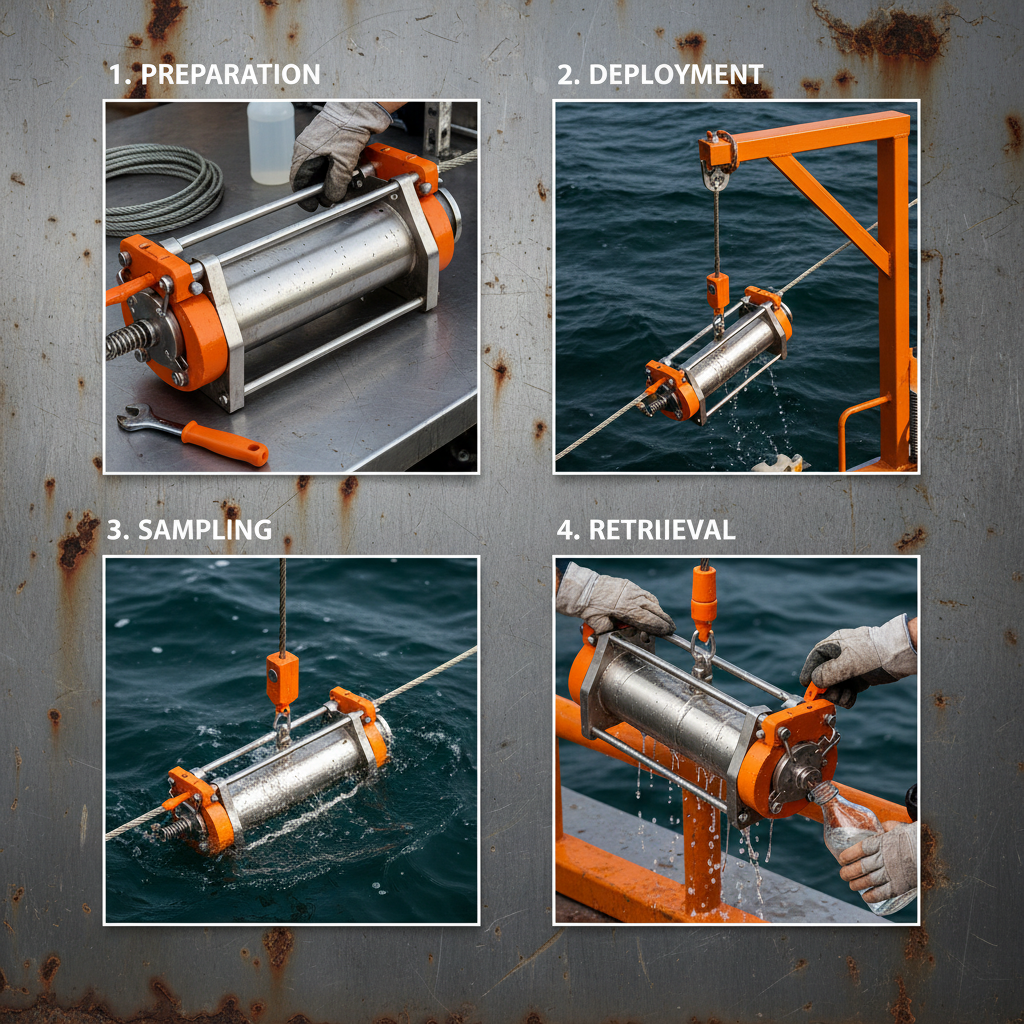
Comprehensive Guide to Horizontal Water Sampler Applications and SelectionCollecting water samples at varying depths is crucial for environmental monitoring, research, and quality control. The horizontal water sampler from Watequipment.com offers a precise and efficient solution for this task. This article provides an in-depth look at horizontal water samplers, their applications, benefits, and key considerations when choosing the right model. We will explore how these samplers contribute to accurate data collection and informed decision-making in various fields. A horizontal water sampler is a device designed to collect water samples from specific depths within a body of water – rivers, lakes, oceans, reservoirs, and even wastewater treatment plants. Unlike vertical samplers which primarily focus on depth, horizontal samplers prioritize collecting samples at a consistent depth while moving along a horizontal plane. This is essential for assessing water quality variations across a waterway or within a specific zone. They are used in applications ranging from environmental monitoring and scientific research to industrial process control and regulatory compliance.
2026-02-28 02:35:09
Comprehensive Guide to Selecting the Right Surface Water Sampler for Your NeedsMonitoring the quality of surface water is critical for environmental protection, public health, and various industrial applications. A surface water sampler is an essential tool for collecting representative samples from rivers, lakes, ponds, and other surface water sources. This article provides a detailed overview of surface water samplers, their types, applications, and key considerations for selecting the right equipment. Accurate water quality data relies on proper sample collection, and choosing the correct sampler is the first step toward achieving reliable results. Surface water samplers come in various designs, each suited to specific sampling needs. Common types include grab samplers, depth-integrating samplers, peristaltic pumps, and automatic samplers. Surface water samplers are used across a broad spectrum of applications, including environmental monitoring, wastewater discharge monitoring, drinking water source monitoring, agricultural runoff analysis, and research studies.

 English