


Electronic Pool Test Kit – Accurate, Easy Water Quality Testing for Pools

Electronic Pool Test Kit – Accurate, Easy Water Quality Testing for Pools
Dec . 02, 2025
Understanding the Electronic Pool Test Kit: A Modern Essential for Water Quality
Swimming pools aren’t just about fun and relaxation anymore; they’re a reflection of our health and safety standards. The electronic pool test kit is one of those quietly powerful tools that ensures the water stays pristine and safe, avoiding everything from pesky algae blooms to serious health risks. Globally, clean water management—whether in residential pools or public facilities—has become a key concern. This kit blends technology and ease-of-use to help pool owners and operators maintain optimal water quality efficiently. Frankly, it feels like a small innovation with big ripples.
Global Importance of Electronic Pool Test Kits
Water safety remains critical worldwide. According to the United Nations, nearly 2 billion people still lack access to safely managed water services (1). While public health frameworks typically focus on drinking water, recreational water sites like pools are no less important, especially as they can become hotspots for microbial growth if neglected.
The electronic pool test kit plays a role beyond just hygiene. In countries where regulations are tightening around public pools, or where industrial advancements are being leveraged to improve sanitation, these kits offer rapid, reliable, and standardized water testing. They address the challenge of balancing ease-of-use with laboratory-grade accuracy—a tradeoff that’s essential in both commercial and leisure settings.
What Exactly Is an Electronic Pool Test Kit?
Put simply, it’s a handheld device designed to measure key water quality parameters electronically—such as chlorine levels, pH, alkalinity, and temperature—without relying only on chemical test strips or cumbersome lab tests. This tech-savvy approach replaces human guesswork and color-matching with digital readings and calibration, making it accessible even for non-experts.
Beyond backyard pools, these electronic kits are increasingly found in hotel aquatics, municipal swimming facilities, and water treatment plants. They satisfy a universal need: prompt, accurate water analysis to inform corrective action before problems escalate.
Core Components That Make It Tick
1. Sensor Accuracy and Range
High-quality sensors ensure precise readings of chlorine—whether free or total—as well as pH, which is crucial for swimmer safety and equipment longevity. The broader the measurement range, the more versatile the kit becomes.
2. Durability and Portability
Users need devices that withstand wet environments and frequent travel between pools. Many kits are waterproof, compact, and battery-powered, making them both rugged and practical.
3. User Interface and Data Output
Simple LCD or touchscreen displays, sometimes paired with smartphone connectivity, ease interpretation. Some kits even store historical readings, which is handy for compliance reporting or trend analysis.
4. Calibration and Maintenance Ease
The best kits allow straightforward sensor calibration with standard solutions. This reduces downtime and keeps the device reliable over time.
5. Cost Efficiency
These kits vary widely in price, but the longer-term savings in chemical usage optimization and reduced labor often outweigh initial investments.
Product Specification Table
| Feature | Typical Range | Remarks |
|---|---|---|
| Free Chlorine | 0.02 - 10 mg/L | Key disinfectant monitoring |
| pH Level | 0.00 - 14.00 pH | Water acidity/alkalinity check |
| Temperature | 0 - 50°C | Environmental impact on chemical activity |
| Total Alkalinity | 0 - 500 mg/L CaCO3 | Helps stabilize pH levels |
Global Applications and Use Cases
In North America and Europe, public pools comply with strict water quality standards monitored regularly using electronic pool test kits. Hotels and aquatics centers often rely on automated data logging to maintain compliance with health codes.
Meanwhile, in emerging markets, relatively affordable electronic kits are helping community recreation centers leapfrog traditional chemical methods, reducing human error and contamination risks.
Oddly enough, humanitarian organizations engaged in disaster response and refugee aid are also finding value here. In emergency shelters with temporary pools or water storage systems, portable electronic pool test kits provide fast water quality assessments that inform safe water use decisions.
Looking at industry, water treatment facilities use these kits as spot-check tools between automated sensors to catch anomalies early.
Vendor Comparison Table
| Brand | Measurement Parameters | Price Range | Connectivity |
|---|---|---|---|
| AquaCheck Pro | Chlorine, pH, Temp, Alkalinity | $120 - $180 | Bluetooth |
| PoolSense Elite | Free Chlorine, pH, ORP, Temp | $150 - $220 | Wi-Fi + App |
| HydroScan Basic | Chlorine, pH | $80 - $130 | USB Data Transfer |
Advantages and Long-Term Value
What struck me as I dug into this tech is the blend of safety, economy, and foresight it offers. Cleaning a pool is costly—chemicals, labor, potential health risks. An electronic pool test kit reduces guesswork, helping conserve expensive chemicals by fine-tuning dosages.
That’s the logical side, but emotionally, it’s about trust and responsibility. Pool operators feel confident knowing they’re providing safe environments. For families, it means peace of mind that the water won’t cause irritation or illness.
Emerging Trends and Innovations
- Smart integration: Kits now connect with mobile apps to track data trends, send reminders, and even recommend treatments.
- Green tech: Advances focus on low-power sensors and rechargeable battery solutions, reducing environmental impact.
- Automation: Some pools feature auto-dosing systems triggered by the kit’s readings, minimizing human intervention.
- Material science: New sensor membranes and coatings extend sensor life and improve accuracy under harsh chemicals.
Challenges and Ways Forward
Despite clear benefits, challenges linger. Calibration can be tricky if users don’t have the right standards at hand, and sometimes sensors degrade unpredictably. Plus, cost remains a barrier for smaller facilities in some regions.
Thankfully, manufacturers are exploring subscription models for calibration kits and remote support services. Training initiatives, especially via online platforms, are also on the rise to help users get the best results quickly.
FAQs about Electronic Pool Test Kits
- How accurate are electronic pool test kits compared to lab testing?
- Modern electronic kits typically offer accuracy within ±2% for chlorine and pH values, close enough for daily pool management. While not a full lab replacement, they provide quick, reliable onsite data that prevents issues before lab tests might catch them.
- Can I use an electronic pool test kit at saltwater pools?
- Yes, most kits handle saltwater pools but ensure you select models that specify saltwater capability to avoid sensor corrosion and maintain readings’ accuracy.
- How often should I calibrate my electronic pool tester?
- Calibration frequency varies by usage but generally every 1-3 months is recommended. Regular calibration keeps sensor readings dependable and prevents cumulative errors.
- Are electronic kits suitable for professional pool guys or just homeowners?
- They’re ideal for both. Professionals enjoy portability and precision, while homeowners benefit from ease and immediacy. The key is finding a model that matches your needs and budget.
- Can these kits help with compliance reporting?
- Many electronic testers include data logging and export features. This makes keeping records for regulatory bodies or internal audits much simpler than manual logs.
Wrapping It All Up
Ultimately, the electronic pool test kit represents a small but vital leap toward safer, smarter water management. It eases operations, reduces chemical waste, and most importantly, protects swimmers’ health. If you care about maintaining your pool’s clarity and safety without unnecessary guesswork, an electronic pool test kit is probably worth looking into.
Curious? Check out more about these tools at https://www.watequipments.com — a solid starting point whether you’re a seasoned pool pro or a home enthusiast.
In the end, clean, safe water reflects more than just equipment — it mirrors our commitment to community wellness and innovation.
References:

Related Products
Related News

2026-04-16 03:20:19
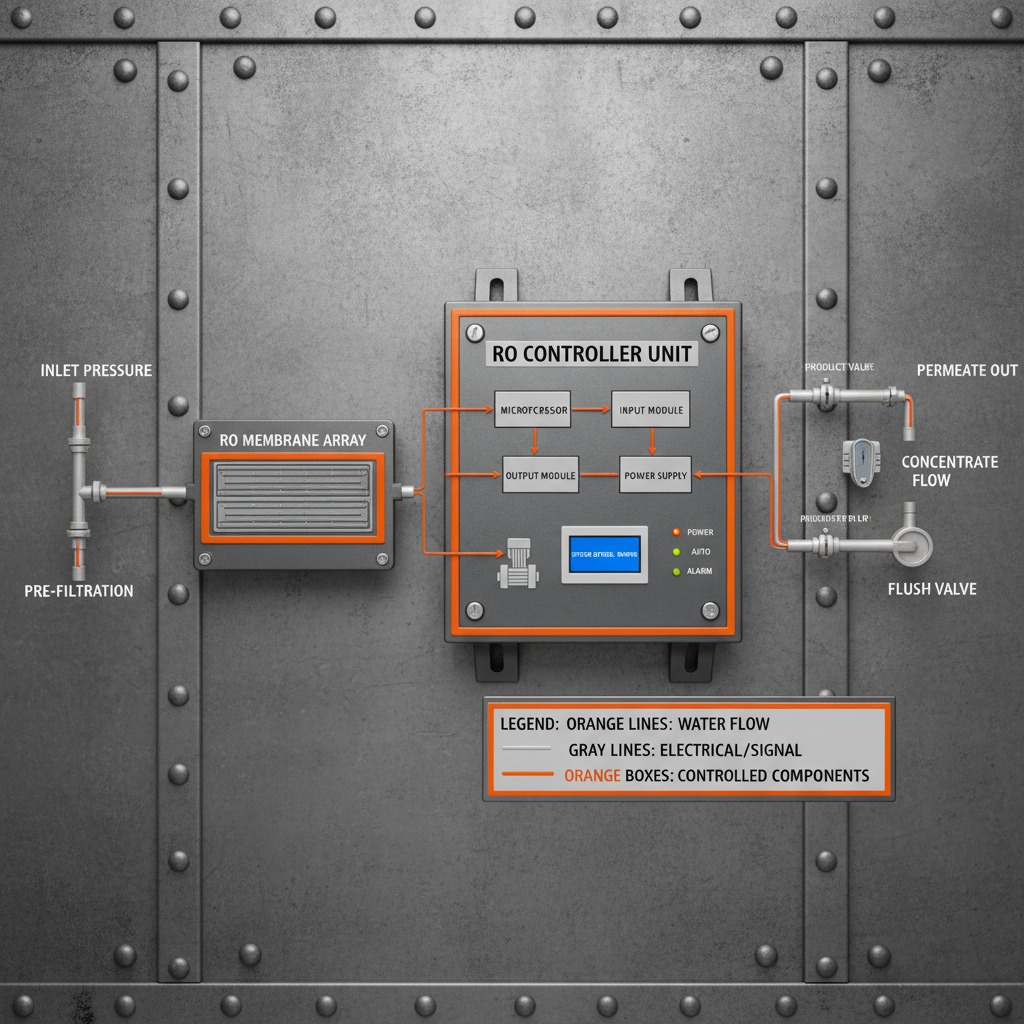
Guide to Choosing the Right RO Controller for Water PurificationMaintaining a high-performance reverse osmosis system requires more than just quality membranes; it demands precise regulation. An ro controller serves as the brain of the entire operation, monitoring critical parameters such as conductivity, temperature, and flow rates to ensure the output water meets stringent purity standards. Without an efficient controller, systems are prone to membrane fouling, inefficient energy use, and inconsistent water quality. In this comprehensive guide, we will explore how these devices optimize water treatment processes and how to select the best model for your specific industrial or commercial needs.
2026-04-09 03:25:47
Guide to Water Purity Using RO with TDS Controller SystemsAchieving the perfect balance of mineral content and purity in drinking water is a challenge for many households and industrial facilities. A ro with tds controller offers a sophisticated solution by combining the rigorous filtration of Reverse Osmosis (RO) with the precision of a Total Dissolved Solids (TDS) adjustment system. While standard RO systems remove almost everything, including beneficial minerals, a TDS controller allows users to re-mineralize the water to a desired level. This ensures that the water is not only safe and pure but also tastes better and provides essential nutrients.
2026-04-07 03:17:09
Understanding and Optimizing Reverse Osmosis Systems with a ControllerIn the world of water purification, reverse osmosis (RO) systems are a cornerstone for producing high-quality water for various applications, from drinking water to industrial processes. However, an RO system is only as effective as its control system. This is where the reverse osmosis controller comes into play. This critical component manages and optimizes the RO process, ensuring efficient operation, water quality, and system longevity.
2026-04-04 03:27:19
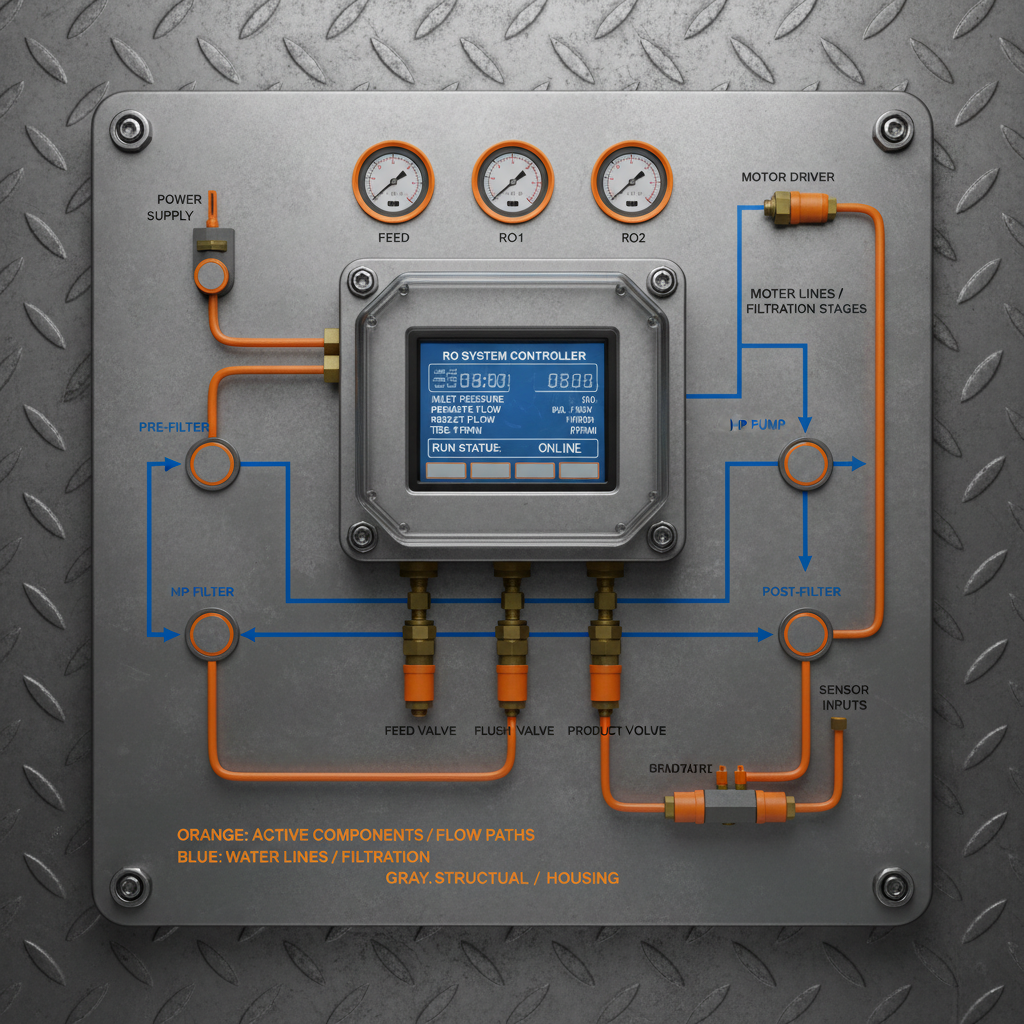
Understanding the Vital Role of an RO System Controller for Optimal PerformanceReverse Osmosis (RO) systems are critical for purifying water across various industries, from residential applications to large-scale industrial processes. At the heart of a well-functioning RO system lies the RO system controller. This intelligent device monitors and regulates all key parameters of the RO process, ensuring optimal performance, efficiency, and water quality. This article delves into the functionalities, benefits, and selection criteria for choosing the right RO system controller, particularly focusing on those offered by Watequipments. Understanding its role is crucial for maximizing the lifespan and effectiveness of your RO investment.
2026-03-24 17:18:24
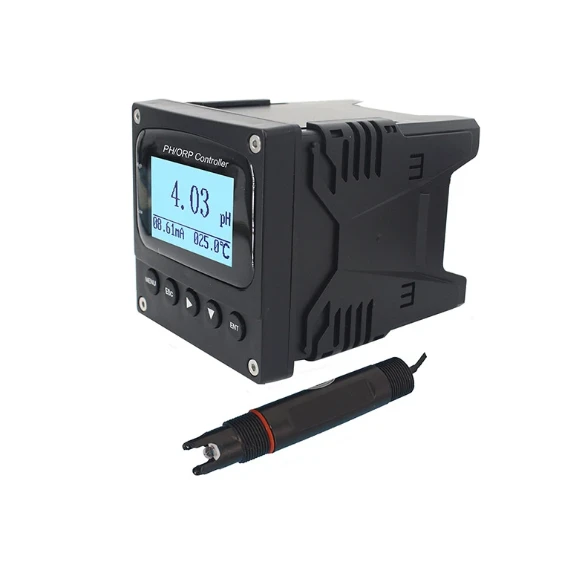
Smart Water Treatment Solutions Using PH ORP Controller SystemsIn modern water treatment and industrial fluid management, maintaining precise chemical balance is essential for safety, efficiency, and regulatory compliance.
2026-03-04 02:55:19
Comprehensive Guide to Water Depth Samplers and Their ApplicationsAccurate water quality monitoring is crucial in various fields, from environmental science and aquaculture to industrial wastewater management. A key tool for this is the water depth sampler. This article provides an in-depth look at water depth samplers, their applications, types, and essential considerations for choosing the right one for your needs. We'll explore the benefits of utilizing this equipment to collect reliable data for analysis and informed decision-making. Selecting the right sampler can significantly improve the precision and efficiency of your water monitoring program. A water depth sampler, also known as a depth-integrated sampler, is a device designed to collect water samples from specific depths within a body of water. Unlike simply dipping a container into the water, a depth sampler allows for collection of a representative sample across a defined depth range. This is critical because water properties (temperature, salinity, pollutants) often vary significantly with depth. The data gathered with a water depth sampler provides a more accurate assessment of water quality than surface samples alone.
2026-03-03 18:55:22
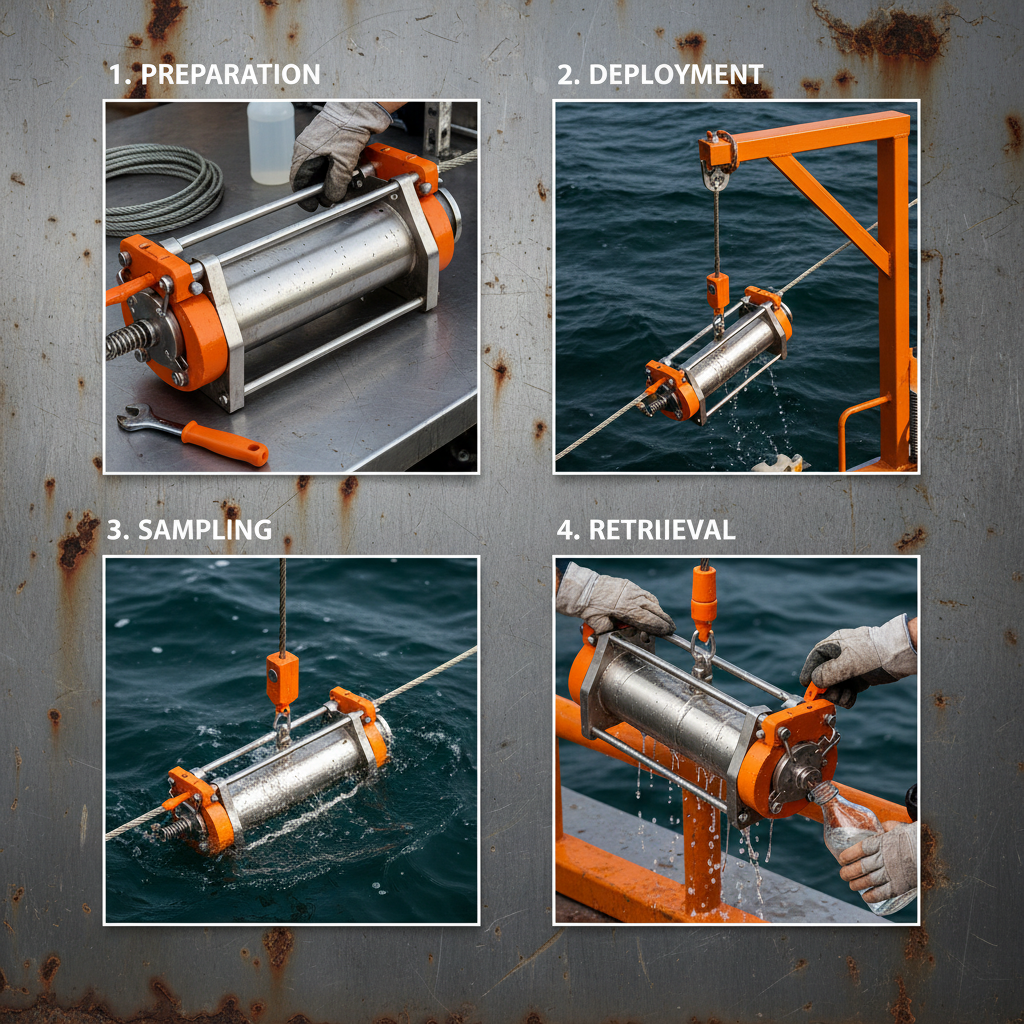
Comprehensive Guide to Horizontal Water Sampler Applications and SelectionCollecting water samples at varying depths is crucial for environmental monitoring, research, and quality control. The horizontal water sampler from Watequipment.com offers a precise and efficient solution for this task. This article provides an in-depth look at horizontal water samplers, their applications, benefits, and key considerations when choosing the right model. We will explore how these samplers contribute to accurate data collection and informed decision-making in various fields. A horizontal water sampler is a device designed to collect water samples from specific depths within a body of water – rivers, lakes, oceans, reservoirs, and even wastewater treatment plants. Unlike vertical samplers which primarily focus on depth, horizontal samplers prioritize collecting samples at a consistent depth while moving along a horizontal plane. This is essential for assessing water quality variations across a waterway or within a specific zone. They are used in applications ranging from environmental monitoring and scientific research to industrial process control and regulatory compliance.
2026-02-28 02:35:09
Comprehensive Guide to Selecting the Right Surface Water Sampler for Your NeedsMonitoring the quality of surface water is critical for environmental protection, public health, and various industrial applications. A surface water sampler is an essential tool for collecting representative samples from rivers, lakes, ponds, and other surface water sources. This article provides a detailed overview of surface water samplers, their types, applications, and key considerations for selecting the right equipment. Accurate water quality data relies on proper sample collection, and choosing the correct sampler is the first step toward achieving reliable results. Surface water samplers come in various designs, each suited to specific sampling needs. Common types include grab samplers, depth-integrating samplers, peristaltic pumps, and automatic samplers. Surface water samplers are used across a broad spectrum of applications, including environmental monitoring, wastewater discharge monitoring, drinking water source monitoring, agricultural runoff analysis, and research studies.

 English