


Understanding pH ORP Sensors: Global Impact, Applications, and Future Innovations

Understanding pH ORP Sensors: Global Impact, Applications, and Future Innovations
Nov . 15, 2025
Why Understanding pH ORP Sensors Is More Important Than You Might Think
Whether you're running a water treatment plant, managing an industrial process, or simply curious about what keeps our ecosystems balanced, pH ORP sensors quietly do the heavy lifting. These devices measure the acidity (pH) and oxidation-reduction potential (ORP) of water or solutions — two critical factors that impact everything from public health to manufacturing quality. Global challenges like water pollution, food safety, and energy efficiency hinge on reliable measurement tools, and that's where good sensor tech comes in. Grasping how these sensors work and why they matter isn’t just a niche engineer’s concern; it's vital knowledge shaping industries worldwide.
Mini takeaway: pH ORP sensors are unsung heroes that track key chemical states crucial for safety, quality, and sustainability on a global scale.
Global Context: Why pH ORP Sensors Matter Today
Picture this: The United Nations estimates over two billion people lack safely managed drinking water. Industries like pharmaceuticals, food & beverage, and wastewater treatment must monitor water quality meticulously. According to the World Bank, water-related diseases still cause millions of deaths yearly. Clearly, the need for precise, affordable, and durable sensing technology is huge.
pH and ORP measurements address challenges ranging from controlling disinfection processes to ensuring environmental compliance. For example, when treating wastewater, a wrong pH or ORP reading can mean ineffective cleansing or chemical overdosing — which ultimately harms people and nature. The ISO 10523:2012 standard on pH meters and testing highlights the importance of accuracy and reproducibility, crucial in global industrial applications.
Oddly enough, even the smallest sensor fault can cascade into costly errors, sometimes unnoticed until damage is done.
Mini takeaway: Accurate pH ORP sensors are frontline tools in global health and environmental challenges, with direct impact on millions of lives.
What Exactly Is a pH ORP Sensor?
At its heart, a pH ORP sensor is a device that detects hydrogen ion activity (pH) and electron activity (ORP) in liquids to gauge acidity/alkalinity and the oxidative or reductive state of that environment. pH sensors typically use a glass electrode, while ORP sensors rely on platinum or gold electrodes to measure electron exchange. Combined into one probe, they give operators a powerful window into chemical reactions in real time.
These sensors are key in industries where chemical balance is everything — think brewing that perfect beer, keeping aquarium ecosystems stable, or monitoring industrial effluent. The data they provide inform process adjustments, regulatory compliance, and product quality assurance.
Mini takeaway: pH ORP sensors are precision instruments that translate invisible chemical states into actionable data for diverse industries.
Key Attributes That Define a Reliable pH ORP Sensor
1. Durability
Many engineers say these sensors must withstand harsh chemical environments, temperature swings, and prolonged immersion without drifting away from accurate readings. Materials like robust epoxy coatings or reinforced glass make sensors last longer, reducing costly downtime.
2. Accuracy and Stability
Small deviations in pH or ORP can mean big differences in outcome. Sensors that maintain stable calibration over time with minimal drift are gold in process monitoring. Digital signal processing and temperature compensation are key enhancements here.
3. Response Time
In fast-paced industrial settings, timely alerts matter. Sensors with quicker response times avoid delays in process corrections.
4. Ease of Maintenance
Self-cleaning features or modular replaceable tips save technicians hours and cut operational costs. Sensors optimized for easy calibration are preferred in remote or harsh environments.
5. Cost Efficiency
Balancing upfront cost with sensor lifespan and performance drives buyer decisions. Sometimes spending a bit more up front means much less headache later.
6. Compatibility and Connectivity
Modern sensors often feature digital interfaces or wireless data outputs, integrating with SCADA systems or IoT platforms to enable smarter, automated monitoring.
Mini takeaway: A great pH ORP sensor isn’t just a measuring tool — it’s a durable, accurate, and user-friendly component that adapts seamlessly to real-world demands.
Global Applications: Where pH ORP Sensors Make a Big Difference
Here’s a quick tour of real-world use cases:
- Water & Wastewater Treatment: Facilities globally employ sensors to monitor chlorine disinfection levels and wastewater neutralization, ensuring compliance with environmental rules.
- Agriculture: Hydroponics and soil monitoring use pH ORP sensors to optimize nutrient absorption and crop yield, especially vital in arid zones.
- Food & Beverage: Brewing, dairy, and fermentation processes rely on constantly monitored pH and redox levels to guarantee safety and flavor consistency.
- Pharmaceutical Manufacturing: Stringent quality control requires precise pH tracking during chemical synthesis.
- Disaster Relief Operations: In regions hit by floods or drought, portable sensors help NGOs and governments check water potability quickly to prevent outbreaks.
- Remote Industrial Zones: Mines and power plants use rugged sensors to ensure the safety of process waters where frequent technical visits aren't feasible.
Mini takeaway: pH ORP sensors adapt to diverse geographic and industrial settings — from mega-cities to remote villages, they provide essential water quality insight.
Product Specification Table: Sample pH ORP Sensor Model
| Specification | Details |
|---|---|
| Measurement Range (pH) | 0 - 14 pH |
| Measurement Range (ORP) | -1000 to +1000 mV |
| Operating Temperature | 0°C to 80°C |
| Response Time | ≤ 15 seconds (pH), ≤ 10 seconds (ORP) |
| Sensor Life | 12-24 months (typical) |
| Interface | Analog 4-20mA, Digital Modbus |
Vendor Comparison: Popular pH ORP Sensor Brands
| Brand | Key Features | Price Range | Industry Focus |
|---|---|---|---|
| Sensotech Pro | Self-cleaning, rugged casing, digital output | $$$ | Water Treatment, Food & Beverage |
| AquaMaster X | Fast response, low cost, analog output | $ | Agriculture, Education |
| EcoSense Elite | Long sensor life, wireless communication | $$$$ | Pharmaceuticals, Environmental Monitoring |
| HydroTech Plus | Modular design, quick calibration | $$ | Remote Industrial Sites, Disaster Relief |
Why Investing in Quality pH ORP Sensors Pays Off Long-Term
From a purely practical standpoint, choosing reliable pH ORP sensors means fewer process interruptions, better chemical control, and regulatory peace of mind. But there’s more to it. Knowing you have trustworthy data fosters operator confidence — that subtle but invaluable boost in morale that comes from trusting your instruments. That trust translates to safer workplaces, better products, and ultimately, healthier communities.
As sustainability becomes a business imperative, sensors that reduce chemical waste and energy use resonate beyond the bottom line. It's pretty motivating to think that a small device measuring invisible ions can make such a social impact.
Mini takeaway: The right sensor technology blends financial sense with environmental stewardship and human safety.
Peeking Ahead: Trends Shaping the Future of pH ORP Sensing
Innovation never rests. Currently, the industry is testing new materials — like graphene-coated electrodes — that promise longer life and improved signal clarity. Wireless sensors paired with cloud-based data platforms enable remote monitoring and predictive maintenance, especially useful in isolated or hazardous zones.
Automation and AI-driven analytics will increasingly interpret sensor data in real time, guiding operators toward smarter chemical dosing, energy savings, and faster anomaly detection. Plus, green energy powered sensors reduce environmental footprints — a welcome addition to any monitoring arsenal.
Mini takeaway: Future pH ORP sensors will be smarter, tougher, greener — turning data into actionable insight faster than ever.
Overcoming Challenges in pH ORP Sensor Deployment
Despite advances, problems like sensor fouling, calibration drift, and physical damage persist. Fortunately, experts recommend routine maintenance schedules and investing in sensor designs optimized for cleaning or with self-diagnostic capabilities.
In rugged environments, customized protective housings can guard against abrasion or chemical attack. Training local operators to perform timely calibrations and replacements makes a world of difference. Plus, emerging wireless systems reduce the need for intrusive manual intervention.
Mini takeaway: Regular care, smart sensor choice, and operator training are key to overcoming practical sensor woes.
FAQ: Frequently Asked Questions About pH ORP Sensors
1. What industries benefit most from pH ORP sensors?
Water treatment, food & beverage, pharmaceuticals, agriculture, and environmental monitoring are key sectors where these sensors ensure quality, safety, and compliance.
2. How often should a pH ORP sensor be calibrated?
Calibration frequency depends on the application and conditions but generally ranges from weekly to monthly. Harsh or variable environments may require more frequent calibration.
3. Can pH ORP sensors be used in portable applications?
Yes, portable pH ORP meters or probes are common in fieldwork, especially for environmental monitoring and disaster relief, enabling quick on-site water quality checks.
4. What are the signs of sensor failure?
Erratic readings, slow response times, or inability to hold calibration are common indicators that a sensor needs cleaning, recalibration, or replacement.
5. How can sensors integrate with modern control systems?
Many sensors feature digital outputs like Modbus or wireless connectivity compatible with SCADA or IoT platforms for seamless automation and remote monitoring.
Conclusion: The Long-Term Value of Reliable pH ORP Sensors
Understanding and using quality pH ORP sensors truly transforms how industries and communities manage water and chemical processes globally. Beyond technical specs, they help safeguard health, empower environmental protection, and fuel innovation — quietly bridging the gap between raw data and wise decisions.
Whether you’re an engineer, technician, or decision-maker, investing in solid sensor technology pays off in countless ways: accuracy, durability, and sustainability. So, if you want to take your water quality management seriously (and frankly, who doesn’t?), it’s time to explore your sensor options with trusted vendors and experts.
Want to learn more and browse sensor selections? Visit our website: https://www.watequipments.com
References

Related Products
Related News

2026-04-16 03:20:19
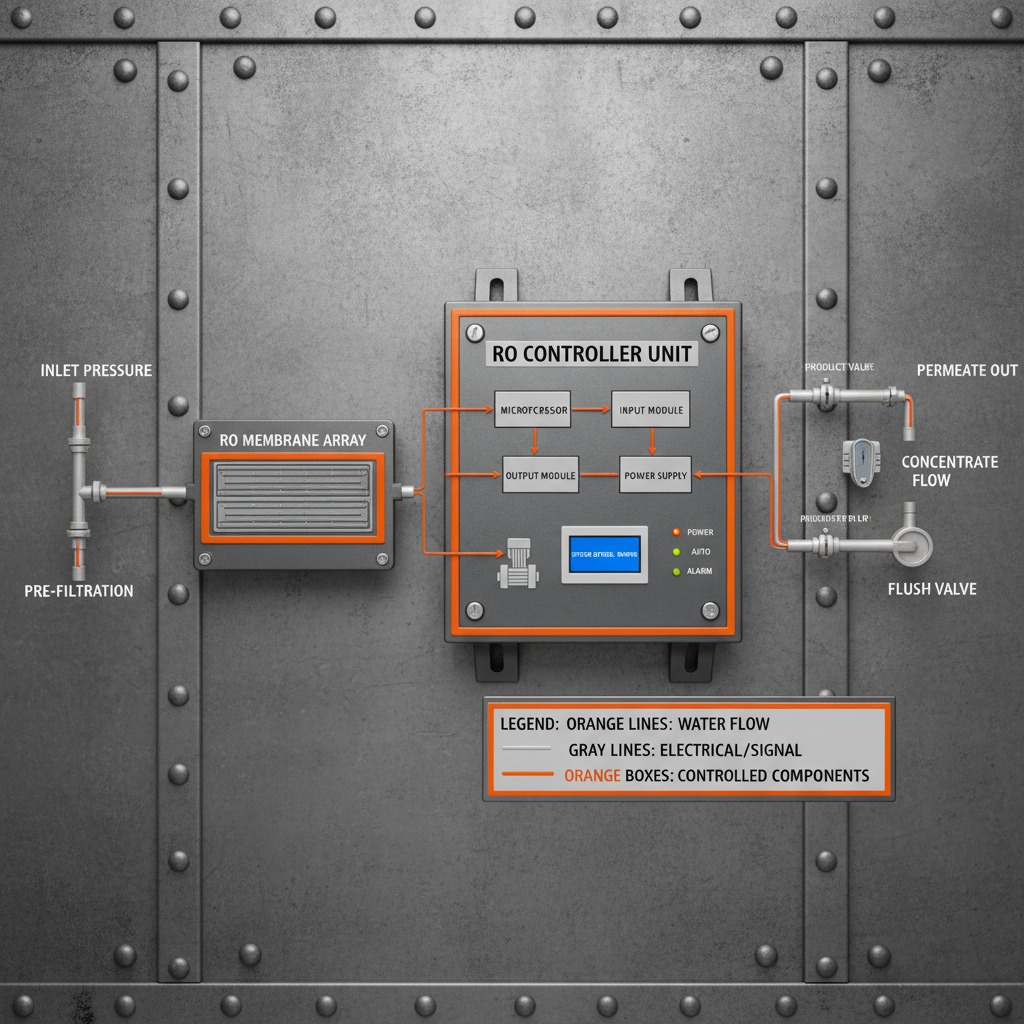
Guide to Choosing the Right RO Controller for Water PurificationMaintaining a high-performance reverse osmosis system requires more than just quality membranes; it demands precise regulation. An ro controller serves as the brain of the entire operation, monitoring critical parameters such as conductivity, temperature, and flow rates to ensure the output water meets stringent purity standards. Without an efficient controller, systems are prone to membrane fouling, inefficient energy use, and inconsistent water quality. In this comprehensive guide, we will explore how these devices optimize water treatment processes and how to select the best model for your specific industrial or commercial needs.
2026-04-09 03:25:47
Guide to Water Purity Using RO with TDS Controller SystemsAchieving the perfect balance of mineral content and purity in drinking water is a challenge for many households and industrial facilities. A ro with tds controller offers a sophisticated solution by combining the rigorous filtration of Reverse Osmosis (RO) with the precision of a Total Dissolved Solids (TDS) adjustment system. While standard RO systems remove almost everything, including beneficial minerals, a TDS controller allows users to re-mineralize the water to a desired level. This ensures that the water is not only safe and pure but also tastes better and provides essential nutrients.
2026-04-07 03:17:09
Understanding and Optimizing Reverse Osmosis Systems with a ControllerIn the world of water purification, reverse osmosis (RO) systems are a cornerstone for producing high-quality water for various applications, from drinking water to industrial processes. However, an RO system is only as effective as its control system. This is where the reverse osmosis controller comes into play. This critical component manages and optimizes the RO process, ensuring efficient operation, water quality, and system longevity.
2026-04-04 03:27:19
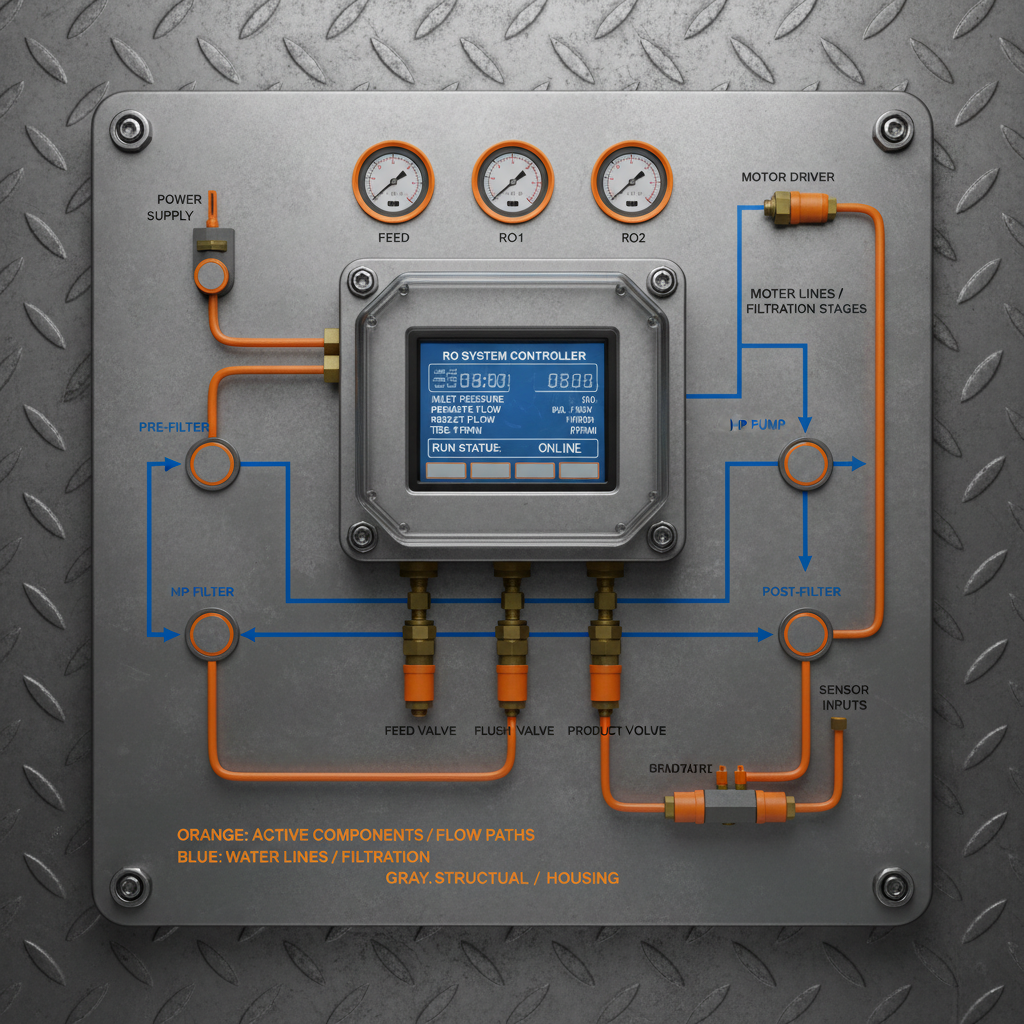
Understanding the Vital Role of an RO System Controller for Optimal PerformanceReverse Osmosis (RO) systems are critical for purifying water across various industries, from residential applications to large-scale industrial processes. At the heart of a well-functioning RO system lies the RO system controller. This intelligent device monitors and regulates all key parameters of the RO process, ensuring optimal performance, efficiency, and water quality. This article delves into the functionalities, benefits, and selection criteria for choosing the right RO system controller, particularly focusing on those offered by Watequipments. Understanding its role is crucial for maximizing the lifespan and effectiveness of your RO investment.
2026-03-24 17:18:24
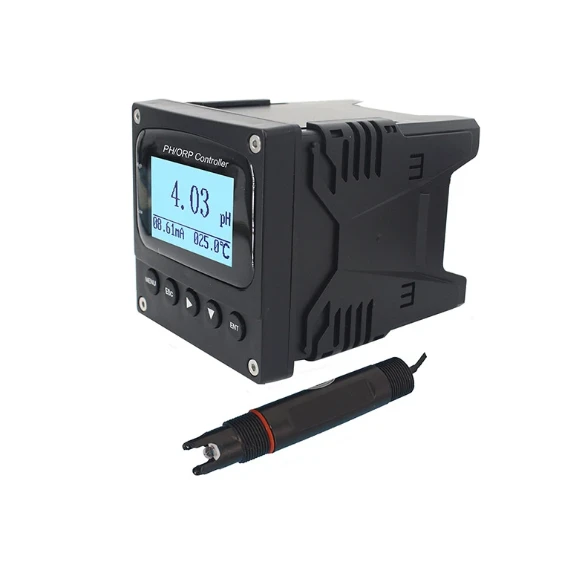
Smart Water Treatment Solutions Using PH ORP Controller SystemsIn modern water treatment and industrial fluid management, maintaining precise chemical balance is essential for safety, efficiency, and regulatory compliance.
2026-03-04 02:55:19
Comprehensive Guide to Water Depth Samplers and Their ApplicationsAccurate water quality monitoring is crucial in various fields, from environmental science and aquaculture to industrial wastewater management. A key tool for this is the water depth sampler. This article provides an in-depth look at water depth samplers, their applications, types, and essential considerations for choosing the right one for your needs. We'll explore the benefits of utilizing this equipment to collect reliable data for analysis and informed decision-making. Selecting the right sampler can significantly improve the precision and efficiency of your water monitoring program. A water depth sampler, also known as a depth-integrated sampler, is a device designed to collect water samples from specific depths within a body of water. Unlike simply dipping a container into the water, a depth sampler allows for collection of a representative sample across a defined depth range. This is critical because water properties (temperature, salinity, pollutants) often vary significantly with depth. The data gathered with a water depth sampler provides a more accurate assessment of water quality than surface samples alone.
2026-03-03 18:55:22
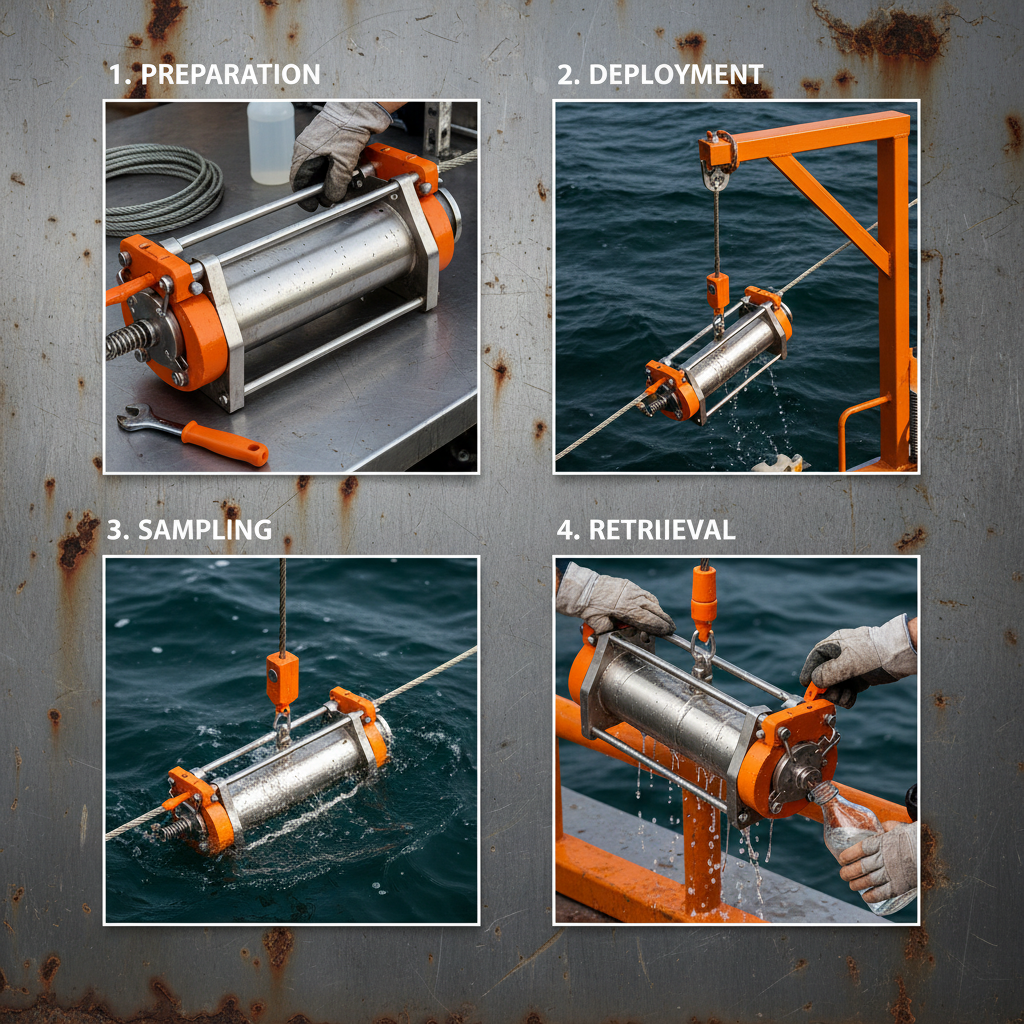
Comprehensive Guide to Horizontal Water Sampler Applications and SelectionCollecting water samples at varying depths is crucial for environmental monitoring, research, and quality control. The horizontal water sampler from Watequipment.com offers a precise and efficient solution for this task. This article provides an in-depth look at horizontal water samplers, their applications, benefits, and key considerations when choosing the right model. We will explore how these samplers contribute to accurate data collection and informed decision-making in various fields. A horizontal water sampler is a device designed to collect water samples from specific depths within a body of water – rivers, lakes, oceans, reservoirs, and even wastewater treatment plants. Unlike vertical samplers which primarily focus on depth, horizontal samplers prioritize collecting samples at a consistent depth while moving along a horizontal plane. This is essential for assessing water quality variations across a waterway or within a specific zone. They are used in applications ranging from environmental monitoring and scientific research to industrial process control and regulatory compliance.
2026-02-28 02:35:09
Comprehensive Guide to Selecting the Right Surface Water Sampler for Your NeedsMonitoring the quality of surface water is critical for environmental protection, public health, and various industrial applications. A surface water sampler is an essential tool for collecting representative samples from rivers, lakes, ponds, and other surface water sources. This article provides a detailed overview of surface water samplers, their types, applications, and key considerations for selecting the right equipment. Accurate water quality data relies on proper sample collection, and choosing the correct sampler is the first step toward achieving reliable results. Surface water samplers come in various designs, each suited to specific sampling needs. Common types include grab samplers, depth-integrating samplers, peristaltic pumps, and automatic samplers. Surface water samplers are used across a broad spectrum of applications, including environmental monitoring, wastewater discharge monitoring, drinking water source monitoring, agricultural runoff analysis, and research studies.

 English