


Comprehensive Guide to ORP Redox Meters: Benefits, Applications & Innovations

Comprehensive Guide to ORP Redox Meters: Benefits, Applications & Innovations
Nov . 15, 2025
Understanding the ORP Redox Meter: Why It Matters Globally
If you've ever wondered how water quality is gauged, especially in industries or regions where safety cannot be compromised, the ORP redox meter silently plays a starring role. This device measures oxidation-reduction potential—often abbreviated to ORP—to signal how oxidizing or reducing an environment is, which in turn hints at contamination levels or chemical balance in water or other liquids.
Globally, clean water access remains a giant challenge (the UN estimates 2 billion people lack safely managed drinking water). Understanding ORP values helps utilities, environmentalists, and industries monitor water states, ensuring safety, compliance, and environmental stewardship. So, while a simple meter, its implications ripple far beyond labs or factories — touching public health, agriculture, and sustainable industry.
Introduction: ORP Redox Meters on the Global Stage
In today's interconnected world, industrial water treatment plants in Germany or remote laboratories in Africa both rely on ORP measurements to maintain high standards. According to ISO standards and various World Bank water quality projects, ORP provides a quick glimpse into the chemical status of water, indicating presence or absence of oxidants like chlorine.
The problem? Traditional methods for measuring water quality are often slow, expensive, and require skilled technicians. The ORP redox meter offers a cost-effective, real-time solution that’s becoming ubiquitous across sectors like wastewater treatment, aquaculture, and even food processing.
Quick takeaway: ORP redox meters aren't just gadgets—they are vital instruments addressing a universal challenge of clean water and safety.
What Exactly Is an ORP Redox Meter?
Simply put, an ORP redox meter measures the voltage (in millivolts) that indicates the oxidizing or reducing condition of a solution. Imagine it as a chemical barometer showing whether water is healthy or potentially hazardous.
The meter consists mainly of an electrode immersed in the sample, capturing electron transfer tendencies—this relates to redox reactions that are fundamental in biological systems and chemical processes.
For industries and humanitarian organizations alike, this translates to rapid assessments. For example, monitoring pool water ensures user safety; meanwhile, in disaster zones, ORP meters help NGOs verify safe drinking water quality promptly.
Core Features of an Effective ORP Redox Meter
1. Accuracy & Sensitivity
The heart of the meter is precision—accurate readings avoid costly misjudgments (like under-treating water). Most modern ORP meters boast high sensitivity within the range of -1000 mV to +1000 mV, capable of pinpointing subtle chemical changes smoothly.
2. Durability & Robustness
Fieldwork isn’t always gentle. Devices must withstand harsh chemicals, temperature swings, and physical rough-and-tumble. Many models come with reinforced electrodes and rugged housings, essential for industrial and outdoor use.
3. Ease of Use & Portability
Given its varied users—from researchers to plant operators—intuitive interfaces and lightweight design matter. Some models even have Bluetooth connectivity, letting you wirelessly log data and speed up reporting.
4. Calibration & Maintenance
Frequent calibration ensures reliability. Leading meters simplify this process with automatic calibration options or pre-loaded reference solutions, reducing downtime and training needs.
5. Cost Efficiency
While some may think these meters are pricey, their longevity and reduction in lab costs usually make them economical in the long run.
Mini takeaway: Investing in an ORP redox meter is really about trading upfront cost for long-term accuracy, versatility, and operational peace of mind.
Real-World Applications of ORP Redox Meters
You find these meters everywhere—from Colorado's wastewater plants to fisheries in Southeast Asia. Some noteworthy applications:
- Wastewater Treatment: Ensuring pathogens are neutralized while minimizing harmful byproducts.
- Aquaculture: Monitoring water oxygenation levels crucial to fish health.
- Food Industry: Maintaining hygiene by tracking disinfectant effectiveness.
- Environmental Monitoring: Gauging river health after industrial discharges.
- Emergency Relief: Rapid testing of water sources post-natural disasters to prevent outbreaks.
Oddly enough, ORP meters are even found in wine-making, controlling fermentation processes thanks to their precise redox measurement.
ORP Redox Meter Specification Snapshot
| Specification | Typical Range / Feature |
|---|---|
| Measurement Range | -1000 mV to +1000 mV |
| Accuracy | ±2 mV |
| Response Time | |
| Calibration Frequency | Weekly or Before Use |
| Battery Life (portable models) | 8-12 hours continuous |
| Probe Material | Platinum electrode with glass body |
How Do Vendors Stack Up? A Quick Comparison
| Vendor | Accuracy | Price Range | Portability | Additional Features |
|---|---|---|---|---|
| Hanna Instruments | ±1.5 mV | $150 - $350 | Yes | Bluetooth, Multi-parameter |
| InLab by Mettler Toledo | ±2 mV | $400 - $700 | Limited | Advanced probe tech, lab-grade |
| Extech Instruments | ±3 mV | $100 - $200 | Yes, rugged | Waterproof casing |
The Advantages & Long-Term Value of ORP Measurement
Why does ORP measurement stick around despite new tech that might claim to do 'more'? Well, the meters deliver in spades: reliable indication of water safety, often faster than lab tests, with minimal ongoing costs.
Socially, this means fewer water-borne illnesses and greater confidence among communities relying on treated water. Emotionally, operators and consumers alike sleep better knowing contaminants are less likely slipping through unnoticed.
Logically, reduced chemical overuse saves money and lowers environmental impact—fitting nicely with today’s push towards sustainability and cleaner industrial practices.
Future Trends & What’s Next for ORP Redox Meters
The industry is quietly buzzing with innovations. We’re seeing:
- Digital Connectivity: Cloud-based data tracking for smarter water management.
- Miniaturization: Pocket-sized meters with multi-parameter sensing.
- Green Materials: Sustainable probe components that reduce hazardous waste.
- AI Integration: Predictive models alerting operators before water quality dips dangerously.
It feels like these meters are evolving from mere tools to essential nodes in digital water grids, linking sensor data with real-time corrective action.
Challenges & How Experts Are Tackling Them
No technology is perfect. ORP redox meters face challenges like probe fouling, interference from complex water matrices, and calibration drift.
To counter these, engineers focus on:
- Developing self-cleaning electrodes or coatings.
- Refining calibration protocols with AI-driven, automatic adjustments.
- Creating hybrid sensors that cross-check multiple parameters.
It’s a bit like tending a garden: maintenance is ongoing, but smarter tools make the job easier and more precise.
FAQ: Common Questions About ORP Redox Meters
1. How often should I calibrate an ORP redox meter for reliable readings?
Most experts recommend weekly calibration or before any major measurement session. Regular calibration ensures accuracy, especially if you’re working in challenging samples or variable temperatures.
2. Can ORP meters detect all types of water contamination?
No device is universal. ORP meters indicate oxidizing or reducing conditions but don’t identify specific contaminants. They are best used alongside other tests for comprehensive water quality assessment.
3. Are portable ORP redox meters as accurate as lab-grade instruments?
Portable meters today deliver excellent accuracy (±2 mV is typical), sufficient for fieldwork and operational monitoring. Lab-grade meters may offer slightly better precision but at higher cost and less convenience.
4. How do I choose the right ORP redox meter for my industry?
Consider your environment (industrial, field, lab), required accuracy, and budget. Portability and additional features (like Bluetooth or multi-parameter sensing) can also influence your decision.
5. Is the ORP reading affected by temperature?
Yes, temperature influences ORP measurements, so many meters include automatic temperature compensation or require manual adjustment to ensure accurate readings.
Wrapping Up: The Last Word on ORP Redox Meters
In a nutshell, orp redox meter technology remains a foundational pillar in water safety and industrial process control worldwide. Its blend of affordability, reliability, and practical insights makes it indispensable.
If you’ve been curious or ready to upgrade your monitoring tools, visit our website to explore the latest models and expert guidance tailored exactly for your needs. Because clean water isn’t just a global goal—it’s a daily necessity.
Short takeaway: ORP redox meters quietly safeguard millions by turning complex chemistry into simple, trustworthy data.
References

Related Products
Related News
2026-04-16 03:20:19
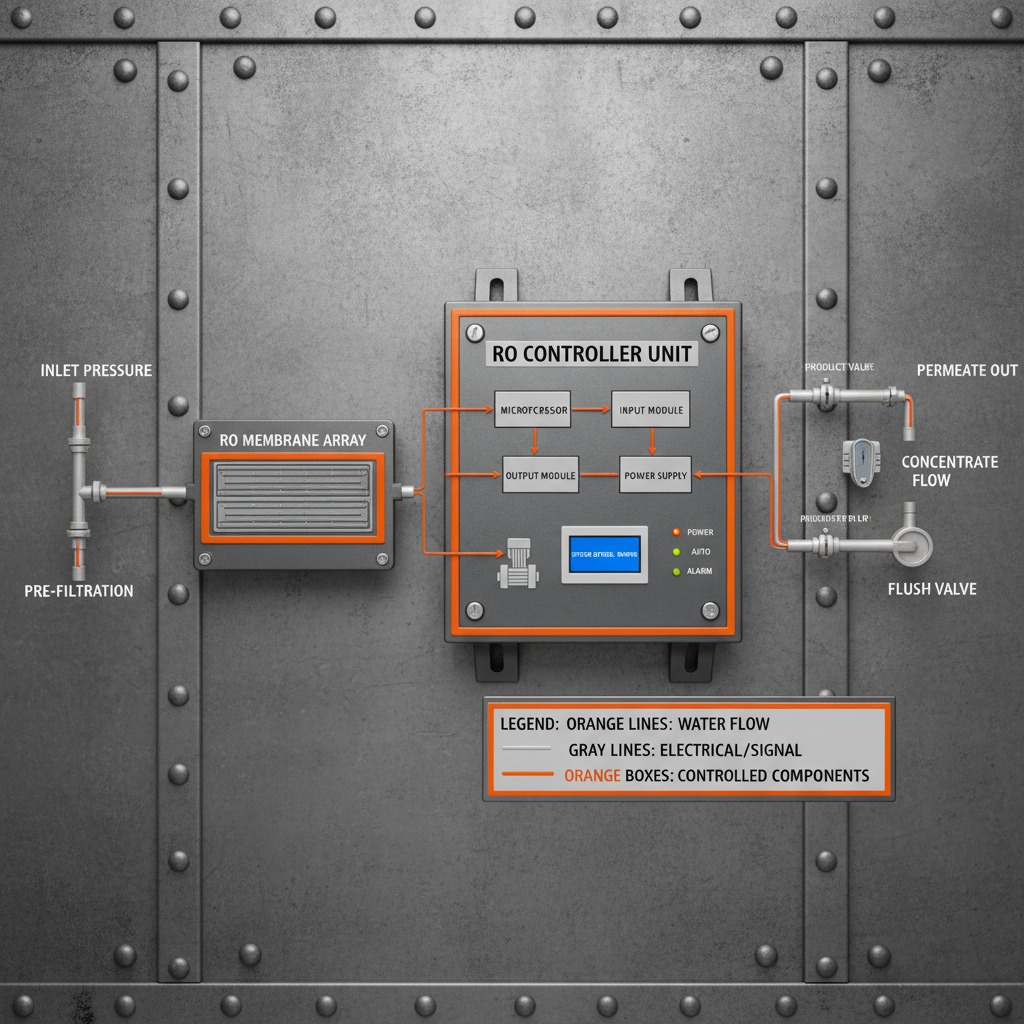
Guide to Choosing the Right RO Controller for Water PurificationMaintaining a high-performance reverse osmosis system requires more than just quality membranes; it demands precise regulation. An ro controller serves as the brain of the entire operation, monitoring critical parameters such as conductivity, temperature, and flow rates to ensure the output water meets stringent purity standards. Without an efficient controller, systems are prone to membrane fouling, inefficient energy use, and inconsistent water quality. In this comprehensive guide, we will explore how these devices optimize water treatment processes and how to select the best model for your specific industrial or commercial needs.
2026-04-09 03:25:47
Guide to Water Purity Using RO with TDS Controller SystemsAchieving the perfect balance of mineral content and purity in drinking water is a challenge for many households and industrial facilities. A ro with tds controller offers a sophisticated solution by combining the rigorous filtration of Reverse Osmosis (RO) with the precision of a Total Dissolved Solids (TDS) adjustment system. While standard RO systems remove almost everything, including beneficial minerals, a TDS controller allows users to re-mineralize the water to a desired level. This ensures that the water is not only safe and pure but also tastes better and provides essential nutrients.
2026-04-07 03:17:09
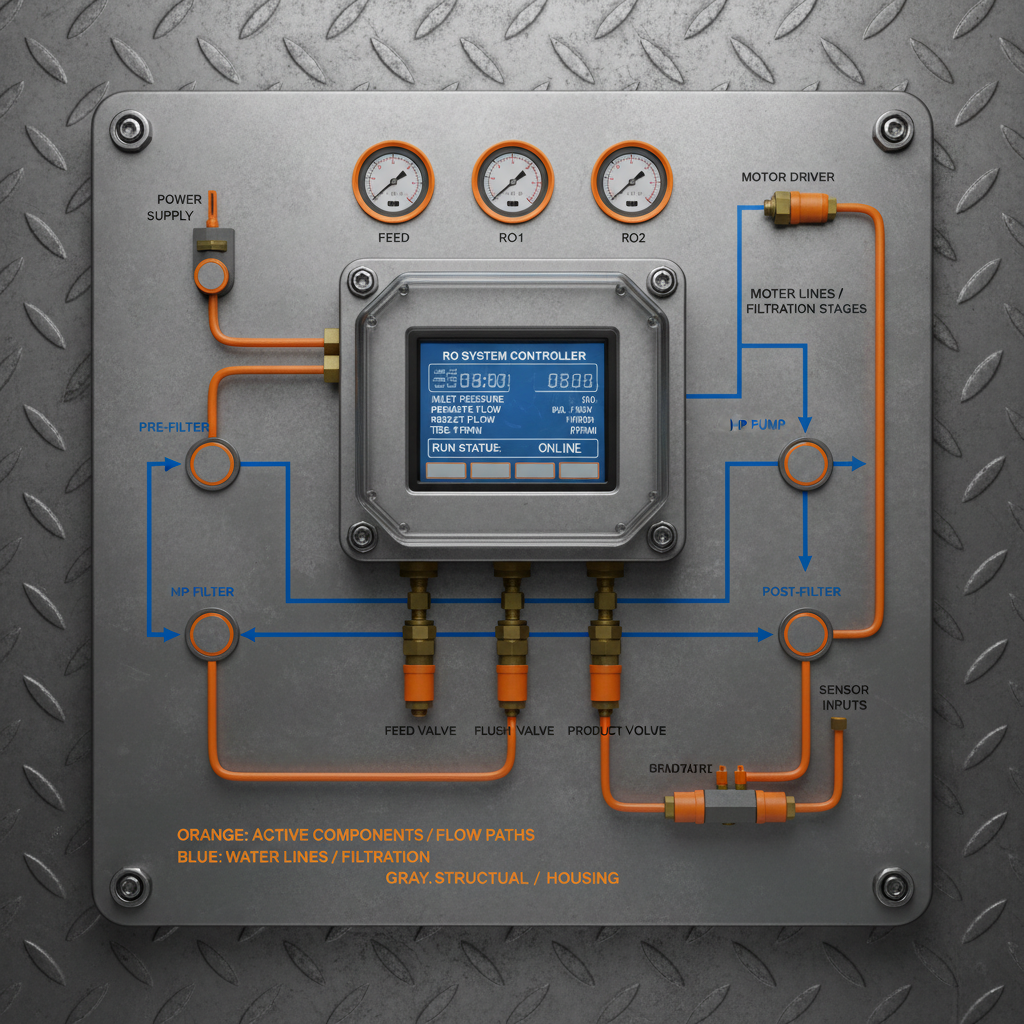
Understanding and Optimizing Reverse Osmosis Systems with a ControllerIn the world of water purification, reverse osmosis (RO) systems are a cornerstone for producing high-quality water for various applications, from drinking water to industrial processes. However, an RO system is only as effective as its control system. This is where the reverse osmosis controller comes into play. This critical component manages and optimizes the RO process, ensuring efficient operation, water quality, and system longevity.
2026-04-04 03:27:19
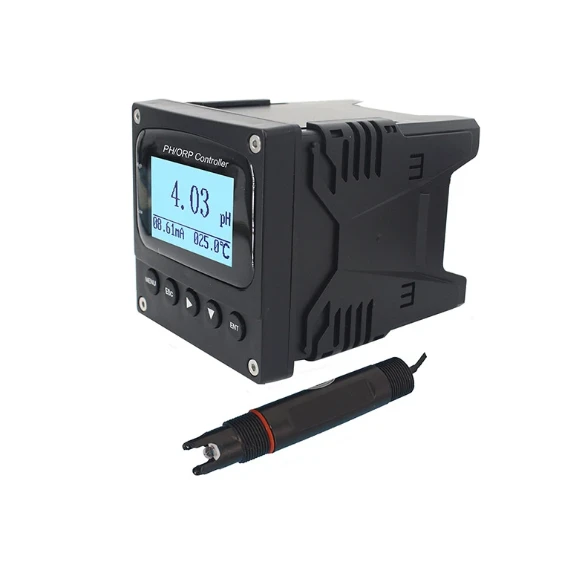
Understanding the Vital Role of an RO System Controller for Optimal PerformanceReverse Osmosis (RO) systems are critical for purifying water across various industries, from residential applications to large-scale industrial processes. At the heart of a well-functioning RO system lies the RO system controller. This intelligent device monitors and regulates all key parameters of the RO process, ensuring optimal performance, efficiency, and water quality. This article delves into the functionalities, benefits, and selection criteria for choosing the right RO system controller, particularly focusing on those offered by Watequipments. Understanding its role is crucial for maximizing the lifespan and effectiveness of your RO investment.
2026-03-24 17:18:24
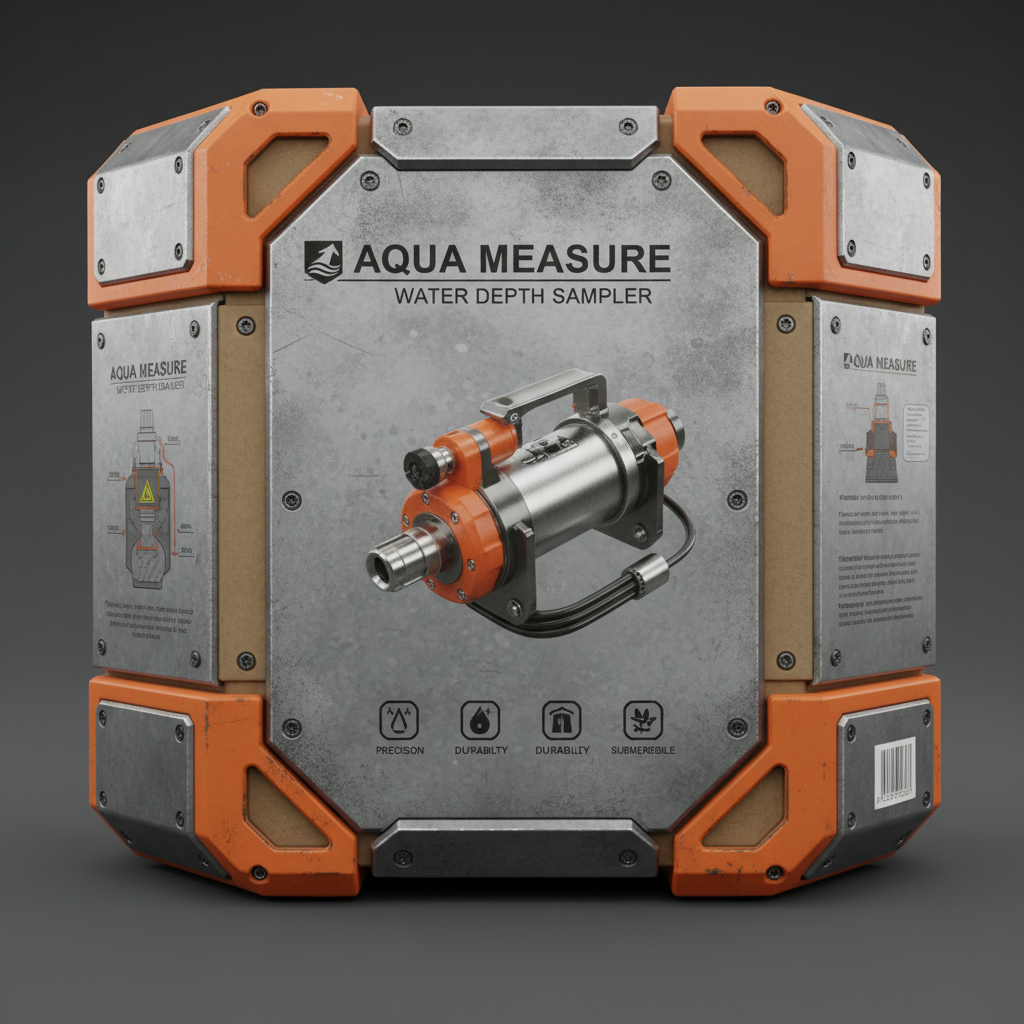
Smart Water Treatment Solutions Using PH ORP Controller SystemsIn modern water treatment and industrial fluid management, maintaining precise chemical balance is essential for safety, efficiency, and regulatory compliance.
2026-03-04 02:55:19
Comprehensive Guide to Water Depth Samplers and Their ApplicationsAccurate water quality monitoring is crucial in various fields, from environmental science and aquaculture to industrial wastewater management. A key tool for this is the water depth sampler. This article provides an in-depth look at water depth samplers, their applications, types, and essential considerations for choosing the right one for your needs. We'll explore the benefits of utilizing this equipment to collect reliable data for analysis and informed decision-making. Selecting the right sampler can significantly improve the precision and efficiency of your water monitoring program. A water depth sampler, also known as a depth-integrated sampler, is a device designed to collect water samples from specific depths within a body of water. Unlike simply dipping a container into the water, a depth sampler allows for collection of a representative sample across a defined depth range. This is critical because water properties (temperature, salinity, pollutants) often vary significantly with depth. The data gathered with a water depth sampler provides a more accurate assessment of water quality than surface samples alone.
2026-03-03 18:55:22
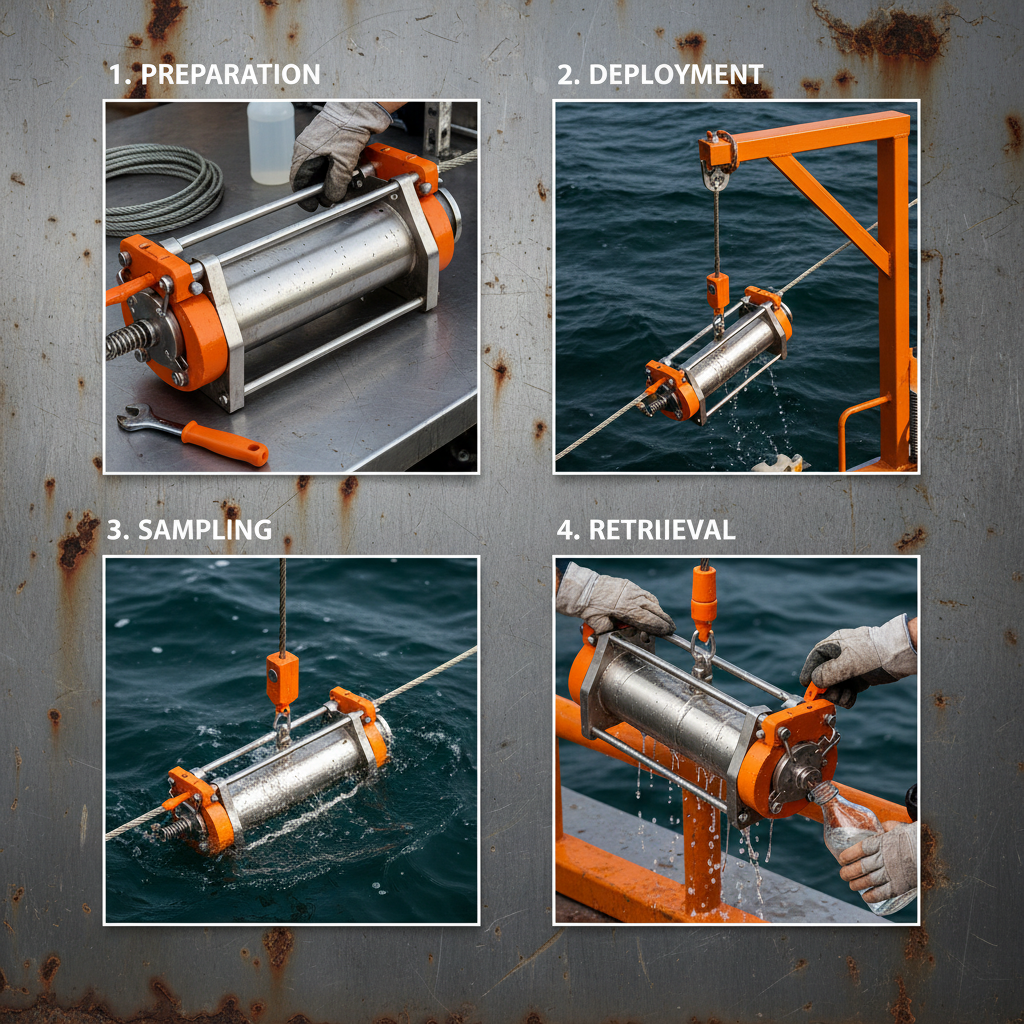
Comprehensive Guide to Horizontal Water Sampler Applications and SelectionCollecting water samples at varying depths is crucial for environmental monitoring, research, and quality control. The horizontal water sampler from Watequipment.com offers a precise and efficient solution for this task. This article provides an in-depth look at horizontal water samplers, their applications, benefits, and key considerations when choosing the right model. We will explore how these samplers contribute to accurate data collection and informed decision-making in various fields. A horizontal water sampler is a device designed to collect water samples from specific depths within a body of water – rivers, lakes, oceans, reservoirs, and even wastewater treatment plants. Unlike vertical samplers which primarily focus on depth, horizontal samplers prioritize collecting samples at a consistent depth while moving along a horizontal plane. This is essential for assessing water quality variations across a waterway or within a specific zone. They are used in applications ranging from environmental monitoring and scientific research to industrial process control and regulatory compliance.
2026-02-28 02:35:09
Comprehensive Guide to Selecting the Right Surface Water Sampler for Your NeedsMonitoring the quality of surface water is critical for environmental protection, public health, and various industrial applications. A surface water sampler is an essential tool for collecting representative samples from rivers, lakes, ponds, and other surface water sources. This article provides a detailed overview of surface water samplers, their types, applications, and key considerations for selecting the right equipment. Accurate water quality data relies on proper sample collection, and choosing the correct sampler is the first step toward achieving reliable results. Surface water samplers come in various designs, each suited to specific sampling needs. Common types include grab samplers, depth-integrating samplers, peristaltic pumps, and automatic samplers. Surface water samplers are used across a broad spectrum of applications, including environmental monitoring, wastewater discharge monitoring, drinking water source monitoring, agricultural runoff analysis, and research studies.

 English