


Understanding Sprinkler System Cost Per Square Foot — A Guide for B2B Decision Makers

Understanding Sprinkler System Cost Per Square Foot — A Guide for B2B Decision Makers
Dec . 11, 2025
Sprinkler System Cost Per Square Foot is a fundamental metric in irrigation and fire protection industries, often guiding budgeting and planning for facilities of all sizes. In an era where efficiency and sustainability govern purchasing decisions, understanding how the cost relates to the property's square footage makes decision-making clearer for businesses. WAT Equipment supports this need with durable, high-performance sprinkler solutions whose cost-effectiveness shines when analyzed per square foot — making it a smart pick for companies focused on long-term value and operational reliability.
Table of Contents
- Sprinkler System Cost Per Square Foot Overview
- Benefits & Use Cases of Sprinkler System Cost Per Square Foot
- Cost, Maintenance & User Experience
- Sustainability & Market Trends
Sprinkler System Cost Per Square Foot Overview
At its core, Sprinkler System Cost Per Square Foot represents the price for installing or maintaining irrigation or fire suppression sprinklers spread evenly across a given area. The concept is straightforward but requires precise data on materials, labor, and system complexity. Frankly, the cost varies widely based on pipe type, sprinkler head quality, control systems, and site-specific factors like terrain or building use.
- Sprinkler systems often include components such as PVC or galvanized piping, control valves, pressure regulators, and automated timers or sensors.
- For example, a mid-sized commercial warehouse might have a sprinkler system installed at an average cost of $1.50 to $3.00 per square foot, depending on system sophistication and safety standards.
| Specification | Typical Range |
|---|---|
| Installation Cost per Square Foot | $1.50 - $3.50 |
| Common Pipe Materials | PVC, Galvanized Steel, Copper |
| Sprinkler Head Types | Standard Spray, Rotary, Low-Flow |
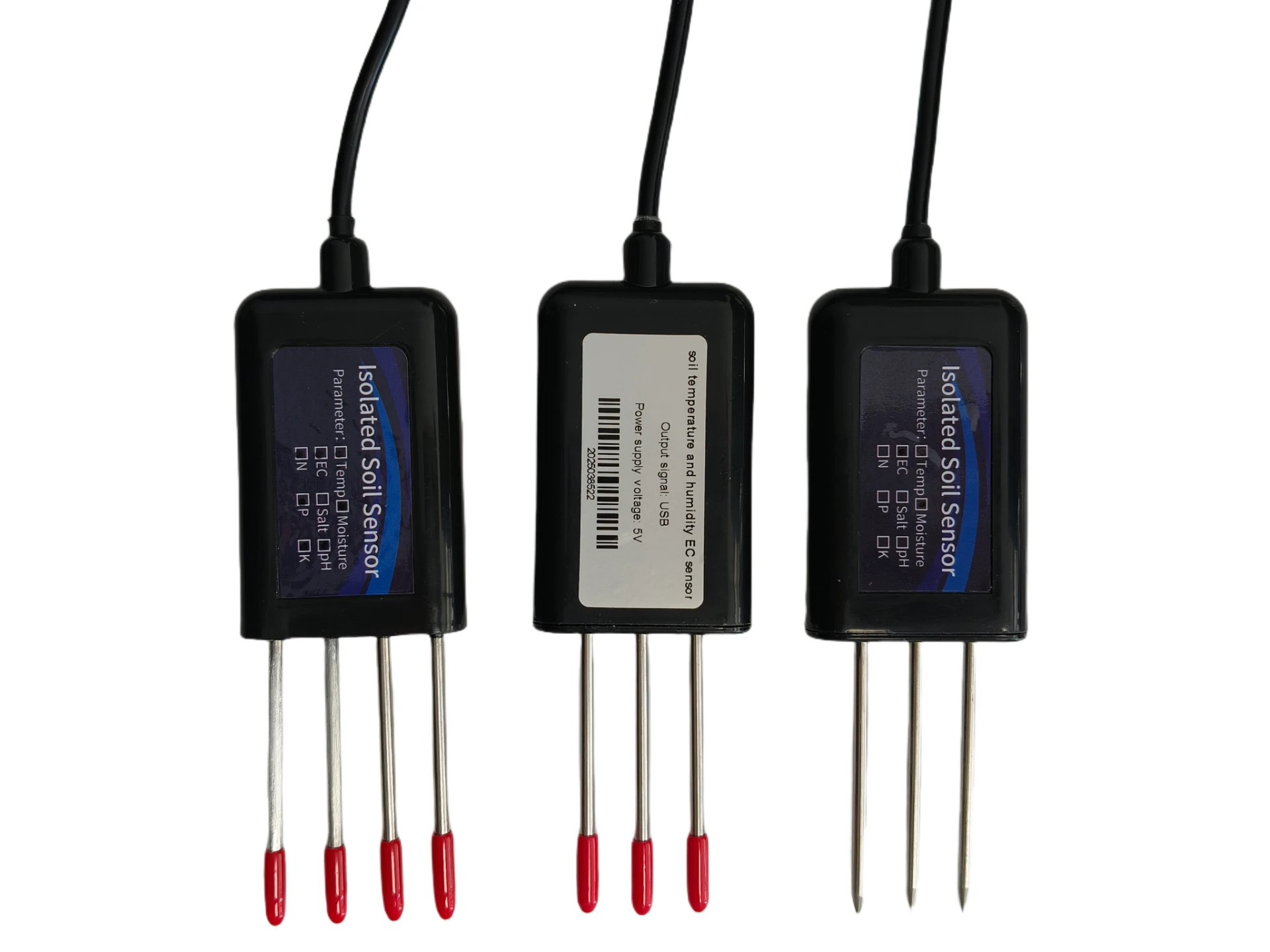
| Automation Features | Moisture Sensors, Timers, Smart Controllers |
Benefits & Use Cases of Sprinkler System Cost Per Square Foot
Particularly in commercial real estate, agriculture, and industrial plants, the sprinkler system’s cost per square foot is a practical lens through which to assess both upfront expense and ongoing operational returns. Industrial sites relying on fire protection sprinklers, or landscapes requiring precise irrigation controls, find this measurement essential. It makes budgeting easier and reveals the trade-offs between high-end tech and basic systems.
- In industrial environments, durable systems designed for harsh conditions often come with higher per square foot costs but reduce downtime.
- Features like smart moisture sensors and automated reporting can improve water use efficiency by up to 30%, according to recent case studies.
Cost, Maintenance & User Experience
Tallying the total cost of ownership means considering not just installation but maintenance, expected lifespan, and system efficiency. Many engineers I talked to stress the surprising importance of choosing corrosion-resistant materials — they cut costly repairs down the road. In real terms, the ROI on reliable sprinkler systems often becomes clear within three to five years, especially when factoring in insurance savings and minimized water waste.
- Routine maintenance might cost $0.10 - $0.25 per square foot annually, mostly for inspections and minor repairs.
- Feedback from clients across warehousing and landscaping sectors reveals strong satisfaction with WAT Equipment’s system longevity and ease of control interface.
| Vendor | Cost per Sq. Ft. | Material Quality | Automation Support | Warranty |
|---|---|---|---|---|
| WAT Equipment | $2.00 - $3.00 | High-grade PVC & Steel | Smart Sensor Integration | 5 Years |
| Competitor A | $1.50 - $2.50 | Standard PVC | Basic Timer | 3 Years |
| Competitor B | $2.50 - $3.50 | Mixed Quality | Limited Automation | 2 Years |
Sustainability & Market Trends
Sustainability in sprinkler systems is no longer optional — it’s a deciding factor for many businesses. New regulations in water-scarce regions push for smarter irrigation controls that prevent waste. Meanwhile, market trends lean strongly toward integrating IoT devices that provide data-driven irrigation schedules. As water conservation efforts increase globally, the demand for systems evaluated on cost per square foot but designed for minimal environmental impact is climbing.
- Many companies now prioritize suppliers with transparent sustainability certifications and cradle-to-grave lifecycle data.
- Innovation in biodegradable piping materials and solar-powered controllers hint at what the near future holds for this industry.
Frequently Asked Questions about Sprinkler System Cost Per Square Foot
- What is Sprinkler System Cost Per Square Foot and how does it work?
- Simply put, it’s a measurement of how much it costs to install and maintain sprinkler systems over each square foot of covered area. Costs include materials, labor, and any control or automation features required to efficiently water or protect that space.
- What are the main benefits of using Sprinkler System Cost Per Square Foot in industrial applications?
- This metric allows businesses to estimate budgets accurately, compare different system designs, and anticipate maintenance expenses while optimizing water use and fire safety — all crucial for operational continuity.
- How does Sprinkler System Cost Per Square Foot compare to traditional alternatives?
- Compared to lump sum or linear foot pricing, cost per square foot gives a clearer picture of coverage efficiency and system performance. Technological advances allow modern systems to offer better control with competitive or even reduced costs in the long term.
- What industries can benefit most from Sprinkler System Cost Per Square Foot implementation?
- Agriculture, commercial real estate, manufacturing plants, and landscaping services are prime beneficiaries. For example, warehousing facilities reduce fire risk, while farms optimize irrigation to save water and boost yields.
Conclusion on Sprinkler System Cost Per Square Foot from china
Wrapping up, the value of assessing sprinkler system costs on a per square foot basis is clear — it brings transparency, aids budgeting, and encourages smarter system designs. Suppliers like WAT Equipment clearly stand out when looking for dependable, efficient, and tech-enabled solutions tailored to various industry needs. If you’re aiming to balance cost with performance, it’s worth diving deeper into what they offer.
- Recap the value of Sprinkler System Cost Per Square Foot.
- - Visit our website: https://www.watequipments.com
It’s odd how something as granular as cost per square foot can steer whole projects — yet there it is: a simple metric guiding big decisions. If you want to dig further, do check out industry reports and client case studies; they add real-world texture to the numbers.
References:
1. Industry Cost Reports, Irrigation Association, 2023
2. WAT Equipment Product Manuals and Case Studies, 2024
3. Market Analysis: Sustainable Irrigation Systems, WaterTech Journal, 2023

Related Products
Related News

2026-04-16 03:20:19
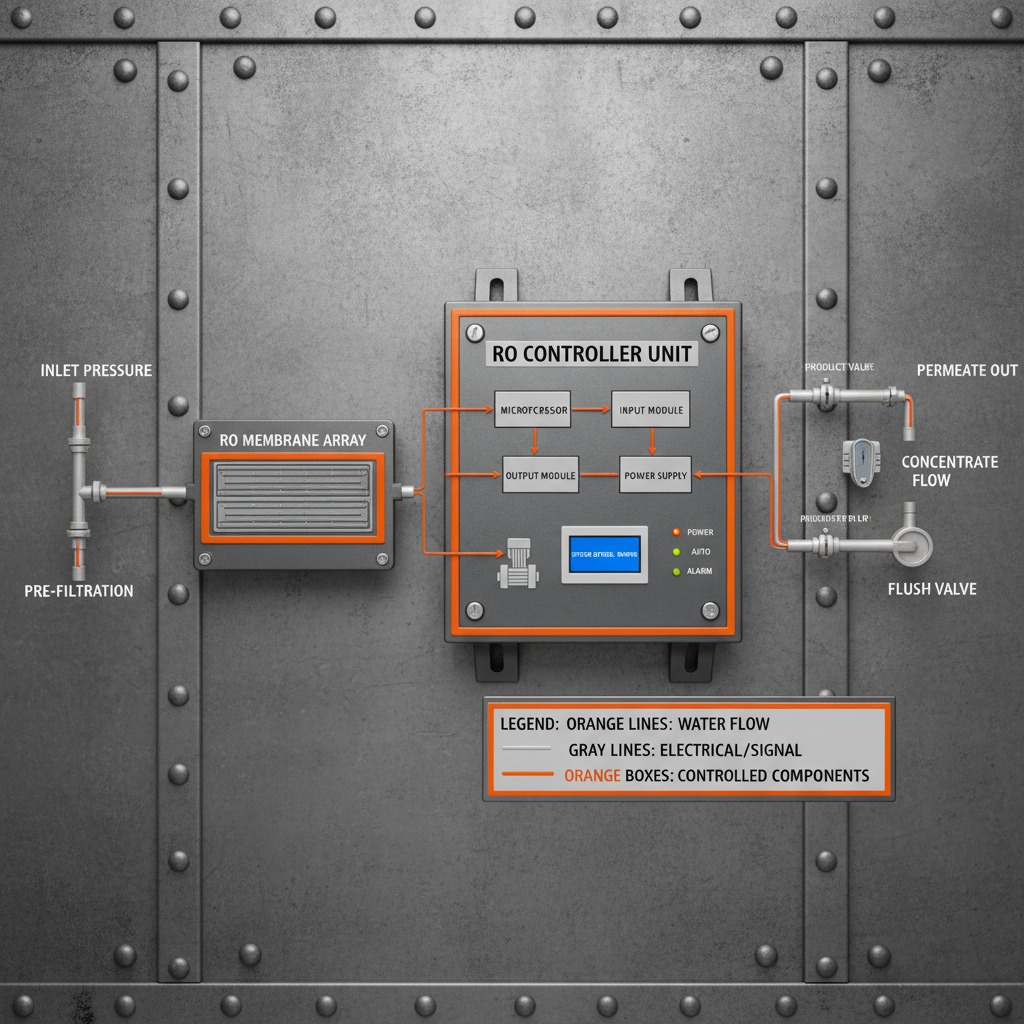
Guide to Choosing the Right RO Controller for Water PurificationMaintaining a high-performance reverse osmosis system requires more than just quality membranes; it demands precise regulation. An ro controller serves as the brain of the entire operation, monitoring critical parameters such as conductivity, temperature, and flow rates to ensure the output water meets stringent purity standards. Without an efficient controller, systems are prone to membrane fouling, inefficient energy use, and inconsistent water quality. In this comprehensive guide, we will explore how these devices optimize water treatment processes and how to select the best model for your specific industrial or commercial needs.
2026-04-09 03:25:47
Guide to Water Purity Using RO with TDS Controller SystemsAchieving the perfect balance of mineral content and purity in drinking water is a challenge for many households and industrial facilities. A ro with tds controller offers a sophisticated solution by combining the rigorous filtration of Reverse Osmosis (RO) with the precision of a Total Dissolved Solids (TDS) adjustment system. While standard RO systems remove almost everything, including beneficial minerals, a TDS controller allows users to re-mineralize the water to a desired level. This ensures that the water is not only safe and pure but also tastes better and provides essential nutrients.
2026-04-07 03:17:09
Understanding and Optimizing Reverse Osmosis Systems with a ControllerIn the world of water purification, reverse osmosis (RO) systems are a cornerstone for producing high-quality water for various applications, from drinking water to industrial processes. However, an RO system is only as effective as its control system. This is where the reverse osmosis controller comes into play. This critical component manages and optimizes the RO process, ensuring efficient operation, water quality, and system longevity.
2026-04-04 03:27:19
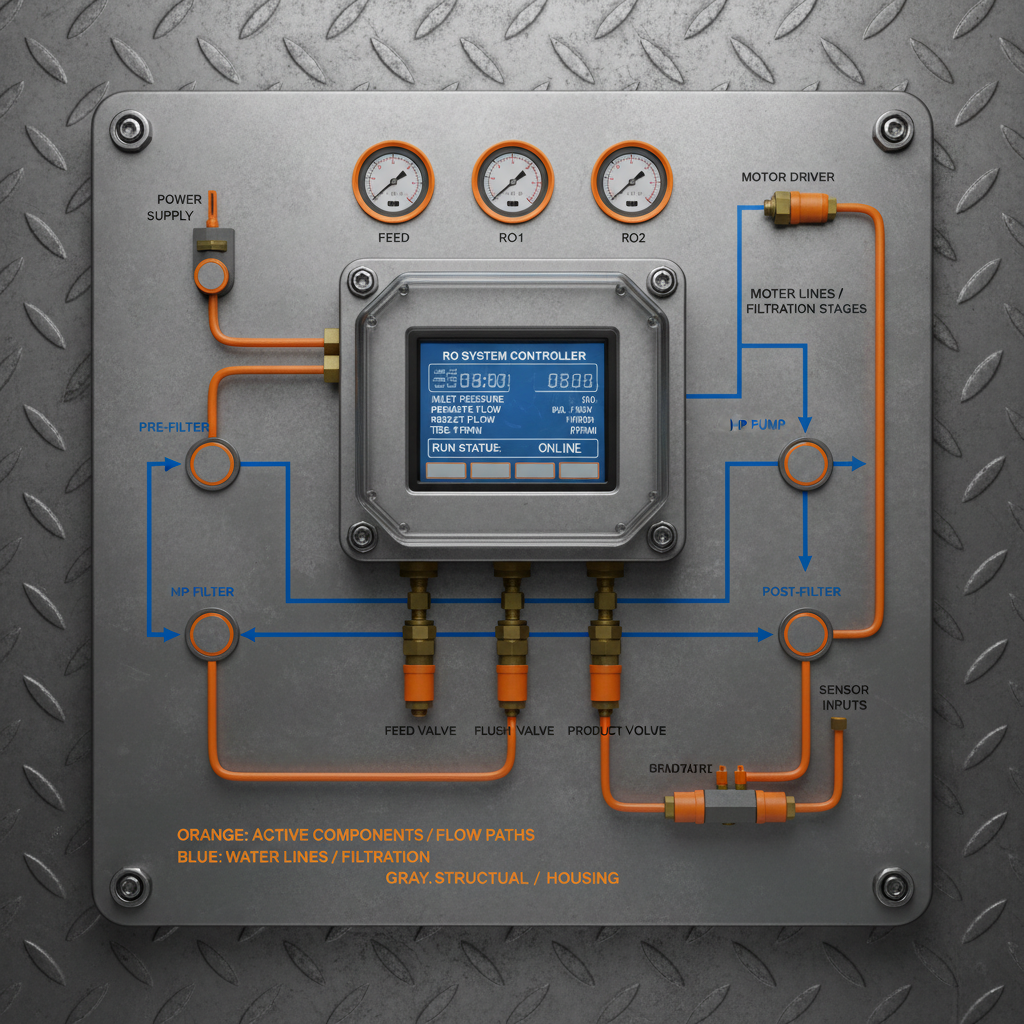
Understanding the Vital Role of an RO System Controller for Optimal PerformanceReverse Osmosis (RO) systems are critical for purifying water across various industries, from residential applications to large-scale industrial processes. At the heart of a well-functioning RO system lies the RO system controller. This intelligent device monitors and regulates all key parameters of the RO process, ensuring optimal performance, efficiency, and water quality. This article delves into the functionalities, benefits, and selection criteria for choosing the right RO system controller, particularly focusing on those offered by Watequipments. Understanding its role is crucial for maximizing the lifespan and effectiveness of your RO investment.
2026-03-24 17:18:24
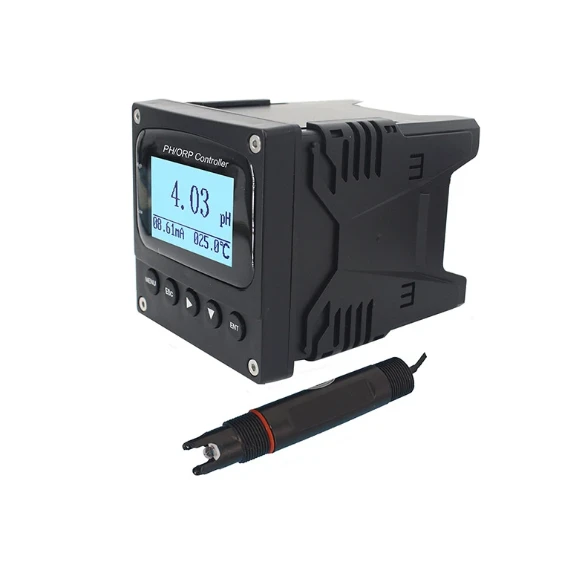
Smart Water Treatment Solutions Using PH ORP Controller SystemsIn modern water treatment and industrial fluid management, maintaining precise chemical balance is essential for safety, efficiency, and regulatory compliance.
2026-03-04 02:55:19
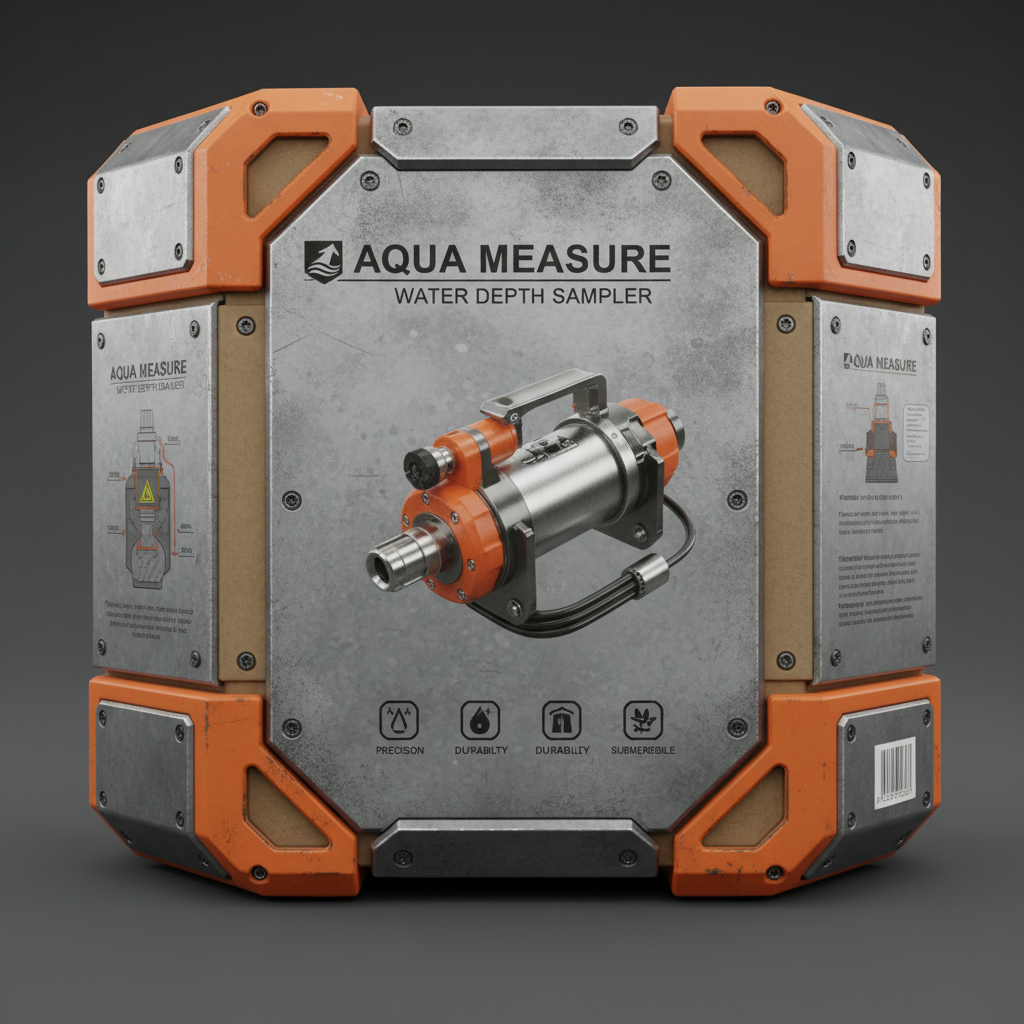
Comprehensive Guide to Water Depth Samplers and Their ApplicationsAccurate water quality monitoring is crucial in various fields, from environmental science and aquaculture to industrial wastewater management. A key tool for this is the water depth sampler. This article provides an in-depth look at water depth samplers, their applications, types, and essential considerations for choosing the right one for your needs. We'll explore the benefits of utilizing this equipment to collect reliable data for analysis and informed decision-making. Selecting the right sampler can significantly improve the precision and efficiency of your water monitoring program. A water depth sampler, also known as a depth-integrated sampler, is a device designed to collect water samples from specific depths within a body of water. Unlike simply dipping a container into the water, a depth sampler allows for collection of a representative sample across a defined depth range. This is critical because water properties (temperature, salinity, pollutants) often vary significantly with depth. The data gathered with a water depth sampler provides a more accurate assessment of water quality than surface samples alone.
2026-03-03 18:55:22
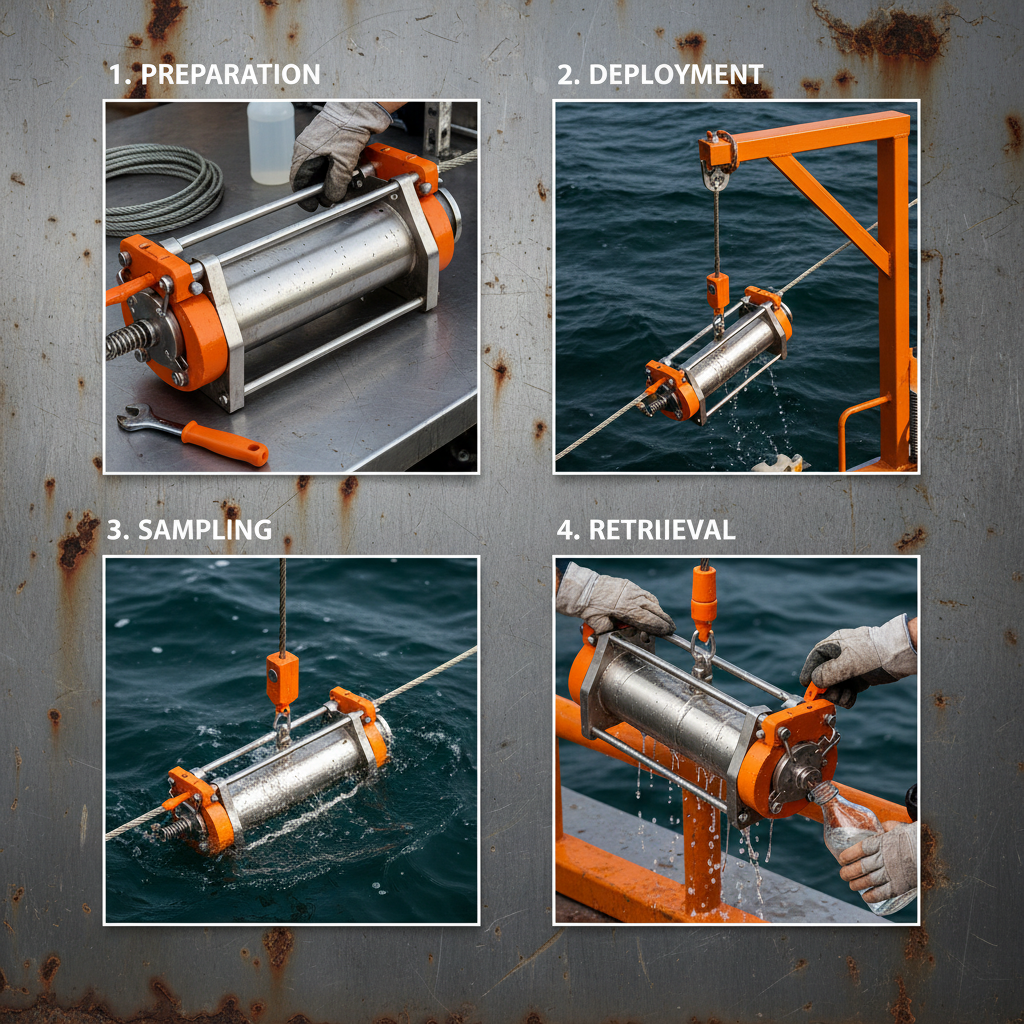
Comprehensive Guide to Horizontal Water Sampler Applications and SelectionCollecting water samples at varying depths is crucial for environmental monitoring, research, and quality control. The horizontal water sampler from Watequipment.com offers a precise and efficient solution for this task. This article provides an in-depth look at horizontal water samplers, their applications, benefits, and key considerations when choosing the right model. We will explore how these samplers contribute to accurate data collection and informed decision-making in various fields. A horizontal water sampler is a device designed to collect water samples from specific depths within a body of water – rivers, lakes, oceans, reservoirs, and even wastewater treatment plants. Unlike vertical samplers which primarily focus on depth, horizontal samplers prioritize collecting samples at a consistent depth while moving along a horizontal plane. This is essential for assessing water quality variations across a waterway or within a specific zone. They are used in applications ranging from environmental monitoring and scientific research to industrial process control and regulatory compliance.
2026-02-28 02:35:09
Comprehensive Guide to Selecting the Right Surface Water Sampler for Your NeedsMonitoring the quality of surface water is critical for environmental protection, public health, and various industrial applications. A surface water sampler is an essential tool for collecting representative samples from rivers, lakes, ponds, and other surface water sources. This article provides a detailed overview of surface water samplers, their types, applications, and key considerations for selecting the right equipment. Accurate water quality data relies on proper sample collection, and choosing the correct sampler is the first step toward achieving reliable results. Surface water samplers come in various designs, each suited to specific sampling needs. Common types include grab samplers, depth-integrating samplers, peristaltic pumps, and automatic samplers. Surface water samplers are used across a broad spectrum of applications, including environmental monitoring, wastewater discharge monitoring, drinking water source monitoring, agricultural runoff analysis, and research studies.

 English