



Understanding Water Quality: Total Dissolved Solids and Total Suspended Solids

Understanding Water Quality: Total Dissolved Solids and Total Suspended Solids
Aug . 28, 2025
In various industrial and environmental applications, the purity and composition of water are paramount. Two critical parameters defining water quality are total dissolved solids (TDS) and total suspended solids (TSS). Understanding the tds meaning water and the significance of total suspended solids in water is crucial for effective process control, regulatory compliance, and environmental protection. Total dissolved solids represent the sum of all inorganic and organic substances present in water in a dissolved state, which can pass through a filter with a pore size of 2 micrometers. These often include minerals, salts, metals, cations, and anions. Conversely, total suspended solids refer to solid particles that are held in suspension in water, which are large enough to be trapped by a filter. These can include silt, clay, organic matter, plankton, and industrial waste particles.
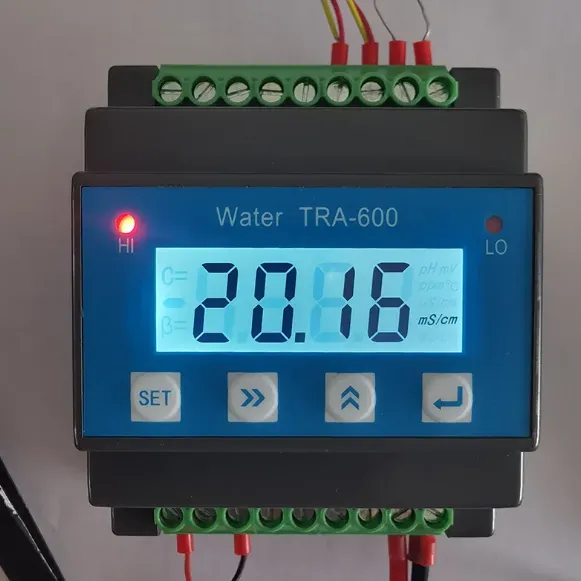
Accurate measurement of both TDS and TSS is essential across diverse sectors, from municipal water treatment plants ensuring safe drinking water to complex industrial operations like power generation and chemical manufacturing. The presence of elevated levels of either can indicate contamination, potential equipment scaling or corrosion, or operational inefficiencies. This comprehensive guide delves into the technical aspects, applications, and advanced solutions for monitoring these vital water quality indicators, emphasizing conductivity, TDS, and resistivity measurements.
Industry Trends and Regulatory Landscape for Water Quality
The global focus on water scarcity and quality degradation continues to drive innovation in monitoring technologies. Industry trends point towards more stringent environmental regulations, increased demand for real-time data, and the adoption of smart, interconnected sensors. Emerging economies are rapidly scaling up their water infrastructure, necessitating robust and reliable solutions for measuring total dissolved solids and total suspended solids. Regulatory bodies worldwide, such as the EPA in the United States and the EU Water Framework Directive, impose strict limits on the permissible levels of these contaminants in drinking water, industrial discharges, and natural water bodies. Non-compliance can lead to significant penalties, reputational damage, and environmental harm.
Technological advancements, particularly in sensor design and data analytics, are transforming how water quality is managed. There is a growing emphasis on low-maintenance, self-calibrating instruments capable of operating in harsh environments. Furthermore, the integration of IoT and cloud-based platforms allows for remote monitoring and predictive maintenance, enhancing operational efficiency and reducing human intervention. The demand for accurate and continuous monitoring of parameters like total suspended solids in water is accelerating, especially in critical applications like ultra-pure water production and wastewater treatment for reuse.
Technical Parameters and Measurement Principles
To precisely quantify total dissolved solids, the most common method involves measuring the electrical conductivity of water. Dissolved ions in water conduct electricity, so higher conductivity generally correlates with higher TDS. A typical conversion factor of 0.5 to 0.8 is often applied to convert conductivity (in µS/cm) to TDS (in mg/L or ppm), though this factor can vary based on the specific ionic composition of the water. For total suspended solids, gravimetric analysis remains the gold standard, where a known volume of water is filtered, and the residue is dried and weighed. However, for continuous, real-time monitoring, optical methods such as turbidimetry or nephelometry are widely employed. These methods measure the scattering or absorption of light by suspended particles, providing an indirect but rapid measurement.
Understanding the tds meaning water also involves recognizing the impact of temperature. As temperature increases, the mobility of ions in water also increases, leading to higher conductivity readings. Therefore, conductivity and TDS measurements require precise temperature compensation to ensure accuracy. Resistivity, the inverse of conductivity, is another crucial parameter, especially in ultra-pure water applications where even trace amounts of dissolved solids can be detrimental. High resistivity indicates very low concentrations of dissolved ions, signifying high purity.
|
Key Water Quality Parameters Overview |
|||
|
Parameter |
Description |
Typical Unit |
Relevance/Impact |
|
Conductivity |
Ability of water to conduct electrical current, indicative of dissolved ion concentration. |
µS/cm, mS/cm |
Primary measure for TDS, affects corrosion, biological activity. |
|
Total Dissolved Solids (TDS) |
Sum of all dissolved inorganic and organic substances in water. |
mg/L (ppm) |
Indicates water quality, potability, scaling potential, process efficiency. |
|
Resistivity |
Measure of a material's opposition to the flow of electric current; inverse of conductivity. |
MΩ·cm |
Critical for ultra-pure water (e.g., semiconductor, pharmaceutical). |
|
Total Suspended Solids (TSS) |
Weight of dry particles trapped on a filter; non-dissolved matter. |
mg/L (ppm) |
Indicates turbidity, solids loading, sludge volume, filtration efficiency. |
|
Turbidity |
Measure of the clarity of water, related to scattered light from suspended particles. |
NTU (Nephelometric Turbidity Units) |
Often correlated with TSS, indicates visual quality and filtration performance. |
The Manufacturing Process of Conductivity, TDS, and Resistivity Sensors
The reliability and accuracy of Conductivity, TDS, and Resistivity sensors stem from a meticulously controlled manufacturing process. High-quality sensors begin with the selection of premium materials designed to withstand harsh industrial environments. Key components include robust electrode materials such as 316L stainless steel, titanium, graphite, or platinum, chosen for their inertness and conductivity. The sensor bodies are typically constructed from engineering plastics like PEEK (Polyetheretherketone) or PVDF (Polyvinylidene Fluoride) for chemical resistance, or robust metals for high-pressure/high-temperature applications.
The manufacturing process often involves precision CNC machining for creating accurate electrode geometries and sensor housings. This ensures consistent cell constants, critical for precise conductivity measurements. Key steps include:
- Material Selection & Preparation:Sourcing high-grade metals and polymers that meet specific industry standards for corrosion resistance and durability.
- Precision Machining:CNC milling and turning for electrodes, sensor bodies, and connectors, ensuring tight tolerances.
- Electrode Fabrication:Depending on the sensor type (2-electrode, 4-electrode, toroidal/inductive), specific fabrication methods are employed to create the measuring surfaces. For contacting sensors, polishing and platinum black coating (for low range conductivity) may be applied.
- Assembly:Careful integration of electrodes, temperature compensation thermistors (e.g., Pt1000), and internal wiring. This phase is critical for ensuring electrical insulation and preventing short circuits.
- Sealing and Encapsulation:Using advanced sealing techniques (e.g., epoxy potting, O-rings) to prevent ingress of water or corrosive chemicals, ensuring a long operational lifespan.
- Calibration & Testing:Each sensor undergoes rigorous multi-point calibration using certified conductivity standards across its operational range. This is followed by extensive pressure, temperature, and leak testing to ensure compliance with standards like ISO 7888 and ANSI/ISA-S71.04-1985.
- Quality Assurance:Final inspection to meet strict quality control parameters, including dimensional accuracy, electrical integrity, and performance specifications. Typical products boast a service life of 5-10 years, even in challenging environments.
Our sensors are engineered for superior performance in applicable industries such as petrochemical (monitoring cooling water, effluent), metallurgy (process water, acid baths), and water/wastewater treatment (influent, effluent, treated water). Their robust design and precise manufacturing contribute to advantages such as energy efficiency through optimized chemical dosing, enhanced corrosion prevention in pipelines, and significantly reduced maintenance costs.
Diverse Application Scenarios
The precise measurement of total dissolved solids, total suspended solids, conductivity, and resistivity is indispensable across a multitude of industries. In municipal water and wastewater treatment, these sensors are deployed at every stage—from influent monitoring to final effluent discharge. High levels of total suspended solids in water at the intake can indicate the need for increased pre-treatment, while consistent monitoring of total dissolved solids ensures treated water meets potable standards. For industrial water circuits, such as cooling towers and boiler feed water systems, precise TDS control is vital to prevent scaling, corrosion, and biological fouling, directly impacting equipment lifespan and operational efficiency.
The chemical and pharmaceutical sectors rely heavily on ultra-pure water, where even minimal concentrations of dissolved ions can compromise product quality and yield. Here, high-purity resistivity sensors provide continuous assurance of water quality, critical for processes like reagent preparation and product washing. The food and beverage industry uses conductivity sensors for CIP (Clean-in-Place) applications to detect residual cleaning agents and ensure thorough rinsing, minimizing downtime and optimizing resource usage. Environmental monitoring agencies utilize these technologies to assess the health of natural water bodies, tracking pollution events and long-term trends in salinity and particulate matter.
For instance, a major petrochemical facility implemented our advanced conductivity and TDS sensors in their cooling water loops. Before deployment, they experienced frequent fouling and required extensive chemical treatment. By providing real-time data, our solution enabled dynamic control of blowdown rates and chemical dosing, significantly reducing water consumption by 15% and extending the operational life of heat exchangers. This practical example underscores the direct impact of understanding the tds meaning water in optimizing critical industrial processes.
Similarly, in a wastewater treatment plant, our TSS sensors were integrated into their primary clarifier effluent. Prior to this, manual sampling led to delayed adjustments in coagulant dosing, resulting in suboptimal solids removal. With continuous online TSS monitoring, the plant achieved consistent effluent quality, reducing chemical consumption by 10% and ensuring full compliance with discharge permits for total suspended solids in water. This real-time feedback loop proves invaluable for dynamic process optimization and meeting stringent environmental standards.
Technical Advantages of Our Conductivity, TDS, and Resistivity Solutions
Our range of Conductivity, TDS, and Resistivity sensors and transmitters are engineered for unparalleled accuracy, reliability, and longevity in the most demanding industrial environments. A key technical advantage is our use of advanced sensor technologies, including both contacting (2-electrode, 4-electrode) and non-contacting (toroidal/inductive) designs. Toroidal sensors are particularly adept at handling highly corrosive or fouling liquids, as their electrodes are not in direct contact with the sample, minimizing maintenance and drift. These robust sensors offer a wide measurement range, from ultra-pure water (0.055 µS/cm or 18.2 MΩ·cm) to highly concentrated solutions (up to 1,000 mS/cm).
Another significant advantage is the integrated automatic temperature compensation (ATC), which uses high-precision thermistors (e.g., Pt1000) to correct for temperature-induced variations in conductivity, ensuring consistent and accurate readings regardless of process temperature fluctuations. Our digital communication protocols, including Modbus RTU/TCP and HART, facilitate seamless integration with existing SCADA, DCS, and PLC systems, providing real-time data for enhanced process control and automation. Many models feature self-cleaning mechanisms, such as air-blast or mechanical wipers, to prevent fouling in high-solids applications, thereby reducing manual cleaning interventions and extending calibration cycles. This comprehensive suite of features positions our products as leading solutions for precise total dissolved solids and total suspended solids monitoring.
Product Specifications and Performance Metrics
Our Conductivity, TDS, and Resistivity instruments are designed to meet diverse application requirements with stringent performance specifications. The table below outlines typical technical indicators for a representative range of our sensors, showcasing their capabilities and design flexibility.
|
Conductivity, TDS, Resistivity Sensor Key Technical Specifications |
|||
|
Feature |
High-Purity Sensor (Resistivity) |
Standard Conductivity/TDS Sensor |
Toroidal Conductivity/TDS Sensor |
|
Measurement Range |
0.055 µS/cm – 200 µS/cm (0.01 – 18.2 MΩ·cm) |
0 – 200,000 µS/cm (0 – 100,000 ppm TDS) |
0 – 2,000 mS/cm (0 – 1,000,000 ppm TDS) |
|
Accuracy |
±1% of reading |
±1% of full scale |
±1.5% of full scale |
|
Operating Temperature |
0 – 100°C (32 – 212°F) |
0 – 130°C (32 – 266°F) |
0 – 150°C (32 – 302°F) |
|
Max Pressure |
6 bar (90 psi) |
10 bar (150 psi) |
16 bar (230 psi) |
|
Electrode Material |
316L SS or Titanium |
316L SS or Graphite |
PVDF or PEEK (non-contacting) |
|
Body Material |
316L SS, PEEK |
PVDF, PEEK, 316L SS |
PVDF, PEEK |
|
Temperature Comp. |
Automatic (NTC 10K/Pt1000) |
Automatic (NTC 10K/Pt1000) |
Automatic (NTC 10K/Pt1000) |
|
Connectivity |
Analog 4-20mA, Modbus RTU |
Analog 4-20mA, Modbus RTU/TCP, HART |
Analog 4-20mA, Modbus RTU/TCP |
Regarding data visualization, our solutions are designed to feed data into systems that can generate insightful graphics. For instance, a comparison chart of sensor accuracy across different technologies might show contacting sensors (like the standard conductivity/TDS sensor) offering slightly higher precision in stable environments, while toroidal sensors excel in fouling applications due to their non-contact design. A pie chart representing the distribution of water quality issues in a typical industrial facility might reveal that 45% are related to high total dissolved solids, 30% to high total suspended solids in water, and the remaining 25% to other parameters like pH or ORP. Furthermore, a line chart tracking the total dissolved solids levels over time in a reverse osmosis system demonstrates membrane performance and predicts when cleaning or replacement is needed, indicating clear operational advantages.
Customized Solutions and Proven Service Cases
Recognizing that every industrial process has unique requirements, we specialize in providing tailored solutions for Conductivity, TDS, and Resistivity measurement. Our team of experienced engineers works closely with clients to understand their specific challenges, whether it's an aggressive chemical environment, extreme temperatures, or complex integration needs. This collaborative approach ensures that the chosen instrumentation not only meets but exceeds performance expectations, optimizing both capital and operational expenditures. Our comprehensive service offerings include site assessments, system design, installation support, and post-sales technical assistance.
A notable case involved a pharmaceutical company that needed to upgrade their ultra-pure water system for drug manufacturing. Their existing resistivity sensors struggled with long-term stability and required frequent calibration. Our experts recommended a multi-sensor array of high-precision, low-drift resistivity sensors, coupled with a centralized digital transmitter. This customized solution not only ensured compliance with stringent pharmacopoeia standards but also reduced calibration frequency by 40%, saving labor costs and minimizing process downtime. This commitment to understanding the nuances of how tds meaning water impacts sensitive processes allows us to deliver truly effective and reliable systems.
Another success story comes from a large-scale power plant, where monitoring of total suspended solids in water was critical for their cooling water intake. Due to fluctuating river conditions, their conventional turbidity sensors were prone to fouling and inaccurate readings. We deployed our robust, self-cleaning TSS sensors with an integrated air-blast system, ensuring continuous and accurate monitoring. This proactive approach helped the plant optimize their intake screening and filtration processes, preventing costly equipment damage and ensuring consistent cooling efficiency, directly contributing to energy savings and reduced operational risks associated with excessive total dissolved solids and suspended matter.
Choosing the Right Partner: Manufacturer Comparison Factors
Selecting the ideal manufacturer for Conductivity, TDS, and Resistivity instrumentation is a critical decision that impacts system performance, reliability, and long-term cost of ownership. Beyond initial product specifications, B2B decision-makers and technical personnel should consider several key factors. Firstly, a manufacturer's proven track record, supported by industry certifications like ISO 9001 and adherence to standards such as ANSI/ISA, speaks volumes about their quality commitment. Secondly, the breadth of their product portfolio, offering solutions from basic sensors to advanced multi-parameter analyzers, indicates their ability to address diverse application needs.
Customer support and service capabilities are paramount. This includes comprehensive technical assistance, readily available spare parts, and efficient field service. A company's investment in research and development, evidenced by innovative features like intelligent diagnostics and predictive maintenance capabilities, signifies a forward-thinking approach. Finally, a manufacturer's commitment to providing detailed technical documentation, reliable calibration procedures, and clear warranty terms builds trust and ensures transparency. Our extensive service years, strategic partnerships, and a global network of certified technicians underscore our authority and trustworthiness in delivering robust solutions for managing total dissolved solids and total suspended solids in water effectively.
Frequently Asked Questions (FAQs)
-
What is the fundamental difference between Total Dissolved Solids (TDS) and Total Suspended Solids (TSS)?
Total dissolved solids(TDS) refer to inorganic and organic particles that are dissolved in water and can pass through a 2-micron filter. They primarily affect conductivity and osmotic pressure. Total suspended solids in water (TSS) are solid particles that are held in suspension and are large enough to be retained by a 2-micron filter. TSS typically causes turbidity and can settle out over time, forming sludge. Understanding the tds meaning water is crucial for differentiating between these two key parameters affecting water quality.-
How often should Conductivity/TDS sensors be calibrated in an industrial setting?
Calibration frequency depends heavily on the application's specific requirements, water matrix, and desired accuracy. For critical applications, monthly or quarterly calibration is recommended. In less demanding environments with stable water quality, semi-annual or annual calibration may suffice. Modern sensors with intelligent diagnostics can also provide alerts when recalibration is suggested.-
What are the best sensor materials for highly corrosive liquid environments?
For highly corrosive liquids (e.g., strong acids or bases), sensor materials like PVDF, PEEK, or PTFE for the body, and titanium or specialized Hastelloy alloys for electrodes are often recommended. Toroidal (inductive) conductivity sensors are particularly advantageous as they have no direct contact electrodes, making them highly resistant to fouling and corrosion.-
What are the typical installation standards for these sensors?
Installation standards vary but commonly involve NPT (National Pipe Thread) connections for insertion or submersion sensors, or flange connections for inline installations in larger pipes. It is crucial to ensure proper flow conditions past the sensor, avoiding air bubbles or dead zones, and following manufacturer guidelines for optimal performance and accessibility for maintenance.-
How does temperature compensation work for conductivity measurements, and why is it important for total dissolved solids?
Temperature compensation adjusts the raw conductivity reading to a reference temperature (typically 25°C). This is crucial because water conductivity increases by approximately 2% per °C rise in temperature due to increased ion mobility. Without ATC, readings for total dissolved solidswould be highly inaccurate and misleading, especially in processes with fluctuating temperatures.-
What is the expected lifespan of your Conductivity/TDS/Resistivity sensors?
With proper maintenance and in typical operating conditions, our high-quality sensors are designed for a robust service life of 5 to 10 years. Factors such as aggressive chemical exposure, extreme temperatures, severe fouling, and frequent mechanical impact can influence the actual lifespan. Regular cleaning and calibration contribute significantly to longevity.-
Can these sensors be integrated with existing plant control systems (SCADA/DCS)?
Absolutely. Our sensors and transmitters are equipped with standard industrial communication protocols such as 4-20mA analog output, Modbus RTU/TCP, and HART. This ensures seamless integration with virtually all modern SCADA (Supervisory Control and Data Acquisition) and DCS (Distributed Control System) platforms, allowing for centralized monitoring and control of water quality parameters including total dissolved solidsand total suspended solids in water.
Warranty, Delivery, and Customer Support
We stand behind the quality and performance of our Conductivity, TDS, and Resistivity instrumentation with a comprehensive warranty program. All products typically carry a 12-to-24-month warranty against manufacturing defects, underscoring our confidence in their durability and reliability. Our efficient supply chain and manufacturing processes enable us to offer competitive delivery timelines, with standard products often shipped within 2-4 weeks. For urgent requirements or custom configurations, we work closely with clients to accelerate delivery schedules.
Customer satisfaction is our highest priority, which is why we provide robust after-sales support. Our dedicated technical support team, composed of highly trained engineers, is available to assist with installation, commissioning, troubleshooting, and application-specific queries. We also offer comprehensive training programs to empower your in-house teams with the knowledge to maintain and optimize our systems effectively, ensuring you get the most out of your investment in monitoring total dissolved solids and total suspended solids in water.
References
- American Public Health Association (APHA), American Water Works Association (AWWA), Water Environment Federation (WEF). Standard Methods for the Examination of Water and Wastewater.
- United States Environmental Protection Agency (EPA). Methods for Chemical Analysis of Water and Wastes.
- International Organization for Standardization (ISO) 7888: Water quality - Determination of electrical conductivity.
- American Society for Testing and Materials (ASTM) D1125: Standard Test Methods for Electrical Conductivity and Resistivity of Water.
- International Society of Automation (ISA) S71.04-1985: Environmental Conditions for Process Measurement and Control Systems: Airborne Contaminants.

Related Products
Related News

2026-04-16 03:20:19
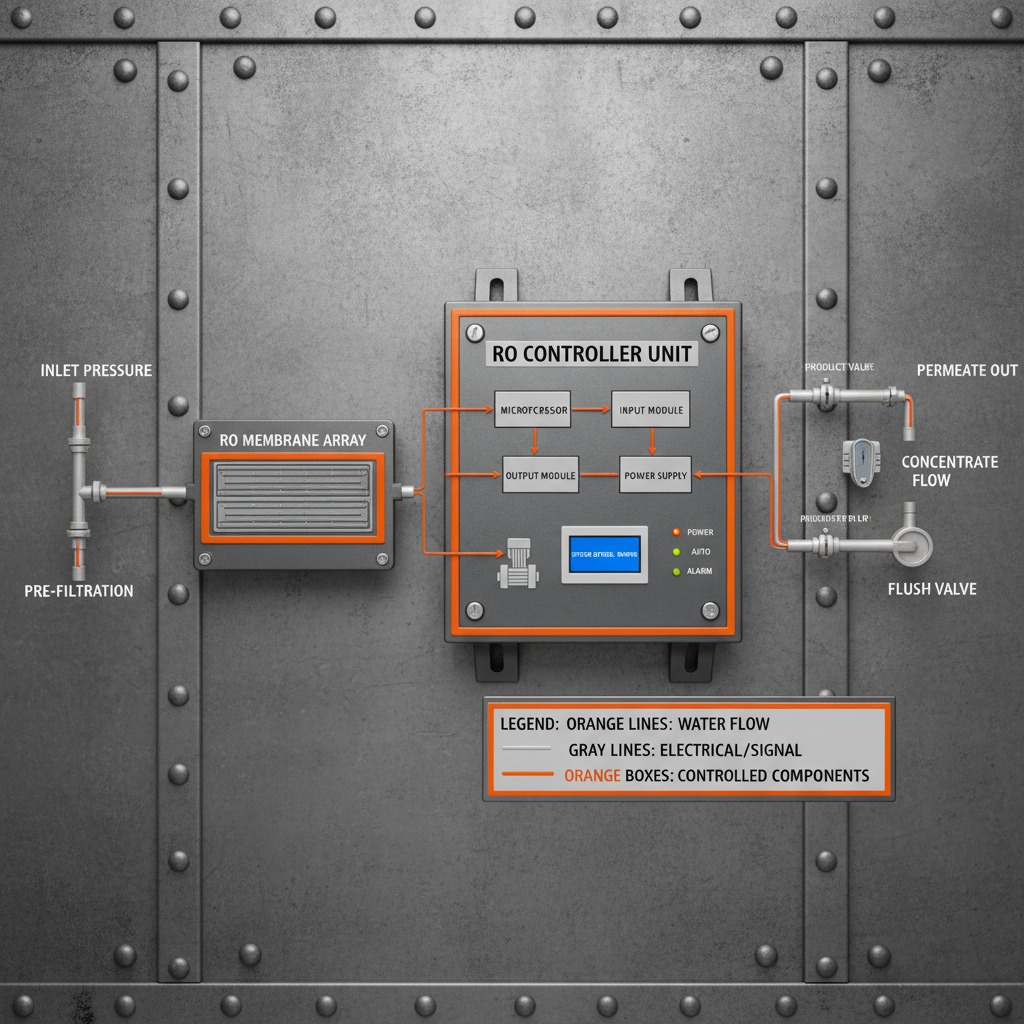
Guide to Choosing the Right RO Controller for Water PurificationMaintaining a high-performance reverse osmosis system requires more than just quality membranes; it demands precise regulation. An ro controller serves as the brain of the entire operation, monitoring critical parameters such as conductivity, temperature, and flow rates to ensure the output water meets stringent purity standards. Without an efficient controller, systems are prone to membrane fouling, inefficient energy use, and inconsistent water quality. In this comprehensive guide, we will explore how these devices optimize water treatment processes and how to select the best model for your specific industrial or commercial needs.
2026-04-09 03:25:47
Guide to Water Purity Using RO with TDS Controller SystemsAchieving the perfect balance of mineral content and purity in drinking water is a challenge for many households and industrial facilities. A ro with tds controller offers a sophisticated solution by combining the rigorous filtration of Reverse Osmosis (RO) with the precision of a Total Dissolved Solids (TDS) adjustment system. While standard RO systems remove almost everything, including beneficial minerals, a TDS controller allows users to re-mineralize the water to a desired level. This ensures that the water is not only safe and pure but also tastes better and provides essential nutrients.
2026-04-07 03:17:09
Understanding and Optimizing Reverse Osmosis Systems with a ControllerIn the world of water purification, reverse osmosis (RO) systems are a cornerstone for producing high-quality water for various applications, from drinking water to industrial processes. However, an RO system is only as effective as its control system. This is where the reverse osmosis controller comes into play. This critical component manages and optimizes the RO process, ensuring efficient operation, water quality, and system longevity.
2026-04-04 03:27:19
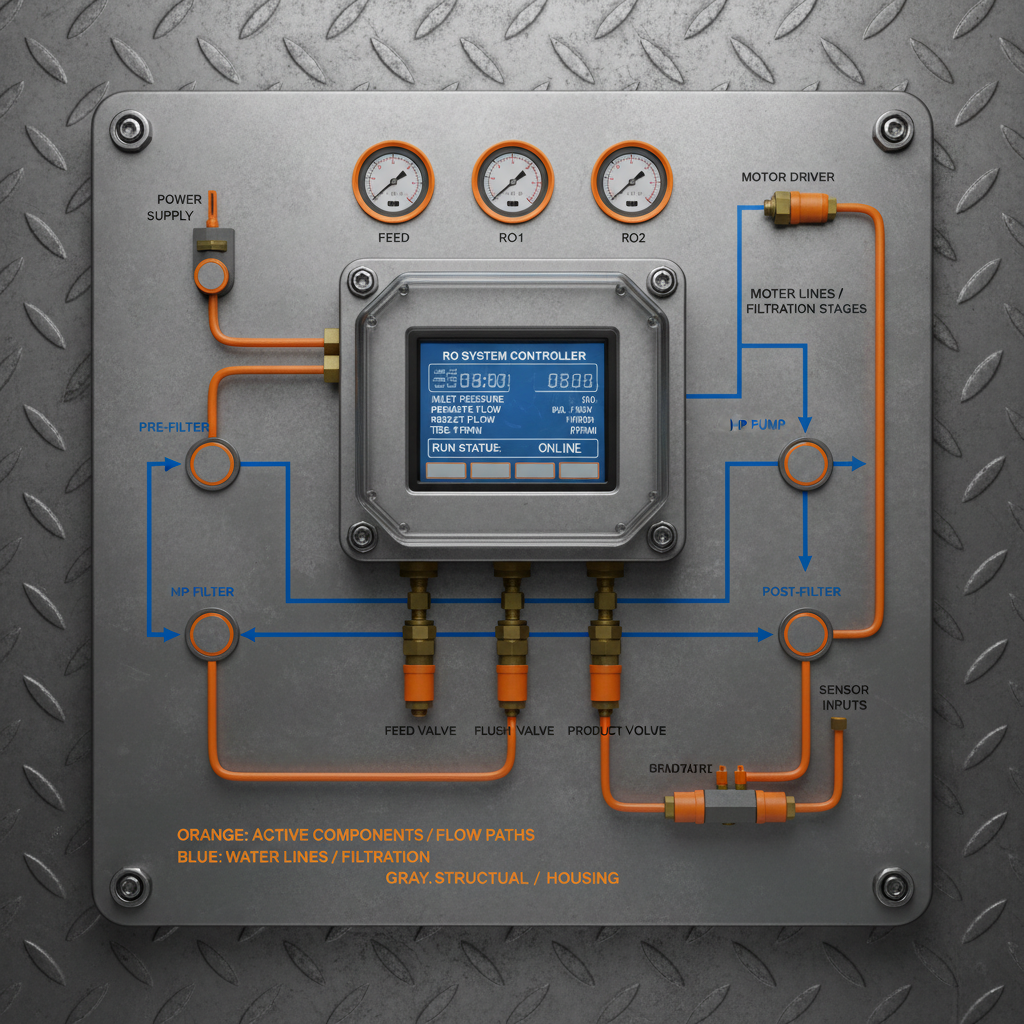
Understanding the Vital Role of an RO System Controller for Optimal PerformanceReverse Osmosis (RO) systems are critical for purifying water across various industries, from residential applications to large-scale industrial processes. At the heart of a well-functioning RO system lies the RO system controller. This intelligent device monitors and regulates all key parameters of the RO process, ensuring optimal performance, efficiency, and water quality. This article delves into the functionalities, benefits, and selection criteria for choosing the right RO system controller, particularly focusing on those offered by Watequipments. Understanding its role is crucial for maximizing the lifespan and effectiveness of your RO investment.
2026-03-24 17:18:24
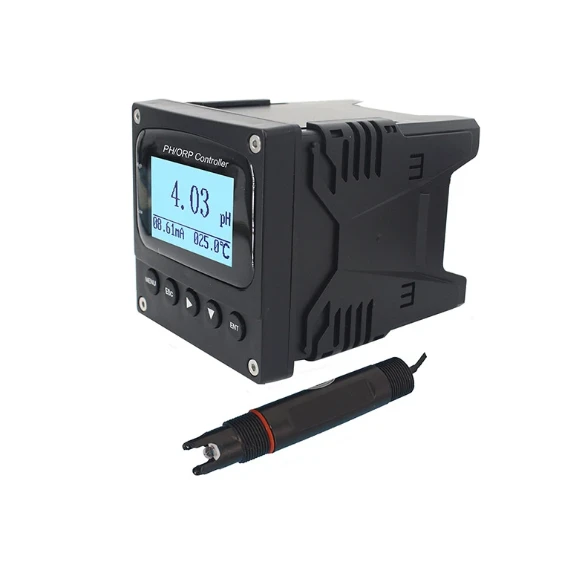
Smart Water Treatment Solutions Using PH ORP Controller SystemsIn modern water treatment and industrial fluid management, maintaining precise chemical balance is essential for safety, efficiency, and regulatory compliance.
2026-03-04 02:55:19
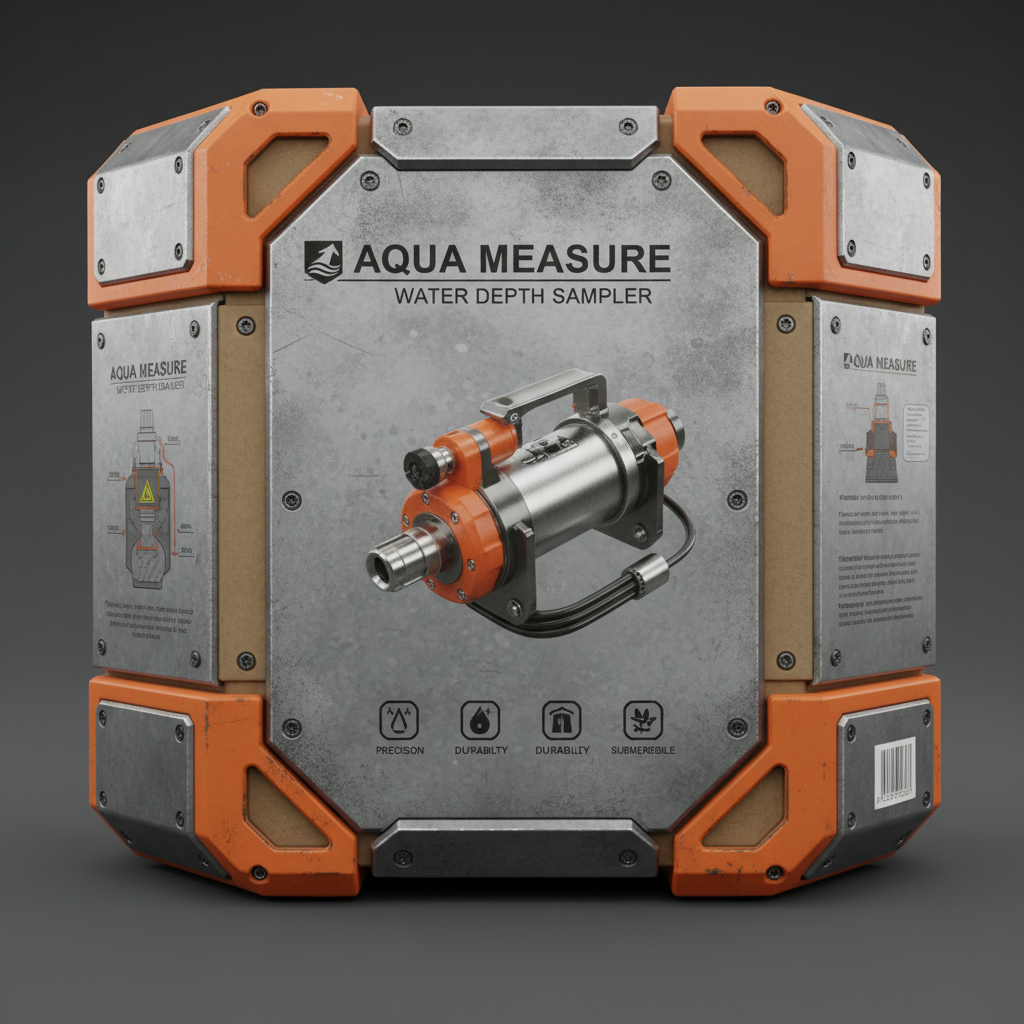
Comprehensive Guide to Water Depth Samplers and Their ApplicationsAccurate water quality monitoring is crucial in various fields, from environmental science and aquaculture to industrial wastewater management. A key tool for this is the water depth sampler. This article provides an in-depth look at water depth samplers, their applications, types, and essential considerations for choosing the right one for your needs. We'll explore the benefits of utilizing this equipment to collect reliable data for analysis and informed decision-making. Selecting the right sampler can significantly improve the precision and efficiency of your water monitoring program. A water depth sampler, also known as a depth-integrated sampler, is a device designed to collect water samples from specific depths within a body of water. Unlike simply dipping a container into the water, a depth sampler allows for collection of a representative sample across a defined depth range. This is critical because water properties (temperature, salinity, pollutants) often vary significantly with depth. The data gathered with a water depth sampler provides a more accurate assessment of water quality than surface samples alone.
2026-03-03 18:55:22
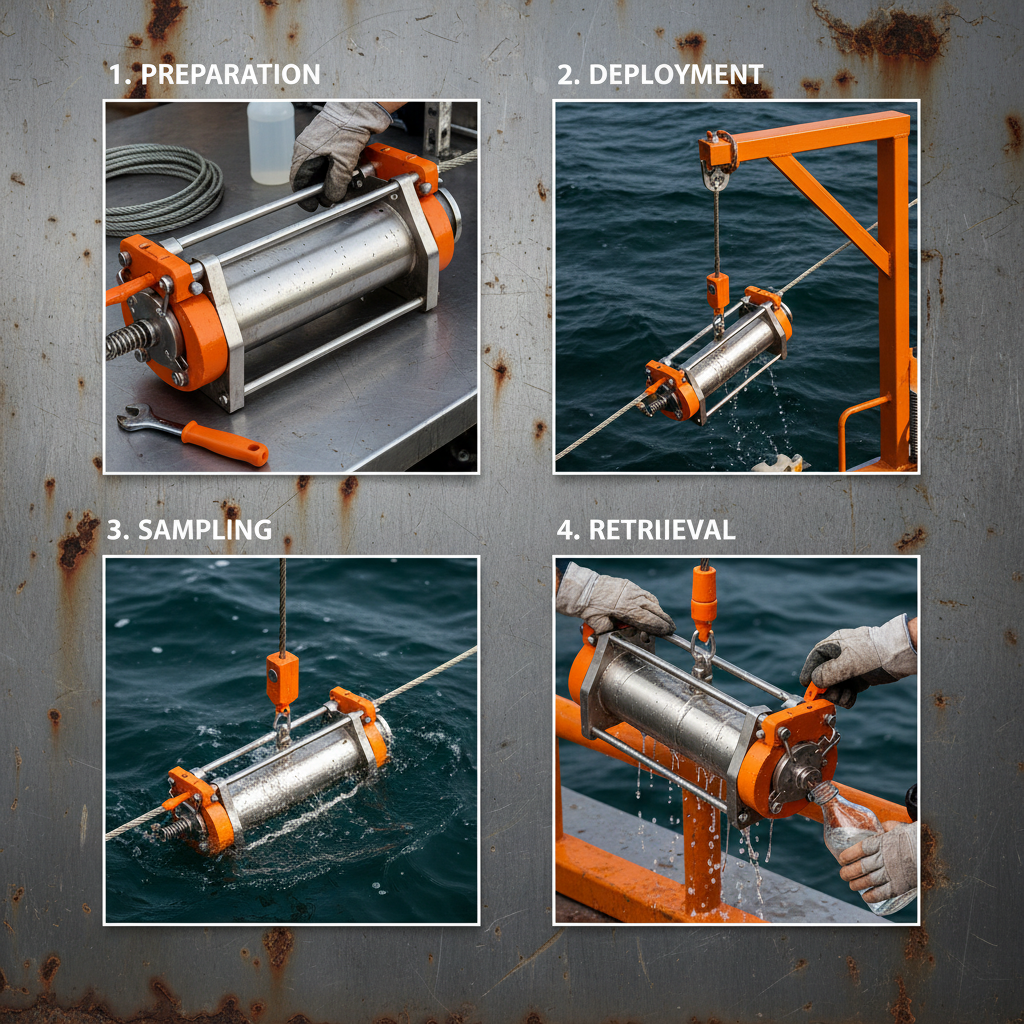
Comprehensive Guide to Horizontal Water Sampler Applications and SelectionCollecting water samples at varying depths is crucial for environmental monitoring, research, and quality control. The horizontal water sampler from Watequipment.com offers a precise and efficient solution for this task. This article provides an in-depth look at horizontal water samplers, their applications, benefits, and key considerations when choosing the right model. We will explore how these samplers contribute to accurate data collection and informed decision-making in various fields. A horizontal water sampler is a device designed to collect water samples from specific depths within a body of water – rivers, lakes, oceans, reservoirs, and even wastewater treatment plants. Unlike vertical samplers which primarily focus on depth, horizontal samplers prioritize collecting samples at a consistent depth while moving along a horizontal plane. This is essential for assessing water quality variations across a waterway or within a specific zone. They are used in applications ranging from environmental monitoring and scientific research to industrial process control and regulatory compliance.
2026-02-28 02:35:09
Comprehensive Guide to Selecting the Right Surface Water Sampler for Your NeedsMonitoring the quality of surface water is critical for environmental protection, public health, and various industrial applications. A surface water sampler is an essential tool for collecting representative samples from rivers, lakes, ponds, and other surface water sources. This article provides a detailed overview of surface water samplers, their types, applications, and key considerations for selecting the right equipment. Accurate water quality data relies on proper sample collection, and choosing the correct sampler is the first step toward achieving reliable results. Surface water samplers come in various designs, each suited to specific sampling needs. Common types include grab samplers, depth-integrating samplers, peristaltic pumps, and automatic samplers. Surface water samplers are used across a broad spectrum of applications, including environmental monitoring, wastewater discharge monitoring, drinking water source monitoring, agricultural runoff analysis, and research studies.

 English