


Comprehensive Guide to Optical DO Sensors for Water Quality Monitoring

Comprehensive Guide to Optical DO Sensors for Water Quality Monitoring
Nov . 26, 2025
Why Understanding the Optical DO Sensor Matters Worldwide
The optical DO sensor might not be the star of your average tech conversation, but it plays an outsized role in monitoring water quality globally. Oxygen saturation in water — or dissolved oxygen (DO) — is a critical indicator of environmental health, industrial efficiency, and even public safety. As freshwater and marine ecosystems face increasing stress from climate change and pollution, having accurate, reliable tools to measure DO levels has never been more essential. Optical DO sensors offer a practical, low-maintenance alternative to traditional electrochemical devices, with benefits like longer lifespans and less frequent calibration. Understanding these devices, the technology behind them, and their applications can open doors to improved environmental management, smarter industries, and enhanced sustainability efforts around the world.
Setting the Scene: The Global Importance of Optical DO Sensors
According to the United Nations World Water Development Report 2023, over two billion people globally lack access to safely managed drinking water. Water quality monitoring is a vital piece of the puzzle. Optical DO sensors are increasingly adopted by water treatment plants, aquaculture farms, and environmental agencies to ensure oxygen levels remain within safe limits — a key factor influencing aquatic life, pathogen growth, and chemical reactions in water.
Interestingly, the ISO 5814 standards recognize the need for precise dissolved oxygen measurement methods in both industrial and environmental sectors, pushing for enhanced sensor technologies. The problem arises in many regions where traditional DO probes fail due to fouling, temperature sensitivity, or regular calibration needs. Optical DO sensors rise above these challenges, offering more consistent data collection, thus enabling better decision-making. If water quality is a global concern, then these sensors aren’t just convenient — they’re critical.
Mini takeaway: Optical DO sensors are becoming indispensable tools to tackle global water quality challenges, combining scientific rigor with practical durability.
What Exactly Is an Optical DO Sensor?
At its core, an optical do sensor is a device designed to measure dissolved oxygen in liquids using optical fluorescence quenching. Instead of relying on electrodes that consume oxygen or require frequent calibration, optical sensors detect oxygen levels by shining a light on a special fluorescent dye. The time it takes for the dye to stop glowing (fluorescence lifetime) changes depending on how much oxygen is present. This measurement then translates into accurate dissolved oxygen readings, often with minimal maintenance.
In modern industries — from municipal wastewater treatment to remote aquaculture operations — these sensors play a pivotal role in maintaining environmental compliance and optimizing system performance. They are also useful in humanitarian contexts, such as post-disaster water quality assessment, where robust and reliable tools are the difference between safe drinking water and a public health hazard.
Key Components and Features of Optical DO Sensors
1. Durable Optical Sensing Film
The heart of an optical DO sensor is its sensing film, usually coated with an oxygen-sensitive fluorescent dye. This film must resist biofouling, chemical degradation, and mechanical wear. Newer polymers and protective coatings greatly increase sensor lifetime — some going years without significant drift.
2. Light Source and Detector
LEDs provide a stable, energy-efficient excitation light, while photodiodes or photomultiplier tubes capture emitted fluorescence. This combination ensures precise and repeatable measurements across varied conditions.
3. Temperature Compensation
Oxygen solubility depends on temperature, so most optical DO sensors include built-in thermistors or temperature probes. They automatically correct readings, improving accuracy in fluctuating environments.
4. Calibration and Maintenance
Unlike electrochemical probes which require daily or weekly calibrations, optical DO sensors typically need only sporadic calibration checks. This lowers operational costs and downtime, especially important in hard-to-access locations.
5. Integration and Communication Options
Modern sensors often support digital interfaces like Modbus, SDI-12, or 4-20 mA outputs, simplifying integration into industrial control systems or remote monitoring platforms.
Mini takeaway: Optical DO sensors blend clever optical chemistry with smart electronics, delivering durability, accuracy, and low upkeep.
Where Are Optical DO Sensors Making a Difference?
These sensors have found a comfortable home across multiple sectors:
- Aquaculture: Maintaining optimal oxygen is critical to fish health and growth rate. Optical DO sensors help farmers monitor water quality for sustainable yields.
- Wastewater Treatment Plants: Operators rely on DO data to control aeration, maximize treatment efficiency, and reduce energy costs.
- Environmental Monitoring: Agencies track DO levels in lakes, rivers, and coastal waters to assess pollution and ecosystem health.
- Industrial Processes: Manufacturing and chemical plants use them to monitor effluents or process water, ensuring regulatory compliance and safety.
- Disaster Response & Humanitarian Aid: When water infrastructure is compromised, rapid DO measurement informs water safety and treatment priorities.
For instance, a shrimp farm in Southeast Asia reduced mortality rates by 20% after switching to optical DO sensors for continuous monitoring. Meanwhile, a European wastewater utility reported cutting energy cost by 15% via real-time DO control.
Mini takeaway: Optical DO sensors’ applications span industries and geographies, proving their versatility and global relevance.
Optical DO Sensor Specification Table
| Feature | Typical Value / Range |
|---|---|
| Measurement Range (DO) | 0 – 20 mg/L |
| Accuracy | ±0.1 mg/L or ±1% saturation |
| Calibration Interval | 6 – 12 months |
| Temperature Compensation | Integrated (0 – 50 °C) |
| Communication Protocols | Modbus, 4-20 mA, SDI-12 |
| Lifespan of Sensing Film | 2 – 3 years (typical) |
Comparing Leading Optical DO Sensor Vendors
| Vendor | Accuracy | Calibration Frequency | Typical Cost | Special Features |
|---|---|---|---|---|
| AquaSense | ±0.1 mg/L | Every 12 months | $$$ | Robust anti-fouling film, IP68 certified |
| ClearWater Tech | ±0.15 mg/L | Every 6 months | $$ | Compact probe, easy integration |
| EnviroSense | ±0.1 mg/L | Every 9 months | $$$$ | Advanced digital interface, cloud compatibility |
What Benefits Do Optical DO Sensors Bring?
From an operational viewpoint, these sensors significantly cut down on maintenance and calibration costs. For engineers I talked to last year, this meant less fieldwork slogging around remote tanks or riverbanks. They also yield more stable, reproducible data — which builds trust and confidence during compliance audits or environmental assessments.
Emotionally, think about the sense of safety and reassurance that comes with knowing your fish farm water, or your city’s wastewater effluent, stays healthy. There’s an ecological dignity in protecting aquatic life that’s hard to overstate. On the innovation front, optical DO sensors nudge industries towards smarter automation and greener operations, paving the way for sustainable water management solutions.
The Road Ahead: Innovations & Trends in Optical DO Sensing
Oddly enough, the future of these sensors looks brighter (pun intended) thanks to developments in nano-materials for sensing films — making them more sensitive and fouling-resistant. Integration into IoT networks is pushing devices towards full real-time cloud monitoring, an absolute game-changer for remote sites. Green energy-powered sensor systems, coupled with AI algorithms, promise predictive water quality analysis rather than reactive checks.
Digital twins of treatment plants or aquaculture beds utilize sensors’ live data streams to simulate scenarios, spot issues early, and optimize processes. It’s an exciting time where optical DO sensors are not just passive tools but active players in water stewardship.
Challenges & Expert Solutions
Of course, no technology is perfect. Fouling remains a pesky challenge — biofilms and sediment can still accumulate on sensor surfaces, skewing readings over time. However, many vendors now offer automated cleaning wipers or hydrophobic coatings to mitigate this.
Temperature extremes and water chemistry variability pose other hurdles. The best practice is to pair optical sensors with multiparameter probes, or to employ rigorous field calibration under varied conditions.
Proper user training and data validation routines are often overlooked but critically important. Remember, the sensor is only as good as the system it’s plugged into.
FAQ: Frequently Asked Questions About Optical DO Sensors
Q1: How often does an optical DO sensor need calibration?
A1: Typically, optical DO sensors require calibration every 6 to 12 months, which is significantly less frequent than electrochemical sensors that often need calibration weekly. This reduces maintenance effort and cost.
Q2: Are optical DO sensors suitable for marine environments?
A2: Yes, many optical DO sensors are designed to withstand harsh marine conditions, including saltwater exposure and biofouling. Look for IP68-rated units with durable anti-fouling coatings for best performance.
Q3: Can optical DO sensors work continuously in wastewater treatment plants?
A3: Absolutely. Their low maintenance and stable readings make them ideal for continuous monitoring in wastewater treatment processes, helping optimize aeration and reduce energy consumption.
Q4: How do optical DO sensors compare cost-wise to traditional probes?
A4: While upfront costs can be higher, savings from reduced calibration, longer lifespan, and less downtime often make optical DO sensors more cost-effective over their lifecycle.
Q5: Are these sensors integration-ready for modern industrial systems?
A5: Most leading optical DO sensors support common industrial communication protocols (Modbus, SDI-12, 4-20mA) making integration straightforward in SCADA or IoT platforms.
Wrapping Up: Why Choose an Optical DO Sensor?
Ultimately, optical DO sensors offer a smart, reliable, and increasingly affordable way to keep tabs on dissolved oxygen — a seemingly simple parameter with outsized importance. For industries, environmentalists, and humanitarian teams alike, these sensors deliver actionable data with less fuss and more confidence.
Curious to see how an optical do sensor could fit your water monitoring needs? Head over to our website for product options, expert guidance, and custom solutions — keeping your water quality on point, day after day.
References
- United Nations World Water Development Report 2023
- ISO 5814: Water quality — Determination of dissolved oxygen
- Dissolved oxygen sensor - Wikipedia

Related Products
Related News

2026-04-16 03:20:19
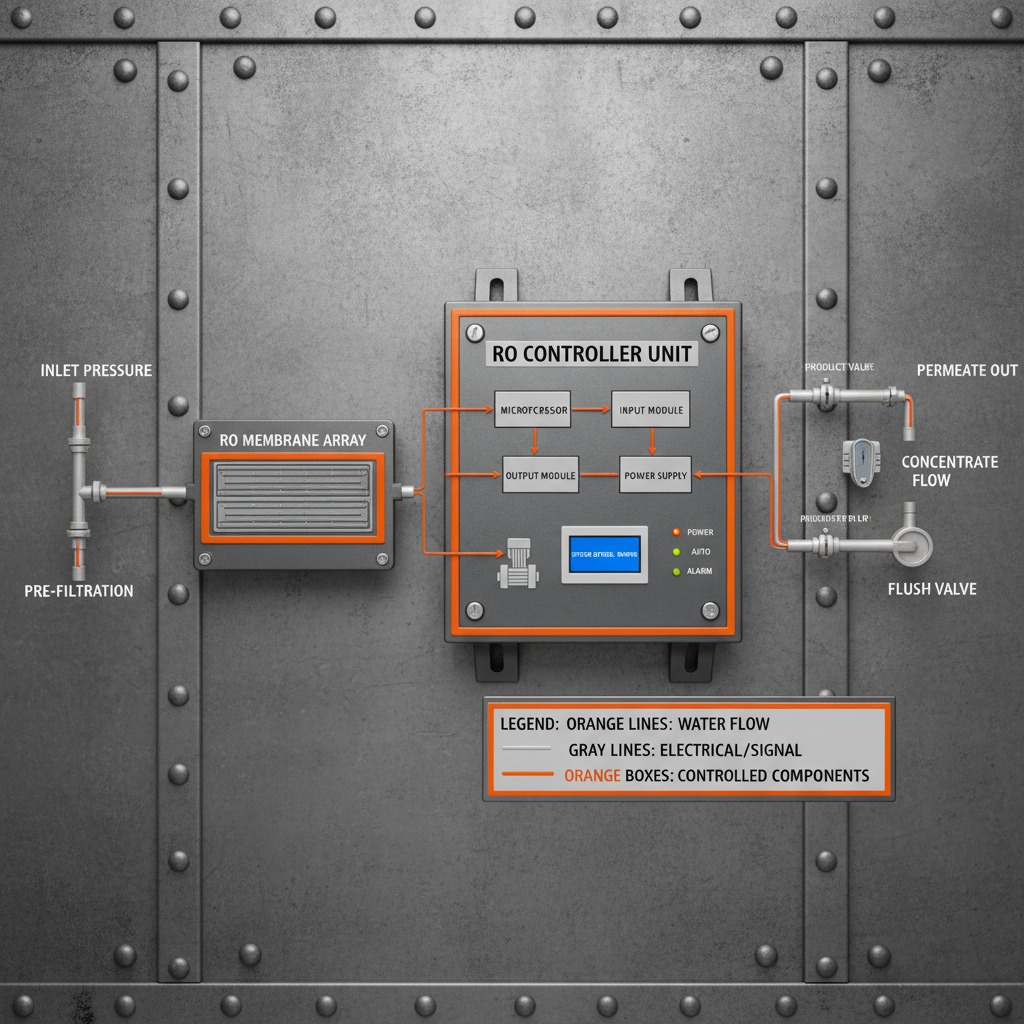
Guide to Choosing the Right RO Controller for Water PurificationMaintaining a high-performance reverse osmosis system requires more than just quality membranes; it demands precise regulation. An ro controller serves as the brain of the entire operation, monitoring critical parameters such as conductivity, temperature, and flow rates to ensure the output water meets stringent purity standards. Without an efficient controller, systems are prone to membrane fouling, inefficient energy use, and inconsistent water quality. In this comprehensive guide, we will explore how these devices optimize water treatment processes and how to select the best model for your specific industrial or commercial needs.
2026-04-09 03:25:47
Guide to Water Purity Using RO with TDS Controller SystemsAchieving the perfect balance of mineral content and purity in drinking water is a challenge for many households and industrial facilities. A ro with tds controller offers a sophisticated solution by combining the rigorous filtration of Reverse Osmosis (RO) with the precision of a Total Dissolved Solids (TDS) adjustment system. While standard RO systems remove almost everything, including beneficial minerals, a TDS controller allows users to re-mineralize the water to a desired level. This ensures that the water is not only safe and pure but also tastes better and provides essential nutrients.
2026-04-07 03:17:09
Understanding and Optimizing Reverse Osmosis Systems with a ControllerIn the world of water purification, reverse osmosis (RO) systems are a cornerstone for producing high-quality water for various applications, from drinking water to industrial processes. However, an RO system is only as effective as its control system. This is where the reverse osmosis controller comes into play. This critical component manages and optimizes the RO process, ensuring efficient operation, water quality, and system longevity.
2026-04-04 03:27:19
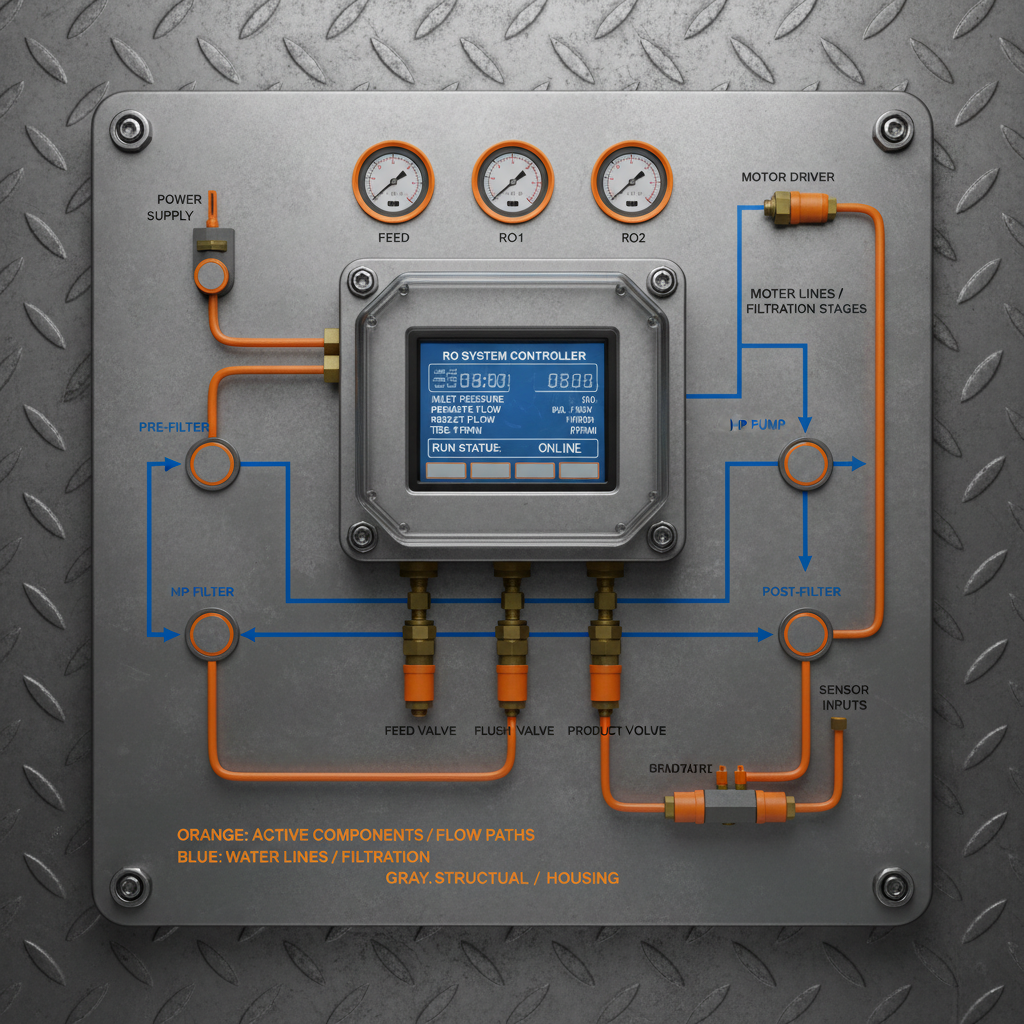
Understanding the Vital Role of an RO System Controller for Optimal PerformanceReverse Osmosis (RO) systems are critical for purifying water across various industries, from residential applications to large-scale industrial processes. At the heart of a well-functioning RO system lies the RO system controller. This intelligent device monitors and regulates all key parameters of the RO process, ensuring optimal performance, efficiency, and water quality. This article delves into the functionalities, benefits, and selection criteria for choosing the right RO system controller, particularly focusing on those offered by Watequipments. Understanding its role is crucial for maximizing the lifespan and effectiveness of your RO investment.
2026-03-24 17:18:24
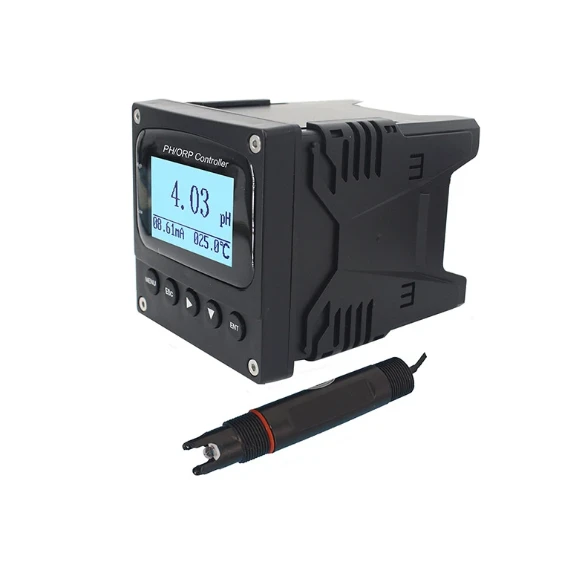
Smart Water Treatment Solutions Using PH ORP Controller SystemsIn modern water treatment and industrial fluid management, maintaining precise chemical balance is essential for safety, efficiency, and regulatory compliance.
2026-03-04 02:55:19
Comprehensive Guide to Water Depth Samplers and Their ApplicationsAccurate water quality monitoring is crucial in various fields, from environmental science and aquaculture to industrial wastewater management. A key tool for this is the water depth sampler. This article provides an in-depth look at water depth samplers, their applications, types, and essential considerations for choosing the right one for your needs. We'll explore the benefits of utilizing this equipment to collect reliable data for analysis and informed decision-making. Selecting the right sampler can significantly improve the precision and efficiency of your water monitoring program. A water depth sampler, also known as a depth-integrated sampler, is a device designed to collect water samples from specific depths within a body of water. Unlike simply dipping a container into the water, a depth sampler allows for collection of a representative sample across a defined depth range. This is critical because water properties (temperature, salinity, pollutants) often vary significantly with depth. The data gathered with a water depth sampler provides a more accurate assessment of water quality than surface samples alone.
2026-03-03 18:55:22
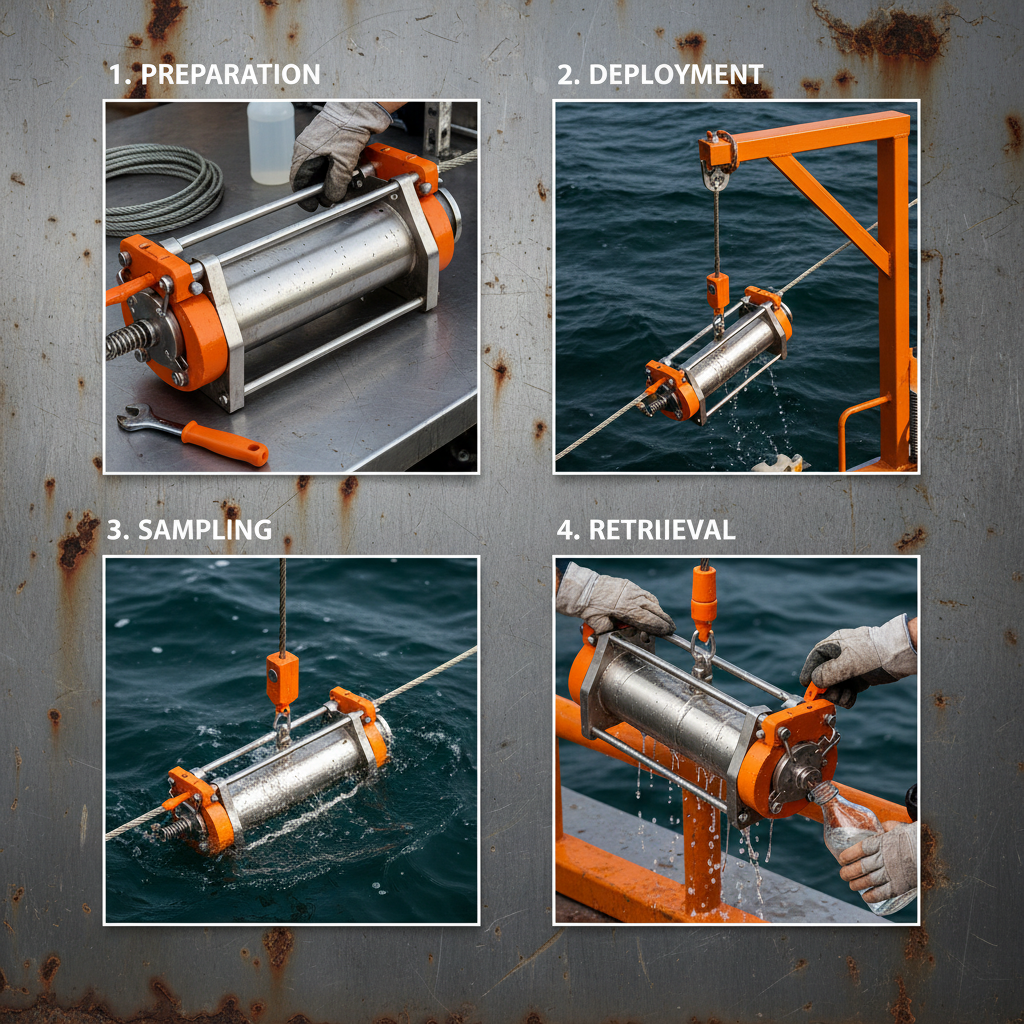
Comprehensive Guide to Horizontal Water Sampler Applications and SelectionCollecting water samples at varying depths is crucial for environmental monitoring, research, and quality control. The horizontal water sampler from Watequipment.com offers a precise and efficient solution for this task. This article provides an in-depth look at horizontal water samplers, their applications, benefits, and key considerations when choosing the right model. We will explore how these samplers contribute to accurate data collection and informed decision-making in various fields. A horizontal water sampler is a device designed to collect water samples from specific depths within a body of water – rivers, lakes, oceans, reservoirs, and even wastewater treatment plants. Unlike vertical samplers which primarily focus on depth, horizontal samplers prioritize collecting samples at a consistent depth while moving along a horizontal plane. This is essential for assessing water quality variations across a waterway or within a specific zone. They are used in applications ranging from environmental monitoring and scientific research to industrial process control and regulatory compliance.
2026-02-28 02:35:09
Comprehensive Guide to Selecting the Right Surface Water Sampler for Your NeedsMonitoring the quality of surface water is critical for environmental protection, public health, and various industrial applications. A surface water sampler is an essential tool for collecting representative samples from rivers, lakes, ponds, and other surface water sources. This article provides a detailed overview of surface water samplers, their types, applications, and key considerations for selecting the right equipment. Accurate water quality data relies on proper sample collection, and choosing the correct sampler is the first step toward achieving reliable results. Surface water samplers come in various designs, each suited to specific sampling needs. Common types include grab samplers, depth-integrating samplers, peristaltic pumps, and automatic samplers. Surface water samplers are used across a broad spectrum of applications, including environmental monitoring, wastewater discharge monitoring, drinking water source monitoring, agricultural runoff analysis, and research studies.

 English