


Comprehensive Guide to Dissolved Oxygen Meters for Water Quality Monitoring

Comprehensive Guide to Dissolved Oxygen Meters for Water Quality Monitoring
Nov . 21, 2025
Understanding the Dissolved Oxygen Meter: Why It Matters Worldwide
If you've ever dipped a hand into a river or pond, you might have wondered how the invisible gas dissolved in the water actually supports all the life beneath the surface. That's where the dissolved oxygen meter comes in, acting like a detective tool revealing the life-supporting oxygen available in any water body. On a global scale, monitoring dissolved oxygen (DO) is absolutely critical for everything from environmental protection, aquaculture success, to public health. Why does it matter so much? Well, think about this — according to the United Nations, water quality deterioration affects over 80% of the global population, one big reason being oxygen depletion in aquatic systems. Without adequate oxygen, fish and microbes decline, ecosystems destabilize, and water treatment becomes tougher. Tracking dissolved oxygen helps industries, governments, and NGOs ensure water bodies remain healthy and productive. ### Mini takeaway: In real terms, the dissolved oxygen meter is a frontline tool bridging science and stewardship, ensuring we keep aquatic environments alive and thriving.Global Context: The Rising Need for Accurate Oxygen Measurement
Globally, the need for reliable dissolved oxygen measurement is surging. The World Bank reports rising industrial discharge and climate change are harming freshwater resources, pushing demand for better water monitoring technology. For example, in rapidly urbanizing regions like Southeast Asia, water bodies see fluctuating oxygen levels daily — and without precise instruments, predicting fish kills or algal blooms is guesswork. Even the food industry — yes, aquaculture is a multi-billion-dollar market — relies heavily on dissolved oxygen meters to maintain optimal growth conditions. Low oxygen spells disaster for fish farms and threatens food security in some vulnerable countries. Speaking frankly, without efficient DO monitoring, efforts to provide clean water and feed billions become that much harder.The main challenge?
Classic dissolved oxygen meters sometimes struggle with durability, calibration needs, or responsiveness, especially in remote or harsh environments. That’s where modern meters shine with rugged designs and smart sensors.What Is a Dissolved Oxygen Meter? Breaking It Down
A dissolved oxygen meter is a device designed to measure how much oxygen gas is actually dissolved in water. Essentially, it’s like a pulse check for water bodies. It combines a sensitive probe (or sensor) with electronics that convert oxygen content into readable data, often displayed digitally. There are two main types: electrochemical sensors (like Clark-type probes) and optical (luminescence-based) sensors. Both have pros and cons, but the goal is the same — to give an accurate and timely reading without the guesswork. Why does this connect with modern industry and humanitarian efforts? Because whether you’re managing a municipal water supply, running an aquatic research lab, or supplying emergency relief to flood-hit communities relying on contaminated waters, knowing DO levels is mission-critical. It helps detect pollution, optimize treatment processes, and verify water is safe for consumption or habitat. ### Mini takeaway: Think of the dissolved oxygen meter as a water body’s health monitor — simple in concept but powerful in impact.Key Components That Make a Dissolved Oxygen Meter Tick
1. Durability and Portability
Many users operate meters in rough field conditions — muddy banks, emergency sites, or industrial plants. The best meters boast rugged, waterproof housings and lightweight designs for easy handling. You don’t want sensitive electronics failing right when you need answers.2. Sensor Accuracy and Response Time
Oxygen levels can change rapidly, especially in streams or aerated tanks. Fast, precise sensor readings keep data reliable. Optical sensors now lead here, resisting fouling and calibration drift better than their electrochemical cousins.3. Power and Connectivity Options
Whether battery-operated for days or USB rechargeable, power autonomy matters. Advanced meters also include Bluetooth or Wi-Fi for real-time data uploads — perfect for remote monitoring projects.4. Cost Efficiency
Prices vary widely — from basic hand-held units under $300 to sophisticated multi-parameter analyzers costing thousands. Budget constraints often dictate choices, so balancing cost with features is a real art.5. Calibration and Maintenance
Meters that require minimal calibration upkeep save time and reduce errors. Some newer models offer auto-calibration or simply clean with distilled water, streamlining fieldwork.Real-World Applications of Dissolved Oxygen Meters
Water quality agencies worldwide rely on dissolved oxygen meters — not just as lab tools but in field surveys, pollution control, and post-disaster responses. For instance: - Aquaculture: Fish farms in Norway and Vietnam measure DO multiple times daily to adjust aerators and feeding, directly optimizing fish health. - Environmental Monitoring: In the Mississippi River basin, continuous DO monitoring helps detect oxygen-depleting nutrient runoffs, guiding conservation. - Disaster Relief: After floods in Southeast Asia, NGOs use portable meters to assess water contamination and advise safe water collection, protecting vulnerable communities. - Industrial Plants: Factories discharge treated wastewater. DO meters ensure effluent oxygen levels meet regulatory levels before release. Interestingly, even remote indigenous communities are seeing benefits from rugged, easy-to-use meters, aiding in managing local fisheries and preserving traditional ways of life. ### Mini takeaway: Dissolved oxygen meters act as silent guardians — serving industries, environment, and humans alike wherever water quality matters.Advantages of Using Dissolved Oxygen Meters: Long-Term Value
What stands out when you use a high-quality dissolved oxygen meter? For starters, you get dependable data that allows smarter decisions — less guesswork, fewer catastrophic fish die-offs, and better compliance with environmental laws. - Cost Savings: Early problem detection can save millions by preventing treatment failures or environmental fines. - Sustainability: Maintaining balanced oxygen levels reduces harmful algal blooms and protects aquatic biodiversity. - Safety & Public Trust: Transparent water quality data builds confidence in municipal supplies or food production. - Innovation & Reliability: Continuous technological improvements mean more precise, user-friendly meters supporting innovative water management. I always think it’s a bit poetic — a simple measurement fostering trust, safety, and innovation all at once.The Future: What Lies Ahead for Dissolved Oxygen Meters?
Emerging trends promise exciting leaps: - Smart, IoT-Enabled Systems: Integrating sensors into broader networks for 24/7 real-time water quality dashboards. - Green Technology: Bio-based sensor coatings that prevent fouling and require less maintenance. - Miniaturization & Wearables: Imagine tiny DO monitors drones or installed on autonomous underwater vehicles — collecting data from previously inaccessible zones. - AI-Driven Analytics: Predictive analytics anticipating oxygen depletion events before they happen, making water management proactive, not reactive. Frankly, it feels like we’re on the cusp of an environmental monitoring revolution where dissolved oxygen meters play a starring role.Challenges and How to Overcome Them
No tech is perfect. Here are a few hurdles, and how experts are addressing them: - Sensor Fouling: Algae or sediment can impair readings. New anti-fouling materials and optical sensors reduce this significantly. - Calibration Drift: Frequent calibrations are inconvenient. Auto-calibration features and improved sensor stability help. - High Costs: For lower-income regions, affordable yet reliable meters are still emerging; partnerships and subsidies can bridge this. - Data Management: Handling vast DO datasets requires good software and training; providers now offer integrated platforms and support.FAQ: Your Common Questions on Dissolved Oxygen Meters
- How often should I calibrate my dissolved oxygen meter?
- Generally, monthly calibration is recommended for electrochemical sensors, but optical meters may last longer without recalibration. Check your manual, but frequent calibration keeps readings trustworthy.
- Can dissolved oxygen meters be used in saltwater environments?
- Yes! But ensure the meter or probe is rated for saline water as salt can affect sensor readings and durability.
- What’s the difference between electrochemical and optical DO sensors?
- Electrochemical sensors consume oxygen during measurement and require membrane replacement, while optical sensors use luminescence for non-consumptive, lower maintenance readings.
- Are dissolved oxygen meters suitable for continuous monitoring?
- Certain models are designed for continuous, in-situ use with data logging and telemetry; check product specs for deployment duration and power options.
- How do I interpret dissolved oxygen readings?
- Dissolved oxygen is usually measured in mg/L or % saturation; healthy freshwater typically ranges from 6 to 12 mg/L, but this varies by species and location — it's best to consult local guidelines.
Product Specifications: A Typical Dissolved Oxygen Meter (Model X200)
| Feature | Specification |
|---|---|
| Sensor Type | Optical Luminescence |
| Measurement Range | 0 - 20 mg/L |
| Accuracy | ±0.1 mg/L |
| Response Time | |
| Battery Life | 10 Hours Continuous Use, Rechargeable |
| Connectivity | Bluetooth, USB |
| Operating Temp | 0 - 50°C |
Vendor Comparison: Leading Dissolved Oxygen Meter Providers
| Vendor | Price Range | Sensor Type | Key Features | Best For |
|---|---|---|---|---|
| AquaSense | $400 - $1200 | Electrochemical | Portable, Easy Calibration | Field Researchers, Aquaculture |
| OxyPro | $900 - $2500 | Optical | Fast Response, Low Maintenance | Industrial Plants, Continuous Monitoring |
| HydroSense | $1500 - $3000 | Optical & Multiparameter | Multi-Parameter, IoT Enabled | Research Institutions, Smart Cities |
Wrapping Up: Why Dissolved Oxygen Meters Still Matter
To sum it up, dissolved oxygen meters are small, often overlooked tech heroes. They keep an eye on a crucial element unseen yet vital to water quality and life. From farming food to safeguarding clean water supplies — their impact cascades globally. As technology advances, these devices become smarter, more durable, and ever easier to use, promising a future where water ecosystems are monitored more precisely than ever before. For anyone serious about water quality, investing in reliable dissolved oxygen measurement equipment isn’t just wise — it’s necessary. Curious to explore further? Visit our website: https://www.watequipments.com and discover the latest models and expert advice tailored for your needs. Thanks for reading — if you’ve got a story about DO meters in the field, I’d be all ears…References & Notes

Related Products
Related News

2026-04-16 03:20:19
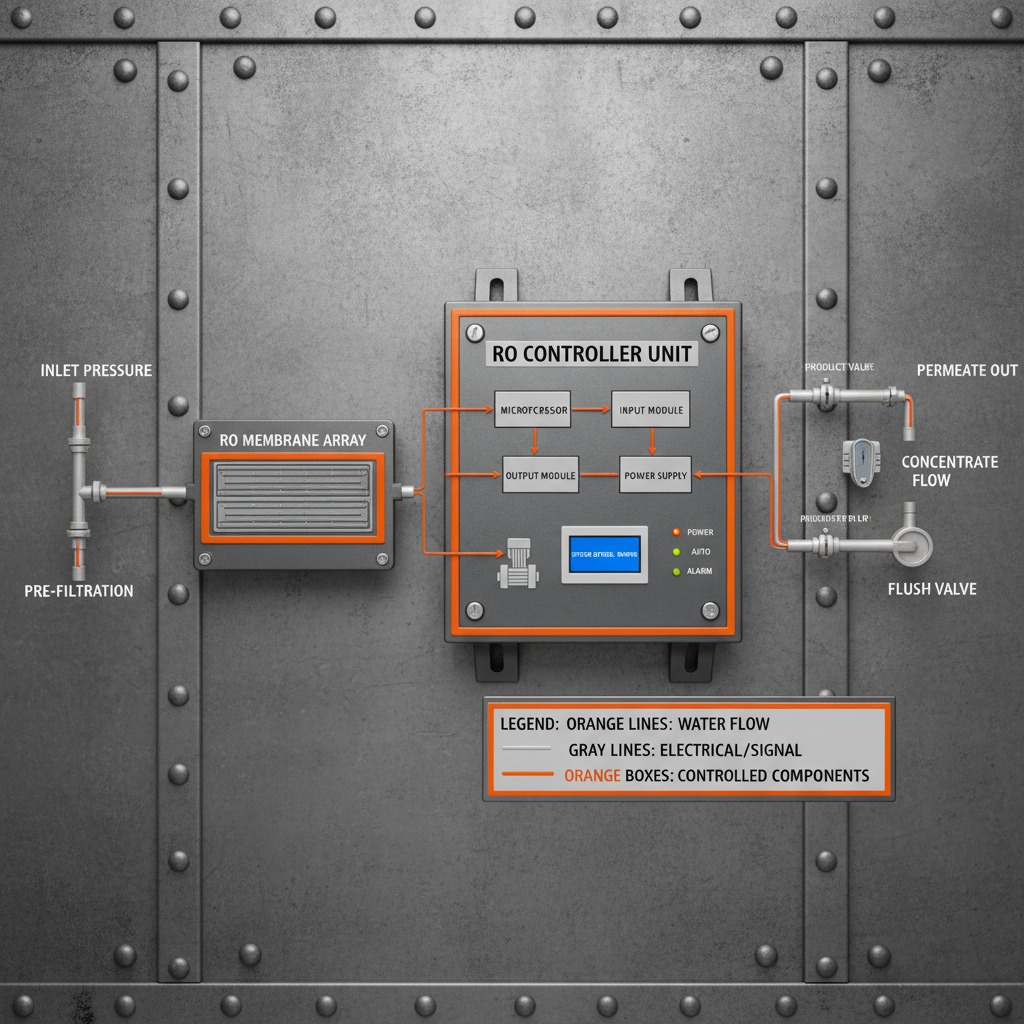
Guide to Choosing the Right RO Controller for Water PurificationMaintaining a high-performance reverse osmosis system requires more than just quality membranes; it demands precise regulation. An ro controller serves as the brain of the entire operation, monitoring critical parameters such as conductivity, temperature, and flow rates to ensure the output water meets stringent purity standards. Without an efficient controller, systems are prone to membrane fouling, inefficient energy use, and inconsistent water quality. In this comprehensive guide, we will explore how these devices optimize water treatment processes and how to select the best model for your specific industrial or commercial needs.
2026-04-09 03:25:47
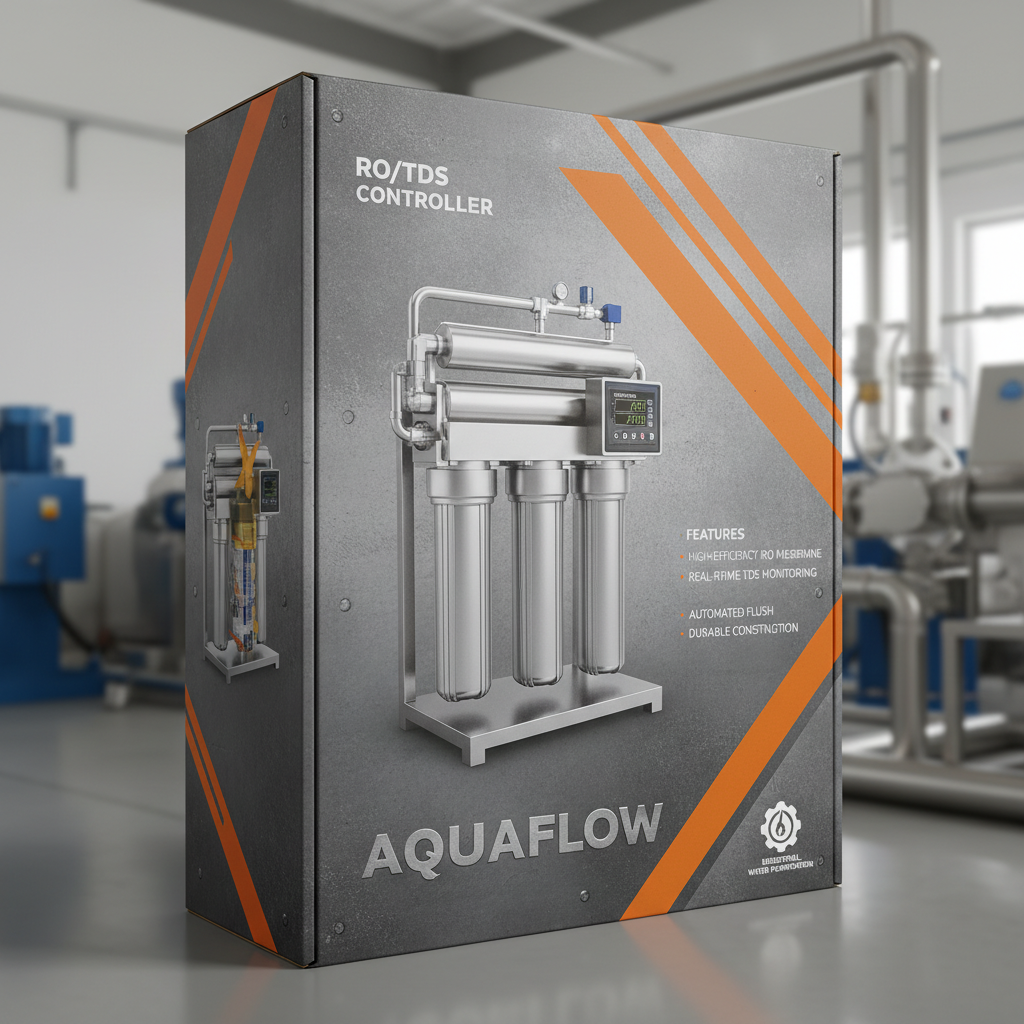
Guide to Water Purity Using RO with TDS Controller SystemsAchieving the perfect balance of mineral content and purity in drinking water is a challenge for many households and industrial facilities. A ro with tds controller offers a sophisticated solution by combining the rigorous filtration of Reverse Osmosis (RO) with the precision of a Total Dissolved Solids (TDS) adjustment system. While standard RO systems remove almost everything, including beneficial minerals, a TDS controller allows users to re-mineralize the water to a desired level. This ensures that the water is not only safe and pure but also tastes better and provides essential nutrients.
2026-04-07 03:17:09
Understanding and Optimizing Reverse Osmosis Systems with a ControllerIn the world of water purification, reverse osmosis (RO) systems are a cornerstone for producing high-quality water for various applications, from drinking water to industrial processes. However, an RO system is only as effective as its control system. This is where the reverse osmosis controller comes into play. This critical component manages and optimizes the RO process, ensuring efficient operation, water quality, and system longevity.
2026-04-04 03:27:19
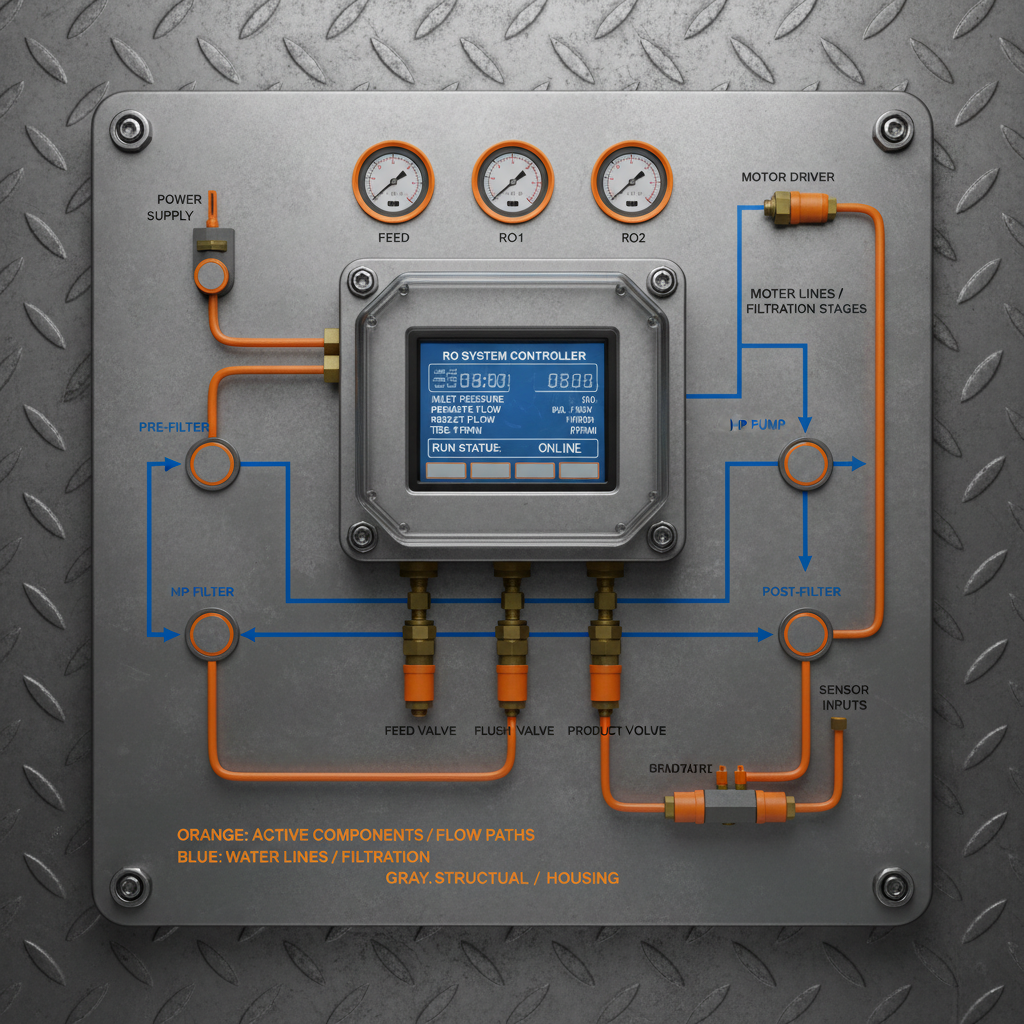
Understanding the Vital Role of an RO System Controller for Optimal PerformanceReverse Osmosis (RO) systems are critical for purifying water across various industries, from residential applications to large-scale industrial processes. At the heart of a well-functioning RO system lies the RO system controller. This intelligent device monitors and regulates all key parameters of the RO process, ensuring optimal performance, efficiency, and water quality. This article delves into the functionalities, benefits, and selection criteria for choosing the right RO system controller, particularly focusing on those offered by Watequipments. Understanding its role is crucial for maximizing the lifespan and effectiveness of your RO investment.
2026-03-24 17:18:24
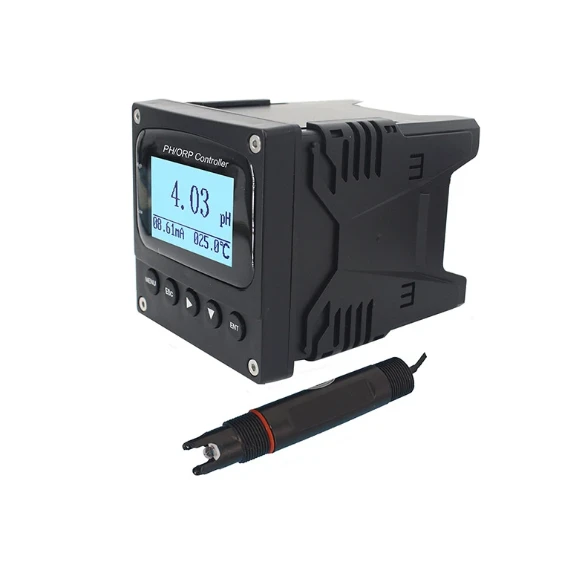
Smart Water Treatment Solutions Using PH ORP Controller SystemsIn modern water treatment and industrial fluid management, maintaining precise chemical balance is essential for safety, efficiency, and regulatory compliance.
2026-03-04 02:55:19
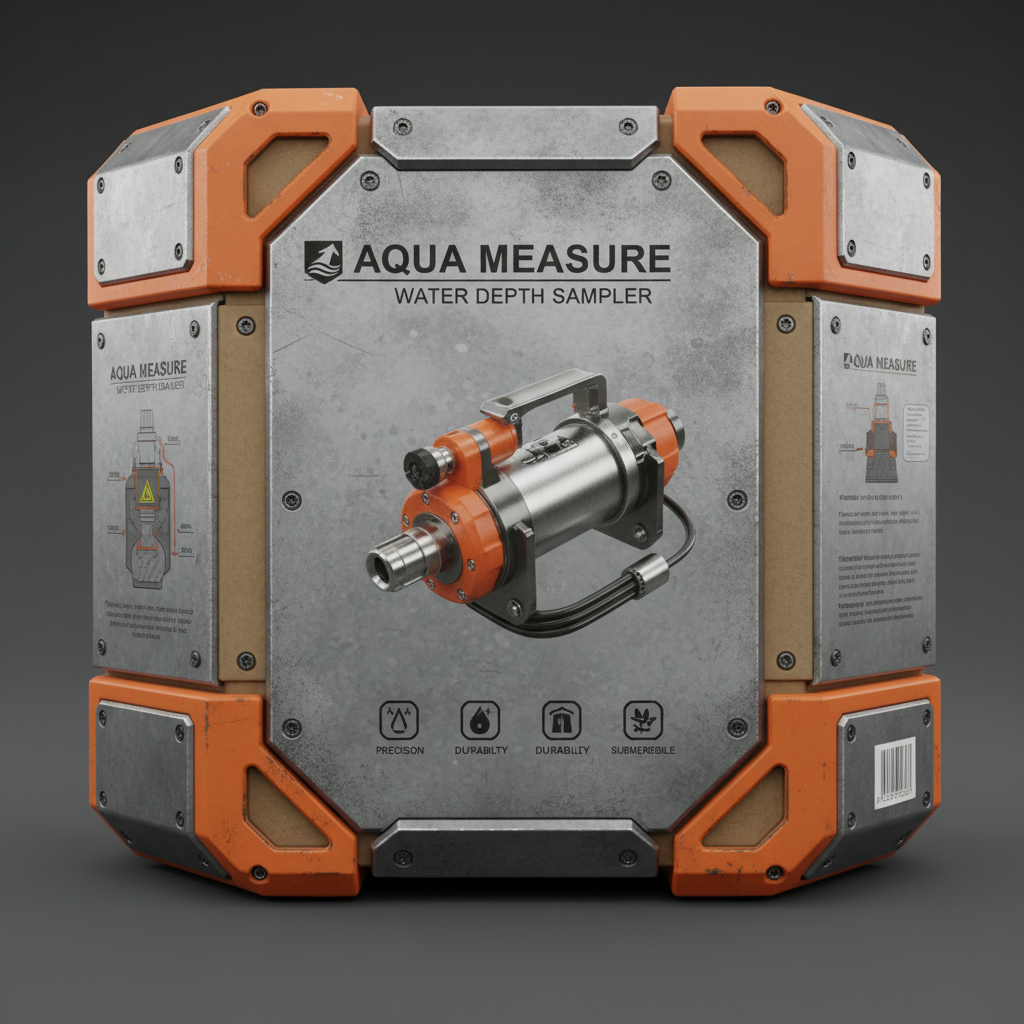
Comprehensive Guide to Water Depth Samplers and Their ApplicationsAccurate water quality monitoring is crucial in various fields, from environmental science and aquaculture to industrial wastewater management. A key tool for this is the water depth sampler. This article provides an in-depth look at water depth samplers, their applications, types, and essential considerations for choosing the right one for your needs. We'll explore the benefits of utilizing this equipment to collect reliable data for analysis and informed decision-making. Selecting the right sampler can significantly improve the precision and efficiency of your water monitoring program. A water depth sampler, also known as a depth-integrated sampler, is a device designed to collect water samples from specific depths within a body of water. Unlike simply dipping a container into the water, a depth sampler allows for collection of a representative sample across a defined depth range. This is critical because water properties (temperature, salinity, pollutants) often vary significantly with depth. The data gathered with a water depth sampler provides a more accurate assessment of water quality than surface samples alone.
2026-03-03 18:55:22
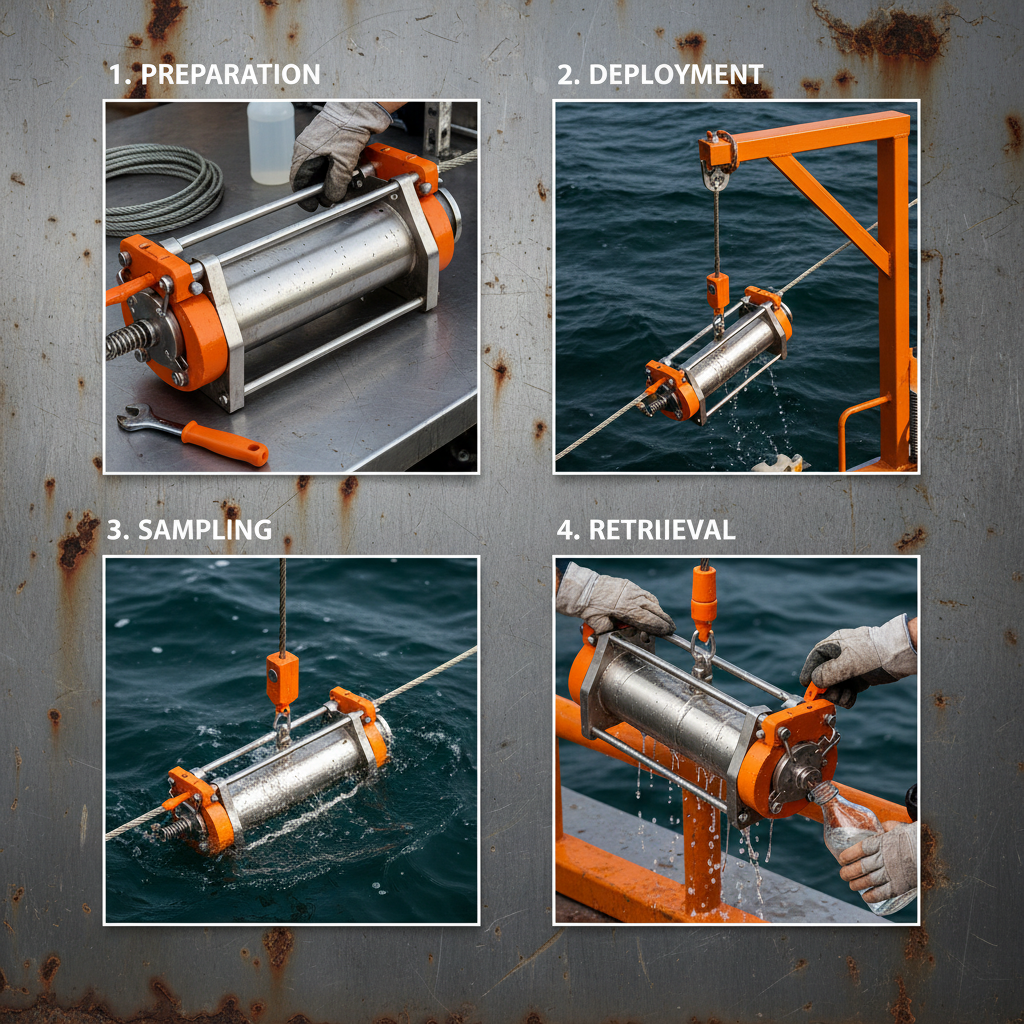
Comprehensive Guide to Horizontal Water Sampler Applications and SelectionCollecting water samples at varying depths is crucial for environmental monitoring, research, and quality control. The horizontal water sampler from Watequipment.com offers a precise and efficient solution for this task. This article provides an in-depth look at horizontal water samplers, their applications, benefits, and key considerations when choosing the right model. We will explore how these samplers contribute to accurate data collection and informed decision-making in various fields. A horizontal water sampler is a device designed to collect water samples from specific depths within a body of water – rivers, lakes, oceans, reservoirs, and even wastewater treatment plants. Unlike vertical samplers which primarily focus on depth, horizontal samplers prioritize collecting samples at a consistent depth while moving along a horizontal plane. This is essential for assessing water quality variations across a waterway or within a specific zone. They are used in applications ranging from environmental monitoring and scientific research to industrial process control and regulatory compliance.
2026-02-28 02:35:09
Comprehensive Guide to Selecting the Right Surface Water Sampler for Your NeedsMonitoring the quality of surface water is critical for environmental protection, public health, and various industrial applications. A surface water sampler is an essential tool for collecting representative samples from rivers, lakes, ponds, and other surface water sources. This article provides a detailed overview of surface water samplers, their types, applications, and key considerations for selecting the right equipment. Accurate water quality data relies on proper sample collection, and choosing the correct sampler is the first step toward achieving reliable results. Surface water samplers come in various designs, each suited to specific sampling needs. Common types include grab samplers, depth-integrating samplers, peristaltic pumps, and automatic samplers. Surface water samplers are used across a broad spectrum of applications, including environmental monitoring, wastewater discharge monitoring, drinking water source monitoring, agricultural runoff analysis, and research studies.

 English