


Understanding Dissolved Oxygen Analyzers: Essential Tools for Water Quality Monitoring

Understanding Dissolved Oxygen Analyzers: Essential Tools for Water Quality Monitoring
Nov . 22, 2025
Understanding the Dissolved Oxygen Analyzer: A Key to Water Quality
Water—it's arguably the most essential resource on our planet, but how do we really know it’s healthy? Here’s where the dissolved oxygen analyzer steps in. In a nutshell, this device measures the amount of oxygen dissolved in water, a vital indicator of aquatic health, industrial processes, and environmental standards worldwide. Understanding what a dissolved oxygen analyzer does, why it matters, and how it’s evolving is crucial—not just for scientists, but for anyone who cares about sustainability, clean water, or even effective manufacturing.
Mini takeaway: Dissolved oxygen analyzers help us monitor water quality, ensuring ecosystems thrive and industrial operations run smoothly.
The Global Context: Why Dissolved Oxygen Matters More Than Ever
Globally, access to clean water is a persistent challenge emphasized by the United Nations’ Sustainable Development Goals (SDG 6). According to the UN Water Development Report 2023, over two billion people face water scarcity, and aquatic ecosystems worldwide are under pressure due to pollution, climate change, and industrial runoff.
Dissolved oxygen levels in water bodies are one direct way to gauge aquatic health. Often overlooked, low oxygen levels (known as hypoxia) can decimate fish populations, destabilize ecosystems, and compromise human water supplies. Industries like wastewater treatment, aquaculture, and environmental monitoring rely heavily on dissolved oxygen analyzers to detect such problems before they become disasters.
Yet, a real challenge persists: Many regions face limited access to reliable, easy-to-use dissolved oxygen measurement tools. Manufacturers and researchers are racing to create analyzers that are rugged, affordable, and highly accurate to meet these demands.
Mini takeaway: The dissolved oxygen analyzer isn’t just a gadget; it’s a frontline tool fighting global water pollution and safeguarding ecosystems.
Defining the Dissolved Oxygen Analyzer
So, what exactly is a dissolved oxygen analyzer? Simply put, it’s an instrument designed to measure the concentration of oxygen gas dissolved in a liquid, typically water. Oxygen dissolves in water from the atmosphere and through photosynthesis by aquatic plants. Measuring its concentration is essential to understand water’s ability to support life and ensure proper chemical processes in a range of applications.
Modern dissolved oxygen analyzers typically fall into two categories: electrochemical sensors (gold standard in many applications) and optical sensors (gaining popularity with their longer lifespans and less frequent calibration). Industries use them to test water in rivers and lakes, treat wastewater, monitor fish farms, and even examine chemical manufacturing processes.
Its connection to humanitarian needs is profound. Imagine flood-hit regions or emergency relief camps: rapidly deployed analyzers can help NGOs verify water safety, protecting vulnerable communities from waterborne illnesses.
Core Components and Key Factors of Dissolved Oxygen Analyzers
1. Sensor Type
Electrochemical (polarographic or galvanic) sensors are the traditional workhorses, prized for reliability but needing frequent calibration. Optical (luminescence) sensors, meanwhile, use light-sensitive materials to detect oxygen, offering less maintenance and better stability under harsh conditions.
2. Durability and Build Quality
Whether you’re plunging into a murky river or monitoring wastewater output, the device must withstand harsh environments. Devices with robust housings, corrosion-resistant materials, and waterproof ratings stand out here.
3. Portability and Ease of Use
Field technicians and environmental scientists often work far from labs. Lightweight, battery-powered analyzers with intuitive screens and wireless data transfer can be a real game-changer.
4. Precision and Calibration Needs
Accurate readings are the heart of meaningful water analysis. Devices that offer automatic or simplified calibration routines reduce errors and save time.
5. Data Logging and Connectivity
Data-driven decisions depend on reliable records. Modern analyzers increasingly feature Bluetooth, USB, or cloud connectivity to streamline data collection and reporting.
6. Cost Efficiency
For many users, especially in developing regions, budget-friendly options that still maintain quality can significantly impact monitoring capabilities.
Mini takeaway: A dissolved oxygen analyzer’s sensor type, durability, user-friendliness, and data features dictate its practical usefulness in the field.
Quick Product Specification Table
| Feature | Model A (Electrochemical) | Model B (Optical) |
|---|---|---|
| Measurement Range | 0–20 mg/L | 0–25 mg/L |
| Accuracy | ±0.2 mg/L | ±0.1 mg/L |
| Calibration Frequency | Weekly | Monthly |
| Battery Life | 10 hours | 20 hours |
| Waterproof Rating | IP67 | IP68 |
| Price | $1,200 | $1,800 |
Real-World Applications Across the Globe
Dissolved oxygen analyzers show up in quite a few places — often where water's quality is hard to monitor but absolutely crucial.
- Aquaculture Farms: Fish and shellfish demand oxygen-rich water. Analyzers constantly monitor tanks or ponds to keep oxygen within ideal ranges, directly affecting yields and animal health.
- Wastewater Treatment Plants: Monitoring oxygen helps optimize aerobic digestion processes that break down organic material and pollutants efficiently.
- Environmental Agencies: In places like the Great Lakes (US/Canada), the Baltic Sea (Europe), and the Yangtze River (China), agencies use dissolved oxygen analyzers to track ecosystem health and tackle hypoxia events.
- Post-Disaster Relief Operations: After floods or typhoons, contamination spikes. Portable analyzers help NGOs ensure temporary water supplies remain safe for consumption.
- Industrial Manufacturing: Industries like paper, pharmaceuticals, or chemical factories use these devices to monitor water quality, ensuring product consistency and regulatory compliance.
Mini takeaway: The dissolved oxygen analyzer is a quiet hero in sectors from environmental science to humanitarian aid — a small device with wide-reaching impact.
Comparing Top Vendors of Dissolved Oxygen Analyzers
| Brand | Sensor Type | Calibration Ease | Price Range | Ideal Use |
|---|---|---|---|---|
| AquaSense | Electrochemical | Moderate | $1,000–$1,500 | Field Testing & Research |
| OxyLite Pro | Optical | Easy | $1,500–$2,000 | Aquaculture & Industry |
| WaterTech Plus | Electrochemical | Challenging | $900–$1,200 | Budget-Conscious Labs |
| PureFlow Instruments | Optical | Very Easy | $1,800–$2,200 | Advanced Research & Monitoring |
Advantages & Long-Term Value of Using a Dissolved Oxygen Analyzer
Let’s be honest: a dissolved oxygen analyzer isn’t flashy. But its benefits? Substantial and enduring:
- Cost Savings: Early detection of water quality issues lowers treatment costs and protects infrastructure.
- Sustainability: Maintaining optimal oxygen levels supports biodiversity and reduces harmful algal blooms.
- Reliability: Consistent and precise monitoring builds trust with regulators and clients.
- Social Impact: Ensuring safe drinking water boosts community health, peace of mind, and dignity.
- Innovation Potential: Integration with digital networks and automation enables smarter water management.
Frankly, it’s one of those small investments that pays off in health, ecology, and economics for decades.
Emerging Trends & Innovations
The field of dissolved oxygen measurement is evolving fast. The rise of optical sensor technology is reducing calibration headaches and increasing lifespan. Plus, integration with IoT (Internet of Things) platforms enables continuous, remote monitoring — a huge leap for industries and environmental agencies alike.
A growing interest in portable, solar-powered analyzers means off-grid areas can keep tabs on water quality without hefty infrastructure. In addition, machine learning algorithms are starting to predict oxygen fluctuations based on environmental data, helping preempt ecosystem issues.
Policy-wise, the tightening of water quality standards globally under ISO norms (ISO 15839 for water sensors, for example) pushes the market to innovate both precision and ease.
Challenges and Expert Solutions
Of course, not everything is smooth sailing. Electrochemical sensors often suffer from membrane fouling and drift, meaning frequent maintenance. Optical sensors, while promising, come at a higher upfront cost — sometimes a barrier for smaller operations.
To overcome these, experts suggest regular sensor cleaning schedules, modular sensor designs for easy replacement, and hybrid analyzers combining sensor types to balance cost and accuracy. Training end-users thoroughly also reduces operator errors that plague data quality.
FAQ: Common Questions About Dissolved Oxygen Analyzers
- Q1: How often should a dissolved oxygen analyzer be calibrated?
- A1: Calibration frequency depends on technology and use. Electrochemical sensors might require weekly calibrations, while optical sensors can go monthly or longer. Regular calibration ensures accuracy and reliability.
- Q2: Can dissolved oxygen analyzers be used in saline water?
- A2: Yes, many analyzers are designed to handle a range of salinities, but some may require specific calibration settings or sensor types for seawater environments.
- Q3: Are optical dissolved oxygen analyzers more durable than electrochemical ones?
- A3: Generally, yes. Optical sensors often last longer with less maintenance, but they come at a higher initial cost. Durability depends on build quality too.
- Q4: Can NGOs deploy dissolved oxygen analyzers easily in remote areas?
- A4: Portable models with long battery life and simple interfaces are ideal for remote deployments. Solar-powered options are growing in availability as well.
- Q5: What industries benefit most from dissolved oxygen analyzers?
- A5: Aquaculture, wastewater treatment, environmental monitoring, industrial manufacturing, and disaster relief sectors rely heavily on these instruments.
Wrapping It Up: Clear Benefits for a Cleaner Future
Tracking dissolved oxygen levels in water may seem like a niche concern, but it touches everything from fish farms in Asia, municipal water safety in Europe, to humanitarian missions in Africa. The dissolved oxygen analyzer stands as a crucial technological ally, turning complex chemistry into actionable insights.
With innovations making analyzers more accessible and smart, the outlook is optimistic. To explore reliable solutions and see the latest in dissolved oxygen analyzer technology, be sure to visit our website. Because, after all, water quality matters every day, everywhere.
References:

Related Products
Related News
2026-04-16 03:20:19
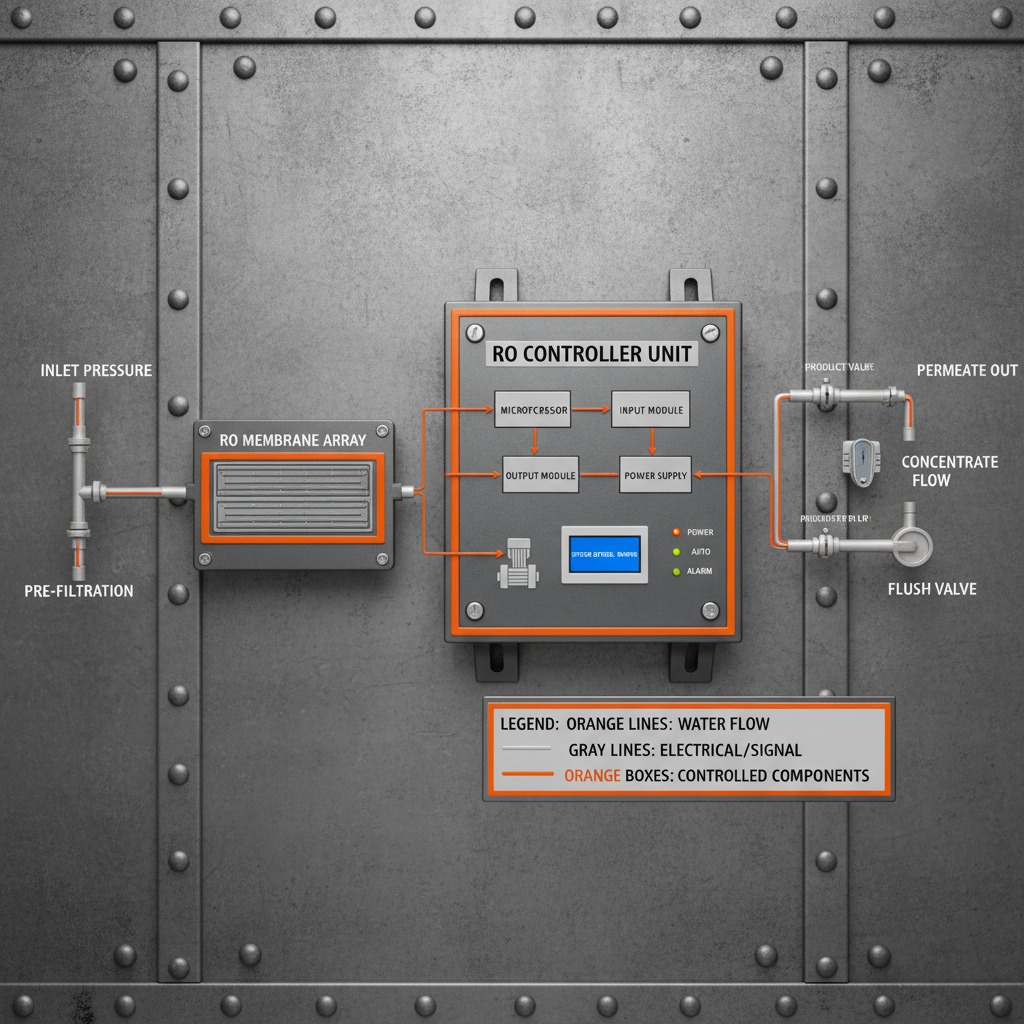
Guide to Choosing the Right RO Controller for Water PurificationMaintaining a high-performance reverse osmosis system requires more than just quality membranes; it demands precise regulation. An ro controller serves as the brain of the entire operation, monitoring critical parameters such as conductivity, temperature, and flow rates to ensure the output water meets stringent purity standards. Without an efficient controller, systems are prone to membrane fouling, inefficient energy use, and inconsistent water quality. In this comprehensive guide, we will explore how these devices optimize water treatment processes and how to select the best model for your specific industrial or commercial needs.
2026-04-09 03:25:47
Guide to Water Purity Using RO with TDS Controller SystemsAchieving the perfect balance of mineral content and purity in drinking water is a challenge for many households and industrial facilities. A ro with tds controller offers a sophisticated solution by combining the rigorous filtration of Reverse Osmosis (RO) with the precision of a Total Dissolved Solids (TDS) adjustment system. While standard RO systems remove almost everything, including beneficial minerals, a TDS controller allows users to re-mineralize the water to a desired level. This ensures that the water is not only safe and pure but also tastes better and provides essential nutrients.
2026-04-07 03:17:09
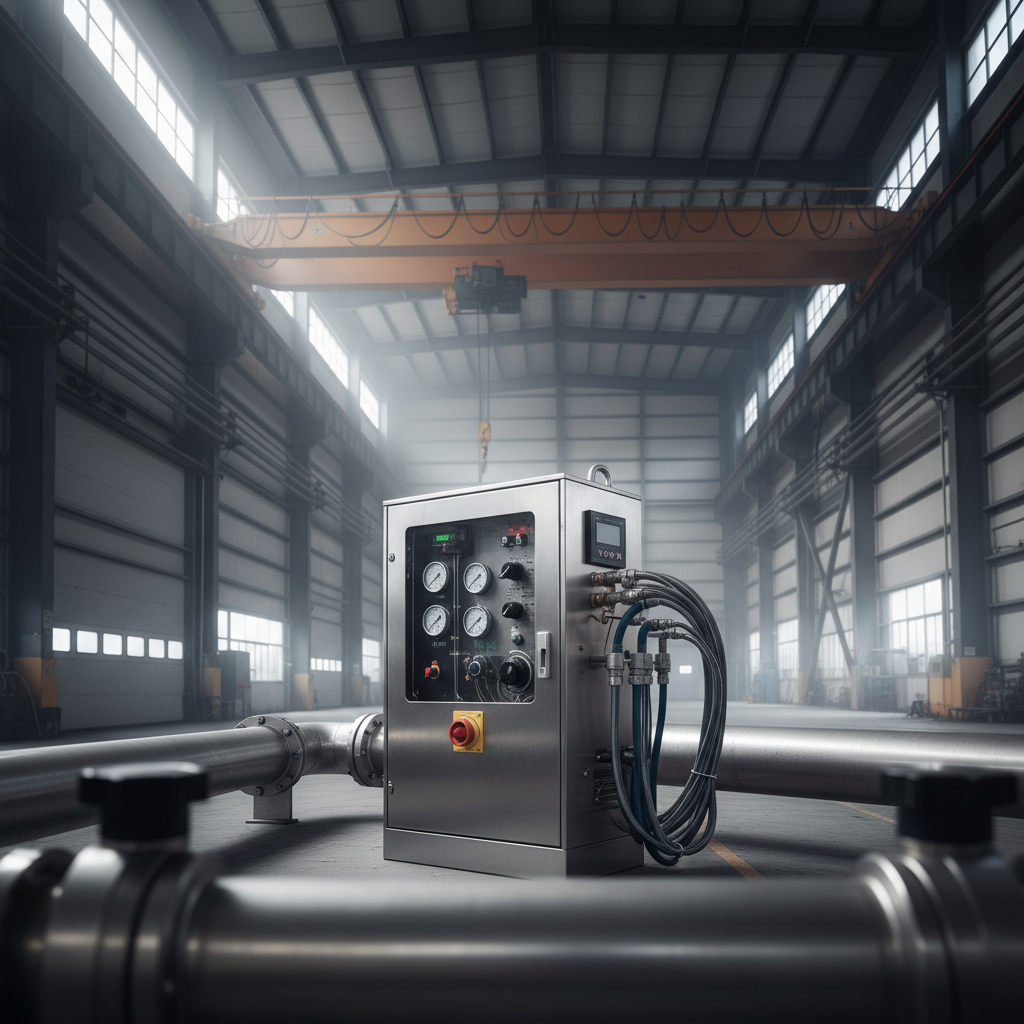
Understanding and Optimizing Reverse Osmosis Systems with a ControllerIn the world of water purification, reverse osmosis (RO) systems are a cornerstone for producing high-quality water for various applications, from drinking water to industrial processes. However, an RO system is only as effective as its control system. This is where the reverse osmosis controller comes into play. This critical component manages and optimizes the RO process, ensuring efficient operation, water quality, and system longevity.
2026-04-04 03:27:19
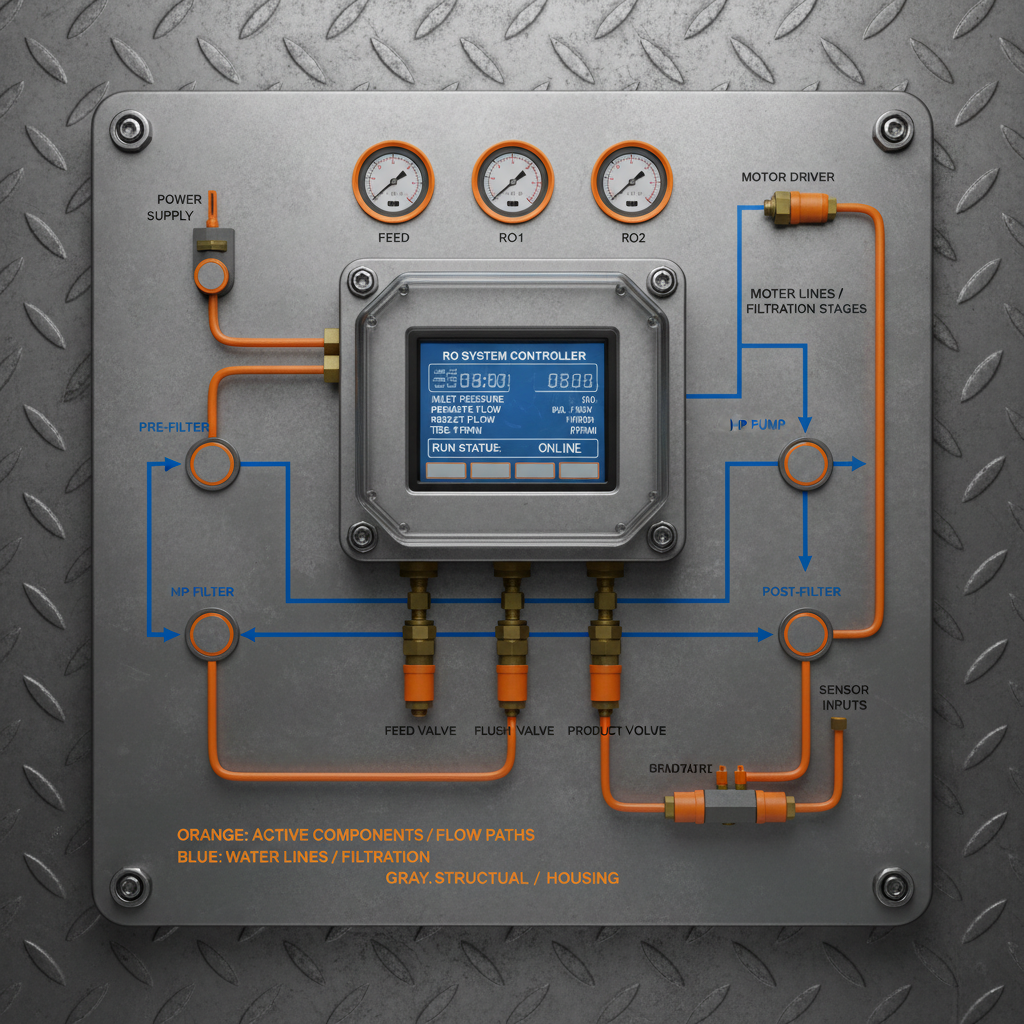
Understanding the Vital Role of an RO System Controller for Optimal PerformanceReverse Osmosis (RO) systems are critical for purifying water across various industries, from residential applications to large-scale industrial processes. At the heart of a well-functioning RO system lies the RO system controller. This intelligent device monitors and regulates all key parameters of the RO process, ensuring optimal performance, efficiency, and water quality. This article delves into the functionalities, benefits, and selection criteria for choosing the right RO system controller, particularly focusing on those offered by Watequipments. Understanding its role is crucial for maximizing the lifespan and effectiveness of your RO investment.
2026-03-24 17:18:24
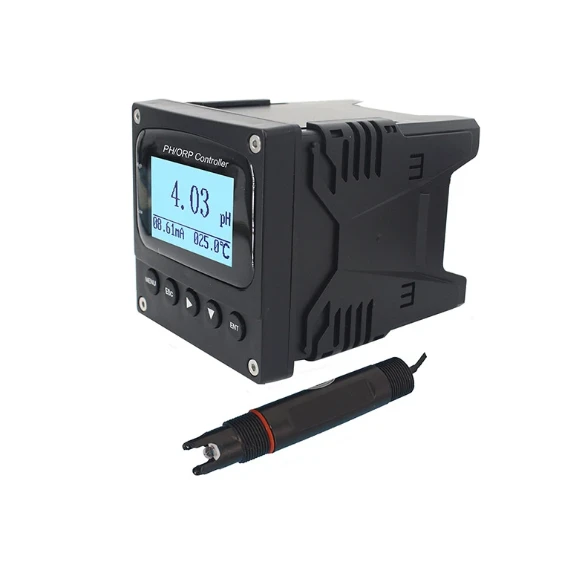
Smart Water Treatment Solutions Using PH ORP Controller SystemsIn modern water treatment and industrial fluid management, maintaining precise chemical balance is essential for safety, efficiency, and regulatory compliance.
2026-03-04 02:55:19
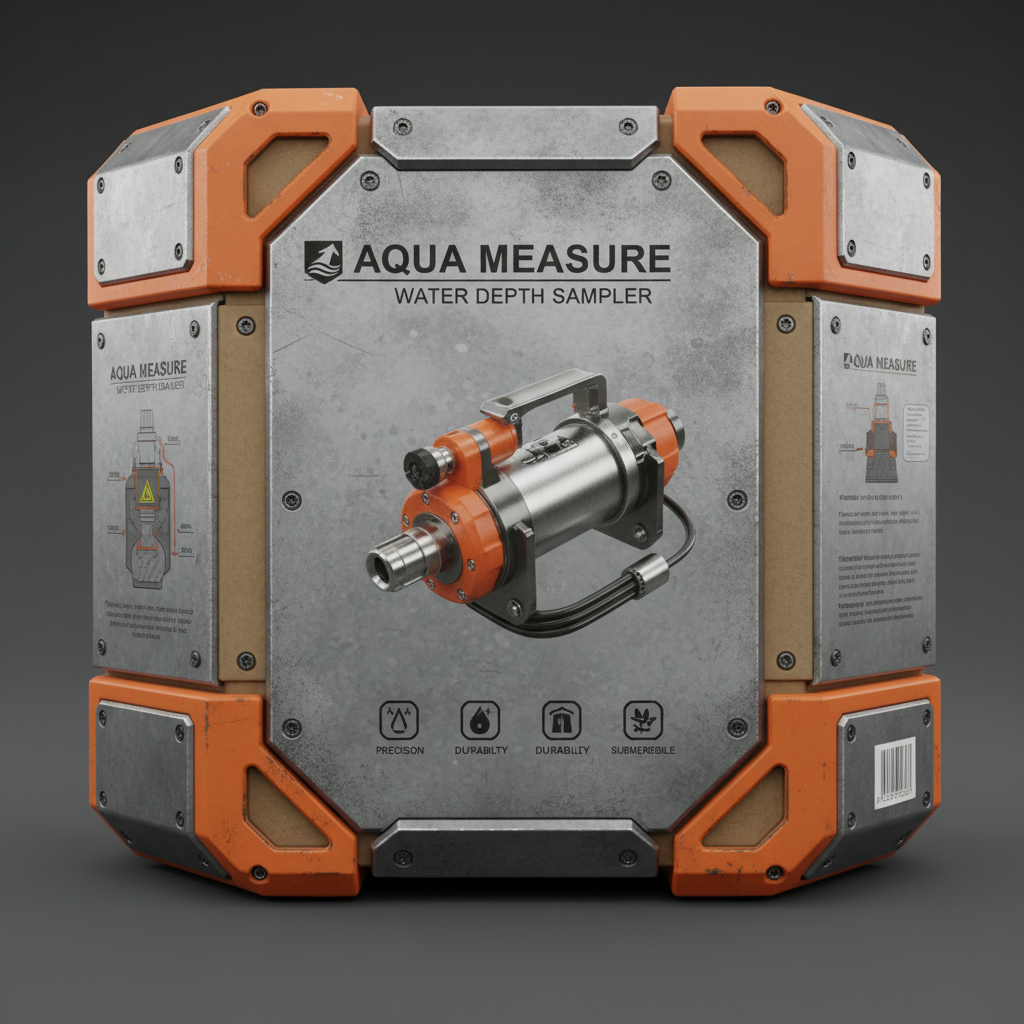
Comprehensive Guide to Water Depth Samplers and Their ApplicationsAccurate water quality monitoring is crucial in various fields, from environmental science and aquaculture to industrial wastewater management. A key tool for this is the water depth sampler. This article provides an in-depth look at water depth samplers, their applications, types, and essential considerations for choosing the right one for your needs. We'll explore the benefits of utilizing this equipment to collect reliable data for analysis and informed decision-making. Selecting the right sampler can significantly improve the precision and efficiency of your water monitoring program. A water depth sampler, also known as a depth-integrated sampler, is a device designed to collect water samples from specific depths within a body of water. Unlike simply dipping a container into the water, a depth sampler allows for collection of a representative sample across a defined depth range. This is critical because water properties (temperature, salinity, pollutants) often vary significantly with depth. The data gathered with a water depth sampler provides a more accurate assessment of water quality than surface samples alone.
2026-03-03 18:55:22
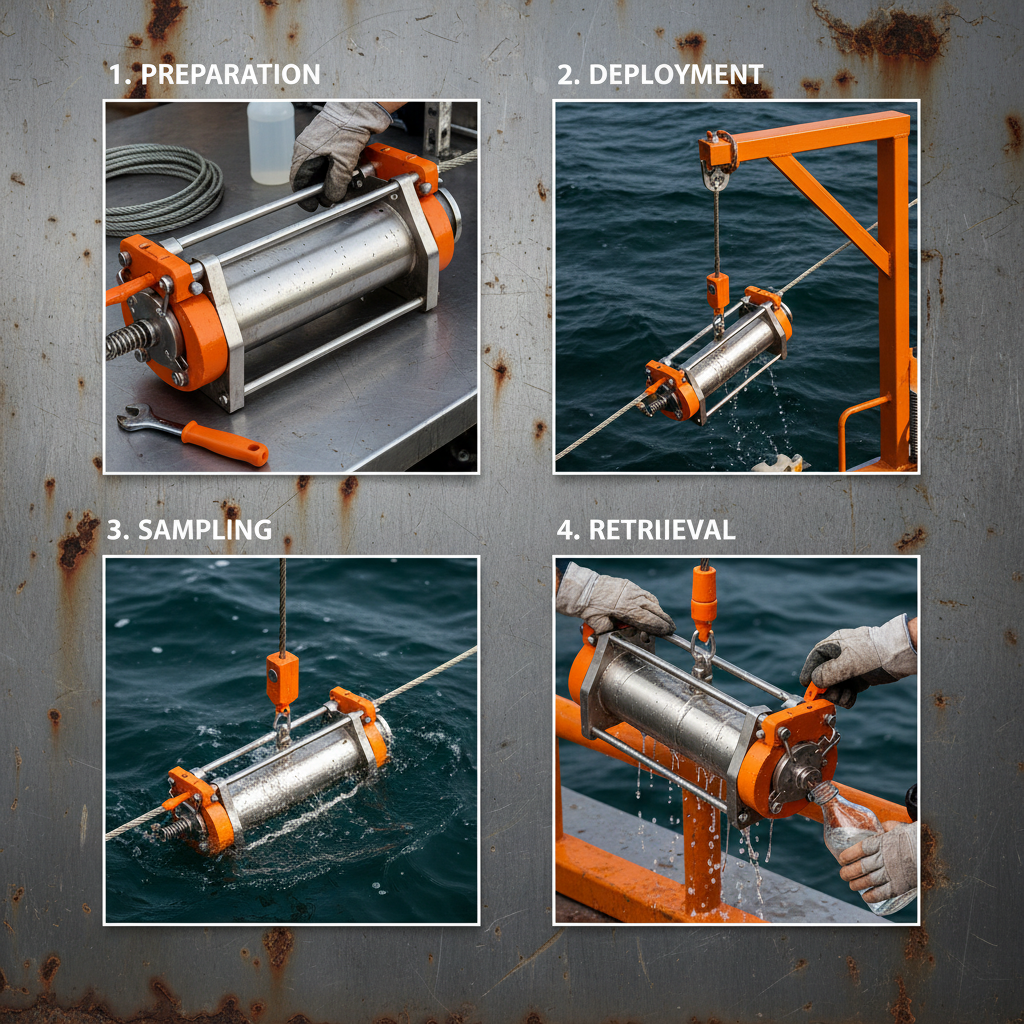
Comprehensive Guide to Horizontal Water Sampler Applications and SelectionCollecting water samples at varying depths is crucial for environmental monitoring, research, and quality control. The horizontal water sampler from Watequipment.com offers a precise and efficient solution for this task. This article provides an in-depth look at horizontal water samplers, their applications, benefits, and key considerations when choosing the right model. We will explore how these samplers contribute to accurate data collection and informed decision-making in various fields. A horizontal water sampler is a device designed to collect water samples from specific depths within a body of water – rivers, lakes, oceans, reservoirs, and even wastewater treatment plants. Unlike vertical samplers which primarily focus on depth, horizontal samplers prioritize collecting samples at a consistent depth while moving along a horizontal plane. This is essential for assessing water quality variations across a waterway or within a specific zone. They are used in applications ranging from environmental monitoring and scientific research to industrial process control and regulatory compliance.
2026-02-28 02:35:09
Comprehensive Guide to Selecting the Right Surface Water Sampler for Your NeedsMonitoring the quality of surface water is critical for environmental protection, public health, and various industrial applications. A surface water sampler is an essential tool for collecting representative samples from rivers, lakes, ponds, and other surface water sources. This article provides a detailed overview of surface water samplers, their types, applications, and key considerations for selecting the right equipment. Accurate water quality data relies on proper sample collection, and choosing the correct sampler is the first step toward achieving reliable results. Surface water samplers come in various designs, each suited to specific sampling needs. Common types include grab samplers, depth-integrating samplers, peristaltic pumps, and automatic samplers. Surface water samplers are used across a broad spectrum of applications, including environmental monitoring, wastewater discharge monitoring, drinking water source monitoring, agricultural runoff analysis, and research studies.

 English