


ORP Redox Probe: Essential Guide to Water Quality Monitoring & Industrial Applications

ORP Redox Probe: Essential Guide to Water Quality Monitoring & Industrial Applications
Nov . 20, 2025
Why ORP Redox Probes Matter in Today's Water Quality Landscape
If you’ve ever dipped a probe into water and wondered what invisible things it might be sensing, you’re in good company. ORP redox probes are those clever sensors that measure the oxidation-reduction potential of a solution — essentially, how oxidizing or reducing that water is. Globally, with increasing concerns about water safety, industrial efficiency, and environmental impact, understanding and harnessing ORP measurements isn’t just a fad; it’s essential. Whether it’s monitoring drinking water, wastewater treatment, or aquaculture ponds, ORP probes help keep processes in check, ensuring health, compliance, and sustainability.
In a world where clean water access remains a significant challenge for over two billion people — according to the UN — technologies like the ORP redox probe play a quiet but crucial role in turning data into actionable insight. The ability to detect harmful contaminants or balance chemical treatments in real time can empower communities and industries alike, making ORP probes an unsung hero of global water management.
Understanding the ORP Redox Probe: A Simple Explanation
At its core, an orp redox probe measures the electrical potential between a sensing electrode and a reference electrode placed in a water sample. This "redox potential" is a way to tell how oxidizing or reducing the environment is — think of it as a health check for chemical reactions happening invisibly in water.
Why does that matter? Because the balance of oxidizers and reducers affects everything from microbial activity to chemical treatment efficiency. In industries like food processing, pharmaceuticals, or wastewater management, the ORP reading guides decisions — for example, ensuring chlorine disinfectant levels are just right, not too little, not too much.
In humanitarian contexts — say, in refugee camps or disaster relief — these probes become indispensable tools. Deploying affordable yet reliable ORP probes can help avoid disease by ensuring water sanitation processes work as planned.
Key Features That Define High-Quality ORP Redox Probes
1. Durability and Build Quality
The best ORP probes withstand harsh, variable environments — think sludge-filled tanks or briny seawater. Materials like robust glass membranes or specialized plastics resist corrosion and physical shocks, extending probe lifespan, which means fewer replacements and less downtime.
2. Measurement Accuracy and Stability
Since ORP readings often serve as the basis for critical control decisions, accuracy is non-negotiable. Probes with stable reference electrodes and low drift reduce errors. Some advanced models also compensate for temperature fluctuations automatically.
3. Ease of Calibration & Maintenance
Regular calibration ensures longevity and reliable data. Probes that support straightforward, on-site calibration reduce labor costs and errors. Designing components for quick cleaning also helps, because, honestly, sludge and biofilms are a headache for anyone who deals with water sampling.
4. Compatibility and Scalability
Modern facilities benefit when probes integrate seamlessly with SCADA systems or IoT setups. Wireless or digital output versions help in remote monitoring — a big deal for sprawling water treatment plants or remote aquaculture farms.
5. Cost Efficiency
Prices vary wildly, but a cheap probe that fails frequently becomes costly fast. Conversely, premium probes with long calibration intervals and robust build often save money in operational ease and fewer replacements.
| Specification | Typical Values | Notes |
|---|---|---|
| Measurement Range | -1000 mV to +1000 mV | Covers most practical redox potentials |
| Response Time | Fast enough for continuous monitoring | |
| Operating Temperature | 0 - 60°C | Covers majority of water-based processes |
| Calibration Required | Every 1-3 months | Depends on usage intensity |
| Output Signal | Analog (mV), Digital (Modbus, 4-20mA) | Compatible with most controllers |
How ORP Redox Probes Help Industries and Communities Around the Globe
It feels a bit like magic how this small sensor brings order to complicated water chemistry. For wastewater plants across Europe and Asia, ORP monitoring means they can adjust oxidizers like chlorine efficiently, minimizing harmful discharges. In agricultural irrigation, measuring soil oxidation status helps farmers decide when to pump or rest fields — indirectly enhancing yields.
In regions with fragile infrastructure — parts of Africa, South Asia, or South America — portable orp redox probes help NGOs evaluate water quality in real time. That data guides quick action, like adding necessary disinfectants or alerting communities to contamination risks, sometimes preventing outbreaks of diseases like cholera.
Even in aquaculture — a rapidly growing sector feeding millions — careful ORP management fosters healthier fish populations by controlling bacteria and algae blooms.
| Vendor | Probe Type | Price Range | Best Use Case |
|---|---|---|---|
| AquaTech Solutions | Analog, Glass Membrane | $150 - $400 | General Industrial & Lab |
| HydroSense Inc. | Digital, Wireless | $400 - $900 | Remote Monitoring, SCADA Systems |
| EcoProbe Ltd. | Rugged, Fast Response | $300 - $600 | Wastewater Treatment Plants |
The Long-Term Value: Advantages of Using ORP Redox Probes
Using an ORP redox probe often translates into cost savings through optimized chemical usage — less chlorine wasted, fewer system upsets, and reduced environmental fines. The sustainability angle is huge, too, as precise monitoring lowers pollution risks.
Beyond numbers, these probes bring assurance and safety. Operators trust their readings to make real-time decisions that protect human health and ecosystems. The dignity of providing safe water? Priceless.
Looking Ahead: Innovations Shaping the Future of ORP Measurements
The next generation of ORP redox probes is increasingly “smart.” Expect IoT connectivity, AI-powered diagnostics that predict probe fouling, and materials engineered for ultra-long service life. Green manufacturing processes and recycling of probe components are becoming hot topics too, aligning with global sustainability goals like ISO 14001.
Common Challenges and How Experts Overcome Them
ORP probe drift and fouling remain the two biggest headaches. However, operator training, automated cleaning cycles, and novel anti-fouling coatings have dulled these issues significantly. Still, there’s room for improvement, especially in harsh industrial effluents where probe descaling is frequent.
FAQ: Your Top Questions About ORP Redox Probes
- How often should I calibrate my ORP redox probe?
Typically, calibration every 1-3 months ensures accuracy, but high-use or harsh environments may require more frequent checks. - Can ORP probes measure dissolved oxygen levels?
No, ORP probes measure oxidation-reduction potential, which correlates to chemical activity, but not direct oxygen concentration. - Are digital ORP probes better than analog?
Digital probes offer improved signal stability and easier integration with modern control systems, but analog probes remain widely used for cost-effective solutions. - What maintenance is required to keep ORP probes accurate?
Regular cleaning, calibration, and careful storage during downtime can greatly extend probe life and reliability. - Can ORP measurements indicate water contamination?
Yes, fluctuations in ORP can signal contamination or treatment failure, but should be paired with other tests for comprehensive analysis.
Conclusion: Taking the Pulse of Water Chemistry with Confidence
All told, the orp redox probe isn’t just a sensor; it’s a window into the complex world of aquatic chemistry that affects every corner of human and environmental health. Its continued evolution promises smarter, more sustainable water quality management — a critical need as global populations swell and resources tighten.
If you’re looking to upgrade your water monitoring tools or learn more about selecting the right probe for your application, feel free to visit our website for detailed guides and expert advice. Sometimes, the small things tell the biggest stories.
References:

Related Products
Related News
2026-04-16 03:20:19
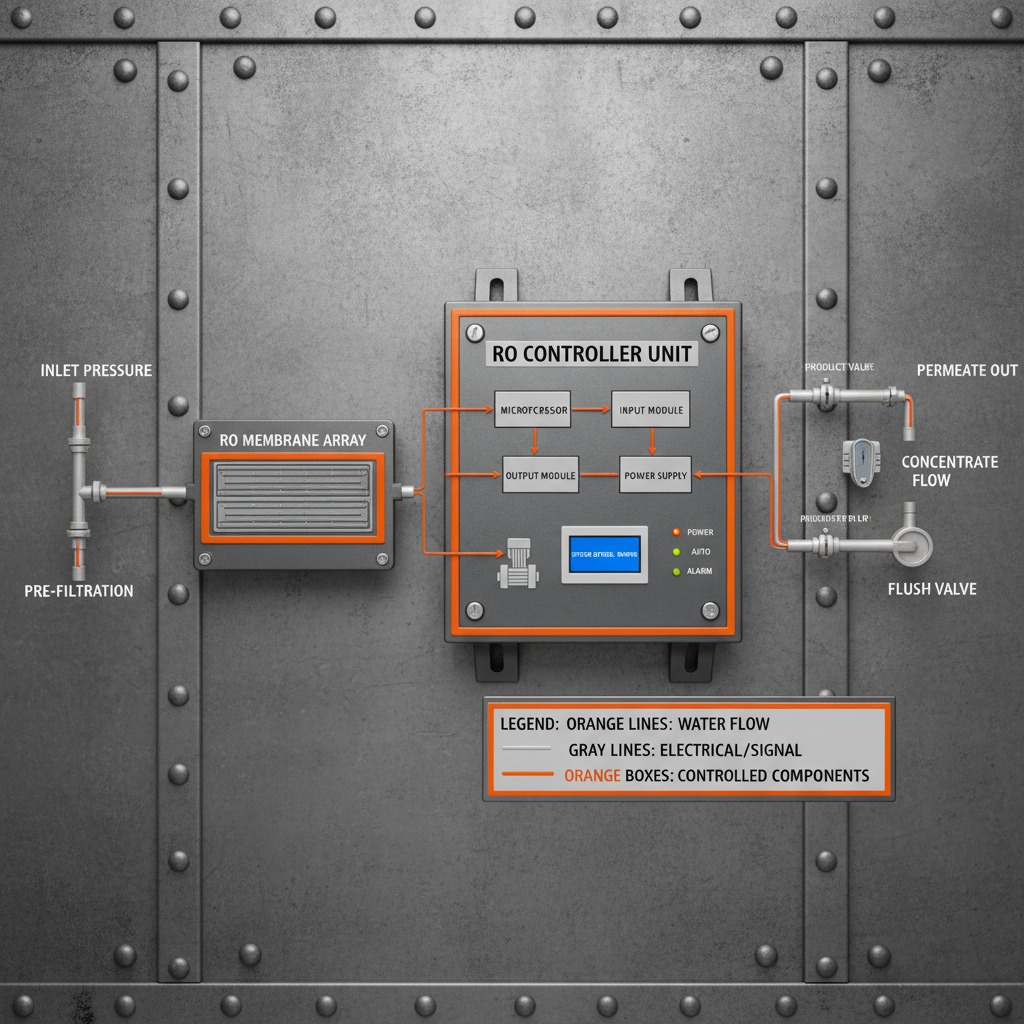
Guide to Choosing the Right RO Controller for Water PurificationMaintaining a high-performance reverse osmosis system requires more than just quality membranes; it demands precise regulation. An ro controller serves as the brain of the entire operation, monitoring critical parameters such as conductivity, temperature, and flow rates to ensure the output water meets stringent purity standards. Without an efficient controller, systems are prone to membrane fouling, inefficient energy use, and inconsistent water quality. In this comprehensive guide, we will explore how these devices optimize water treatment processes and how to select the best model for your specific industrial or commercial needs.
2026-04-09 03:25:47
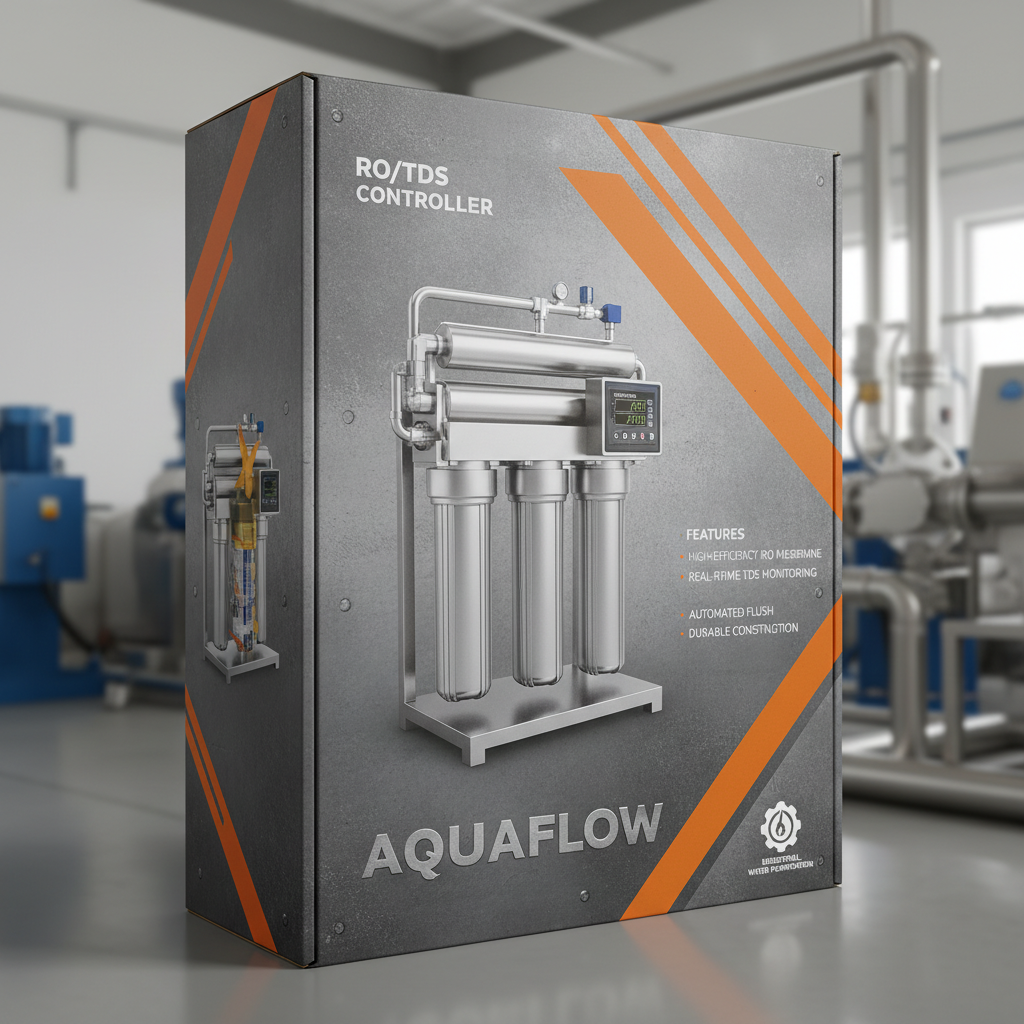
Guide to Water Purity Using RO with TDS Controller SystemsAchieving the perfect balance of mineral content and purity in drinking water is a challenge for many households and industrial facilities. A ro with tds controller offers a sophisticated solution by combining the rigorous filtration of Reverse Osmosis (RO) with the precision of a Total Dissolved Solids (TDS) adjustment system. While standard RO systems remove almost everything, including beneficial minerals, a TDS controller allows users to re-mineralize the water to a desired level. This ensures that the water is not only safe and pure but also tastes better and provides essential nutrients.
2026-04-07 03:17:09
Understanding and Optimizing Reverse Osmosis Systems with a ControllerIn the world of water purification, reverse osmosis (RO) systems are a cornerstone for producing high-quality water for various applications, from drinking water to industrial processes. However, an RO system is only as effective as its control system. This is where the reverse osmosis controller comes into play. This critical component manages and optimizes the RO process, ensuring efficient operation, water quality, and system longevity.
2026-04-04 03:27:19
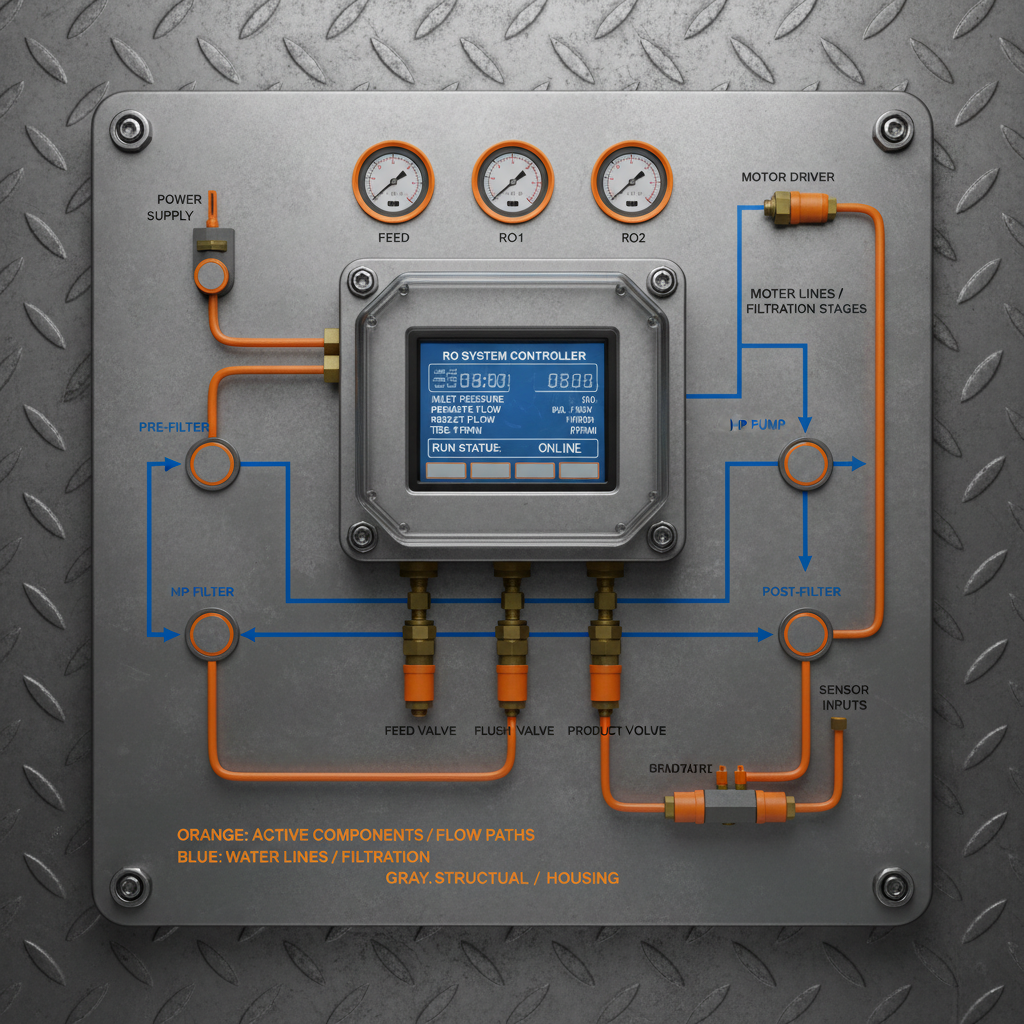
Understanding the Vital Role of an RO System Controller for Optimal PerformanceReverse Osmosis (RO) systems are critical for purifying water across various industries, from residential applications to large-scale industrial processes. At the heart of a well-functioning RO system lies the RO system controller. This intelligent device monitors and regulates all key parameters of the RO process, ensuring optimal performance, efficiency, and water quality. This article delves into the functionalities, benefits, and selection criteria for choosing the right RO system controller, particularly focusing on those offered by Watequipments. Understanding its role is crucial for maximizing the lifespan and effectiveness of your RO investment.
2026-03-24 17:18:24
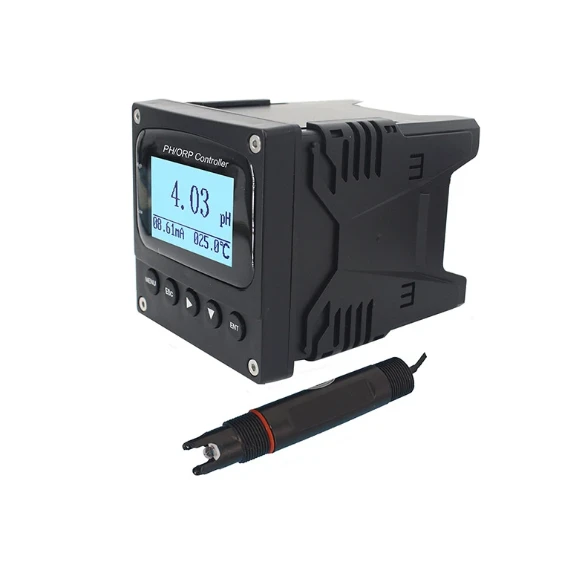
Smart Water Treatment Solutions Using PH ORP Controller SystemsIn modern water treatment and industrial fluid management, maintaining precise chemical balance is essential for safety, efficiency, and regulatory compliance.
2026-03-04 02:55:19
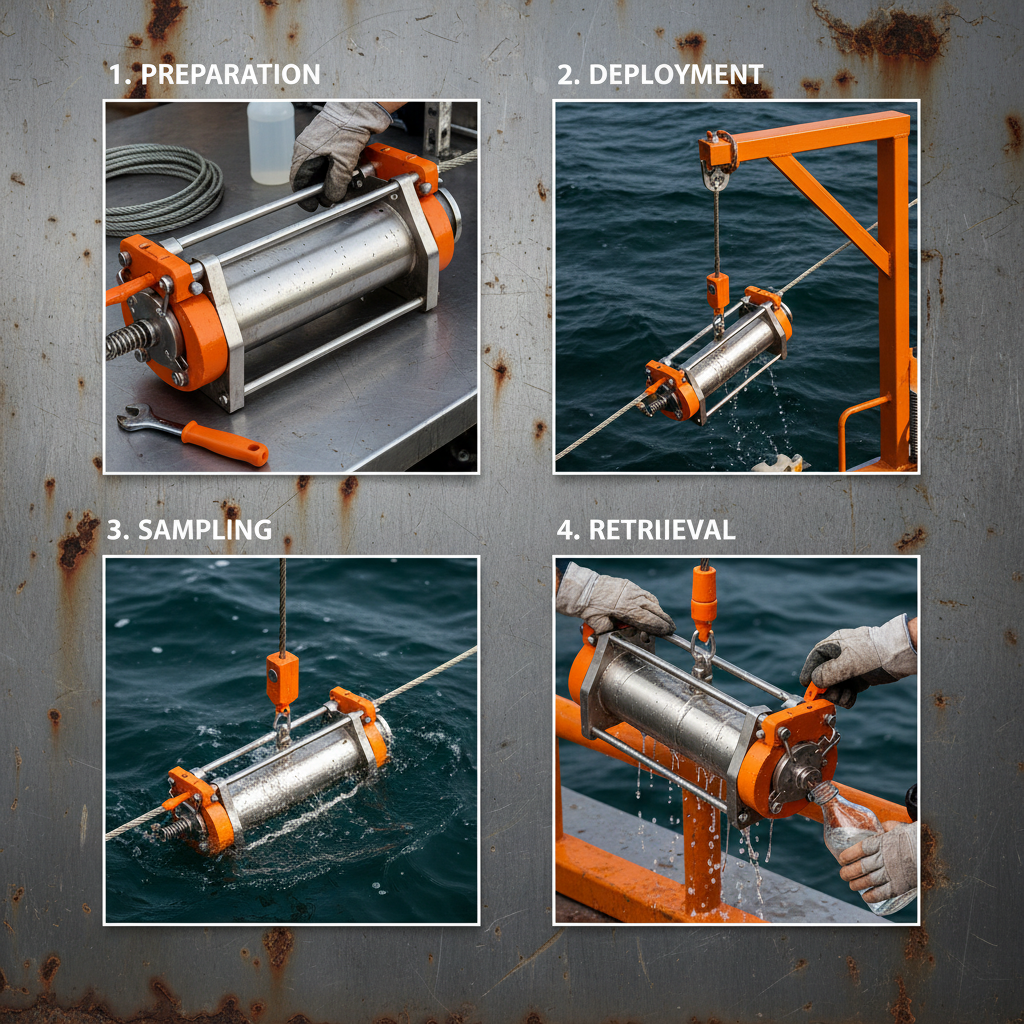
Comprehensive Guide to Water Depth Samplers and Their ApplicationsAccurate water quality monitoring is crucial in various fields, from environmental science and aquaculture to industrial wastewater management. A key tool for this is the water depth sampler. This article provides an in-depth look at water depth samplers, their applications, types, and essential considerations for choosing the right one for your needs. We'll explore the benefits of utilizing this equipment to collect reliable data for analysis and informed decision-making. Selecting the right sampler can significantly improve the precision and efficiency of your water monitoring program. A water depth sampler, also known as a depth-integrated sampler, is a device designed to collect water samples from specific depths within a body of water. Unlike simply dipping a container into the water, a depth sampler allows for collection of a representative sample across a defined depth range. This is critical because water properties (temperature, salinity, pollutants) often vary significantly with depth. The data gathered with a water depth sampler provides a more accurate assessment of water quality than surface samples alone.
2026-03-03 18:55:22
Comprehensive Guide to Horizontal Water Sampler Applications and SelectionCollecting water samples at varying depths is crucial for environmental monitoring, research, and quality control. The horizontal water sampler from Watequipment.com offers a precise and efficient solution for this task. This article provides an in-depth look at horizontal water samplers, their applications, benefits, and key considerations when choosing the right model. We will explore how these samplers contribute to accurate data collection and informed decision-making in various fields. A horizontal water sampler is a device designed to collect water samples from specific depths within a body of water – rivers, lakes, oceans, reservoirs, and even wastewater treatment plants. Unlike vertical samplers which primarily focus on depth, horizontal samplers prioritize collecting samples at a consistent depth while moving along a horizontal plane. This is essential for assessing water quality variations across a waterway or within a specific zone. They are used in applications ranging from environmental monitoring and scientific research to industrial process control and regulatory compliance.
2026-02-28 02:35:09
Comprehensive Guide to Selecting the Right Surface Water Sampler for Your NeedsMonitoring the quality of surface water is critical for environmental protection, public health, and various industrial applications. A surface water sampler is an essential tool for collecting representative samples from rivers, lakes, ponds, and other surface water sources. This article provides a detailed overview of surface water samplers, their types, applications, and key considerations for selecting the right equipment. Accurate water quality data relies on proper sample collection, and choosing the correct sampler is the first step toward achieving reliable results. Surface water samplers come in various designs, each suited to specific sampling needs. Common types include grab samplers, depth-integrating samplers, peristaltic pumps, and automatic samplers. Surface water samplers are used across a broad spectrum of applications, including environmental monitoring, wastewater discharge monitoring, drinking water source monitoring, agricultural runoff analysis, and research studies.

 English