


Comprehensive Guide to Dissolved Oxygen Testers: Benefits, Trends & Applications

Comprehensive Guide to Dissolved Oxygen Testers: Benefits, Trends & Applications
Dec . 16, 2025
The Importance of a Dissolved Oxygen Tester: More Than Meets the Eye
In a world increasingly concerned with environmental health, water quality, and industrial efficiency, understanding dissolved oxygen levels has become essential. A dissolved oxygen tester is not just a laboratory tool; it’s a key player in safeguarding ecosystems, optimizing aquaculture, and ensuring compliance with environmental standards worldwide. Why all the fuss? Well, dissolved oxygen (DO) is critical to aquatic life — fish, plants, and microbes all depend on it. And institutions from the United Nations Environment Programme to industries rely on accurate measurements to monitor water quality and prevent environmental disasters. Simply put, it’s about sustaining life and livelihoods.
Mini takeaway: The dissolved oxygen tester bridges the gap between technical monitoring and real-world environmental sustainability, impacting ecosystems and industries globally.
Global Context: Why Dissolved Oxygen Testing Matters Today
Across continents, water quality is under stress — a World Bank report estimates over 80% of wastewater worldwide is discharged untreated, gravely impacting dissolved oxygen levels in rivers and lakes. Low DO levels can lead to hypoxia, or “dead zones,” threatening fisheries and biodiversity, such as those documented in the Gulf of Mexico or the Baltic Sea (UN reports, 2021). Industrial discharges, climate change, and urbanization exacerbate these issues, making continuous and precise monitoring vital. Enter the humble but indispensable dissolved oxygen tester.
The demand for rapid, reliable DO monitoring is not just an academic curiosity or something for enviro-nerds. It plays a crucial role in drinking water treatments, wastewater management, fish farming, and even ensuring compliance with ISO standards for water quality.
Mini takeaway: As global freshwater resources face unprecedented pressure, dissolved oxygen testers are frontline tools in environmental protection and industrial regulation.
What Exactly Is a Dissolved Oxygen Tester?
Put simply, a dissolved oxygen tester is a device designed to measure the amount of oxygen dissolved in water. This measurement indicates how “healthy” the water is for aquatic organisms and how well the water body supports biological processes.
These devices come in various forms: electronic probes with optical or electrochemical sensors, handheld meters, or fixed stations. The tester’s reading can influence everything from how a wastewater plant adjusts aeration to how fish farmers manage aquatic environments. The connection to modern industry and humanitarian needs is quite direct — better data, better decisions, safer ecosystems.
Understanding the Basics
- Electrochemical Sensors: Use electrodes to measure oxygen levels; sometimes require calibration and maintenance.
- Optical Sensors: Utilize luminescent technology for longer calibration intervals and more stable readings.
- Handheld vs. Fixed: Portability matters—field checks vs continuous monitoring.
Mini takeaway: Dissolved oxygen testers, though varied in form, all aim to provide actionable, accurate measurements supporting water-quality decisions.
Core Features of a Reliable Dissolved Oxygen Tester
1. Accuracy and Sensitivity
It sounds obvious, but the precision of DO testers can drastically affect the decisions downstream (literally). Many engineers I speak to emphasize sensitivity to low oxygen levels, which is crucial in monitoring hypoxic zones.
2. Durability and Portability
Outdoor use means rugged construction. A tester that breaks or drifts in readings can derail entire monitoring projects. Battery life and waterproof ratings also matter in remote or harsh environments.
3. Ease of Calibration and Maintenance
Electrochemical sensors tend to require more maintenance than optical ones, but they’re sometimes cheaper. A user-friendly calibration process can save tons of field time.
4. Data Management and Connectivity
Modern testers often include Bluetooth or USB data transfer, or even cloud integration, streamlining workflows significantly.
5. Cost Efficiency
Budget realities influence choices. Some setups are affordable for small-scale farms; others suit high-volume industrial plants with extensive monitoring networks.
Product Specification Table
| Feature | Typical Range | Technology | Battery Life | Weight |
|---|---|---|---|---|
| Dissolved Oxygen Measurement | 0–20 mg/L | Optical/Electrochemical | Up to 20 hours (rechargeable) | 500g to 1.2kg |
| Operating Temperature | 0–50 °C | N/A | N/A | N/A |
| Water Resistance | IP67–IP68 | N/A | N/A | N/A |
| Data Output | USB, Bluetooth | N/A | N/A | N/A |
Global Applications and Real-World Use Cases
In practical terms, dissolved oxygen testers are indispensable across various sectors:
- Aquaculture: Farmers in Southeast Asia rely on portable DO testers to maintain optimal oxygen for shrimp and fish, preventing losses.
- Wastewater Treatment: Municipal plants in Europe and North America constantly monitor DO to ensure treatment efficiency and meet environmental permits.
- Environmental Monitoring: Agencies in the Amazon basin use fixed DO stations to track river health as deforestation intensifies.
- Disaster Relief: After floods or chemical spills, rapid DO measurements help assess water safety for affected communities.
Oddly enough, some remote indigenous communities have even adapted simple portable testers for local river monitoring projects, empowering local stewardship.
Mini takeaway: From high-tech industrial setups to grassroots environmental projects, dissolved oxygen testers find life-saving and livelihood-sustaining roles globally.
The Lasting Benefits of Investing in Dissolved Oxygen Testers
When organizations commit to reliable dissolved oxygen monitoring, it’s not just about a single measurement. They gain a window into ecological health, allowing pre-emptive action. It saves money by preventing costly fish stock losses or treatment failures, and it promotes social trust—people feel safer drinking clean water or eating seafood. This intersection of science, economics, and empathy is pretty rare.
Frankly, I’ve seen cases where timely DO data helped prevent toxic algal blooms in lakes, saving recreational businesses and local communities. Innovation, in this sense, supports dignity alongside industry.
Emerging Trends and Innovations in Dissolved Oxygen Testing
In recent years, the field has evolved with:
- Optical Fiber Sensors: More durable with longer maintenance cycles.
- Smart IoT Integration: Continuous remote monitoring feeding AI-based prediction models.
- Eco-friendly Materials: Biodegradable sensor parts to reduce e-waste.
- Solar-powered Devices: For off-grid, long-term monitoring stations.
As digital transformation infiltrates environmental sciences, dissolved oxygen testing is becoming more automated, convenient, and aligned with sustainability goals.
Common Challenges and Practical Solutions
Despite advances, several challenges remain:
- Sensor Fouling: Biofilm buildup can skew readings. Regular cleaning protocols or anti-fouling coatings help.
- Calibration Drift: Particularly with electrochemical sensors; switching to optical types or adding auto-calibration routines reduces errors.
- Access in Remote Areas: Transporting and powering devices is often tricky. Lightweight, solar-powered units are the answer.
- Cost Constraints: Some users find high-end testers expensive. Modular systems and rentals can ease this bottleneck.
Vendor Comparison: Popular Dissolved Oxygen Testers
| Vendor | Technology | Price Range | Key Features | Typical Users |
|---|---|---|---|---|
| Hach | Optical & Electrochemical | $1,200–$4,500 | Bluetooth, rugged, calibration alerts | Water utilities, industrial plants |
| YSI (Xylem) | Optical | $1,500–$5,000 | Long sensor life, Wi-Fi capable | Academia, aquaculture |
| LaMotte | Electrochemical | $500–$1,500 | Compact, handheld, cost effective | Small labs, field work |
FAQ: Your Questions About Dissolved Oxygen Testers Answered
Q1: How often should I calibrate my dissolved oxygen tester?
A: Calibration frequency depends on sensor type and usage. Optical sensors can go weeks with stable calibration, while electrochemical probes may need weekly or even daily calibration in high-use scenarios. Always follow manufacturer guidelines to maintain accuracy.
Q2: Can dissolved oxygen testers work in frozen or turbulent waters?
A: Extreme temperatures can affect sensor performance; most devices work best between 0–50°C. For turbulent conditions, rugged sensors with protective housings are recommended. In icy conditions, specialized probes exist but require careful handling.
Q3: Are dissolved oxygen testers difficult to use for beginners?
A: Modern testers are quite user-friendly, often featuring digital displays and step-by-step calibration prompts. However, some practice is helpful, especially around sensor maintenance and interpreting readings.
Q4: Can dissolved oxygen testing detect pollution events?
A: Indirectly, yes. Sudden drops in dissolved oxygen levels often signal organic pollution or chemical spills, allowing for prompt investigation and mitigation.
Q5: Is there a difference between handheld and fixed dissolved oxygen testers?
A: Definitely. Handheld testers offer portability for spot checks, great for fieldwork, while fixed stations provide continuous, automated monitoring ideal for industrial or environmental programs.
Wrapping It Up: Why Every Industry Should Care About Dissolved Oxygen Testers
From preserving aquatic ecosystems to optimizing industrial processes and protecting public health, the humble dissolved oxygen tester plays outsize roles. Investing in the right technology not only improves measurement accuracy but creates long-lasting social and economic value. If you’re looking to upgrade your water quality monitoring, consider the many options and the innovations shaping this essential sector. For a closer look at available dissolved oxygen testers and expert advice, do visit our website: https://www.watequipments.com.
Sometimes, the simplest measurement can mean the difference between life and death – or a thriving waterway and a dead zone.
References

Related Products
Related News
2026-04-16 03:20:19
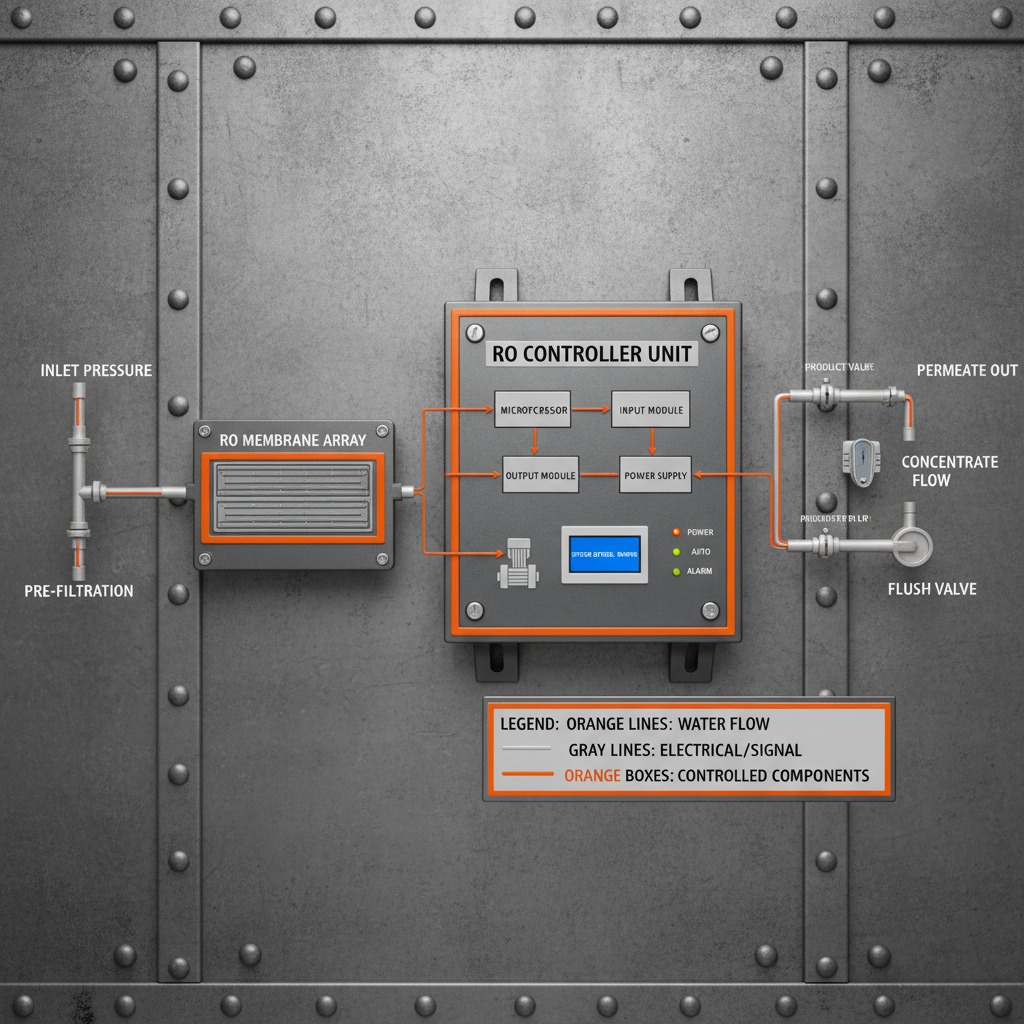
Guide to Choosing the Right RO Controller for Water PurificationMaintaining a high-performance reverse osmosis system requires more than just quality membranes; it demands precise regulation. An ro controller serves as the brain of the entire operation, monitoring critical parameters such as conductivity, temperature, and flow rates to ensure the output water meets stringent purity standards. Without an efficient controller, systems are prone to membrane fouling, inefficient energy use, and inconsistent water quality. In this comprehensive guide, we will explore how these devices optimize water treatment processes and how to select the best model for your specific industrial or commercial needs.
2026-04-09 03:25:47
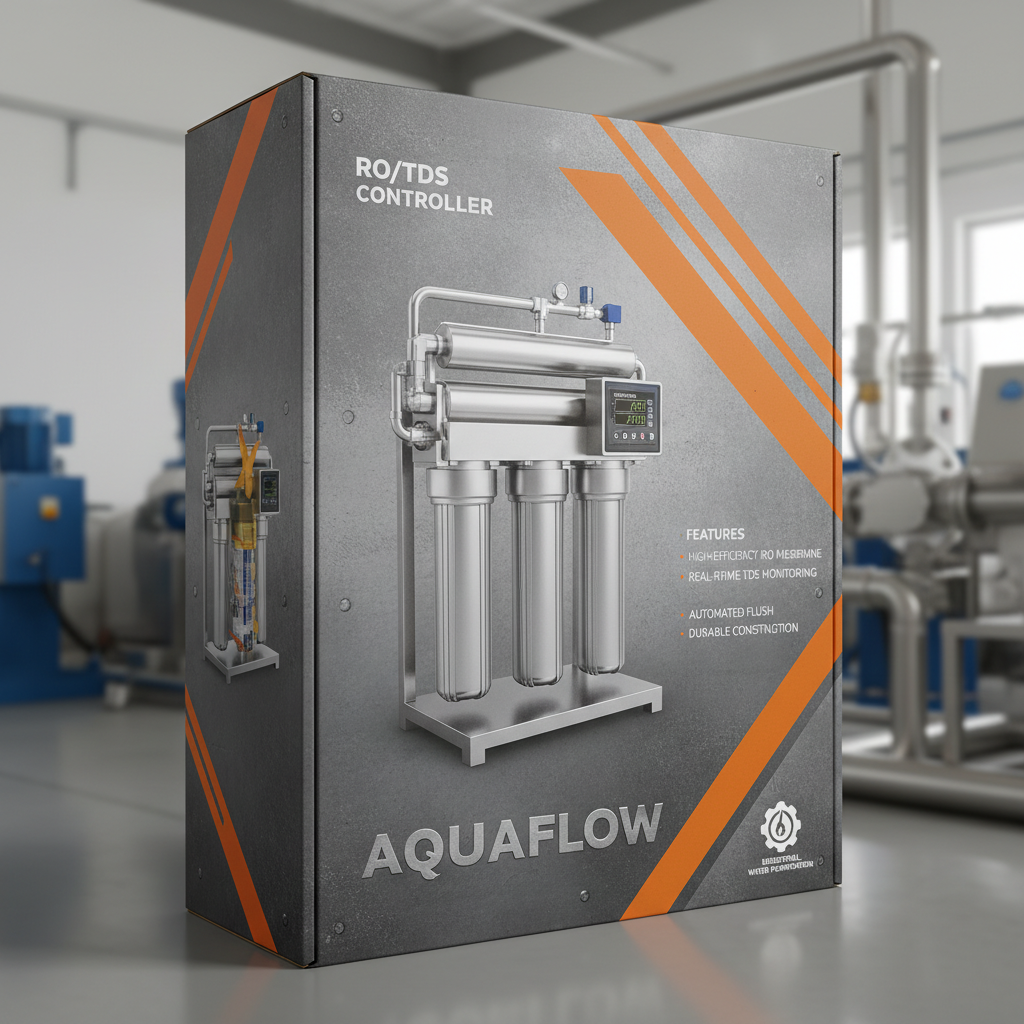
Guide to Water Purity Using RO with TDS Controller SystemsAchieving the perfect balance of mineral content and purity in drinking water is a challenge for many households and industrial facilities. A ro with tds controller offers a sophisticated solution by combining the rigorous filtration of Reverse Osmosis (RO) with the precision of a Total Dissolved Solids (TDS) adjustment system. While standard RO systems remove almost everything, including beneficial minerals, a TDS controller allows users to re-mineralize the water to a desired level. This ensures that the water is not only safe and pure but also tastes better and provides essential nutrients.
2026-04-07 03:17:09
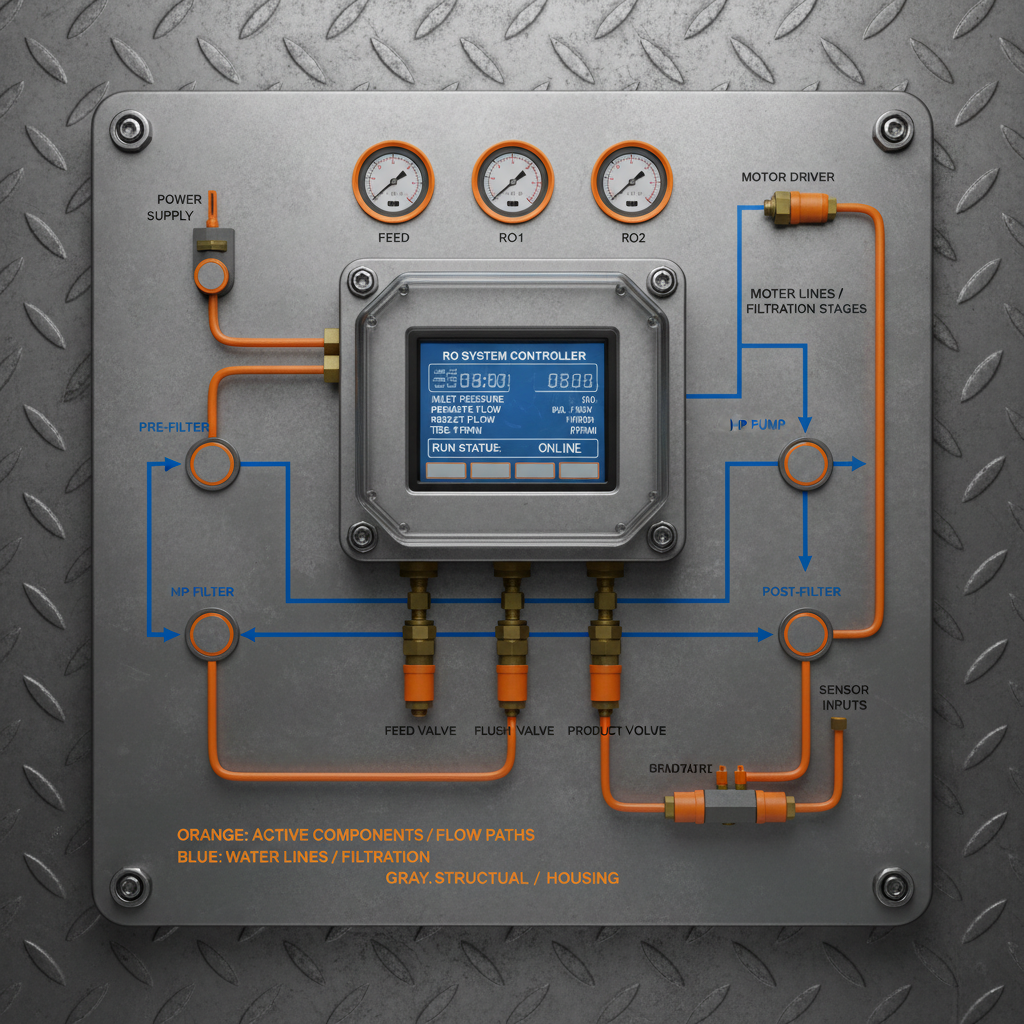
Understanding and Optimizing Reverse Osmosis Systems with a ControllerIn the world of water purification, reverse osmosis (RO) systems are a cornerstone for producing high-quality water for various applications, from drinking water to industrial processes. However, an RO system is only as effective as its control system. This is where the reverse osmosis controller comes into play. This critical component manages and optimizes the RO process, ensuring efficient operation, water quality, and system longevity.
2026-04-04 03:27:19
Understanding the Vital Role of an RO System Controller for Optimal PerformanceReverse Osmosis (RO) systems are critical for purifying water across various industries, from residential applications to large-scale industrial processes. At the heart of a well-functioning RO system lies the RO system controller. This intelligent device monitors and regulates all key parameters of the RO process, ensuring optimal performance, efficiency, and water quality. This article delves into the functionalities, benefits, and selection criteria for choosing the right RO system controller, particularly focusing on those offered by Watequipments. Understanding its role is crucial for maximizing the lifespan and effectiveness of your RO investment.
2026-03-24 17:18:24
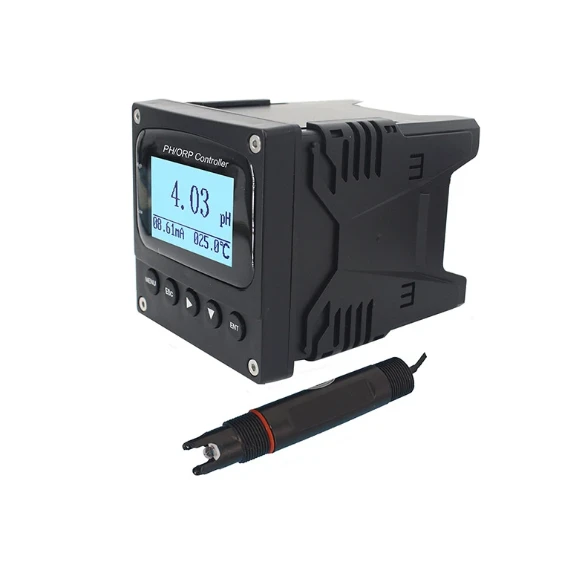
Smart Water Treatment Solutions Using PH ORP Controller SystemsIn modern water treatment and industrial fluid management, maintaining precise chemical balance is essential for safety, efficiency, and regulatory compliance.
2026-03-04 02:55:19
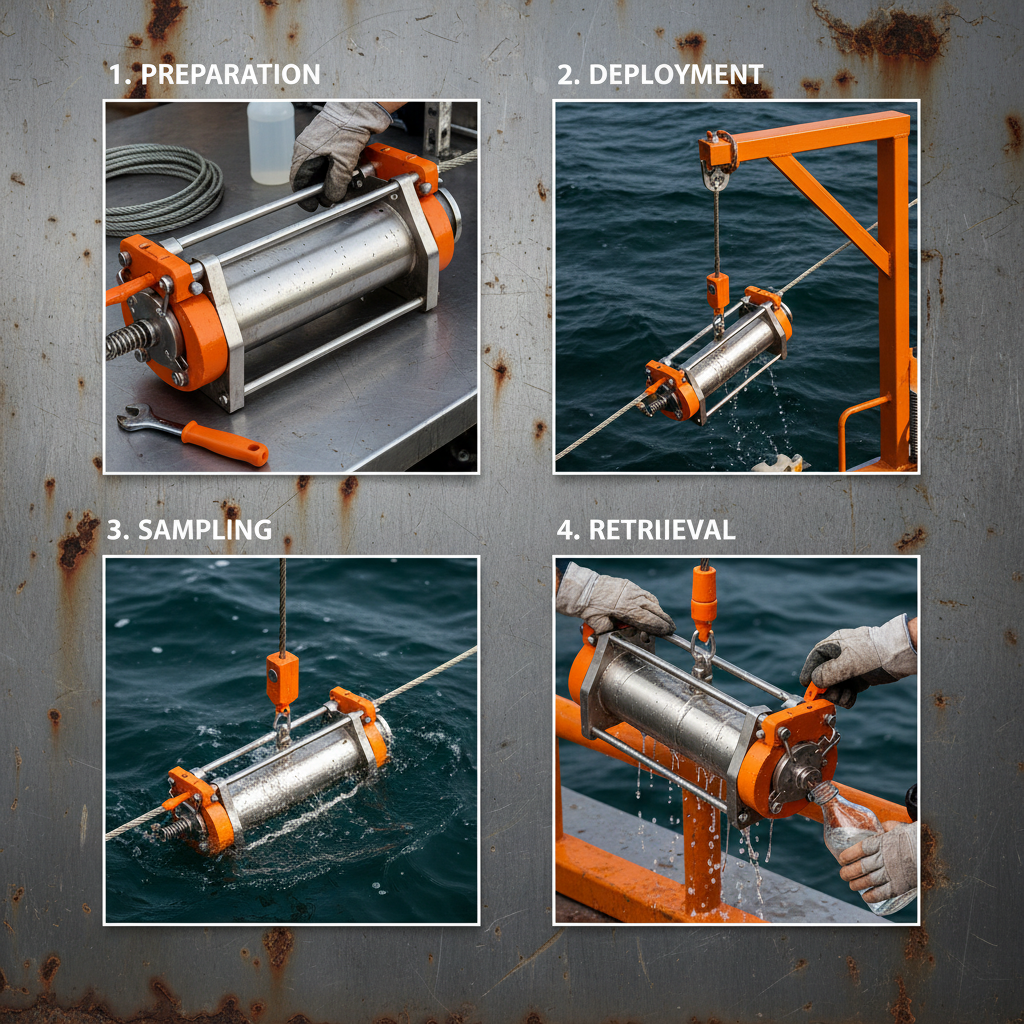
Comprehensive Guide to Water Depth Samplers and Their ApplicationsAccurate water quality monitoring is crucial in various fields, from environmental science and aquaculture to industrial wastewater management. A key tool for this is the water depth sampler. This article provides an in-depth look at water depth samplers, their applications, types, and essential considerations for choosing the right one for your needs. We'll explore the benefits of utilizing this equipment to collect reliable data for analysis and informed decision-making. Selecting the right sampler can significantly improve the precision and efficiency of your water monitoring program. A water depth sampler, also known as a depth-integrated sampler, is a device designed to collect water samples from specific depths within a body of water. Unlike simply dipping a container into the water, a depth sampler allows for collection of a representative sample across a defined depth range. This is critical because water properties (temperature, salinity, pollutants) often vary significantly with depth. The data gathered with a water depth sampler provides a more accurate assessment of water quality than surface samples alone.
2026-03-03 18:55:22
Comprehensive Guide to Horizontal Water Sampler Applications and SelectionCollecting water samples at varying depths is crucial for environmental monitoring, research, and quality control. The horizontal water sampler from Watequipment.com offers a precise and efficient solution for this task. This article provides an in-depth look at horizontal water samplers, their applications, benefits, and key considerations when choosing the right model. We will explore how these samplers contribute to accurate data collection and informed decision-making in various fields. A horizontal water sampler is a device designed to collect water samples from specific depths within a body of water – rivers, lakes, oceans, reservoirs, and even wastewater treatment plants. Unlike vertical samplers which primarily focus on depth, horizontal samplers prioritize collecting samples at a consistent depth while moving along a horizontal plane. This is essential for assessing water quality variations across a waterway or within a specific zone. They are used in applications ranging from environmental monitoring and scientific research to industrial process control and regulatory compliance.
2026-02-28 02:35:09
Comprehensive Guide to Selecting the Right Surface Water Sampler for Your NeedsMonitoring the quality of surface water is critical for environmental protection, public health, and various industrial applications. A surface water sampler is an essential tool for collecting representative samples from rivers, lakes, ponds, and other surface water sources. This article provides a detailed overview of surface water samplers, their types, applications, and key considerations for selecting the right equipment. Accurate water quality data relies on proper sample collection, and choosing the correct sampler is the first step toward achieving reliable results. Surface water samplers come in various designs, each suited to specific sampling needs. Common types include grab samplers, depth-integrating samplers, peristaltic pumps, and automatic samplers. Surface water samplers are used across a broad spectrum of applications, including environmental monitoring, wastewater discharge monitoring, drinking water source monitoring, agricultural runoff analysis, and research studies.

 English