


Oxygen Probe Sensor: Essential Technology for Industrial Efficiency & Safety

Oxygen Probe Sensor: Essential Technology for Industrial Efficiency & Safety
Dec . 16, 2025
Getting to Know the Oxygen Probe Sensor: What It Is and Why It Matters
Oxygen probe sensors might not be a household term, but their impact ripples worldwide, touching everything from industrial efficiency to environmental monitoring. Simply put, these sensors measure oxygen levels in gases or liquids — and that's critical if you care about combustion quality, pollution control, or even medical oxygen delivery. Understanding how these sensors work and their broader uses unlocks potential for smarter manufacturing, safer workplaces, and cleaner air.
In a world aiming for sustainability, oxygen monitoring technologies are quietly pivotal. They’re used in power plants optimizing fuel use, in steel mills to enhance processes, and increasingly in environmental setups tracking air quality. The better we get at this, the better we manage resources, reduce emissions, and support health—both human and planetary. It’s a tidy trick, really: measure to improve.
Mini takeaway: Oxygen probe sensors are tiny technical marvels playing large roles across industries focused on sustainability, safety, and efficiency.
Oxygen Probe Sensors on the Global Stage: Why They’re Essential Today
Industries worldwide collectively consume billions of tons of fossil fuels yearly — think power generation, steelmaking, and chemical production. And according to the International Energy Agency, inefficient combustion alone accounts for roughly 10-15% of global carbon dioxide emissions. The oxygen probe sensor addresses a real challenge here: how to get combustion right, fuel use optimized, and waste minimized.
From China’s expansive coal plants to Europe’s push for greener manufacturing, oxygen probes serve as the “eyes” inside combustion chambers and exhaust streams, continually feeding critical data. You might guess, the numbers they provide are crucial for meeting international standards like ISO and for complying with environmental limits set by entities including the UN Environment Programme.
Frankly, without accurate oxygen sensing, controlling industrial emissions and improving fuel economy would be guesswork — a costly and risky one at that.
Simply Put: What Is an Oxygen Probe Sensor?
At its core, an oxygen probe sensor is a device designed to measure the concentration of oxygen in a gas or liquid environment. It typically works by producing a voltage output that correlates to the oxygen level present. This data helps operators fine-tune processes such as gas combustion or monitor atmospheric conditions remotely.
These sensors are indispensable in modern industries and humanitarian efforts alike. For example, in emergency medical aid, oxygen sensors can monitor the delivery of life-saving oxygen to patients. In factories, they're embedded in monitoring systems that keep air pollution within legal limits.
Without such reliable measurement tools, industries would struggle to meet both performance and environmental benchmarks; even simple combustion processes would be inefficient and more polluting.
Key Features That Define Great Oxygen Probe Sensors
1. Durability and Temperature Resistance
Most oxygen probes must survive harsh environments — think hot flue gases or corrosive atmospheres. Materials used often include ceramics, platinum electrodes, and protective coatings, ensuring the sensor lasts thousands of hours without signal drift.
2. Accuracy and Response Time
Precision is everything here. Whether optimizing a furnace or checking leakages in a pipeline, sensors need to respond quickly and correctly, often detecting oxygen changes in parts per million.
3. Scalability and Integration
Today’s oxygen sensors come in various sizes and output signals compatible with automation systems. This adaptability means they can be integrated into anything from handheld meters to centralized control panels.
4. Cost Efficiency Over Lifetime
While some probes demand upfront investment, the real cost story is about longevity and maintenance. A well-designed oxygen probe reduces downtime and saves fuel and repair costs over time.
5. Calibration and Maintenance Simplicity
Maintenance can be a pain point in industrial settings. Sensors with easier calibration routines and modular components help technicians keep them reliable without excessive labor.
Mini takeaway: Choosing the right sensor means balancing ruggedness, accuracy, and overall cost — not just sticker price.
Where Oxygen Probe Sensors Make a Difference Globally
- Power plants: Monitoring oxygen in exhaust gases to optimize combustion and reduce NOx emissions.
- Steel and cement industries: Controlling furnace atmospheres to improve product quality and energy efficiency.
- Environmental monitoring: Tracking oxygen levels in air and waterways to assess pollution and ecosystem health.
- Healthcare: Ensuring precise oxygen delivery in ventilators and life-support systems.
- Disaster relief operations: Portable oxygen sensors help ensure safe air quality in temporary shelters and urgent medical facilities.
Oddly enough, these sensors bridge from heavy industry to humanitarian zones. For example, NGOs working in remote regions rely on portable oxygen probe sensors to validate air safety in cramped temporary clinics after natural disasters.
The Benefits of Oxygen Probe Sensors: More Than Numbers
Tangible advantages stack up as:
- Cost savings: Better combustion means burning less fuel.
- Environmental impact: Lower emissions, contributing to cleaner air and compliance with global regulations.
- Safety: Preventing hazardous gas build-up in industrial workplaces or medical settings.
- Reliability and trust: Operators gain confidence that processes run within safe and efficient parameters.
- Socially responsible innovation: These sensors enable industries to meet increasingly strict sustainability goals.
In real terms, it's about dignity and peace of mind as much as dollars — whether for a plant manager or a relief worker.
Spotlight on the Technology Horizon: Innovations in Oxygen Probe Sensors
Emerging trends include:
- Smart sensors: Embedded with IoT connectivity for real-time remote monitoring.
- Advanced materials: Use of nanomaterials and robust ceramics enhancing sensitivity and lifespan.
- Green manufacturing: Less energy-intensive production methods for sensor components.
- Automation integration: Seamless communication protocols that tie oxygen readings into AI-driven control systems.
The future definitely holds a blend of greener, smarter, and faster devices — and that worries no one.
Addressing Challenges: What Holds Back Oxygen Probe Sensors?
The stubborn issues are mostly about environmental wear, sensor poisoning, and calibration drift over time. Not to mention the unavoidable cost for some advanced models.
However, sensor manufacturers are tackling these via breakthrough coatings, self-cleaning designs, and simplified in-field recalibration tools. Plus, increasingly modular devices allow easy swaps without overhauling entire systems.
Knowing these limits upfront helps users plan maintenance, budget realistically, and select the right type per application — a key to long-term success.
Oxygen Probe Sensor FAQ
- Q: How often should oxygen probe sensors be calibrated?
- A: Calibration frequency depends on the application and environment but typically ranges from quarterly to annually. Automated diagnostics now help signal when calibration is truly needed, saving time and preventing unnecessary downtime.
- Q: Can oxygen probe sensors work in highly corrosive gases?
- A: Yes, especially those made with specialized protective coatings and materials like zirconia or alumina ceramics, designed to resist harsh chemical exposure.
- Q: What’s the typical lifespan of an oxygen probe sensor in industrial use?
- Roughly 1 to 3 years depending on conditions and maintenance. Using continuous monitoring and proper care can extend operational life significantly.
- Q: Are wireless oxygen probes reliable?
- Wireless sensors with robust communication protocols are increasingly reliable, especially for remote or hard-to-reach installations. However, users should consider signal interference and battery life in deployment planning.
Product Specifications: A Closer Look at a Typical Oxygen Probe Sensor
| Feature | Specification |
|---|---|
| Measurement Range | 0–25% Oxygen concentration |
| Operating Temperature | -20°C to 800°C |
| Output Signal | 0-10V analog or digital 4-20mA |
| Material | Zirconia ceramic with platinum electrodes |
| Response Time | |
| Calibration | User-serviceable; recommended yearly |
Comparing Top Oxygen Probe Sensor Vendors
| Vendor | Key Advantage | Typical Price Range | Notable Feature |
|---|---|---|---|
| Sensotec | Robust industrial-grade sensors | $450 - $1200 | Long-lasting ceramic elements |
| OxySense Inc. | Smart IoT-enabled monitoring | $700 - $1500 | Wireless connectivity and remote alerts |
| EnviroProbe | Eco-friendly manufacturing process | $500 - $1000 | Low power consumption sensors |
Wrapping It Up: Why Oxygen Probe Sensors Deserve Attention
Getting oxygen measurement right isn’t just about data — it’s about people, environment, and progress. Whether you’re an engineer tuning up an industrial plant or a technician providing emergency aid, reliable oxygen probe sensors are tools of trust. They help save costs, reduce emissions, and ensure safety where it matters most.
To explore a range of high-performance oxygen probe sensors suited to your needs, I recommend visiting https://www.watequipments.com. You’ll find product details, expert advice, and up-to-date technology that could transform how you monitor oxygen in your field.
And, well, that’s sort of the wonderful thing about specialized sensors: invisible but essential.
References

Related Products
Related News
2026-04-16 03:20:19
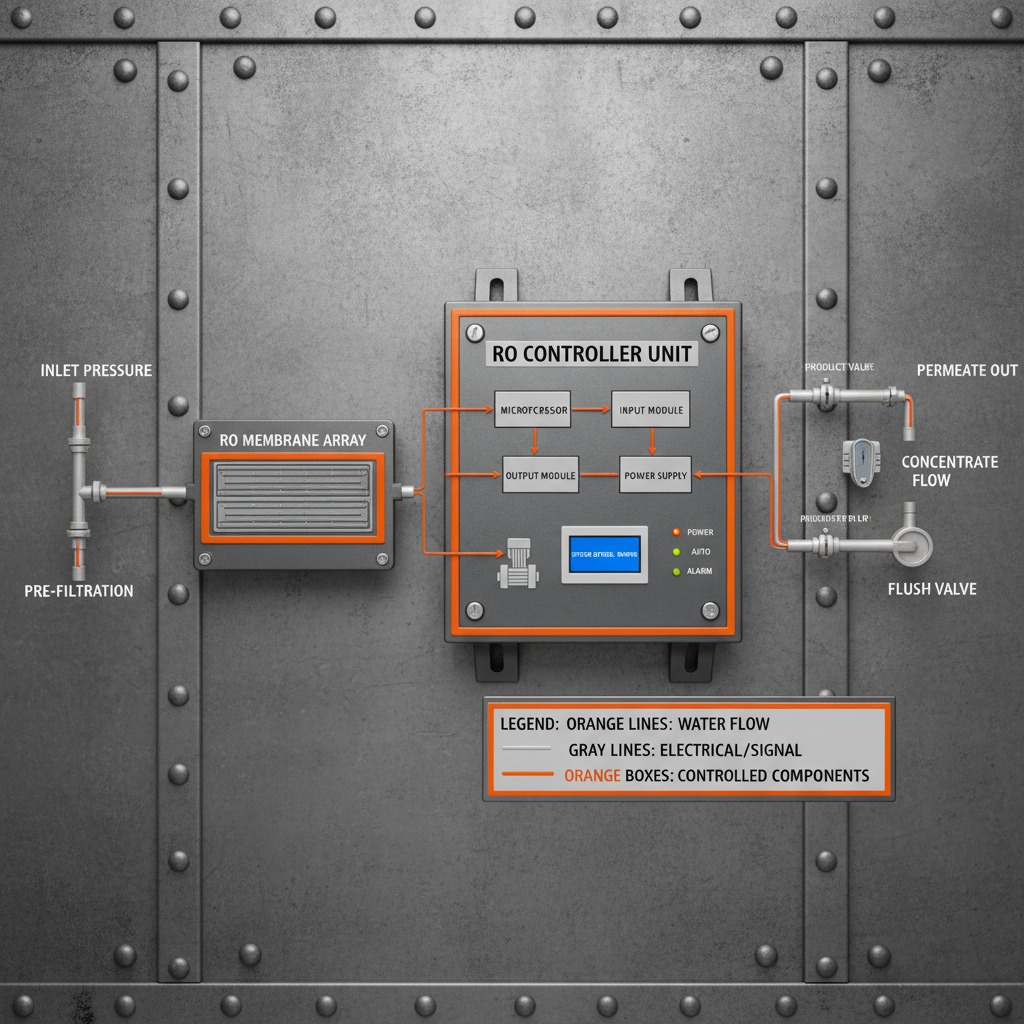
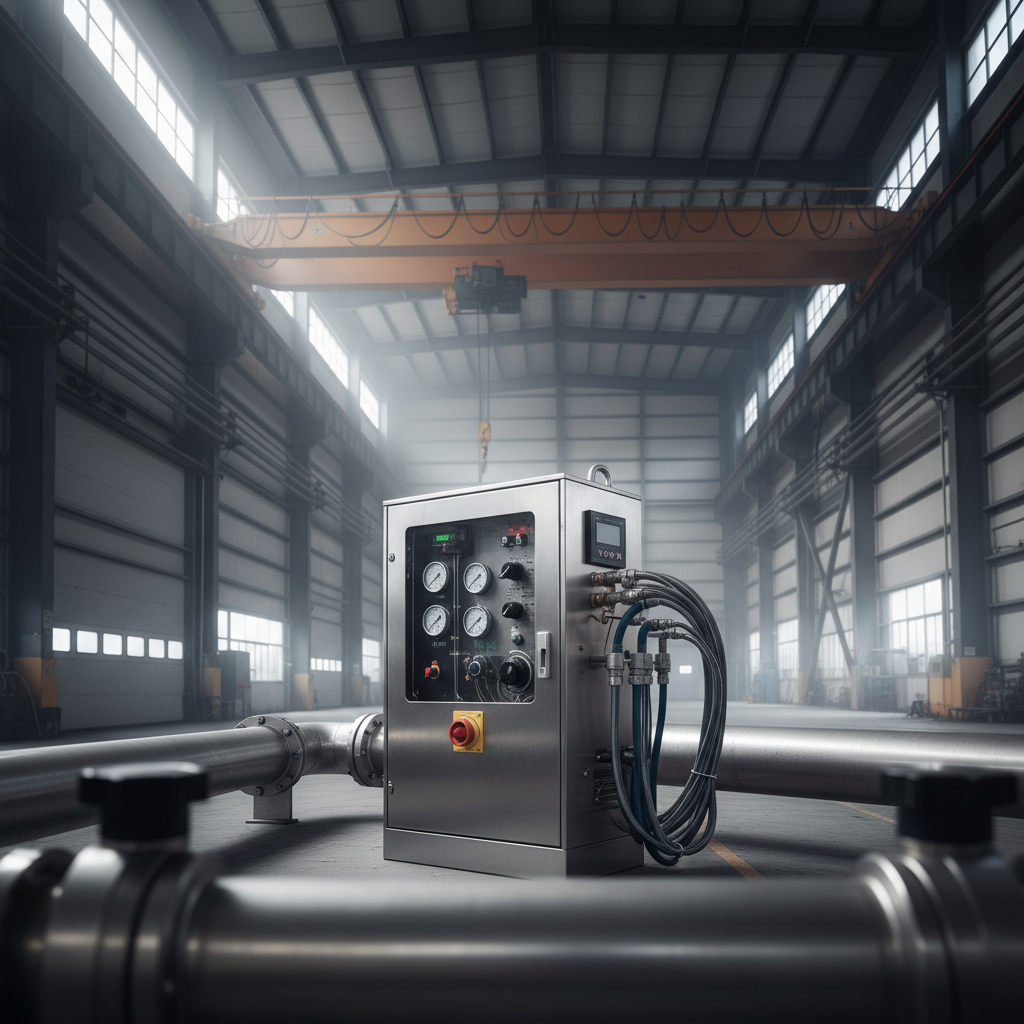
Guide to Choosing the Right RO Controller for Water PurificationMaintaining a high-performance reverse osmosis system requires more than just quality membranes; it demands precise regulation. An ro controller serves as the brain of the entire operation, monitoring critical parameters such as conductivity, temperature, and flow rates to ensure the output water meets stringent purity standards. Without an efficient controller, systems are prone to membrane fouling, inefficient energy use, and inconsistent water quality. In this comprehensive guide, we will explore how these devices optimize water treatment processes and how to select the best model for your specific industrial or commercial needs.
2026-04-09 03:25:47
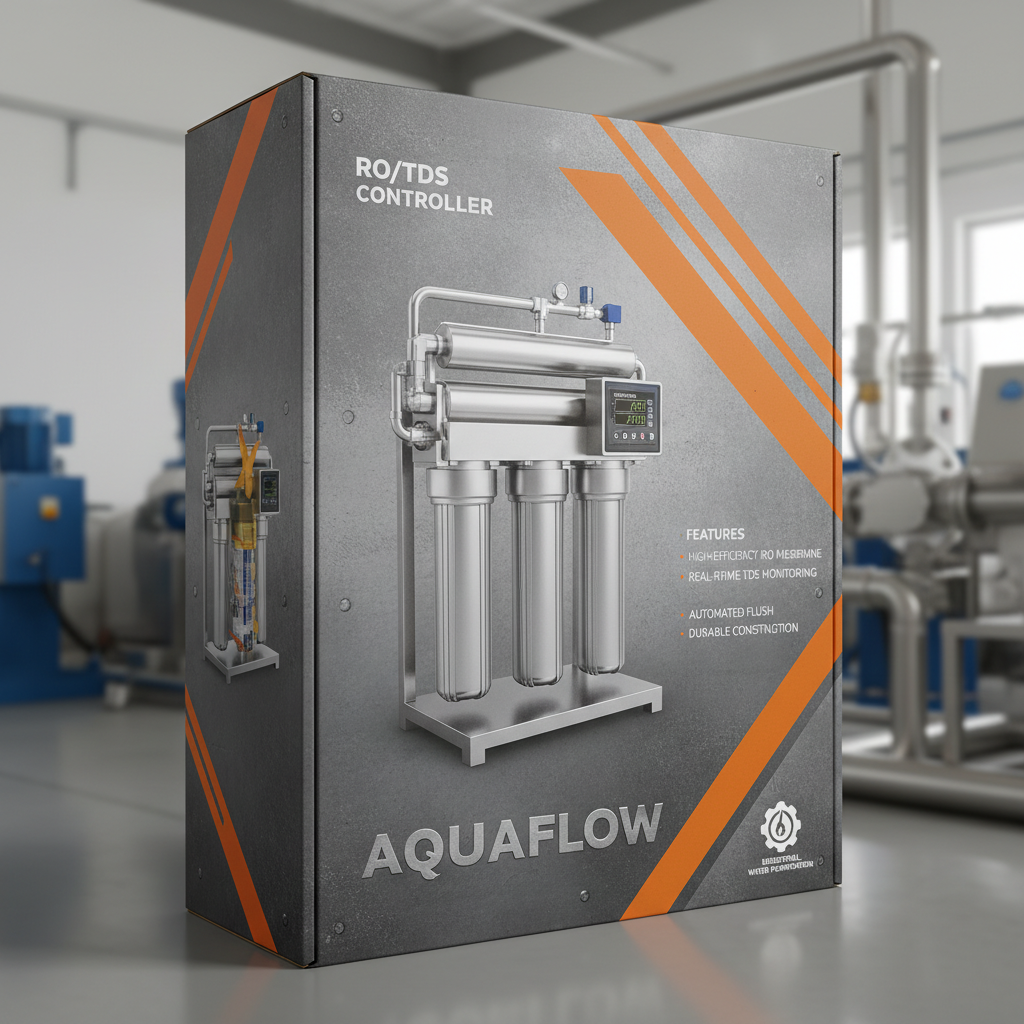
Guide to Water Purity Using RO with TDS Controller SystemsAchieving the perfect balance of mineral content and purity in drinking water is a challenge for many households and industrial facilities. A ro with tds controller offers a sophisticated solution by combining the rigorous filtration of Reverse Osmosis (RO) with the precision of a Total Dissolved Solids (TDS) adjustment system. While standard RO systems remove almost everything, including beneficial minerals, a TDS controller allows users to re-mineralize the water to a desired level. This ensures that the water is not only safe and pure but also tastes better and provides essential nutrients.
2026-04-07 03:17:09
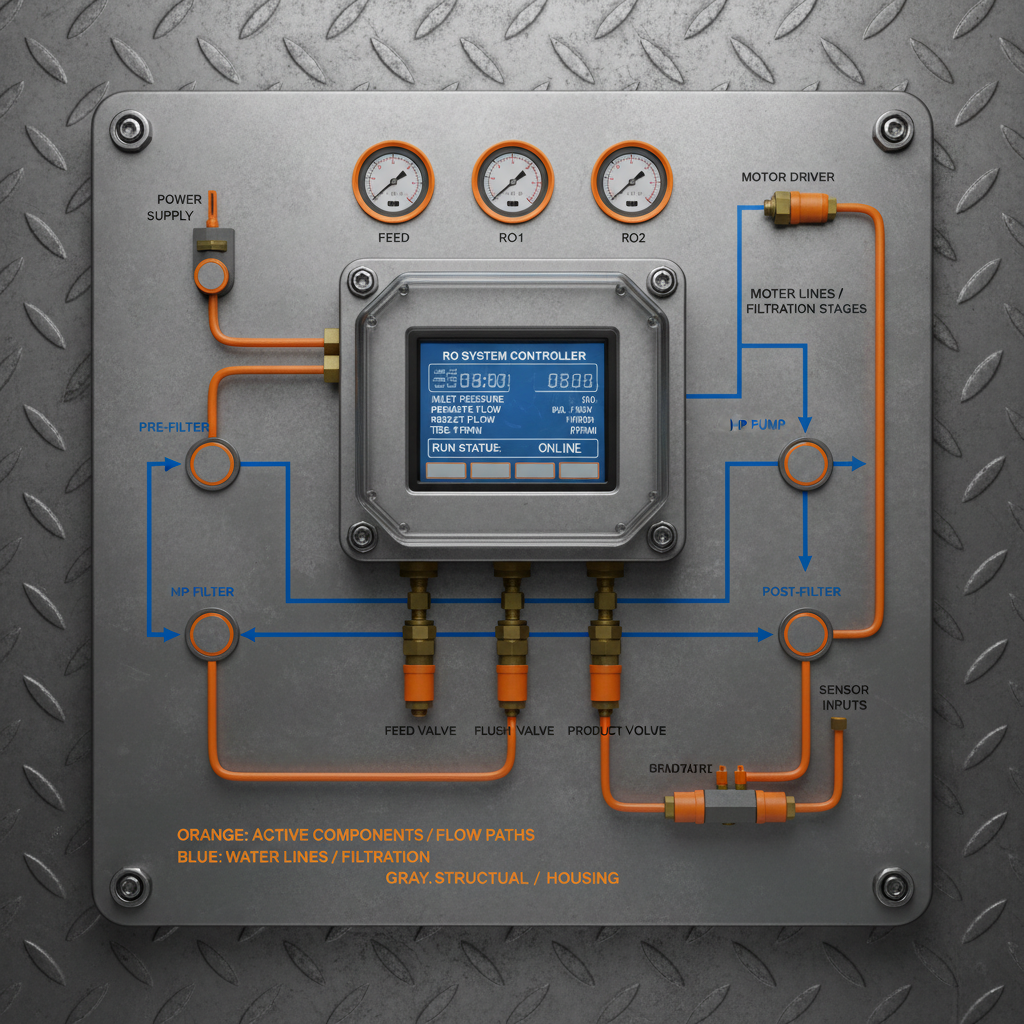
Understanding and Optimizing Reverse Osmosis Systems with a ControllerIn the world of water purification, reverse osmosis (RO) systems are a cornerstone for producing high-quality water for various applications, from drinking water to industrial processes. However, an RO system is only as effective as its control system. This is where the reverse osmosis controller comes into play. This critical component manages and optimizes the RO process, ensuring efficient operation, water quality, and system longevity.
2026-04-04 03:27:19
Understanding the Vital Role of an RO System Controller for Optimal PerformanceReverse Osmosis (RO) systems are critical for purifying water across various industries, from residential applications to large-scale industrial processes. At the heart of a well-functioning RO system lies the RO system controller. This intelligent device monitors and regulates all key parameters of the RO process, ensuring optimal performance, efficiency, and water quality. This article delves into the functionalities, benefits, and selection criteria for choosing the right RO system controller, particularly focusing on those offered by Watequipments. Understanding its role is crucial for maximizing the lifespan and effectiveness of your RO investment.
2026-03-24 17:18:24
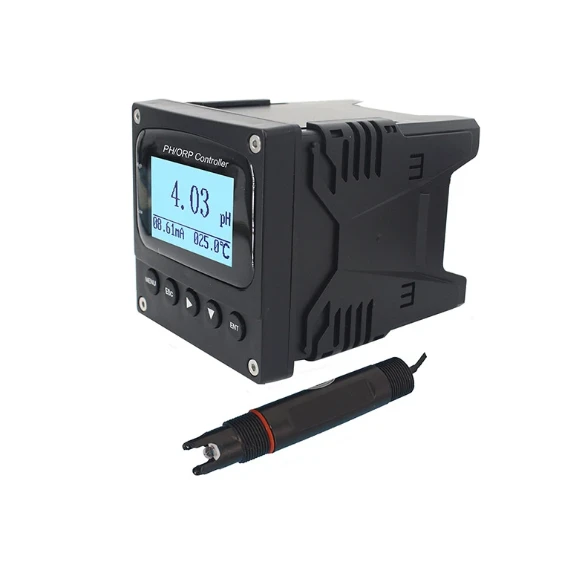
Smart Water Treatment Solutions Using PH ORP Controller SystemsIn modern water treatment and industrial fluid management, maintaining precise chemical balance is essential for safety, efficiency, and regulatory compliance.
2026-03-04 02:55:19
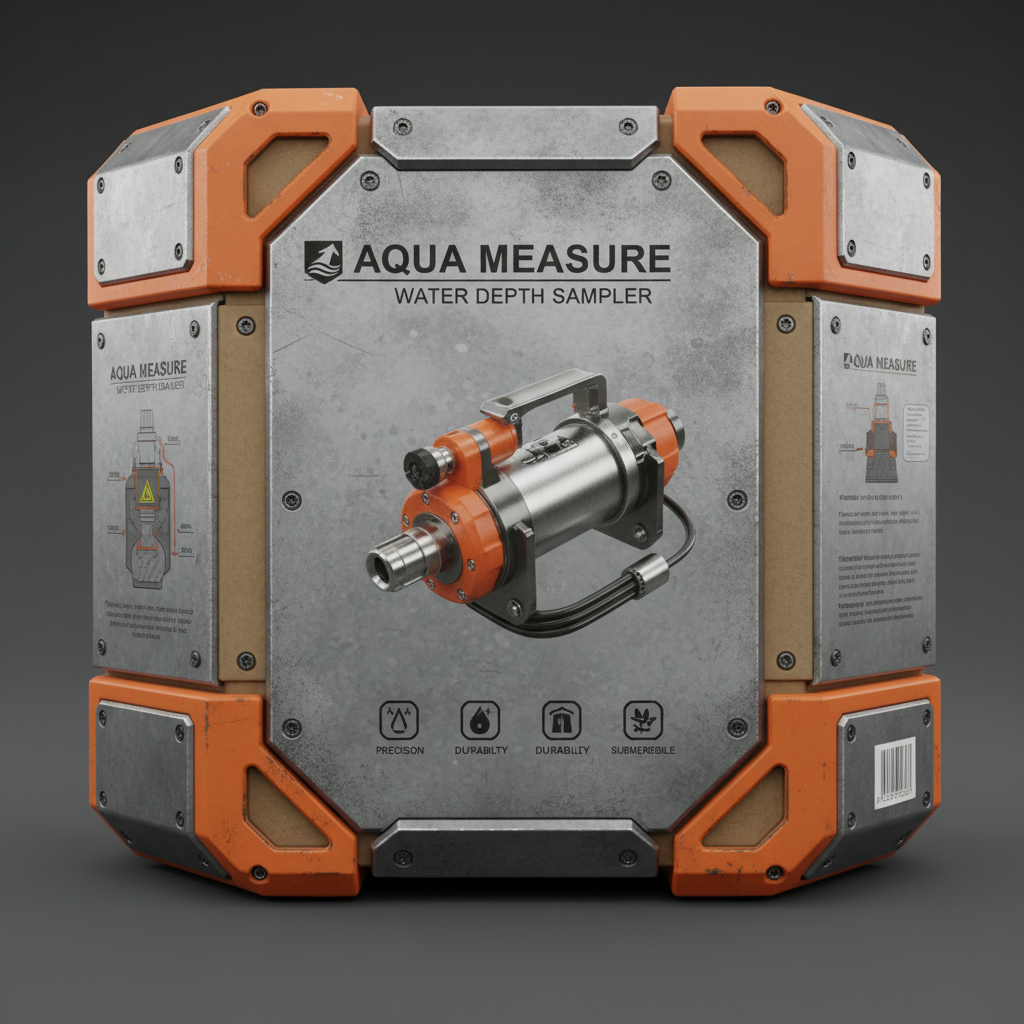
Comprehensive Guide to Water Depth Samplers and Their ApplicationsAccurate water quality monitoring is crucial in various fields, from environmental science and aquaculture to industrial wastewater management. A key tool for this is the water depth sampler. This article provides an in-depth look at water depth samplers, their applications, types, and essential considerations for choosing the right one for your needs. We'll explore the benefits of utilizing this equipment to collect reliable data for analysis and informed decision-making. Selecting the right sampler can significantly improve the precision and efficiency of your water monitoring program. A water depth sampler, also known as a depth-integrated sampler, is a device designed to collect water samples from specific depths within a body of water. Unlike simply dipping a container into the water, a depth sampler allows for collection of a representative sample across a defined depth range. This is critical because water properties (temperature, salinity, pollutants) often vary significantly with depth. The data gathered with a water depth sampler provides a more accurate assessment of water quality than surface samples alone.
2026-03-03 18:55:22
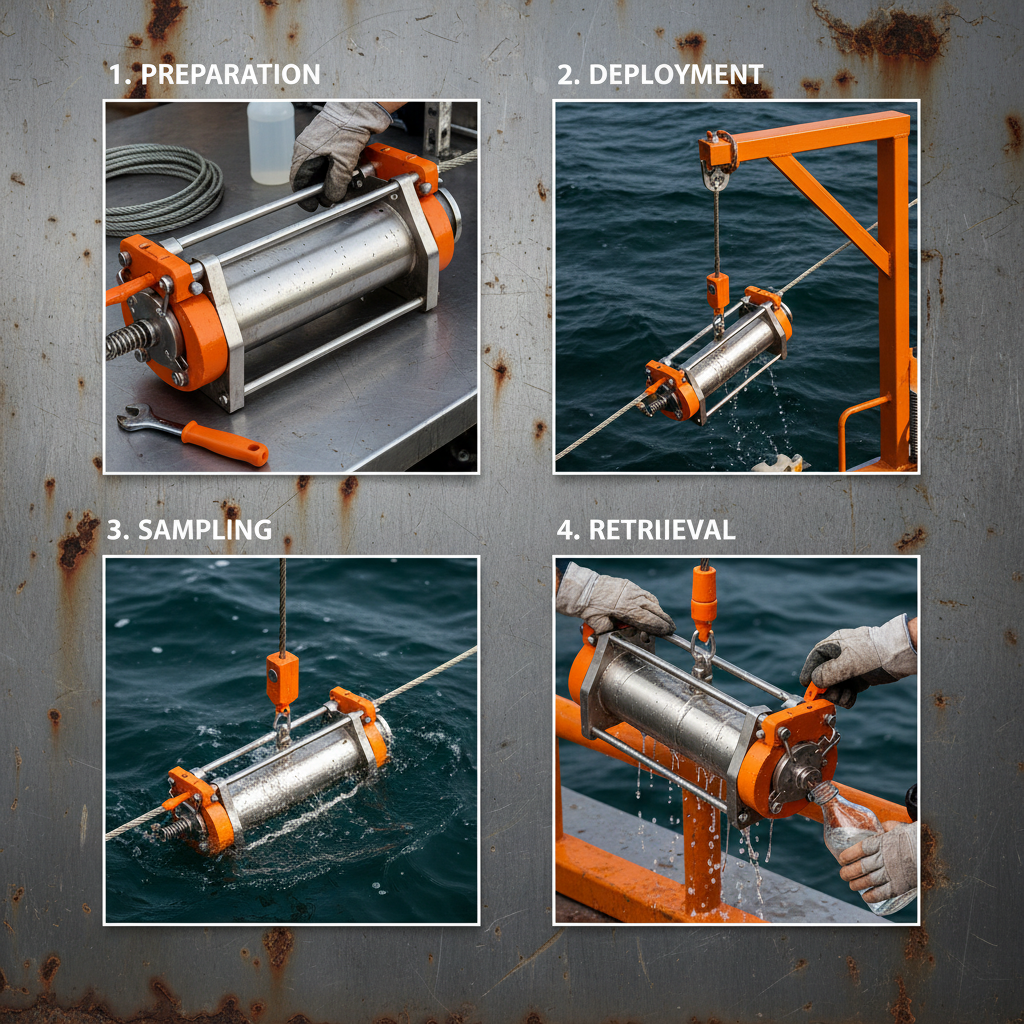
Comprehensive Guide to Horizontal Water Sampler Applications and SelectionCollecting water samples at varying depths is crucial for environmental monitoring, research, and quality control. The horizontal water sampler from Watequipment.com offers a precise and efficient solution for this task. This article provides an in-depth look at horizontal water samplers, their applications, benefits, and key considerations when choosing the right model. We will explore how these samplers contribute to accurate data collection and informed decision-making in various fields. A horizontal water sampler is a device designed to collect water samples from specific depths within a body of water – rivers, lakes, oceans, reservoirs, and even wastewater treatment plants. Unlike vertical samplers which primarily focus on depth, horizontal samplers prioritize collecting samples at a consistent depth while moving along a horizontal plane. This is essential for assessing water quality variations across a waterway or within a specific zone. They are used in applications ranging from environmental monitoring and scientific research to industrial process control and regulatory compliance.
2026-02-28 02:35:09
Comprehensive Guide to Selecting the Right Surface Water Sampler for Your NeedsMonitoring the quality of surface water is critical for environmental protection, public health, and various industrial applications. A surface water sampler is an essential tool for collecting representative samples from rivers, lakes, ponds, and other surface water sources. This article provides a detailed overview of surface water samplers, their types, applications, and key considerations for selecting the right equipment. Accurate water quality data relies on proper sample collection, and choosing the correct sampler is the first step toward achieving reliable results. Surface water samplers come in various designs, each suited to specific sampling needs. Common types include grab samplers, depth-integrating samplers, peristaltic pumps, and automatic samplers. Surface water samplers are used across a broad spectrum of applications, including environmental monitoring, wastewater discharge monitoring, drinking water source monitoring, agricultural runoff analysis, and research studies.

 English