


Water Oxygen Meter: Measuring Dissolved Oxygen for Healthier Ecosystems

Water Oxygen Meter: Measuring Dissolved Oxygen for Healthier Ecosystems
Dec . 15, 2025
Why a Water Oxygen Meter Matters More Than Ever
In our interconnected world, the quality of water often means the difference between health and illness, environmental balance and ecological disaster. And one of the subtle yet vital tools monitoring this balance is the water oxygen meter. Understanding dissolved oxygen in water bodies isn’t just for scientists or environmentalists; it touches agriculture, industry, fisheries, public health, and disaster response. The ability to quickly and accurately measure oxygen levels in water provides a reliable window into the aquatic ecosystem’s health, helping prevent contamination, bolster sustainability, and address challenges from climate change to urbanization.
Global Context: The Rising Demand for Reliable Water Oxygen Measurements
The United Nations reports that over two billion people worldwide rely on water sources vulnerable to pollution and depletion. Yet dissolved oxygen, often overlooked, is a cornerstone of water quality assessment. According to the ISO 5814 standard for water quality, oxygen levels directly affect aquatic life and the efficiency of sewage treatment plants.
Global industries, from fisheries in Southeast Asia to municipal water plants in Europe, all face the challenge of real-time oxygen monitoring. Detecting oxygen depletion early can prevent fish kills, optimize chemical dosing in treatment, and flag pollution events swiftly. It’s an unglamorous but crucial frontline defense for water security everywhere.
What Exactly Is a Water Oxygen Meter?
At its core, a water oxygen meter is a device that measures the amount of dissolved oxygen (DO) in water. Think of DO as the lifeblood for aquatic organisms; more oxygen usually means a healthier ecosystem. These meters range from handheld portable units to sophisticated fixed installations with digital sensors.
They typically work on two principles: electrochemical sensors (Clark-type electrodes) which consume oxygen to generate a current, and optical sensors that use fluorescence to detect oxygen without altering the sample. This modern technology enables precise, rapid, and even remote monitoring—vital for both industry needs and humanitarian responses to water crises.
Key Ingredients in a Water Oxygen Meter
- Sensor Technology: Determines accuracy and lifespan. Optical sensors offer longer service with less maintenance but at a higher upfront cost.
- Durability: Designed to withstand harsh environments, often waterproof and chemically resistant to guard against corrosion.
- Portability: Handheld meters are convenient for fieldwork; fixed versions serve continuous monitoring needs.
- Calibration Ease: Critical for reliable results; automatic calibration is a bonus in many modern devices.
- Data Connectivity: USB, Bluetooth, or integrated IoT for easy data logging and remote access.
Mini takeaway: When choosing a water oxygen meter, these features shape both reliability and practical usability—key for industries that can't afford surprises.
Where in the World Are Water Oxygen Meters Most Needed?
Around the globe, these instruments appear in all sorts of places. In East Asia, aquaculture farms depend on them every day to keep fish stocks alive and healthy. For urban water facilities—say in North America or Europe—the emphasis lies on regulating treatment to meet strict environmental standards.
In areas struck by natural disasters, aid teams deploy portable devices to rapidly assess water sources’ safety. Oddly enough, even industrial zones in South America use oxygen meters not only to monitor wastewater but also to optimize energy use in their processing plants.
Typical Applications Include:
- Aquaculture farms monitoring oxygen to prevent fish deaths.
- Municipal water plants controlling purification processes.
- Environmental agencies tracking river and lake health.
- Emergency relief organizations assessing potable water post-disaster.
- Industrial sites ensuring compliance with discharge regulations.
Mini takeaway: The reach of water oxygen meters spans multiple sectors, bridging technology and ecological stewardship in varied geographies.
What Exactly Are You Getting? A Peek at a Typical Water Oxygen Meter Specification
| Specification | Typical Value | Notes |
|---|---|---|
| Measurement Range | 0-20 mg/L | Covers freshwater & marine applications |
| Accuracy | ± 0.1 mg/L | Optical sensors generally more precise |
| Calibration | Automatic / Manual | Auto calibration preferred for fieldwork |
| Response Time | Faster readings aid real-time decisions | |
| Power Source | Rechargeable Battery / USB | Portability advantage |
| Data Interface | Bluetooth / USB / SD Card | Supports modern data tracking |
Comparing Water Oxygen Meter Vendors: What Sets Them Apart?
| Feature | AquaTech Instruments | OxySense Corp. | PureWater Solutions |
|---|---|---|---|
| Sensor Type | Optical Fluorescence | Clark-type Electrochemical | Hybrid Optical/Electrochemical |
| Battery Life | 12 hours | 8 hours | 10 hours |
| Waterproof Rating | IP68 | IP67 | IP68 |
| Connectivity | Bluetooth + USB | USB only | Bluetooth + Wi-Fi |
| Price Range | $$$ | $ | $$ |
Advantages & Long-Term Value of Using Water Oxygen Meters
Having reliable data on oxygen content informs smarter decisions not just on the factory floor or the fish farm, but at the policy level. It offers long-term savings by preventing costly treatment failures and environmental fines. Many engineers note that proper dissolved oxygen monitoring reduces chemical use by optimizing aeration and dosing — a clear sustainability win.
On a more emotional note, water oxygen meters embody trust: trust in one’s data, in the environment’s health, and in the safety of communities relying on clean water. After all, water quality research confirms that people feel safer and more connected to their resource when quality is transparently monitored.
And if you’re thinking about innovation, these meters are becoming smarter, helping engineers diagnose ecosystem shifts quickly, even predicting oxygen scarcity before it happens thanks to AI-enhanced analytics.
Future Trends Shaping the Water Oxygen Meter Landscape
Looking ahead, expect water oxygen meters to become more integrated with IoT networks—streamlining remote monitoring and instant alerts. Materials science is pushing sensor durability further, making devices less prone to fouling and degradation in extreme environments.
Green energy sources will likely power standalone units, reducing maintenance costs and environmental footprints simultaneously. There’s also promising development in miniaturized sensors for drones and autonomous underwater vehicles, extending measurements into hard-to-reach places like deep lakes or polluted estuaries.
Challenges & Innovations to Watch
Of course, water oxygen meters aren't without hiccups. Sensor fouling, calibration drift, and power limitations can hamper consistent data quality. Dust, algae, or sediment in certain environments means devices need frequent cleaning, which adds to operational downtime.
New hydrophobic coatings and self-cleaning materials show promise, as do AI-powered trend anomaly detectors that flag questionable readings—ensuring operators only respond when truly necessary, avoiding costly false alarms.
FAQ: Your Top Questions About Water Oxygen Meters
1. How often should I calibrate my water oxygen meter for accurate readings?
Regular calibration depends on sensor type and usage. Optical sensors generally require less frequent calibration—often monthly—whereas electrochemical types might need weekly checks. Following the manufacturer’s guidelines and considering environmental factors like temperature fluctuations ensures reliable measurements.
2. Can water oxygen meters be used in both freshwater and marine environments?
Yes, most water oxygen meters are designed for versatile use in both freshwater and saltwater, but it’s important to select a model calibrated or adjustable for salinity variations to maintain measurement accuracy.
3. What’s the difference between optical and electrochemical oxygen sensors?
Optical sensors use light-based detection with less maintenance and longer lifespan, while electrochemical sensors rely on chemical reactions and tend to consume oxygen in the process, requiring more frequent calibration and replacement.
4. Are portable meters as accurate as fixed installations?
Portable meters provide high-accuracy measurements suitable for fieldwork but may have shorter battery life and require more frequent calibration. Fixed installations can gather continuous data useful for long-term monitoring but lack field mobility.
5. How can industries reduce sensor fouling?
Periodic cleaning, using sensors with anti-fouling coatings, and employing flow cells that keep water moving past the sensor reduce fouling issues. Automated flushing systems are also growing in popularity.
In Conclusion: The Quiet Hero of Water Quality
Water oxygen meters might not steal headlines, but their role in safeguarding water systems worldwide is undeniable. Whether optimizing a fish farm’s yields, ensuring safe drinking water in a disaster zone, or monitoring a city’s treatment plant, these devices help keep our water precious and life-supporting.
If you’re looking to explore or upgrade your measurement tools, visit https://www.watequipments.com where practical, precise, and innovative water oxygen meters come together. Because water quality isn’t just about chemistry—it’s about life itself.
References

Related Products
Related News

2026-04-16 03:20:19
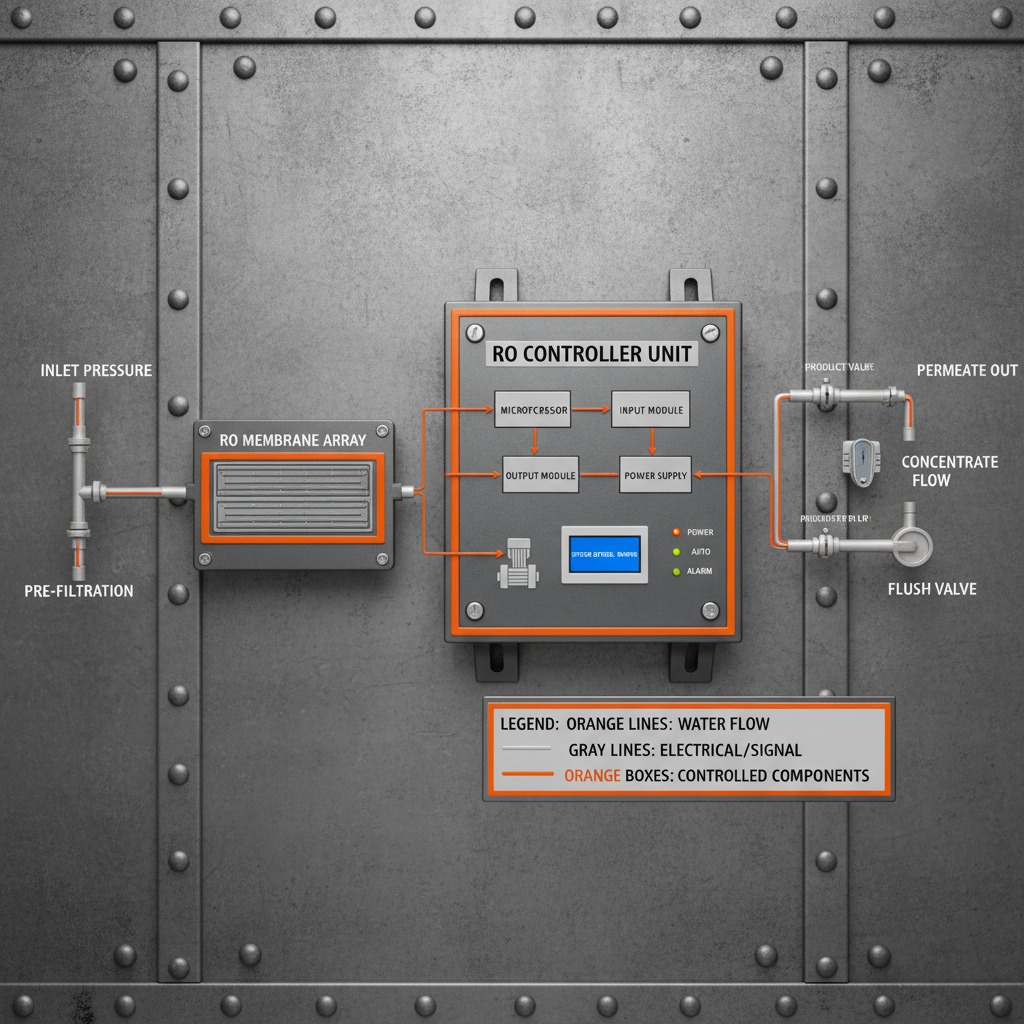
Guide to Choosing the Right RO Controller for Water PurificationMaintaining a high-performance reverse osmosis system requires more than just quality membranes; it demands precise regulation. An ro controller serves as the brain of the entire operation, monitoring critical parameters such as conductivity, temperature, and flow rates to ensure the output water meets stringent purity standards. Without an efficient controller, systems are prone to membrane fouling, inefficient energy use, and inconsistent water quality. In this comprehensive guide, we will explore how these devices optimize water treatment processes and how to select the best model for your specific industrial or commercial needs.
2026-04-09 03:25:47
Guide to Water Purity Using RO with TDS Controller SystemsAchieving the perfect balance of mineral content and purity in drinking water is a challenge for many households and industrial facilities. A ro with tds controller offers a sophisticated solution by combining the rigorous filtration of Reverse Osmosis (RO) with the precision of a Total Dissolved Solids (TDS) adjustment system. While standard RO systems remove almost everything, including beneficial minerals, a TDS controller allows users to re-mineralize the water to a desired level. This ensures that the water is not only safe and pure but also tastes better and provides essential nutrients.
2026-04-07 03:17:09
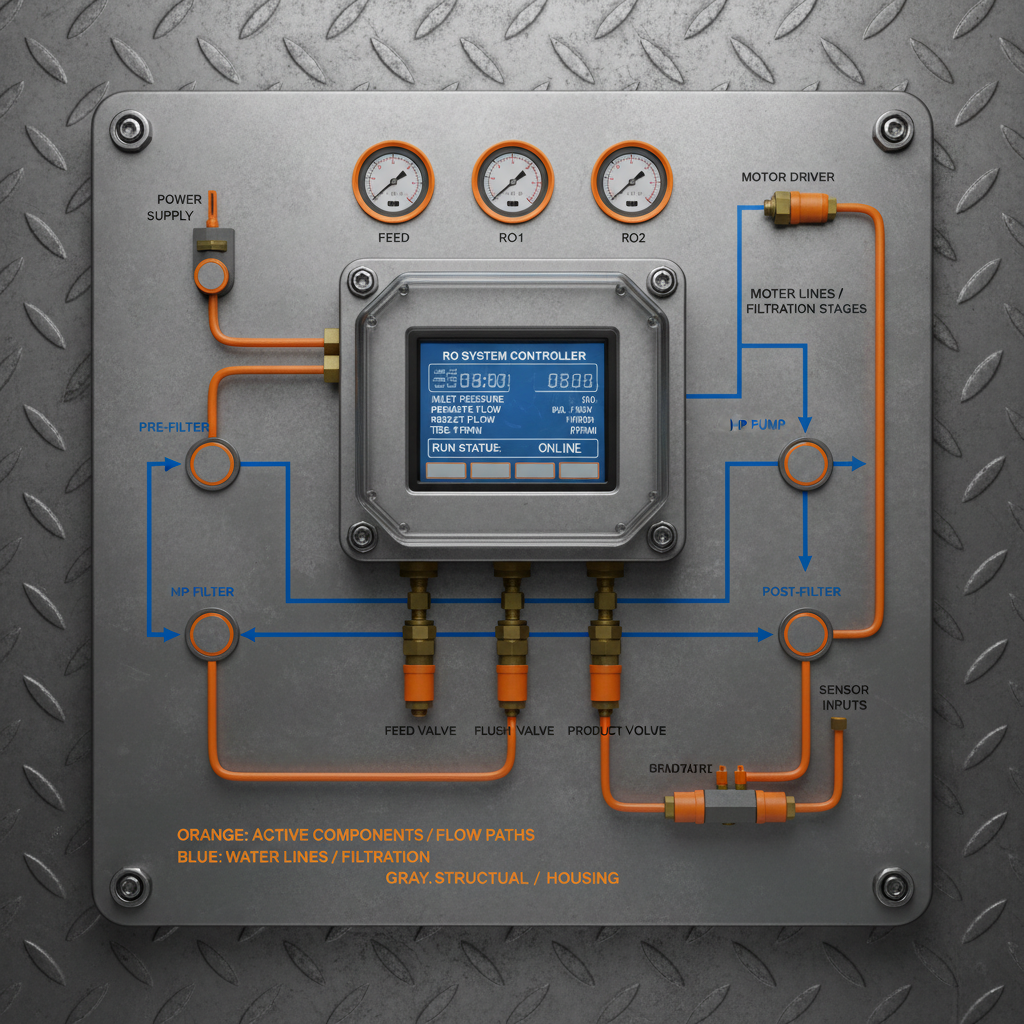
Understanding and Optimizing Reverse Osmosis Systems with a ControllerIn the world of water purification, reverse osmosis (RO) systems are a cornerstone for producing high-quality water for various applications, from drinking water to industrial processes. However, an RO system is only as effective as its control system. This is where the reverse osmosis controller comes into play. This critical component manages and optimizes the RO process, ensuring efficient operation, water quality, and system longevity.
2026-04-04 03:27:19
Understanding the Vital Role of an RO System Controller for Optimal PerformanceReverse Osmosis (RO) systems are critical for purifying water across various industries, from residential applications to large-scale industrial processes. At the heart of a well-functioning RO system lies the RO system controller. This intelligent device monitors and regulates all key parameters of the RO process, ensuring optimal performance, efficiency, and water quality. This article delves into the functionalities, benefits, and selection criteria for choosing the right RO system controller, particularly focusing on those offered by Watequipments. Understanding its role is crucial for maximizing the lifespan and effectiveness of your RO investment.
2026-03-24 17:18:24
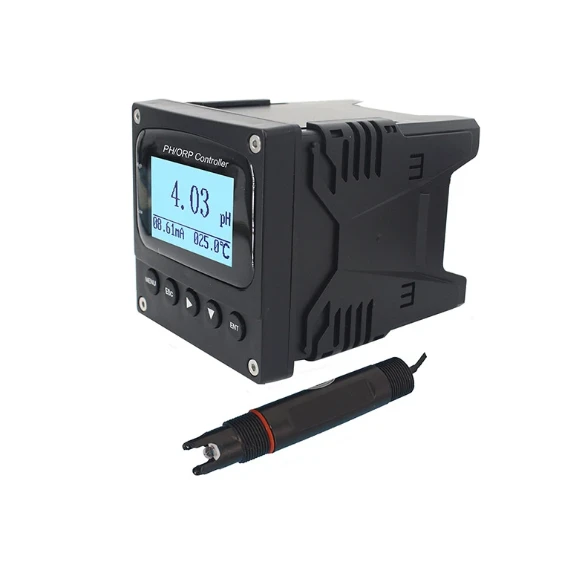
Smart Water Treatment Solutions Using PH ORP Controller SystemsIn modern water treatment and industrial fluid management, maintaining precise chemical balance is essential for safety, efficiency, and regulatory compliance.
2026-03-04 02:55:19
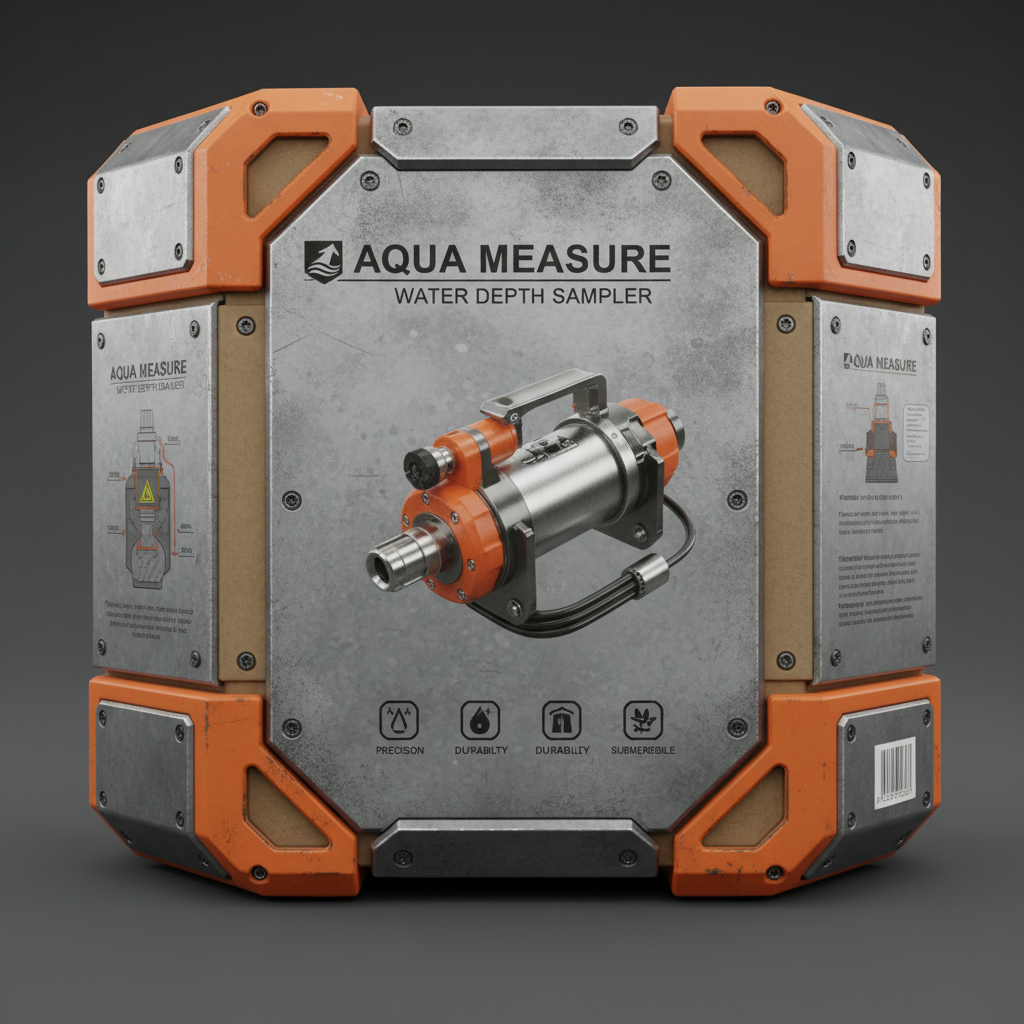
Comprehensive Guide to Water Depth Samplers and Their ApplicationsAccurate water quality monitoring is crucial in various fields, from environmental science and aquaculture to industrial wastewater management. A key tool for this is the water depth sampler. This article provides an in-depth look at water depth samplers, their applications, types, and essential considerations for choosing the right one for your needs. We'll explore the benefits of utilizing this equipment to collect reliable data for analysis and informed decision-making. Selecting the right sampler can significantly improve the precision and efficiency of your water monitoring program. A water depth sampler, also known as a depth-integrated sampler, is a device designed to collect water samples from specific depths within a body of water. Unlike simply dipping a container into the water, a depth sampler allows for collection of a representative sample across a defined depth range. This is critical because water properties (temperature, salinity, pollutants) often vary significantly with depth. The data gathered with a water depth sampler provides a more accurate assessment of water quality than surface samples alone.
2026-03-03 18:55:22
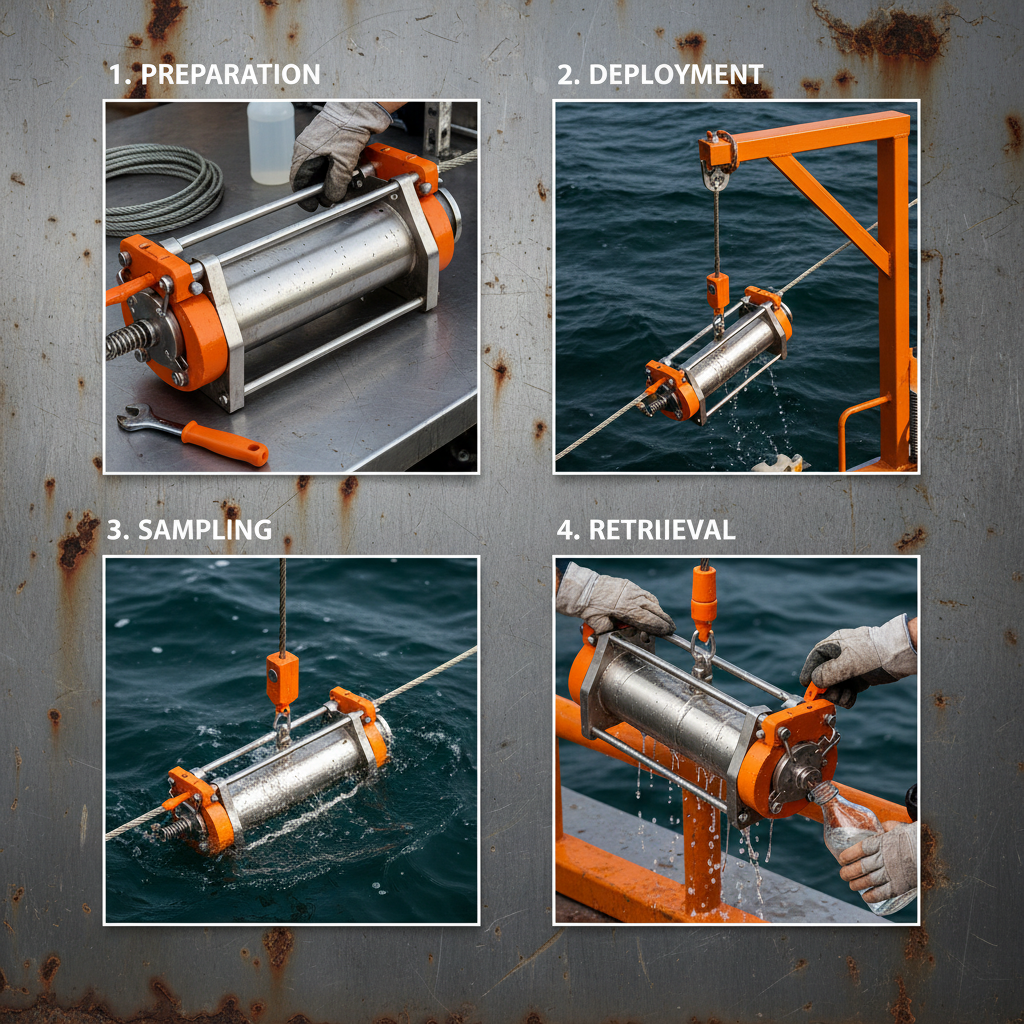
Comprehensive Guide to Horizontal Water Sampler Applications and SelectionCollecting water samples at varying depths is crucial for environmental monitoring, research, and quality control. The horizontal water sampler from Watequipment.com offers a precise and efficient solution for this task. This article provides an in-depth look at horizontal water samplers, their applications, benefits, and key considerations when choosing the right model. We will explore how these samplers contribute to accurate data collection and informed decision-making in various fields. A horizontal water sampler is a device designed to collect water samples from specific depths within a body of water – rivers, lakes, oceans, reservoirs, and even wastewater treatment plants. Unlike vertical samplers which primarily focus on depth, horizontal samplers prioritize collecting samples at a consistent depth while moving along a horizontal plane. This is essential for assessing water quality variations across a waterway or within a specific zone. They are used in applications ranging from environmental monitoring and scientific research to industrial process control and regulatory compliance.
2026-02-28 02:35:09
Comprehensive Guide to Selecting the Right Surface Water Sampler for Your NeedsMonitoring the quality of surface water is critical for environmental protection, public health, and various industrial applications. A surface water sampler is an essential tool for collecting representative samples from rivers, lakes, ponds, and other surface water sources. This article provides a detailed overview of surface water samplers, their types, applications, and key considerations for selecting the right equipment. Accurate water quality data relies on proper sample collection, and choosing the correct sampler is the first step toward achieving reliable results. Surface water samplers come in various designs, each suited to specific sampling needs. Common types include grab samplers, depth-integrating samplers, peristaltic pumps, and automatic samplers. Surface water samplers are used across a broad spectrum of applications, including environmental monitoring, wastewater discharge monitoring, drinking water source monitoring, agricultural runoff analysis, and research studies.

 English