


Optical Dissolved Oxygen Probe – Reliable Water Quality Monitoring Solutions

Optical Dissolved Oxygen Probe – Reliable Water Quality Monitoring Solutions
Nov . 25, 2025
Understanding the Role of the Optical Dissolved Oxygen Probe in Today's Water Monitoring
At first glance, an optical dissolved oxygen probe might sound like another jargon-heavy gadget no one really notices until it breaks. Yet, when you dig deeper, it turns out to be one of those quietly critical instruments safeguarding our water systems globally. Why care, you ask? Because dissolved oxygen — yep, the oxygen dissolved in water — is a keystone to aquatic life, wastewater treatment, and even industrial processes. Getting accurate, fast readings on that is not just geeky science, but a worldwide necessity.
Globally, reliable oxygen measurement helps governments manage water quality, industries optimize processes, and scientists protect ecosystems. Plus, with climate change stressing water resources, having precise tools like the optical dissolved oxygen probe is more than beneficial — it’s essential.
Why Optical Dissolved Oxygen Probes Matter Globally
The global freshwater crisis is no secret. According to the United Nations, over two billion people lack safely managed drinking water services. A large part of ensuring water safety involves understanding oxygen availability — which directly impacts how well aquatic organisms survive and how clean water remains. Traditional electrochemical probes have served well, but many struggle with drift, fouling, and calibration woes.
Enter optical dissolved oxygen probes. Using luminescence quenching technology rather than electrodes, these probes give faster, more stable, and maintenance-friendly readings. That’s a game-changer for remote monitoring stations in Africa, large-scale wastewater plants in Europe, or sensitive aquatic research in Asia.
Mini takeaway: Optical dissolved oxygen probes bring reliability and ease to an otherwise tricky and essential measurement around the world.
What Is an Optical Dissolved Oxygen Probe? A Simple Definition
Simply put, an optical dissolved oxygen probe detects oxygen dissolved in water by shining a light on a special sensor surface that glows (luminesces). Oxygen molecules interacting with this surface reduce the brightness or lifetime of the glow — this change tells the probe exactly how much oxygen is present. Unlike conventional electrodes, no chemical reactions or membranes are needed.
Think of it as a high-tech flashlight and sensor combo that can “see” oxygen levels without getting tired or fouled by deposits. This makes it especially handy for industries and environmental groups that need consistent, low-maintenance readings over long periods.
Mini takeaway: Optical probes work through luminescent sensors, rendering oxygen levels by changes in light rather than electrical signals.
Key Features That Make Optical Dissolved Oxygen Probes Stand Out
1. Durability and Maintenance Ease
One of the biggest headaches with dissolved oxygen measurements is sensor degradation. Optical probes often feature rugged sensor patches that last months or even years without requiring complex maintenance. No membranes to replace, no electrolyte gels drying up — this is a fresh breath of air.
2. Precise and Drift-Free Readings
Many engineers note how optical probes maintain accuracy longer than traditional electrochemical ones, which can drift and require frequent recalibration. Stable data is crucial when managing fish farms, wastewater facilities, or chemical production.
3. Fast Response Time
Because of the optical sensing technique, these probes respond quickly to changes, ideal for dynamic environments or real-time monitoring setups.
4. Versatility in Harsh Environments
Oxygen measuring often happens where conditions can be extreme — think salty seawater, wastewater with high solids, or deep aquifers. Optical probes withstand these conditions with less fouling and fewer sensor failures.
5. Integration and Scalability
Modern probes come with digital outputs and easy connectivity to SCADA or IoT networks, streamlining data collection and control for industries aiming for smart automation or remote monitoring.
Mini takeaway: These probes score high on durability, accuracy, speed, and adaptability — a must for the demanding real world.
Product Specification Sheet: Typical Optical Dissolved Oxygen Probe
| Feature | Specification |
|---|---|
| Measurement Range | 0 to 50 mg/L (ppm) |
| Accuracy | ±0.1 mg/L or ±1% FS |
| Response Time (T90) | |
| Operating Temperature | -5 to 50°C |
| Calibration | Factory calibrated; user re-calibration optional |
| Communication | Analog (4–20 mA), Modbus, SDI-12 |
Comparing Leading Vendors: Optical Dissolved Oxygen Probe Makers at a Glance
| Vendor | Sensor Longevity | Data Integration | Price Range | Industry Focus |
|---|---|---|---|---|
| AquaSense | 1 year average | SCADA, IoT ready | $$$ | Municipal & Industrial |
| OxyPro Systems | Up to 2 years | Modbus & Custom APIs | $$$$ | Research & Environmentals |
| ClearWater Tech | ~1.5 years | 4-20mA, SDI-12 | $$ | Aquaculture & Wastewater |
Real-World Applications: Who Benefits and How?
From coastal monitoring in the North Sea to remote Amazon Basin water quality stations, optical dissolved oxygen probes are quietly at work. They help:
- Environmental scientists track aquatic health with uninterrupted data.
- Aquaculture farms optimize oxygen supply to fish tanks, improving yields.
- Municipal wastewater plants regulate aeration, reducing energy costs and pollution.
- Industrial processes needing precise oxygen control, such as chemical reactors.
In post-disaster flood zones, rapid deployment monitoring with these probes can help NGOs assess water safety faster than legacy tools. Oddly enough, sometimes it's the least flashy tech that can save the day.
Advantages of Optical Dissolved Oxygen Probes: Beyond the Numbers
Sure, the specs tell part of the story. But the emotional and operational benefits are just as vital:
- Safety: Accurate oxygen levels mean cleaner water for communities, protecting health and livelihoods.
- Cost efficiency: Less maintenance, longer sensor life, and less downtime add up to real savings.
- Sustainability: Reduced consumables and energy use align with greener operational goals.
- Trust & innovation: Knowing your data is solid builds confidence for regulators and investors alike.
The Road Ahead: Innovations and Emerging Trends
Looking forward, optical probes are embracing even smarter integrations — automated self-cleaning, real-time cloud analytics, and nano-engineered sensor surfaces. Green energy projects, such as monitoring oxygen levels in bioenergy fermenters, increasingly lean on these sensors. As digital water management evolves, expect optical solutions to become the standard.
Challenges & Overcoming Them
Despite their advantages, these probes face hurdles such as initial cost and sensor patch replacement complexity for newbies. Still, industry experts recommend thorough training and vendor partnerships to ease adoption. Plus, manufacturers are rolling out more plug-and-play designs that almost feel like... well, magic.
FAQs About Optical Dissolved Oxygen Probes
- How often should I calibrate an optical dissolved oxygen probe?
- Generally, factory calibration lasts several months to over a year, but it's wise to check calibration quarterly, depending on usage and water conditions. Optical probes drift far less than electrochemical types, reducing downtime.
- Can optical probes be used in saltwater or brackish water?
- Yes, these probes perform excellently across freshwater to marine environments, with minimal fouling and reliable readings, making them versatile for different industries.
- What makes optical probes better than traditional Clark electrodes?
- Optical probes avoid membranes and electrolyte consumables, offer faster response times, and require less maintenance, making them more cost-effective and reliable in the long run.
- Are these probes suitable for remote monitoring setups?
- Absolutely. Their low maintenance and digital communication options allow integration with IoT and remote data collection systems, ideal for hard-to-access locations.
Wrapping Up
The optical dissolved oxygen probe may not be spotlight-snatching tech, but it’s certainly a silent hero ensuring water health worldwide — from bustling cities to quiet wetlands. Its blend of precision, durability, and innovation keeps industries running smoother, ecosystems healthier, and communities safer. If you're looking to upgrade your water monitoring setup, it’s worth checking out the latest in optical probe tech. Don't just take my word for it — explore options firsthand at https://www.watequipments.com and see how these sensors can fit your needs.
After all, clean water is more than a resource — it’s a lifeline.
References

Related Products
Related News

2026-04-16 03:20:19
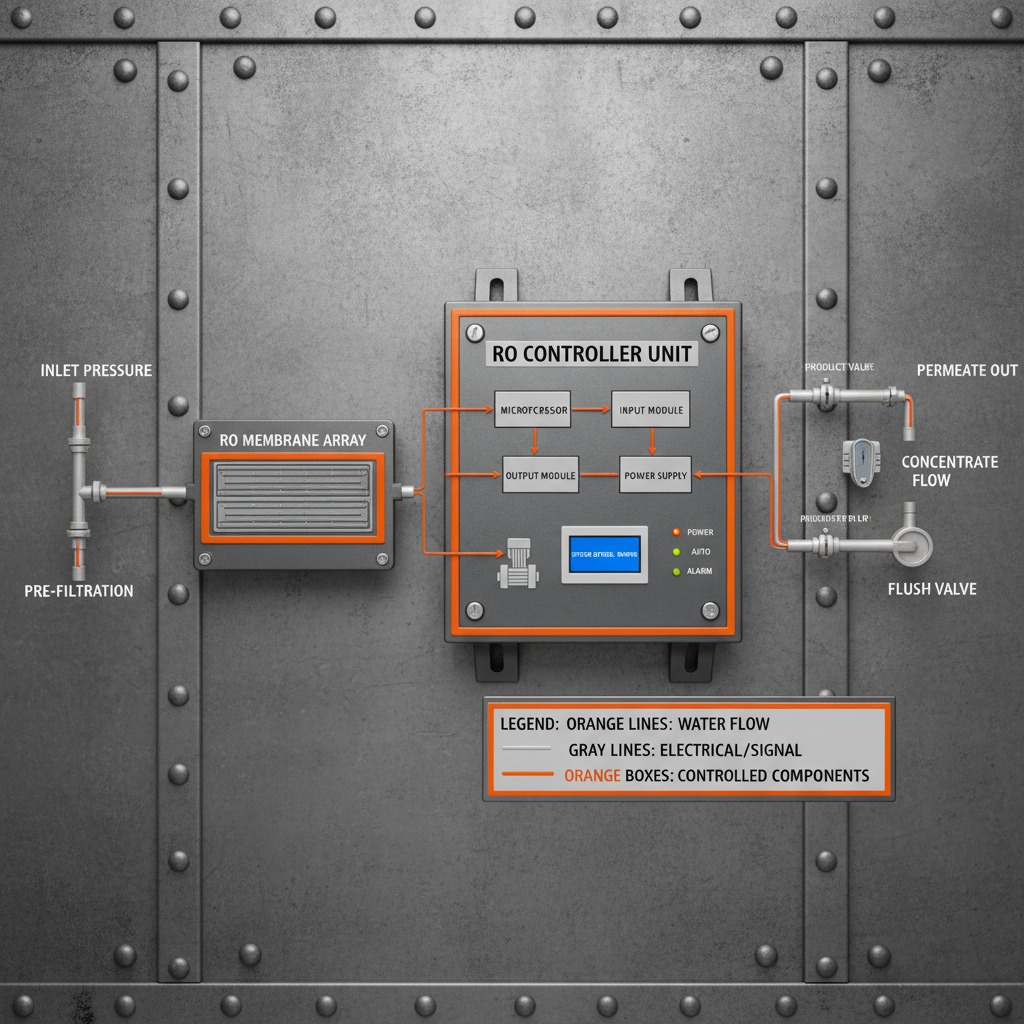
Guide to Choosing the Right RO Controller for Water PurificationMaintaining a high-performance reverse osmosis system requires more than just quality membranes; it demands precise regulation. An ro controller serves as the brain of the entire operation, monitoring critical parameters such as conductivity, temperature, and flow rates to ensure the output water meets stringent purity standards. Without an efficient controller, systems are prone to membrane fouling, inefficient energy use, and inconsistent water quality. In this comprehensive guide, we will explore how these devices optimize water treatment processes and how to select the best model for your specific industrial or commercial needs.
2026-04-09 03:25:47
Guide to Water Purity Using RO with TDS Controller SystemsAchieving the perfect balance of mineral content and purity in drinking water is a challenge for many households and industrial facilities. A ro with tds controller offers a sophisticated solution by combining the rigorous filtration of Reverse Osmosis (RO) with the precision of a Total Dissolved Solids (TDS) adjustment system. While standard RO systems remove almost everything, including beneficial minerals, a TDS controller allows users to re-mineralize the water to a desired level. This ensures that the water is not only safe and pure but also tastes better and provides essential nutrients.
2026-04-07 03:17:09
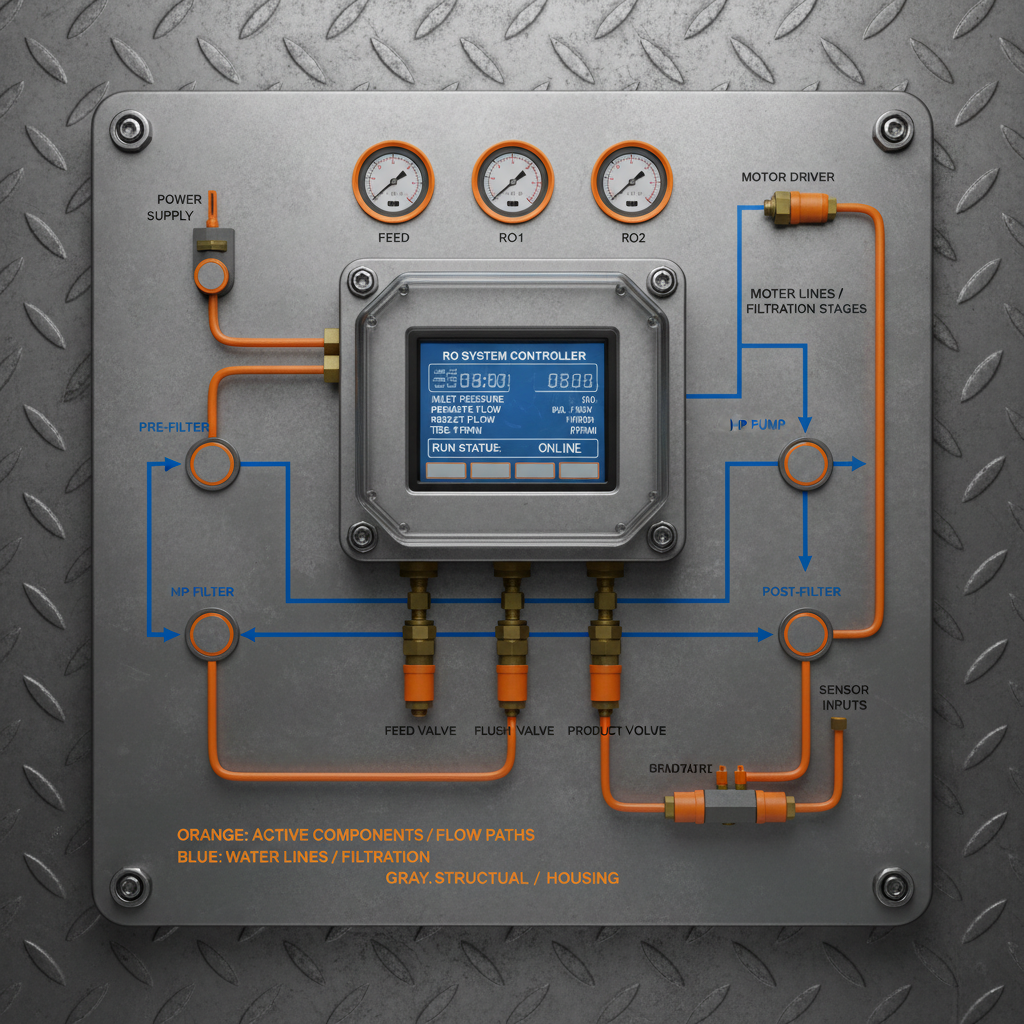
Understanding and Optimizing Reverse Osmosis Systems with a ControllerIn the world of water purification, reverse osmosis (RO) systems are a cornerstone for producing high-quality water for various applications, from drinking water to industrial processes. However, an RO system is only as effective as its control system. This is where the reverse osmosis controller comes into play. This critical component manages and optimizes the RO process, ensuring efficient operation, water quality, and system longevity.
2026-04-04 03:27:19
Understanding the Vital Role of an RO System Controller for Optimal PerformanceReverse Osmosis (RO) systems are critical for purifying water across various industries, from residential applications to large-scale industrial processes. At the heart of a well-functioning RO system lies the RO system controller. This intelligent device monitors and regulates all key parameters of the RO process, ensuring optimal performance, efficiency, and water quality. This article delves into the functionalities, benefits, and selection criteria for choosing the right RO system controller, particularly focusing on those offered by Watequipments. Understanding its role is crucial for maximizing the lifespan and effectiveness of your RO investment.
2026-03-24 17:18:24
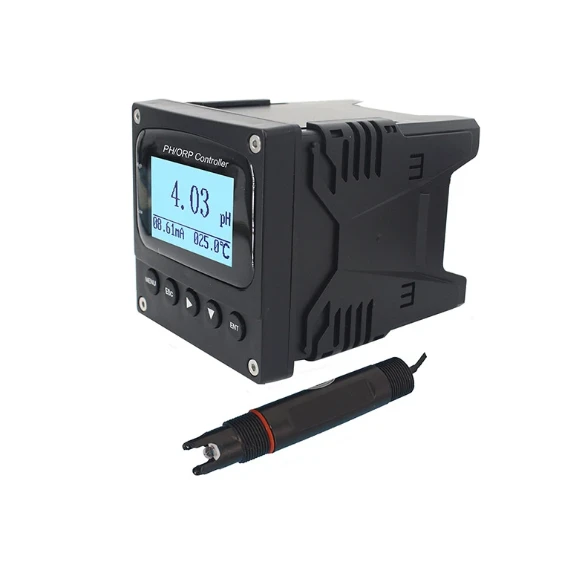
Smart Water Treatment Solutions Using PH ORP Controller SystemsIn modern water treatment and industrial fluid management, maintaining precise chemical balance is essential for safety, efficiency, and regulatory compliance.
2026-03-04 02:55:19
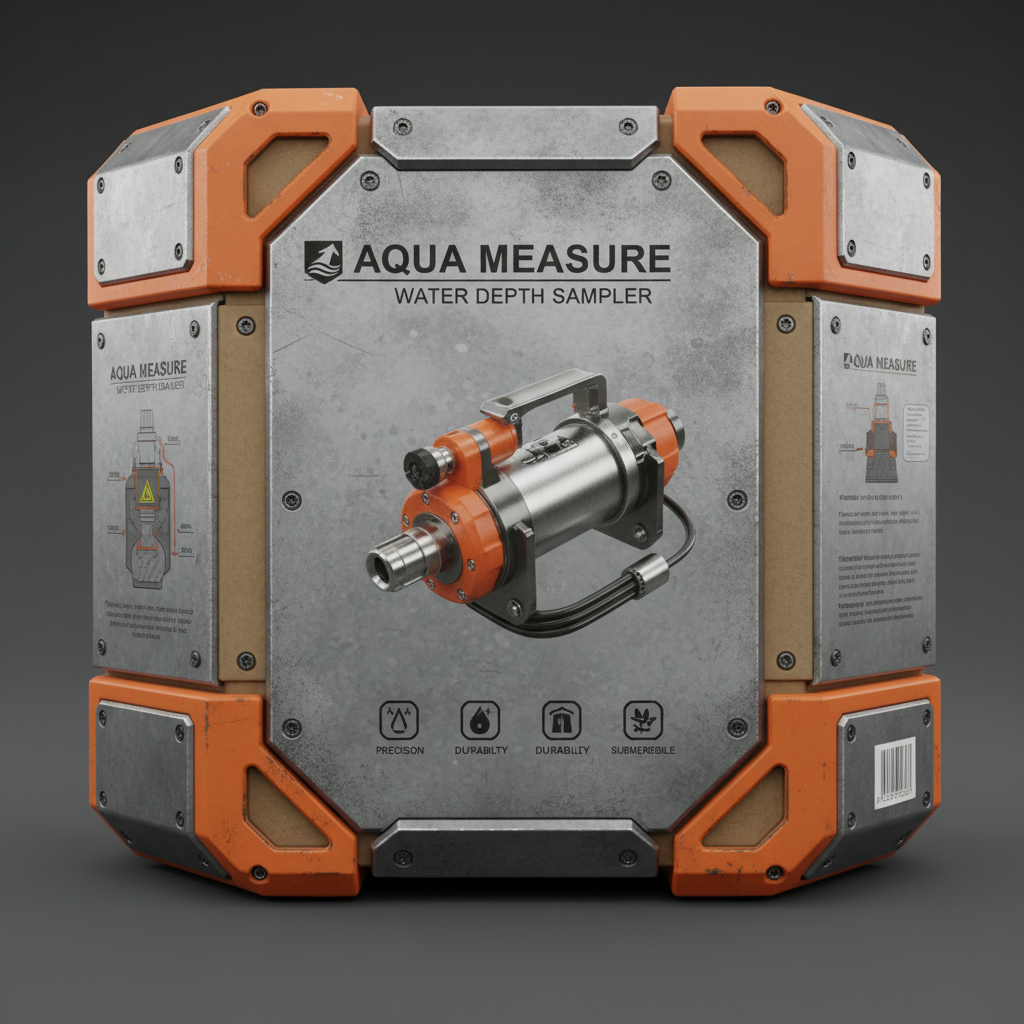
Comprehensive Guide to Water Depth Samplers and Their ApplicationsAccurate water quality monitoring is crucial in various fields, from environmental science and aquaculture to industrial wastewater management. A key tool for this is the water depth sampler. This article provides an in-depth look at water depth samplers, their applications, types, and essential considerations for choosing the right one for your needs. We'll explore the benefits of utilizing this equipment to collect reliable data for analysis and informed decision-making. Selecting the right sampler can significantly improve the precision and efficiency of your water monitoring program. A water depth sampler, also known as a depth-integrated sampler, is a device designed to collect water samples from specific depths within a body of water. Unlike simply dipping a container into the water, a depth sampler allows for collection of a representative sample across a defined depth range. This is critical because water properties (temperature, salinity, pollutants) often vary significantly with depth. The data gathered with a water depth sampler provides a more accurate assessment of water quality than surface samples alone.
2026-03-03 18:55:22
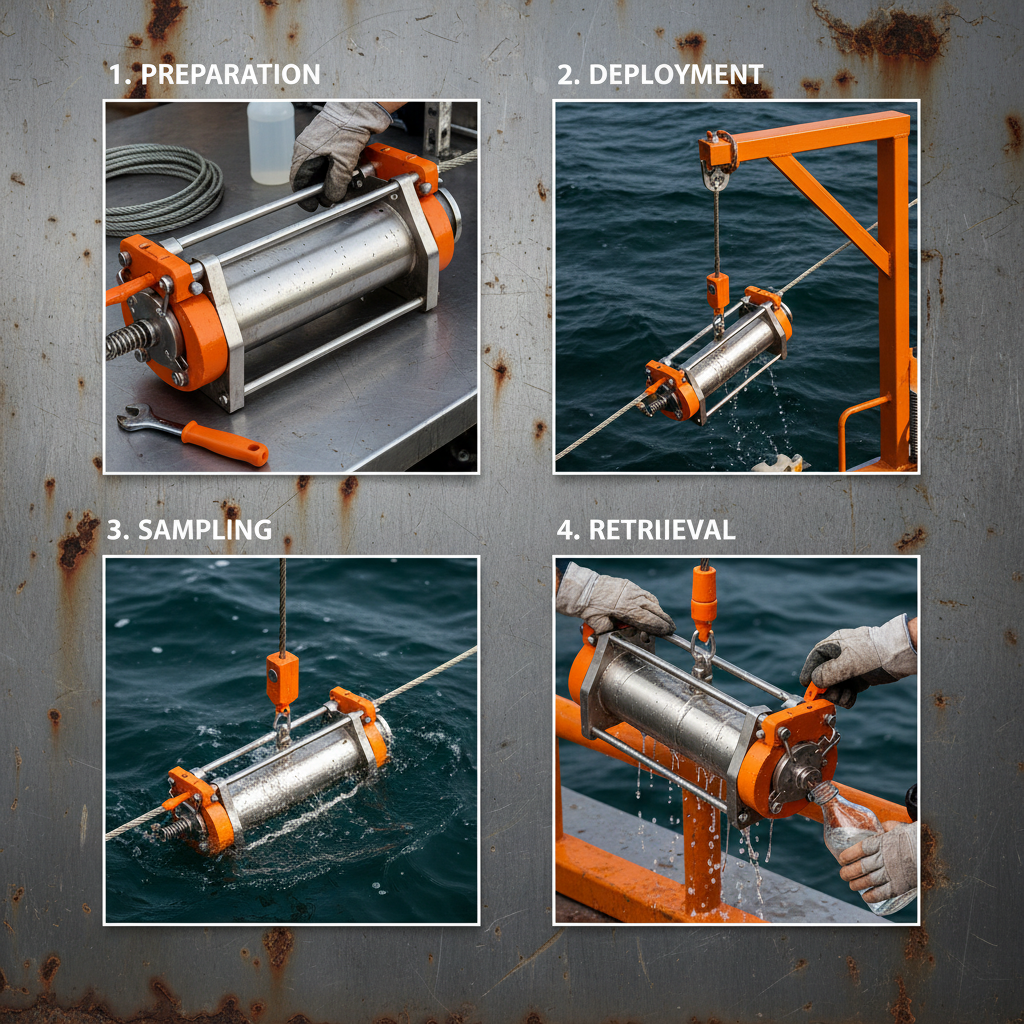
Comprehensive Guide to Horizontal Water Sampler Applications and SelectionCollecting water samples at varying depths is crucial for environmental monitoring, research, and quality control. The horizontal water sampler from Watequipment.com offers a precise and efficient solution for this task. This article provides an in-depth look at horizontal water samplers, their applications, benefits, and key considerations when choosing the right model. We will explore how these samplers contribute to accurate data collection and informed decision-making in various fields. A horizontal water sampler is a device designed to collect water samples from specific depths within a body of water – rivers, lakes, oceans, reservoirs, and even wastewater treatment plants. Unlike vertical samplers which primarily focus on depth, horizontal samplers prioritize collecting samples at a consistent depth while moving along a horizontal plane. This is essential for assessing water quality variations across a waterway or within a specific zone. They are used in applications ranging from environmental monitoring and scientific research to industrial process control and regulatory compliance.
2026-02-28 02:35:09
Comprehensive Guide to Selecting the Right Surface Water Sampler for Your NeedsMonitoring the quality of surface water is critical for environmental protection, public health, and various industrial applications. A surface water sampler is an essential tool for collecting representative samples from rivers, lakes, ponds, and other surface water sources. This article provides a detailed overview of surface water samplers, their types, applications, and key considerations for selecting the right equipment. Accurate water quality data relies on proper sample collection, and choosing the correct sampler is the first step toward achieving reliable results. Surface water samplers come in various designs, each suited to specific sampling needs. Common types include grab samplers, depth-integrating samplers, peristaltic pumps, and automatic samplers. Surface water samplers are used across a broad spectrum of applications, including environmental monitoring, wastewater discharge monitoring, drinking water source monitoring, agricultural runoff analysis, and research studies.

 English