


Comprehensive Guide to ORP and pH Meter: Uses & Benefits Worldwide

Comprehensive Guide to ORP and pH Meter: Uses & Benefits Worldwide
Dec . 13, 2025
Understanding ORP and pH Meters: Why They Matter Worldwide
Whether you're diving into water quality testing or managing wastewater treatment, chances are high that ORP and pH meters will become your go-to tools. These small but mighty instruments tell us so much about water's chemical balance — crucial for health, environment, and industry alike. Globally, fresh water scarcity and pollution are growing problems, and having precise, reliable measurements of oxidation-reduction potential (ORP) and acidity (pH) helps solve those challenges. It's a bit like getting a quick health checkup for water, aiding everything from safe drinking supplies to aquatic ecosystem preservation.
Mini takeaway: ORP and pH meters are essential instruments offering critical insight into water quality, impacting global health and industry.
The Global Importance of ORP and pH Measurement
Around 2 billion people worldwide lack safely managed drinking water, according to the World Health Organization (WHO). Whether in urban centers or remote villages, understanding water chemistry is fundamental to safeguarding this precious resource. ORP and pH meters measuring oxidation-reduction potential and acidity respectively provide key indicators: ORP can hint at water’s ability to break down contaminants through oxidation, while pH gauges its acidity or alkalinity.
The ISO standards for water testing emphasize these parameters for environmental compliance and industrial discharge. Industries ranging from food processing to pharmaceuticals rely on these metrics to maintain process quality. However, real challenges arise — unreliable or delayed readings can compromise safety, and field technicians often face harsh conditions demanding robust, portable tools.
Mini takeaway: Accurate ORP and pH readings are integral to global water safety initiatives and diverse industrial processes, yet challenges in deployment persist.
What is an ORP and pH Meter?
At its core, an ORP and pH meter is a handheld or laboratory device measuring two related but distinct chemical aspects of water. The pH meter gauges how acidic or alkaline the water is, on a scale typically from 0 to 14, while the ORP meter measures the water’s tendency to gain or lose electrons — a proxy for its oxidizing or reducing capacity. Put simply, pH tells you about hydrogen ion concentration, and ORP tells you about electron activity in the water.
These measurements inform decisions like how much chlorine to add in water treatment plants or assessing natural water bodies’ health. In humanitarian settings, quick monitoring of pH and ORP helps verify water safety for vulnerable populations. Modern meters often combine the two functions in one handheld unit to simplify testing.
Mini takeaway: ORP and pH meters provide complementary readings on water chemistry, crucial across industrial and humanitarian water quality management.
Key Features and Technical Considerations
1. Durability and Portability
Many field practitioners stress that a water quality meter’s value is only as good as its durability. Portable ORP and pH meters need waterproof housing and shock resistance to tolerate rough handling—especially in remote or disaster-impacted zones. Some models feature rugged rubber grips and IP67 ratings for dust and water protection.
2. Accuracy and Calibration
Accurate readings require routine calibration using standard buffer solutions. Sophisticated meters offer auto-calibration or multi-point calibration to reduce human error. Temperature compensation also is crucial since pH and ORP values shift with temperature changes.
3. Data Logging and Connectivity
Modern users appreciate meters with digital data logging and Bluetooth or USB output. Connecting readings to software or smartphone apps improves record-keeping, enables remote monitoring, and facilitates compliance reporting.
4. Cost Efficiency
Depending on the features, meters vary from budget options under $100 to advanced scientific instruments costing several thousand dollars. Balancing initial cost against accuracy, durability, and after-sales support often influences procurement decisions.
5. Ease of Use
Especially in humanitarian or industrial settings, simple interfaces with clear displays reduce training barriers and errors. Some meters include graphical interfaces and audible alerts for out-of-range readings.
| Specification | Typical Range/Feature |
|---|---|
| pH Measurement Range | 0.00 – 14.00 pH |
| ORP Measurement Range | -1000 to +1000 mV |
| Accuracy | ±0.01 pH, ±1 mV ORP |
| Temperature Compensation | Automatic, 0 – 50°C |
| Power Source | Rechargeable battery / USB |
| Data Output | USB, Bluetooth |
Real-World Applications of ORP and pH Meters
The industries and sectors relying on ORP and pH meters actually span far beyond what most people expect. The food and beverage sector uses them to ensure product quality and safety. Wastewater facilities depend on oxidation-reduction potential measurements to maintain efficient biological treatment processes. Aquaculture farms monitor pH and ORP to keep water conditions optimal for fish and plants.
Additionally, humanitarian organizations in disaster zones or refugee camps deploy portable ORP and pH meters to quickly verify safe water sources. For example, after cyclones in Southeast Asia, NGOs regularly test well water for residual disinfectants and contaminants using these meters. Industrial chemical plants’ environmental compliance departments also monitor effluent using these devices.
Mini takeaway: ORP and pH meters see action in a surprisingly diverse range of real-world contexts, from sustainable aquaculture to emergency water testing.
Advantages and Long-Term Value of Using ORP and pH Devices
- Cost Savings: Identifying water quality issues early avoids costly chemical overdosing or equipment corrosion.
- Sustainability: Accurate ORP and pH control means better optimized treatments, reducing chemical usage and environmental impact.
- Reliable Safety: Ensures drinking water meets safety standards, protecting health and dignity in communities worldwide.
- Operational Efficiency: Real-time measurement shortens response times and improves process stability.
Frankly, in any setting where water quality matters, having dependable, easy to use meters builds trust and innovation—things you don’t always notice but miss when absent.
Emerging Trends and Innovations in ORP and pH Monitoring
The landscape is evolving fast. We’re seeing increased integration of ORP and pH sensors with IoT platforms, enabling continuous, remote water quality monitoring — quite handy for inaccessible locations. Materials science advances are producing longer-lasting electrodes less prone to fouling. Eco-friendly designs using recyclable plastics and reduced hazardous materials reflect green energy trends.
Artificial intelligence algorithms can now interpret complex data sets from multi-parameter probes, flagging abnormalities early. Also, microfluidics-based devices are making their way into handheld instruments, promising ultra-low sample volumes and faster readings.
Addressing Challenges and Practical Solutions
Despite improvements, issues remain. Calibration still requires some manual input; harsh or contaminated samples can degrade electrodes rapidly. However, many engineers say regular maintenance schedules and sensor cleaning can extend device life significantly.
Another challenge is training—untrained operators might misinterpret results or miss calibration steps. Many equipment vendors now offer user-friendly manuals, online tutorials, and direct customer support to help overcome this.
| Vendor | Price Range | Portability | Advanced Features | Customer Support |
|---|---|---|---|---|
| Hach | $$$ (High-End) | Handheld/Benchtop | Bluetooth, Auto Calibration | 24/7 Phone & Online |
| Milwaukee | $ - $$ (Entry to Mid) | Pocket-Size, Light | Manual Calibration | Email & Chat Support |
| Hanna Instruments | $$ (Mid-Range) | Rugged Portable | Data Logging, USB Output | Extensive Online Resources |
FAQ: Your ORP and pH Meter Questions Answered
Q1: How often should I calibrate my ORP and pH meter for reliable results?
Experts recommend calibrating your meters before each major use or at least once per week if used continuously. Frequent calibration ensures accuracy, compensates for electrode drift, and adapts to temperature changes.
Q2: Can I use one meter for both ORP and pH measurements?
Yes, many modern meters combine ORP and pH functions into a single device, making testing more convenient without sacrificing precision. Just ensure the model supports both ranges and calibrations separately.
Q3: What common mistakes should I avoid when using ORP and pH meters in the field?
Avoid skipping calibration, exposing sensors to extreme temperatures beyond specs, and failing to clean electrodes regularly. Also, handle the electrodes gently to prevent damage and store them in proper storage solutions.
Q4: Are ORP and pH meters useful for emergency water safety testing?
Absolutely. Portable ORP and pH meters enable rapid assessment of water safety by indicating disinfectant residuals and acidity, critical in disaster relief and humanitarian response.
Wrapping It Up: Why ORP and pH Meters Deserve Your Attention
Navigating water quality challenges worldwide is complex, but ORP and pH meters stand out as adaptable, proven tools. Their role ranges from ensuring safe drinking water in vulnerable communities to optimizing industrial processes and protecting fragile ecosystems. As technology advances, these meters become smarter, easier, and greener — meeting tomorrow’s challenges with innovation.
Interested in learning more or upgrading your water testing toolkit? Visit orp and ph meter for trusted experts and top-quality instruments.
References:
1. World Health Organization, Water Quality Guidelines (https://www.who.int)
2. ISO 10523:2012, Water Quality - Determination of pH
3. United Nations Water Development Report 2023

Related Products
Related News

2026-04-16 03:20:19
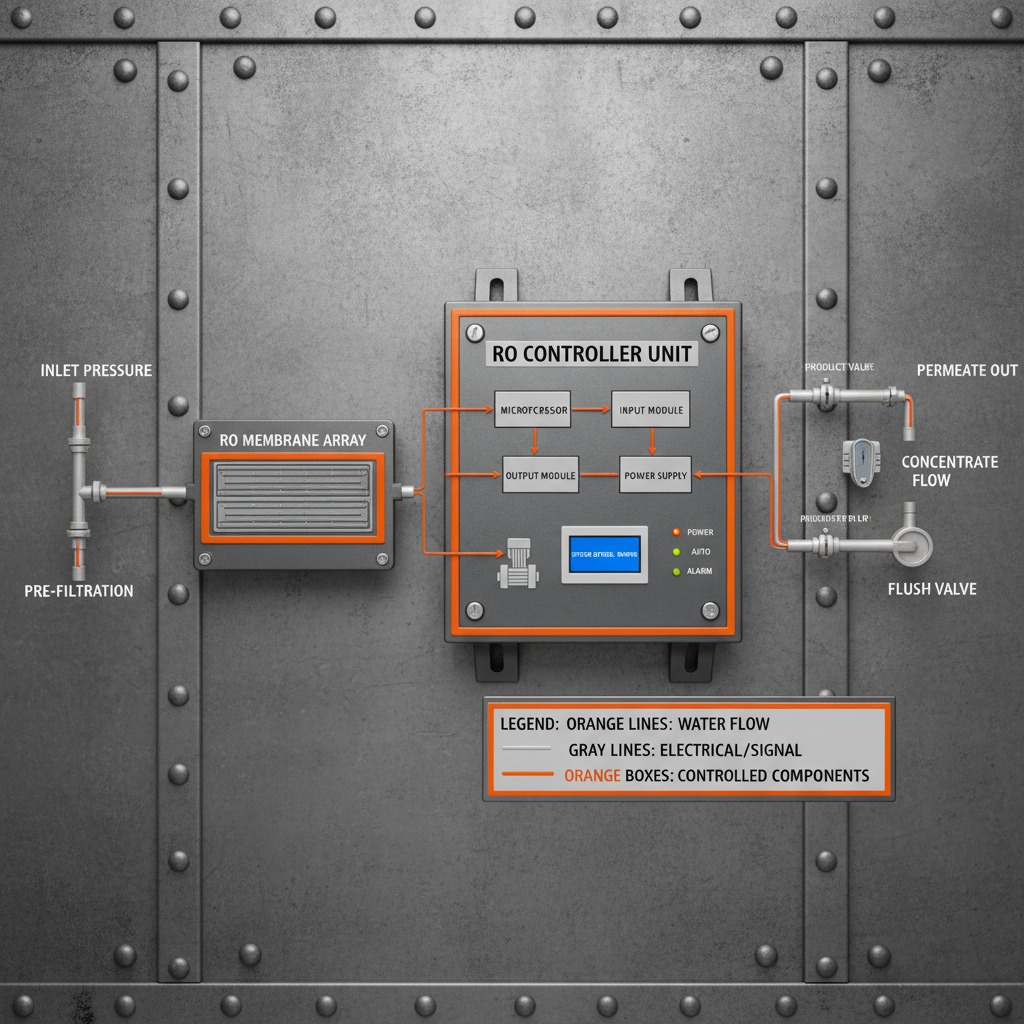
Guide to Choosing the Right RO Controller for Water PurificationMaintaining a high-performance reverse osmosis system requires more than just quality membranes; it demands precise regulation. An ro controller serves as the brain of the entire operation, monitoring critical parameters such as conductivity, temperature, and flow rates to ensure the output water meets stringent purity standards. Without an efficient controller, systems are prone to membrane fouling, inefficient energy use, and inconsistent water quality. In this comprehensive guide, we will explore how these devices optimize water treatment processes and how to select the best model for your specific industrial or commercial needs.
2026-04-09 03:25:47
Guide to Water Purity Using RO with TDS Controller SystemsAchieving the perfect balance of mineral content and purity in drinking water is a challenge for many households and industrial facilities. A ro with tds controller offers a sophisticated solution by combining the rigorous filtration of Reverse Osmosis (RO) with the precision of a Total Dissolved Solids (TDS) adjustment system. While standard RO systems remove almost everything, including beneficial minerals, a TDS controller allows users to re-mineralize the water to a desired level. This ensures that the water is not only safe and pure but also tastes better and provides essential nutrients.
2026-04-07 03:17:09
Understanding and Optimizing Reverse Osmosis Systems with a ControllerIn the world of water purification, reverse osmosis (RO) systems are a cornerstone for producing high-quality water for various applications, from drinking water to industrial processes. However, an RO system is only as effective as its control system. This is where the reverse osmosis controller comes into play. This critical component manages and optimizes the RO process, ensuring efficient operation, water quality, and system longevity.
2026-04-04 03:27:19
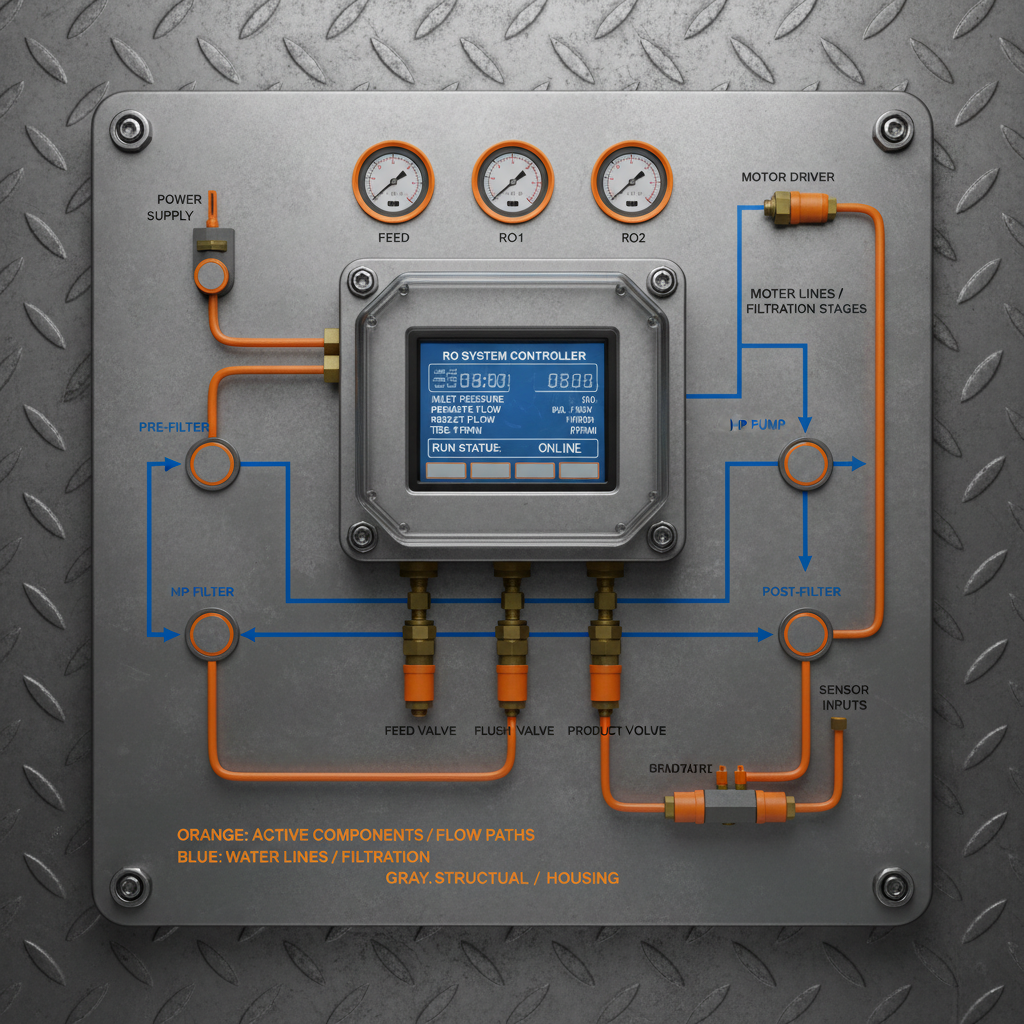
Understanding the Vital Role of an RO System Controller for Optimal PerformanceReverse Osmosis (RO) systems are critical for purifying water across various industries, from residential applications to large-scale industrial processes. At the heart of a well-functioning RO system lies the RO system controller. This intelligent device monitors and regulates all key parameters of the RO process, ensuring optimal performance, efficiency, and water quality. This article delves into the functionalities, benefits, and selection criteria for choosing the right RO system controller, particularly focusing on those offered by Watequipments. Understanding its role is crucial for maximizing the lifespan and effectiveness of your RO investment.
2026-03-24 17:18:24
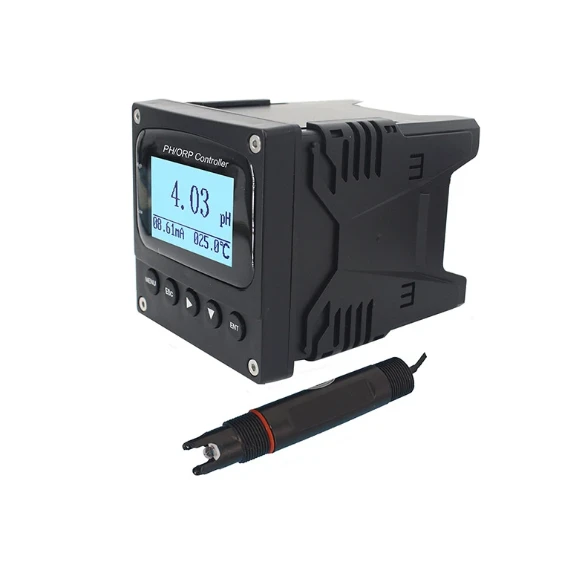
Smart Water Treatment Solutions Using PH ORP Controller SystemsIn modern water treatment and industrial fluid management, maintaining precise chemical balance is essential for safety, efficiency, and regulatory compliance.
2026-03-04 02:55:19
Comprehensive Guide to Water Depth Samplers and Their ApplicationsAccurate water quality monitoring is crucial in various fields, from environmental science and aquaculture to industrial wastewater management. A key tool for this is the water depth sampler. This article provides an in-depth look at water depth samplers, their applications, types, and essential considerations for choosing the right one for your needs. We'll explore the benefits of utilizing this equipment to collect reliable data for analysis and informed decision-making. Selecting the right sampler can significantly improve the precision and efficiency of your water monitoring program. A water depth sampler, also known as a depth-integrated sampler, is a device designed to collect water samples from specific depths within a body of water. Unlike simply dipping a container into the water, a depth sampler allows for collection of a representative sample across a defined depth range. This is critical because water properties (temperature, salinity, pollutants) often vary significantly with depth. The data gathered with a water depth sampler provides a more accurate assessment of water quality than surface samples alone.
2026-03-03 18:55:22
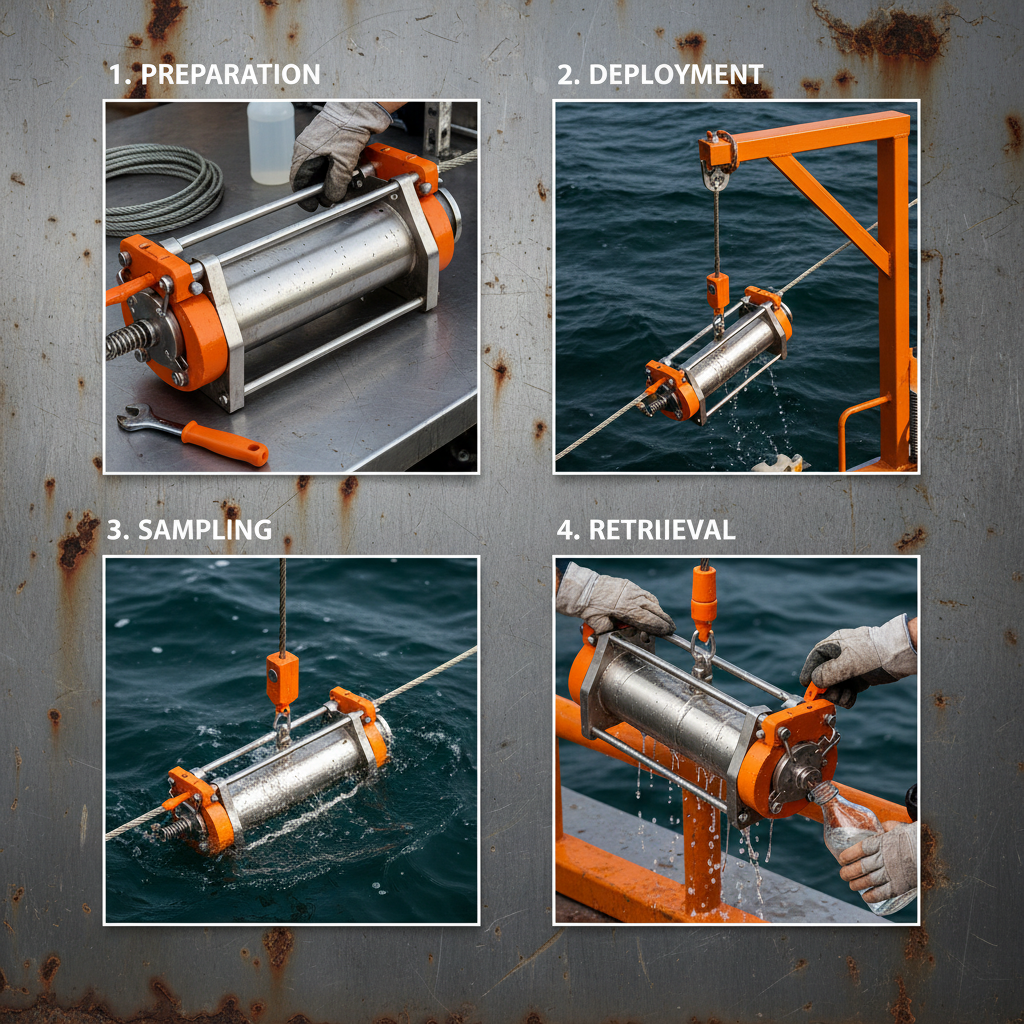
Comprehensive Guide to Horizontal Water Sampler Applications and SelectionCollecting water samples at varying depths is crucial for environmental monitoring, research, and quality control. The horizontal water sampler from Watequipment.com offers a precise and efficient solution for this task. This article provides an in-depth look at horizontal water samplers, their applications, benefits, and key considerations when choosing the right model. We will explore how these samplers contribute to accurate data collection and informed decision-making in various fields. A horizontal water sampler is a device designed to collect water samples from specific depths within a body of water – rivers, lakes, oceans, reservoirs, and even wastewater treatment plants. Unlike vertical samplers which primarily focus on depth, horizontal samplers prioritize collecting samples at a consistent depth while moving along a horizontal plane. This is essential for assessing water quality variations across a waterway or within a specific zone. They are used in applications ranging from environmental monitoring and scientific research to industrial process control and regulatory compliance.
2026-02-28 02:35:09
Comprehensive Guide to Selecting the Right Surface Water Sampler for Your NeedsMonitoring the quality of surface water is critical for environmental protection, public health, and various industrial applications. A surface water sampler is an essential tool for collecting representative samples from rivers, lakes, ponds, and other surface water sources. This article provides a detailed overview of surface water samplers, their types, applications, and key considerations for selecting the right equipment. Accurate water quality data relies on proper sample collection, and choosing the correct sampler is the first step toward achieving reliable results. Surface water samplers come in various designs, each suited to specific sampling needs. Common types include grab samplers, depth-integrating samplers, peristaltic pumps, and automatic samplers. Surface water samplers are used across a broad spectrum of applications, including environmental monitoring, wastewater discharge monitoring, drinking water source monitoring, agricultural runoff analysis, and research studies.

 English