


Understanding pH ORP Meters: Key Tech for Water Quality Control

Understanding pH ORP Meters: Key Tech for Water Quality Control
Dec . 13, 2025
Why pH ORP Meters Matter in Today’s Global Water Management
Water quality is undoubtedly one of the most critical issues facing humanity. Whether it’s for agriculture, municipal supplies, or industrial processes, monitoring parameters like pH and oxidation-reduction potential (ORP) is indispensable. pH ORP meters serve as the unsung heroes in this realm, providing continuous, reliable data to protect ecosystems, public health, and production efficiency.
Globally, wastewater and drinking water systems need constant vigilance. According to the World Health Organization, nearly 2 billion people use a drinking water source contaminated with feces — a tragic reminder that tools like pH ORP meters are far from mere luxury. For environmental agencies and industries, these instruments represent a practical way to detect contamination, optimize chemical dosing, and maintain compliance with increasingly stringent guidelines. Their ability to gauge oxidation levels helps identify disinfection status and toxic organic compounds indirectly.
Mini takeaway: pH ORP meters play a subtle but vital role in managing water safety worldwide, bridging gaps between science, regulation, and practical application.
What is a pH ORP Meter and Why Does it Matter?
At its heart, a pH ORP meter is a device that simultaneously measures two crucial water parameters: pH, indicating acidity or alkalinity, and ORP, which stands for oxidation-reduction potential. The pH scale is more familiar, ranging from 0 (very acidic) to 14 (very alkaline), with 7 as neutral. ORP values, measured in millivolts, tell you how oxidizing or reducing your sample is—a proxy for water’s chemical reactivity.
Why track both? Because that combination unlocks a fuller picture of water quality. Industries like food & beverage, pharmaceuticals, wastewater treatment, and aquaculture rely on these readings to ensure processes run smoothly. In humanitarian contexts, this meter can flag harmful contamination risks fast, enabling quicker corrective actions.
Oddly enough, although pH measurement is a centuries-old practice, combining it with ORP readings is relatively modern and reflects an evolution towards smarter monitoring, driven by stricter standards and advanced control systems.
Mini takeaway: A pH ORP meter is essentially your water quality double-act, measuring acidity and chemical reactivity for smarter insights wherever water matters.
Core Features of pH ORP Meters That Make Them Essential
1. Dual-Sensor Technology
Most models come equipped with electrodes for both pH and ORP, often housed within a single probe. This design saves space and simplifies maintenance, allowing simultaneous measurements without swapping instruments.
2. Durability and Water Resistance
Industrial or field applications demand rugged devices. Many pH ORP meters boast IP67 or higher ratings, ensuring they survive harsh weather, wastewater exposure, or chemical sprays. This reliability reduces downtime and replacement costs.
3. Calibration and Stability
Frequent calibration is a given in analytical shifts, but quality meters maintain stability longer, thanks to advanced electronics and self-cleaning probes. Some even feature automatic temperature compensation, crucial since pH readings can fluctuate with temperature.
4. Data Logging and Connectivity
Modern meters often provide memory storage for historic data, USB or Bluetooth interfaces, and compatibility with SCADA systems. This interoperability supports integrated water management strategies and remote monitoring.
5. Power Options and Portability
Battery-powered or mains-connected, portable handheld versions prioritize field flexibility, while stationary probes can be fixed in-line for continuous monitoring.
| Specification | Typical Range/Features |
|---|---|
| pH Range | 0–14 pH units |
| ORP Range | -2000 to +2000 mV |
| Temperature Range | 0°C to 100°C (32°F to 212°F) |
| Calibration | Multi-point with temperature compensation |
| Connectivity | USB, Bluetooth, 4–20 mA outputs |
| Protection Class | IP67 or higher |
Mini takeaway: The technology behind pH ORP meters is becoming increasingly sophisticated — blending durability and digital ease into a device that water professionals count on.
How industries and regions leverage pH ORP meters in real life
The beauty of pH ORP meters is how versatile they are. From densely packed mega-cities to remote areas, these sensors underpin efforts to keep water safe and standards met.
- Wastewater Treatment Plants: In urban hubs like Berlin or Tokyo, continuous ORP monitoring guarantees optimized chlorine dosing, avoiding overuse or under-disinfection.
- Aquaculture Farms: Norway’s salmon farms use these meters to stabilize water conditions, crucial to fish health and yield.
- Food & Beverage Operations: Breweries and dairies globally depend on precise pH levels; even slight deviations impact taste and shelf life.
- Humanitarian Efforts: In post-disaster zones, emergency water supplies are quickly tested using portable pH ORP meters, accelerating the distribution of safe water.
- Remote Industrial Sites: Mining operations in Australia deploy rugged ORP meters to monitor acid mine drainage, protecting downstream ecosystems.
Mini takeaway: Whether it’s industrial efficiency or life-saving intervention, pH ORP meters find purpose everywhere water quality matters.
A Comparison of Leading pH ORP Meters on the Market
| Vendor | Durability | Calibration Ease | Connectivity | Price Range |
|---|---|---|---|---|
| Xylem YSI ProDSS | High (IP68) | Moderate | Bluetooth, USB | $$$ |
| Hach HQ40d | Medium (IP67) | Easy (Auto calibrate) | USB, 4–20 mA | $$ |
| Hanna HI98120 | Medium (IP67) | Simple manual calibration | None | $ |
Advantages and the Long-Term Value of pH ORP Meters
Beyond just measurements, these devices translate to cost savings, regulatory peace of mind, and reduced environmental footprint. Reduced chemical waste is a tangible economic and ecological win, and the social benefit of providing clean water lends a moral weight to their use.
I find it compelling how many engineers talk about trust—as in, knowing your measurements can truly be relied on, not just once but across months and years. That reliability builds safety—both for operators and communities depending on clean water.
Emerging Trends Shaping the Future of pH ORP Meter Technology
The future is digital: expect more integration with IoT platforms for real-time alerts and AI-based data analytics predicting system changes before problems occur. Battery tech improvements and greener materials are also trending as manufacturers respond to climate awareness and tighter regulations.
For example, wearable-like probes and ultra-low maintenance sensors stake a claim in remote monitoring where human intervention is minimal or costly.
Challenges and Innovative Solutions in pH ORP Meter Use
Admittedly, these meters aren’t plug-and-play miracles. Probe fouling, calibration drift, and sensor lifespan remain practical challenges. However, advanced coatings, self-cleaning mechanisms, and more intuitive user calibration software lessen these issues. Providers are also supporting users with remote technical service or enhanced training.
FAQ: Frequently Asked Questions About pH ORP Meter
- Q: How often should I calibrate a pH ORP meter?
A: Calibration frequency depends on use but generally at least once a week for continuous monitoring. Spot checks after heavy chemical exposure or drastic environmental changes help maintain accuracy. - Q: Can a pH ORP meter detect specific contaminants?
A: Not directly. The meter measures broad chemical indicators (pH and redox), which can infer water quality issues but don’t identify specific pollutants without lab analysis. - Q: Are handheld pH ORP meters as accurate as stationary systems?
A: Modern handheld meters provide reliable spot measurements when properly maintained, though stationary setups enable continuous real-time data with often higher precision. - Q: What water temperatures are suitable for pH ORP measurements?
A: Most meters measure accurately between 0°C to 100°C. Extreme temperatures require specialized probes. - Q: How do I choose the right pH ORP meter for my industry?
A: Consider measurement range, environmental conditions, connectivity, and calibration ease. Consulting specialists or real-user reviews helps find a suitable match.
Conclusion: Why Investing in Quality pH ORP Meters Pays Off
Understanding and managing water quality through effective tools like pH ORP meters is more than a technical task—it’s a commitment to safety, environmental stewardship, and operational excellence. Whether you’re overseeing a municipal water treatment, running a fish farm, or working in disaster relief, these devices empower smarter decisions. So, next time you consider water quality measurement options, remember that reliable pH and ORP monitoring pays dividends that cascade far beyond your day-to-day work.
Explore more and find the right pH ORP meter for your needs at Water Equipment.
References & Further Reading:

Related Products
Related News

2026-04-16 03:20:19
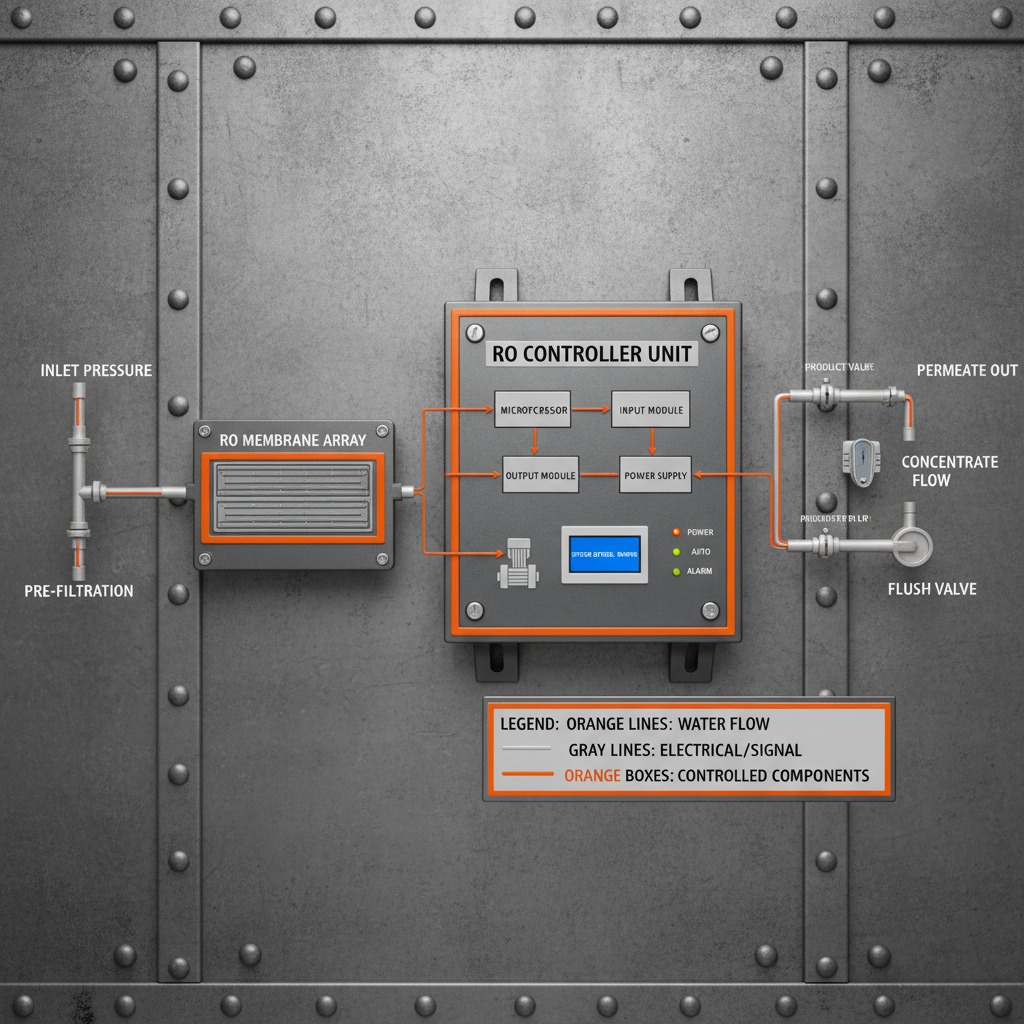
Guide to Choosing the Right RO Controller for Water PurificationMaintaining a high-performance reverse osmosis system requires more than just quality membranes; it demands precise regulation. An ro controller serves as the brain of the entire operation, monitoring critical parameters such as conductivity, temperature, and flow rates to ensure the output water meets stringent purity standards. Without an efficient controller, systems are prone to membrane fouling, inefficient energy use, and inconsistent water quality. In this comprehensive guide, we will explore how these devices optimize water treatment processes and how to select the best model for your specific industrial or commercial needs.
2026-04-09 03:25:47
Guide to Water Purity Using RO with TDS Controller SystemsAchieving the perfect balance of mineral content and purity in drinking water is a challenge for many households and industrial facilities. A ro with tds controller offers a sophisticated solution by combining the rigorous filtration of Reverse Osmosis (RO) with the precision of a Total Dissolved Solids (TDS) adjustment system. While standard RO systems remove almost everything, including beneficial minerals, a TDS controller allows users to re-mineralize the water to a desired level. This ensures that the water is not only safe and pure but also tastes better and provides essential nutrients.
2026-04-07 03:17:09
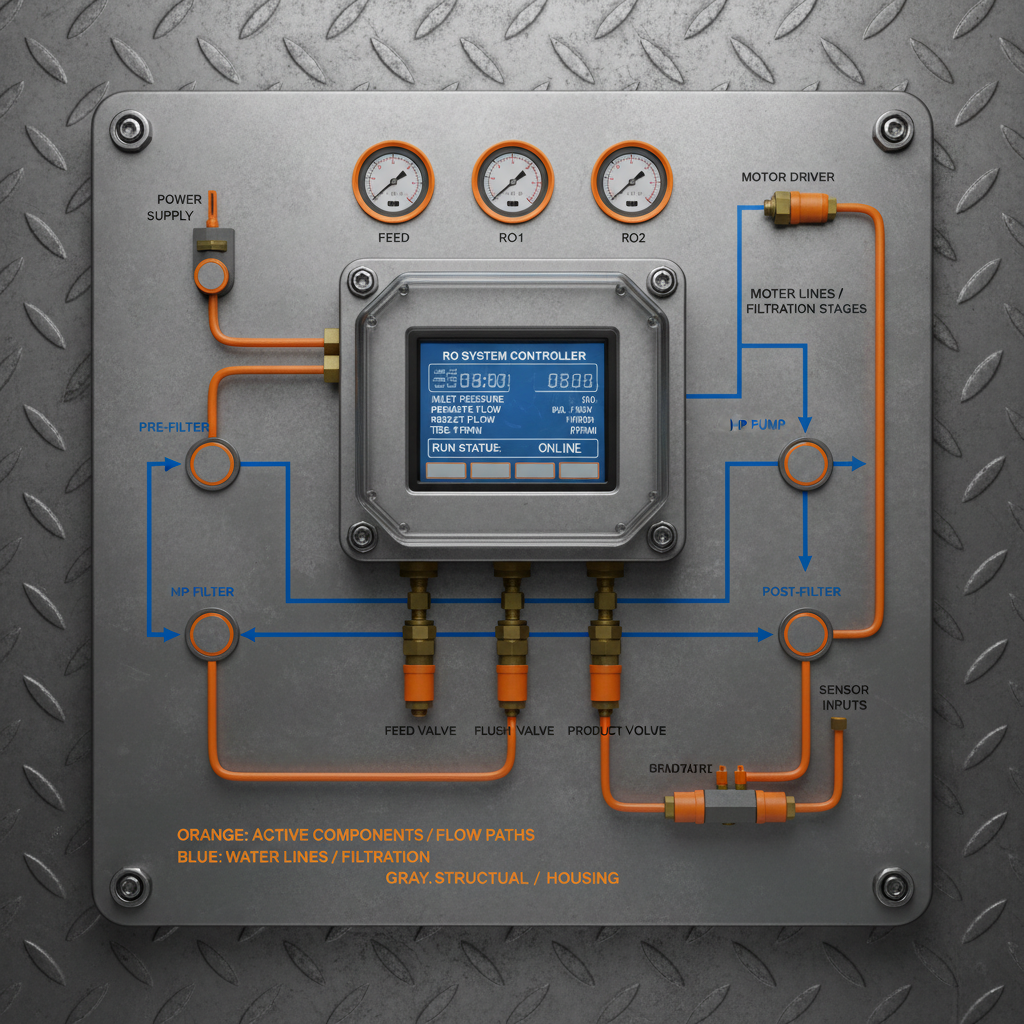
Understanding and Optimizing Reverse Osmosis Systems with a ControllerIn the world of water purification, reverse osmosis (RO) systems are a cornerstone for producing high-quality water for various applications, from drinking water to industrial processes. However, an RO system is only as effective as its control system. This is where the reverse osmosis controller comes into play. This critical component manages and optimizes the RO process, ensuring efficient operation, water quality, and system longevity.
2026-04-04 03:27:19
Understanding the Vital Role of an RO System Controller for Optimal PerformanceReverse Osmosis (RO) systems are critical for purifying water across various industries, from residential applications to large-scale industrial processes. At the heart of a well-functioning RO system lies the RO system controller. This intelligent device monitors and regulates all key parameters of the RO process, ensuring optimal performance, efficiency, and water quality. This article delves into the functionalities, benefits, and selection criteria for choosing the right RO system controller, particularly focusing on those offered by Watequipments. Understanding its role is crucial for maximizing the lifespan and effectiveness of your RO investment.
2026-03-24 17:18:24
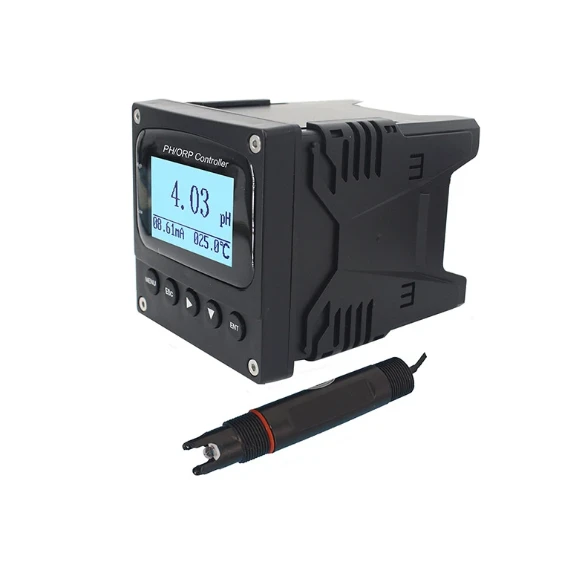
Smart Water Treatment Solutions Using PH ORP Controller SystemsIn modern water treatment and industrial fluid management, maintaining precise chemical balance is essential for safety, efficiency, and regulatory compliance.
2026-03-04 02:55:19
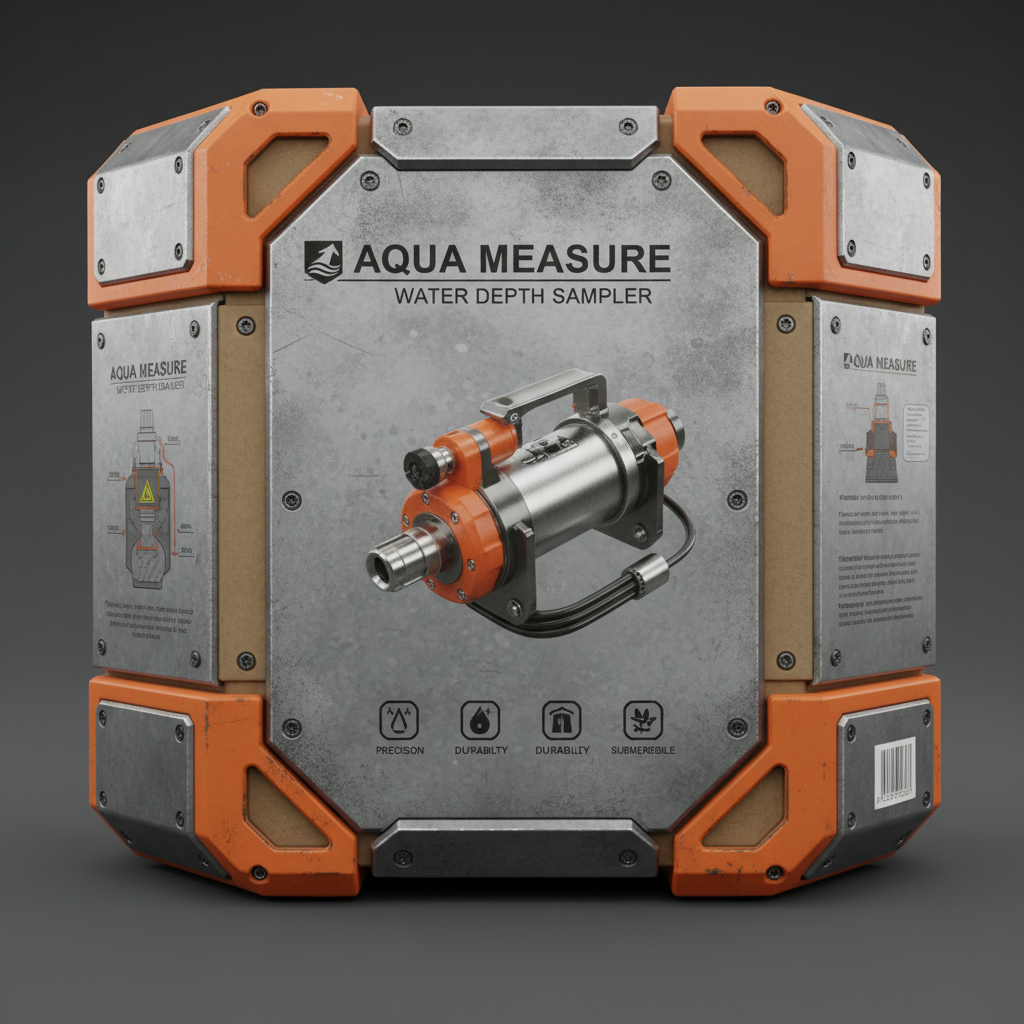
Comprehensive Guide to Water Depth Samplers and Their ApplicationsAccurate water quality monitoring is crucial in various fields, from environmental science and aquaculture to industrial wastewater management. A key tool for this is the water depth sampler. This article provides an in-depth look at water depth samplers, their applications, types, and essential considerations for choosing the right one for your needs. We'll explore the benefits of utilizing this equipment to collect reliable data for analysis and informed decision-making. Selecting the right sampler can significantly improve the precision and efficiency of your water monitoring program. A water depth sampler, also known as a depth-integrated sampler, is a device designed to collect water samples from specific depths within a body of water. Unlike simply dipping a container into the water, a depth sampler allows for collection of a representative sample across a defined depth range. This is critical because water properties (temperature, salinity, pollutants) often vary significantly with depth. The data gathered with a water depth sampler provides a more accurate assessment of water quality than surface samples alone.
2026-03-03 18:55:22
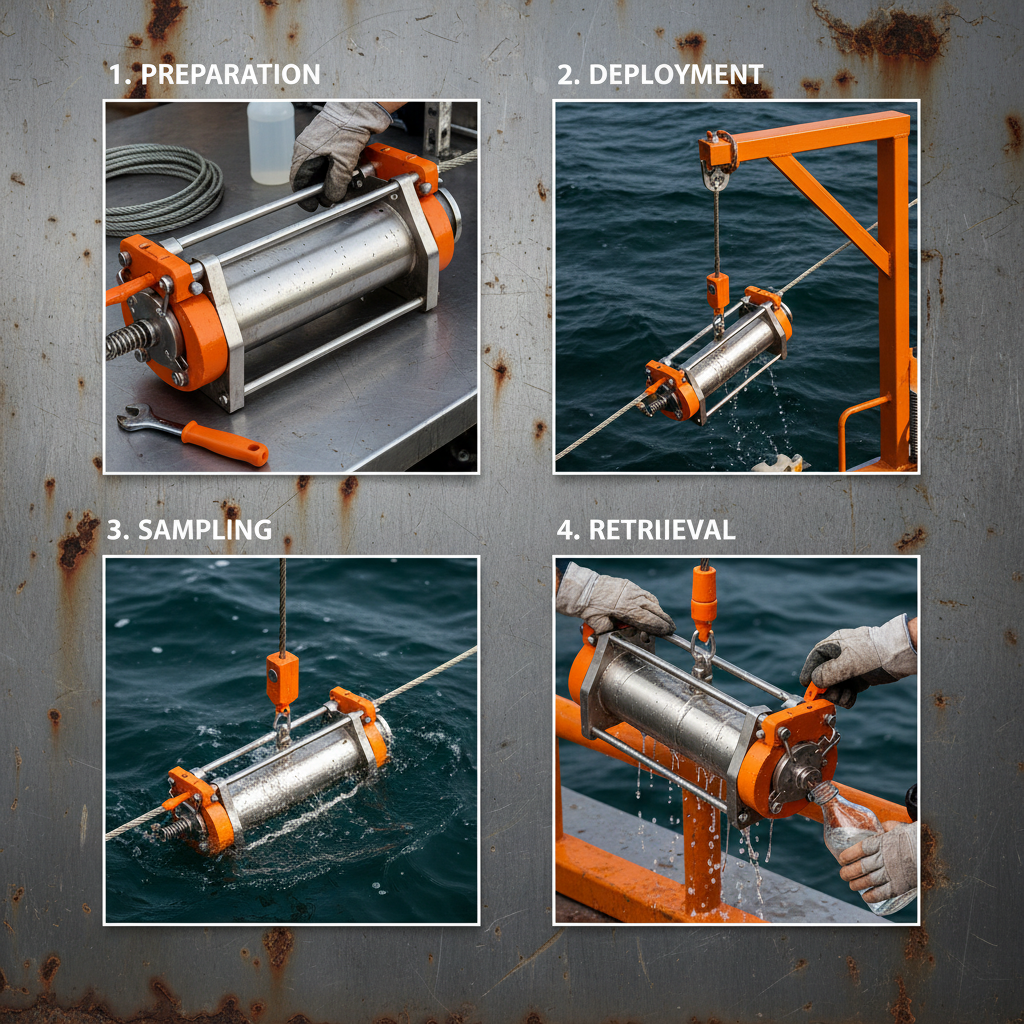
Comprehensive Guide to Horizontal Water Sampler Applications and SelectionCollecting water samples at varying depths is crucial for environmental monitoring, research, and quality control. The horizontal water sampler from Watequipment.com offers a precise and efficient solution for this task. This article provides an in-depth look at horizontal water samplers, their applications, benefits, and key considerations when choosing the right model. We will explore how these samplers contribute to accurate data collection and informed decision-making in various fields. A horizontal water sampler is a device designed to collect water samples from specific depths within a body of water – rivers, lakes, oceans, reservoirs, and even wastewater treatment plants. Unlike vertical samplers which primarily focus on depth, horizontal samplers prioritize collecting samples at a consistent depth while moving along a horizontal plane. This is essential for assessing water quality variations across a waterway or within a specific zone. They are used in applications ranging from environmental monitoring and scientific research to industrial process control and regulatory compliance.
2026-02-28 02:35:09
Comprehensive Guide to Selecting the Right Surface Water Sampler for Your NeedsMonitoring the quality of surface water is critical for environmental protection, public health, and various industrial applications. A surface water sampler is an essential tool for collecting representative samples from rivers, lakes, ponds, and other surface water sources. This article provides a detailed overview of surface water samplers, their types, applications, and key considerations for selecting the right equipment. Accurate water quality data relies on proper sample collection, and choosing the correct sampler is the first step toward achieving reliable results. Surface water samplers come in various designs, each suited to specific sampling needs. Common types include grab samplers, depth-integrating samplers, peristaltic pumps, and automatic samplers. Surface water samplers are used across a broad spectrum of applications, including environmental monitoring, wastewater discharge monitoring, drinking water source monitoring, agricultural runoff analysis, and research studies.

 English