


Comprehensive Guide to pH and ORP Sensors for Water Quality Monitoring

Comprehensive Guide to pH and ORP Sensors for Water Quality Monitoring
Dec . 13, 2025
Understanding pH and ORP Sensors: Why They Matter
At first glance, a pH and ORP sensor might sound like something only lab technicians or water treatment engineers fuss over. But the truth is, these little devices quietly underpin critical decisions in everything from environmental monitoring to global public health. They tell us whether water is safe to drink, whether a lake’s ecosystem is in balance, or if industrial effluents are polluting rivers — matters that have broad, global implications.
Considering that clean water scarcity affects over 2 billion people worldwide 1, understanding and utilizing reliable sensors for water quality is not just technical jargon; it’s foundational to sustainable development and ecological stewardship.
Mini takeaway: pH and ORP sensors provide essential insights that help safeguard water quality, impacting health, environment, and industry worldwide.
Why pH and ORP Sensors Are Crucial in Today’s World
Globally, water quality measurement has evolved from simple, periodic sampling to near real-time monitoring, thanks to modern sensors. The United Nations Sustainable Development Goal 6 emphasizes clean water and sanitation for all by 2030. To make that happen, industries and municipalities need tools that gather accurate data on water chemistry constantly — that’s where pH and ORP sensors come in.
According to ISO standards (ISO 10523 for pH measurement), sensor calibration, precision, and durability determine the trustworthiness of readings. But the challenge goes beyond instrumentation: in remote areas or disaster zones, water contamination can be sudden and severe. Fast, reliable readings are essential.
Fact: Roughly 80% of wastewater globally is released untreated, raising red flags for human and ecosystem health 2. Deploying sensors that provide continuous feedback helps mitigate these risks effectively.
Mini takeaway: Reliable pH and ORP sensors form the backbone of water safety strategies worldwide, supporting compliance, emergency responses, and sustainable management.
What Exactly Are pH and ORP Sensors?
Simply put, a pH sensor measures the acidity or alkalinity of a liquid, expressed on a scale from 0 to 14, where 7 is neutral. An ORP sensor (Oxidation-Reduction Potential) measures the tendency of a solution to gain or lose electrons, indicating its ability to break down contaminants.
These sensors typically consist of specialized electrodes connected to measurement devices. Together, pH and ORP readings offer a comprehensive insight into water chemistry — one showing the solution's acid-base balance, the other its oxidative or reductive status.
Industries from wastewater treatment, aquaculture, food processing, to pharmaceuticals rely on such sensors to comply with regulations and ensure safety and quality. In humanitarian contexts, accurate water assessment prevents disease outbreaks.
Mini takeaway: pH and ORP sensors convert chemical properties into readable data, enabling informed action across many sectors.
Core Aspects of pH and ORP Sensors Explained
1. Durability and Chemical Resistance
In the field, sensors may be exposed to harsh chemicals, wide temperature ranges, and rough handling. Materials like glass electrodes in pH sensors or platinum wires in ORP sensors are chosen not just for sensitivity but for lasting reliability in such environments.
2. Accuracy and Calibration
Precision is everything. Regular calibration against standard solutions ensures that pH sensors don't drift, maintaining trustworthy data. Many modern sensors offer automatic temperature compensation to improve readings further.
3. Response Time
When water quality changes suddenly—such as after a pollutant spill—fast sensor response is vital. High-quality sensors provide readings in seconds rather than minutes, which can be a game-changer during emergencies.
4. Scalability and Integration
Many operations require many sensors connected across sites. Compatibility with SCADA systems or cloud platforms lets operators track water parameters remotely and trigger alerts — crucial for large-scale water management.
5. Cost and Maintenance
Upfront sensor costs vary widely, but longevity and easy maintenance can greatly affect total cost of ownership. Some sensors are designed for quick replacement of parts like membranes or electrolytes, reducing downtime.
Mini takeaway: Selecting a pH and ORP sensor involves balancing toughness, precision, speed, integration ability, and budget — all linked to your operational needs.
Real-World Applications: Where pH and ORP Sensors Shine
Let’s talk practicalities: environmental agencies use these sensors to monitor rivers and lakes, detecting acid rain effects or industrial discharges. For example, the Amazon basin has seen increased monitoring programs to protect water quality amid deforestation.
In water treatment plants, operators depend on pH and ORP sensors to optimize disinfection by balancing chlorine dosing. Oddly enough, insufficient monitoring can lead to health hazards or wasted chemicals.
In aquaculture, maintaining optimal pH and redox conditions is vital for fish health — a swaying factor in global food security. Many farms across Asia and Europe now rely on sensor arrays equipped with telemetry to manage this remotely.
During natural disasters (think floods or earthquakes), NGOs deploy rapid water testing kits integrated with compact ORP/pH sensors to ensure safe drinking water access, particularly in refugee camps.
| Feature | Specification | Benefit |
|---|---|---|
| Measurement Range (pH) | 0 – 14 pH | Covers full acidity/alkalinity scale |
| Measurement Range (ORP) | ±1000 mV | Detects strong oxidizers/reducers |
| Response Time | Quick detection of changes | |
| Operating Temperature | 0 – 60 °C | Suitable for diverse climates |
| Output Interface | 4-20 mA, Digital (Modbus) | Easy integration with control systems |
Mini takeaway: These sensors are real unsung heroes, quietly doing the math behind water quality and safety every day.
The Lasting Benefits of Employing pH and ORP Sensors
Okay, let’s slice it up. What makes investing in robust pH and ORP sensors worthwhile beyond the tech specs?
- Sustainability: Accurate measurements reduce chemical overuse, saving money and the environment simultaneously.
- Safety and Public Health: Early detection of harmful conditions prevents outbreaks and safeguards communities.
- Operational Efficiency: Continuous monitoring means faster responses, less downtime, and better compliance with regulations.
- Trust and Transparency: For industries and governments, sharing verified water quality data can build public confidence and support.
In essence, these sensors are more than gadgets; they’re pillars supporting the dignity and safety of millions.
Mini takeaway: pH and ORP sensors pay dividends in health, cost savings, and trust — a trifecta any organization values.
What’s Next? Emerging Trends in pH and ORP Technology
Manufacturers are increasingly innovating compact, wireless, and self-cleaning sensors for remote deployments. There’s a serious push towards eco-friendly materials to avoid sensor waste. Plus, integration with AI-driven analytics platforms is on the rise, predicting water quality trends before issues escalate.
Digital transformation in water management is not just buzzword bingo — it’s helping municipalities automate compliance and spot anomalies in real-time. Green energy-powered sensor networks are also becoming popular in off-grid or disaster-prone areas, ensuring continuous operation.
Frankly, as climate change adds stress to water resources, investing in smarter sensors feels less optional and more urgent.
Mini takeaway: The future of pH and ORP sensing lies in smarter, greener, and more connected technologies — a digital leap for water stewardship.
Common Challenges and How Experts Are Tackling Them
Sure, even the best sensors aren’t flawless. Issues like fouling (build-up on electrodes), sensor drift, and limited lifespan persist.
One clever solution is using automated cleaning wipers and replaceable sensor tips to keep readings accurate longer. Cloud-based diagnostics can remotely flag sensor anomalies for timely maintenance.
Costs can also be a barrier, especially in developing regions. Here, NGOs and manufacturers collaborate to produce affordable, rugged models with modular components that communities can maintain themselves.
In practice, pairing sensor data with other water quality indicators helps confirm findings and reduce false alarms.
Mini takeaway: Tackling sensor challenges involves smarter design, remote monitoring, and community-centered approaches — making high-tech accessible and reliable.
FAQs on pH and ORP Sensors
- Q: How often should pH and ORP sensors be calibrated for accurate results?
- A: Calibration frequency depends on usage and environment but typically every 1–2 weeks for continuous use; however, in harsh conditions, daily checks may be ideal to maintain accuracy.
- Q: Can pH and ORP sensors be used in wastewater with high solids or turbidity?
- A: Yes, but sensors designed with protective coatings and automatic cleaning features perform better to prevent clogging or fouling in such conditions.
- Q: What are the typical lifespan ranges of pH and ORP sensors in industrial settings?
- A: Lifespan varies widely—from 6 months to over 2 years—depending on sensor quality, maintenance, and operating environment.
- Q: Is remote monitoring with pH and ORP sensors feasible for rural or off-grid locations?
- A: Absolutely. Wireless sensors powered by solar panels or batteries linked to cloud platforms enable real-time data access even in remote areas.
- Q: How critical is temperature compensation for accurate sensor readings?
- A: Very critical. Temperature affects ion activity; sensors with built-in temperature compensation produce much more reliable data.
Wrapping It Up: Reliable Sensors for a Sustainable Future
In closing, investing in high-quality pH and ORP sensors isn’t just about tracking numbers — it’s about protecting people, ecosystems, and economies. As demands on water resources intensify globally, harnessing precise, continuous monitoring tools will empower better decisions and stronger stewardship.
If you want to explore dependable, cutting-edge pH and ORP sensors, don’t hesitate to visit our website at https://www.watequipments.com — your partner in water quality innovation.
| Vendor | Sensor Range | Typical Price | Key Features | Best For |
|---|---|---|---|---|
| AquaSense | pH 0–14, ORP ±1000 mV | $$$ | Self-cleaning, digital output, fast response | Industrial & municipal monitoring |
| HydroTech | pH 0–14, ORP ±800 mV | $$ | Affordable, easy maintenance, temperature compensated | Small-scale treatment, aquaculture |
| EcoWater | pH 1–13, ORP ±900 mV | $ | Compact, solar powered, wireless comms | Remote/off-grid applications |
Final thoughts: Clearly, technology’s advance brings both new possibilities and challenges. That’s why knowing your sensor’s specs and the vendor’s strengths makes all the difference — a theme worth keeping in mind as you choose the right tools for water quality monitoring.
References:
1. United Nations, SDG 6 – Clean Water and Sanitation
2. World Bank, Water Pollution Overview
3. ISO 10523:2012 - Water quality — Determination of pH
For more on water quality instrumentation, check out our detailed guide on ph and orp sensor technologies.

Related Products
Related News

2026-04-16 03:20:19
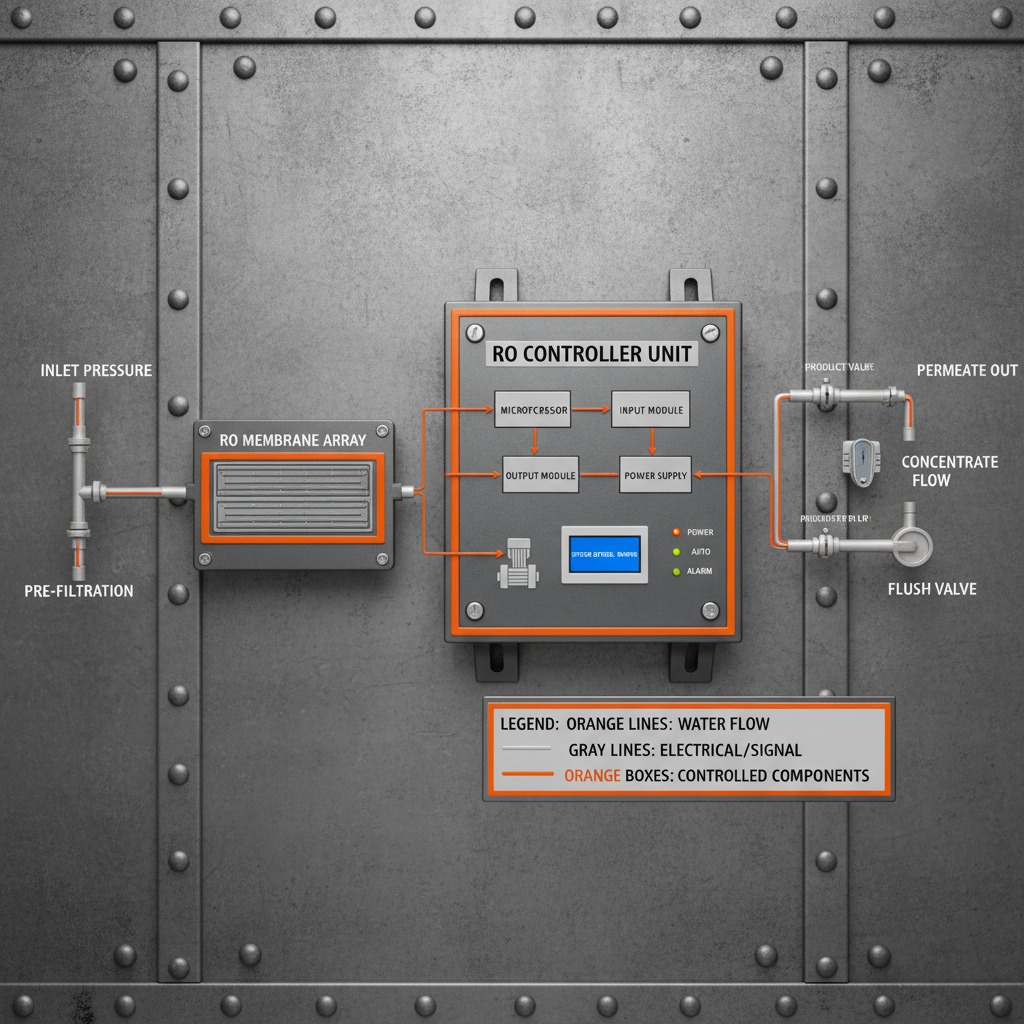
Guide to Choosing the Right RO Controller for Water PurificationMaintaining a high-performance reverse osmosis system requires more than just quality membranes; it demands precise regulation. An ro controller serves as the brain of the entire operation, monitoring critical parameters such as conductivity, temperature, and flow rates to ensure the output water meets stringent purity standards. Without an efficient controller, systems are prone to membrane fouling, inefficient energy use, and inconsistent water quality. In this comprehensive guide, we will explore how these devices optimize water treatment processes and how to select the best model for your specific industrial or commercial needs.
2026-04-09 03:25:47
Guide to Water Purity Using RO with TDS Controller SystemsAchieving the perfect balance of mineral content and purity in drinking water is a challenge for many households and industrial facilities. A ro with tds controller offers a sophisticated solution by combining the rigorous filtration of Reverse Osmosis (RO) with the precision of a Total Dissolved Solids (TDS) adjustment system. While standard RO systems remove almost everything, including beneficial minerals, a TDS controller allows users to re-mineralize the water to a desired level. This ensures that the water is not only safe and pure but also tastes better and provides essential nutrients.
2026-04-07 03:17:09
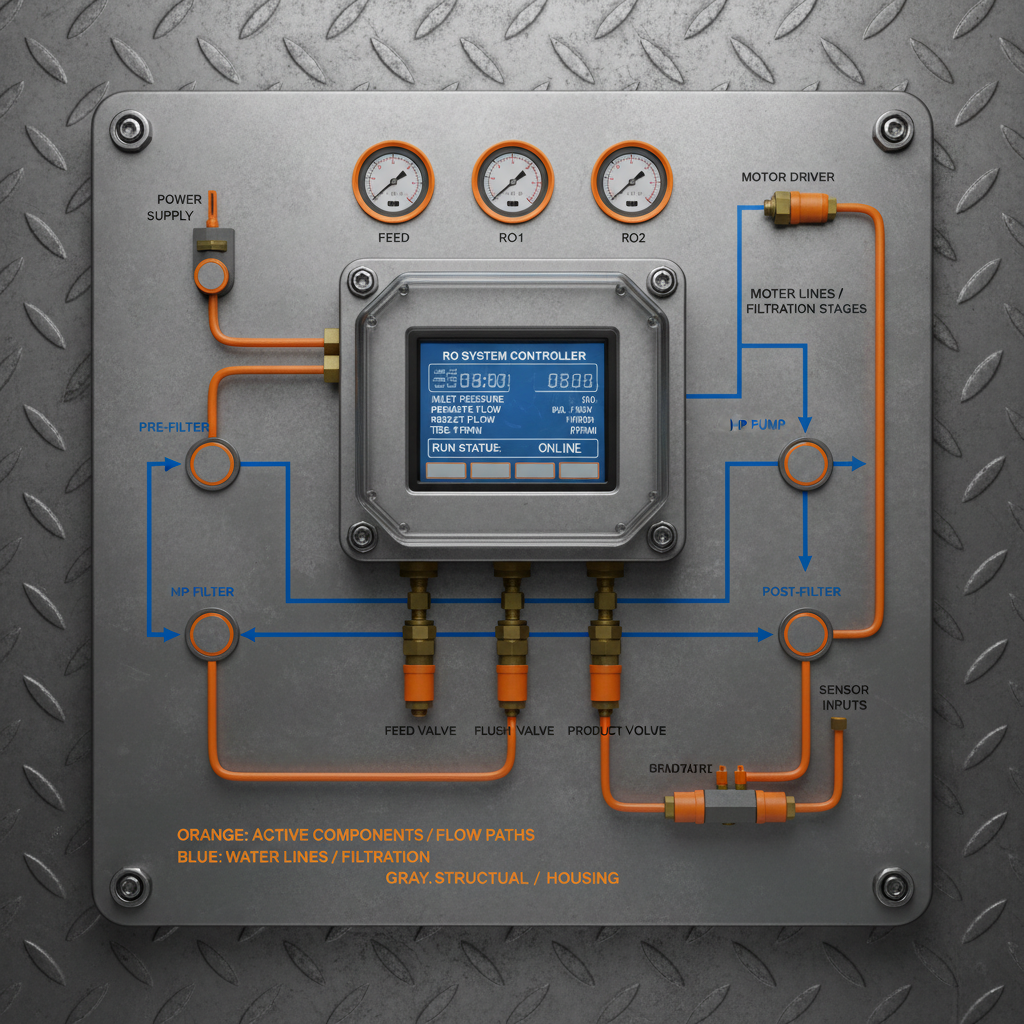
Understanding and Optimizing Reverse Osmosis Systems with a ControllerIn the world of water purification, reverse osmosis (RO) systems are a cornerstone for producing high-quality water for various applications, from drinking water to industrial processes. However, an RO system is only as effective as its control system. This is where the reverse osmosis controller comes into play. This critical component manages and optimizes the RO process, ensuring efficient operation, water quality, and system longevity.
2026-04-04 03:27:19
Understanding the Vital Role of an RO System Controller for Optimal PerformanceReverse Osmosis (RO) systems are critical for purifying water across various industries, from residential applications to large-scale industrial processes. At the heart of a well-functioning RO system lies the RO system controller. This intelligent device monitors and regulates all key parameters of the RO process, ensuring optimal performance, efficiency, and water quality. This article delves into the functionalities, benefits, and selection criteria for choosing the right RO system controller, particularly focusing on those offered by Watequipments. Understanding its role is crucial for maximizing the lifespan and effectiveness of your RO investment.
2026-03-24 17:18:24
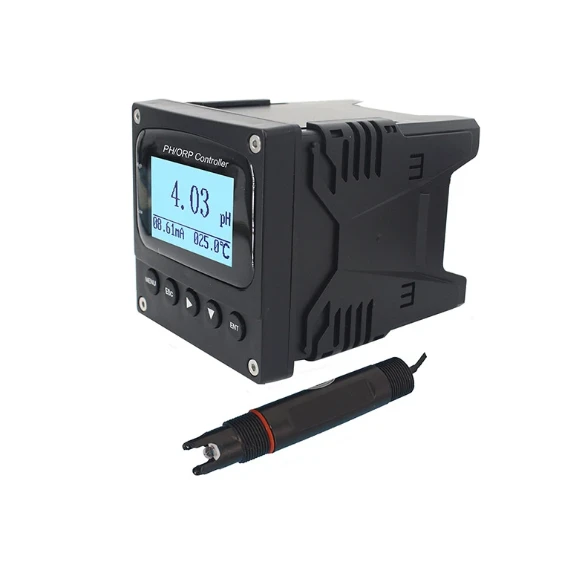
Smart Water Treatment Solutions Using PH ORP Controller SystemsIn modern water treatment and industrial fluid management, maintaining precise chemical balance is essential for safety, efficiency, and regulatory compliance.
2026-03-04 02:55:19
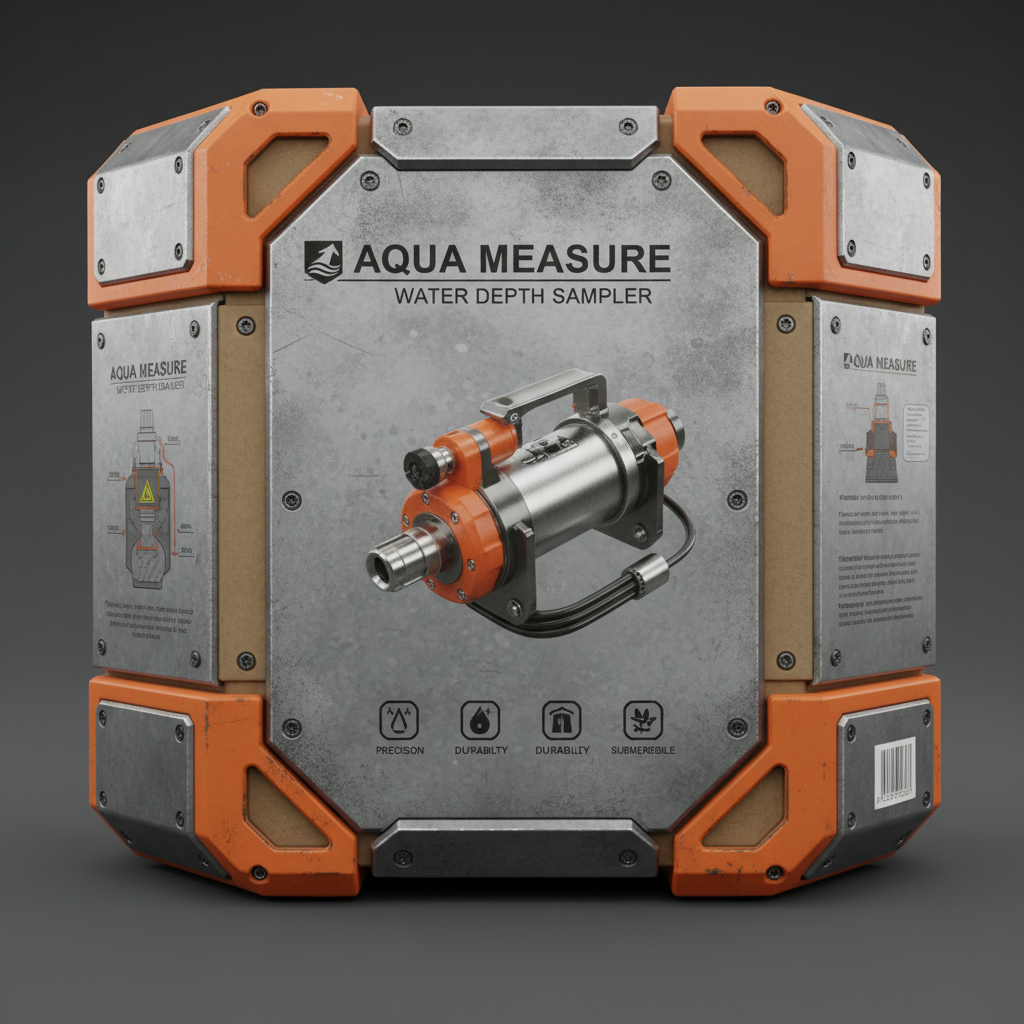
Comprehensive Guide to Water Depth Samplers and Their ApplicationsAccurate water quality monitoring is crucial in various fields, from environmental science and aquaculture to industrial wastewater management. A key tool for this is the water depth sampler. This article provides an in-depth look at water depth samplers, their applications, types, and essential considerations for choosing the right one for your needs. We'll explore the benefits of utilizing this equipment to collect reliable data for analysis and informed decision-making. Selecting the right sampler can significantly improve the precision and efficiency of your water monitoring program. A water depth sampler, also known as a depth-integrated sampler, is a device designed to collect water samples from specific depths within a body of water. Unlike simply dipping a container into the water, a depth sampler allows for collection of a representative sample across a defined depth range. This is critical because water properties (temperature, salinity, pollutants) often vary significantly with depth. The data gathered with a water depth sampler provides a more accurate assessment of water quality than surface samples alone.
2026-03-03 18:55:22
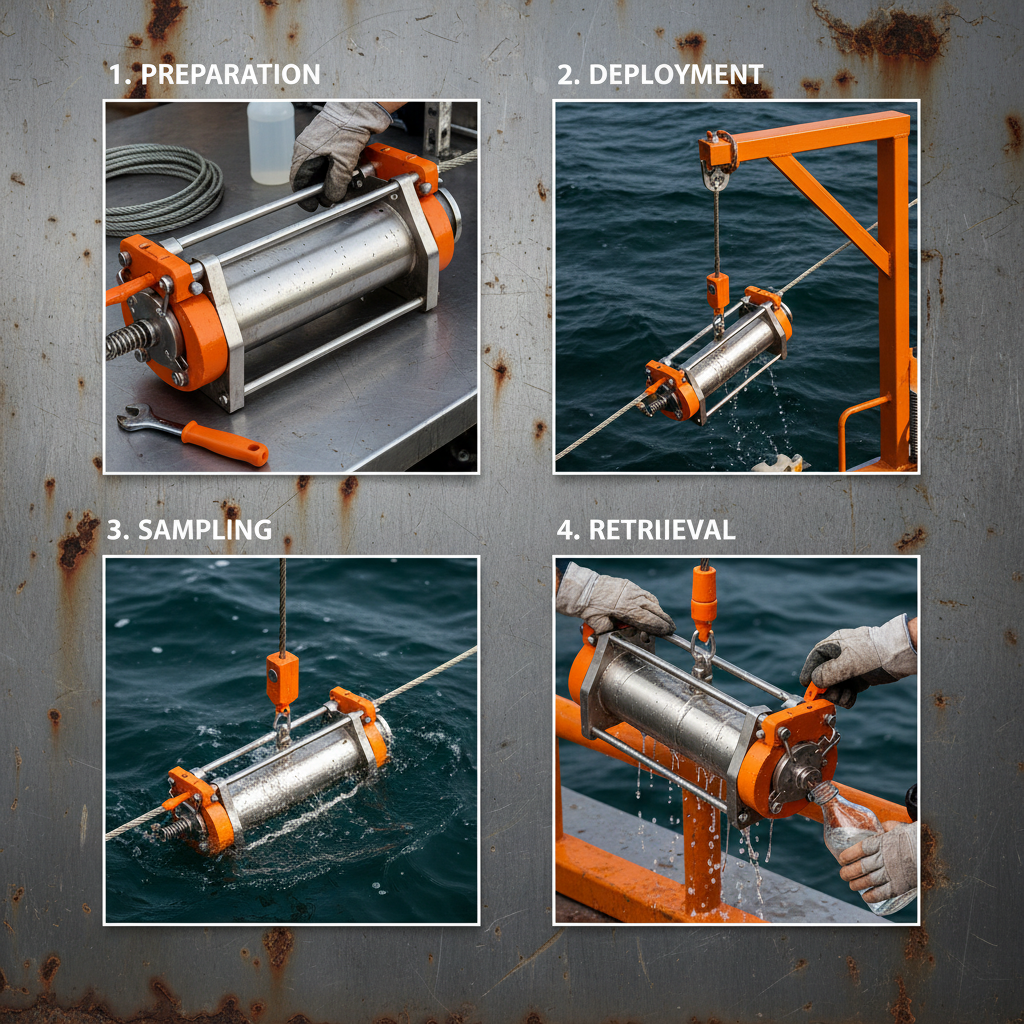
Comprehensive Guide to Horizontal Water Sampler Applications and SelectionCollecting water samples at varying depths is crucial for environmental monitoring, research, and quality control. The horizontal water sampler from Watequipment.com offers a precise and efficient solution for this task. This article provides an in-depth look at horizontal water samplers, their applications, benefits, and key considerations when choosing the right model. We will explore how these samplers contribute to accurate data collection and informed decision-making in various fields. A horizontal water sampler is a device designed to collect water samples from specific depths within a body of water – rivers, lakes, oceans, reservoirs, and even wastewater treatment plants. Unlike vertical samplers which primarily focus on depth, horizontal samplers prioritize collecting samples at a consistent depth while moving along a horizontal plane. This is essential for assessing water quality variations across a waterway or within a specific zone. They are used in applications ranging from environmental monitoring and scientific research to industrial process control and regulatory compliance.
2026-02-28 02:35:09
Comprehensive Guide to Selecting the Right Surface Water Sampler for Your NeedsMonitoring the quality of surface water is critical for environmental protection, public health, and various industrial applications. A surface water sampler is an essential tool for collecting representative samples from rivers, lakes, ponds, and other surface water sources. This article provides a detailed overview of surface water samplers, their types, applications, and key considerations for selecting the right equipment. Accurate water quality data relies on proper sample collection, and choosing the correct sampler is the first step toward achieving reliable results. Surface water samplers come in various designs, each suited to specific sampling needs. Common types include grab samplers, depth-integrating samplers, peristaltic pumps, and automatic samplers. Surface water samplers are used across a broad spectrum of applications, including environmental monitoring, wastewater discharge monitoring, drinking water source monitoring, agricultural runoff analysis, and research studies.

 English