


ORP Redox Sensor: Global Water Quality & Industrial Monitoring Solutions

ORP Redox Sensor: Global Water Quality & Industrial Monitoring Solutions
Dec . 15, 2025
Understanding ORP Redox Sensors: Why They Matter Globally
You might wonder why an "orp redox sensor" — which sounds quite technical — is just as relevant to water treatment plants in Germany as it is to agricultural irrigation in Kenya. Well, these devices quietly keep tabs on water quality by measuring oxidation-reduction potential (ORP) — a fundamental indicator of water's cleanliness, safety, and suitability for various uses. Globally, where billions rely on safe water for drinking, farming, and industry, reliable ORP sensors help spot problems early, ensuring healthier ecosystems and communities. In a world where climate change worsens water scarcity and contamination risks, understanding and deploying ORP sensors isn’t just geek-speak — it's critical for sustainable development and public health. Beyond that, industries find these sensors invaluable for process optimization, regulatory compliance, and even reducing operational costs. Mini takeaway: Whether for human survival or industrial optimization, orp redox sensors play a quietly powerful role in monitoring water quality worldwide.The Global Context: Why ORP Redox Sensors Are Essential
Humans are about 70% water — so naturally, controlling water quality is a priority everywhere. According to the United Nations, over 2 billion people experience water scarcity, and countless more face polluted water sources. This makes tools like the orp redox sensor vital in improving water safety and environmental monitoring. Industries across the globe — from waste treatment plants in North America to fish farms in Southeast Asia — rely on ORP measurements to keep processes efficient and compliant with ISO water quality standards. Oddly enough, even urban wastewater systems that treat millions of gallons daily hinge on these small sensors for real-time feedback. The challenge? Contaminants fluctuate unpredictably, demanding robust, scalable sensor tech. orp redox sensor devices provide a window into these changes, empowering operators to act fast and keep water safe or processes optimized. Mini takeaway: With global water pressure mounting, ORP redox sensors are indispensable in both developed and developing regions, bridging technology and public health.What Exactly Is an ORP Redox Sensor?
Simply put, an ORP redox sensor measures the oxidative or reductive capacity of a liquid solution by gauging its electrical potential relative to a standard electrode. Put another way, it tells you whether your water is chemically primed to oxidize contaminants (think disinfecting) or reduce harmful compounds. This is crucial for assuring water quality, especially in settings where microbial contamination or chemical imbalances can be dangerous. In humanitarian relief camps or remote industrial sites, these sensors help workers determine water safety at a glance. Their feedback forms the core of automated control systems that adjust disinfectants or chemical dosages, balancing safety while avoiding waste. Mini takeaway: ORP redox sensors translate complex chemical states into actionable data—kind of like a “health check” for water.Core Components and Practical Factors Behind Quality ORP Redox Sensors
1. Durability
These sensors often live submerged in harsh, corrosive environments — wastewater, seawater, even acidic process fluids. So resistance against fouling and corrosion is a must. Many engineers I know swear by sensors with robust sandwich membranes and sturdy reference electrodes that last months without replacement.2. Accuracy & Response Time
A slow or imprecise readout can lead to overdosing chemicals or missing contamination spikes. Look for models with quick stabilization times (usually under 30 seconds) and high millivolt resolution.3. Ease of Calibration
Field technicians hate fiddling with finicky sensors. The best devices come with straightforward one- or two-point calibration kits, sometimes with auto-calibration features, to minimize downtime.4. Compatibility & Scalability
From tiny lab tests to expansive industrial plants, sensors must plug into digital control systems effortlessly—think MODBUS, HART, or analog 4-20mA outputs.5. Cost Efficiency
While some premium models come at a hefty price, balancing initial investment with maintenance and sensor lifespan is key. Over time, fewer replacements and less downtime save money.| Specification | Typical Range/Value | Notes |
|---|---|---|
| Measurement Range | -1000 to +1000 mV | Covers oxidation/reduction potential extremes |
| Response Time | Rapid reaction to chemical changes | |
| Operating Temp | 0 to 80 °C | Suitable for industrial environments |
| Interface Output | Analog 4-20mA / Digital MODBUS | Flexible connection options |
| Calibration | 1-2 point, automatic or manual | Simplifies field use |
Where Are ORP Redox Sensors Used Around the World?
These devices pop up in surprisingly diverse places: - Municipal Water Treatment: Cities like Tokyo and Los Angeles use ORP sensors to monitor disinfection, ensuring tap water is safe without excess chlorine. - Aquaculture Farms: In Norway and Chile, fish farmers track ORP to maintain healthy oxygen levels and prevent disease outbreaks. - Industrial Wastewater: Factories across India and Brazil employ sensors to meet increasingly strict discharge regulations, avoiding fines and environmental damage. - Humanitarian Relief: NGOs in disaster zones, such as after floods in Bangladesh, rely on ORP readings to decide if water purification chemicals are effective enough. - Agricultural Irrigation: Farmers in arid Australian zones monitor soil and irrigation water ORP to prevent buildup of harmful salts or pathogens. The adaptability of orp redox sensors to both remote and technologically advanced settings is a testament to their global significance. Mini takeaway: From city tap water to the farthest fish farm, orp redox sensors quietly guard water quality worldwide.Tangible Advantages and Long-Term Value of ORP Redox Sensors
The benefits stack up nicely: - Cost Savings: By avoiding overuse of disinfectants, industrial operations save money and protect the environment. - Reliability: Continuous readings allow for instant responses, reducing downtime and hazards. - Sustainability: Optimizing chemical use aligns with global climate and pollution goals — an ethical win. - Social Impact: Safer water means healthier communities and less disease spread. - Innovation Trust: Investing in proven sensor technology boosts confidence among stakeholders and regulators alike. Lots of operators say they sleep easier knowing ORP feedback keeps water safety in check — and honestly, I get that. Mini takeaway: ORP redox sensors create a ripple of benefits beyond measurements, touching budgets, ecosystems, and human well-being.What’s Next? Future Trends and Innovations
Manufacturers and researchers are pushing boundaries with: - Smart Sensors: Integrating IoT and AI for predictive maintenance and anomaly alerts. - Eco-Friendly Materials: Developing membranes and electrodes less prone to contamination and longer-lasting. - Wireless and Solar-Powered Units: For truly remote locations with limited infrastructure. - Regulatory Alignment: Sensors designed to meet emerging ISO and WHO water safety standards globally. - Multi-Parameter Devices: Combining ORP with pH, dissolved oxygen, turbidity for holistic monitoring. It feels like we’re on the cusp of a sensor renaissance, driven by digitalization and green tech — a future where ORP redox sensors are smarter, cheaper, and everywhere.Common Challenges and How Experts Tackle Them
Sure, no technology is perfect. Some common headaches include: - Fouling and Drift: Sensors clogged or drifting over time needs frequent cleaning or replacement. - Calibration Complexity: Without proper training, field teams may miscalibrate, leading to false data. - Harsh Chemicals: Extremely acidic or alkaline environments can degrade sensor components. Experts recommend: - Auto-cleaning mechanisms or self-washing membranes. - User-friendly calibration kits and training programs. - Choosing specialized sensors for extreme conditions. It’s a constantly evolving balance, but innovation keeps chipping away at these hurdles.FAQ: Your Top ORP Redox Sensor Questions Answered
- Q: How often should ORP redox sensors be calibrated?
A: Typically every 1-3 months, depending on water quality and usage. More frequent calibration ensures accurate readings, especially in challenging environments. - Q: Can ORP sensors detect specific contaminants?
A: Not directly. They measure overall oxidation-reduction potential, which correlates with general water quality but does not identify individual chemicals. - Q: Are wireless ORP sensors reliable for remote monitoring?
A: Yes, modern wireless units equipped with robust protocols and solar power options offer dependable real-time data from off-grid locations. - Q: What’s the lifespan of a typical ORP redox sensor?
A: Most last between 6 months to 2 years, subject to maintenance and operating environment. - Q: Is it difficult to integrate ORP sensors with existing control systems?
A: Not usually. Most sensors support industry-standard outputs like 4-20mA or digital MODBUS, simplifying integration.
Comparing Popular ORP Redox Sensor Vendors
| Vendor | Durability | Price Range (USD) | Key Features | Typical Use Case |
|---|---|---|---|---|
| AquaSense Pro | High (6+ months life) | $850 - $1,200 | Auto calibration, digital output, IP68 rated | Municipal water & industrial plants |
| HydroCheck Basic | Medium (3-6 months) | $400 - $650 | Analog 4-20mA, manual calibration | Small farms and labs |
| EcoRedox Solar | High (extended in-field life) | $950 - $1,300 | Solar powered, wireless, IoT enabled | Remote and off-grid monitoring |
| ClearWater Tech | Medium to High | $700 - $1,000 | Multi-parameter sensors including ORP | Research and industrial processes |
Wrapping Up: Why ORP Redox Sensors Should Be on Your Radar
In the grand scheme of clean water and safe industrial processes, ORP redox sensors may not be front-page news, but they deserve more spotlight. They serve as essential guardians against contamination — everywhere from municipal networks to disaster relief camps. Their ability to provide quick, reliable data makes operations smoother, safer, and more sustainable. If you’re managing water quality, investing in good ORP redox sensor tech is a smart move — one that pays back through trust, savings, and a cleaner environment. For more details or to explore the best-in-class sensors, visit our website today. Mini takeaway: ORP redox sensors quietly power safer water and environmental sustainability worldwide — and that’s something worth paying attention to.References

Related Products
Related News
2026-04-16 03:20:19
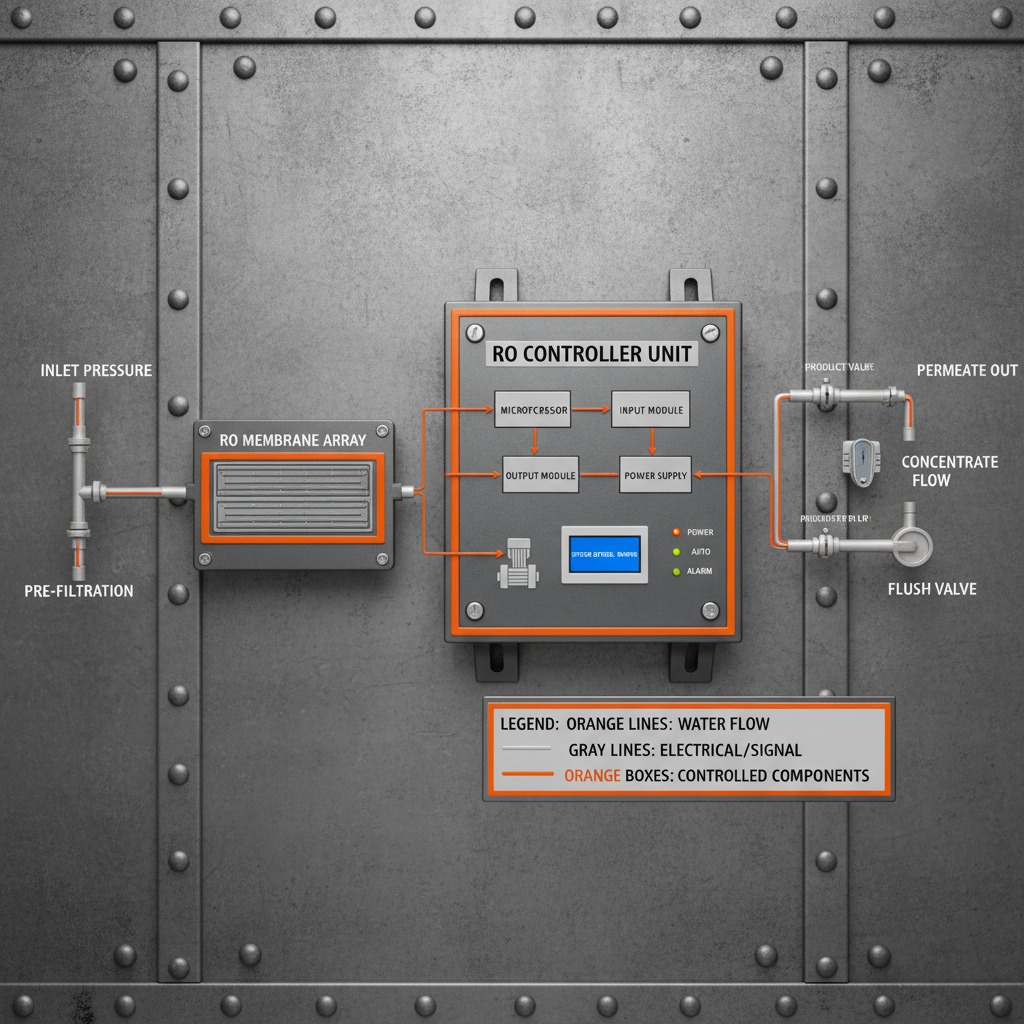
Guide to Choosing the Right RO Controller for Water PurificationMaintaining a high-performance reverse osmosis system requires more than just quality membranes; it demands precise regulation. An ro controller serves as the brain of the entire operation, monitoring critical parameters such as conductivity, temperature, and flow rates to ensure the output water meets stringent purity standards. Without an efficient controller, systems are prone to membrane fouling, inefficient energy use, and inconsistent water quality. In this comprehensive guide, we will explore how these devices optimize water treatment processes and how to select the best model for your specific industrial or commercial needs.
2026-04-09 03:25:47
Guide to Water Purity Using RO with TDS Controller SystemsAchieving the perfect balance of mineral content and purity in drinking water is a challenge for many households and industrial facilities. A ro with tds controller offers a sophisticated solution by combining the rigorous filtration of Reverse Osmosis (RO) with the precision of a Total Dissolved Solids (TDS) adjustment system. While standard RO systems remove almost everything, including beneficial minerals, a TDS controller allows users to re-mineralize the water to a desired level. This ensures that the water is not only safe and pure but also tastes better and provides essential nutrients.
2026-04-07 03:17:09
Understanding and Optimizing Reverse Osmosis Systems with a ControllerIn the world of water purification, reverse osmosis (RO) systems are a cornerstone for producing high-quality water for various applications, from drinking water to industrial processes. However, an RO system is only as effective as its control system. This is where the reverse osmosis controller comes into play. This critical component manages and optimizes the RO process, ensuring efficient operation, water quality, and system longevity.
2026-04-04 03:27:19
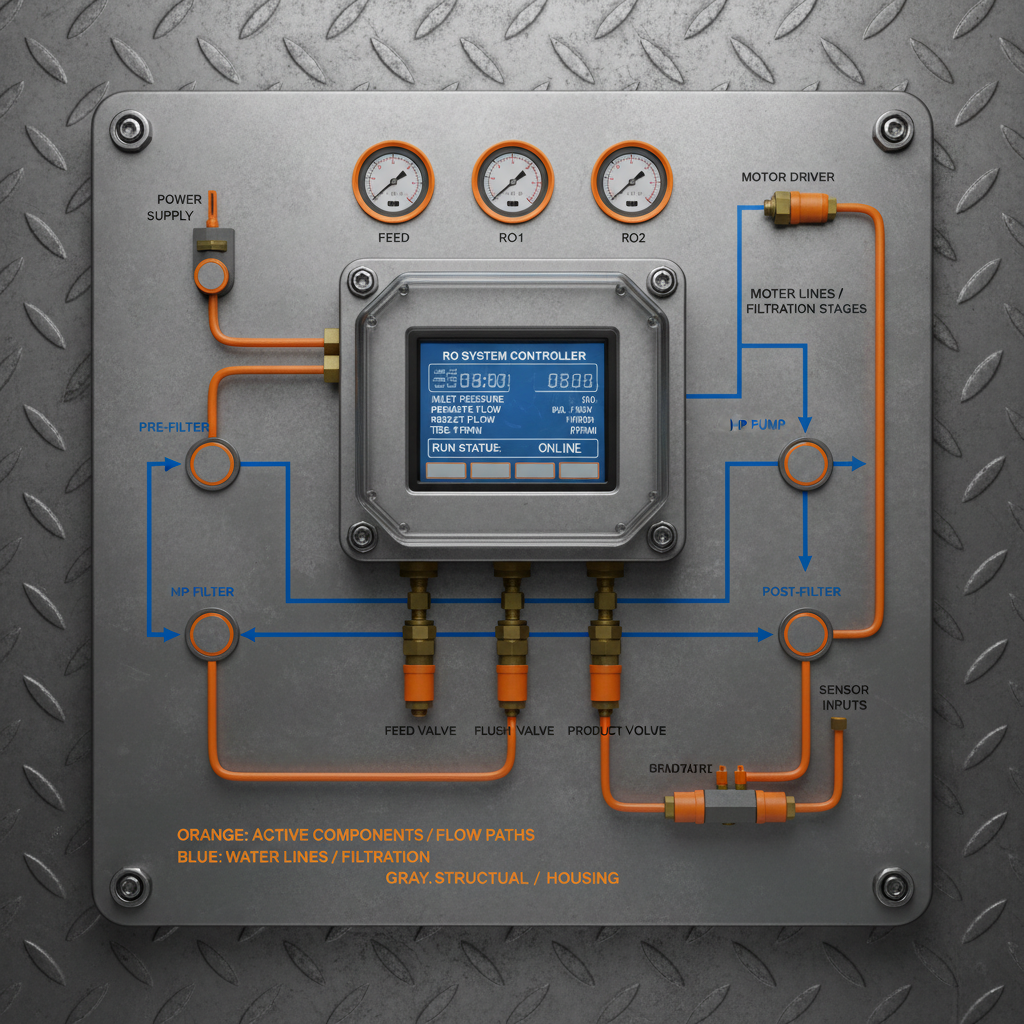
Understanding the Vital Role of an RO System Controller for Optimal PerformanceReverse Osmosis (RO) systems are critical for purifying water across various industries, from residential applications to large-scale industrial processes. At the heart of a well-functioning RO system lies the RO system controller. This intelligent device monitors and regulates all key parameters of the RO process, ensuring optimal performance, efficiency, and water quality. This article delves into the functionalities, benefits, and selection criteria for choosing the right RO system controller, particularly focusing on those offered by Watequipments. Understanding its role is crucial for maximizing the lifespan and effectiveness of your RO investment.
2026-03-24 17:18:24
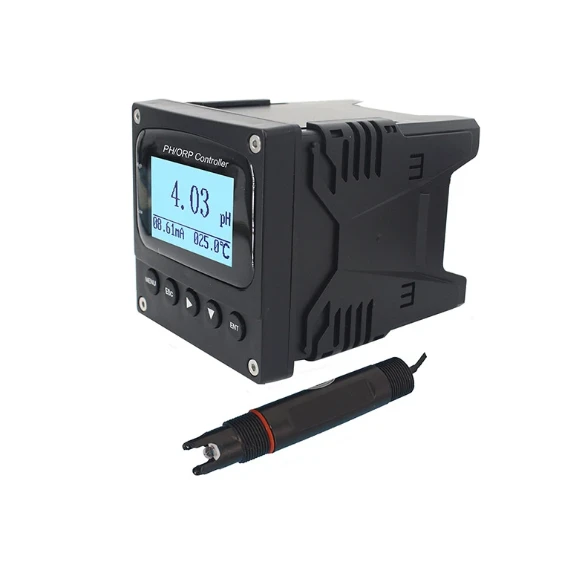
Smart Water Treatment Solutions Using PH ORP Controller SystemsIn modern water treatment and industrial fluid management, maintaining precise chemical balance is essential for safety, efficiency, and regulatory compliance.
2026-03-04 02:55:19
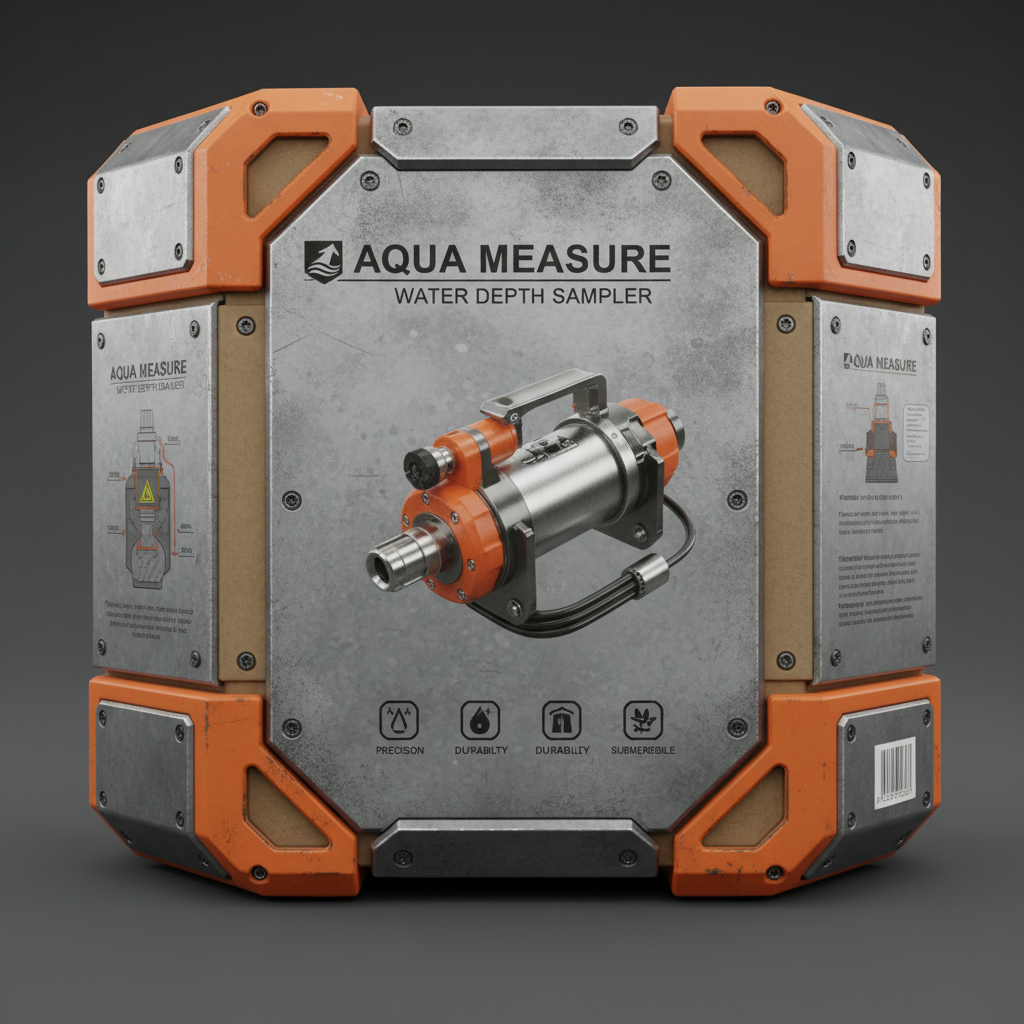
Comprehensive Guide to Water Depth Samplers and Their ApplicationsAccurate water quality monitoring is crucial in various fields, from environmental science and aquaculture to industrial wastewater management. A key tool for this is the water depth sampler. This article provides an in-depth look at water depth samplers, their applications, types, and essential considerations for choosing the right one for your needs. We'll explore the benefits of utilizing this equipment to collect reliable data for analysis and informed decision-making. Selecting the right sampler can significantly improve the precision and efficiency of your water monitoring program. A water depth sampler, also known as a depth-integrated sampler, is a device designed to collect water samples from specific depths within a body of water. Unlike simply dipping a container into the water, a depth sampler allows for collection of a representative sample across a defined depth range. This is critical because water properties (temperature, salinity, pollutants) often vary significantly with depth. The data gathered with a water depth sampler provides a more accurate assessment of water quality than surface samples alone.
2026-03-03 18:55:22
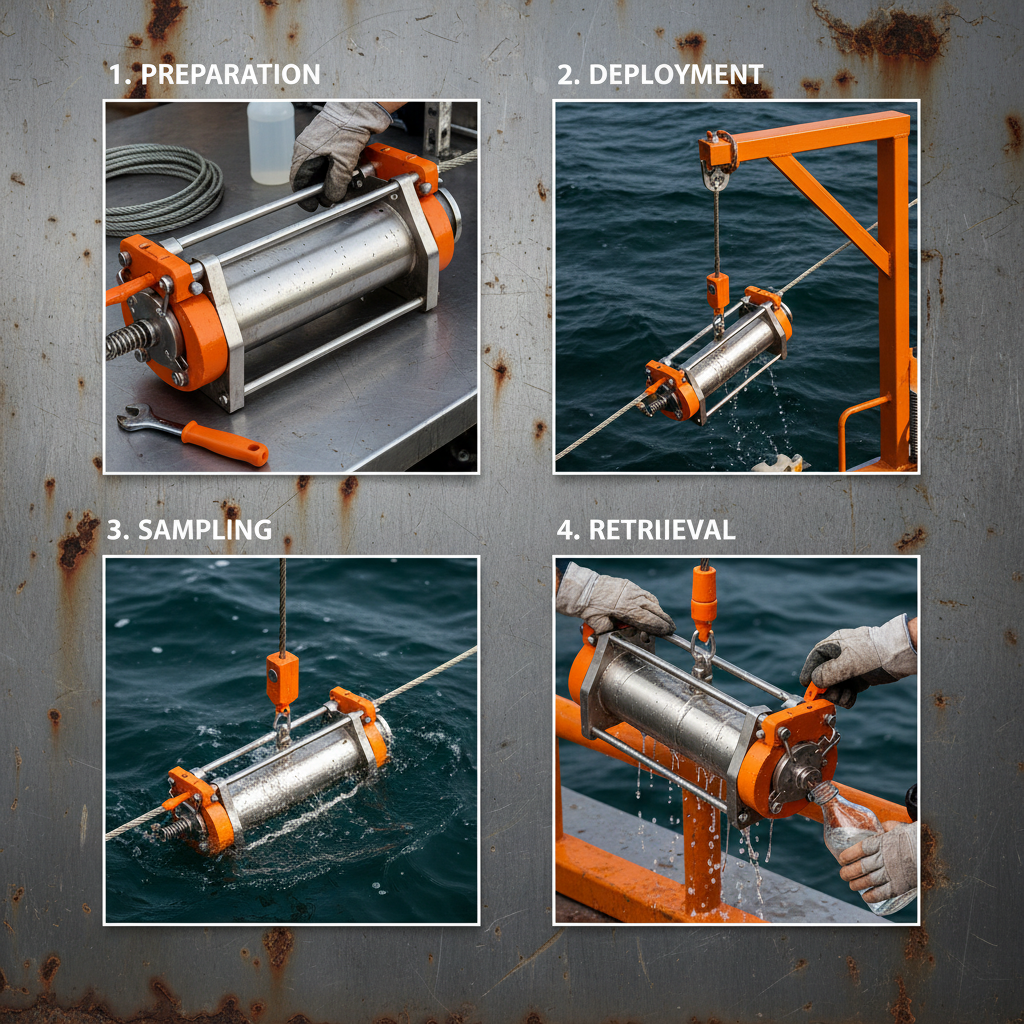
Comprehensive Guide to Horizontal Water Sampler Applications and SelectionCollecting water samples at varying depths is crucial for environmental monitoring, research, and quality control. The horizontal water sampler from Watequipment.com offers a precise and efficient solution for this task. This article provides an in-depth look at horizontal water samplers, their applications, benefits, and key considerations when choosing the right model. We will explore how these samplers contribute to accurate data collection and informed decision-making in various fields. A horizontal water sampler is a device designed to collect water samples from specific depths within a body of water – rivers, lakes, oceans, reservoirs, and even wastewater treatment plants. Unlike vertical samplers which primarily focus on depth, horizontal samplers prioritize collecting samples at a consistent depth while moving along a horizontal plane. This is essential for assessing water quality variations across a waterway or within a specific zone. They are used in applications ranging from environmental monitoring and scientific research to industrial process control and regulatory compliance.
2026-02-28 02:35:09
Comprehensive Guide to Selecting the Right Surface Water Sampler for Your NeedsMonitoring the quality of surface water is critical for environmental protection, public health, and various industrial applications. A surface water sampler is an essential tool for collecting representative samples from rivers, lakes, ponds, and other surface water sources. This article provides a detailed overview of surface water samplers, their types, applications, and key considerations for selecting the right equipment. Accurate water quality data relies on proper sample collection, and choosing the correct sampler is the first step toward achieving reliable results. Surface water samplers come in various designs, each suited to specific sampling needs. Common types include grab samplers, depth-integrating samplers, peristaltic pumps, and automatic samplers. Surface water samplers are used across a broad spectrum of applications, including environmental monitoring, wastewater discharge monitoring, drinking water source monitoring, agricultural runoff analysis, and research studies.

 English