


Understanding ORP Probe Pool Sensors: Key to Safer, Cleaner Pools

Understanding ORP Probe Pool Sensors: Key to Safer, Cleaner Pools
Nov . 20, 2025
The Essential Role of the ORP Probe in Pool Water Quality
Have you ever wondered how pool operators keep water sparkling clean and safe? Behind the pristine surfaces lies a technical guardian often overlooked: the ORP probe pool sensor. ORP stands for Oxidation-Reduction Potential — a mouthful, but in simple terms, it measures the cleanliness and disinfecting power of pool water. Globally, as recreational and community pools surge in usage, especially in urban areas, accurate water quality monitoring isn’t just a matter of convenience; it’s a public health imperative. Understanding how ORP probes function and why they matter benefits anyone from pool managers to concerned swimmers.
Why ORP Monitoring Matters Worldwide
According to the World Health Organization (WHO), waterborne diseases affect hundreds of millions annually, many linked to inadequately treated recreational water systems. Urbanization and climate change only heighten these risks by increasing pool usage and altering water chemistry. ORP probes measure the disinfectant’s ability to inactivate pathogens, providing real-time insight into pool safety. Essentially, they act like a pool’s “immune system,” flagging issues before outbreaks can occur.
Mini takeaway: ORP probes ensure pool water meets safety standards globally, combating public health threats from unsafe swimming environments.
Unpacking the ORP Probe: What Is It, Exactly?
In a nutshell, an ORP probe pool device is a sensor that gauges the oxidation-reduction potential of water — how well it can oxidize (basically “clean up”) contaminants. This is crucial for pools that rely on chlorine or alternative oxidizers as disinfectants. Unlike traditional pH meters that measure acidity, ORP probes reveal the actual disinfecting power in the water, which can fluctuate independently of pH.
In the bigger picture, ORP sensors help operators maintain balanced water chemistry, preventing everything from algae blooms to harmful bacteria growth. It’s widely used in public pools, water parks, treatment plants, and even aquaculture – wherever water quality monitoring is mission-critical.
Key Components of an ORP Probe System
- Sensor electrode: The heart of the probe, this measures electron transfer to assess water's oxidation potential.
- Reference electrode: Provides a stable baseline to compare against the sensor’s readings.
- Protective housing: Shields the delicate electrodes from physical damage and fouling.
- Signal transmission: Converts electrical readings into usable data for monitoring systems.
Mini takeaway:
At its core, an ORP probe pool sensor combines chemistry and electronics to provide a reliable snapshot of water disinfecting power.
What Makes a Great ORP Probe for Pools? Core Considerations
Durability and Resistance to Fouling
Pools often test sensor resilience — chemicals, temperature swings, and frequent water changes beat them up. A solid ORP probe features durable glass membranes or advanced epoxy housings designed to resist scaling or film buildup that causes false readings.
Accuracy and Responsiveness
Since pool conditions change throughout the day— swimmers jump in, chemical dosages vary— an ORP probe pool sensor must respond quickly and reliably. The best devices balance fast response times with stable outputs.
Ease of Maintenance and Calibration
Regular calibration ensures accuracy, but cumbersome procedures mean operators skip or botch it. Modern probes offer simpler, field-friendly calibration steps, saving time while ensuring trustworthy data.
Compatibility with Pool Automation Systems
Many larger pools integrate ORP probes with digital controllers automating chlorine dosing. Compatibility with common communication standards (like 4-20 mA or Modbus) is a plus.
Cost Efficiency
While sensor quality matters, budgets particularly at community pools or smaller facilities are tight. Finding a balance between upfront cost and longevity often determines provider choice.
Table: Sample Specifications for a Typical ORP Probe Pool Sensor
| Specification | Value |
|---|---|
| Measurement Range | -1000 to +1000 mV |
| Operating Temperature | 0°C to 50°C (32°F to 122°F) |
| Response Time | |
| Electrode Type | Platinum sensing electrode |
| Connection | BNC connector or 4-20 mA signal |
| Calibration | Manual or automatic (varies by model) |
Who’s Using ORP Probes in Pools — Real-World Applications
ORP probe pool technology finds homes in all sorts of watery places. For example:
- Municipal and community pools: Ensuring public safety during peak summer months.
- Water parks and resorts: Managing massive water volumes and high swimmer loads with automated systems.
- Disaster relief camps: Temporary pools and wash stations rely on fast, accurate ORP measurements to prevent infections.
- Industrial aquaculture: Monitoring water quality to sustain fish health, indirectly supporting food security.
Interestingly, regions with intense regulatory oversight like the EU and North America lead adoption, but rising institutional awareness in Asia-Pacific and Africa is driving growth. For instance, NGOs installing temporary pools in refugee camps rely heavily on affordable, rugged probes.
Mini takeaway: From leisure to lifesaving, the orp probe pool concept is versatile and globally relevant.
Why Choose an ORP Probe? Advantages & Long-Term Value
In real terms, ORP probes:
- Enhance safety: Provide early warnings of harmful contamination spikes.
- Save costs: Prevent chemical overdosing, protecting pools and swimmers.
- Improve sustainability: By optimizing disinfectant use, they reduce chemical waste.
- Build trust: Users feel confident knowing water quality is monitored continuously.
Emotionally and logically, it boils down to peace of mind — safety for families on vacation or athletes training daily. Operators gain reliable data to make smarter decisions, innovating beyond guesswork and manual testing.
Upcoming Trends Shaping ORP Probe Technology
The world’s changing fast, and so are sensors. We’re on the cusp of:
- Digital integration: IoT-enabled probes send real-time data to cloud dashboards — no more manual logbooks.
- Self-cleaning technology: New materials resist biofouling, extending service life.
- Smart calibration: Automated, on-the-fly calibration reduces downtime and human error.
- Eco-friendly materials: Emphasis on recyclable, non-toxic probe components aligns with green policies.
Common Challenges with ORP Pool Probes—and How to Overcome Them
Not everything is perfect. Some challenges include:
- Sensor drift: Gradual loss of accuracy demands frequent recalibration.
- Scaling and fouling: Hard water or organic matter can coat electrodes.
- Cost barrier: High-end probes may be pricey for smaller operators.
Solutions? Engineers recommend:
- Routine maintenance schedules supported by digital reminders.
- Advancing materials that resist fouling—like platinum electrodes with antifouling coatings.
- Offering tiered product lines to suit different budgets while maintaining essential features.
Vendor Comparison Table for Common ORP Probe Pool Models
| Vendor | Model | Response Time | Lifespan | Cost (USD) | Automation Compatibility |
|---|---|---|---|---|---|
| AquaSense | AS-ORP202 | 15 seconds | 24 months | $350 | Yes |
| ClearWater Tech | CW-Redox100 | 20 seconds | 18 months | $280 | Partial |
| HydroMeasure | HM-ORPPro | 10 seconds | 30 months | $450 | Yes |
Frequently Asked Questions About ORP Probe Pool Monitoring
Q1: How often should an ORP probe in a pool be calibrated?
A1: Calibration frequency varies depending on usage and water conditions but generally every 2–4 weeks is recommended. Areas with heavy pool usage or variable water chemistry may need more frequent checks. Some modern probes come with automatic calibration features to simplify this process.
Q2: Can ORP probes detect all types of pool contaminants?
A2: ORP probes measure the oxidative ability of water, which correlates primarily to disinfectant activity, not specific contaminants. While great for monitoring chlorine effectiveness, they can't directly identify oils, dirt, or metals. Combining ORP data with pH and turbidity measures gives a fuller picture.
Q3: Are ORP probes suitable for outdoor pools exposed to sunlight?
A3: Yes, but sunlight can increase algae growth, which might affect readings if the water chemistry isn’t well managed. Choosing probes with protective housings and regular maintenance helps ensure accuracy in outdoor environments.
Q4: What is the typical lifespan of an ORP probe in pool use?
A4: Typically, ORP probes last 1.5 to 3 years depending on water quality and maintenance frequency. Legislation or recommended replacement cycles may vary by region, but consistent upkeep extends sensor performance.
Q5: How can NGOs or community pools acquire ORP probes affordably?
A5: NGOs can leverage partnerships with manufacturers offering bulk discounts or refurbished models. Some vendors also provide rental or subscription models to reduce upfront costs. It’s worth consulting with local pool equipment distributors and checking online marketplaces for competitive offers.
Conclusion: Why ORP Probes Are Poolside Essentials
Ultimately, investing in a high-quality orp probe pool system is an investment in health, safety, and operational efficiency. Whether for a community center, a sprawling water park, or a humanitarian relief camp, reliable water quality monitoring keeps swimmers safe and operators confident. For those curious to dive deeper or shopping for the right equipment, orp probe pool solutions and expert advice await. Dive in — because clean water matters more than ever.
References:
1. World Health Organization. Recreational water quality guidelines. https://www.who.int
2. ISO 20391-1:2018 Water quality — Oxidation-Reduction Potential measurement
3. Environmental Protection Agency. WaterSense and pool safety. https://www.epa.gov

Related Products
Related News
2026-04-16 03:20:19
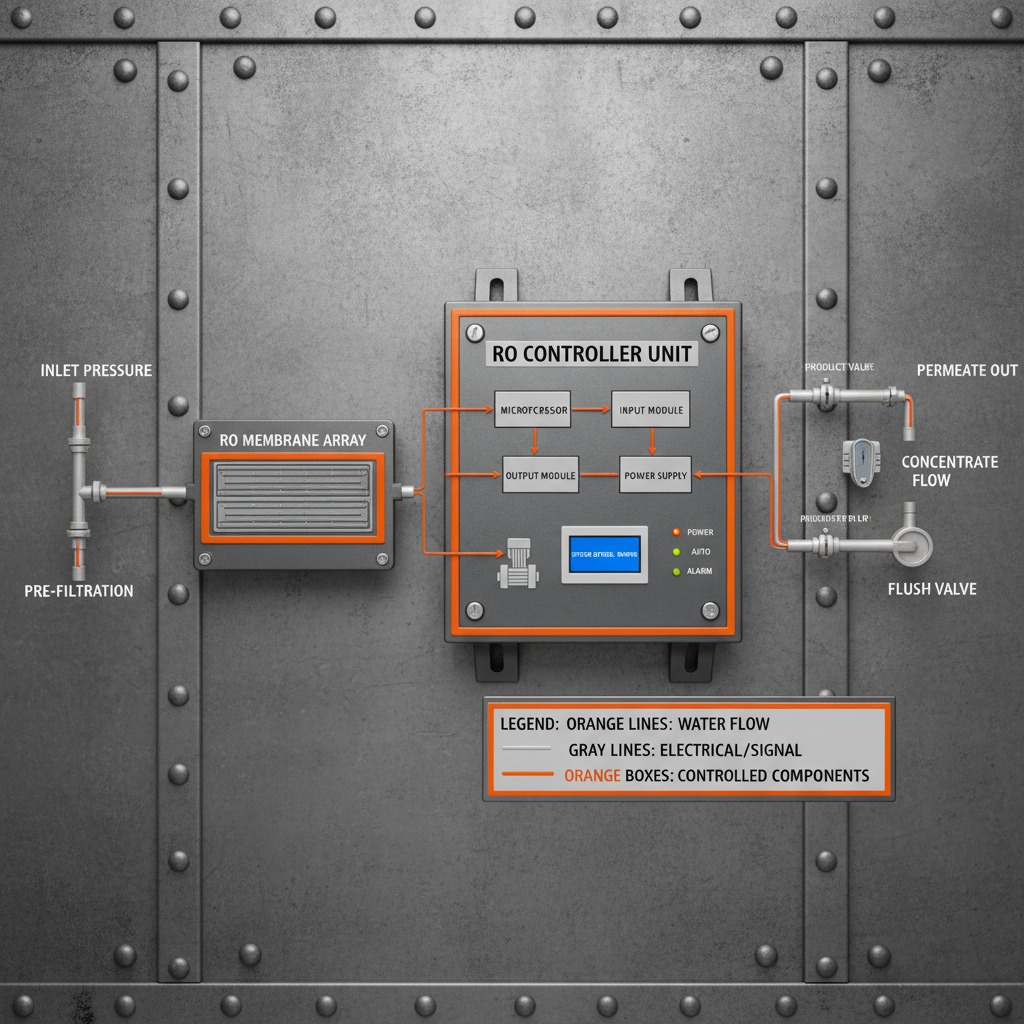
Guide to Choosing the Right RO Controller for Water PurificationMaintaining a high-performance reverse osmosis system requires more than just quality membranes; it demands precise regulation. An ro controller serves as the brain of the entire operation, monitoring critical parameters such as conductivity, temperature, and flow rates to ensure the output water meets stringent purity standards. Without an efficient controller, systems are prone to membrane fouling, inefficient energy use, and inconsistent water quality. In this comprehensive guide, we will explore how these devices optimize water treatment processes and how to select the best model for your specific industrial or commercial needs.
2026-04-09 03:25:47
Guide to Water Purity Using RO with TDS Controller SystemsAchieving the perfect balance of mineral content and purity in drinking water is a challenge for many households and industrial facilities. A ro with tds controller offers a sophisticated solution by combining the rigorous filtration of Reverse Osmosis (RO) with the precision of a Total Dissolved Solids (TDS) adjustment system. While standard RO systems remove almost everything, including beneficial minerals, a TDS controller allows users to re-mineralize the water to a desired level. This ensures that the water is not only safe and pure but also tastes better and provides essential nutrients.
2026-04-07 03:17:09
Understanding and Optimizing Reverse Osmosis Systems with a ControllerIn the world of water purification, reverse osmosis (RO) systems are a cornerstone for producing high-quality water for various applications, from drinking water to industrial processes. However, an RO system is only as effective as its control system. This is where the reverse osmosis controller comes into play. This critical component manages and optimizes the RO process, ensuring efficient operation, water quality, and system longevity.
2026-04-04 03:27:19
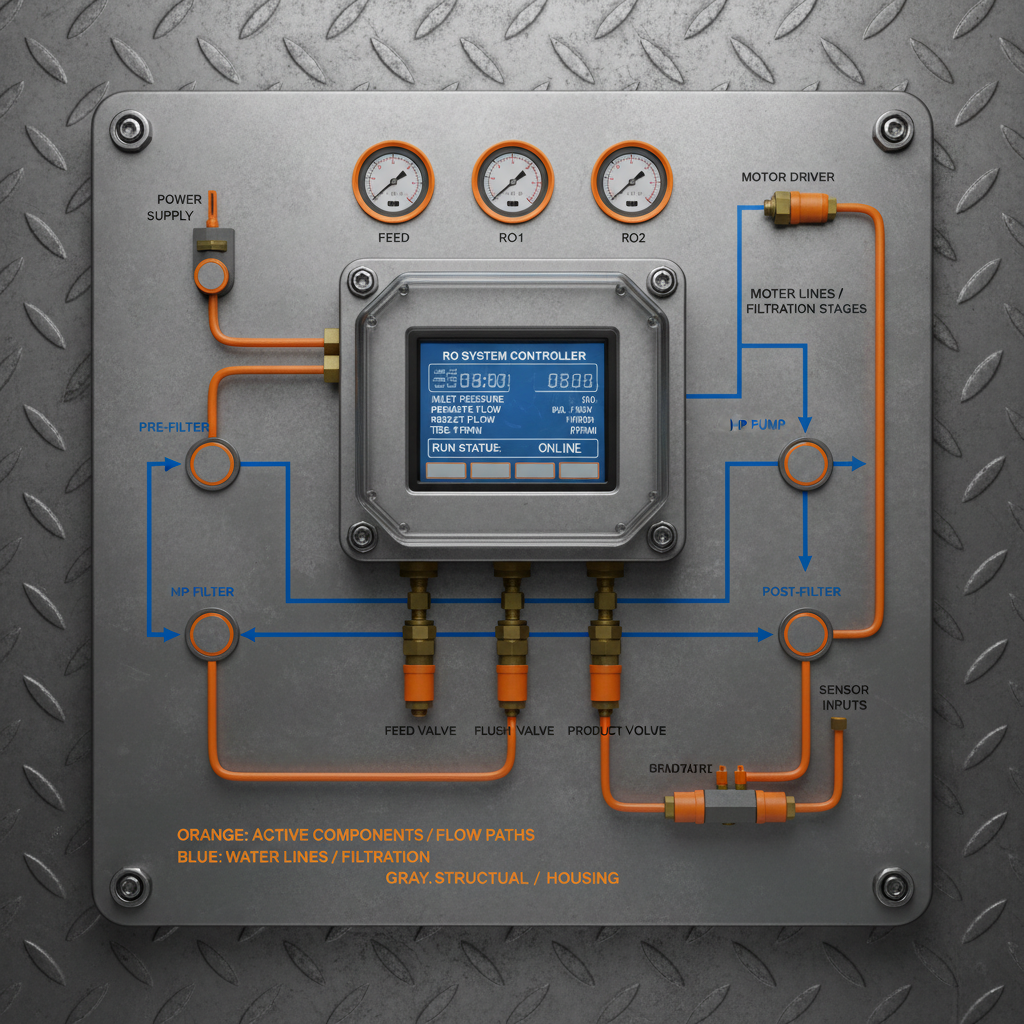
Understanding the Vital Role of an RO System Controller for Optimal PerformanceReverse Osmosis (RO) systems are critical for purifying water across various industries, from residential applications to large-scale industrial processes. At the heart of a well-functioning RO system lies the RO system controller. This intelligent device monitors and regulates all key parameters of the RO process, ensuring optimal performance, efficiency, and water quality. This article delves into the functionalities, benefits, and selection criteria for choosing the right RO system controller, particularly focusing on those offered by Watequipments. Understanding its role is crucial for maximizing the lifespan and effectiveness of your RO investment.
2026-03-24 17:18:24
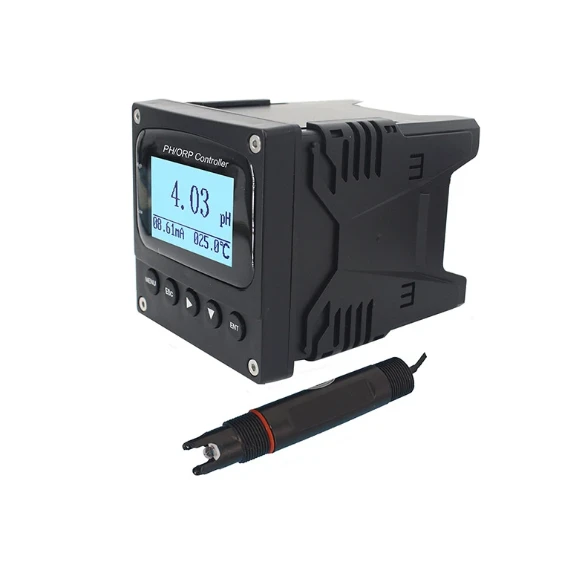
Smart Water Treatment Solutions Using PH ORP Controller SystemsIn modern water treatment and industrial fluid management, maintaining precise chemical balance is essential for safety, efficiency, and regulatory compliance.
2026-03-04 02:55:19
Comprehensive Guide to Water Depth Samplers and Their ApplicationsAccurate water quality monitoring is crucial in various fields, from environmental science and aquaculture to industrial wastewater management. A key tool for this is the water depth sampler. This article provides an in-depth look at water depth samplers, their applications, types, and essential considerations for choosing the right one for your needs. We'll explore the benefits of utilizing this equipment to collect reliable data for analysis and informed decision-making. Selecting the right sampler can significantly improve the precision and efficiency of your water monitoring program. A water depth sampler, also known as a depth-integrated sampler, is a device designed to collect water samples from specific depths within a body of water. Unlike simply dipping a container into the water, a depth sampler allows for collection of a representative sample across a defined depth range. This is critical because water properties (temperature, salinity, pollutants) often vary significantly with depth. The data gathered with a water depth sampler provides a more accurate assessment of water quality than surface samples alone.
2026-03-03 18:55:22
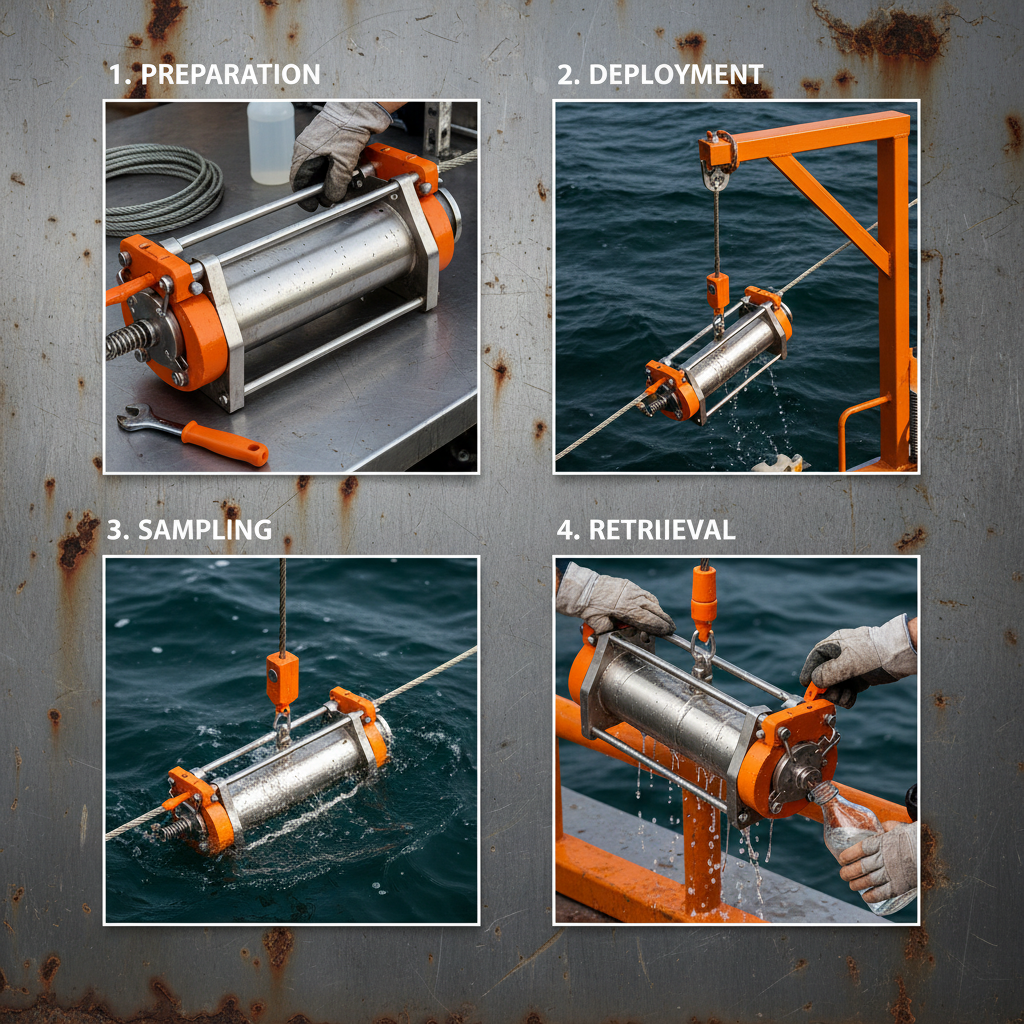
Comprehensive Guide to Horizontal Water Sampler Applications and SelectionCollecting water samples at varying depths is crucial for environmental monitoring, research, and quality control. The horizontal water sampler from Watequipment.com offers a precise and efficient solution for this task. This article provides an in-depth look at horizontal water samplers, their applications, benefits, and key considerations when choosing the right model. We will explore how these samplers contribute to accurate data collection and informed decision-making in various fields. A horizontal water sampler is a device designed to collect water samples from specific depths within a body of water – rivers, lakes, oceans, reservoirs, and even wastewater treatment plants. Unlike vertical samplers which primarily focus on depth, horizontal samplers prioritize collecting samples at a consistent depth while moving along a horizontal plane. This is essential for assessing water quality variations across a waterway or within a specific zone. They are used in applications ranging from environmental monitoring and scientific research to industrial process control and regulatory compliance.
2026-02-28 02:35:09
Comprehensive Guide to Selecting the Right Surface Water Sampler for Your NeedsMonitoring the quality of surface water is critical for environmental protection, public health, and various industrial applications. A surface water sampler is an essential tool for collecting representative samples from rivers, lakes, ponds, and other surface water sources. This article provides a detailed overview of surface water samplers, their types, applications, and key considerations for selecting the right equipment. Accurate water quality data relies on proper sample collection, and choosing the correct sampler is the first step toward achieving reliable results. Surface water samplers come in various designs, each suited to specific sampling needs. Common types include grab samplers, depth-integrating samplers, peristaltic pumps, and automatic samplers. Surface water samplers are used across a broad spectrum of applications, including environmental monitoring, wastewater discharge monitoring, drinking water source monitoring, agricultural runoff analysis, and research studies.

 English