


Soil Sensor for Smart Irrigation | Accurate, Durable, IoT

Soil Sensor for Smart Irrigation | Accurate, Durable, IoT
Dec . 13, 2025
Soil Sensor is a key solution in the manufacturing industry, specifically within Instrument manufacturing industry and sensor manufacturing. This article explores how Hebei JIRS Import & Export Co., Ltd. supports professionals with durable, high-performance products, and explains why this product is an ideal choice for businesses in these sectors.
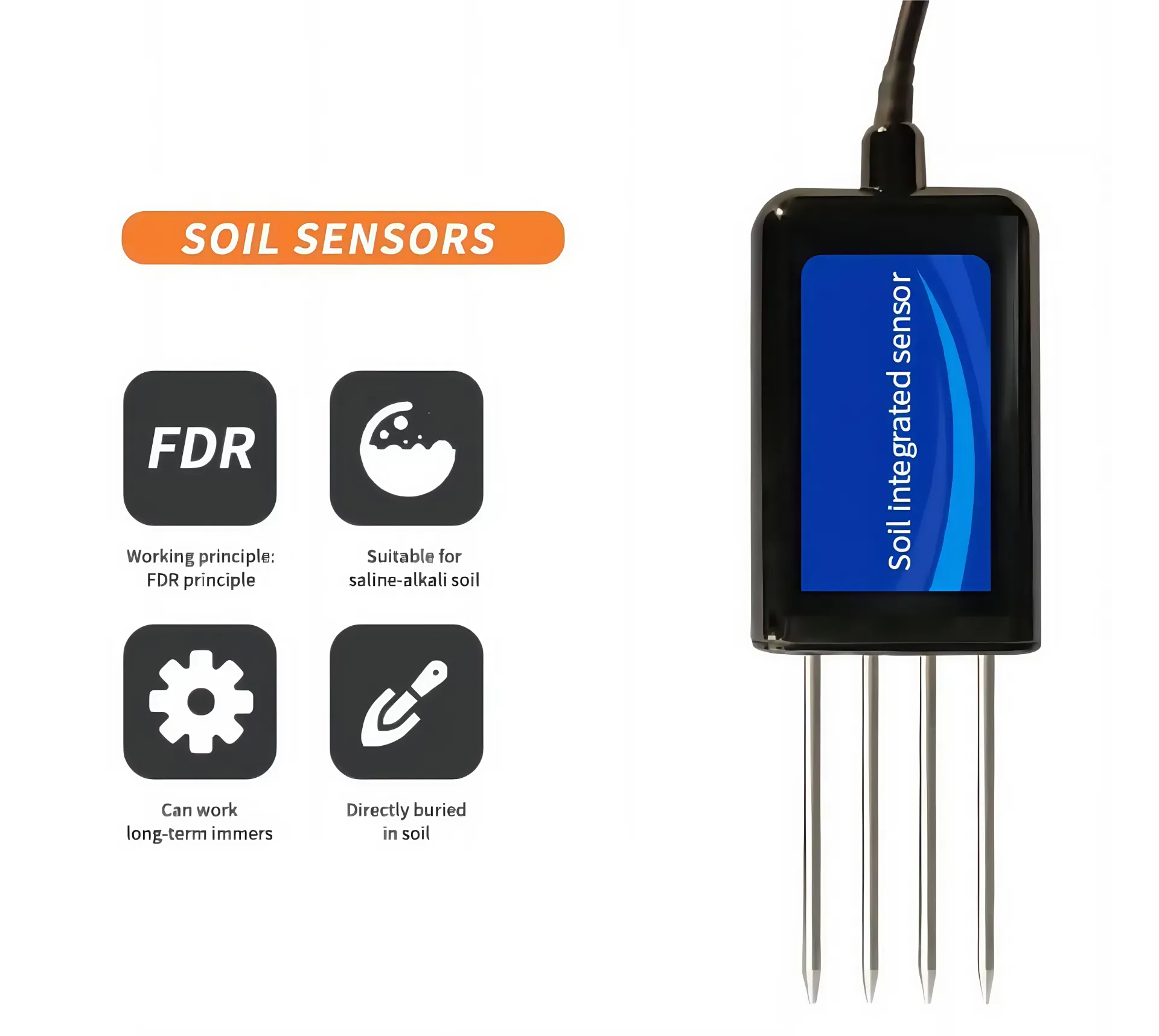
Table of Contents
- Soil Sensor Overview
- Benefits & Use Cases of Soil Sensor in sensor manufacturing
- Cost, Maintenance & User Experience
- Sustainability & Market Trends in manufacturing
- Conclusion on Soil Sensor from Hebei JIRS Import & Export Co., Ltd.
Soil Sensor Overview
In the instrument manufacturing industry, a Soil Sensor is a precision probe that measures key subsurface parameters—typically volumetric water content (VWC), temperature, electrical conductivity (EC/salinity), and sometimes pH—so that OEMs and solution providers can automate irrigation, fertigation, and environmental monitoring. For B2B decision makers, the value lies in reliable, repeatable data that integrates seamlessly into PLCs, data loggers, and IoT gateways. To support varied deployment environments, modern designs are available with common industrial outputs (4–20 mA, 0–5 V/0–10 V) and digital protocols (RS485/Modbus RTU, SDI-12). Ruggedized enclosures, stainless-steel tines, and IP67+ ingress protection help assure long service life in the field.
Hebei JIRS Import & Export Co., Ltd. supplies Soil Sensor options engineered for accuracy, fast response, and stable long-term drift characteristics—critical for high-density sensor networks and OEM assemblies. Typical configurations support wide supply ranges (e.g., 5–24 VDC), overvoltage protection, and temperature compensation. In a representative deployment, a greenhouse automation OEM integrated multi-parameter probes via Modbus to drive valve actuation and nutrient dosing; the outcome was tighter irrigation control and lower maintenance touchpoints across dozens of sites. With robust quality controls and application-focused support, Hebei JIRS helps manufacturers shorten integration cycles and scale confidently.
Benefits & Use Cases of Soil Sensor in sensor manufacturing
For sensor manufacturers and OEM assemblers, Soil Sensor modules are foundational components in smart irrigation controllers, agricultural weather stations, turf and sports field management systems, vertical farming rigs, and municipal landscaping platforms. They enable closed-loop control: moisture thresholds trigger pumps and valves; EC readings guide nutrient dosing; temperature informs root-zone health analytics. To simplify production lines, Hebei JIRS offers variants with M12 or sealed cable leads, pre-calibrated outputs, and open protocol stacks—reducing firmware work and ensuring interoperability with common PLCs and gateways.
- Competitive advantages: fast stabilization time, salt-stable EC algorithms, abrasion-resistant probes, and wide operating temperature ranges for year-round outdoor use.
- Manufacturing readiness: consistent calibration curves, serialized traceability, and batch-to-batch repeatability to support scalable assembly and quality assurance.
- Integration support: reference wiring diagrams, Modbus mapping, and quick-start guides accelerate time to market.
Backed by domain expertise in sensor manufacturing, Hebei JIRS Import & Export Co., Ltd. partners with OEMs for private-label options, harness customizations, and supply planning—ensuring your Soil Sensor program meets both technical and commercial targets.
Cost, Maintenance & User Experience
Total cost of ownership for a Soil Sensor depends on durability, calibration stability, and serviceability. Designs from Hebei JIRS emphasize robust sealing, corrosion-resistant materials, and strain-relieved cabling to minimize field failures and truck rolls. With stable drift behavior and straightforward single-point verification in situ, maintenance intervals can be extended—improving ROI, especially across distributed deployments. Options such as reverse-polarity and surge protection cut down on installation errors, while self-diagnostics help technicians identify cable faults or out-of-range conditions quickly.
From an operational perspective, OEM customers in the instrument manufacturing sector report smoother PLC integration via Modbus templates, consistent sensor-to-sensor agreement within production batches, and fewer RMAs after moving to ruggedized connectors. Many end users see measurable reductions in water use, tighter nutrient control, and fewer site visits due to reliable remote readings. When procurement teams weigh upfront price against service life, data quality, and support responsiveness, the long-run economics of a well-built Soil Sensor platform become clear—shorter payback windows and predictable lifecycle costs.
Sustainability & Market Trends in manufacturing
Precision sensing is central to sustainable land and water management. By enabling data-driven irrigation and nutrient application, Soil Sensor networks help reduce water drawdown, runoff, and fertilizer wastage—supporting regulatory initiatives and ESG goals in agriculture, landscaping, and municipal projects. Market momentum is accelerating as digital agriculture platforms adopt edge analytics, LPWAN connectivity (e.g., LoRaWAN/NB-IoT), and interoperable data standards that streamline multi-vendor deployments and lifecycle service.
Hebei JIRS Import & Export Co., Ltd. aligns with these trends through energy-efficient electronics, material selection mindful of RoHS compliance, and packaging that reduces waste. Designs emphasize longevity and repairability to curb e-waste, while firmware-configurable options extend useful life across evolving protocols. With proactive supply-chain planning and engineering collaboration, Hebei JIRS helps OEMs scale responsibly—delivering Soil Sensor solutions that meet today’s sustainability expectations and tomorrow’s performance benchmarks.
Conclusion on Soil Sensor from Hebei JIRS Import & Export Co., Ltd.
For B2B leaders in the instrument and sensor manufacturing ecosystem, a dependable Soil Sensor is the cornerstone of precise, automated, and sustainable field operations. Hebei JIRS Import & Export Co., Ltd. combines rugged hardware, integration-ready interfaces, and attentive engineering support to help OEMs deliver reliable data and compelling ROI. From greenhouse automation to large-scale smart irrigation, our solutions are built for scale, serviceability, and long-term stability. Contact us: email: info@watequipment.com — Visit our website: https://www.watequipments.com

Related Products
Related News
2026-04-16 03:20:19
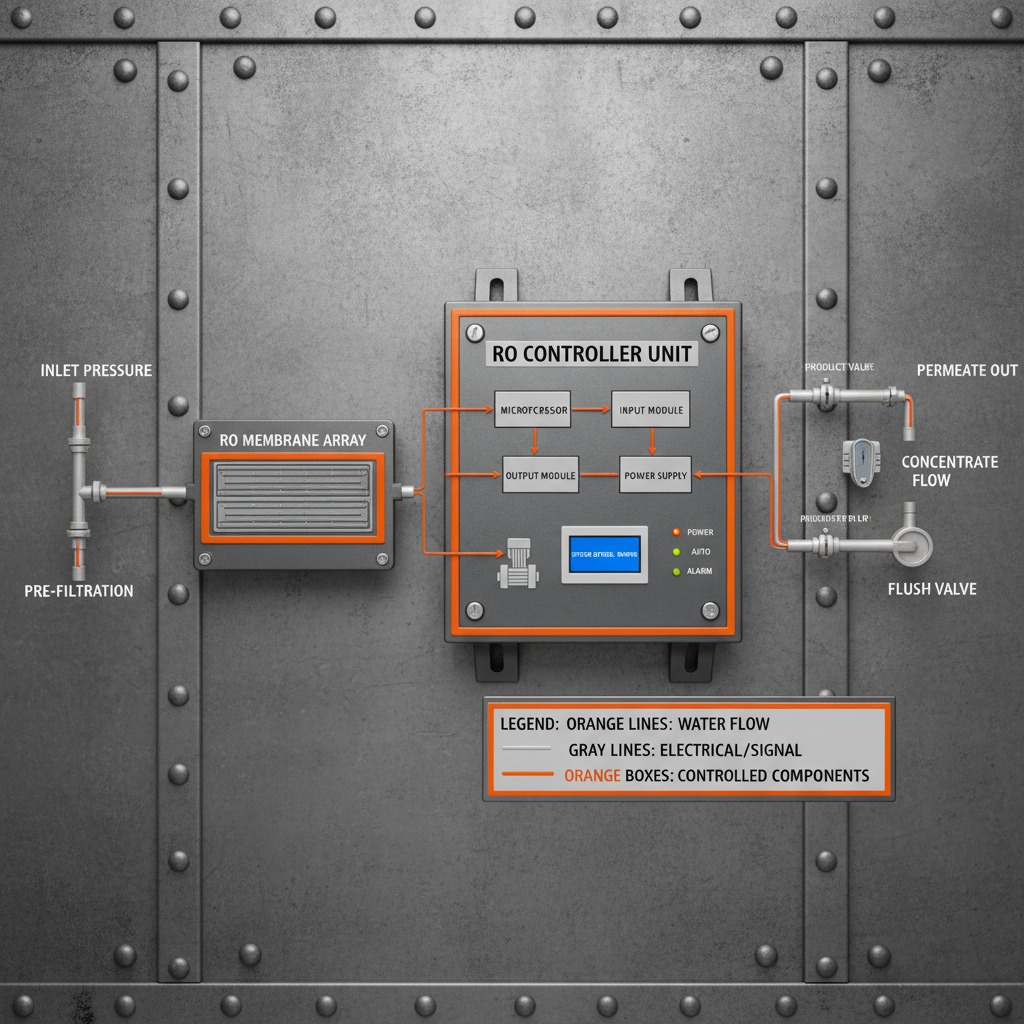
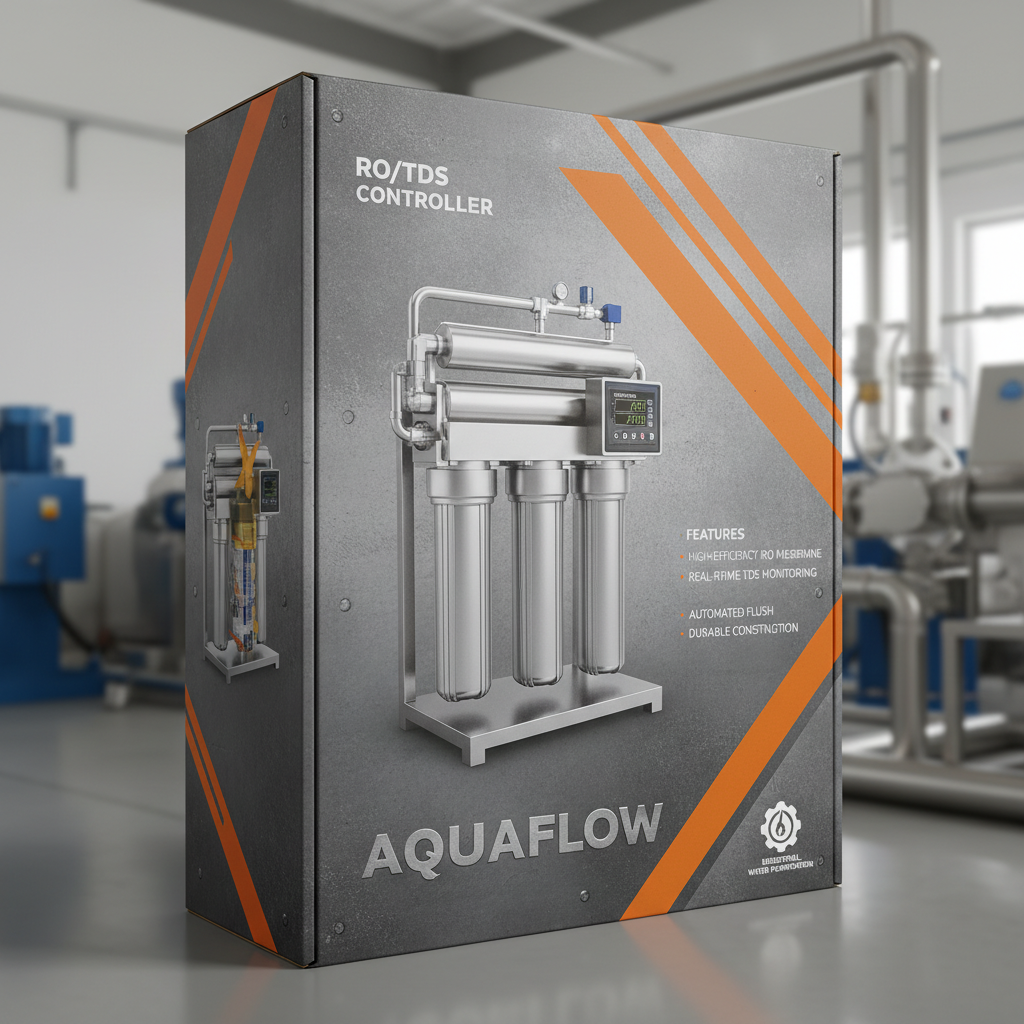
Guide to Choosing the Right RO Controller for Water PurificationMaintaining a high-performance reverse osmosis system requires more than just quality membranes; it demands precise regulation. An ro controller serves as the brain of the entire operation, monitoring critical parameters such as conductivity, temperature, and flow rates to ensure the output water meets stringent purity standards. Without an efficient controller, systems are prone to membrane fouling, inefficient energy use, and inconsistent water quality. In this comprehensive guide, we will explore how these devices optimize water treatment processes and how to select the best model for your specific industrial or commercial needs.
2026-04-09 03:25:47
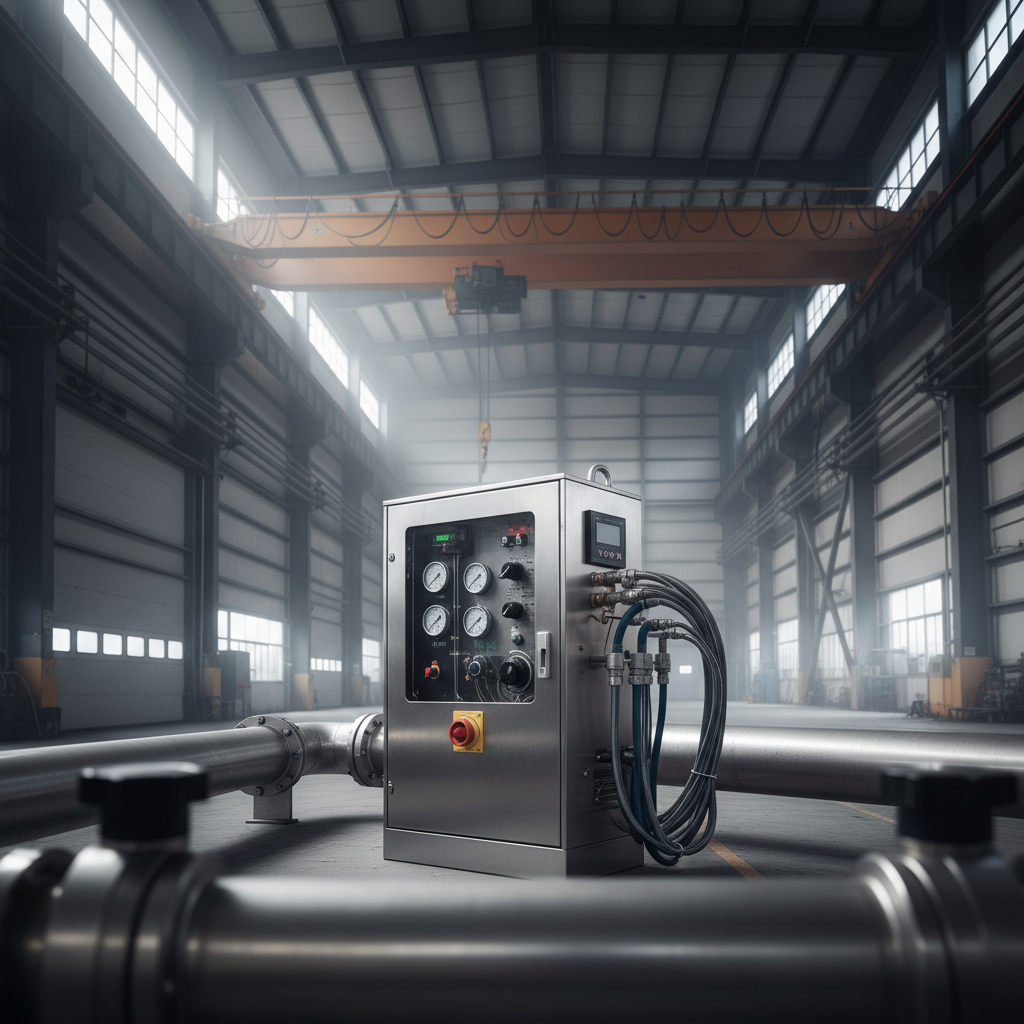
Guide to Water Purity Using RO with TDS Controller SystemsAchieving the perfect balance of mineral content and purity in drinking water is a challenge for many households and industrial facilities. A ro with tds controller offers a sophisticated solution by combining the rigorous filtration of Reverse Osmosis (RO) with the precision of a Total Dissolved Solids (TDS) adjustment system. While standard RO systems remove almost everything, including beneficial minerals, a TDS controller allows users to re-mineralize the water to a desired level. This ensures that the water is not only safe and pure but also tastes better and provides essential nutrients.
2026-04-07 03:17:09
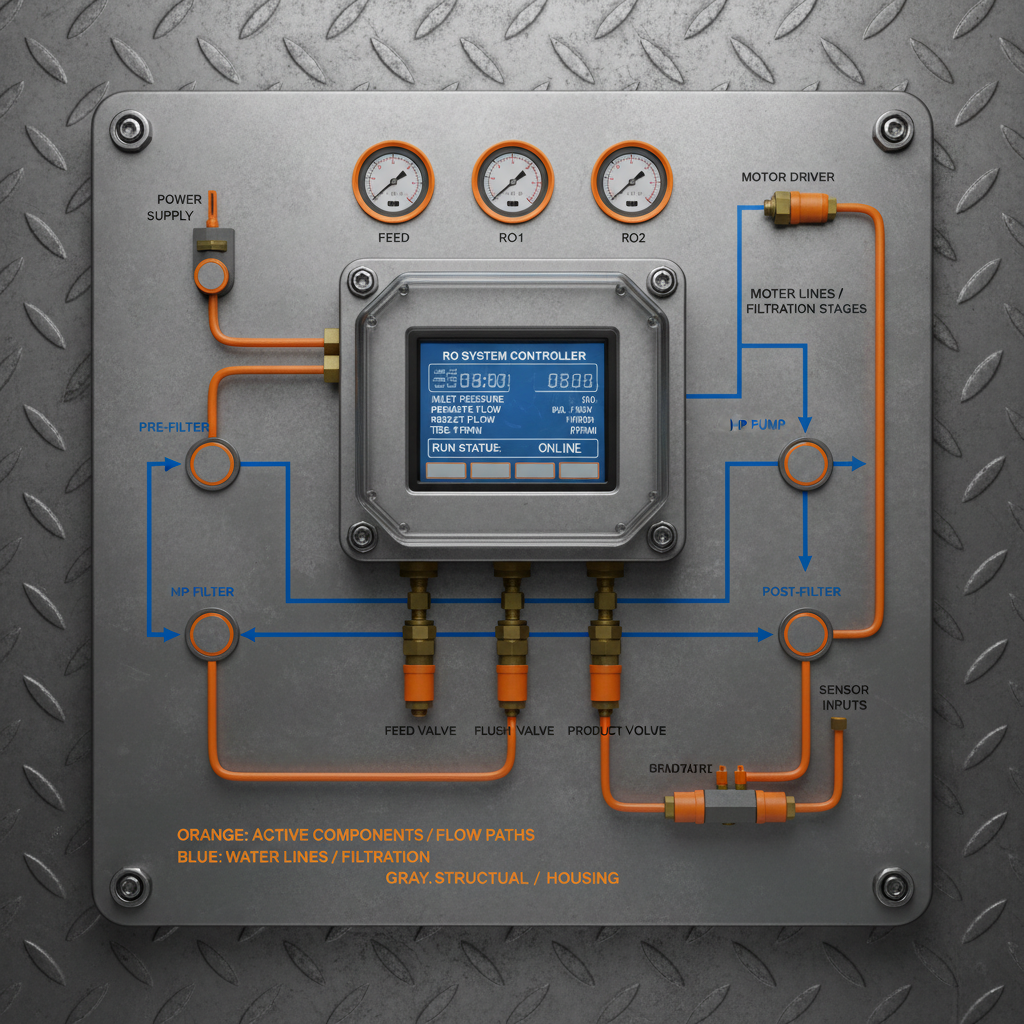
Understanding and Optimizing Reverse Osmosis Systems with a ControllerIn the world of water purification, reverse osmosis (RO) systems are a cornerstone for producing high-quality water for various applications, from drinking water to industrial processes. However, an RO system is only as effective as its control system. This is where the reverse osmosis controller comes into play. This critical component manages and optimizes the RO process, ensuring efficient operation, water quality, and system longevity.
2026-04-04 03:27:19
Understanding the Vital Role of an RO System Controller for Optimal PerformanceReverse Osmosis (RO) systems are critical for purifying water across various industries, from residential applications to large-scale industrial processes. At the heart of a well-functioning RO system lies the RO system controller. This intelligent device monitors and regulates all key parameters of the RO process, ensuring optimal performance, efficiency, and water quality. This article delves into the functionalities, benefits, and selection criteria for choosing the right RO system controller, particularly focusing on those offered by Watequipments. Understanding its role is crucial for maximizing the lifespan and effectiveness of your RO investment.
2026-03-24 17:18:24
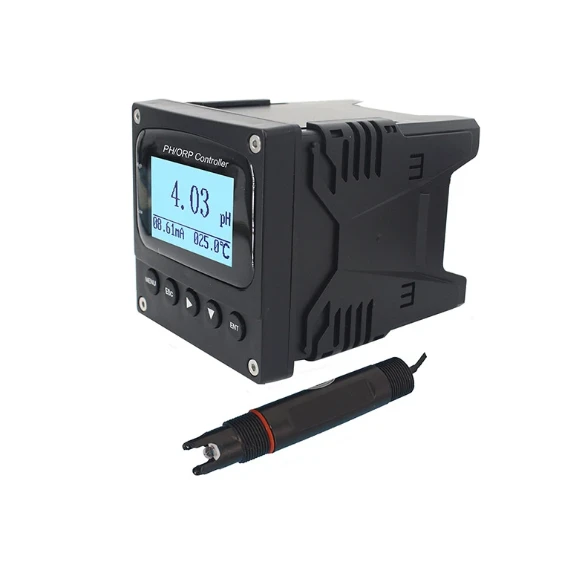
Smart Water Treatment Solutions Using PH ORP Controller SystemsIn modern water treatment and industrial fluid management, maintaining precise chemical balance is essential for safety, efficiency, and regulatory compliance.
2026-03-04 02:55:19
Comprehensive Guide to Water Depth Samplers and Their ApplicationsAccurate water quality monitoring is crucial in various fields, from environmental science and aquaculture to industrial wastewater management. A key tool for this is the water depth sampler. This article provides an in-depth look at water depth samplers, their applications, types, and essential considerations for choosing the right one for your needs. We'll explore the benefits of utilizing this equipment to collect reliable data for analysis and informed decision-making. Selecting the right sampler can significantly improve the precision and efficiency of your water monitoring program. A water depth sampler, also known as a depth-integrated sampler, is a device designed to collect water samples from specific depths within a body of water. Unlike simply dipping a container into the water, a depth sampler allows for collection of a representative sample across a defined depth range. This is critical because water properties (temperature, salinity, pollutants) often vary significantly with depth. The data gathered with a water depth sampler provides a more accurate assessment of water quality than surface samples alone.
2026-03-03 18:55:22
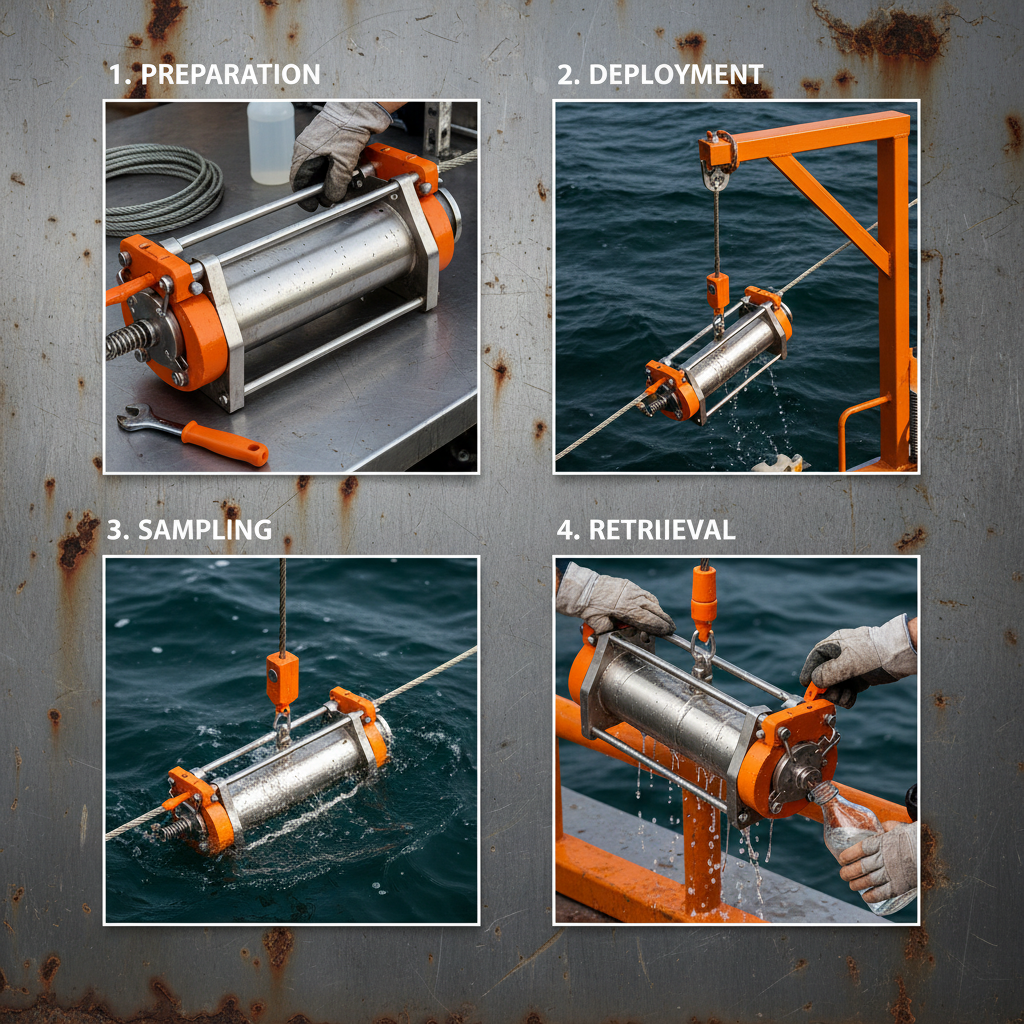
Comprehensive Guide to Horizontal Water Sampler Applications and SelectionCollecting water samples at varying depths is crucial for environmental monitoring, research, and quality control. The horizontal water sampler from Watequipment.com offers a precise and efficient solution for this task. This article provides an in-depth look at horizontal water samplers, their applications, benefits, and key considerations when choosing the right model. We will explore how these samplers contribute to accurate data collection and informed decision-making in various fields. A horizontal water sampler is a device designed to collect water samples from specific depths within a body of water – rivers, lakes, oceans, reservoirs, and even wastewater treatment plants. Unlike vertical samplers which primarily focus on depth, horizontal samplers prioritize collecting samples at a consistent depth while moving along a horizontal plane. This is essential for assessing water quality variations across a waterway or within a specific zone. They are used in applications ranging from environmental monitoring and scientific research to industrial process control and regulatory compliance.
2026-02-28 02:35:09
Comprehensive Guide to Selecting the Right Surface Water Sampler for Your NeedsMonitoring the quality of surface water is critical for environmental protection, public health, and various industrial applications. A surface water sampler is an essential tool for collecting representative samples from rivers, lakes, ponds, and other surface water sources. This article provides a detailed overview of surface water samplers, their types, applications, and key considerations for selecting the right equipment. Accurate water quality data relies on proper sample collection, and choosing the correct sampler is the first step toward achieving reliable results. Surface water samplers come in various designs, each suited to specific sampling needs. Common types include grab samplers, depth-integrating samplers, peristaltic pumps, and automatic samplers. Surface water samplers are used across a broad spectrum of applications, including environmental monitoring, wastewater discharge monitoring, drinking water source monitoring, agricultural runoff analysis, and research studies.

 English