


DOZ-6850 Industrial-Grade | High Performance, Compact Design

DOZ-6850 Industrial-Grade | High Performance, Compact Design
Oct . 18, 2025
Field Notes and Findings: The DOZ-6850 Online Dissolved Ozone Controller
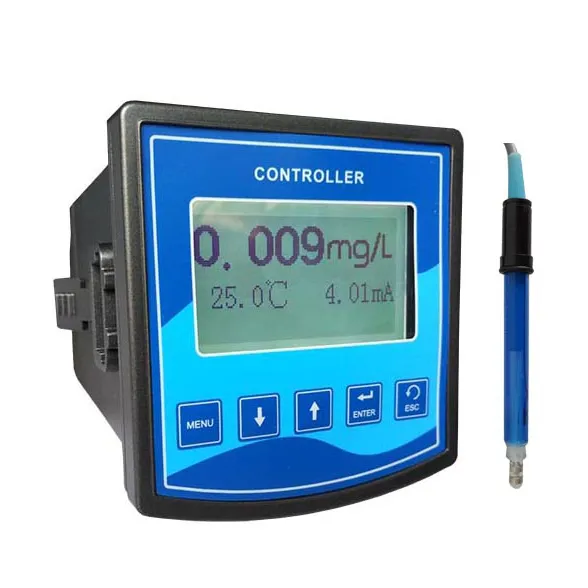
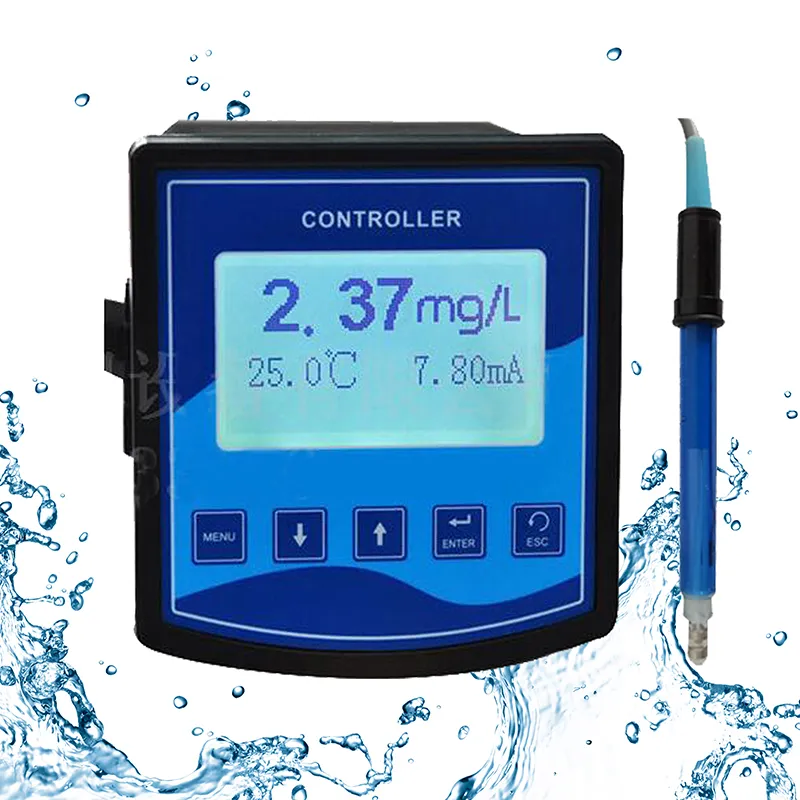
I’ve been watching dissolved ozone control evolve from reagent-hungry, fussy set‑ups to clean, membrane‑less instruments. The DOZ-6850 sits squarely in that trend: a micro‑computerized controller using a non‑film constant‑voltage sensor. No diaphragm swaps, no reagents. Less babysitting, more runtime. It ships from No.188, Fengshou Road, Chang'an district, Shijiazhuang, Hebei, China 050041—which, for industry watchers, is a hub that’s been quietly turning out rugged water instrumentation for years.
Why membrane‑less ozone sensing is having a moment
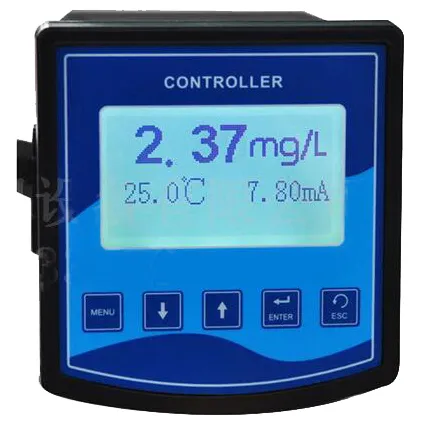
Utilities and process water teams want tighter control with fewer consumables. Membrane‑based amperometric probes can drift when fouled; dosing can get jittery. By contrast, the DOZ-6850 leverages constant‑potential sensing, a large LCD with English menu, and practical touches—slope correction, factory reset, watchdog function, and configurable hysteresis—to keep relays from chattering. Honestly, that last bit alone saves pumps and nerves.
Headline specifications (real‑world notes included)
| Parameter | Spec (≈, real‑world may vary) |
|---|---|
| Measurement | Dissolved O3 with non‑film constant‑voltage sensor |
| Range | ≈ 0–5.00 mg/L (configurable ranges common) |
| Resolution / Accuracy | 0.01 mg/L; ±1–2% F.S. typical after calibration |
| Temp compensation | Auto/Manual 0–60 ℃ |
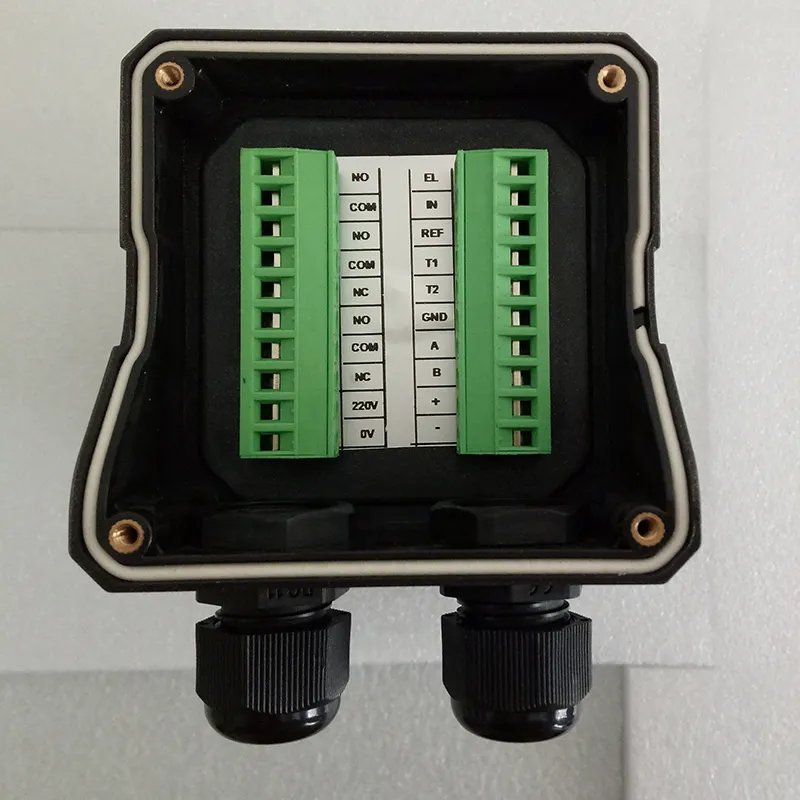
| Outputs | 4–20 mA (assignable), RS‑485 (optional, Modbus‑style), two alarm relays (Hi/Lo), third relay for auto cleaning (optional) |
| Relays | 3 A at 220 VAC / 24 VDC; hysteresis and lag adjustable |
| Enclosure | IP65 front; large LCD; English menu |
| Data integrity | Power‑down protection >10 years; watchdog prevents crashes |
Process flow, materials, and methods
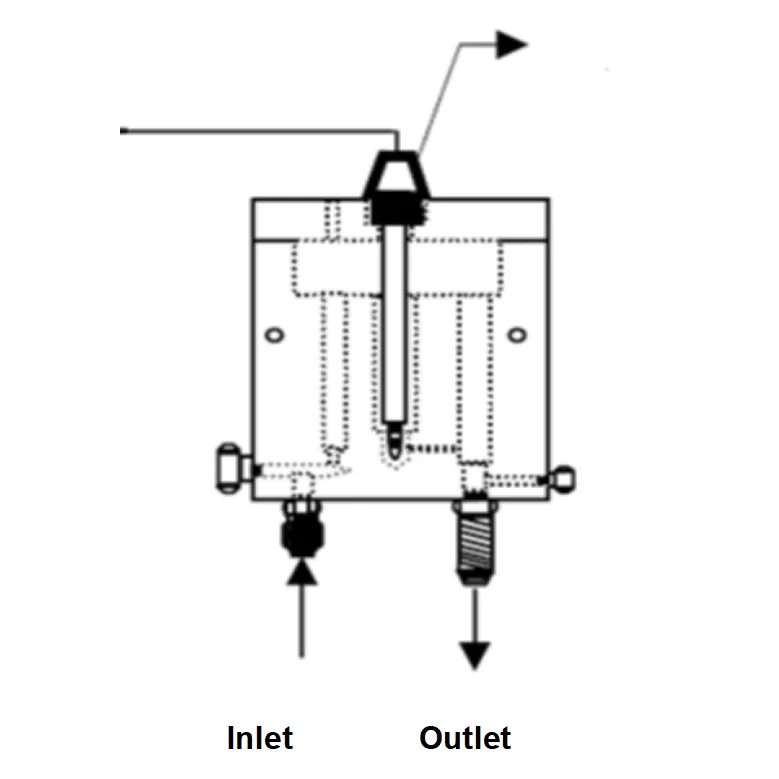
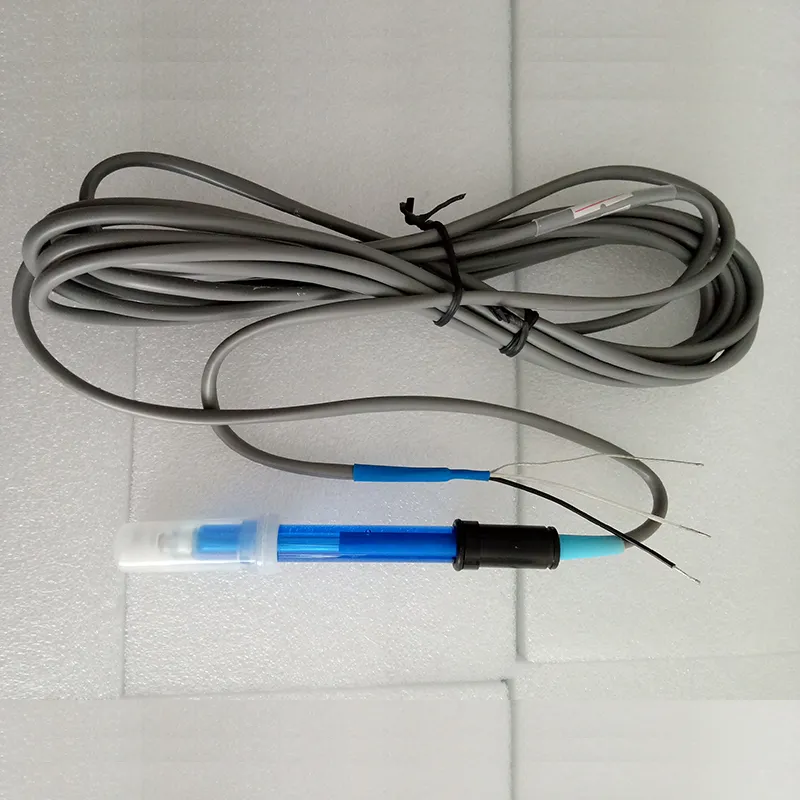
Materials: IP65 panel housing (impact‑resistant polymer), sensor body in corrosion‑resistant alloys/plastics; core devices from well‑known international brands. Method: constant‑potential amperometry without a membrane, so no diaphragm or reagent swaps. Typical workflow: initial two‑point calibration against the Indigo method (SM 4500‑O3 B) → set hysteresis and relay lag → verify 4–20 mA scaling → optional RS‑485 mapping. Testing: drift checked over 72 h against grab samples; users report ±0.02–0.05 mg/L stability in clean water, a bit more variance in high‑TSS streams.
Applications and field notes
- Drinking water and bottling: steady 0.2–0.4 mg/L polishing ozone, fewer false alarms.
- Food & beverage CIP: robust high/low interlocks keep dosing tight.
- Aquaculture: quick response curbs overdosing (fish are unforgiving).
- Electronics rinse loops: optional auto‑clean relay helps in high‑purity lines.
- Pharma sanitization loops: temperature compensation 0–60 ℃ is genuinely useful.
Customer feedback? Many operators say setup is “surprisingly” straightforward. The reset/slope tools save time after maintenance. I guess that’s why we’re seeing it specified more in OEM skids.
Integration, service life, and safeguards
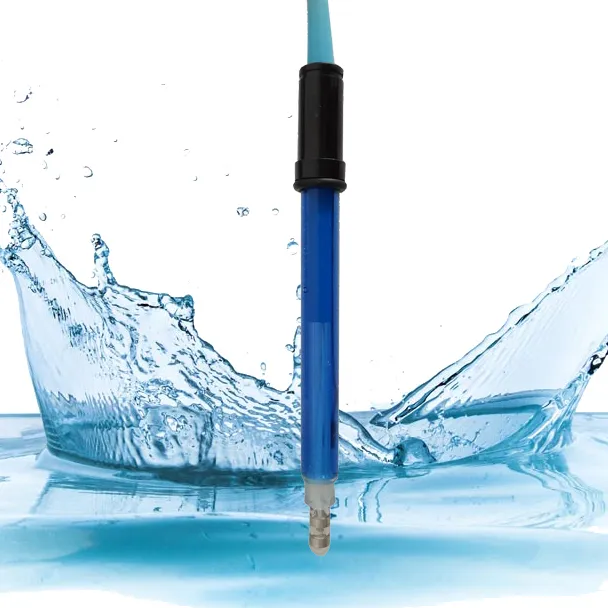
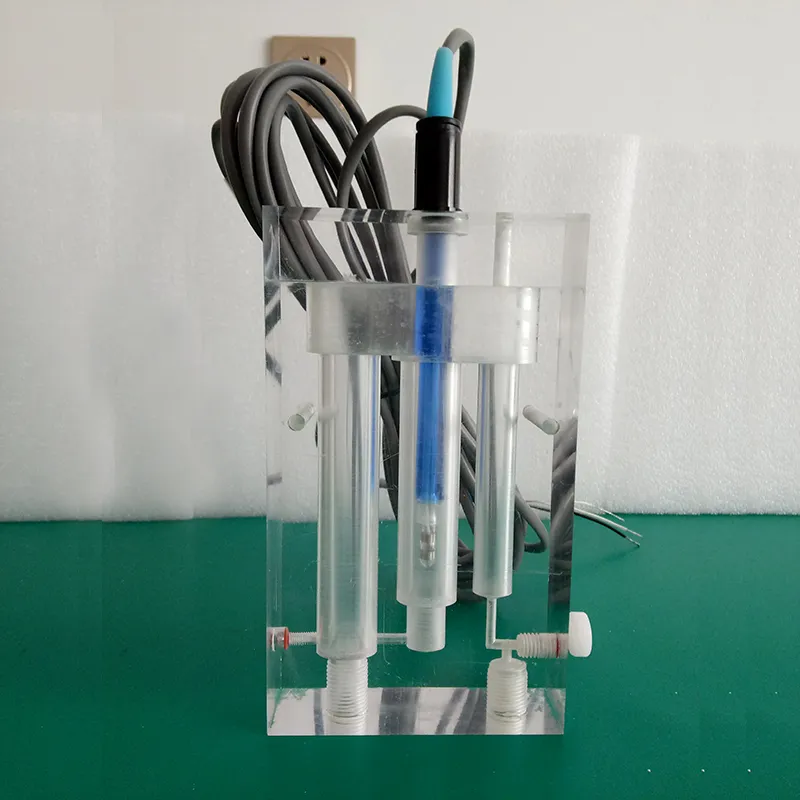
4–20 mA can be freely ranged to the ozone setpoint; RS‑485 (optional) slots into plant SCADA. Hysteresis is tunable to avoid relay chatter; watchdog oversight means the instrument doesn’t lock up mid‑shift. Service life: the membrane‑less sensor typically lasts ≈18–36 months depending on water quality and cleaning cycles; memory retention >10 years guards setpoints.
Vendor snapshot (at a glance)
| Feature | DOZ‑6850 | Competitor A | Competitor B |
|---|---|---|---|
| Sensor type | Membrane‑less constant‑voltage | Membrane amperometric | UV absorption (costly) |
| Maintenance | No reagents/diaphragm | Membrane & electrolyte | Lamp aging, cleaning |
| Relays | 2 alarms + 1 auto‑clean (opt.) | 2 alarms | 2 alarms |
| Comms | 4–20 mA; RS‑485 opt. | 4–20 mA | 4–20 mA; Ethernet opt. |
| Total cost (≈) | Lower OPEX | Higher OPEX | Higher CAPEX |
Customization, compliance, and documentation
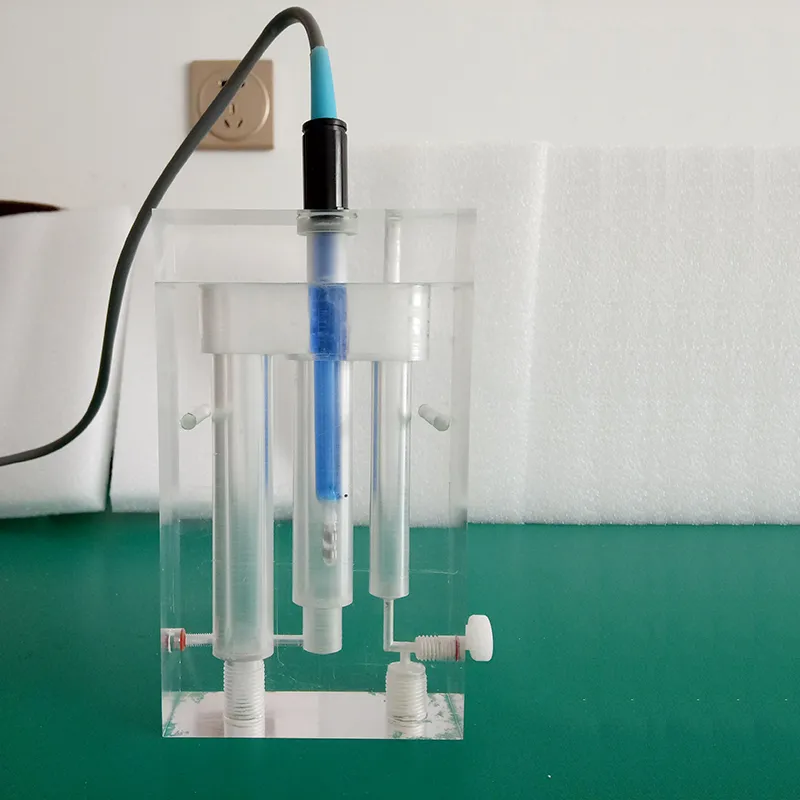
Options include RS‑485, third relay for auto‑cleaning, and flexible 4–20 mA scaling. Typical conformity targets: electrical safety IEC 61010‑1, EMC EN 61326‑1, ingress IP65 per IEC 60529. Calibration is commonly referenced to Standard Methods 4500‑O3 B (Indigo). Ask for certificates and a factory test report—most vendors can bundle both.
Mini case studies
- Bottling plant: ±0.03 mg/L control band over 48 h; alarms set with 0.02 mg/L hysteresis to avoid valve chatter.
- Recirc aquaculture: auto‑clean relay tied to a spray nozzle every 6 h cut manual cleaning by ≈60%.
- Semiconductor rinse: 4–20 mA mapped 0–1.00 mg/L for tighter PLC dosing; drift checked against Indigo grabs every shift.
Bottom line: if you’re chasing stable ozone numbers without reagent carts and fragile membranes, the DOZ-6850 is a practical, surprisingly operator‑friendly pick.
Authoritative citations
- Standard Methods for the Examination of Water and Wastewater, 4500‑O3 B (Indigo Method).
- IEC 61010‑1: Safety requirements for electrical equipment for measurement, control, and laboratory use.
- EN 61326‑1: Electrical equipment for measurement, control and laboratory use—EMC requirements.
- IEC 60529: Degrees of protection provided by enclosures (IP Code).
- WHO Guidelines for Drinking-water Quality, Ozone disinfection notes (context for dose/control).

Related Products
Related News
2026-04-16 03:20:19
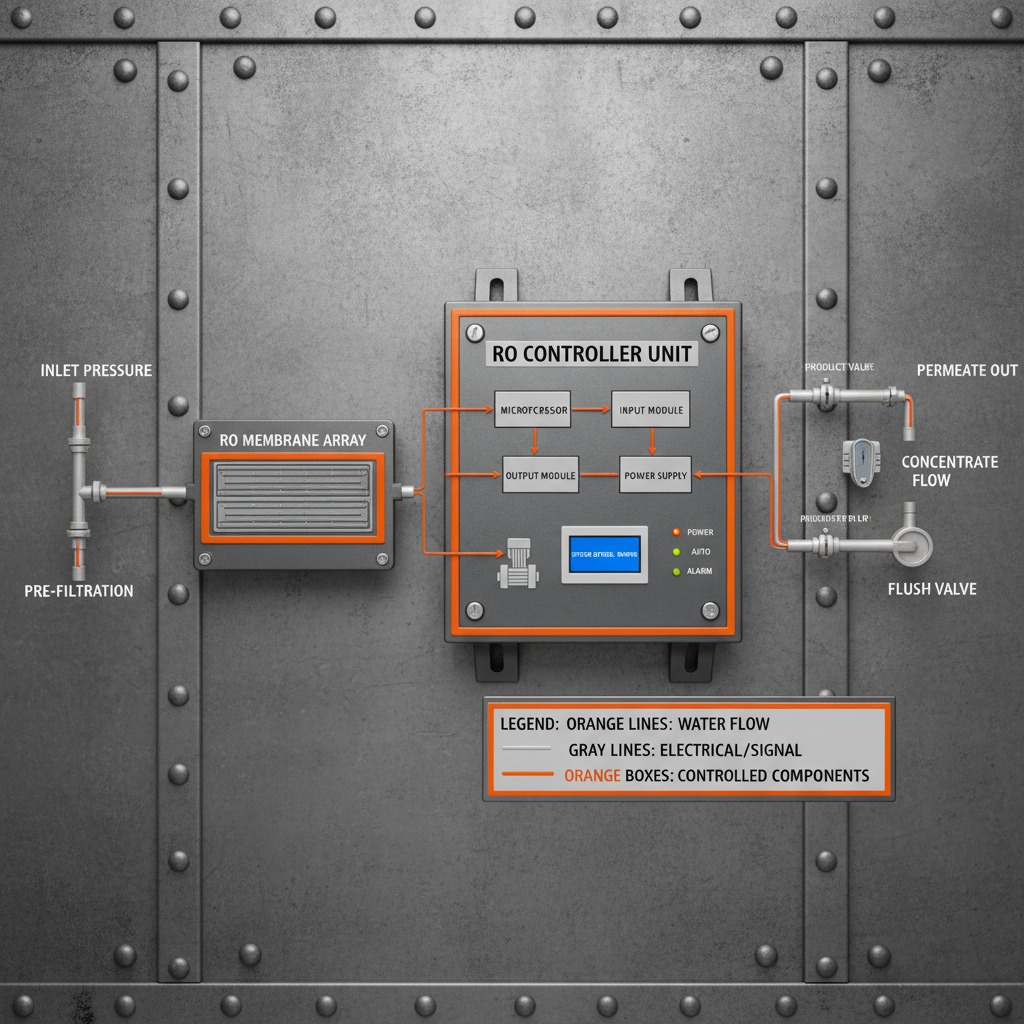
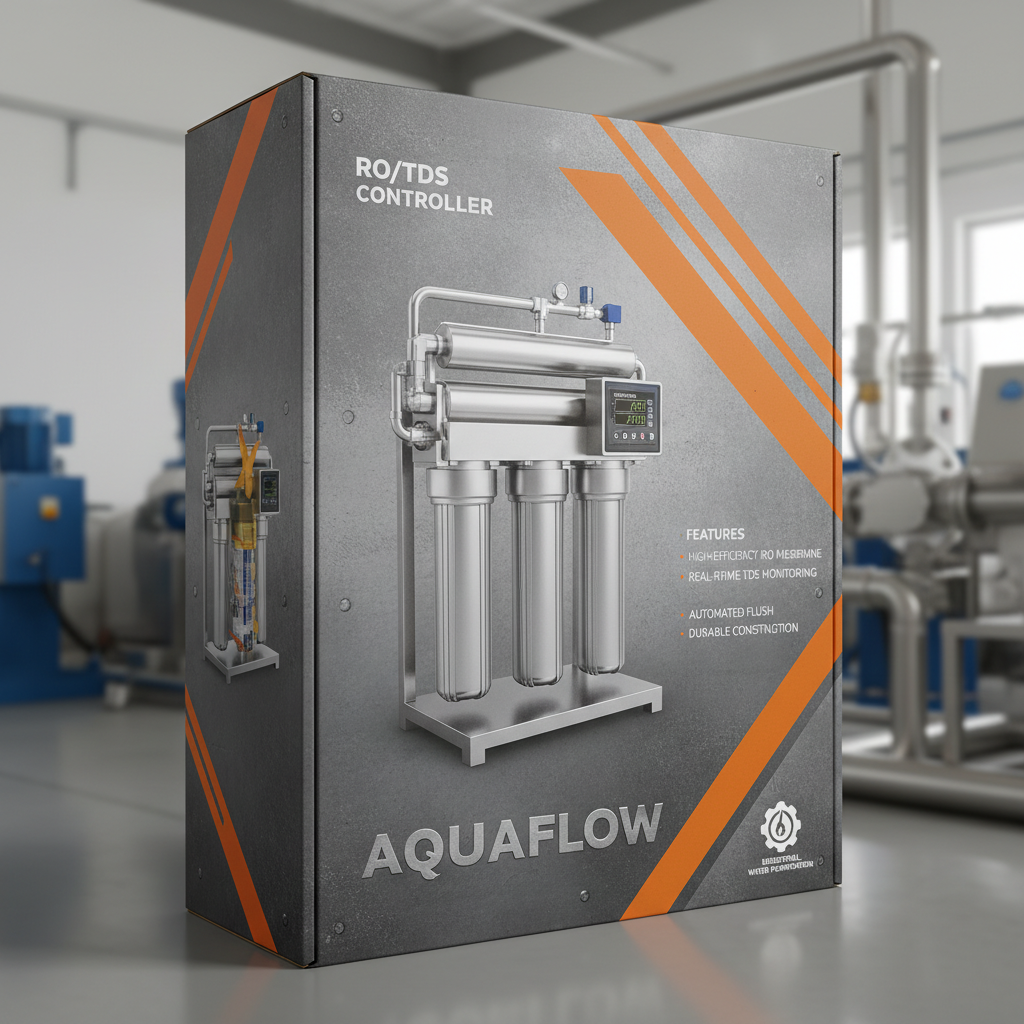
Guide to Choosing the Right RO Controller for Water PurificationMaintaining a high-performance reverse osmosis system requires more than just quality membranes; it demands precise regulation. An ro controller serves as the brain of the entire operation, monitoring critical parameters such as conductivity, temperature, and flow rates to ensure the output water meets stringent purity standards. Without an efficient controller, systems are prone to membrane fouling, inefficient energy use, and inconsistent water quality. In this comprehensive guide, we will explore how these devices optimize water treatment processes and how to select the best model for your specific industrial or commercial needs.
2026-04-09 03:25:47
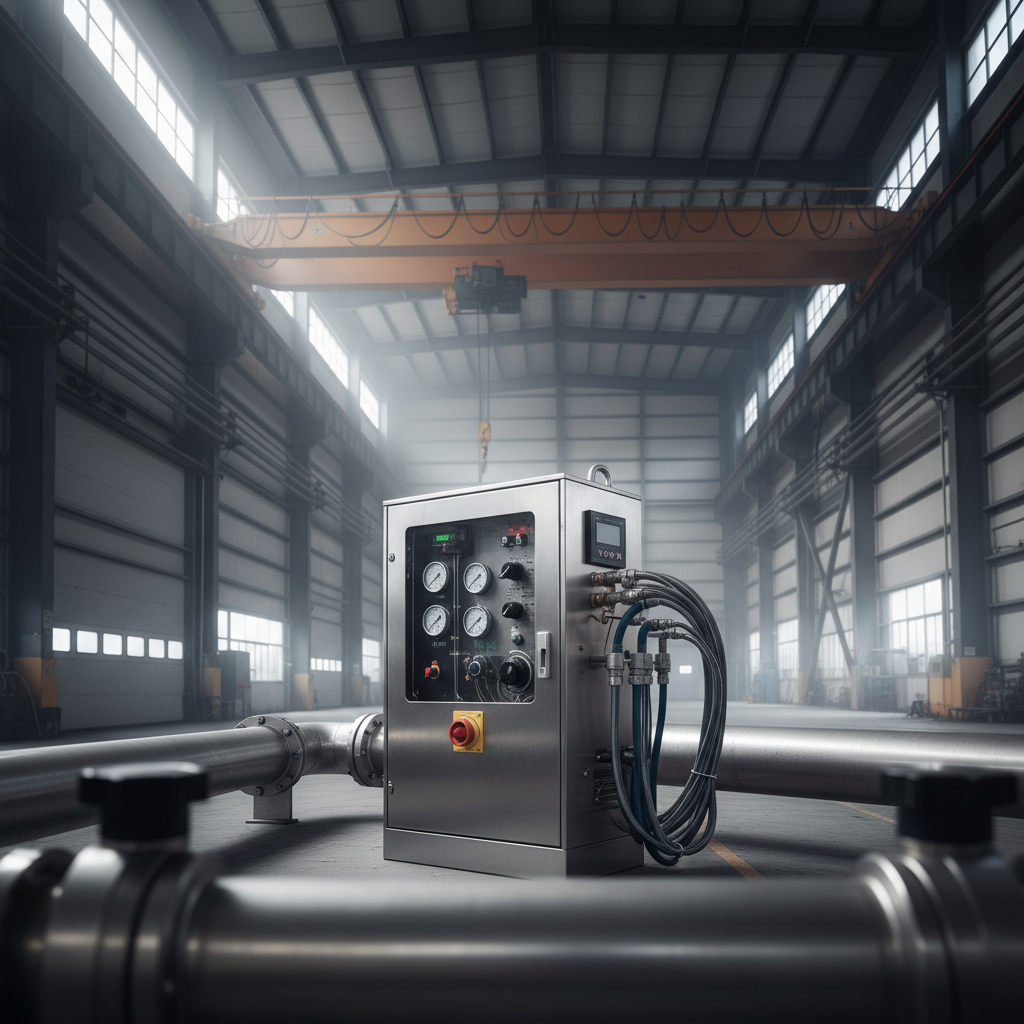
Guide to Water Purity Using RO with TDS Controller SystemsAchieving the perfect balance of mineral content and purity in drinking water is a challenge for many households and industrial facilities. A ro with tds controller offers a sophisticated solution by combining the rigorous filtration of Reverse Osmosis (RO) with the precision of a Total Dissolved Solids (TDS) adjustment system. While standard RO systems remove almost everything, including beneficial minerals, a TDS controller allows users to re-mineralize the water to a desired level. This ensures that the water is not only safe and pure but also tastes better and provides essential nutrients.
2026-04-07 03:17:09
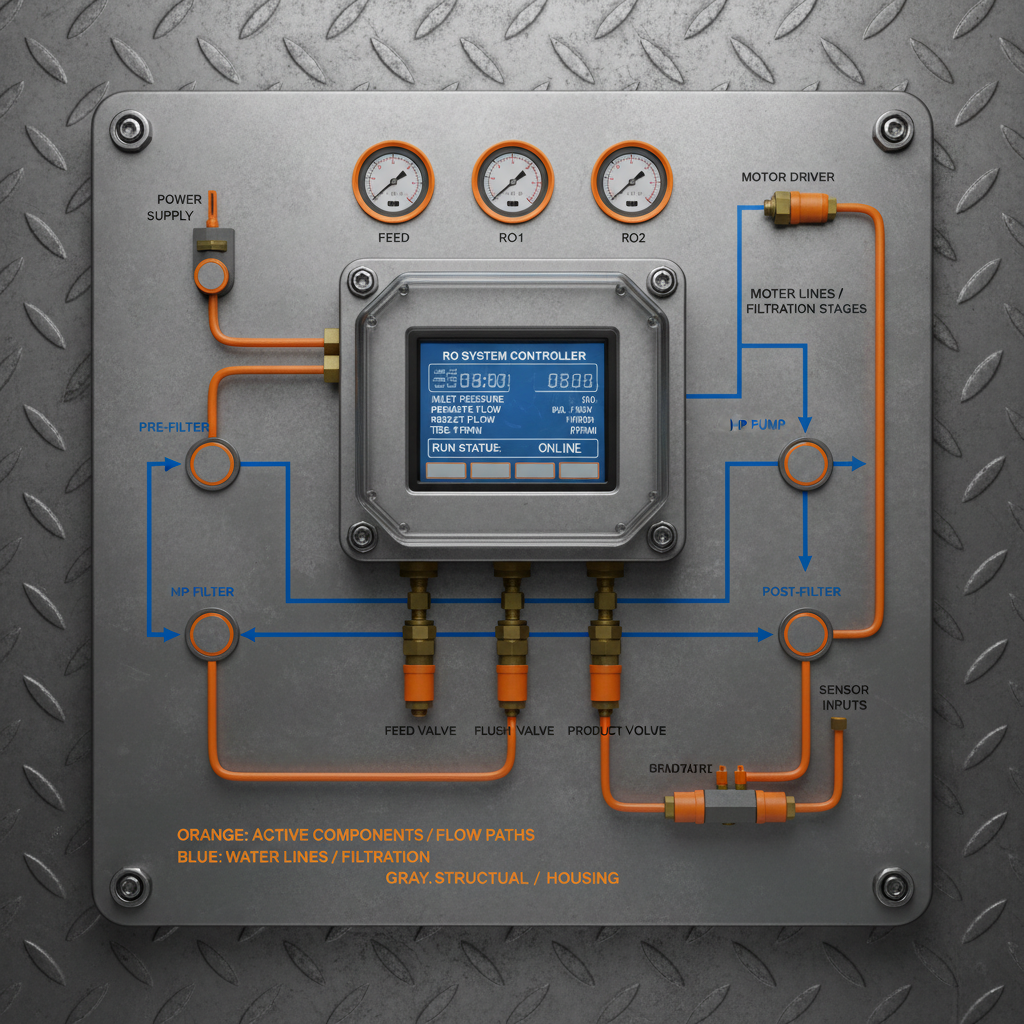
Understanding and Optimizing Reverse Osmosis Systems with a ControllerIn the world of water purification, reverse osmosis (RO) systems are a cornerstone for producing high-quality water for various applications, from drinking water to industrial processes. However, an RO system is only as effective as its control system. This is where the reverse osmosis controller comes into play. This critical component manages and optimizes the RO process, ensuring efficient operation, water quality, and system longevity.
2026-04-04 03:27:19
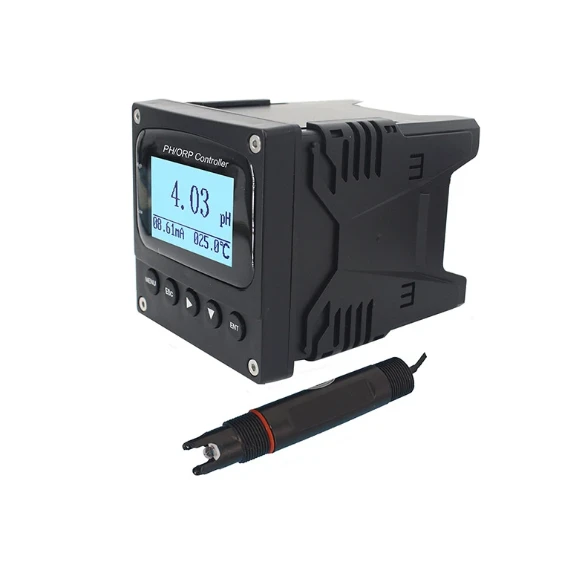
Understanding the Vital Role of an RO System Controller for Optimal PerformanceReverse Osmosis (RO) systems are critical for purifying water across various industries, from residential applications to large-scale industrial processes. At the heart of a well-functioning RO system lies the RO system controller. This intelligent device monitors and regulates all key parameters of the RO process, ensuring optimal performance, efficiency, and water quality. This article delves into the functionalities, benefits, and selection criteria for choosing the right RO system controller, particularly focusing on those offered by Watequipments. Understanding its role is crucial for maximizing the lifespan and effectiveness of your RO investment.
2026-03-24 17:18:24
Smart Water Treatment Solutions Using PH ORP Controller SystemsIn modern water treatment and industrial fluid management, maintaining precise chemical balance is essential for safety, efficiency, and regulatory compliance.
2026-03-04 02:55:19
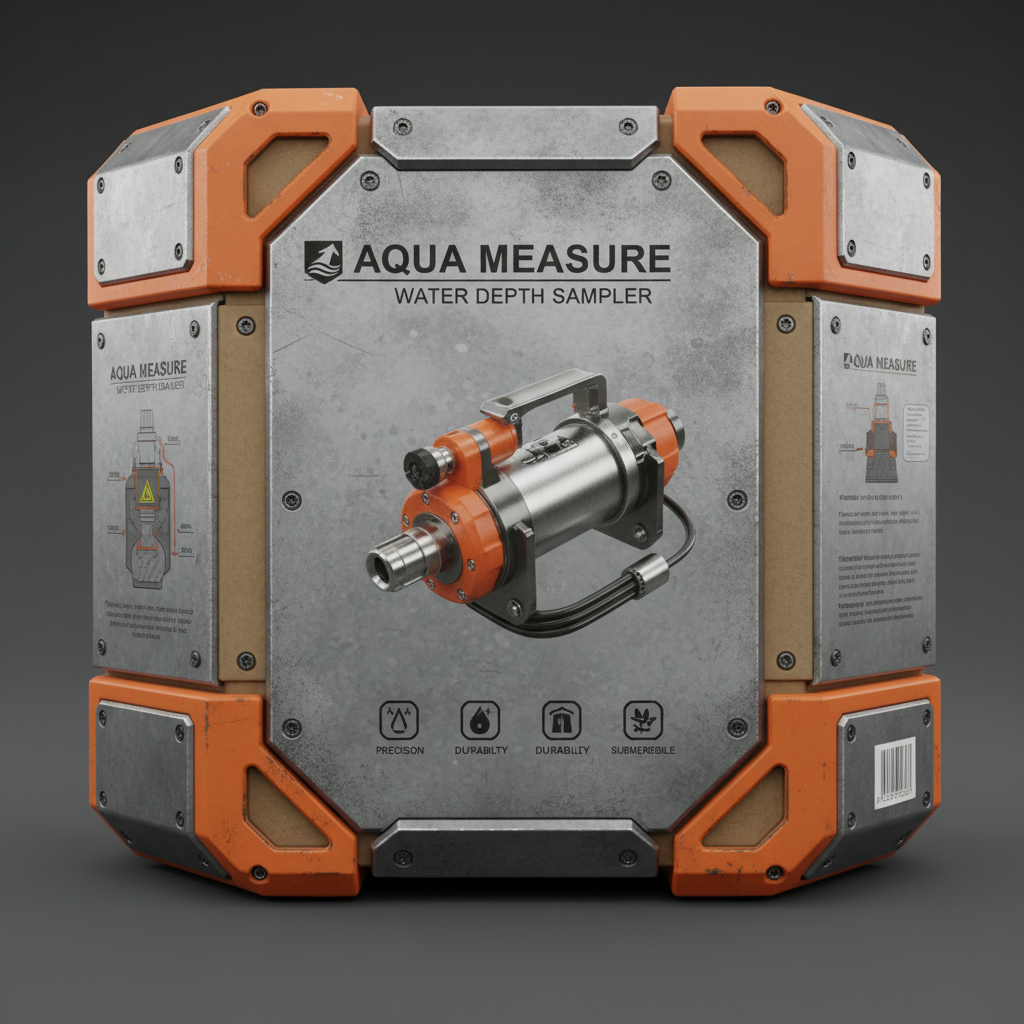
Comprehensive Guide to Water Depth Samplers and Their ApplicationsAccurate water quality monitoring is crucial in various fields, from environmental science and aquaculture to industrial wastewater management. A key tool for this is the water depth sampler. This article provides an in-depth look at water depth samplers, their applications, types, and essential considerations for choosing the right one for your needs. We'll explore the benefits of utilizing this equipment to collect reliable data for analysis and informed decision-making. Selecting the right sampler can significantly improve the precision and efficiency of your water monitoring program. A water depth sampler, also known as a depth-integrated sampler, is a device designed to collect water samples from specific depths within a body of water. Unlike simply dipping a container into the water, a depth sampler allows for collection of a representative sample across a defined depth range. This is critical because water properties (temperature, salinity, pollutants) often vary significantly with depth. The data gathered with a water depth sampler provides a more accurate assessment of water quality than surface samples alone.
2026-03-03 18:55:22
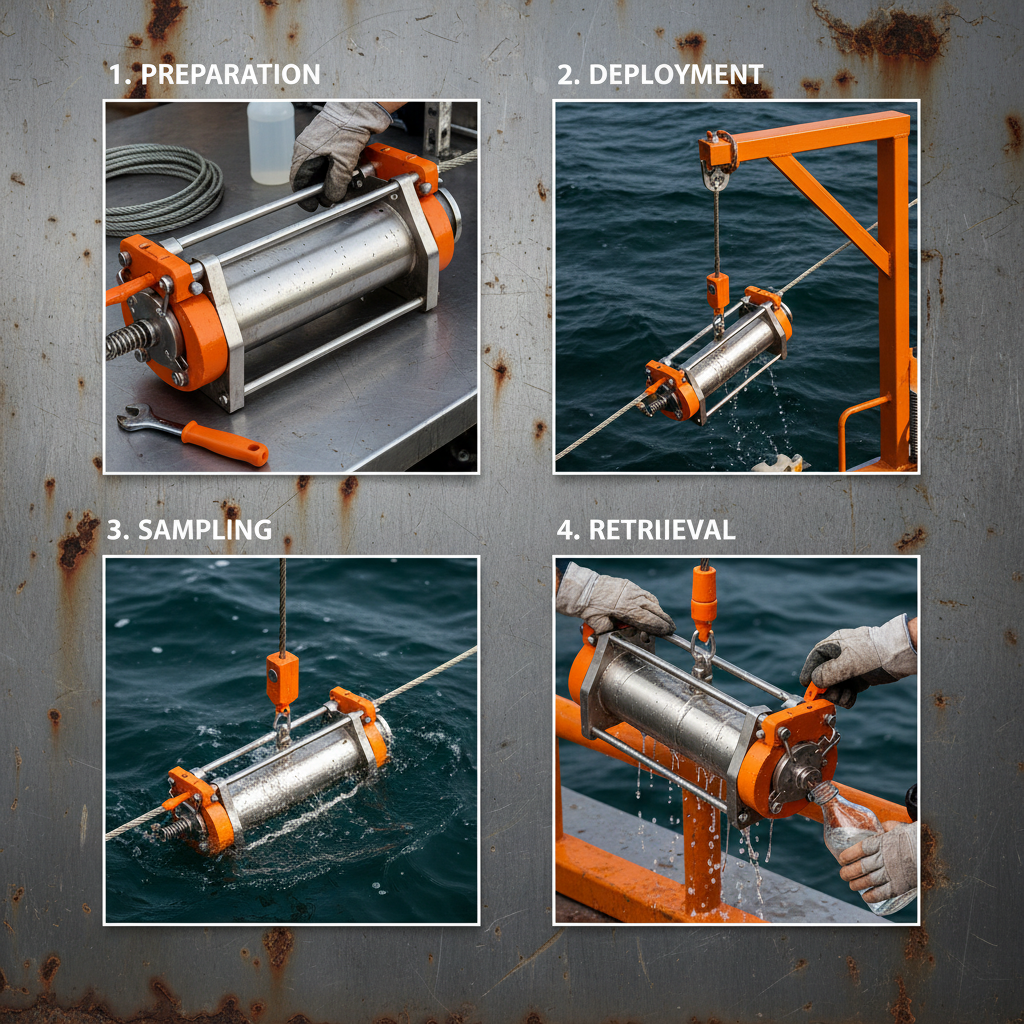
Comprehensive Guide to Horizontal Water Sampler Applications and SelectionCollecting water samples at varying depths is crucial for environmental monitoring, research, and quality control. The horizontal water sampler from Watequipment.com offers a precise and efficient solution for this task. This article provides an in-depth look at horizontal water samplers, their applications, benefits, and key considerations when choosing the right model. We will explore how these samplers contribute to accurate data collection and informed decision-making in various fields. A horizontal water sampler is a device designed to collect water samples from specific depths within a body of water – rivers, lakes, oceans, reservoirs, and even wastewater treatment plants. Unlike vertical samplers which primarily focus on depth, horizontal samplers prioritize collecting samples at a consistent depth while moving along a horizontal plane. This is essential for assessing water quality variations across a waterway or within a specific zone. They are used in applications ranging from environmental monitoring and scientific research to industrial process control and regulatory compliance.
2026-02-28 02:35:09
Comprehensive Guide to Selecting the Right Surface Water Sampler for Your NeedsMonitoring the quality of surface water is critical for environmental protection, public health, and various industrial applications. A surface water sampler is an essential tool for collecting representative samples from rivers, lakes, ponds, and other surface water sources. This article provides a detailed overview of surface water samplers, their types, applications, and key considerations for selecting the right equipment. Accurate water quality data relies on proper sample collection, and choosing the correct sampler is the first step toward achieving reliable results. Surface water samplers come in various designs, each suited to specific sampling needs. Common types include grab samplers, depth-integrating samplers, peristaltic pumps, and automatic samplers. Surface water samplers are used across a broad spectrum of applications, including environmental monitoring, wastewater discharge monitoring, drinking water source monitoring, agricultural runoff analysis, and research studies.

 English