


Solenoid Valve – Reliable, Fast-Acting, Energy Efficient

Solenoid Valve – Reliable, Fast-Acting, Energy Efficient
Oct . 17, 2025
A Field Insider’s Take on the Solenoid Valve Market in 2025
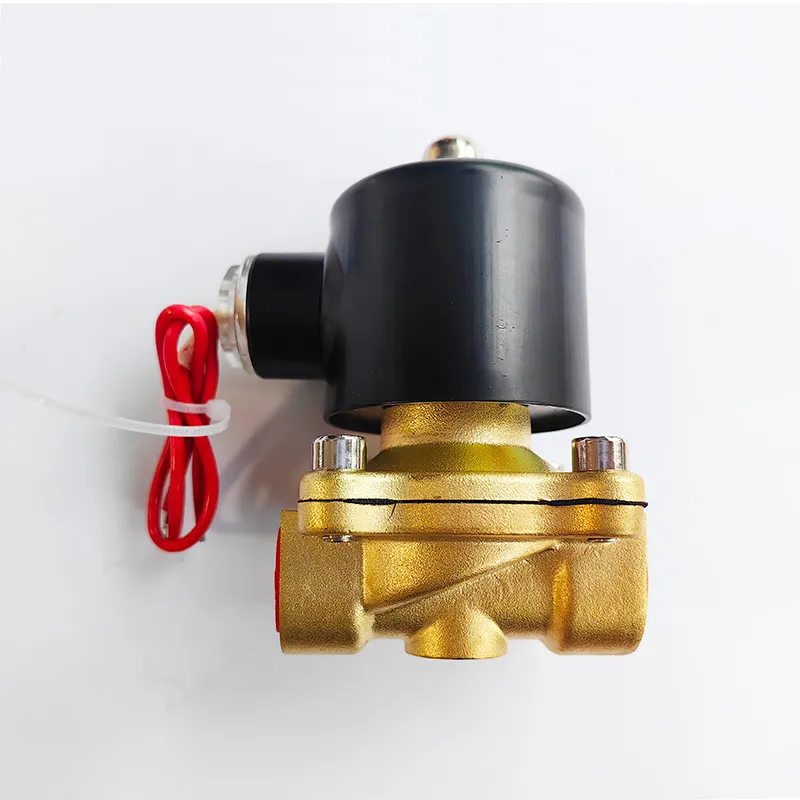
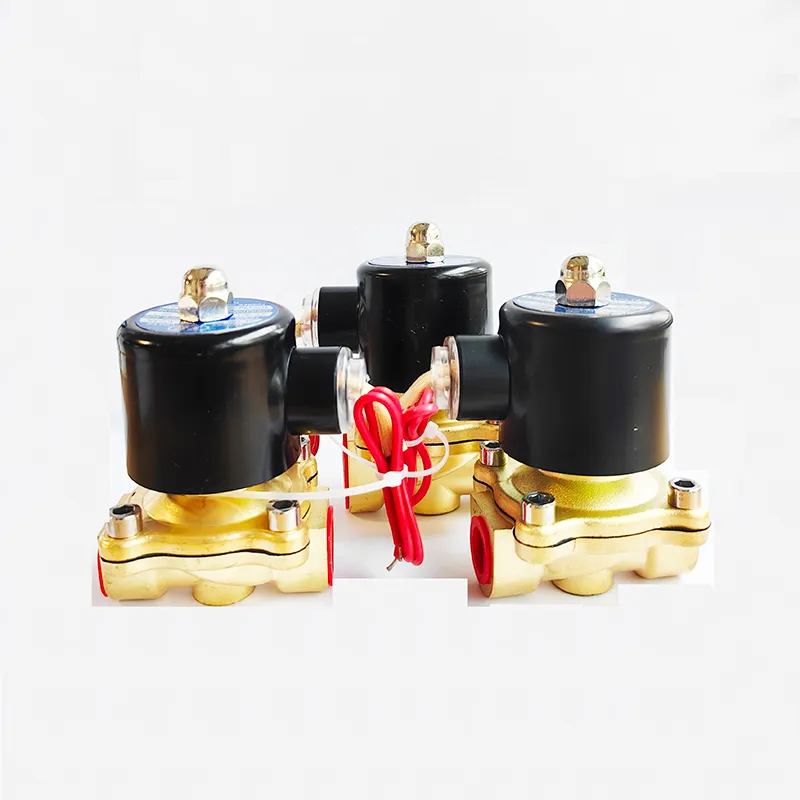
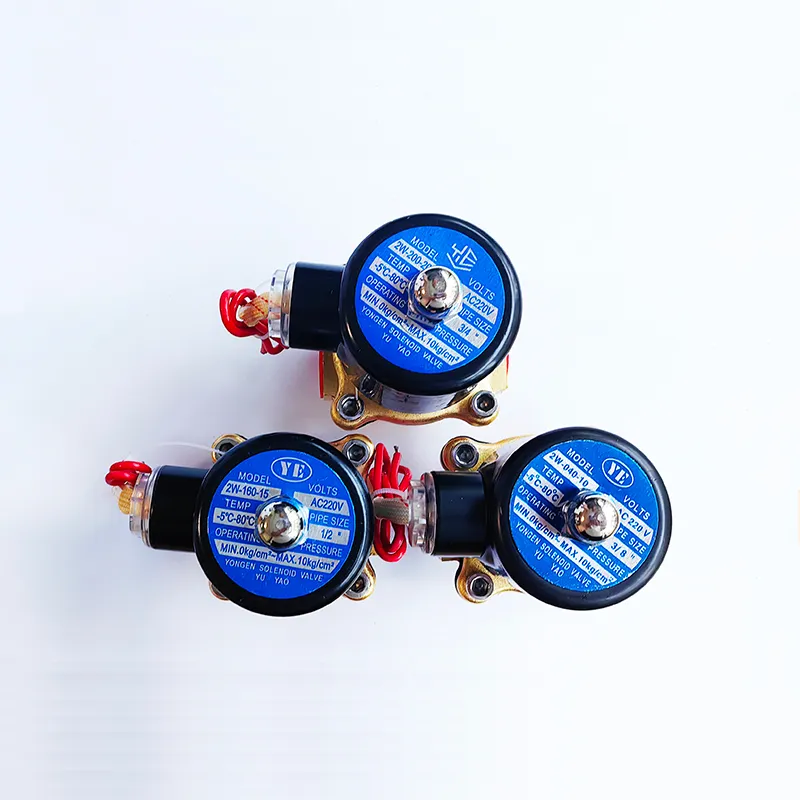
I spend a lot of time on factory floors and in cramped pump rooms, and one component keeps showing up everywhere: the Solenoid Valve. It’s the small, click-sure brain that turns electrical signals into fluid control—opening and closing fast, remotely, consistently. The model from WATequipment (origin: No.188, Fengshou Road, Chang'an district, Shijiazhuang City, Hebei Province China 050041) has been making the rounds because, to be honest, it’s simple to wire, quick to respond, and doesn’t fuss in real-world use.
What’s Trending
Three big shifts: lower-power coils (including latching designs), smarter diagnostics (IO-Link, coil temperature feedback), and safer, cleaner materials (lead-free brass and elastomers compatible with drinking water). There’s also a quiet but important push toward predictive maintenance—valves reporting cycle counts and partial stroke tests, which is genuinely helpful when you’re juggling dozens on a skid.
Typical Technical Specs
| Body materials | Brass CW617N / Lead-free brass CW510L (NSF 372 option) / 316L stainless steel |
| Seals | NBR, FKM, EPDM, PTFE (media dependent) |
| Port sizes | G/NPT 1/4"–2" |
| Pressure range | Vacuum to ≈16 bar (water); specs vary by orifice/seat |
| Media temperature | -10 to 180°C (seal/body dependent) |
| Coils | 12/24 VDC, 110/220 VAC, encapsulated; insulation class F/H |
| Response time | ≈20–80 ms open/close (real-world use may vary) |
| Ingress rating | IP65 coil (IEC 60529) |
| Service life | 1–3 million cycles typical; media and duty cycle dependent |
Manufacturing & Quality Flow (How it’s actually built)
Materials: CNC-machined brass or 316L; surface finish ≈Ra 1.6; nickel plating available. Coils use H-grade enameled copper wire, epoxy encapsulation for vibration resistance. Methods: Ultrasonic cleaning, elastomer seat insertion, torque-controlled assembly, 100% functional test. Tests: Hydrostatic at 1.5× rated pressure, leak rate ≤1×10^-6 mbar·L/s (helium or air), dielectric strength 1500 VAC, insulation resistance ≥100 MΩ, IP verification to IEC 60529. Compliance: UL 429 for electrically operated valves; PED 2014/68/EU where applicable; RoHS/REACH; optional NSF/ANSI 61 for potable water. Plants usually run ISO 9001 systems.
Where Solenoid Valves Get Used
- Water treatment skids and RO systems (NSF options matter)
- HVAC/chillers and boiler blowdown control
- Food & beverage dosing and CIP (FKM/PTFE combos are common)
- Compressed air manifolds, bottling lines, and light chemical duty
- Agri irrigation blocks—fast open/close with low power draw
Case snapshot #1: A bottling plant swapped legacy coils for low-power versions; breaker trips vanished and downtime dropped ≈23%. Case snapshot #2: A small municipal RO unit moved to lead‑free brass; NSF audit sailed through, and operators said the “click” feedback made maintenance easier (their words, not mine).
Vendor Comparison (quick, practical view)
| Vendor | Lead Time | Customization | Certs | Notes |
|---|---|---|---|---|
| WATequipment | ≈2–4 weeks | Orifice, coil, seals, manifolds | UL, CE, RoHS; NSF option | Good value; responsive engineering |
| Global Brand X | 4–8 weeks | Broad catalog; premium pricing | UL/PED/NSF common | Extensive distributor network |
| Regional OEM Y | 1–3 weeks | Limited options | CE/RoHS | Sharp pricing; fewer approvals |
Customization & Integration Tips
Pick seal chemistry for your media first (NBR for water/air, FKM for oils, EPDM for hot water/steam, PTFE for aggressive stuff). Size by Cv, not just port diameter. If panels run hot, spec H-class coils and an IP65 connector. For corrosives, go 316L and consider NACE MR0175/ISO 15156 compliance.
Real Test Data (sample)
In-house runs I’ve seen: 1.2–1.8 million cycles to failure on water at 6 bar, 24 VDC coil; leak tightness held below 1×10^-6 mbar·L/s; power draw trimmed ≈18% using low-watt coils. Your mileage will vary with filtration and duty cycle, of course.
References
- UL 429 – Standard for Electrically Operated Valves: https://ul.com
- IEC 60529 – Degrees of protection (IP Code): https://www.iec.ch
- PED 2014/68/EU – Pressure Equipment Directive: https://eur-lex.europa.eu
- NSF/ANSI/CAN 61 & 372 – Drinking Water System Components: https://nsf.org
- ISO 9001 – Quality Management Systems: https://www.iso.org
- NACE MR0175 / ISO 15156 – Materials for H2S environments: https://www.nace.org

Related Products
Related News
2026-04-16 03:20:19
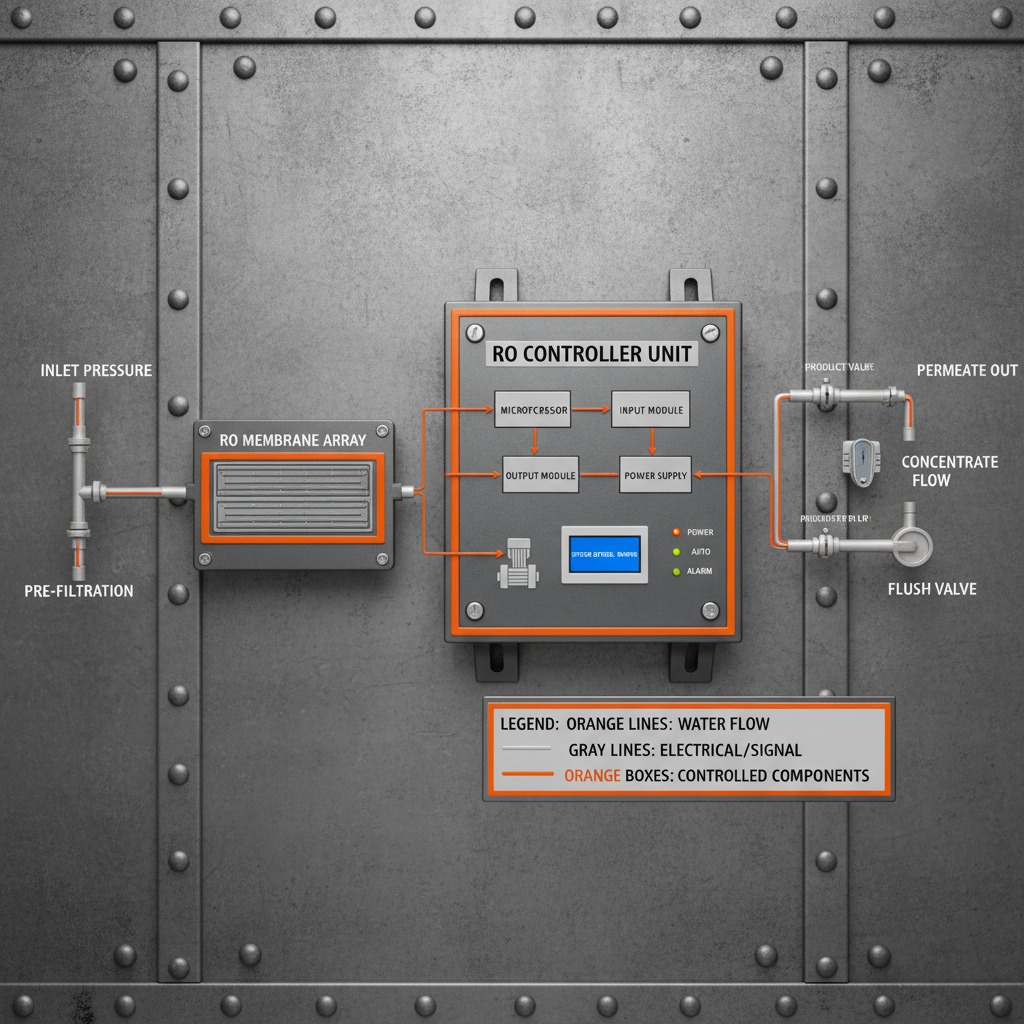
Guide to Choosing the Right RO Controller for Water PurificationMaintaining a high-performance reverse osmosis system requires more than just quality membranes; it demands precise regulation. An ro controller serves as the brain of the entire operation, monitoring critical parameters such as conductivity, temperature, and flow rates to ensure the output water meets stringent purity standards. Without an efficient controller, systems are prone to membrane fouling, inefficient energy use, and inconsistent water quality. In this comprehensive guide, we will explore how these devices optimize water treatment processes and how to select the best model for your specific industrial or commercial needs.
2026-04-09 03:25:47
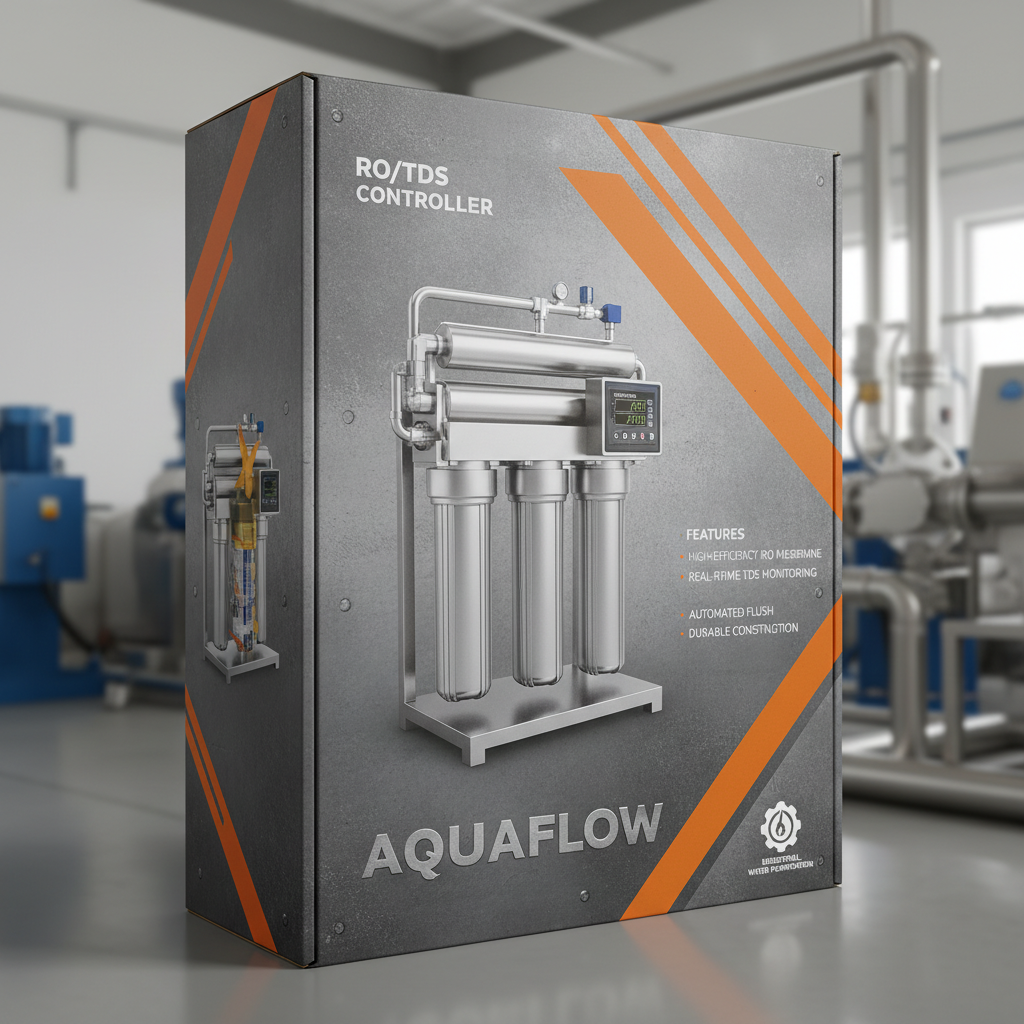
Guide to Water Purity Using RO with TDS Controller SystemsAchieving the perfect balance of mineral content and purity in drinking water is a challenge for many households and industrial facilities. A ro with tds controller offers a sophisticated solution by combining the rigorous filtration of Reverse Osmosis (RO) with the precision of a Total Dissolved Solids (TDS) adjustment system. While standard RO systems remove almost everything, including beneficial minerals, a TDS controller allows users to re-mineralize the water to a desired level. This ensures that the water is not only safe and pure but also tastes better and provides essential nutrients.
2026-04-07 03:17:09
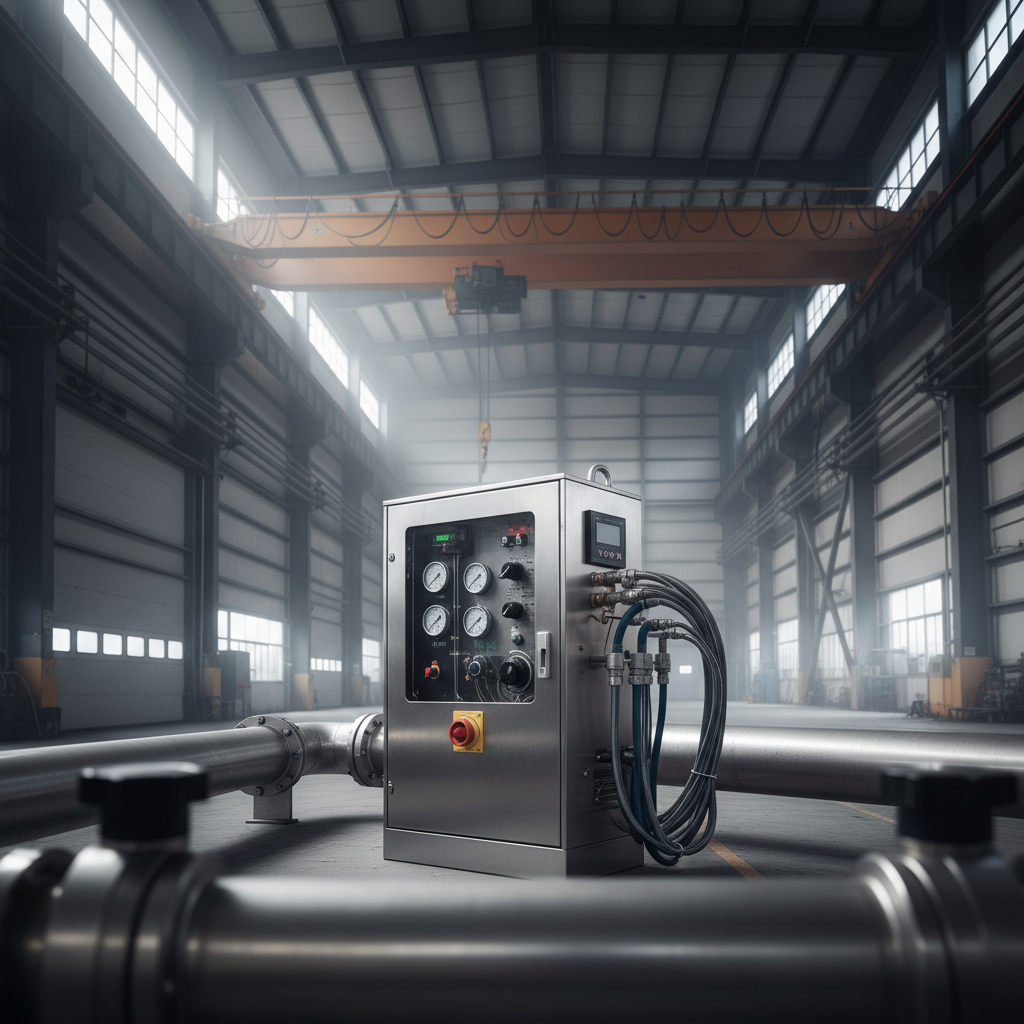
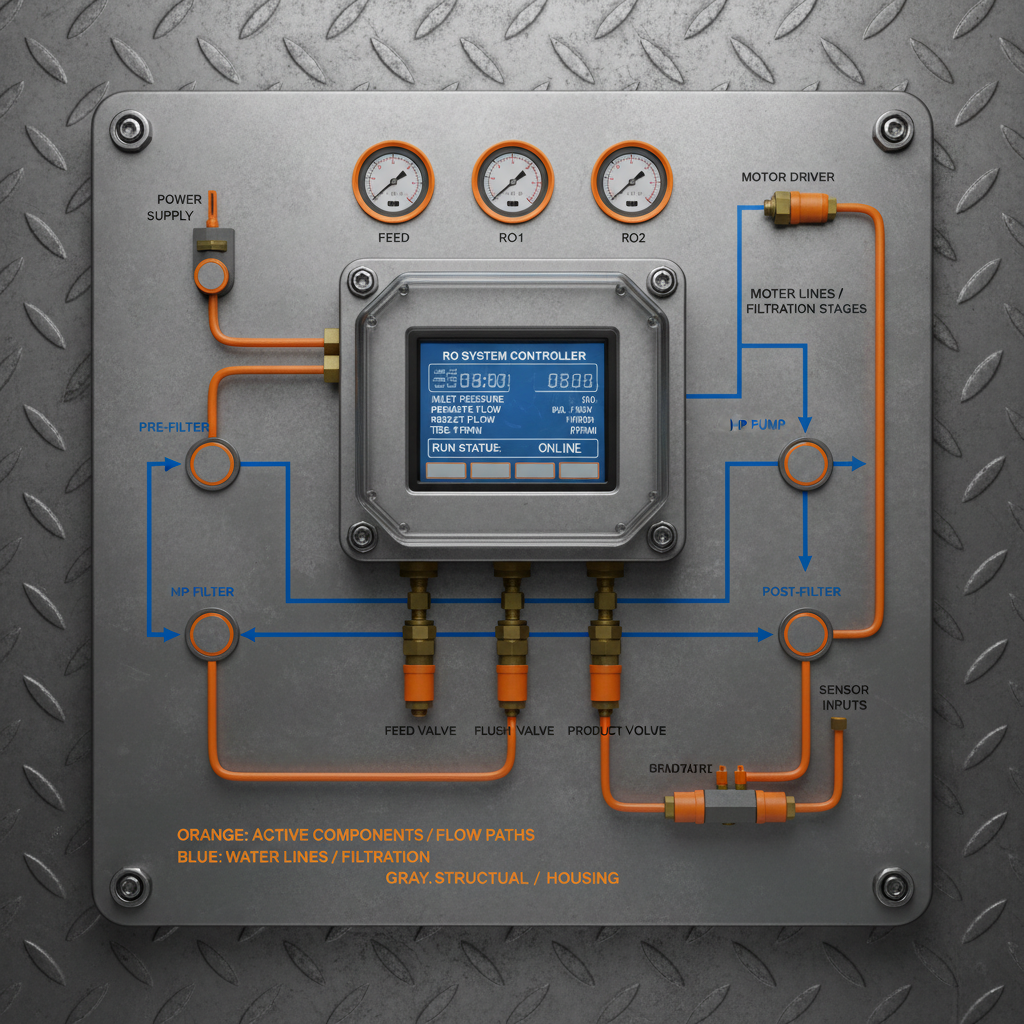
Understanding and Optimizing Reverse Osmosis Systems with a ControllerIn the world of water purification, reverse osmosis (RO) systems are a cornerstone for producing high-quality water for various applications, from drinking water to industrial processes. However, an RO system is only as effective as its control system. This is where the reverse osmosis controller comes into play. This critical component manages and optimizes the RO process, ensuring efficient operation, water quality, and system longevity.
2026-04-04 03:27:19
Understanding the Vital Role of an RO System Controller for Optimal PerformanceReverse Osmosis (RO) systems are critical for purifying water across various industries, from residential applications to large-scale industrial processes. At the heart of a well-functioning RO system lies the RO system controller. This intelligent device monitors and regulates all key parameters of the RO process, ensuring optimal performance, efficiency, and water quality. This article delves into the functionalities, benefits, and selection criteria for choosing the right RO system controller, particularly focusing on those offered by Watequipments. Understanding its role is crucial for maximizing the lifespan and effectiveness of your RO investment.
2026-03-24 17:18:24
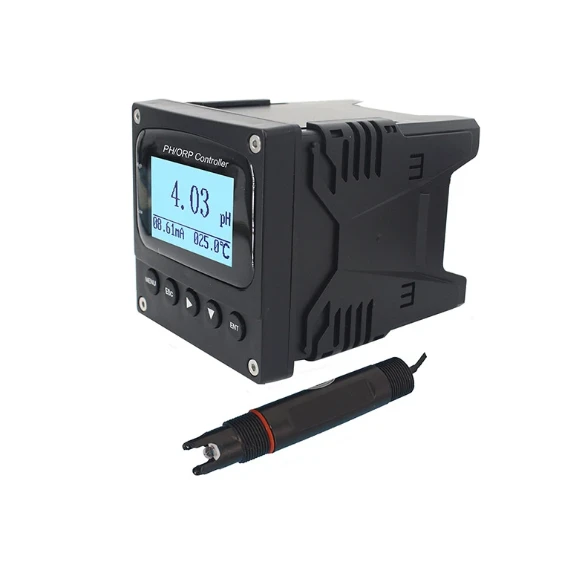
Smart Water Treatment Solutions Using PH ORP Controller SystemsIn modern water treatment and industrial fluid management, maintaining precise chemical balance is essential for safety, efficiency, and regulatory compliance.
2026-03-04 02:55:19
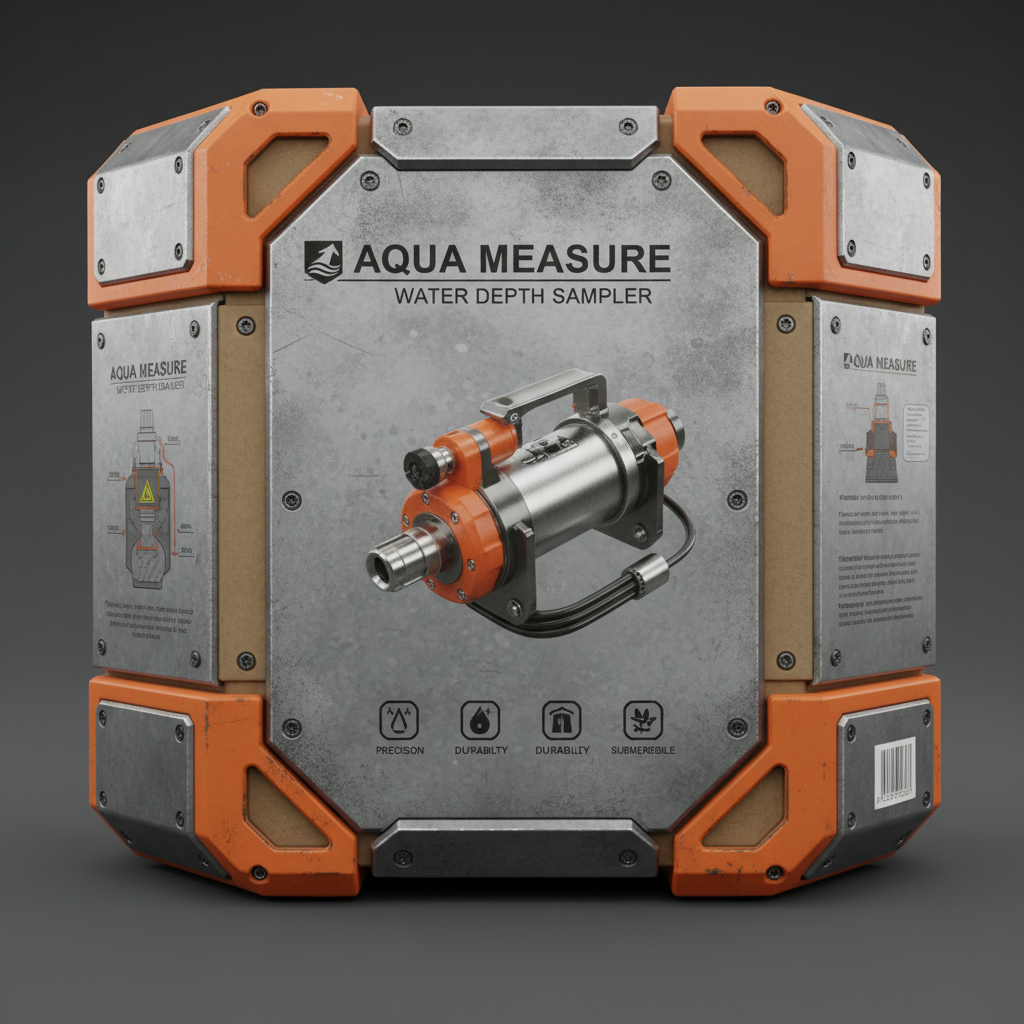
Comprehensive Guide to Water Depth Samplers and Their ApplicationsAccurate water quality monitoring is crucial in various fields, from environmental science and aquaculture to industrial wastewater management. A key tool for this is the water depth sampler. This article provides an in-depth look at water depth samplers, their applications, types, and essential considerations for choosing the right one for your needs. We'll explore the benefits of utilizing this equipment to collect reliable data for analysis and informed decision-making. Selecting the right sampler can significantly improve the precision and efficiency of your water monitoring program. A water depth sampler, also known as a depth-integrated sampler, is a device designed to collect water samples from specific depths within a body of water. Unlike simply dipping a container into the water, a depth sampler allows for collection of a representative sample across a defined depth range. This is critical because water properties (temperature, salinity, pollutants) often vary significantly with depth. The data gathered with a water depth sampler provides a more accurate assessment of water quality than surface samples alone.
2026-03-03 18:55:22
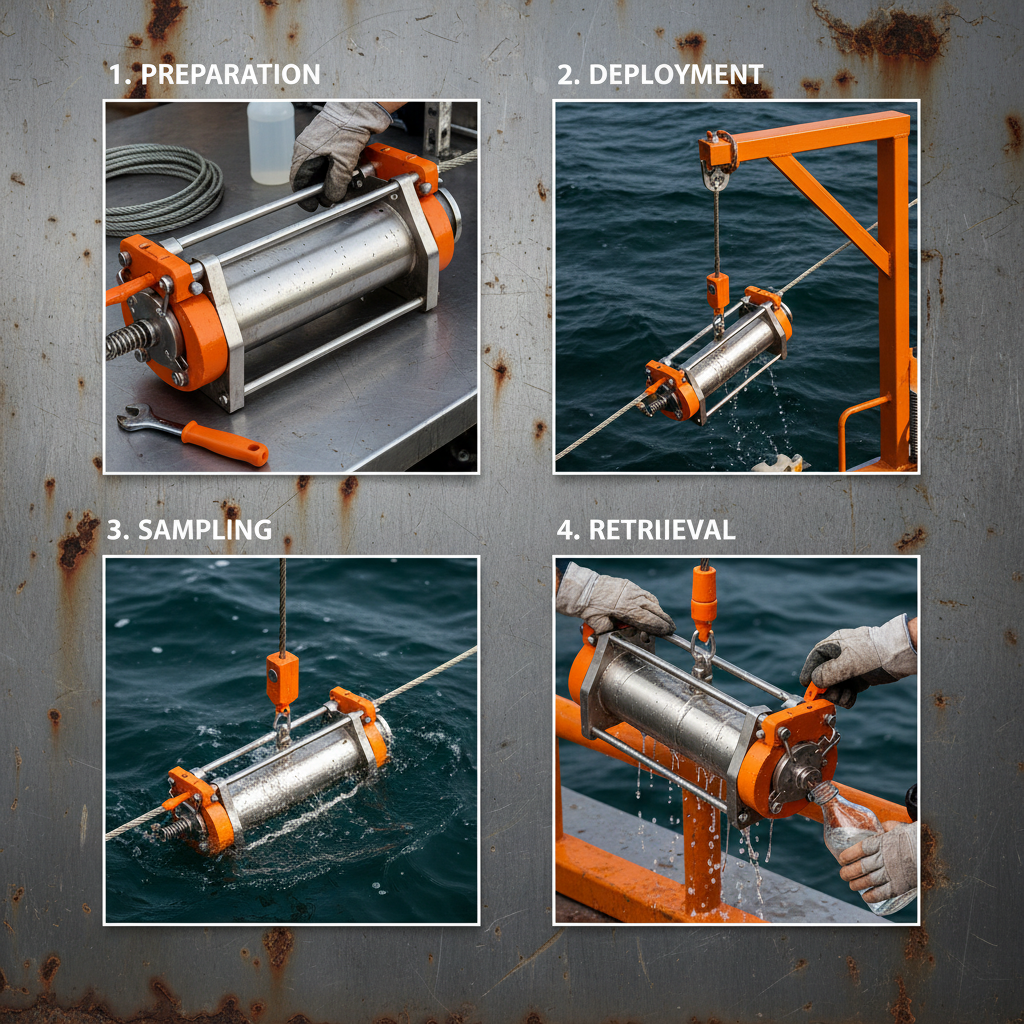
Comprehensive Guide to Horizontal Water Sampler Applications and SelectionCollecting water samples at varying depths is crucial for environmental monitoring, research, and quality control. The horizontal water sampler from Watequipment.com offers a precise and efficient solution for this task. This article provides an in-depth look at horizontal water samplers, their applications, benefits, and key considerations when choosing the right model. We will explore how these samplers contribute to accurate data collection and informed decision-making in various fields. A horizontal water sampler is a device designed to collect water samples from specific depths within a body of water – rivers, lakes, oceans, reservoirs, and even wastewater treatment plants. Unlike vertical samplers which primarily focus on depth, horizontal samplers prioritize collecting samples at a consistent depth while moving along a horizontal plane. This is essential for assessing water quality variations across a waterway or within a specific zone. They are used in applications ranging from environmental monitoring and scientific research to industrial process control and regulatory compliance.
2026-02-28 02:35:09
Comprehensive Guide to Selecting the Right Surface Water Sampler for Your NeedsMonitoring the quality of surface water is critical for environmental protection, public health, and various industrial applications. A surface water sampler is an essential tool for collecting representative samples from rivers, lakes, ponds, and other surface water sources. This article provides a detailed overview of surface water samplers, their types, applications, and key considerations for selecting the right equipment. Accurate water quality data relies on proper sample collection, and choosing the correct sampler is the first step toward achieving reliable results. Surface water samplers come in various designs, each suited to specific sampling needs. Common types include grab samplers, depth-integrating samplers, peristaltic pumps, and automatic samplers. Surface water samplers are used across a broad spectrum of applications, including environmental monitoring, wastewater discharge monitoring, drinking water source monitoring, agricultural runoff analysis, and research studies.

 English