


PC-6850 Industrial Computer – Fanless, Rugged, High I/O

PC-6850 Industrial Computer – Fanless, Rugged, High I/O
Oct . 19, 2025
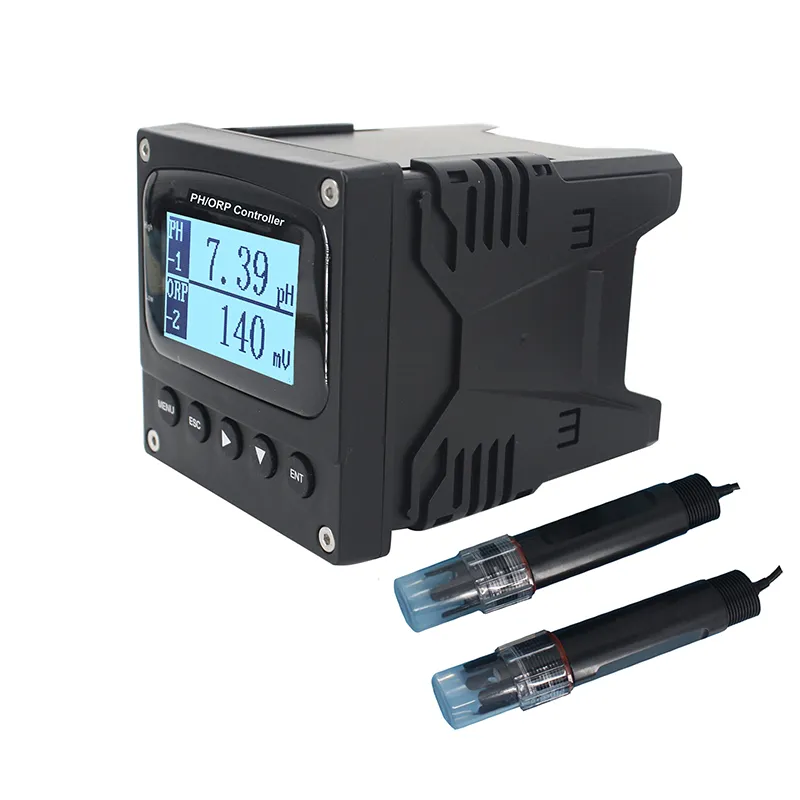
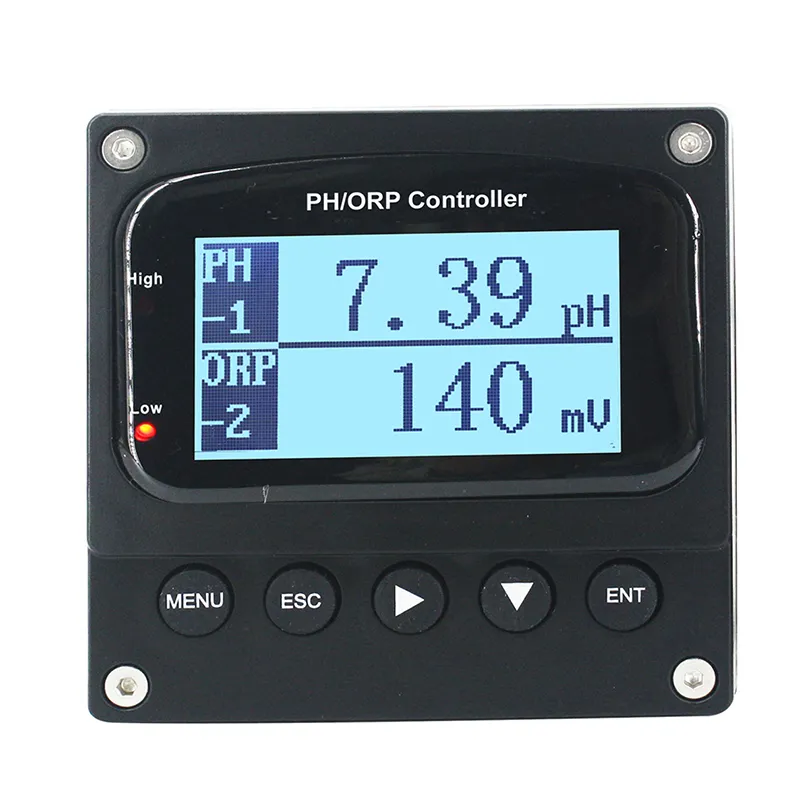
If you’ve worked around wastewater plants or plating shops, you know pH and ORP control can make or break a shift. That’s why I’ve been watching the PC-6850 closely—double-channel brains in a compact industrial package, from a team building instruments in Chang’an district, Shijiazhuang (No.188, Fengshou Road, Hebei, China 050041). It’s a practical take on continuous pH/ORP measurement and control that fits the gritty realities of water treatment.
Why dual-channel matters now
Industry trend, quick version: tighter discharge limits, lean staffing, and IIoT dashboards. Plants want one panel to cover more ground. PC-6850 speaks to that—two inputs (pH + ORP or pH+pH), independent control logic, and flexible power (220V AC, 110V AC, 24V AC/DC). To be honest, the low-voltage option alone is a win for retrofits in damp cabinets.
Core specifications (typical, real-world may vary)
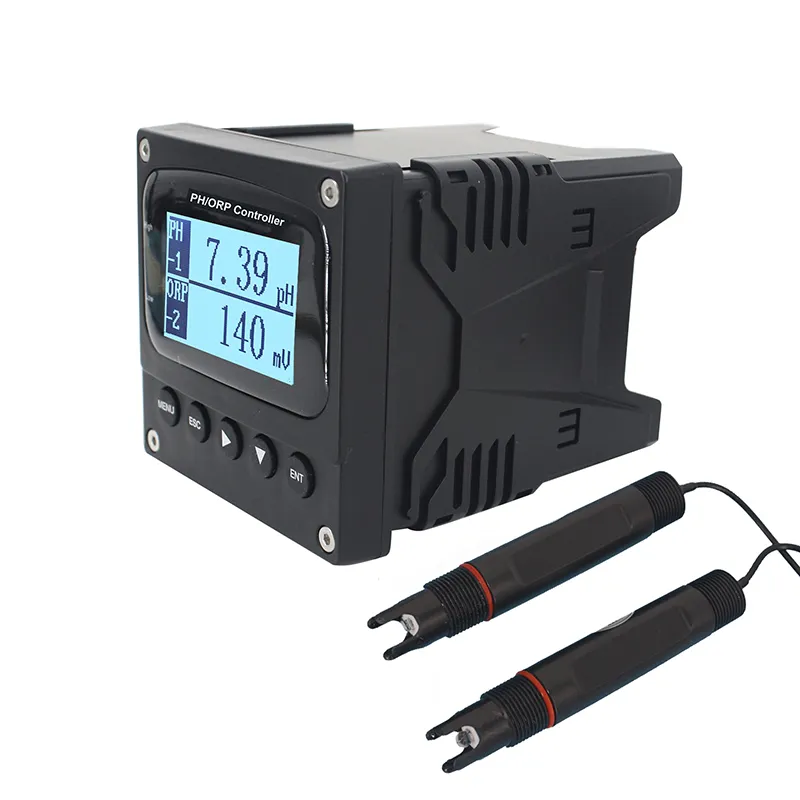
| Measurement ranges | pH 0–14; ORP −2000 to +2000 mV (sensor-dependent) |
| Resolution / accuracy | ≈0.01 pH / ±0.02 pH; 1 mV / ±2 mV (25°C, stable lab buffers) |
| Inputs | Dual channel; temp comp via NTC/PT1000 (optional) |
| Outputs | 2× 4–20 mA (isolated) ≈, 2–4 relays (HI/LO), RS‑485 Modbus (optional) |
| Power | 220V AC, 110V AC, 24V AC, 24V DC (selectable) |
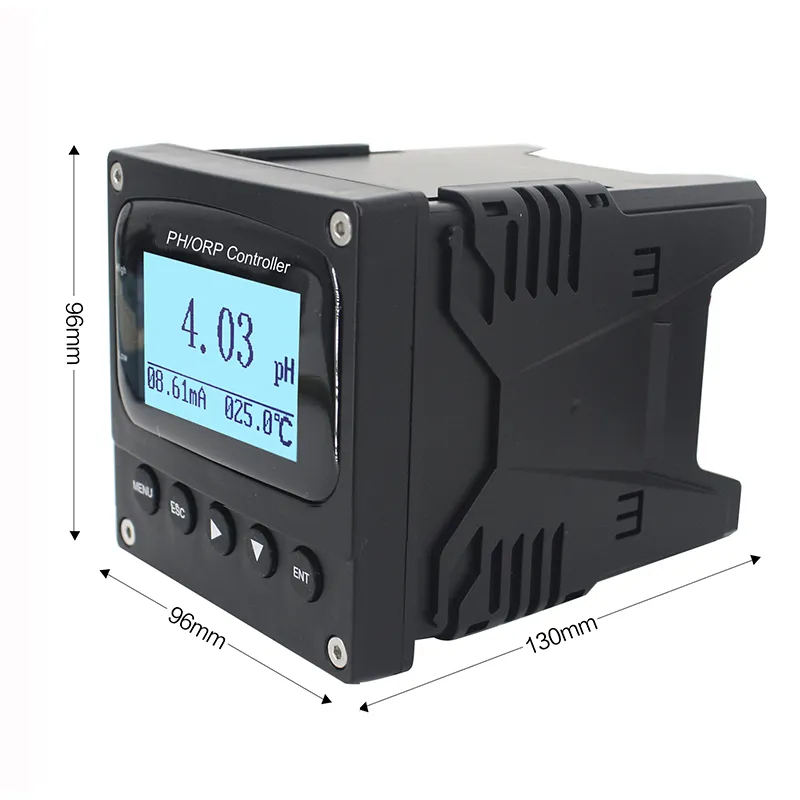
| Enclosure / display | Panel/field mount ≈IP65 front; backlit LCD |
| Compliance | Designed to align with IEC 61326-1, IEC 61010-1; CE/RoHS on request |
How it’s built and tested
Materials and methods: industrial PC/ABS enclosure; pH glass electrodes with ceramic junction; ORP probes typically platinum or gold tips. Calibration follows 2–3 point routines using NIST-traceable buffers (ASTM D1293), with temperature compensation; ORP verification per ASTM D1498 (Zobell or Light’s solution). QC often includes 48‑hour burn-in, EMI/EMC checks (IEC 61326-1), and safety per IEC 61010-1. Typical drift in stable conditions:
Service life: controller 5–7 years in sheltered panels; probes around 12–24 months in municipal wastewater (can be shorter in high-temp or oily streams). To be honest, cleaning and calibration discipline make or break longevity.
Where plants use it
- Municipal wastewater: aeration basin pH control; ORP monitoring for nitrification/denitrification.
- Chemistry and pharma: neutralization skids, CIP return lines.
- Printing/dyeing and paper mills: dye bath pH, final effluent compliance (ISO 10523 / EPA 150.1).
- Plating: cyanide destruction (ORP), rinse pH trim.
- Environmental protection and cooling towers: corrosion/scale programs via ORP/pH windows.
Many customers say the PC-6850 is “set-and-check weekly,” which, frankly, is about as good as it gets in harsh sumps.
How it stacks up (indicative)
| Model | Channels | Power options | Outputs | Comms |
|---|---|---|---|---|
| PC-6850 | 2 | 220/110/24 AC, 24 DC | 2×4–20 mA, 2–4 relays ≈ | RS‑485 Modbus (opt.) |
| Competitor A | 1 | 100–240V AC only | 1×4–20 mA, 2 relays | None |
| Competitor B | 2 | 100–240V AC | 2×4–20 mA, relays | RS‑485 |
Customization and integration
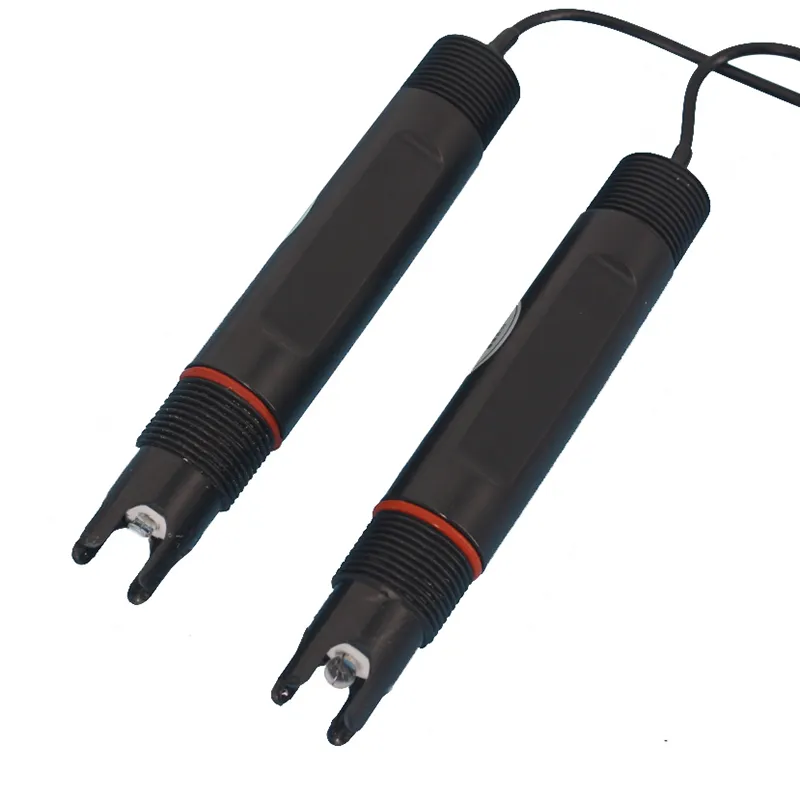
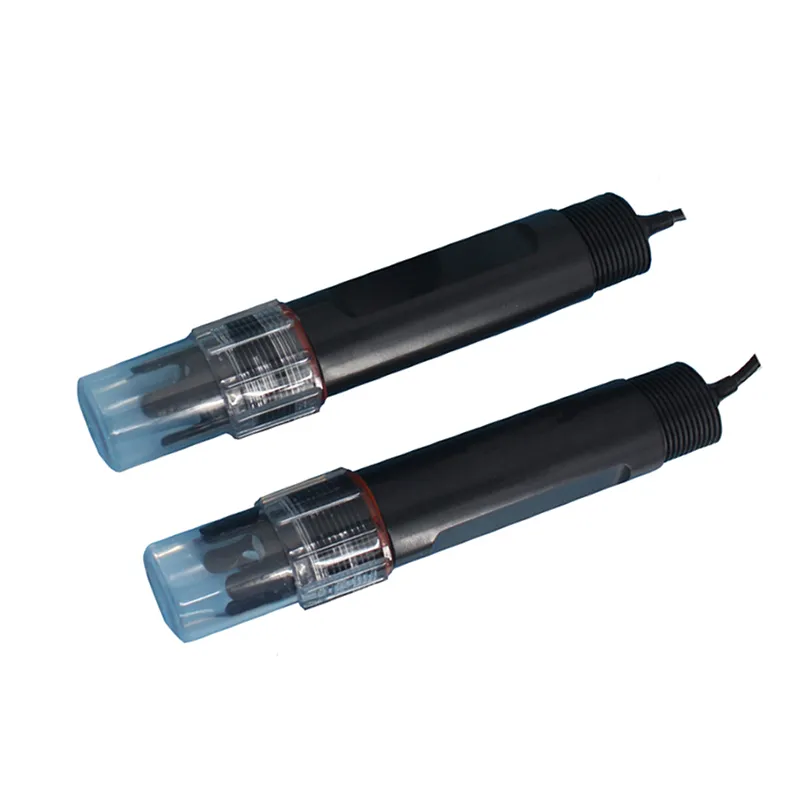
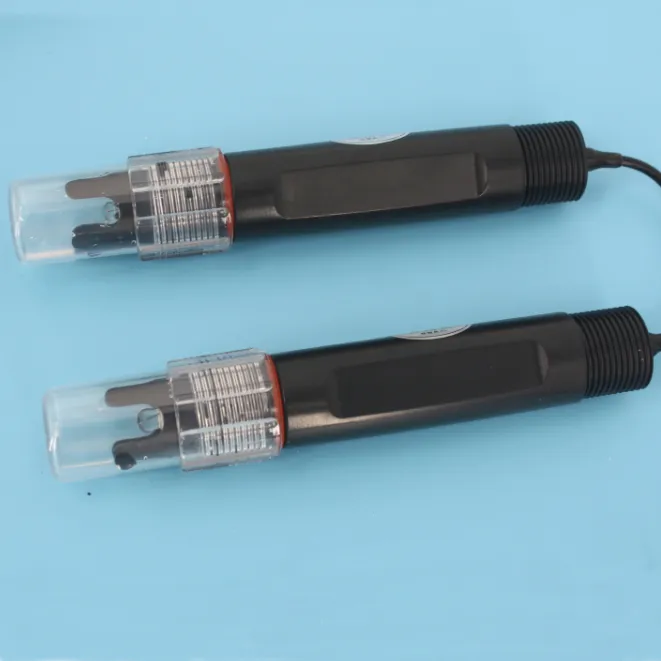
Options I’ve seen requested: extra-long sensor leads, sealed junction pH probes for oily water, panel vs. wall brackets, isolated analog outputs, and Modbus to SCADA. Some sites add a small DIN gateway to push PC-6850 values to cloud dashboards. It seems the power flexibility (24V DC) simplifies that.
Quick case notes
- Municipal WWTP, Southeast Asia: dual-channel PC-6850 cut panel count by one-third; operators hold aeration basin at pH 7.0–7.2, ORP swing −50 to +50 mV during anoxic cycles; reported 12% chemical savings over 6 months.
- Textile dyeing, EMEA: rinse line neutralization stabilized; maintenance switched to monthly 3-point pH calibration; downtime dropped ≈20%.
- Plating line, North America: ORP-triggered hypochlorite dose for cyanide destruction; relay hysteresis tuning reduced overshoot events by half.
Standards and compliance checkpoints: pH per ISO 10523 / EPA 150.1–150.2; ORP verification per ASTM D1498; controller EMC per IEC 61326-1; safety per IEC 61010‑1; enclosure selection toward NEMA 4X or IP65 fronts where splash is expected. Always ask the supplier for current certificates.
Authoritative citations
- ISO 10523:2023, Water quality — Determination of pH.
- ASTM D1293, Standard Test Methods for pH of Water.
- ASTM D1498, Oxidation-Reduction Potential of Water.
- EPA 150.1/150.2, pH Measurement Methods.
- IEC 61326-1, Electrical equipment for measurement, control and lab use — EMC.
- IEC 61010-1, Safety requirements for electrical equipment for measurement, control, and lab use.
- NEMA 250, Enclosures (NEMA 4/4X guidance).

Related Products
Related News

2026-04-16 03:20:19
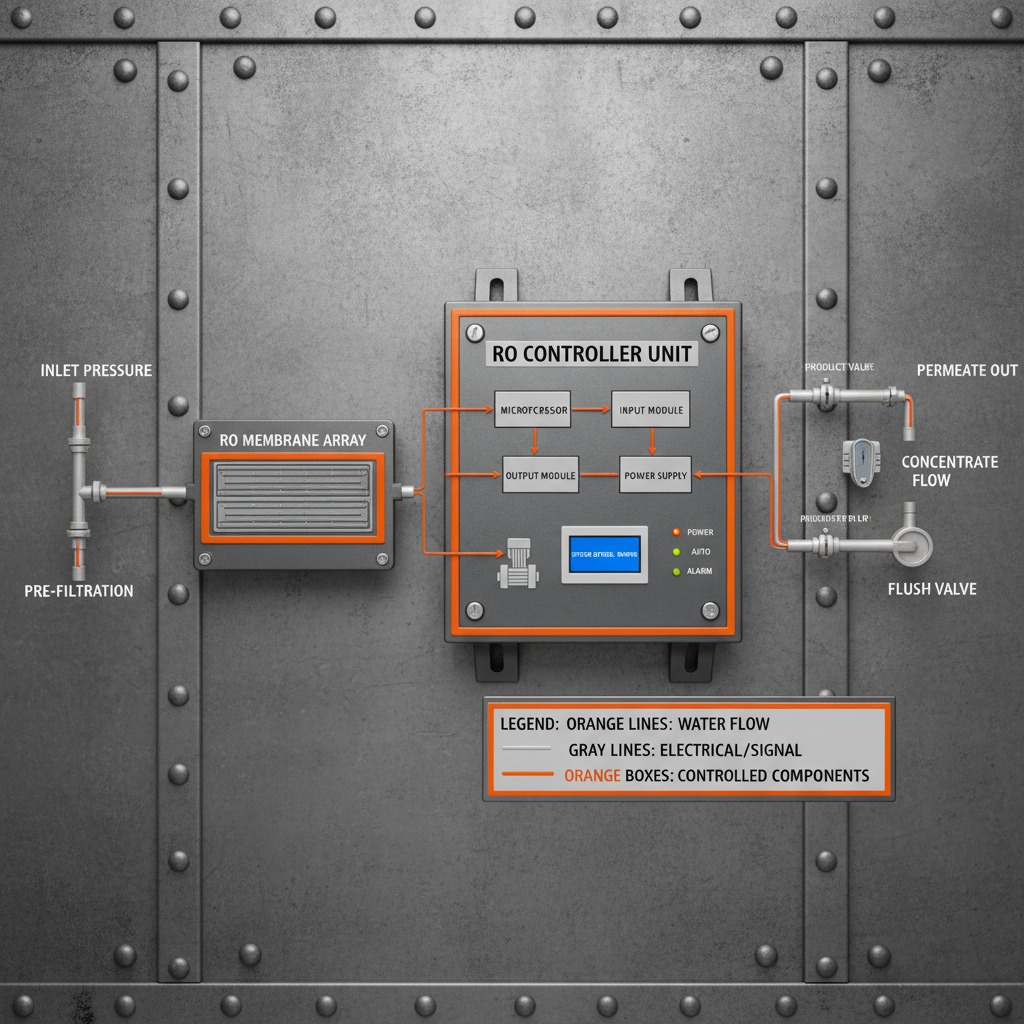
Guide to Choosing the Right RO Controller for Water PurificationMaintaining a high-performance reverse osmosis system requires more than just quality membranes; it demands precise regulation. An ro controller serves as the brain of the entire operation, monitoring critical parameters such as conductivity, temperature, and flow rates to ensure the output water meets stringent purity standards. Without an efficient controller, systems are prone to membrane fouling, inefficient energy use, and inconsistent water quality. In this comprehensive guide, we will explore how these devices optimize water treatment processes and how to select the best model for your specific industrial or commercial needs.
2026-04-09 03:25:47
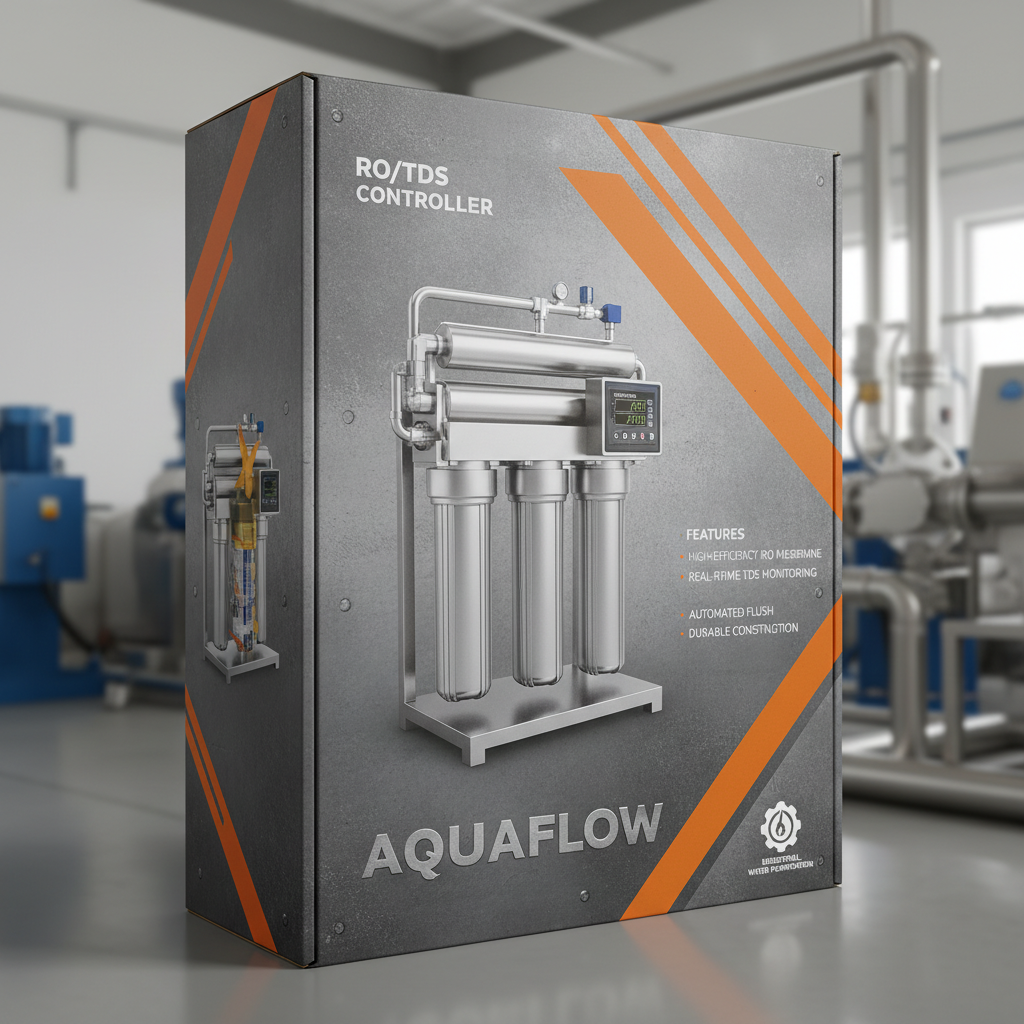
Guide to Water Purity Using RO with TDS Controller SystemsAchieving the perfect balance of mineral content and purity in drinking water is a challenge for many households and industrial facilities. A ro with tds controller offers a sophisticated solution by combining the rigorous filtration of Reverse Osmosis (RO) with the precision of a Total Dissolved Solids (TDS) adjustment system. While standard RO systems remove almost everything, including beneficial minerals, a TDS controller allows users to re-mineralize the water to a desired level. This ensures that the water is not only safe and pure but also tastes better and provides essential nutrients.
2026-04-07 03:17:09
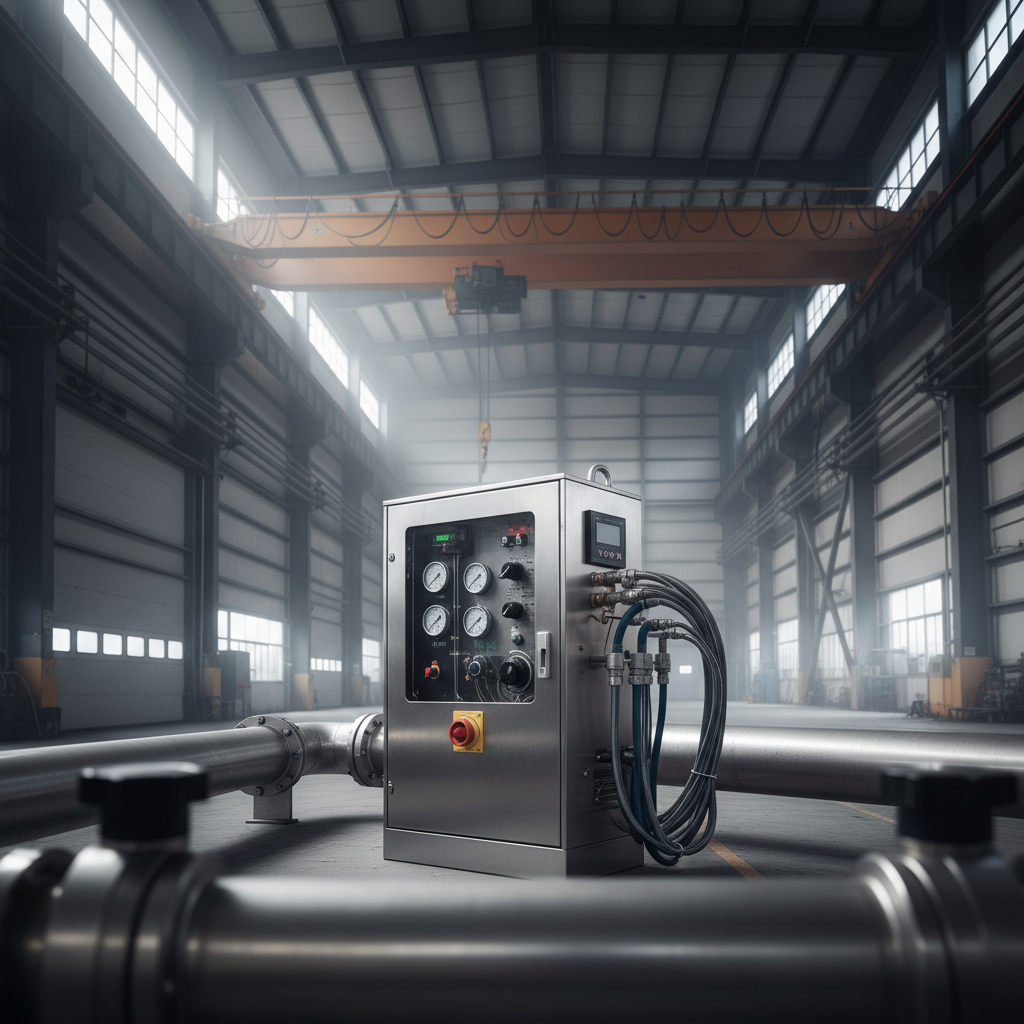
Understanding and Optimizing Reverse Osmosis Systems with a ControllerIn the world of water purification, reverse osmosis (RO) systems are a cornerstone for producing high-quality water for various applications, from drinking water to industrial processes. However, an RO system is only as effective as its control system. This is where the reverse osmosis controller comes into play. This critical component manages and optimizes the RO process, ensuring efficient operation, water quality, and system longevity.
2026-04-04 03:27:19
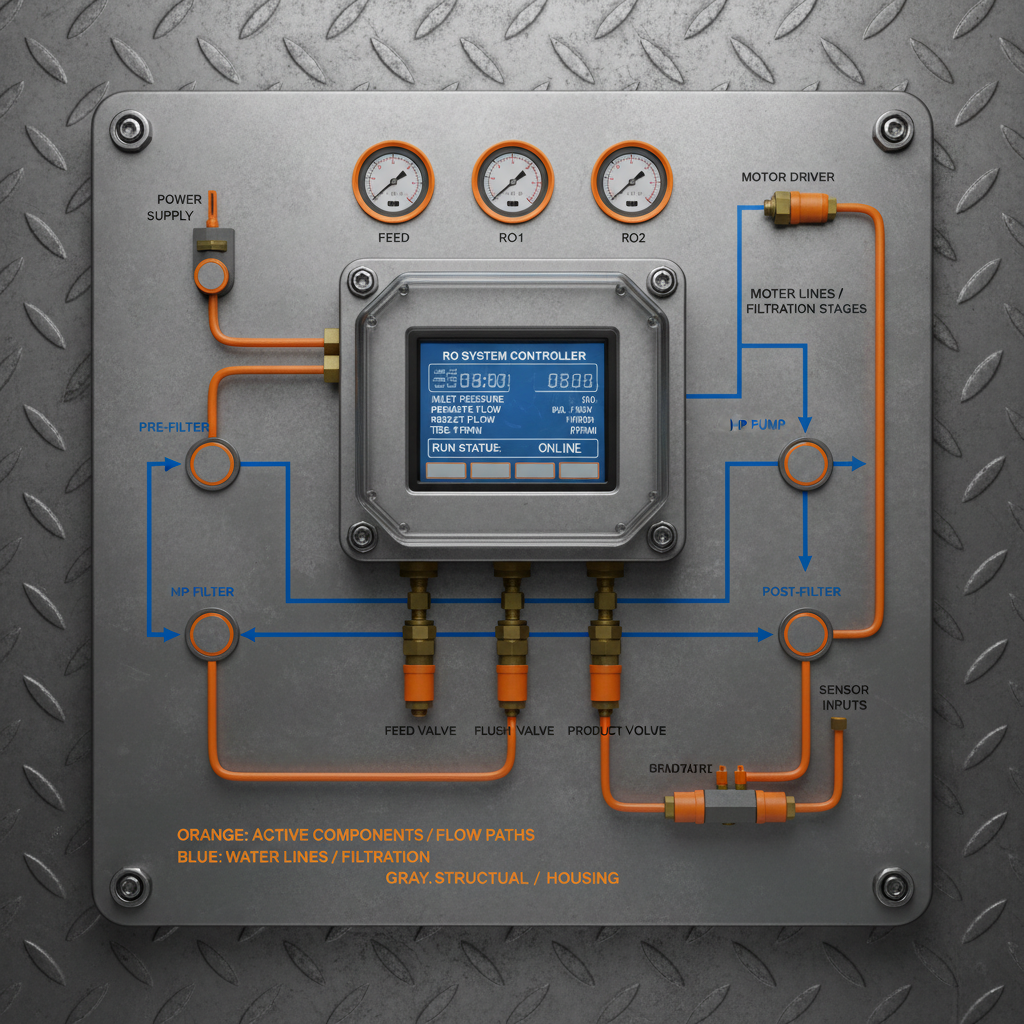
Understanding the Vital Role of an RO System Controller for Optimal PerformanceReverse Osmosis (RO) systems are critical for purifying water across various industries, from residential applications to large-scale industrial processes. At the heart of a well-functioning RO system lies the RO system controller. This intelligent device monitors and regulates all key parameters of the RO process, ensuring optimal performance, efficiency, and water quality. This article delves into the functionalities, benefits, and selection criteria for choosing the right RO system controller, particularly focusing on those offered by Watequipments. Understanding its role is crucial for maximizing the lifespan and effectiveness of your RO investment.
2026-03-24 17:18:24
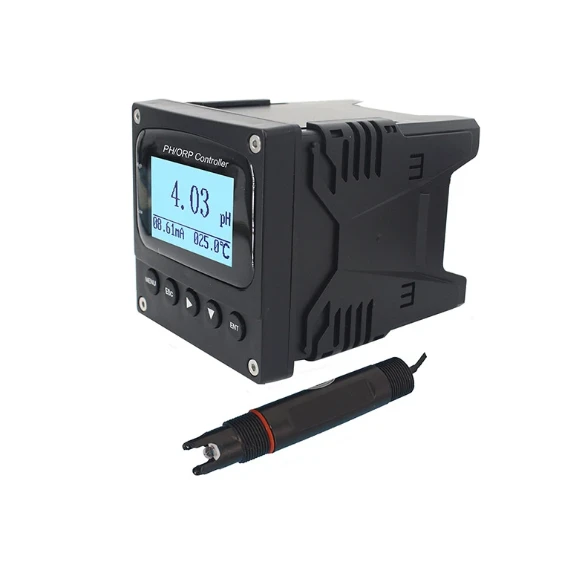
Smart Water Treatment Solutions Using PH ORP Controller SystemsIn modern water treatment and industrial fluid management, maintaining precise chemical balance is essential for safety, efficiency, and regulatory compliance.
2026-03-04 02:55:19
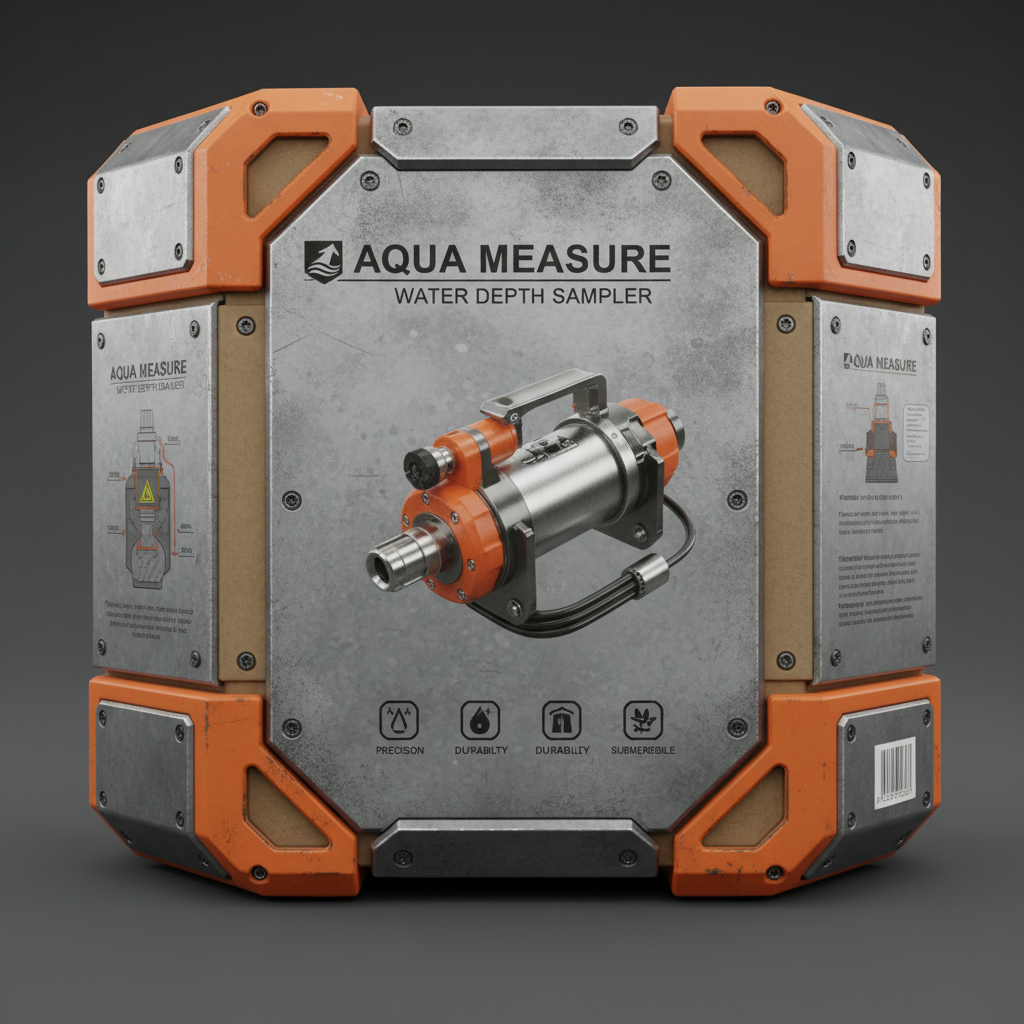
Comprehensive Guide to Water Depth Samplers and Their ApplicationsAccurate water quality monitoring is crucial in various fields, from environmental science and aquaculture to industrial wastewater management. A key tool for this is the water depth sampler. This article provides an in-depth look at water depth samplers, their applications, types, and essential considerations for choosing the right one for your needs. We'll explore the benefits of utilizing this equipment to collect reliable data for analysis and informed decision-making. Selecting the right sampler can significantly improve the precision and efficiency of your water monitoring program. A water depth sampler, also known as a depth-integrated sampler, is a device designed to collect water samples from specific depths within a body of water. Unlike simply dipping a container into the water, a depth sampler allows for collection of a representative sample across a defined depth range. This is critical because water properties (temperature, salinity, pollutants) often vary significantly with depth. The data gathered with a water depth sampler provides a more accurate assessment of water quality than surface samples alone.
2026-03-03 18:55:22
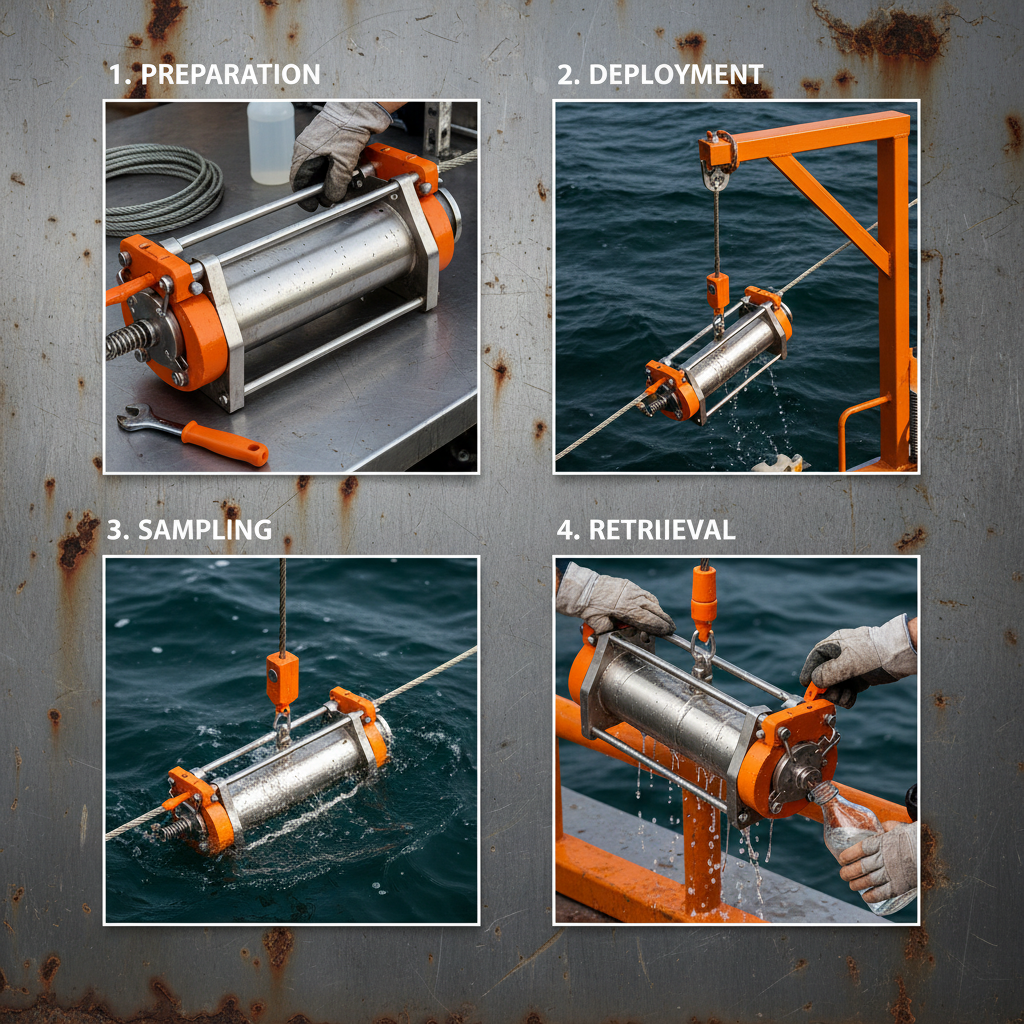
Comprehensive Guide to Horizontal Water Sampler Applications and SelectionCollecting water samples at varying depths is crucial for environmental monitoring, research, and quality control. The horizontal water sampler from Watequipment.com offers a precise and efficient solution for this task. This article provides an in-depth look at horizontal water samplers, their applications, benefits, and key considerations when choosing the right model. We will explore how these samplers contribute to accurate data collection and informed decision-making in various fields. A horizontal water sampler is a device designed to collect water samples from specific depths within a body of water – rivers, lakes, oceans, reservoirs, and even wastewater treatment plants. Unlike vertical samplers which primarily focus on depth, horizontal samplers prioritize collecting samples at a consistent depth while moving along a horizontal plane. This is essential for assessing water quality variations across a waterway or within a specific zone. They are used in applications ranging from environmental monitoring and scientific research to industrial process control and regulatory compliance.
2026-02-28 02:35:09
Comprehensive Guide to Selecting the Right Surface Water Sampler for Your NeedsMonitoring the quality of surface water is critical for environmental protection, public health, and various industrial applications. A surface water sampler is an essential tool for collecting representative samples from rivers, lakes, ponds, and other surface water sources. This article provides a detailed overview of surface water samplers, their types, applications, and key considerations for selecting the right equipment. Accurate water quality data relies on proper sample collection, and choosing the correct sampler is the first step toward achieving reliable results. Surface water samplers come in various designs, each suited to specific sampling needs. Common types include grab samplers, depth-integrating samplers, peristaltic pumps, and automatic samplers. Surface water samplers are used across a broad spectrum of applications, including environmental monitoring, wastewater discharge monitoring, drinking water source monitoring, agricultural runoff analysis, and research studies.

 English