


Durable 1/4 Drip Tubing for Efficient Irrigation Systems

Durable 1/4 Drip Tubing for Efficient Irrigation Systems
Dec . 13, 2025
Understanding 1/4 drip tubing: A Field Veteran’s Take
Having spent more than a decade in the industrial equipment sector—mostly around irrigation setups and water management—it’s always intriguing to revisit components that seem so straightforward at first glance. Take 1/4 drip tubing. On paper, it’s just a slim pipe channeling water drop by drop. But in practice? There’s a whole story behind that plastic tube: design nuances, material quirks, and real-world performance that unsettle less experienced eyes.
Oddly enough, many newer engineers overlook how choice of drip tubing can make or break irrigation efficiency. I’ve seen cases where swapping out a faulty tubing iteration saved entire growing seasons. But it’s not just about watering crops; this tubing finds its way into greenhouse setups, nurseries, and even some light industrial cooling systems.
So what makes 1/4 drip tubing stand out? It’s primarily its diameter—around 6.35 mm—which is perfect for precise water delivery while maintaining manageable flow rates. You get enough throughput to avoid clogging without drowning delicate root systems. Plus, having that narrow design reduces wasted water, a big win from sustainability and cost perspectives.
Material choice usually revolves around UV-resistant polyethylene, which can endure sun exposure and sometimes mild chemical fertilizers without degrading too fast. Frankly, not all tubing brands hit the same quality marks here; some plastics stiffen or crack during winter, others stay pliable. I remember one client in Colorado—notoriously brutal winters—who had to switch vendors after several burst tubes. Took a few tries, but they finally settled on a brand that balances flexibility with durability.
Let’s look at the specs in a bit more detail:
| Specification | Typical Value | Notes |
|---|---|---|
| Inner Diameter | 0.250 inches (6.35 mm) | Standard size for drip emitters |
| Wall Thickness | 0.030 - 0.040 inches (0.76 - 1.02 mm) | Varies by manufacturer |
| Material | UV-resistant polyethylene | Resists sunlight and mild chemicals |
| Max Operating Pressure | 30 - 50 psi | Depending on tubing quality |
| Lengths Available | 100 to 1000 feet rolls | Custom cuts often requested |
There’s also something to be said about customization. Often, irrigation professionals request pre-punched tubing or options compatible with certain dripper brands. In my experience, these little adaptations save huge installation headaches. It's the kind of thing you don’t notice until you’ve wrestled with a kinked line or emitter incompatibility for hours.
Now, when it comes to vendors, the market has quite a few strong contenders. I’ve worked with several suppliers over the years, and there’s a clear differentiation in pricing, quality, and customer support. While I can’t endorse any single brand outright—because quality fluctuates batch to batch—here’s a quick comparison based on multiple projects I’ve overseen.
| Vendor | Price Per 500ft Roll | Material Quality | UV Resistance | Customer Support |
|---|---|---|---|---|
| AquaFlow Supplies | $45 | High-grade polyethylene | Excellent (5 years warranty) | Very responsive |
| GreenLine Industries | $40 | Standard-grade polyethylene | Good (3 years warranty) | Average |
| HydroWorks Co. | $50 | Premium virgin polymer | Excellent (7 years warranty) | Highly proactive |
It feels like HydroWorks sets the bar pretty high, especially for those hungrily chasing longevity and UV resistance. Though, they come at a cost. I suppose if you’re outfitting a commercial farm or an orchard that’s supposed to last, the premium makes sense. On the flip side, if the budget’s tight and replacement is planned every few years, GreenLine is tougher to beat.
Before I wrap up, a quick anecdote. I recall a greenhouse owner who initially went with low-cost drip tubing, only to find out the tubes were too brittle when temperatures dipped. The tubes cracked, wasted water, and caused uneven plant growth. After switching to quality 1/4 drip tubing, not only did they save on water, but plant health visibly improved within a single season.
Wholesale or retail, in industrial projects or delicate horticulture, good quality 1/4 drip tubing is—and will remain—a critical artery in irrigation systems. It’s worth investing the time to pick the right fit rather than just defaulting to the cheapest option.
Feel free to explore your options and get in touch with suppliers who understand your specific needs; it truly makes a difference when gear just 'clicks' with the project.
References:
- Industry Reports on Irrigation Materials, 2023
- Extended Product Testing by National Agricultural Board
- Client Feedback from Varied Climate Zones (2018–2023)
In real terms, with irrigation technology evolving, small things like tubing can dramatically impact outcomes. So yeah, always check the specs, ask questions, and trust a little gut feeling when picking your drip tubing.

Related Products
Related News
2026-04-16 03:20:19
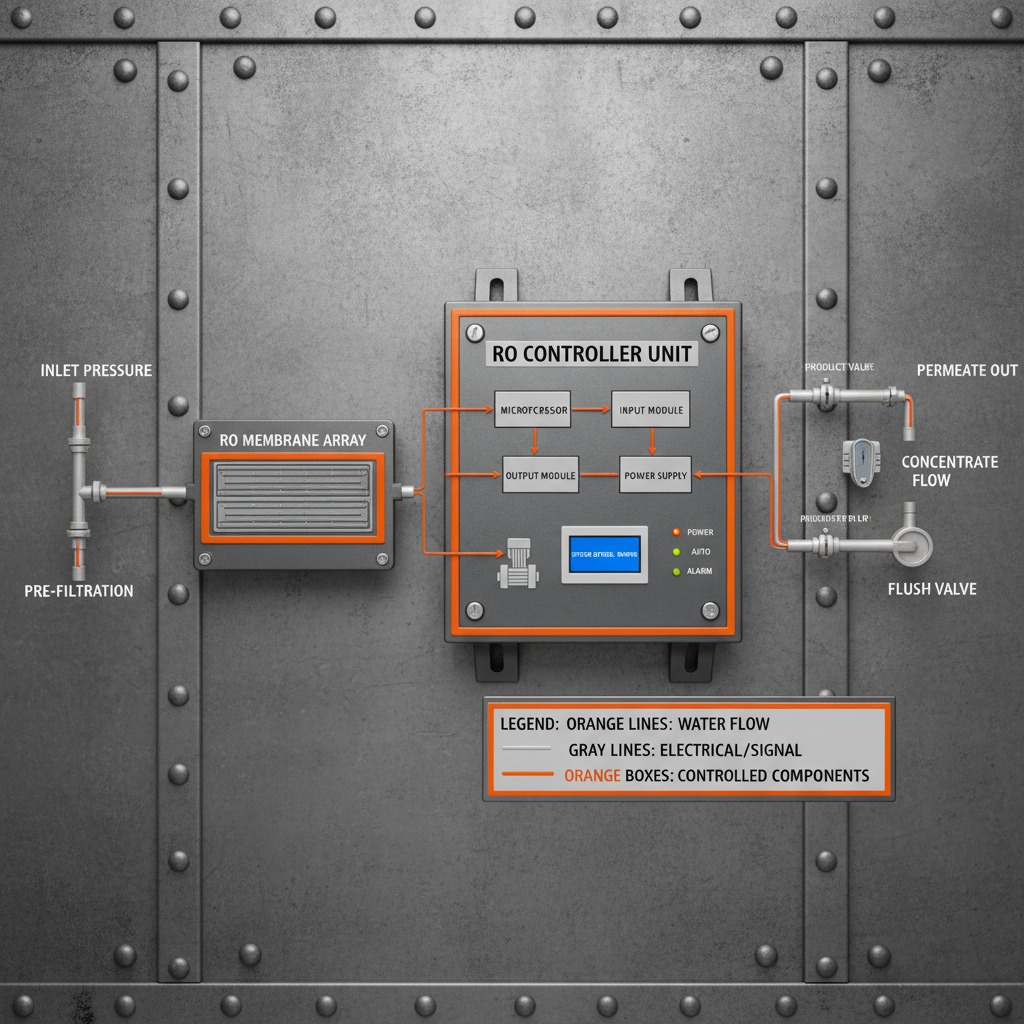
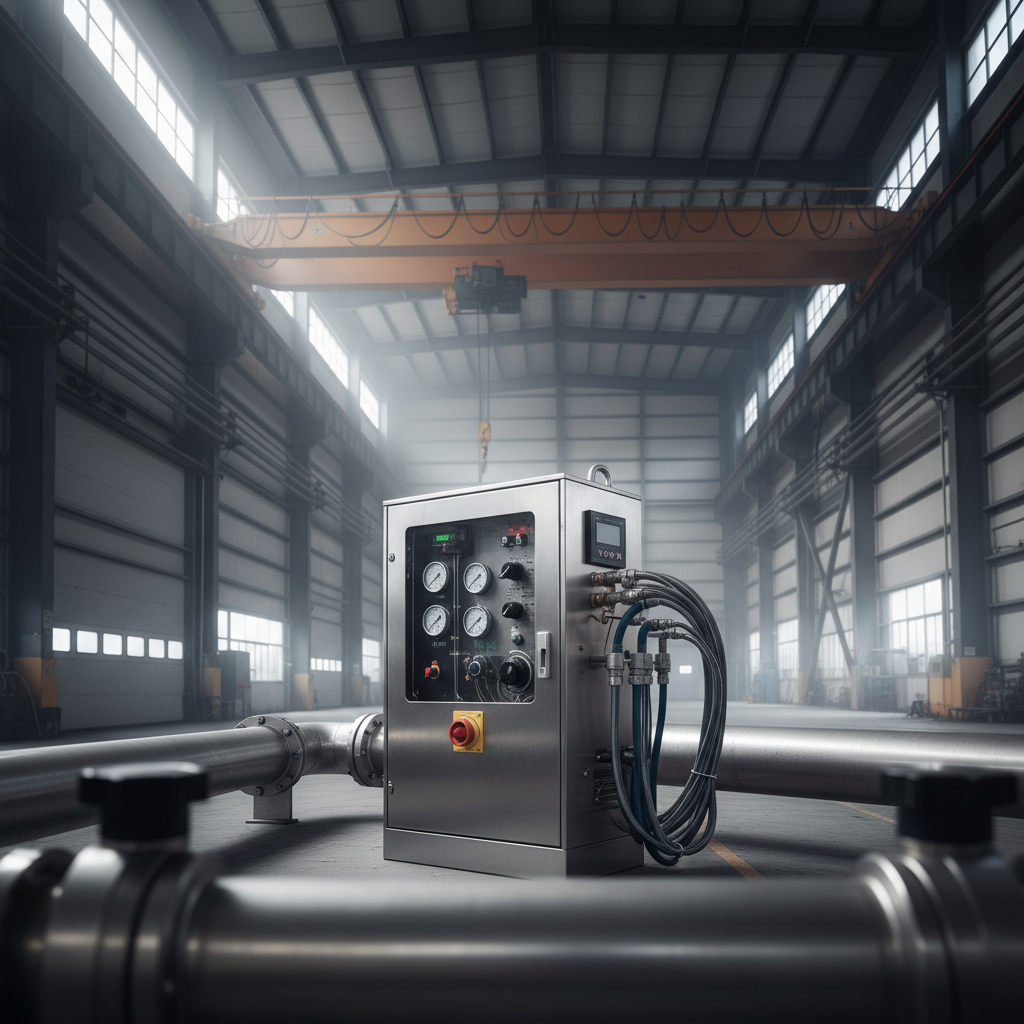
Guide to Choosing the Right RO Controller for Water PurificationMaintaining a high-performance reverse osmosis system requires more than just quality membranes; it demands precise regulation. An ro controller serves as the brain of the entire operation, monitoring critical parameters such as conductivity, temperature, and flow rates to ensure the output water meets stringent purity standards. Without an efficient controller, systems are prone to membrane fouling, inefficient energy use, and inconsistent water quality. In this comprehensive guide, we will explore how these devices optimize water treatment processes and how to select the best model for your specific industrial or commercial needs.
2026-04-09 03:25:47
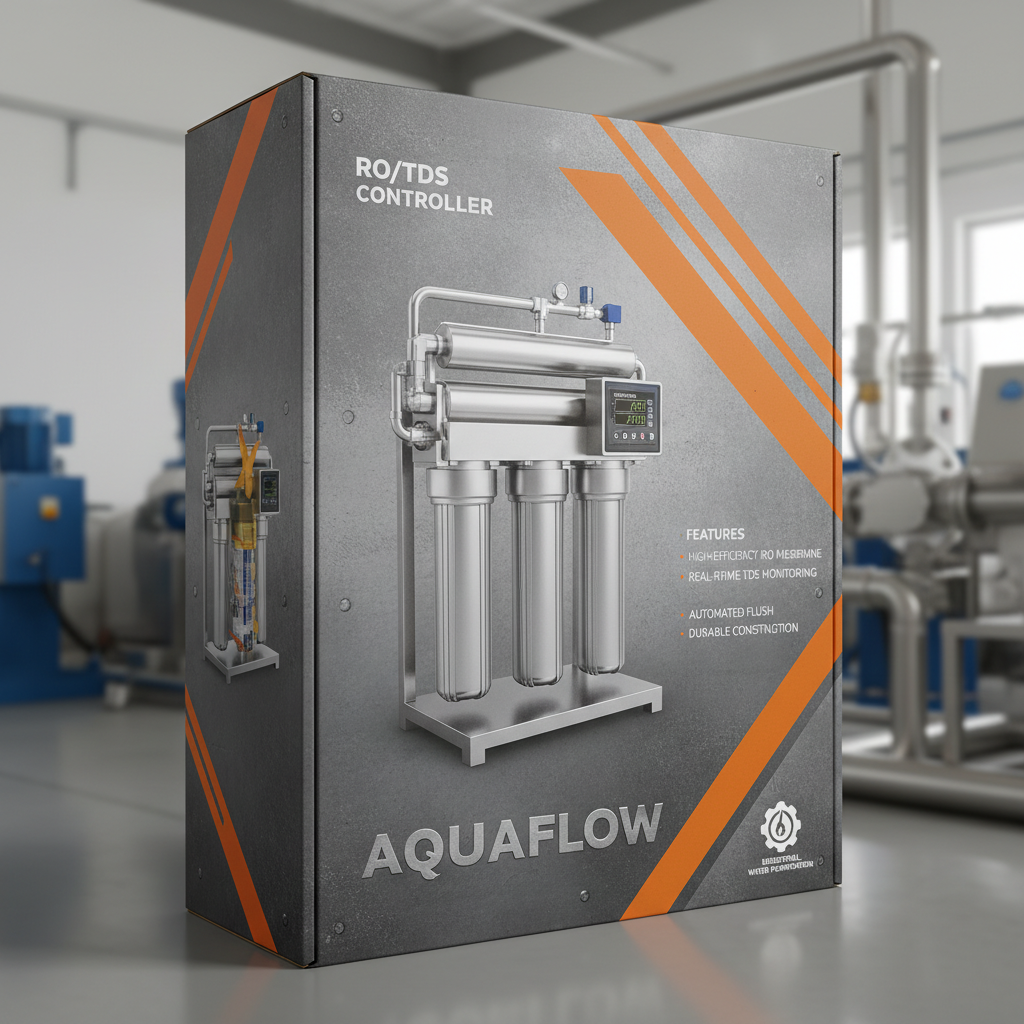
Guide to Water Purity Using RO with TDS Controller SystemsAchieving the perfect balance of mineral content and purity in drinking water is a challenge for many households and industrial facilities. A ro with tds controller offers a sophisticated solution by combining the rigorous filtration of Reverse Osmosis (RO) with the precision of a Total Dissolved Solids (TDS) adjustment system. While standard RO systems remove almost everything, including beneficial minerals, a TDS controller allows users to re-mineralize the water to a desired level. This ensures that the water is not only safe and pure but also tastes better and provides essential nutrients.
2026-04-07 03:17:09
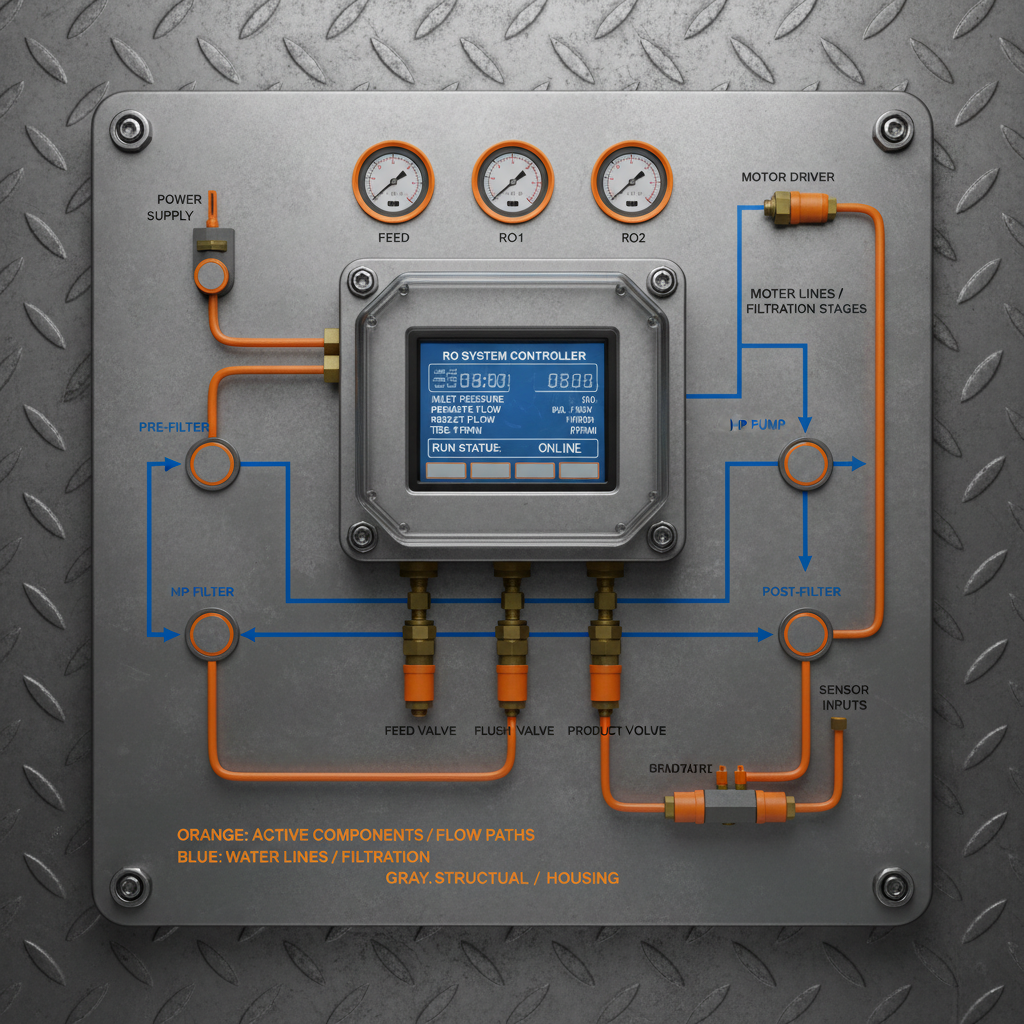
Understanding and Optimizing Reverse Osmosis Systems with a ControllerIn the world of water purification, reverse osmosis (RO) systems are a cornerstone for producing high-quality water for various applications, from drinking water to industrial processes. However, an RO system is only as effective as its control system. This is where the reverse osmosis controller comes into play. This critical component manages and optimizes the RO process, ensuring efficient operation, water quality, and system longevity.
2026-04-04 03:27:19
Understanding the Vital Role of an RO System Controller for Optimal PerformanceReverse Osmosis (RO) systems are critical for purifying water across various industries, from residential applications to large-scale industrial processes. At the heart of a well-functioning RO system lies the RO system controller. This intelligent device monitors and regulates all key parameters of the RO process, ensuring optimal performance, efficiency, and water quality. This article delves into the functionalities, benefits, and selection criteria for choosing the right RO system controller, particularly focusing on those offered by Watequipments. Understanding its role is crucial for maximizing the lifespan and effectiveness of your RO investment.
2026-03-24 17:18:24
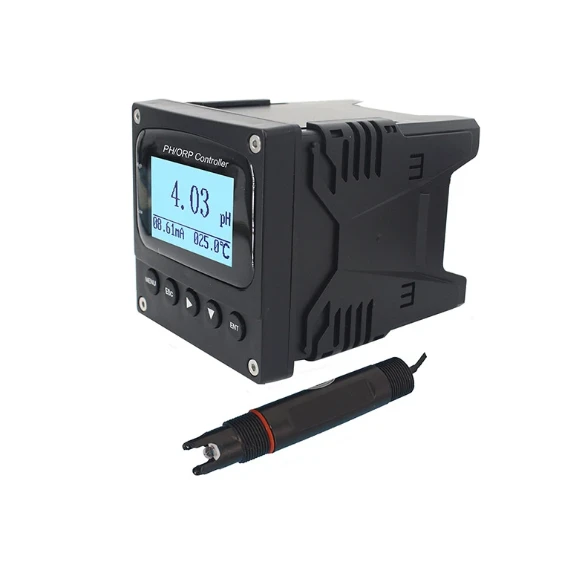
Smart Water Treatment Solutions Using PH ORP Controller SystemsIn modern water treatment and industrial fluid management, maintaining precise chemical balance is essential for safety, efficiency, and regulatory compliance.
2026-03-04 02:55:19
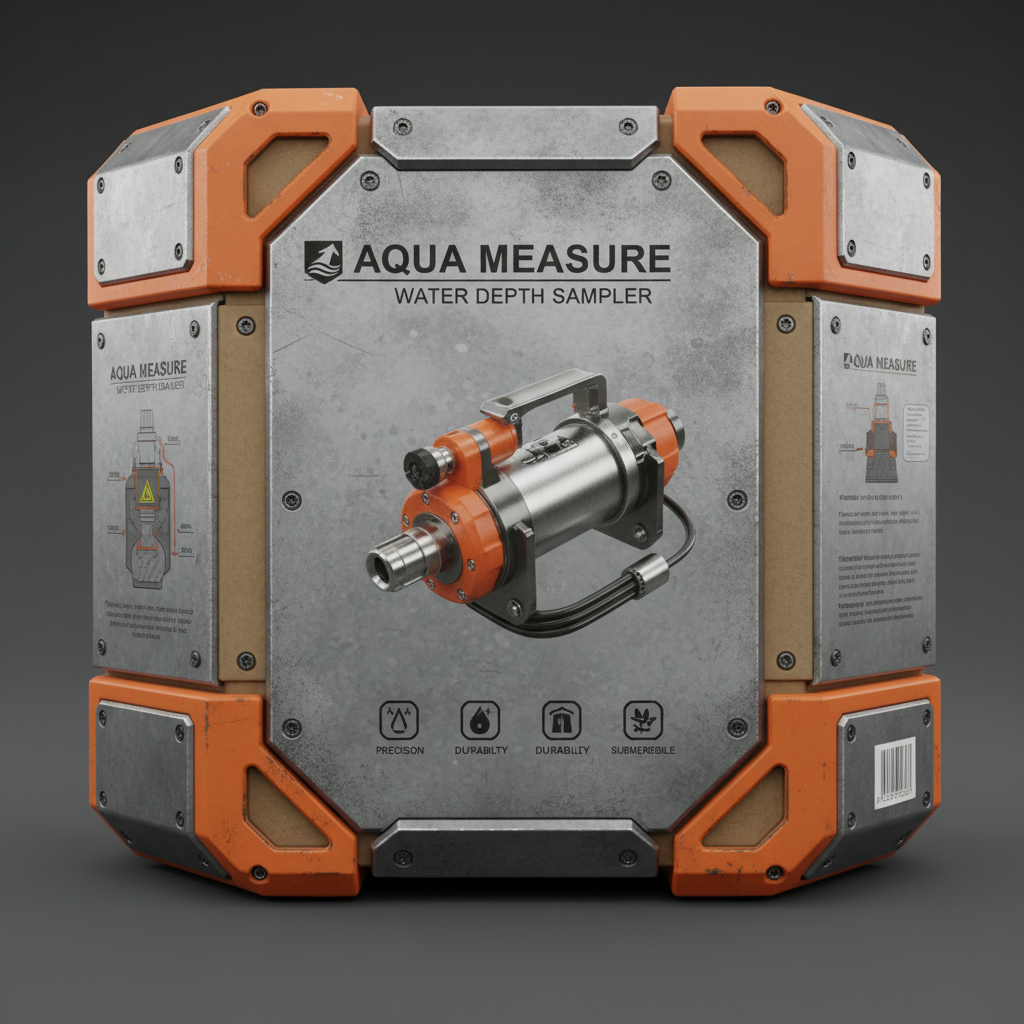
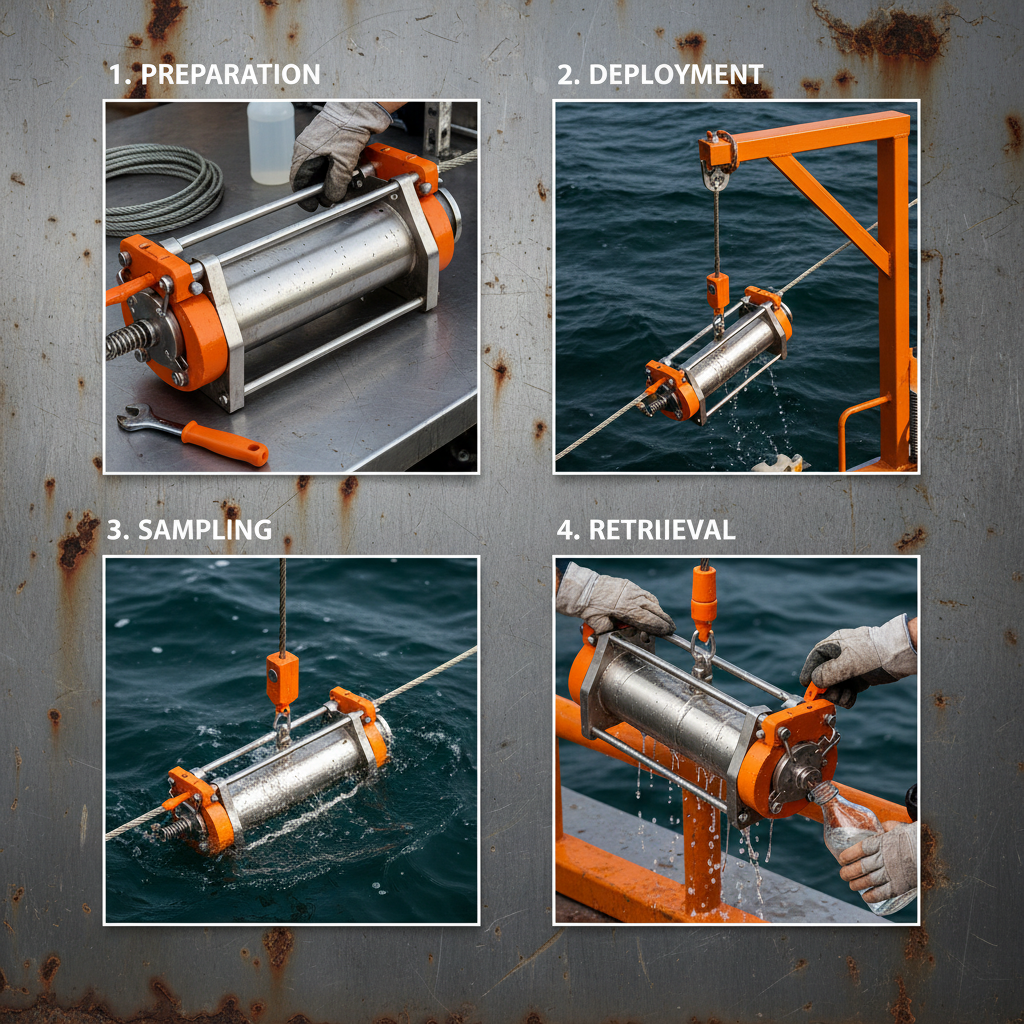
Comprehensive Guide to Water Depth Samplers and Their ApplicationsAccurate water quality monitoring is crucial in various fields, from environmental science and aquaculture to industrial wastewater management. A key tool for this is the water depth sampler. This article provides an in-depth look at water depth samplers, their applications, types, and essential considerations for choosing the right one for your needs. We'll explore the benefits of utilizing this equipment to collect reliable data for analysis and informed decision-making. Selecting the right sampler can significantly improve the precision and efficiency of your water monitoring program. A water depth sampler, also known as a depth-integrated sampler, is a device designed to collect water samples from specific depths within a body of water. Unlike simply dipping a container into the water, a depth sampler allows for collection of a representative sample across a defined depth range. This is critical because water properties (temperature, salinity, pollutants) often vary significantly with depth. The data gathered with a water depth sampler provides a more accurate assessment of water quality than surface samples alone.
2026-03-03 18:55:22
Comprehensive Guide to Horizontal Water Sampler Applications and SelectionCollecting water samples at varying depths is crucial for environmental monitoring, research, and quality control. The horizontal water sampler from Watequipment.com offers a precise and efficient solution for this task. This article provides an in-depth look at horizontal water samplers, their applications, benefits, and key considerations when choosing the right model. We will explore how these samplers contribute to accurate data collection and informed decision-making in various fields. A horizontal water sampler is a device designed to collect water samples from specific depths within a body of water – rivers, lakes, oceans, reservoirs, and even wastewater treatment plants. Unlike vertical samplers which primarily focus on depth, horizontal samplers prioritize collecting samples at a consistent depth while moving along a horizontal plane. This is essential for assessing water quality variations across a waterway or within a specific zone. They are used in applications ranging from environmental monitoring and scientific research to industrial process control and regulatory compliance.
2026-02-28 02:35:09
Comprehensive Guide to Selecting the Right Surface Water Sampler for Your NeedsMonitoring the quality of surface water is critical for environmental protection, public health, and various industrial applications. A surface water sampler is an essential tool for collecting representative samples from rivers, lakes, ponds, and other surface water sources. This article provides a detailed overview of surface water samplers, their types, applications, and key considerations for selecting the right equipment. Accurate water quality data relies on proper sample collection, and choosing the correct sampler is the first step toward achieving reliable results. Surface water samplers come in various designs, each suited to specific sampling needs. Common types include grab samplers, depth-integrating samplers, peristaltic pumps, and automatic samplers. Surface water samplers are used across a broad spectrum of applications, including environmental monitoring, wastewater discharge monitoring, drinking water source monitoring, agricultural runoff analysis, and research studies.

 English