


Understanding ORP Transmitters for Industrial Water Treatment

Understanding ORP Transmitters for Industrial Water Treatment
Dec . 13, 2025
Why ORP Transmitters Remain Essential in Industrial Water Treatment
To say ORP transmitters are the unsung heroes of water quality management might sound a bit much — but honestly, in the industrial equipment world, they’re quietly indispensable. I've seen them in action countless times, tucked away in plants where the real magic is keeping water chemistry in check. Oxidation-reduction potential measurement might not get the spotlight like pH sensors, but when it comes to monitoring disinfection or chemical dosing, they hold their own. What's striking is how often engineers overlook just how much nuance an ORP transmitter offers. This isn't just a gadget that spits out numbers; it’s kind of the water-treatment equivalent of a health-check monitor—telling you if oxidizers like chlorine are doing their job or if something's off balance. Once, at a steel manufacturing facility, our ORP transmitter spotted a subtle dip in potential that led us to fixing a dosing pump issue before it affected the batch quality. These little fixes save big headaches.What to Look for When Choosing an ORP transmitter
Years working with these devices has taught me a few things about what’s crucial: rugged construction, stable sensor performance, and easy calibration. I remember one case where a flimsy probe was swapped out for a more robust one with titanium electrodes—suddenly, the signal was solid even in harsh chemical baths. That’s the sort of development which, frankly, feels like a quiet revolution in process reliability. Materials matter — especially in aggressive environments. And calibration can't be ignored. The best transmitters offer intuitive zero and slope calibration to keep things sharp over time. No one enjoys fiddling with complicated settings in the middle of a shift. Automation trends also push for digital communication features like HART or Modbus to integrate smoothly with control systems.| Specification | Details |
|---|---|
| Measurement Range | -1000 mV to +1000 mV |
| Output Signal | 4-20 mA, HART Optional |
| Operating Temperature | 0-60 °C (32-140 °F) |
| Enclosure | IP65 / NEMA 4X |
| Power Supply | 12-36 VDC |
| Calibration | Manual or Automatic |
Comparing Leading ORP Transmitter Vendors in Industrial Settings
From my experience helping procurement teams and engineers, it feels like the choice boils down to reliability, support network, and integration capabilities. Not all transmitters are created equal. Some brands shine in heavy-duty environments while others offer budget-friendly options that still perform admirably. Here’s a quick rundown that might help when you’re standing at that crossroads:| Vendor | Sensor Durability | Interface Options | Price Level | Support & Service |
|---|---|---|---|---|
| Vendor A | High (Titanium electrodes) | 4-20mA, HART, Modbus | $$$ | Excellent |
| Vendor B | Moderate (Platinum electrodes) | 4-20mA | $$ | Good |
| Vendor C | Basic (Standard electrodes) | 4-20mA | $ | Fair |
In real terms, the investment in a high-quality transmitter often pays for itself when you consider downtime avoided, accuracy maintained, and processes optimized. It’s a bit like choosing the right tool in the workshop—sure, you can get by with something cheaper, but the precision and longevity just aren’t quite the same.
For anyone managing complex water treatment or chemical processing, an ORP transmitter is a small piece of gear with an outsized impact. I’m always impressed seeing how improvements in sensor technology and digital communication steadily streamline plant operations. It’s not flashy, but it keeps the wheels turning.
If you’re curious or need to upgrade, I’d say start by asking these key questions: what’s the chemical environment like? How demanding is calibration? Does the system support your control protocols? Answer those and you’re halfway there.
Well… that’s enough for now. Honestly, every plant has its quirks, but in the end, having reliable oxidation-reduction measurements through trusted transmitters is one of those small but critical steps to keeping things running smooth.
— From someone who's seen their fair share of water treatment puzzles and a good cup of industrial coffee.
References & Further Thoughts
- Experience and insights gathered from 15+ years in industrial water treatment equipment.
- Practical case studies in steel production water monitoring and chemical dosing.
- Vendor documentation and field reports on sensor materials and calibration techniques.

Related Products
Related News
2026-04-16 03:20:19
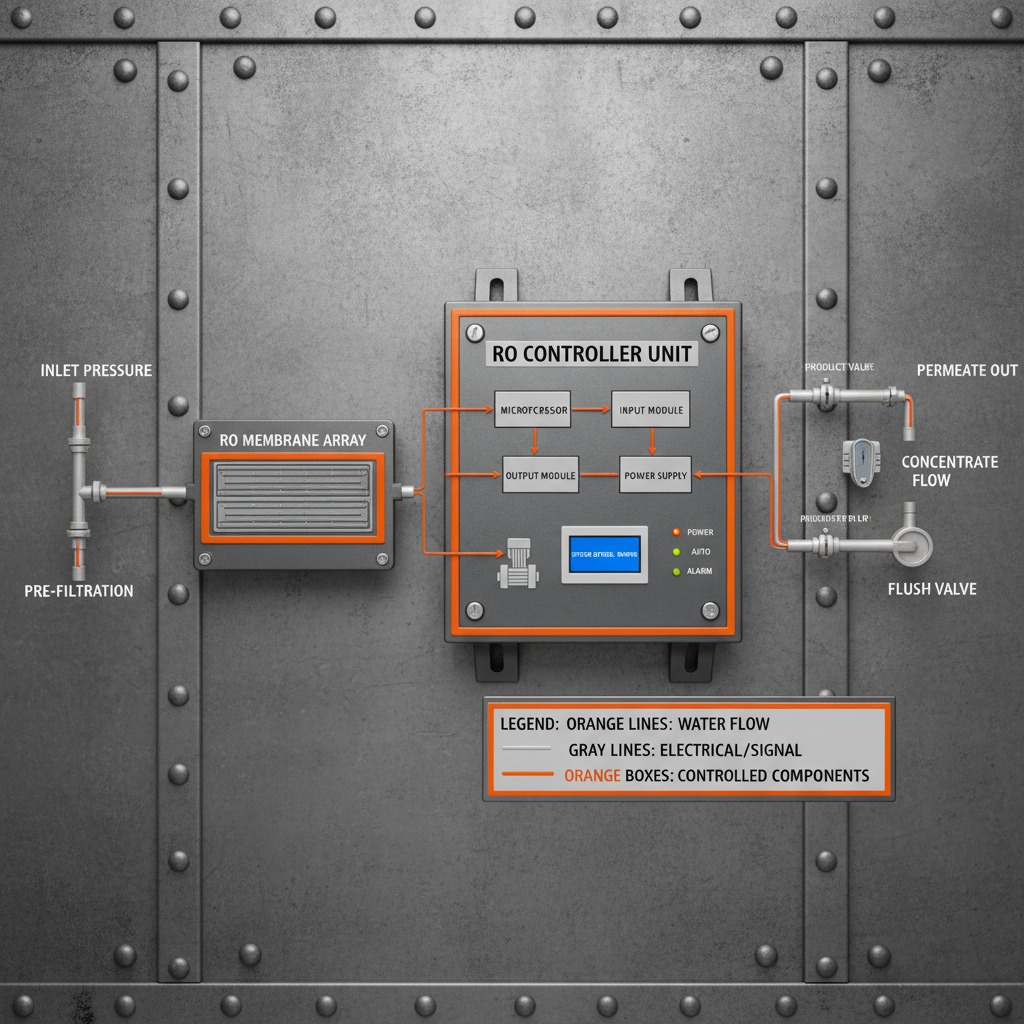
Guide to Choosing the Right RO Controller for Water PurificationMaintaining a high-performance reverse osmosis system requires more than just quality membranes; it demands precise regulation. An ro controller serves as the brain of the entire operation, monitoring critical parameters such as conductivity, temperature, and flow rates to ensure the output water meets stringent purity standards. Without an efficient controller, systems are prone to membrane fouling, inefficient energy use, and inconsistent water quality. In this comprehensive guide, we will explore how these devices optimize water treatment processes and how to select the best model for your specific industrial or commercial needs.
2026-04-09 03:25:47
Guide to Water Purity Using RO with TDS Controller SystemsAchieving the perfect balance of mineral content and purity in drinking water is a challenge for many households and industrial facilities. A ro with tds controller offers a sophisticated solution by combining the rigorous filtration of Reverse Osmosis (RO) with the precision of a Total Dissolved Solids (TDS) adjustment system. While standard RO systems remove almost everything, including beneficial minerals, a TDS controller allows users to re-mineralize the water to a desired level. This ensures that the water is not only safe and pure but also tastes better and provides essential nutrients.
2026-04-07 03:17:09
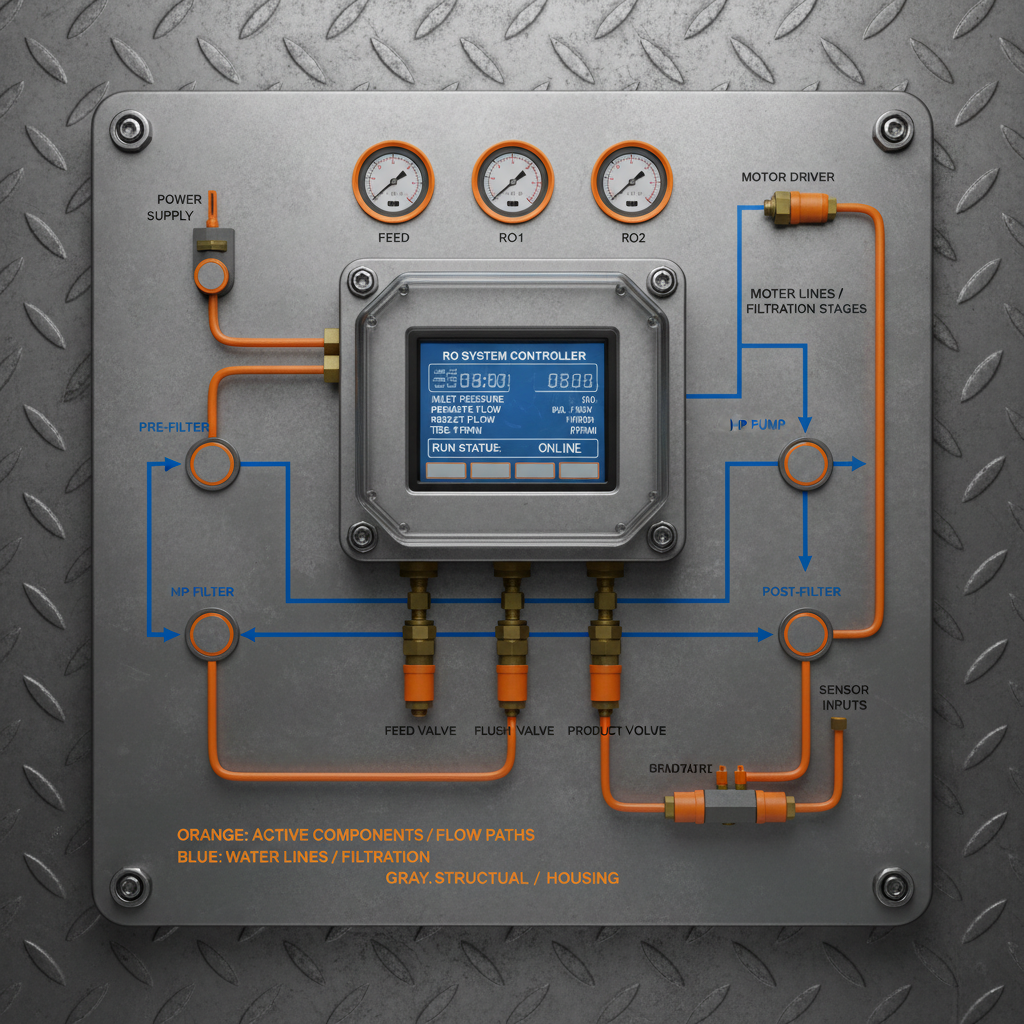
Understanding and Optimizing Reverse Osmosis Systems with a ControllerIn the world of water purification, reverse osmosis (RO) systems are a cornerstone for producing high-quality water for various applications, from drinking water to industrial processes. However, an RO system is only as effective as its control system. This is where the reverse osmosis controller comes into play. This critical component manages and optimizes the RO process, ensuring efficient operation, water quality, and system longevity.
2026-04-04 03:27:19
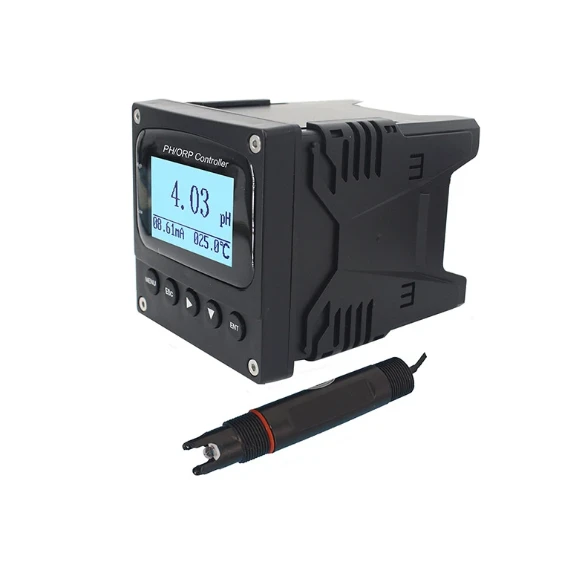
Understanding the Vital Role of an RO System Controller for Optimal PerformanceReverse Osmosis (RO) systems are critical for purifying water across various industries, from residential applications to large-scale industrial processes. At the heart of a well-functioning RO system lies the RO system controller. This intelligent device monitors and regulates all key parameters of the RO process, ensuring optimal performance, efficiency, and water quality. This article delves into the functionalities, benefits, and selection criteria for choosing the right RO system controller, particularly focusing on those offered by Watequipments. Understanding its role is crucial for maximizing the lifespan and effectiveness of your RO investment.
2026-03-24 17:18:24
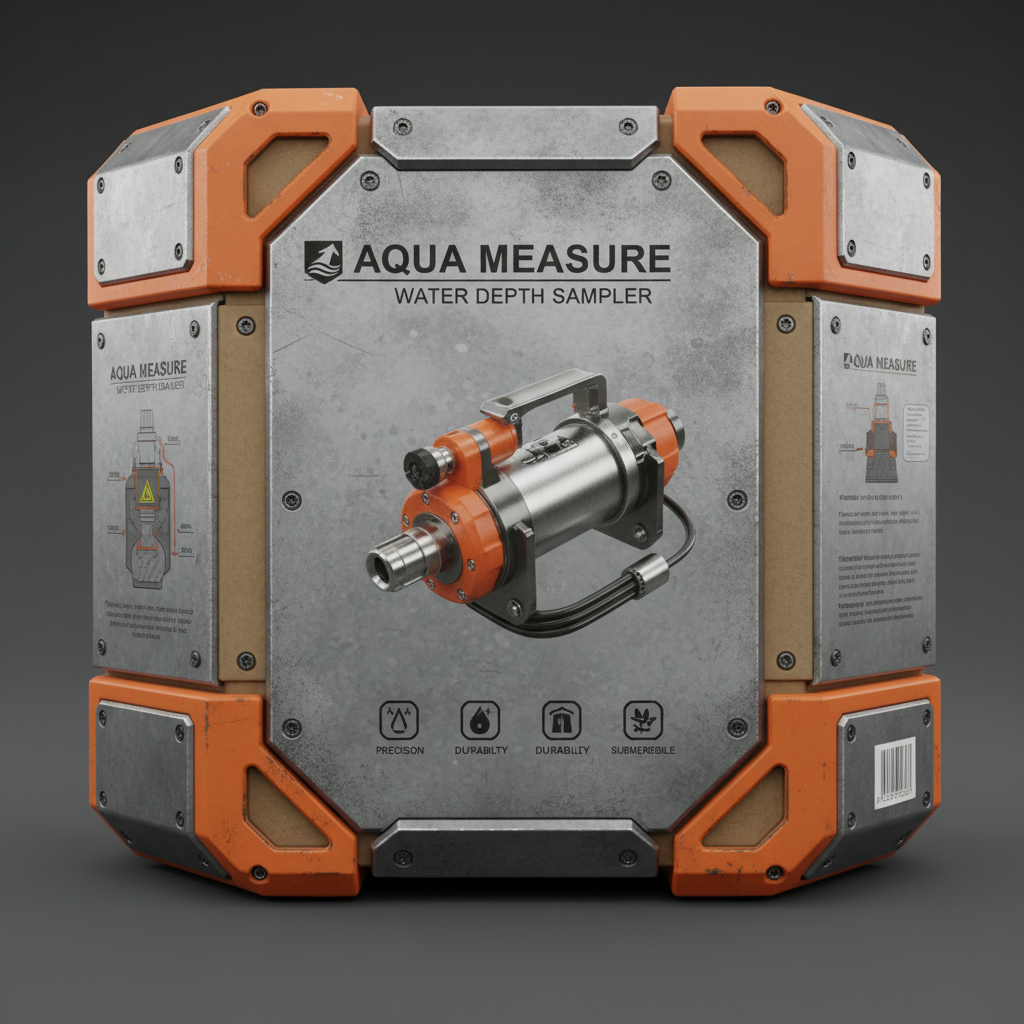
Smart Water Treatment Solutions Using PH ORP Controller SystemsIn modern water treatment and industrial fluid management, maintaining precise chemical balance is essential for safety, efficiency, and regulatory compliance.
2026-03-04 02:55:19
Comprehensive Guide to Water Depth Samplers and Their ApplicationsAccurate water quality monitoring is crucial in various fields, from environmental science and aquaculture to industrial wastewater management. A key tool for this is the water depth sampler. This article provides an in-depth look at water depth samplers, their applications, types, and essential considerations for choosing the right one for your needs. We'll explore the benefits of utilizing this equipment to collect reliable data for analysis and informed decision-making. Selecting the right sampler can significantly improve the precision and efficiency of your water monitoring program. A water depth sampler, also known as a depth-integrated sampler, is a device designed to collect water samples from specific depths within a body of water. Unlike simply dipping a container into the water, a depth sampler allows for collection of a representative sample across a defined depth range. This is critical because water properties (temperature, salinity, pollutants) often vary significantly with depth. The data gathered with a water depth sampler provides a more accurate assessment of water quality than surface samples alone.
2026-03-03 18:55:22
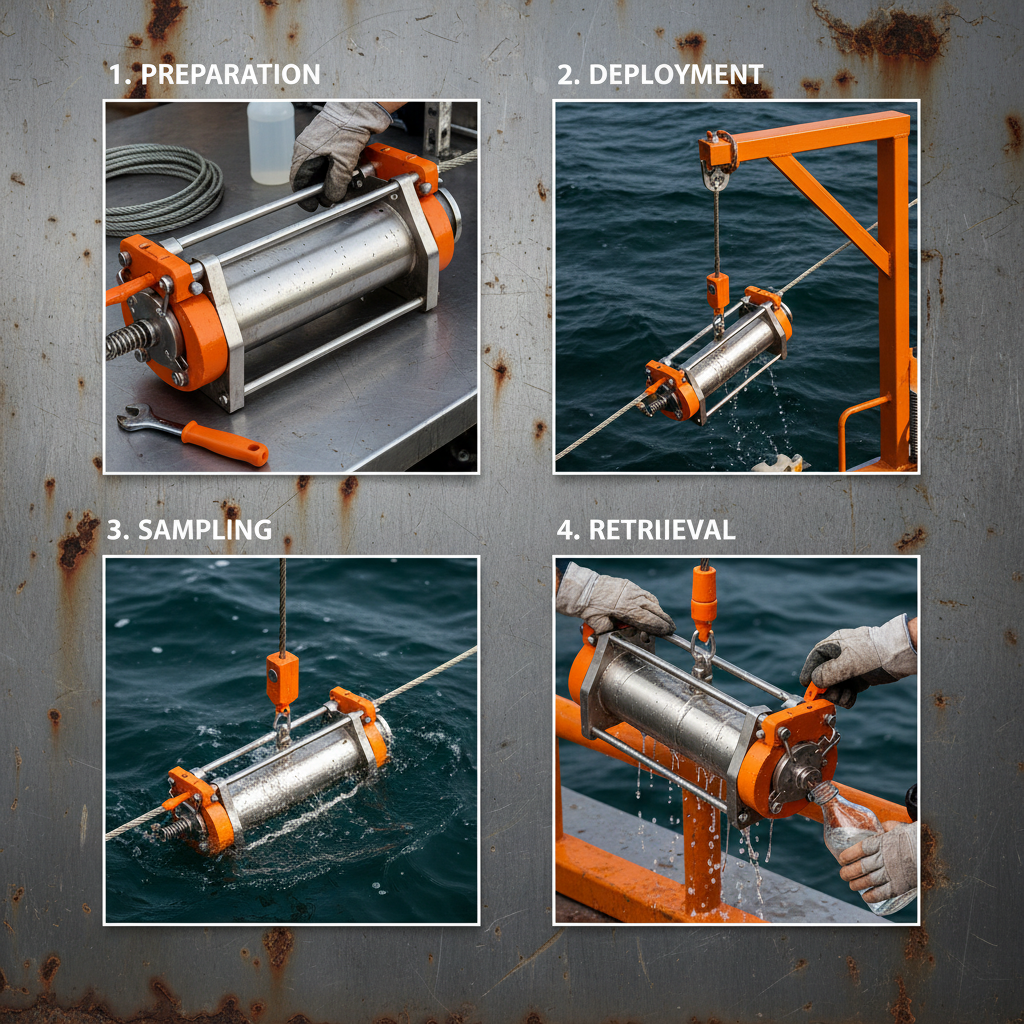
Comprehensive Guide to Horizontal Water Sampler Applications and SelectionCollecting water samples at varying depths is crucial for environmental monitoring, research, and quality control. The horizontal water sampler from Watequipment.com offers a precise and efficient solution for this task. This article provides an in-depth look at horizontal water samplers, their applications, benefits, and key considerations when choosing the right model. We will explore how these samplers contribute to accurate data collection and informed decision-making in various fields. A horizontal water sampler is a device designed to collect water samples from specific depths within a body of water – rivers, lakes, oceans, reservoirs, and even wastewater treatment plants. Unlike vertical samplers which primarily focus on depth, horizontal samplers prioritize collecting samples at a consistent depth while moving along a horizontal plane. This is essential for assessing water quality variations across a waterway or within a specific zone. They are used in applications ranging from environmental monitoring and scientific research to industrial process control and regulatory compliance.
2026-02-28 02:35:09
Comprehensive Guide to Selecting the Right Surface Water Sampler for Your NeedsMonitoring the quality of surface water is critical for environmental protection, public health, and various industrial applications. A surface water sampler is an essential tool for collecting representative samples from rivers, lakes, ponds, and other surface water sources. This article provides a detailed overview of surface water samplers, their types, applications, and key considerations for selecting the right equipment. Accurate water quality data relies on proper sample collection, and choosing the correct sampler is the first step toward achieving reliable results. Surface water samplers come in various designs, each suited to specific sampling needs. Common types include grab samplers, depth-integrating samplers, peristaltic pumps, and automatic samplers. Surface water samplers are used across a broad spectrum of applications, including environmental monitoring, wastewater discharge monitoring, drinking water source monitoring, agricultural runoff analysis, and research studies.

 English