


High-Precision Optical Dissolved Oxygen Meters for Sustainable Water Monitoring

High-Precision Optical Dissolved Oxygen Meters for Sustainable Water Monitoring
Nov . 24, 2025
Understanding Optical Dissolved Oxygen Meters: Why They Matter
In today’s world, monitoring water quality isn’t just a nice-to-have; it’s essential. Among the many tools used by environmentalists, researchers, and industries alike, the optical dissolved oxygen meter stands out. But what exactly is it, why is it so important globally, and how can understanding its benefits lead to better water management? Let’s dive in.
Why Optical Dissolved Oxygen Meters Are Crucial on a Global Scale
The optical dissolved oxygen meter plays a pivotal role in measuring oxygen levels dissolved in water — a key indicator of water health. The United Nations estimates that over 2 billion people face water scarcity issues, many linked to declining water quality. Dissolved oxygen is critical for aquatic life, wastewater treatment, and even industrial processes.
Yet, traditional measurement methods have their pitfalls, from membrane fouling to calibration hassles. Enter optical sensors — advancing water quality monitoring with precision, durability, and ease of use. According to ISO standards, continuous and reliable monitoring of oxygen can enhance ecological balance management and pollution control strategies worldwide.
Defining an Optical Dissolved Oxygen Meter
At its core, an optical dissolved oxygen meter is a device that quantifies oxygen concentration in liquids using advanced luminescence techniques, rather than the classic electrochemical approach. It employs a special sensor that detects oxygen molecules by measuring changes in light emitted or reflected by the sensor’s coating.
This means fewer maintenance needs, less interference, and more stable readings. For industries such as aquaculture, environmental monitoring, or municipal water treatment, it’s a practical answer to longstanding challenges of ensuring oxygen levels support life and processes effectively.
Mini takeaway:
The optical dissolved oxygen meter is not just a gadget; it's a silent guardian of water environments, quietly ensuring life has the oxygen it needs.
Key Features That Define an Effective Optical Dissolved Oxygen Meter
1. Durability and Low Maintenance
Unlike electrode-based meters, optical sensors don't rely on membranes that degrade or need frequent replacement. Their coatings resist fouling, making them well-suited for long-term deployment in challenging environments.
2. Accuracy and Stability
Optical meters deliver reliable readings over time with less drift, meaning fewer recalibrations. This advantage enhances the confidence of engineers and researchers who need consistent data over extended periods.
3. Portability and Ease of Use
Many models are lightweight and user-friendly, perfect for field work or rapid deployment. They often come with wireless connectivity, aiding real-time remote monitoring.
4. Cost Efficiency over Time
The initial investment might be higher than traditional meters, but optical units save costs on consumables and calibration labor, proving economical in the long run.
5. Wide Measurement Range
From near-zero oxygen in wastewater to saturated levels in oxygenated waters, these meters adapt to varied conditions without sacrificing precision.
Mini takeaway:
You’re investing not just in technology but in resilience, reliability, and real-world practicality.
Common Specifications of an Optical Dissolved Oxygen Meter
| Specification | Typical Value | Notes |
|---|---|---|
| Measurement Range | 0 - 50 mg/L | Covers most natural and industrial waters |
| Accuracy | ±0.1 mg/L or ±1% saturation | Stable readings over time |
| Response Time | Fast enough for process control | |
| Power Supply | Rechargeable battery or external power | Supports field and lab usage |
| Connectivity | Bluetooth, USB, or wireless | Enables remote data access |
Global Applications: Where Optical DO Meters Make the Biggest Impact
I find it fascinating how versatile optical dissolved oxygen meters are. Around the globe, they’re used in vastly different environments:
- Aquaculture farms in Southeast Asia: Monitoring oxygen levels helps farmers avoid fish die-offs and improve yields.
- Wastewater treatment plants in Europe and the US: Operators rely on accurate DO data to optimize aeration and cut energy costs.
- Environmental agencies in Africa: To assess river and wetland health, especially where industrial runoff is a concern.
- Research institutions: Studying aquatic ecosystems, climate change effects, or pollution trends worldwide.
- Post-disaster relief operations: Quickly deployed optical meters check water quality, minimizing health risks after floods or chemical spills.
Mini takeaway:
These meters aren’t niche — they’re a global toolkit for fighting water quality challenges in diverse contexts.
Advantages and Long-Term Value of Optical Dissolved Oxygen Meters
Frankly, beyond their technical prowess, these meters offer a kind of peace of mind. Here’s what many users tend to appreciate:
- Cost savings over time: Less maintenance and longer sensor life reduce recurring expenses.
- Improved sustainability: Precise data supports better water resource management, protecting ecosystems.
- Enhanced safety and compliance: Reliable oxygen data informs treatment and discharge standards.
- User confidence: The stability and ease of use build trust across teams with varying expertise.
In short, investing in quality monitoring tech can feel like buying insurance — you hope you never have a crisis, but if you do, you’re ready.
Future Trends & Innovations in Optical Dissolved Oxygen Technology
We’re on the cusp of a few exciting developments:
- Smart sensor integration: Expected growth in IoT-enabled optical DO meters allows seamless, 24/7 monitoring with automated alerts.
- Eco-friendly materials: Research into biodegradable sensor coatings to drive sustainability even further.
- Battery life improvements: Innovations in low-power electronics and solar-powered stations will boost remote usage.
- Data analytics: Advanced software will help interpret DO trends faster, aiding proactive decision-making.
Oddly enough, the tech's moving faster than some regulatory frameworks can keep up — but when that catch-up happens, we’ll see widespread adoption almost overnight.
Challenges & Solutions in Using Optical Dissolved Oxygen Meters
Like any technology, these meters aren’t perfect:
- Initial cost barrier: Optical sensors tend to be pricier upfront than traditional meters.
- Interferences in extreme turbid waters: High suspended solids can sometimes affect sensor reading accuracy.
- Calibration needs: While less frequent, they still require occasional checks to ensure data integrity.
Solutions? Manufacturers are innovating pre-calibrated, interchangeable sensor patches, and deploying protective housings to mitigate fouling. For the cost question, analysts emphasize that lifecycle costing always favors optical meters — the promise is real if you look beyond sticker price.
Vendor Comparison: Leading Optical Dissolved Oxygen Meters
| Vendor | Key Features | Price Range (USD) | Ideal Use Case |
|---|---|---|---|
| AquaSense | Wireless, rugged, factory calibrations | $1,500 - $3,000 | Field research & aquaculture |
| HydroTech | Multi-parameter, cloud integration | $2,000 - $4,500 | Municipal & industrial monitoring |
| OxyVision | Compact, battery efficient, Bluetooth | $1,000 - $2,500 | Portable & educational use |
Frequently Asked Questions About Optical Dissolved Oxygen Meters
Q: How does an optical dissolved oxygen meter differ from a traditional electrochemical one?
A: Optical meters use luminescent sensors that detect oxygen without consuming it, leading to less drift and maintenance compared to electrode-based sensors that rely on membranes and electrodes.
Q: Can these meters be used in highly polluted water?
A: Yes, but high turbidity or fouling might affect readings. Protective sensor coatings and routine cleaning help maintain accuracy in such conditions.
Q: How often do optical DO sensors require calibration?
A: Usually, calibration intervals are several months apart, sometimes up to a year, depending on usage and environmental factors—considerably longer than traditional sensors.
Q: Are optical dissolved oxygen meters suitable for continuous outdoor monitoring?
A: Absolutely. Their durability and low-maintenance design make them ideal for long-term deployments in lakes, rivers, and industrial sites.
Q: Is training required to operate these meters?
A: Basic training helps but the devices are generally designed for user-friendly operation, with many offering smartphone or tablet interfaces for easy data access.
In Closing: Why You Should Consider Optical Dissolved Oxygen Meters
Summing this up — the move to optical dissolved oxygen meters marks a meaningful step forward in environmental and industrial water monitoring. Their blend of accuracy, ease, and longevity means they’re not just cool tech but practical tools that directly improve outcomes, safety, and sustainability.
If you’re considering upgrading your water quality toolkit, or just curious to learn more about tailored solutions, I invite you to explore our offerings and see what fits your needs best.
Final reflection:
Water is life, no doubt. The more reliably we can watch over it, the better our chances at preserving it — optical dissolved oxygen meters are quietly vital in that pursuit.
References

Related Products
Related News

2026-04-16 03:20:19
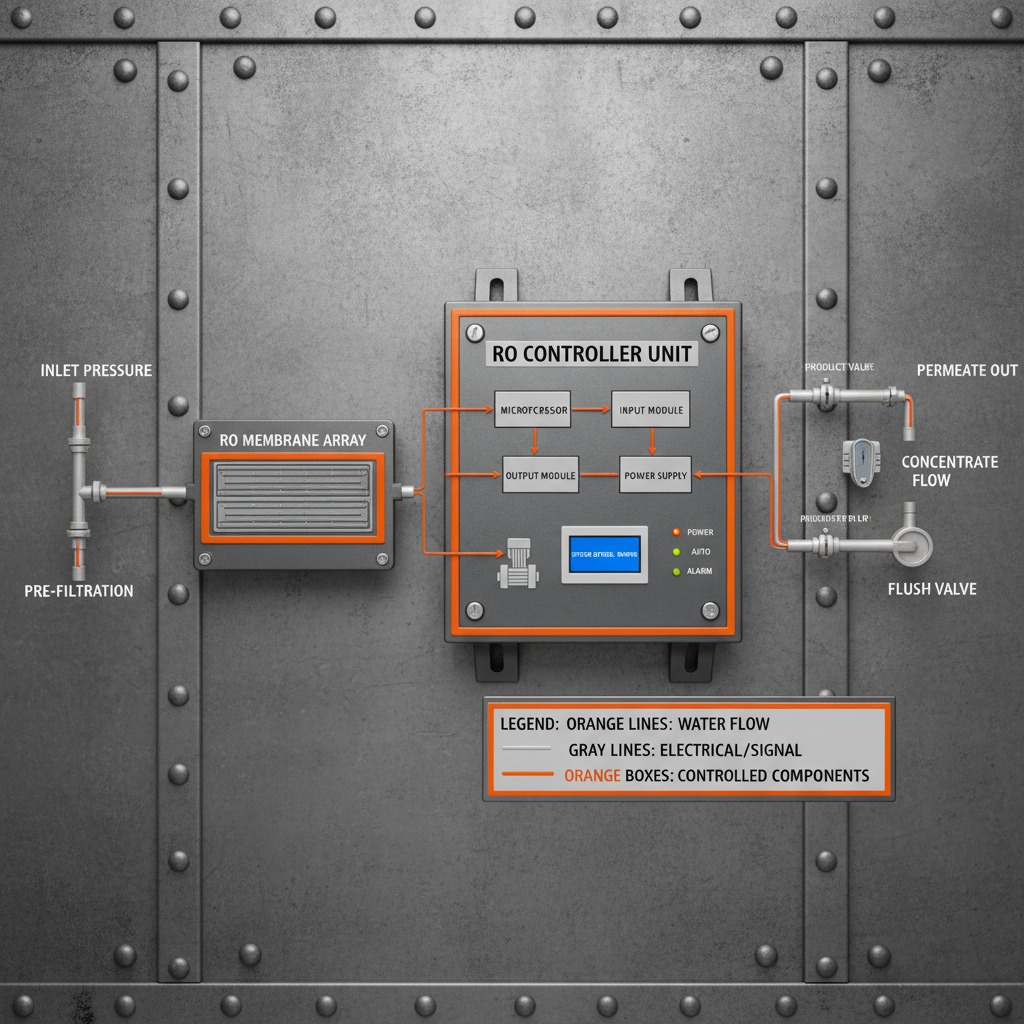
Guide to Choosing the Right RO Controller for Water PurificationMaintaining a high-performance reverse osmosis system requires more than just quality membranes; it demands precise regulation. An ro controller serves as the brain of the entire operation, monitoring critical parameters such as conductivity, temperature, and flow rates to ensure the output water meets stringent purity standards. Without an efficient controller, systems are prone to membrane fouling, inefficient energy use, and inconsistent water quality. In this comprehensive guide, we will explore how these devices optimize water treatment processes and how to select the best model for your specific industrial or commercial needs.
2026-04-09 03:25:47
Guide to Water Purity Using RO with TDS Controller SystemsAchieving the perfect balance of mineral content and purity in drinking water is a challenge for many households and industrial facilities. A ro with tds controller offers a sophisticated solution by combining the rigorous filtration of Reverse Osmosis (RO) with the precision of a Total Dissolved Solids (TDS) adjustment system. While standard RO systems remove almost everything, including beneficial minerals, a TDS controller allows users to re-mineralize the water to a desired level. This ensures that the water is not only safe and pure but also tastes better and provides essential nutrients.
2026-04-07 03:17:09
Understanding and Optimizing Reverse Osmosis Systems with a ControllerIn the world of water purification, reverse osmosis (RO) systems are a cornerstone for producing high-quality water for various applications, from drinking water to industrial processes. However, an RO system is only as effective as its control system. This is where the reverse osmosis controller comes into play. This critical component manages and optimizes the RO process, ensuring efficient operation, water quality, and system longevity.
2026-04-04 03:27:19
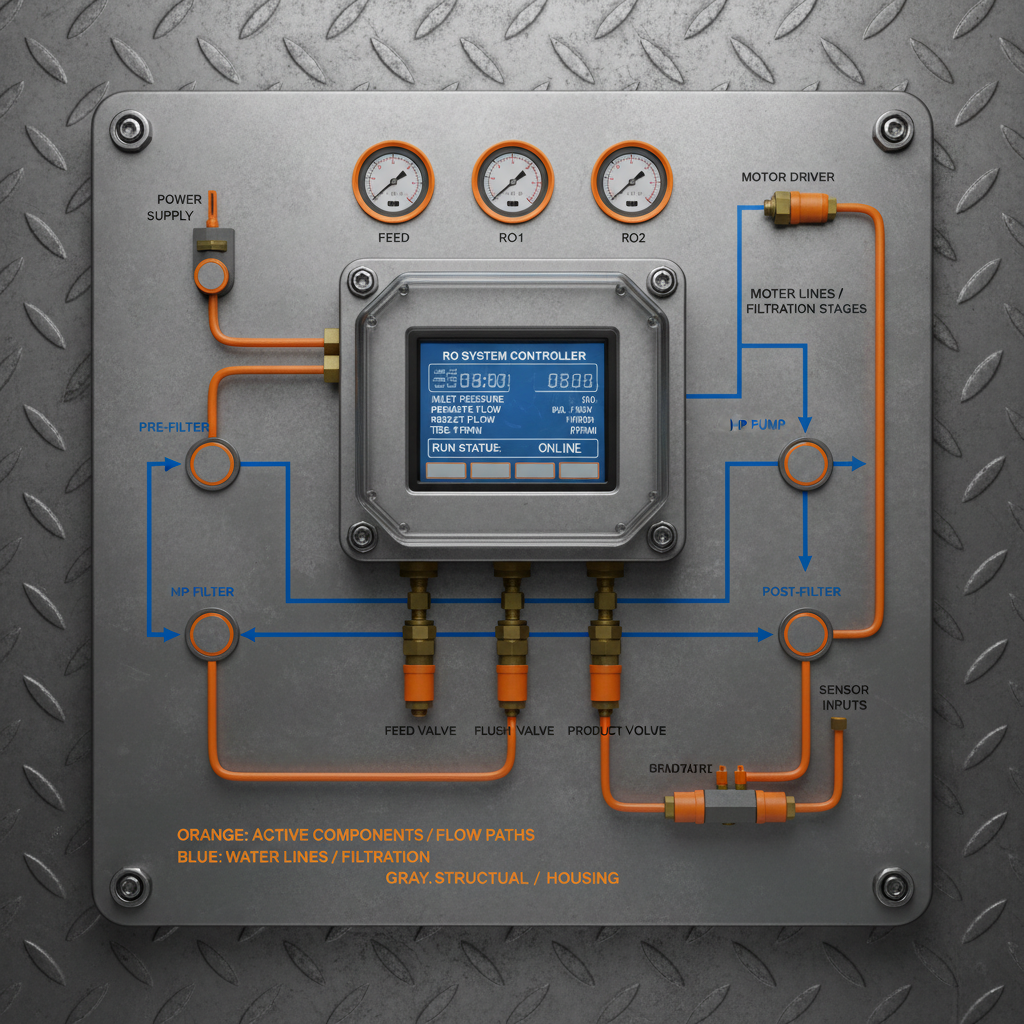
Understanding the Vital Role of an RO System Controller for Optimal PerformanceReverse Osmosis (RO) systems are critical for purifying water across various industries, from residential applications to large-scale industrial processes. At the heart of a well-functioning RO system lies the RO system controller. This intelligent device monitors and regulates all key parameters of the RO process, ensuring optimal performance, efficiency, and water quality. This article delves into the functionalities, benefits, and selection criteria for choosing the right RO system controller, particularly focusing on those offered by Watequipments. Understanding its role is crucial for maximizing the lifespan and effectiveness of your RO investment.
2026-03-24 17:18:24
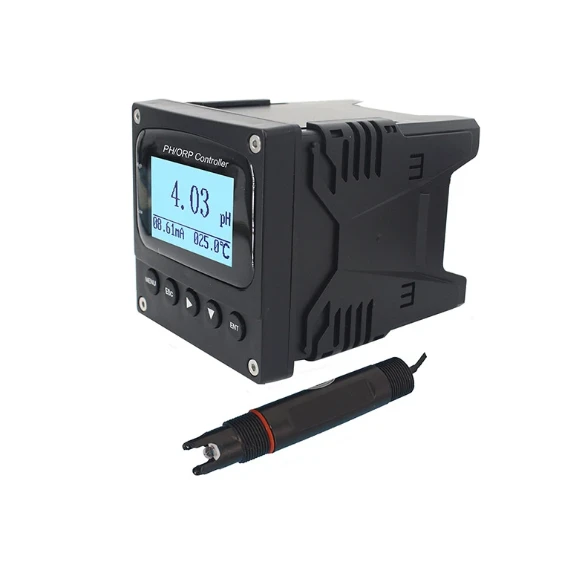
Smart Water Treatment Solutions Using PH ORP Controller SystemsIn modern water treatment and industrial fluid management, maintaining precise chemical balance is essential for safety, efficiency, and regulatory compliance.
2026-03-04 02:55:19
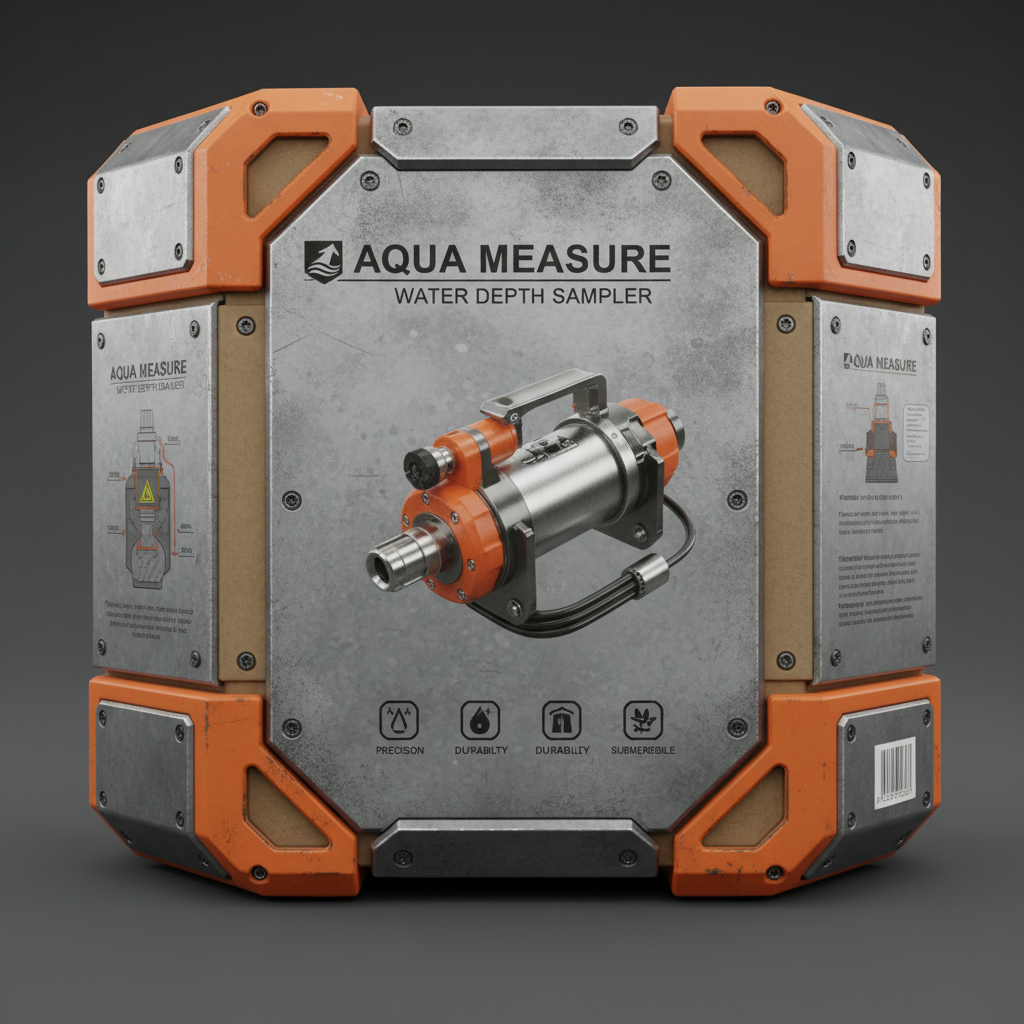
Comprehensive Guide to Water Depth Samplers and Their ApplicationsAccurate water quality monitoring is crucial in various fields, from environmental science and aquaculture to industrial wastewater management. A key tool for this is the water depth sampler. This article provides an in-depth look at water depth samplers, their applications, types, and essential considerations for choosing the right one for your needs. We'll explore the benefits of utilizing this equipment to collect reliable data for analysis and informed decision-making. Selecting the right sampler can significantly improve the precision and efficiency of your water monitoring program. A water depth sampler, also known as a depth-integrated sampler, is a device designed to collect water samples from specific depths within a body of water. Unlike simply dipping a container into the water, a depth sampler allows for collection of a representative sample across a defined depth range. This is critical because water properties (temperature, salinity, pollutants) often vary significantly with depth. The data gathered with a water depth sampler provides a more accurate assessment of water quality than surface samples alone.
2026-03-03 18:55:22
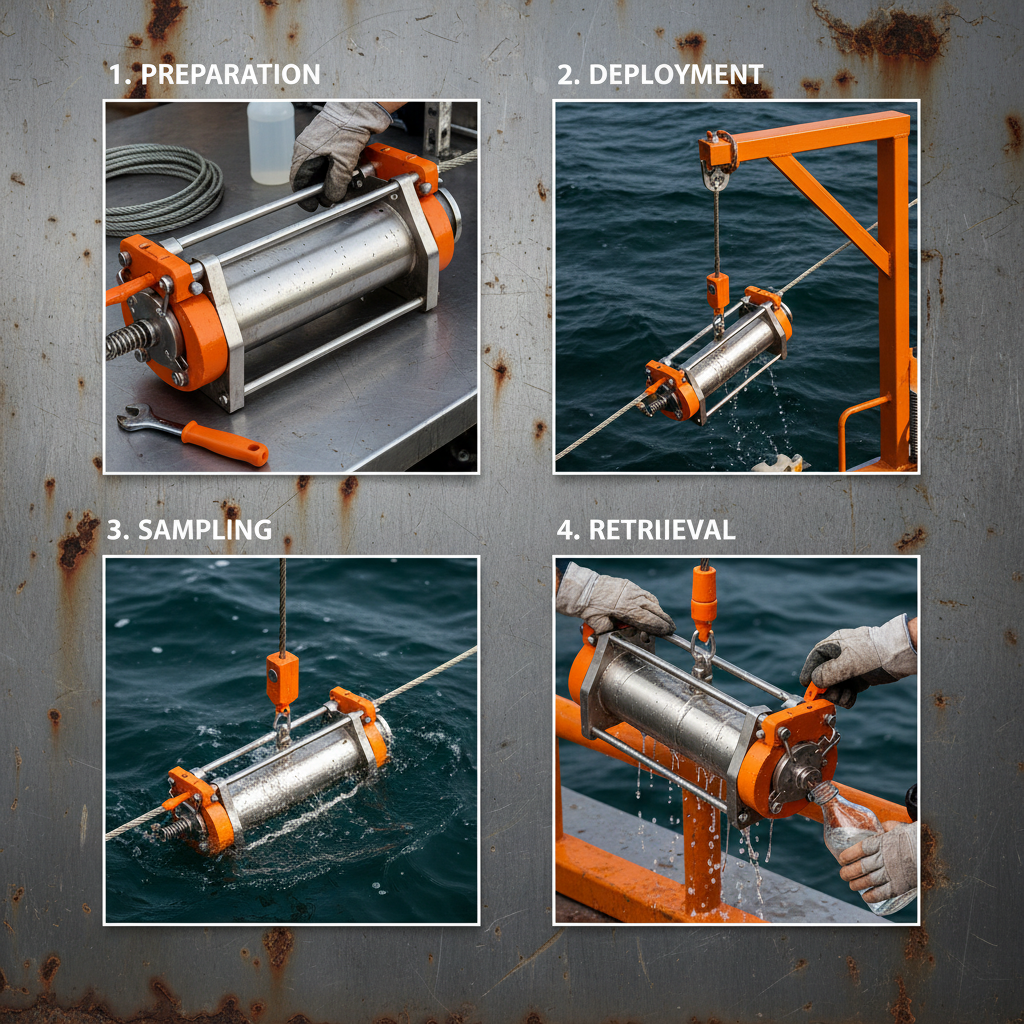
Comprehensive Guide to Horizontal Water Sampler Applications and SelectionCollecting water samples at varying depths is crucial for environmental monitoring, research, and quality control. The horizontal water sampler from Watequipment.com offers a precise and efficient solution for this task. This article provides an in-depth look at horizontal water samplers, their applications, benefits, and key considerations when choosing the right model. We will explore how these samplers contribute to accurate data collection and informed decision-making in various fields. A horizontal water sampler is a device designed to collect water samples from specific depths within a body of water – rivers, lakes, oceans, reservoirs, and even wastewater treatment plants. Unlike vertical samplers which primarily focus on depth, horizontal samplers prioritize collecting samples at a consistent depth while moving along a horizontal plane. This is essential for assessing water quality variations across a waterway or within a specific zone. They are used in applications ranging from environmental monitoring and scientific research to industrial process control and regulatory compliance.
2026-02-28 02:35:09
Comprehensive Guide to Selecting the Right Surface Water Sampler for Your NeedsMonitoring the quality of surface water is critical for environmental protection, public health, and various industrial applications. A surface water sampler is an essential tool for collecting representative samples from rivers, lakes, ponds, and other surface water sources. This article provides a detailed overview of surface water samplers, their types, applications, and key considerations for selecting the right equipment. Accurate water quality data relies on proper sample collection, and choosing the correct sampler is the first step toward achieving reliable results. Surface water samplers come in various designs, each suited to specific sampling needs. Common types include grab samplers, depth-integrating samplers, peristaltic pumps, and automatic samplers. Surface water samplers are used across a broad spectrum of applications, including environmental monitoring, wastewater discharge monitoring, drinking water source monitoring, agricultural runoff analysis, and research studies.

 English