


Optical DO Probe - Accurate & Durable Water Quality Sensing Solutions

Optical DO Probe - Accurate & Durable Water Quality Sensing Solutions
Nov . 24, 2025
Why the Optical DO Probe Deserves a Closer Look in Today’s Water Monitoring Landscape
At first, "optical DO probe" might sound like something from a sci-fi movie, but this device quietly plays a critical role in measuring dissolved oxygen levels in water—an essential parameter for environmental monitoring, wastewater treatment, and aquaculture. Globally, increased industrialization and climate challenges have turned oxygen sensing into a linchpin for sustainable water management. Understanding optical dissolved oxygen (DO) probes helps professionals reduce ecological impacts, enhance process efficiency, and safeguard aquatic life. So why does this technology matter? Because clean water availability underpins everything—from farming to public health—and precise dissolved oxygen measurements are often the unsung heroes behind effective water quality controls.
Bringing the Global Perspective into Focus
According to the United Nations, approximately 2.2 billion people globally lack access to safely managed drinking water services, underscoring the critical need for robust water quality monitoring.[1] Dissolved oxygen concentration is a key indicator of water health — both for human consumption and ecological balance. Depleting oxygen or erratic levels can signal pollution or ecosystem stress. In industries like wastewater treatment or aquaculture, maintaining optimal DO levels is a daily challenge that literally impacts yields and environmental compliance.
This is where the optical DO probe steps in, addressing limitations of older electrochemical probes by offering improved longevity, accuracy, and reduced maintenance. Worldwide, water utilities and environmental agencies grapple with the challenge of timely and reliable DO data — and optical probes are proving to be game-changers.
Quick takeaway:
- Oxygen measurement is a cornerstone of global water quality initiatives.
- Growing industrial and environmental pressures demand better DO sensing tools.
- Optical DO probes answer these needs with modern technology advantages.
What Exactly is an Optical DO Probe?
Simply put, an optical dissolved oxygen probe is a sensor that quantifies the amount of oxygen dissolved in water by leveraging luminescence quenching technology.[2] Instead of consuming oxygen like traditional electrochemical sensors (Clark-type probes), optical probes use a small, oxygen-sensitive dye that fluoresces in response to light. Oxygen molecules interfere (quench) this fluorescence, enabling the probe to calculate dissolved oxygen concentration precisely and quickly.
This approach means less calibration hassle, no electrolyte replacements, and immunity to many contaminants that plague classic probes.
It’s no wonder this tech is increasingly popular not just in laboratories but in real-world industrial, environmental, and humanitarian setups — helping ensure safe water and efficient processes.
Core Aspects That Make Optical DO Probes Tick
1. Durability
Many users report that optical probes last significantly longer than their electrochemical counterparts, especially in harsh environments such as wastewater plants or marine aquaculture.
The lack of membranes or electrolytes reduces wear and tear — which can translate into months or even years of reliable operation without needing replacement parts.
2. Accuracy and Sensitivity
The optical method provides precise readings even at low oxygen levels, which is critical for detecting hypoxic conditions that threaten aquatic ecosystems or process integrity.
I’ve noticed that optical sensors often outperform traditional probes in turbid or polluted waters where electrode fouling is common.
3. Low Maintenance
Since these probes don’t consume oxygen and avoid complicated membranes, routine scrubbing or electrolyte swapping almost goes out the window. This drastically cuts downtime and labor costs.
4. Ease of Integration
Optical DO probes typically have digital interfaces and compatibility with modern controllers and SCADA systems, enabling real-time monitoring and automation.
5. Cost Efficiency Over Time
While the initial purchase price might be higher, many operators find that the longevity and lower maintenance more than compensate, lowering total cost of ownership.
Mini takeaway:
- Optical DO probes combine durability with high accuracy and less upkeep.
- Advanced integration capabilities make them fit well in automated systems.
- The real bargain is often in long-term savings rather than upfront costs.
How the Optical DO Probe is Changing Real-World Water Management
Globally, industries and organizations harness optical DO probes in diverse ways:
- Wastewater Treatment Plants: Operators monitor oxygen levels to optimize biological treatment — reducing energy usage and improving pollutant removal.
- Aquaculture Farms: Maintaining optimal oxygen helps fish growth and controls disease. In places like Southeast Asia and Norway, optical probes are increasingly the norm.
- Environmental Field Monitoring: Scientists measuring oxygen in rivers, lakes, and oceans use optical DO probes due to their robustness and accuracy.
- Post-disaster Relief: Clean water scarcity after floods or industrial accidents demands rapid water quality assessment where handheld optical probes prove invaluable.
- Industrial Process Control: Chemical reactors or cooling systems depend on oxygen monitoring to avoid corrosion or ensure safety.
For further insights, you might want to explore professional suppliers offering specialized optical do probe models tailored for different environments.
Optical DO Probe: Specifications at a Glance
| Specification | Typical Value | Notes |
|---|---|---|
| Measurement Range | 0-20 mg/L (ppm) | Suitable for freshwater/saltwater |
| Accuracy | ±0.1 mg/L | Varies by model |
| Response Time | Fast measurement | |
| Operating Temperature | 0-50°C | Standard range; some models higher |
| Power Supply | Battery or external 12-24V DC | Depends on device type |
| Interface | Analog (4-20 mA), Digital (MODBUS, SDI-12) | Ensures automation compatibility |
How Vendors Stack Up: A Quick Comparison
| Vendor | Key Feature | Typical Price Range | Warranty Period | Ideal Use Case |
|---|---|---|---|---|
| AquaSense | Extended battery life, rugged housing | $650 - $1200 | 2 years | Industrial & wastewater |
| BlueOcean Tech | Quick response & self-calibration | $800 - $1300 | 3 years | Aquaculture & environmental |
| PureLogic | Compact design, wireless data | $900 - $1500 | 1.5 years | Remote field monitoring |
What Makes Optical DO Probes a Sound Long-Term Investment?
Plenty of people ask if switching to optical dissolved oxygen probes is worth it. Beyond that initial sticker shock, there’s a lot to consider.
Practically speaking, the real value comes from reduced downtime, fewer replacements, and peace of mind knowing you’re getting steady, accurate data.
Psychologically, operators often talk about the confidence it gives them—knowing their readings won’t drift wildly or that a membrane won’t suddenly fail mid-shift.
Plus, better data means smarter decisions that protect ecosystems, improve yields, or keep regulatory headaches at bay.
It’s a rare example where sustainability, safety, and cost efficiency all align nicely.
Emerging Trends and Innovations on the Horizon
The optical DO probe market is far from static. Here are just a few exciting angles worth watching:
- Green Materials: Development of biodegradable sensor components to reduce environmental footprints.
- Integration with IoT: Wireless networked DO probes feeding real-time Big Data analytics for smarter water resource management.
- AI and Predictive Monitoring: Using machine learning to forecast oxygen drops before they happen.
- Energy Efficiency: Ultra-low power probes powered by advanced battery tech or even energy harvesting.
Facing the Hurdles: Common Challenges & Smart Solutions
No tech is perfect, of course. Optical DO probes sometimes struggle with:
- Biofouling: Algae or bacteria buildup on sensors can still degrade accuracy over time, though this is less severe than with electrodes.
- Cost Sensitivity: Upfront investment barriers for small operators, particularly in developing regions.
- Calibration Complexity: While reduced, calibration cycles still require attention and expertise.
Innovations like anti-fouling coatings, modular calibration kits, and supplier leasing programs are steps in the right direction. As one water engineer put it — “It’s about finding the right balance between tech and field realities.”
FAQ: Optical DO Probe Essentials
- What advantages does an optical DO probe have over traditional sensors?
- Optical probes offer longer lifespans, require less maintenance, and provide stable, fast readings without consuming oxygen, making them ideal for harsh water environments.
- Can optical DO probes work in saltwater and freshwater environments?
- Yes, most optical DO probes are designed to operate accurately in both freshwater and saltwater, useful for diverse applications like marine monitoring and aquaculture.
- How often do optical DO probes need calibration?
- Calibration frequency varies but generally ranges between 3 to 6 months depending on the manufacturer and operating conditions, which is less frequent than electrochemical probes.
- Are optical DO probes suitable for remote or automated monitoring?
- Definitely. Many models feature digital outputs and wireless capabilities, making them well suited for integration with automated systems and remote data collection.
- What is the expected lifetime of an optical DO probe?
- Typically, optical DO probes last from 1 to 4 years depending on usage and environment. Higher upfront costs often pay off with fewer replacements and less maintenance.
Final Thoughts & Next Steps
The optical DO probe sits at an interesting crossroads of technology, environmental stewardship, and industrial necessity. Its advantages — from durability to data accuracy — are genuinely transforming how we measure and manage dissolved oxygen worldwide.
Whether you’re a water treatment professional, an environmental scientist, or just someone looking to understand better water quality tech, investing time to explore optical dissolved oxygen probes is a wise choice.
Curious to take the plunge? Visit https://www.watequipments.com to find reliable optical DO probes suited to your needs and budget.
In a nutshell:
Cleaner water depends on smart measurement. Optical DO probes are quietly making it easier—everywhere.
References:

Related Products
Related News

2026-04-16 03:20:19
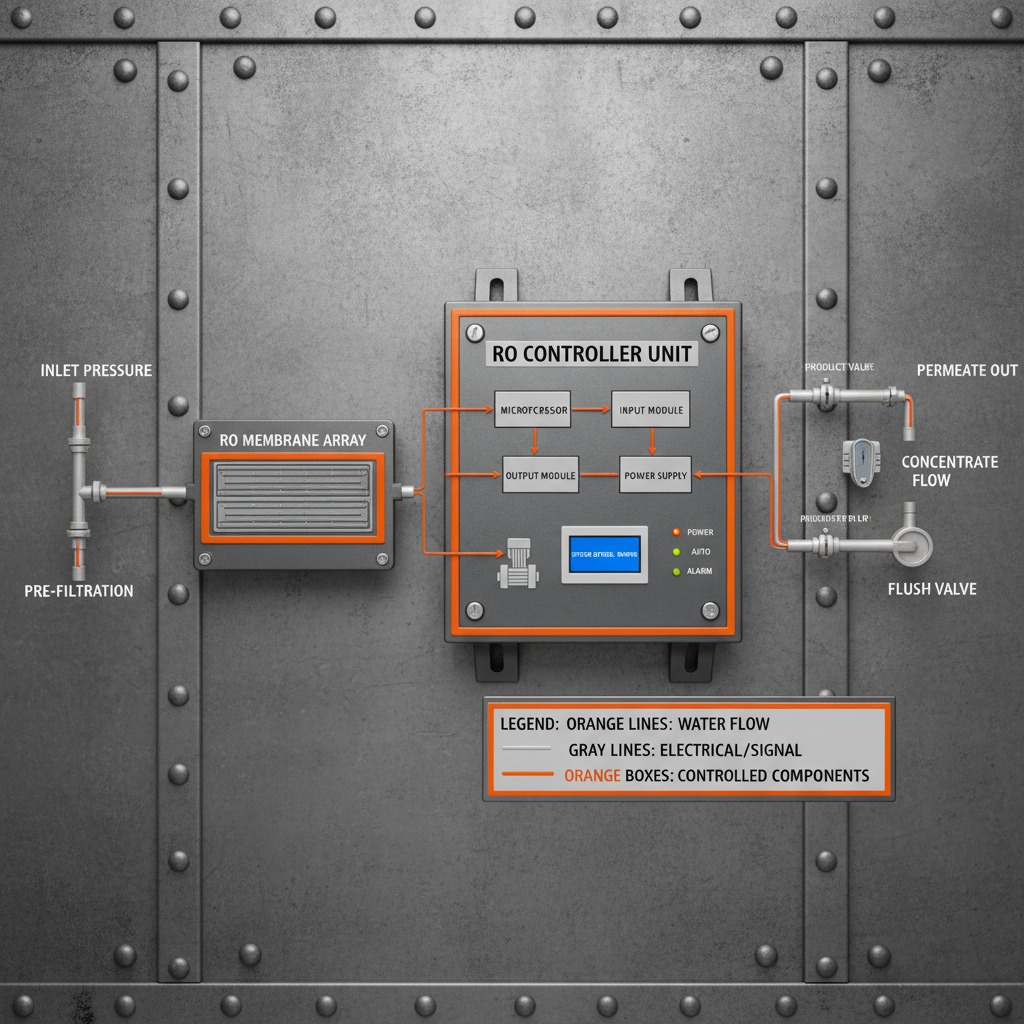
Guide to Choosing the Right RO Controller for Water PurificationMaintaining a high-performance reverse osmosis system requires more than just quality membranes; it demands precise regulation. An ro controller serves as the brain of the entire operation, monitoring critical parameters such as conductivity, temperature, and flow rates to ensure the output water meets stringent purity standards. Without an efficient controller, systems are prone to membrane fouling, inefficient energy use, and inconsistent water quality. In this comprehensive guide, we will explore how these devices optimize water treatment processes and how to select the best model for your specific industrial or commercial needs.
2026-04-09 03:25:47
Guide to Water Purity Using RO with TDS Controller SystemsAchieving the perfect balance of mineral content and purity in drinking water is a challenge for many households and industrial facilities. A ro with tds controller offers a sophisticated solution by combining the rigorous filtration of Reverse Osmosis (RO) with the precision of a Total Dissolved Solids (TDS) adjustment system. While standard RO systems remove almost everything, including beneficial minerals, a TDS controller allows users to re-mineralize the water to a desired level. This ensures that the water is not only safe and pure but also tastes better and provides essential nutrients.
2026-04-07 03:17:09
Understanding and Optimizing Reverse Osmosis Systems with a ControllerIn the world of water purification, reverse osmosis (RO) systems are a cornerstone for producing high-quality water for various applications, from drinking water to industrial processes. However, an RO system is only as effective as its control system. This is where the reverse osmosis controller comes into play. This critical component manages and optimizes the RO process, ensuring efficient operation, water quality, and system longevity.
2026-04-04 03:27:19
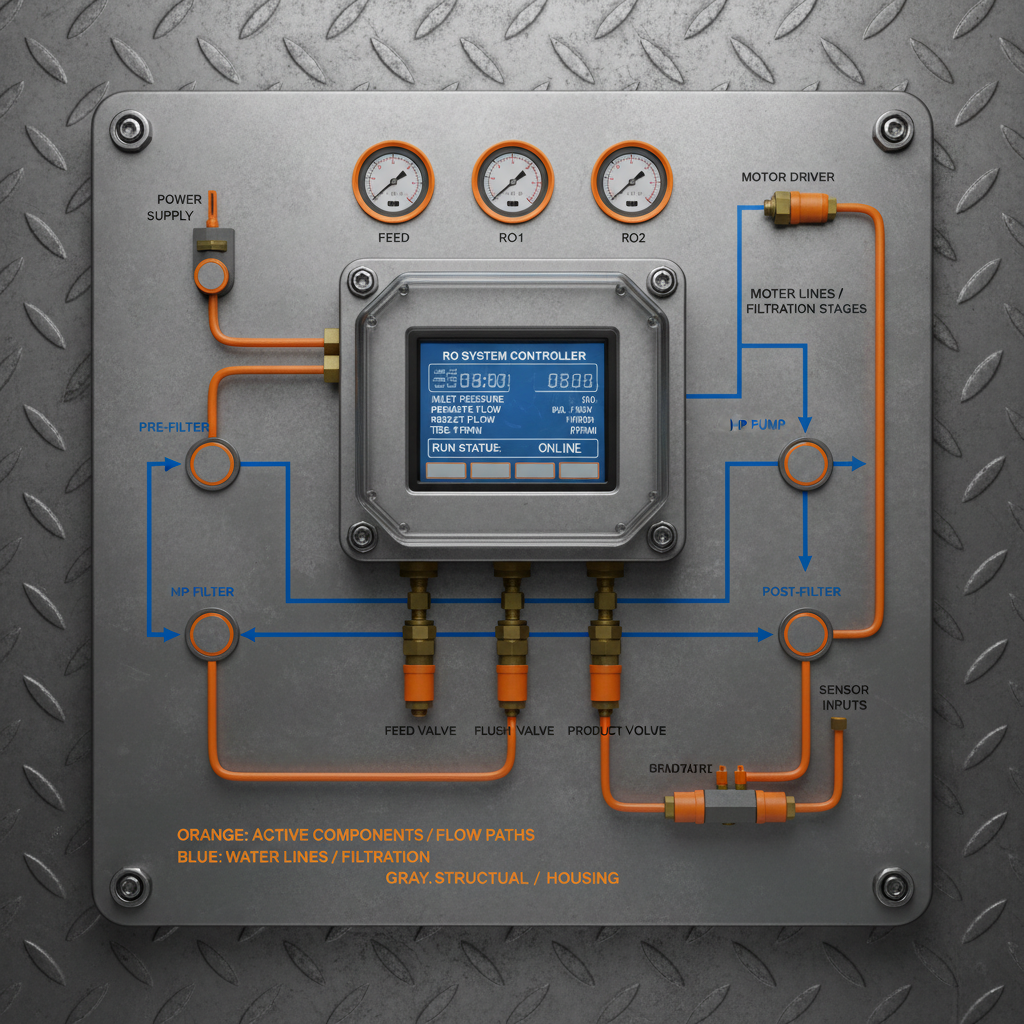
Understanding the Vital Role of an RO System Controller for Optimal PerformanceReverse Osmosis (RO) systems are critical for purifying water across various industries, from residential applications to large-scale industrial processes. At the heart of a well-functioning RO system lies the RO system controller. This intelligent device monitors and regulates all key parameters of the RO process, ensuring optimal performance, efficiency, and water quality. This article delves into the functionalities, benefits, and selection criteria for choosing the right RO system controller, particularly focusing on those offered by Watequipments. Understanding its role is crucial for maximizing the lifespan and effectiveness of your RO investment.
2026-03-24 17:18:24
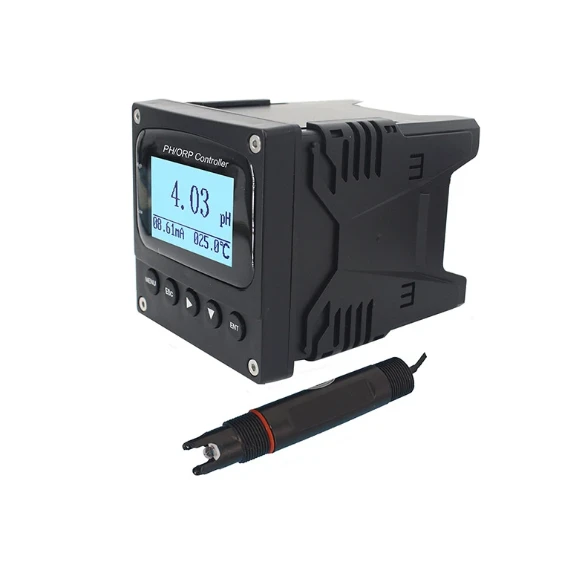
Smart Water Treatment Solutions Using PH ORP Controller SystemsIn modern water treatment and industrial fluid management, maintaining precise chemical balance is essential for safety, efficiency, and regulatory compliance.
2026-03-04 02:55:19
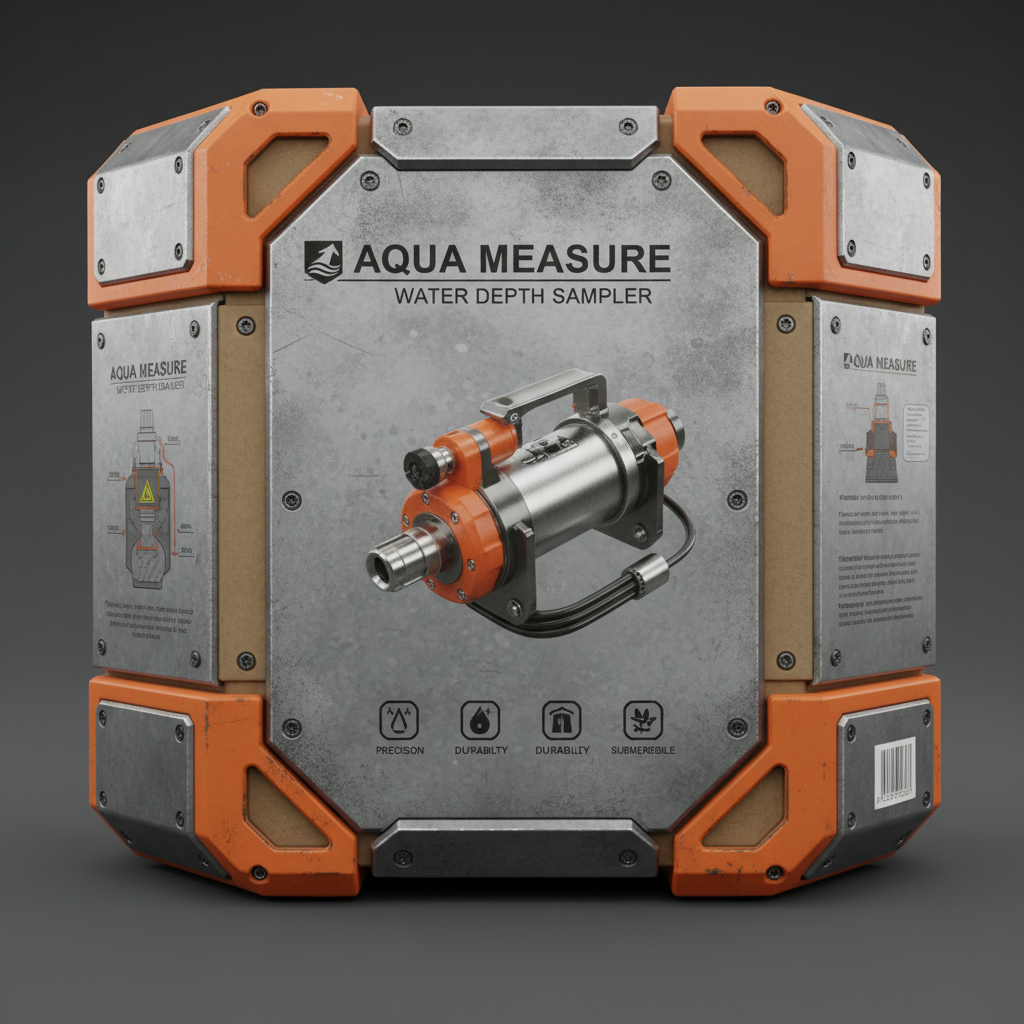
Comprehensive Guide to Water Depth Samplers and Their ApplicationsAccurate water quality monitoring is crucial in various fields, from environmental science and aquaculture to industrial wastewater management. A key tool for this is the water depth sampler. This article provides an in-depth look at water depth samplers, their applications, types, and essential considerations for choosing the right one for your needs. We'll explore the benefits of utilizing this equipment to collect reliable data for analysis and informed decision-making. Selecting the right sampler can significantly improve the precision and efficiency of your water monitoring program. A water depth sampler, also known as a depth-integrated sampler, is a device designed to collect water samples from specific depths within a body of water. Unlike simply dipping a container into the water, a depth sampler allows for collection of a representative sample across a defined depth range. This is critical because water properties (temperature, salinity, pollutants) often vary significantly with depth. The data gathered with a water depth sampler provides a more accurate assessment of water quality than surface samples alone.
2026-03-03 18:55:22
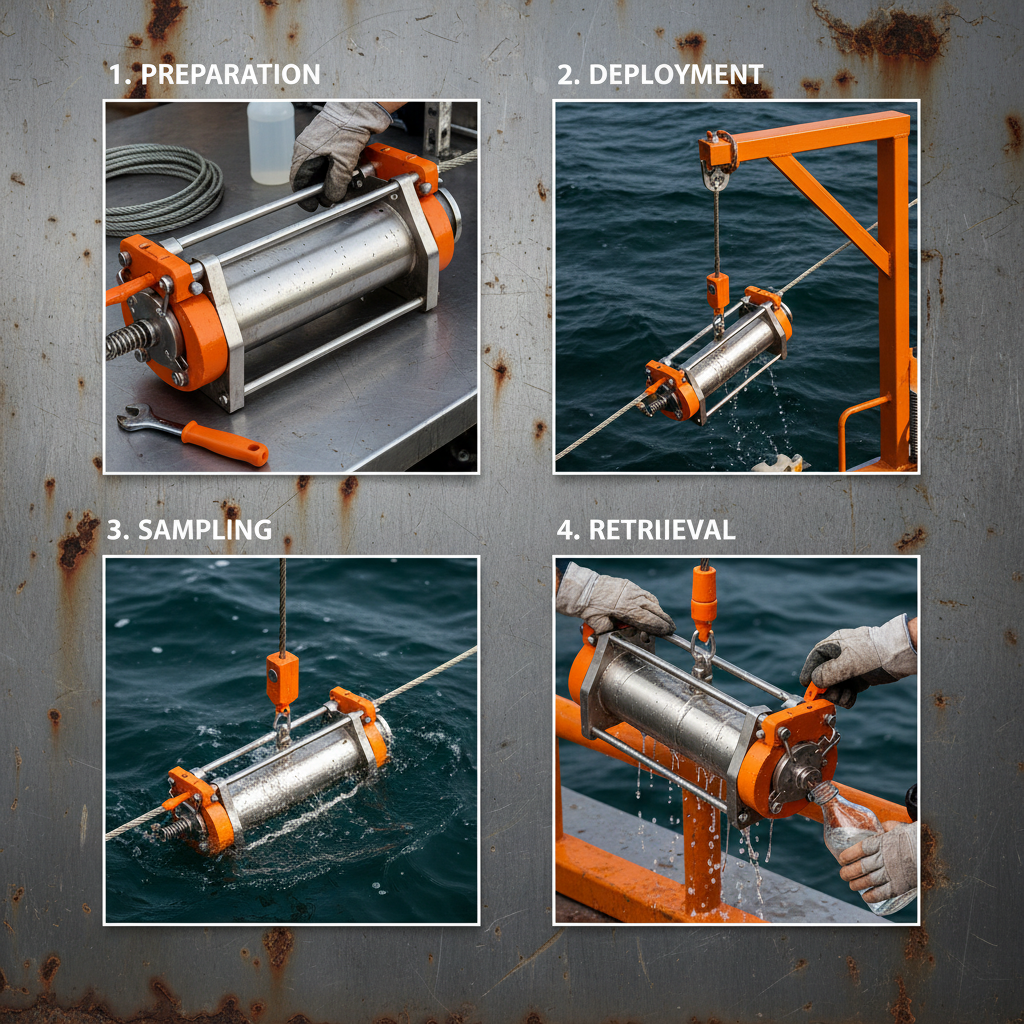
Comprehensive Guide to Horizontal Water Sampler Applications and SelectionCollecting water samples at varying depths is crucial for environmental monitoring, research, and quality control. The horizontal water sampler from Watequipment.com offers a precise and efficient solution for this task. This article provides an in-depth look at horizontal water samplers, their applications, benefits, and key considerations when choosing the right model. We will explore how these samplers contribute to accurate data collection and informed decision-making in various fields. A horizontal water sampler is a device designed to collect water samples from specific depths within a body of water – rivers, lakes, oceans, reservoirs, and even wastewater treatment plants. Unlike vertical samplers which primarily focus on depth, horizontal samplers prioritize collecting samples at a consistent depth while moving along a horizontal plane. This is essential for assessing water quality variations across a waterway or within a specific zone. They are used in applications ranging from environmental monitoring and scientific research to industrial process control and regulatory compliance.
2026-02-28 02:35:09
Comprehensive Guide to Selecting the Right Surface Water Sampler for Your NeedsMonitoring the quality of surface water is critical for environmental protection, public health, and various industrial applications. A surface water sampler is an essential tool for collecting representative samples from rivers, lakes, ponds, and other surface water sources. This article provides a detailed overview of surface water samplers, their types, applications, and key considerations for selecting the right equipment. Accurate water quality data relies on proper sample collection, and choosing the correct sampler is the first step toward achieving reliable results. Surface water samplers come in various designs, each suited to specific sampling needs. Common types include grab samplers, depth-integrating samplers, peristaltic pumps, and automatic samplers. Surface water samplers are used across a broad spectrum of applications, including environmental monitoring, wastewater discharge monitoring, drinking water source monitoring, agricultural runoff analysis, and research studies.

 English