



Navigating the Landscape of Total Dissolved Solids Measurement

Navigating the Landscape of Total Dissolved Solids Measurement
Aug . 28, 2025
In today's industrial and environmental sectors, precise water quality monitoring is paramount. Total Dissolved Solids (TDS) represent the aggregate concentration of dissolved substances in water, encompassing inorganic salts, organic matter, and other minerals. The accurate measurement of these solids is critical for operational efficiency, product quality, and regulatory compliance across diverse industries. A sophisticated total dissolved solids meter is not merely a tool but a vital instrument for maintaining system integrity and optimizing processes. The global demand for reliable dissolved solids measurement solutions continues to grow, driven by stringent environmental regulations, the need for process optimization in manufacturing, and increasing concerns over water scarcity and quality. Innovations in sensor technology and data analytics are continually enhancing the capabilities and applications of advanced dissolved solids meter devices, making them indispensable for modern enterprises.
Current industry trends indicate a strong shift towards intelligent, connected, and low-maintenance solutions for water quality analysis. Manufacturers are integrating IoT capabilities into their total dissolved solids meter products, enabling real-time monitoring, remote diagnostics, and predictive maintenance. There's also a growing emphasis on multi-parameter sensors that can simultaneously measure conductivity, TDS, resistivity, and temperature, providing a comprehensive water quality profile from a single device. This integration streamlines operations, reduces installation costs, and provides more actionable insights for decision-makers. The precision required for applications like producing distilled water conductivity standards or ensuring ultra-pure water for pharmaceutical use further propels the development of highly sensitive and accurate measurement instruments, setting new benchmarks for performance.
Technical Parameters and Measurement Principles
Understanding the fundamental principles behind TDS, Conductivity, and Resistivity is crucial for selecting and utilizing a dissolved solids meter effectively. Conductivity is a measure of a solution's ability to conduct an electric current, directly proportional to the concentration of ions present. TDS is typically derived from conductivity readings using a conversion factor, as the majority of dissolved solids in water are ionic. Resistivity, on the other hand, is the reciprocal of conductivity and is predominantly used for measuring ultra-pure water, where even trace amounts of ions significantly impact its value. High resistivity indicates very low ionic content, as exemplified by the expected low distilled water conductivity.
A typical total dissolved solids meter operates on the principle of electrolytic conductivity. It employs two or more electrodes, often made of stainless steel or platinum, immersed in the sample water. An alternating current is applied between these electrodes, and the resistance of the water between them is measured. This resistance is then converted into conductivity, and subsequently, into TDS using a pre-programmed algorithm or a user-defined conversion factor (typically 0.5 to 0.7 for natural waters). Key technical parameters influencing the performance of a total dissolved solids test include the measurement range, accuracy, resolution, temperature compensation capabilities, and the material of the conductivity cell. Robust temperature compensation is vital, as conductivity is highly temperature-dependent, ensuring accurate readings across varying environmental conditions and process streams.
Key Technical Indicators for Advanced TDS Meters
- Measurement Range:Specifies the minimum and maximum concentrations a dissolved solids meter can accurately detect, from µS/cm for pure water to mS/cm for saline solutions.
- Accuracy & Resolution:Defines the proximity of the measurement to the true value and the smallest change in concentration the instrument can display. High accuracy is crucial for critical processes.
- Temperature Compensation:Essential for consistent results, typically automatic, referencing a standard temperature (e.g., 25°C) to negate thermal effects on conductivity.
- Cell Constant:A characteristic of the conductivity probe (e.g., 0.1, 1.0, 10.0 cm⁻¹), chosen based on the expected conductivity range to optimize measurement precision.
- Material Compatibility:Sensor materials (e.g., SS316L, PEEK, Titanium, Graphite) must be resistant to corrosion and chemical attack by the sample fluid.
The Manufacturing Process of High-Performance Conductivity, TDS, and Resistivity Meters
The creation of a reliable total dissolved solids meter involves a meticulous multi-stage manufacturing process, emphasizing precision engineering, material science, and rigorous quality control. This intricate journey ensures that each device delivers unparalleled accuracy and durability in demanding industrial environments. From initial concept to final calibration, every step adheres to stringent international standards such as ISO 9001 and ASTM, guaranteeing product excellence and consistent performance, particularly for applications requiring extremely low conductivity measurements like distilled water conductivity testing.
Detailed Process Flow:
- Design and Material Selection:The process begins with advanced CAD/CAM design, focusing on ergonomic handling, robust housing, and optimal sensor geometry. Materials like high-grade Stainless Steel (SS316L) are chosen for electrodes due to their corrosion resistance and inertness, while PEEK (Polyether Ether Ketone) or PVDF are selected for sensor bodies for their chemical resistance and thermal stability. For specialized applications, platinum or titanium electrodes are used.
- Precision Machining and Fabrication:Components such as electrode housings and sensor bodies undergo precise manufacturing processes. CNC machining ensures micron-level tolerances for the conductivity cells, crucial for maintaining the exact cell constant. For robust industrial probes, forging or casting techniques might be employed for external protective casings, followed by careful finishing to ensure longevity and resistance to harsh operating conditions common in petrochemical or metallurgical industries.
- Sensor Assembly and Encapsulation:Electrodes are carefully assembled into the sensor body. Advanced encapsulation techniques, often involving epoxy resin or specialized polymers, create a hermetic seal, preventing moisture ingress and ensuring long-term stability. This step is critical for preventing contamination and maintaining sensor integrity, directly impacting the lifespan and accuracy of the dissolved solids meter.
- Electronics Integration and Firmware Development:The calibrated sensor is then integrated with custom-designed electronics. This includes high-precision analog-to-digital converters, microcontrollers, and temperature compensation circuits. Proprietary firmware is developed to accurately process sensor signals, apply temperature correction algorithms (e.g., NIST-traceable coefficients), and convert raw conductivity data into TDS and resistivity readings.
- Calibration and Quality Control:Each total dissolved solids meter undergoes multi-point calibration using certified conductivity standards traceable to national metrology institutes (e.g., NIST). Automated test benches verify accuracy, linearity, and response time. Products are subjected to rigorous environmental tests, including thermal cycling, vibration, and ingress protection (IP) testing, ensuring compliance with standards like ANSI/NEMA. This phase is crucial for ensuring the reliability of every total dissolved solids test.
- Final Assembly, Testing, and Packaging:The calibrated sensor modules and electronic assemblies are integrated into their final housing. A comprehensive final test verifies all functionalities, including display, communication interfaces (e.g., 4-20mA, Modbus RTU), and data logging. Devices are then securely packaged with user manuals and calibration certificates, ready for deployment in industries such as chemical processing, power generation, and water/wastewater treatment, offering a typical service life exceeding 5-7 years due to robust construction.
The meticulous attention to detail in each manufacturing stage ensures that our Conductivity, TDS, and Resistivity meters not only meet but exceed industry expectations. The choice of materials like SS316L for wetted parts ensures excellent corrosion resistance, making them ideal for aggressive chemical environments in petrochemicals. Precision CNC machining of sensor electrodes guarantees the consistency of the cell constant, which is paramount for accurate measurements of distilled water conductivity or high-salinity brines. Furthermore, the stringent quality checks minimize deviations, ensuring optimal performance for critical applications in various industries, including those requiring high-purity water for electronics or pharmaceuticals, and enhancing overall process efficiency and preventing issues like scaling.
Application Scenarios & Technical Advantages
The versatility of a high-quality total dissolved solids meter extends across a myriad of industries, proving essential for process control, quality assurance, and environmental compliance. From monitoring the purity of drinking water to optimizing complex industrial processes, the accurate measurement of dissolved solids is non-negotiable. For instance, in water treatment plants, a dissolved solids meter is critical for assessing the efficiency of reverse osmosis (RO) and deionization (DI) systems, ensuring that output water meets specific purity requirements and preventing membrane fouling, which directly translates to energy savings and extended equipment lifespan.
Key Application Areas:
- Water Treatment and Wastewater:Monitoring influent and effluent quality, optimizing filtration and softening processes, and ensuring compliance with discharge regulations. A continuous total dissolved solids test helps manage scaling and corrosion.
- Food & Beverage:Controlling consistency in beverages, monitoring cleaning-in-place (CIP) cycles, and ensuring the quality of ingredients and final products.
- Pharmaceuticals and Biotechnology:Producing ultra-pure water (USP, EP grade) for injections and laboratory processes, where even minute variations in distilled water conductivity can compromise product integrity.
- Power Generation:Maintaining boiler feedwater purity to prevent scale formation and corrosion in turbines, significantly improving energy efficiency and reducing maintenance costs.
- Environmental Monitoring:Assessing water quality in rivers, lakes, and oceans, tracking pollution levels, and supporting ecological studies.
- Chemical Processing:Monitoring chemical concentrations in various solutions and process streams, ensuring product quality and process control.
Technical Advantages of Our Solutions:
- Enhanced Accuracy and Stability:Our meters feature advanced sensor designs and compensation algorithms, delivering stable and highly accurate readings even in challenging conditions. This precision is vital for sensitive applications like measuring distilled water conductivity.
- Robustness and Longevity:Constructed with industrial-grade materials like SS316L and PEEK, our dissolved solids meter units offer exceptional resistance to corrosion, high temperatures, and mechanical stress, ensuring extended operational lifespan and reduced replacement frequency.
- Seamless Integration:Equipped with industry-standard outputs (4-20mA, Modbus RTU, HART), our instruments integrate effortlessly into existing DCS, PLC, and SCADA systems, enabling real-time data acquisition and centralized control.
- Low Maintenance Requirements:Designed for minimal upkeep, our sensors feature anti-fouling designs and long-lasting components, reducing operational costs and downtime associated with frequent cleaning or calibration. This makes the total dissolved solids test process highly efficient.
- Energy Efficiency:Optimized electronic designs and advanced measurement techniques contribute to lower power consumption, aligning with sustainable operational goals and reducing energy footprints.
Technical Specifications and Product Comparison
Choosing the right total dissolved solids meter depends heavily on specific application requirements, environmental conditions, and desired levels of precision. Below is a comparison table outlining typical specifications for various grades of Conductivity, TDS, and Resistivity meters, highlighting the capabilities that differentiate them for diverse industrial and laboratory settings. This data helps in making an informed decision, ensuring that the selected dissolved solids meter is perfectly matched to the operational demands and regulatory compliance needs of your facility.
Total Dissolved Solids Meter Technical Parameter Comparison
|
Feature |
Entry-Level Model |
Mid-Range Industrial Model |
High-Precision Lab/Process Model |
|
Measurement Range (TDS) |
0-2000 ppm |
0-10,000 ppm |
0-100,000 ppm |
|
Measurement Range (Conductivity) |
0-4000 µS/cm |
0-20 mS/cm |
0-200 mS/cm |
|
Accuracy (Full Scale) |
±2% |
±1% |
±0.5% |
|
Resolution (TDS) |
1 ppm |
1 ppm / 0.1 ppm |
0.1 ppm / 0.01 ppm |
|
Temperature Compensation |
Manual/Automatic (0-50°C) |
Automatic (0-100°C) |
Automatic (0-150°C) |
|
Cell Constant |
Fixed (e.g., 1.0 cm⁻¹) |
Selectable (0.1, 1.0, 10.0 cm⁻¹) |
Multi-point (0.01, 0.1, 1.0, 10.0 cm⁻¹) |
|
Sensor Material |
Graphite/ABS |
SS316L/PEEK |
Platinum/Glass/Titanium |
|
Output Options |
Display only |
4-20mA, RS485 Modbus |
4-20mA, RS485, USB, Ethernet, HART |
|
IP Rating |
IP54 |
IP65/IP67 |
IP67/IP68 |
|
Typical Lifespan |
2-3 years |
5-7 years |
7-10+ years |
Data Visualization: Impact of Sensor Technology on Dissolved Solids Measurement
The choice of sensor technology significantly impacts the performance characteristics of a dissolved solids meter across various applications. While actual interactive charts cannot be embedded in pure HTML, the data below represents typical performance metrics that would be visually compelling in a comparative chart, demonstrating the trade-offs and advantages of each type for a comprehensive total dissolved solids test. For instance, toroidal sensors excel in harsh, fouling environments where electrode-based meters might struggle.
|
Sensor Technology |
Accuracy |
Maintenance Level |
Initial Cost |
Typical Application for TDS Meter |
|
2-Electrode Cell |
Good |
Low |
Low |
General water quality, potable water |
|
4-Electrode Cell |
Excellent |
Moderate |
Medium |
High conductivity, fouling water, industrial processes |
|
Toroidal/Inductive |
Very Good |
Very Low |
High |
Highly corrosive, high conductivity, fouling liquids |
Market Share of Dissolved Solids Meter by Industry (Implied Pie Chart Data)
- Water Treatment & Wastewater: 35%
- Food & Beverage: 20%
- Pharmaceuticals & Biotechnology: 15%(Crucial for distilled water conductivity & ultra-pure water)
- Power Generation: 10%
- Environmental Monitoring: 10%
- Other Industrial Applications: 10%
Accuracy Improvement Trend for Total Dissolved Solids Meter (Implied Line Chart Data)
The evolution of total dissolved solids meter technology has seen remarkable advancements in measurement accuracy over the past few decades, driven by material science, electronic miniaturization, and sophisticated calibration techniques. This trend highlights the continuous innovation dedicated to providing increasingly precise instruments for critical applications.
- 1990:Average Accuracy ±3.0% F.S.
- 2000:Average Accuracy ±2.0% F.S.
- 2010:Average Accuracy ±1.0% F.S.
- 2020:Average Accuracy ±0.5% F.S.
- 2023:Average Accuracy ±0.25% F.S. (for high-end models)
Customized Solutions and Application Cases
Recognizing that every industrial process presents unique challenges, we specialize in providing customized dissolved solids meter solutions tailored to precise operational requirements. Our engineering team works closely with clients to design, integrate, and deploy measurement systems that optimize performance, improve efficiency, and ensure compliance. Whether it's a specialized sensor for corrosive media or an integrated system for remote monitoring, our approach is always client-centric, extending beyond standard product offerings to include custom configurations, specific materials, and bespoke communication protocols.
Service Case Study: Pharmaceutical Ultra-Pure Water System
A leading pharmaceutical manufacturer required a highly accurate and reliable total dissolved solids meter system for their Water for Injection (WFI) production line. The primary challenge was to continuously monitor water purity, ensuring it consistently met strict USP and EP conductivity standards, often involving extremely low distilled water conductivity values. Our solution involved deploying a multi-channel online Conductivity/Resistivity meter with platinum electrodes and NIST-traceable calibration. The system integrated seamlessly with their existing DeltaV DCS via Modbus TCP, providing real-time data, automated alerts for excursions, and historical logging for audit trails. This enhanced monitoring capability not only guaranteed compliance but also reduced manual sampling and testing, improving operational efficiency by 15% and preventing costly batch rejections.
Service Case Study: Petrochemical Boiler Feedwater Optimization
A major petrochemical complex faced significant issues with scaling and corrosion in their high-pressure boiler systems due to inadequate monitoring of feedwater quality. Their existing total dissolved solids test methods were intermittent and lacked the precision needed for proactive maintenance. We implemented a robust industrial dissolved solids meter with a 4-electrode toroidal sensor, specifically designed for high-temperature and high-pressure applications, and resistant to fouling. The system provided continuous, accurate TDS and conductivity readings directly into their plant's SCADA system via 4-20mA output. Within six months, the client reported a 20% reduction in chemical treatment costs, a notable decrease in unscheduled maintenance due to scaling, and an extension of boiler component lifespan by approximately two years, showcasing the direct economic benefits of precise TDS management.
Professional Q&A (FAQ)
Q1: What materials are typically used for industrial conductivity sensors and why?
Industrial conductivity sensors for a total dissolved solids meter often utilize SS316L (stainless steel) or platinum for electrodes due to their excellent corrosion resistance, inertness, and electrical conductivity. The sensor body is typically constructed from chemically resistant plastics like PEEK (Polyether Ether Ketone), PVDF (Polyvinylidene Fluoride), or polypropylene, chosen for their mechanical strength, thermal stability, and ability to withstand aggressive chemicals found in various industrial processes. For highly corrosive or fouling applications, toroidal (inductive) sensors made of PEEK or PVDF are preferred as they have no direct contact electrodes, ensuring long-term reliability for continuous total dissolved solids test applications.
Q2: How often should a dissolved solids meter be calibrated?
Calibration frequency for a dissolved solids meter largely depends on the application's required accuracy, the stability of the sensor, and the cleanliness of the sample. For critical applications, such as pharmaceutical water production or high-purity systems monitoring distilled water conductivity, daily or weekly verification is recommended, with full calibration every 1-3 months. For less critical industrial applications, quarterly or bi-annual calibration might suffice. It's crucial to follow the manufacturer's recommendations and use certified calibration standards traceable to NIST or other national metrology institutes.
Q3: What is the significance of temperature compensation in TDS measurement?
Temperature compensation is critical because the electrical conductivity of water, and thus its TDS value, is highly dependent on temperature. As temperature increases, the mobility of ions in the solution increases, leading to higher conductivity readings even if the actual concentration of dissolved solids remains constant. A total dissolved solids meter with automatic temperature compensation (ATC) measures the sample temperature and applies a correction factor to normalize the reading to a standard reference temperature, typically 25°C. This ensures consistent and accurate total dissolved solids test results regardless of process temperature fluctuations.
Q4: What are the installation standards for industrial TDS meters?
Industrial dissolved solids meter installations typically adhere to standards like ANSI/ISA S7.0.01 for instrument identification and symbols, and various piping and instrumentation diagram (P&ID) conventions. Key considerations include ensuring the sensor is fully submerged, positioned in an area of representative flow, away from turbulence or air bubbles, and accessible for maintenance and calibration. Proper grounding, cable routing, and protection from electromagnetic interference are also vital. For hazardous areas (e.g., petrochemicals), intrinsic safety or explosion-proof enclosures compliant with ATEX or IECEx standards are mandatory.
Q5: Can a standard total dissolved solids meter measure distilled water conductivity accurately?
While some standard total dissolved solids meter models can provide a reading for distilled water, achieving high accuracy for ultra-pure water (like distilled or deionized water) requires specialized instruments. Pure water has extremely low conductivity (e.g., < 1 µS/cm for distilled water conductivity), making it very sensitive to contamination and requiring a cell constant of 0.01 cm⁻¹ or 0.1 cm⁻¹ with specific sensor materials (e.g., polished platinum or titanium) to minimize polarization effects and ensure stable readings. Standard meters with higher cell constants (e.g., 1.0 cm⁻¹) may lack the necessary sensitivity and resolution for these ultra-low ranges.
Q6: What is the expected lifespan of an industrial TDS sensor?
The expected lifespan of an industrial dissolved solids meter sensor varies significantly based on its construction, the application's operating conditions (temperature, pressure, chemical aggressiveness), and maintenance practices. High-quality sensors made with robust materials like SS316L, PEEK, or PVDF can last anywhere from 5 to 10+ years in typical industrial environments. Sensors in highly abrasive, corrosive, or extreme temperature applications may have a shorter lifespan. Regular cleaning, proper calibration, and correct installation are crucial factors in maximizing the sensor's operational life and ensuring consistent total dissolved solids test performance.
Q7: How do manufacturers ensure the authoritativeness and trustworthiness of their Conductivity/TDS/Resistivity meters?
Reputable manufacturers ensure authority and trustworthiness through several measures: adherence to international quality management standards like ISO 9001; obtaining relevant product certifications (e.g., CE, UL, ATEX) for safety and performance; providing NIST-traceable calibration certificates for each instrument; publishing detailed technical specifications and performance data; and offering comprehensive warranties and robust customer support. Long-standing industry presence, a strong network of trusted partners, and positive client testimonials further build confidence in their total dissolved solids meter products and services.
Trustworthiness & Customer Support
Our commitment to quality extends beyond product manufacturing. We stand by the reliability and performance of every total dissolved solids meter we deliver. All our products are backed by a comprehensive 2-year warranty, covering manufacturing defects and ensuring peace of mind for our clients. We understand that timely delivery is critical for project timelines and operational continuity, hence we offer efficient logistics and a guaranteed delivery period of 4-6 weeks for standard configurations, with expedited options available for urgent requirements.
Our dedicated customer support team is available 24/7 to provide technical assistance, troubleshooting, and application guidance. From initial product selection for your specific dissolved solids meter needs to post-installation support and maintenance, our experts are equipped to address any queries and ensure optimal performance throughout the lifespan of your instrument. We also provide extensive documentation, including detailed user manuals, installation guides, and calibration protocols, empowering our customers with the knowledge to manage their water quality monitoring systems effectively. This holistic approach ensures every total dissolved solids test is conducted with confidence.
Authoritative Citations
- ASTM D1125-14. Standard Test Methods for Electrical Conductivity and Resistivity of Water. ASTM International.
- United States Pharmacopeia (USP) General Chapter <645> Water Conductivity.
- ISO 7888:1985. Water quality — Determination of electrical conductivity.
- National Institute of Standards and Technology (NIST) Special Publication 260-149. Conductivity Standard Reference Materials.
- World Health Organization (WHO). Guidelines for drinking-water quality, 4th edition.

Related Products
Related News

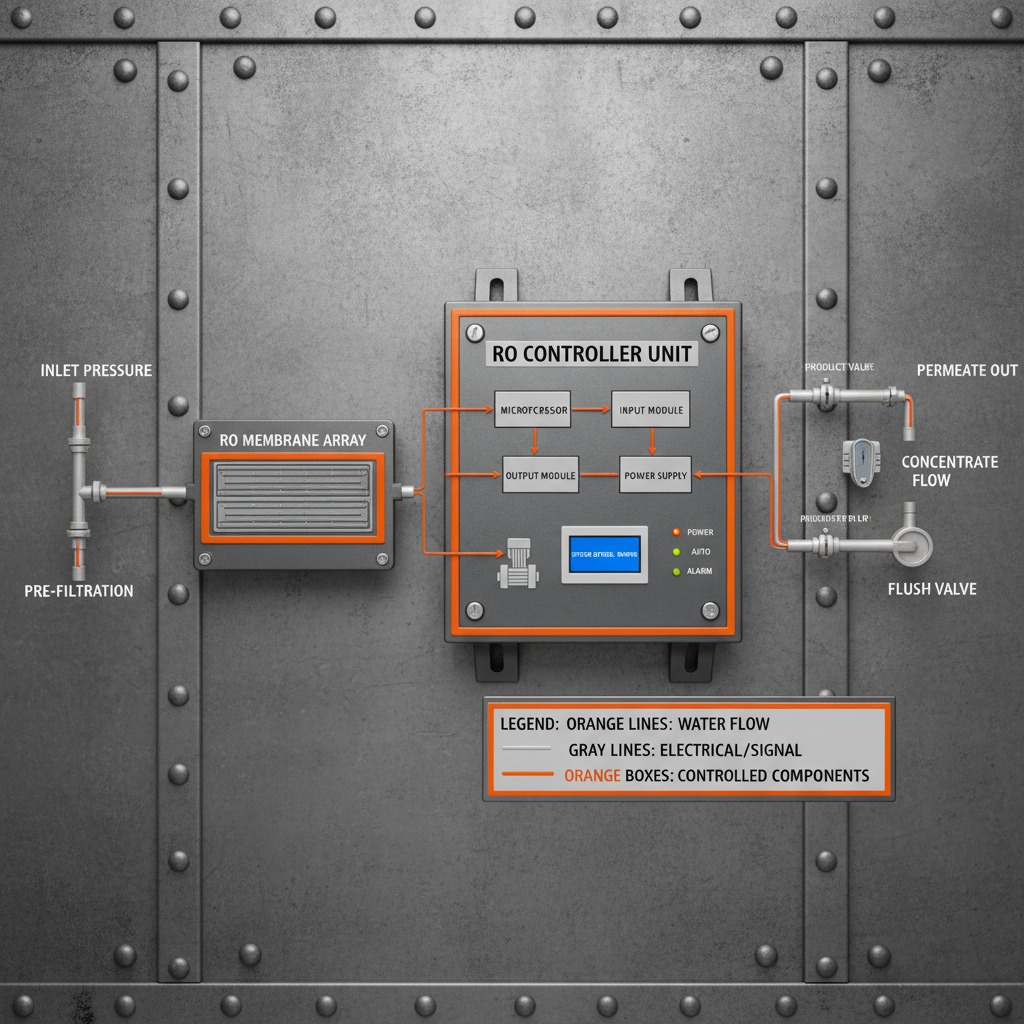
2026-04-16 03:20:19
Guide to Choosing the Right RO Controller for Water PurificationMaintaining a high-performance reverse osmosis system requires more than just quality membranes; it demands precise regulation. An ro controller serves as the brain of the entire operation, monitoring critical parameters such as conductivity, temperature, and flow rates to ensure the output water meets stringent purity standards. Without an efficient controller, systems are prone to membrane fouling, inefficient energy use, and inconsistent water quality. In this comprehensive guide, we will explore how these devices optimize water treatment processes and how to select the best model for your specific industrial or commercial needs.
2026-04-09 03:25:47
Guide to Water Purity Using RO with TDS Controller SystemsAchieving the perfect balance of mineral content and purity in drinking water is a challenge for many households and industrial facilities. A ro with tds controller offers a sophisticated solution by combining the rigorous filtration of Reverse Osmosis (RO) with the precision of a Total Dissolved Solids (TDS) adjustment system. While standard RO systems remove almost everything, including beneficial minerals, a TDS controller allows users to re-mineralize the water to a desired level. This ensures that the water is not only safe and pure but also tastes better and provides essential nutrients.
2026-04-07 03:17:09
Understanding and Optimizing Reverse Osmosis Systems with a ControllerIn the world of water purification, reverse osmosis (RO) systems are a cornerstone for producing high-quality water for various applications, from drinking water to industrial processes. However, an RO system is only as effective as its control system. This is where the reverse osmosis controller comes into play. This critical component manages and optimizes the RO process, ensuring efficient operation, water quality, and system longevity.
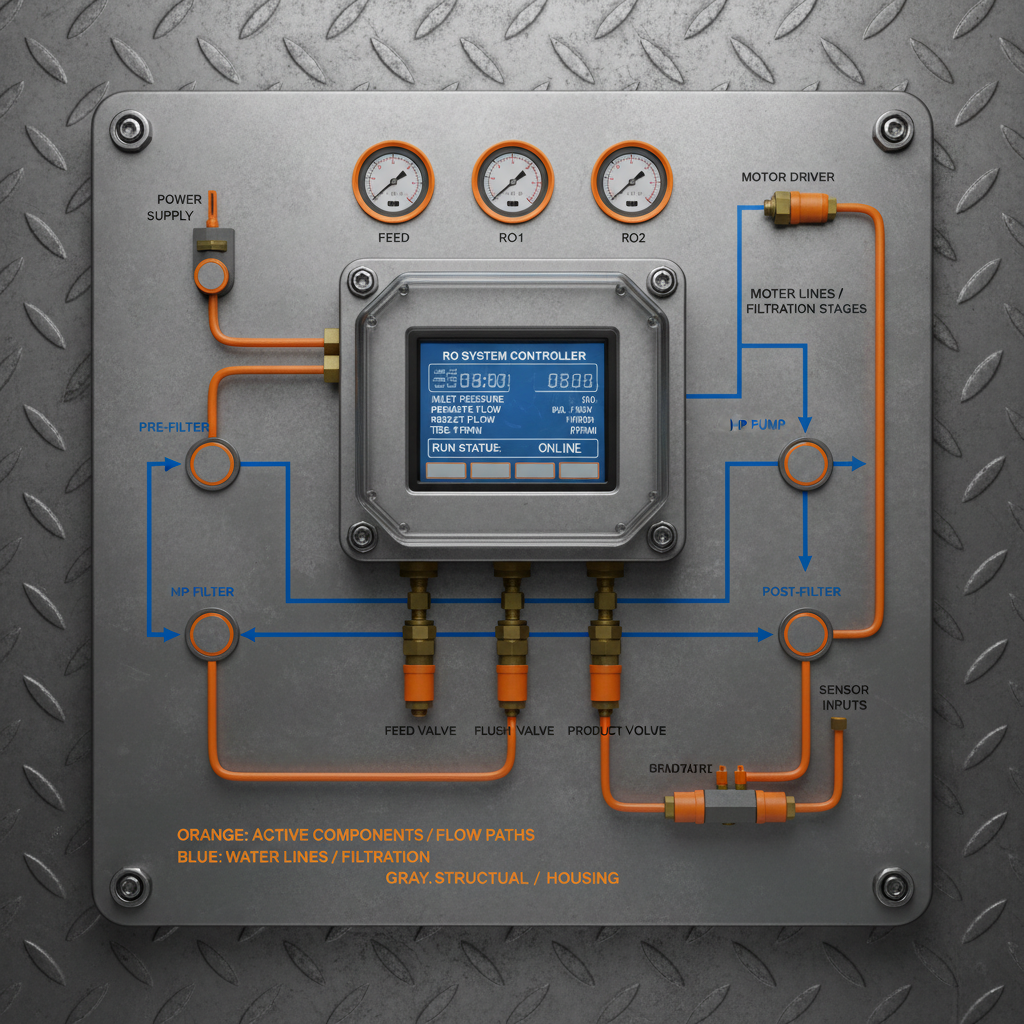
2026-04-04 03:27:19
Understanding the Vital Role of an RO System Controller for Optimal PerformanceReverse Osmosis (RO) systems are critical for purifying water across various industries, from residential applications to large-scale industrial processes. At the heart of a well-functioning RO system lies the RO system controller. This intelligent device monitors and regulates all key parameters of the RO process, ensuring optimal performance, efficiency, and water quality. This article delves into the functionalities, benefits, and selection criteria for choosing the right RO system controller, particularly focusing on those offered by Watequipments. Understanding its role is crucial for maximizing the lifespan and effectiveness of your RO investment.
2026-03-24 17:18:24
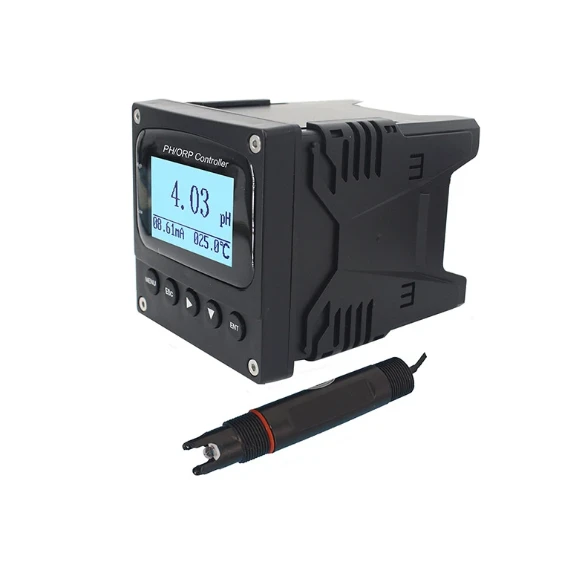
Smart Water Treatment Solutions Using PH ORP Controller SystemsIn modern water treatment and industrial fluid management, maintaining precise chemical balance is essential for safety, efficiency, and regulatory compliance.
2026-03-04 02:55:19
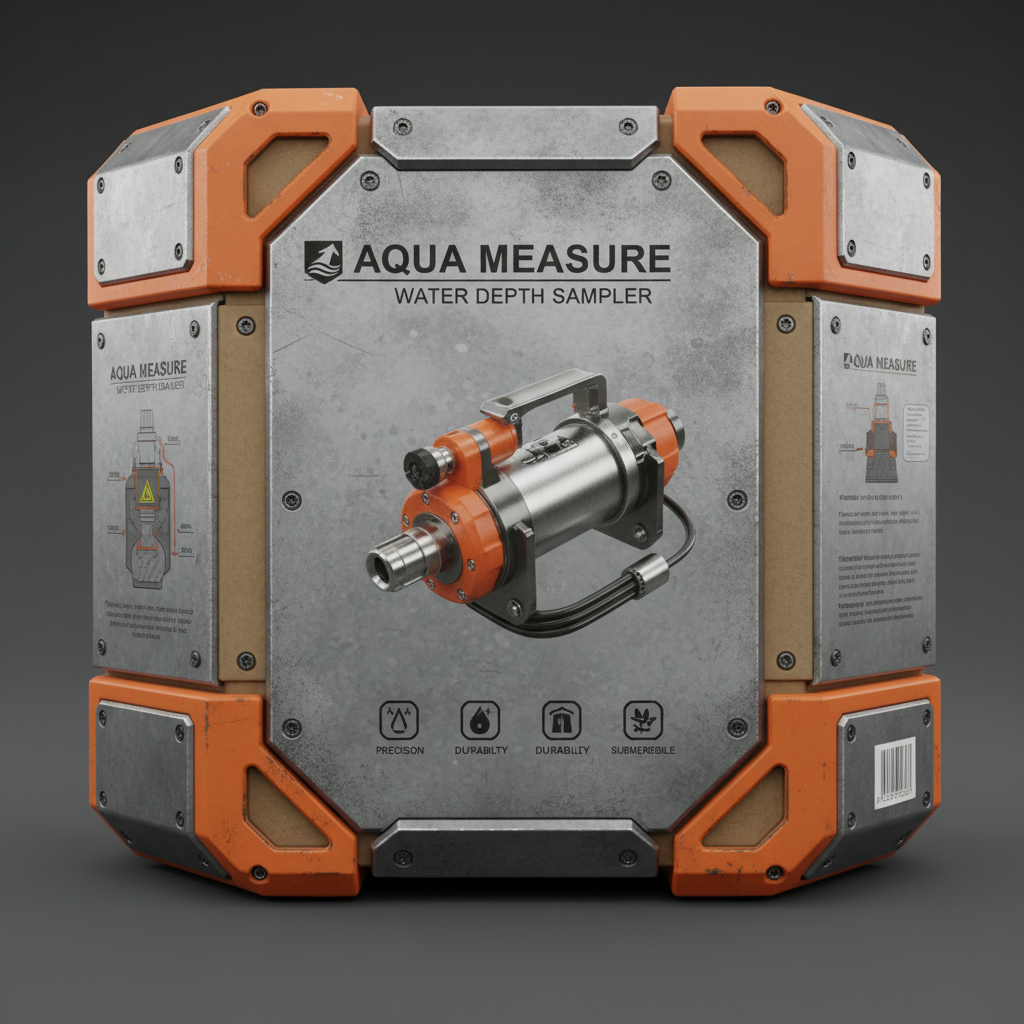
Comprehensive Guide to Water Depth Samplers and Their ApplicationsAccurate water quality monitoring is crucial in various fields, from environmental science and aquaculture to industrial wastewater management. A key tool for this is the water depth sampler. This article provides an in-depth look at water depth samplers, their applications, types, and essential considerations for choosing the right one for your needs. We'll explore the benefits of utilizing this equipment to collect reliable data for analysis and informed decision-making. Selecting the right sampler can significantly improve the precision and efficiency of your water monitoring program. A water depth sampler, also known as a depth-integrated sampler, is a device designed to collect water samples from specific depths within a body of water. Unlike simply dipping a container into the water, a depth sampler allows for collection of a representative sample across a defined depth range. This is critical because water properties (temperature, salinity, pollutants) often vary significantly with depth. The data gathered with a water depth sampler provides a more accurate assessment of water quality than surface samples alone.
2026-03-03 18:55:22
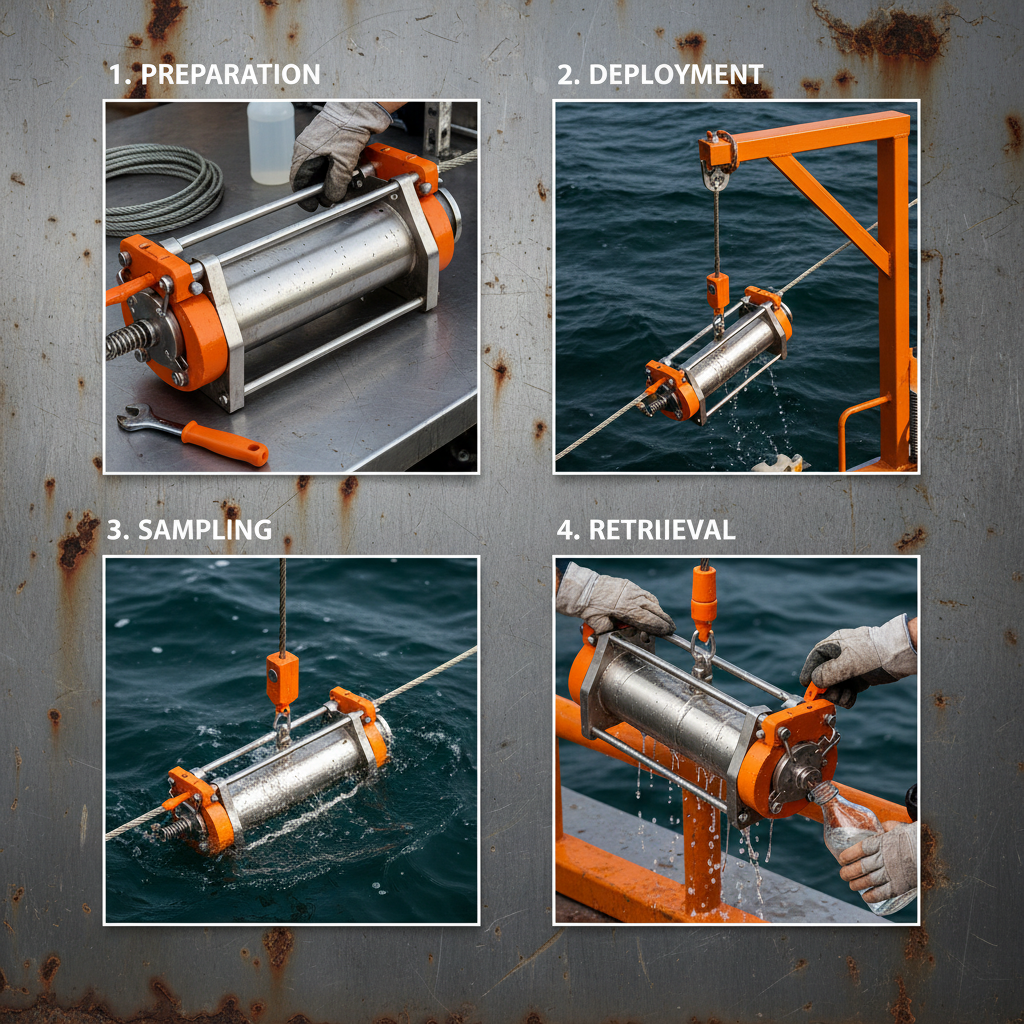
Comprehensive Guide to Horizontal Water Sampler Applications and SelectionCollecting water samples at varying depths is crucial for environmental monitoring, research, and quality control. The horizontal water sampler from Watequipment.com offers a precise and efficient solution for this task. This article provides an in-depth look at horizontal water samplers, their applications, benefits, and key considerations when choosing the right model. We will explore how these samplers contribute to accurate data collection and informed decision-making in various fields. A horizontal water sampler is a device designed to collect water samples from specific depths within a body of water – rivers, lakes, oceans, reservoirs, and even wastewater treatment plants. Unlike vertical samplers which primarily focus on depth, horizontal samplers prioritize collecting samples at a consistent depth while moving along a horizontal plane. This is essential for assessing water quality variations across a waterway or within a specific zone. They are used in applications ranging from environmental monitoring and scientific research to industrial process control and regulatory compliance.
2026-02-28 02:35:09
Comprehensive Guide to Selecting the Right Surface Water Sampler for Your NeedsMonitoring the quality of surface water is critical for environmental protection, public health, and various industrial applications. A surface water sampler is an essential tool for collecting representative samples from rivers, lakes, ponds, and other surface water sources. This article provides a detailed overview of surface water samplers, their types, applications, and key considerations for selecting the right equipment. Accurate water quality data relies on proper sample collection, and choosing the correct sampler is the first step toward achieving reliable results. Surface water samplers come in various designs, each suited to specific sampling needs. Common types include grab samplers, depth-integrating samplers, peristaltic pumps, and automatic samplers. Surface water samplers are used across a broad spectrum of applications, including environmental monitoring, wastewater discharge monitoring, drinking water source monitoring, agricultural runoff analysis, and research studies.

 English