



The Imperative Role of Reverse Osmosis Controllers in Modern Water Treatment

The Imperative Role of Reverse Osmosis Controllers in Modern Water Treatment
Aug . 28, 2025
In the realm of advanced water purification, the reverse osmosis controller stands as the brain of any high-performance RO system. These sophisticated devices are engineered to precisely monitor and regulate critical operational parameters, ensuring optimal efficiency, membrane longevity, and consistent water quality. From large-scale industrial plants requiring a robust reverse osmosis system controller to specialized applications where a nuanced approach like an RO plant low pressure switch is vital for membrane protection, these control units are indispensable. The evolution of these controllers has led to more intelligent, automated, and energy-efficient systems, addressing the complex demands of various industries, including pharmaceuticals, food and beverage, power generation, and municipal water supply.
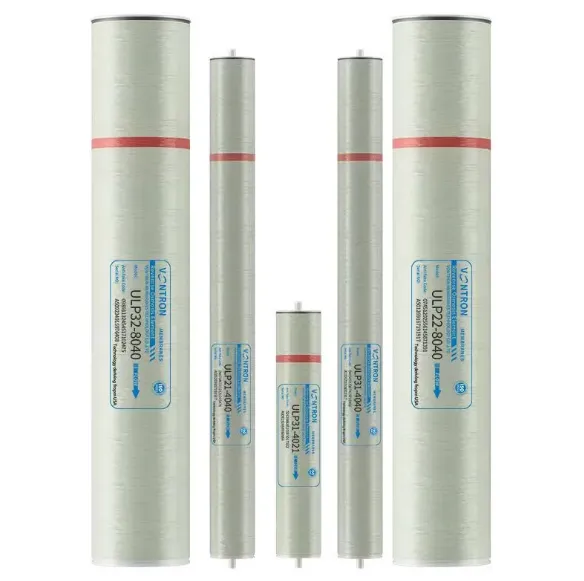
Modern RO control systems integrate advanced sensors, programmable logic, and intuitive user interfaces to deliver unparalleled control over the entire purification process. This includes monitoring feed water quality, regulating pump pressures, managing membrane flushing cycles, and ensuring the final permeate meets stringent quality standards. The ability to precisely control these variables not only minimizes operational costs but also significantly extends the lifespan of expensive RO membranes, offering a substantial return on investment. The focus on reliable and smart control solutions is paramount for achieving sustainable and high-quality water production.
Industry Trends and Technological Advancements in RO Control
The water treatment industry is witnessing rapid advancements, with a strong emphasis on automation, data analytics, and remote monitoring. Current trends for the reverse osmosis controller include the integration of IoT (Internet of Things) capabilities, enabling real-time performance tracking and predictive maintenance from any location. Cloud-based platforms allow for comprehensive data logging, trend analysis, and performance optimization, moving beyond traditional localized control. This paradigm shift enhances system reliability and reduces the need for constant on-site supervision, leading to significant operational savings.
Furthermore, there is a growing demand for more adaptable and modular reverse osmosis system controller solutions that can be easily scaled or customized to fit diverse application requirements. Energy efficiency remains a critical driver, with advanced controllers incorporating variable frequency drives (VFDs) for pumps and intelligent algorithms to minimize energy consumption. The development of specialized controls like an RO plant low pressure switch with enhanced sensitivity and reliability, or sophisticated systems capable of managing an RO without TDS controller in specific non-potable or pre-treatment scenarios, highlights the industry's push towards tailored and highly efficient solutions for every unique challenge.
Key Technical Parameters and Specifications of RO Controllers
Understanding the core technical specifications is crucial when selecting a reverse osmosis controller. These parameters dictate the controller's capability to manage system operations effectively. Essential features include input/output (I/O) configurations for various sensors (conductivity, pH, ORP, flow, pressure), pump control (high-pressure, feed, flush), and valve actuation. Advanced units offer programmable logic controllers (PLCs) for complex sequence control and human-machine interfaces (HMIs) for intuitive operation and data visualization.
|
Typical Reverse Osmosis Controller Technical Specifications |
||
|
Parameter |
Description/Range |
Typical Value/Standard |
|
Control Type |
Microprocessor-based, PLC-based, Hybrid |
PLC with HMI |
|
Inputs (Analog) |
Pressure, Flow, Conductivity/TDS, pH, ORP, Temperature |
4-8 configurable (0-20mA, 4-20mA, 0-10V) |
|
Inputs (Digital) |
Low Pressure Switch, High Pressure Switch, Tank Level, Permeate Flow Switch, Pre-treatment Alarms |
8-16 configurable dry contacts |
|
Outputs (Relay) |
Feed Pump, High Pressure Pump, Flush Valve, Permeate Divert, Alarm, Clean-in-Place (CIP) Pump |
4-10 configurable (NO/NC, 5A@250VAC) |
|
Communication |
Modbus RTU, Modbus TCP/IP, Ethernet IP, Profinet, Cloud Connectivity |
Modbus RTU/TCP, Optional Ethernet |
|
Display |
LCD, Color Touchscreen HMI |
7-inch Color Touchscreen |
|
Power Supply |
110-240VAC, 50/60Hz; 24VDC |
220VAC, 50/60Hz |
|
Enclosure Rating |
NEMA 4X (IP66), NEMA 12 (IP54) |
NEMA 4X (IP66) |
A well-designed reverse osmosis system controller will also feature robust alarm management, data logging capabilities for regulatory compliance, and options for remote access and control. Specific components like the RO plant low pressure switch are critical safety devices, preventing membrane damage by shutting down the system if feed water pressure drops below a safe threshold. The ability to monitor conductivity is standard, but specialized applications might operate an RO without TDS controller if the raw water source is extremely consistent or if only particle removal is the primary concern for pre-treatment. However, for most RO applications, precise TDS measurement is indispensable for monitoring permeate quality and membrane performance.
Application Scenarios and Technical Advantages
The versatility of a reverse osmosis controller makes it suitable for an expansive array of applications. In industrial settings, they are crucial for producing ultrapure water for semiconductor manufacturing, boiler feed water in power plants, and process water in chemical industries. Municipal water treatment plants utilize these controllers for desalination and potable water production, while commercial applications range from car wash systems to dialysis centers. The ability of the reverse osmosis system controller to adapt to varying feed water conditions and output demands is a significant advantage.
Key technical advantages include enhanced system reliability through continuous monitoring and protective shutdowns, such as those triggered by an RO plant low pressure switch. Optimized operation leads to reduced chemical usage for membrane cleaning and lower energy consumption. Furthermore, advanced controllers facilitate compliance with regulatory standards by providing accurate data logging and reporting. The automation offered by these controllers minimizes human error and reduces labor costs, while predictive analytics prevent costly downtime, ensuring a consistent and high-quality water supply for critical processes, even in setups that might try to function an RO without TDS controller for specific, less stringent requirements.
Manufacturing Process of Advanced RO Control Components
The production of a robust reverse osmosis controller involves stringent manufacturing processes to ensure reliability and longevity. Components are typically manufactured from high-grade, corrosion-resistant materials such as 316L stainless steel for sensor housings and industrial-grade ABS/PC for control enclosures. Precision manufacturing techniques like CNC machining are employed for pressure sensor bodies and valve components, ensuring tight tolerances and consistent performance. The printed circuit boards (PCBs) within the controller undergo automated assembly with surface-mount technology (SMT) for high component density and reliability.
Each reverse osmosis system controller unit, including critical safety features like the integrated RO plant low pressure switch, undergoes rigorous multi-stage testing. This includes functional testing of all I/O points, calibration of sensors, environmental stress testing for temperature and humidity, and electromagnetic compatibility (EMC) testing to ISO and ANSI standards. A typical industrial controller is designed for a service life exceeding 10 years, particularly when operating within its specified parameters. These controllers are ideally suited for industries like petrochemical, power generation, food & beverage, and municipal water treatment, where reliability and precision are paramount. Their robust design ensures optimal performance and anti-corrosion properties even in aggressive industrial environments, providing significant energy savings through intelligent system management.
Rotameters: Essential Flow Measurement in RO Systems
While the reverse osmosis controller governs the overall process, precise flow measurement is critical for monitoring system performance and membrane health. Rotameters, also known as variable area flow meters, provide a simple yet effective way to visually confirm flow rates of feed water, permeate, and concentrate streams. Their robust design and straightforward operation make them an invaluable tool for technicians on-site, offering immediate feedback on whether the RO system is operating within expected flow parameters, thereby complementing the electronic readings from the reverse osmosis system controller.
|
Rotameter (Flow Meter) Technical Specifications for RO Applications |
|||
|
Parameter |
Standard (e.g., Permeate) |
High Flow (e.g., Feed) |
Corrosion Resistant |
|
Flow Range (GPM) |
0.5 - 5 GPM |
5 - 50 GPM |
0.2 - 2 GPM |
|
Accuracy (% FS) |
±2% |
±2% |
±3% |
|
Max Pressure (PSI) |
150 PSI |
100 PSI |
200 PSI |
|
Max Temperature (°F) |
150 °F |
130 °F |
200 °F |
|
Body Material |
Acrylic, Polysulfone |
Acrylic, PVC |
PVDF, Stainless Steel |
|
Float Material |
316L SS, PTFE |
316L SS |
Hastelloy C-276, PTFE |
Based on the data above, a bar chart could effectively compare the flow ranges (GPM) or maximum pressure capabilities across different Rotameter models, highlighting their suitability for various RO stream requirements. A pie chart could illustrate the material composition of a specific Rotameter model, showing the proportion of body, float, and seal materials, which is crucial for chemical compatibility. A line chart could depict the accuracy variance of a Rotameter over its operating flow range or under varying temperature conditions, offering insights into its performance stability. These visual representations enhance the understanding of each Rotameter's specific strengths and limitations within the broader context of an RO system, often working in conjunction with an advanced RO without TDS controller in systems where visual flow confirmation is more critical than electronic TDS readings.
Vendor Comparison and Customization Solutions
The market for reverse osmosis controller systems is diverse, with numerous manufacturers offering a range of products from basic units to highly sophisticated, fully integrated platforms. Key differentiators include the robustness of the hardware, the flexibility and intuitiveness of the software/HMI, communication protocols supported (e.g., Modbus, Profinet), and the extent of after-sales support. Evaluating a reverse osmosis system controller often involves comparing programmable features, sensor compatibility, data logging capacity, and cybersecurity measures, especially for networked systems.
Many reputable vendors offer extensive customization solutions to meet unique project specifications. This can range from tailored software algorithms for specific membrane types or feed water chemistries, to bespoke enclosure designs for harsh environments, or specialized integration with existing SCADA (Supervisory Control and Data Acquisition) systems. Whether it’s integrating a specific RO plant low pressure switch for enhanced safety or developing a simplified interface for an RO without TDS controller setup where only flow and pressure are critical, customized solutions ensure optimal performance and seamless integration, often backed by certifications like ISO 9001, attesting to quality management systems.
Application Case Study: Industrial Wastewater Treatment
A major automotive manufacturing plant faced challenges in treating its industrial wastewater to meet strict discharge regulations. The existing system was inefficient, leading to high operational costs and inconsistent permeate quality. Implementing a new advanced reverse osmosis system controller significantly transformed their operations. The new controller, equipped with real-time ORP and pH sensors, along with precise flow and pressure monitoring, allowed for dynamic adjustment of cleaning cycles and chemical dosing, thus optimizing membrane performance.
The integrated reverse osmosis controller provided predictive analytics, alerting operators to potential membrane fouling before it became critical, thereby preventing unscheduled downtime. The inclusion of a highly reliable RO plant low pressure switch ensured membrane protection during unexpected feed water supply fluctuations. As a result, the plant achieved a 25% reduction in energy consumption, a 30% increase in membrane lifespan, and consistent compliance with discharge limits. This upgrade demonstrated the tangible benefits of investing in a sophisticated and reliable control system for complex industrial water treatment challenges, including scenarios where an RO without TDS controller could be applied for initial contaminant reduction stages.
Frequently Asked Questions (FAQ) about RO Controllers
Q1: What is the primary function of a reverse osmosis controller?
A: The primary function of a reverse osmosis controller is to automate, monitor, and optimize the operation of an RO system. It manages pumps, valves, and various sensors (pressure, flow, conductivity) to ensure efficient purification, membrane protection, and consistent permeate quality.
Q2: Why is an RO plant low pressure switch important?
A: An RO plant low pressure switch is a critical safety component. It detects insufficient feed water pressure and shuts down the RO system to prevent damage to the high-pressure pump and, more importantly, to the delicate RO membranes, which can be irreversible if run dry.
Q3: Can an RO system operate effectively without a TDS controller?
A: Operating an RO without TDS controller is generally not recommended for most applications requiring high-purity water, as TDS (Total Dissolved Solids) measurement is essential for monitoring membrane integrity and permeate quality. However, for some pre-treatment stages or applications where only gross particle removal is needed, it might be considered, but regular manual checks would still be prudent.
Q4: What communication protocols do modern RO system controllers support?
A: Modern reverse osmosis system controller units typically support industry-standard protocols such as Modbus RTU, Modbus TCP/IP, Ethernet IP, and Profinet. Many also offer cloud connectivity for remote monitoring and data analysis, enhancing integration with plant-wide control systems.
Q5: What materials are commonly used in the construction of RO controller components?
A: Components within a reverse osmosis controller are often made from corrosion-resistant materials like 316L stainless steel for wetted parts (e.g., pressure sensor diaphragms) and robust industrial-grade plastics (ABS, PC, PVDF) for enclosures, ensuring durability in harsh operating environments.
Q6: How does an advanced reverse osmosis controller contribute to energy savings?
A: Advanced reverse osmosis controller systems optimize energy consumption by integrating VFDs for pumps, implementing smart algorithms for efficient flushing and cleaning cycles, and precisely matching pump speeds to actual demand, thus reducing unnecessary power usage.
Q7: What is the typical service life and warranty for industrial RO controllers?
A: Industrial-grade reverse osmosis system controller units are designed for a service life of 10-15 years under normal operating conditions, reflecting their robust construction and quality components. Manufacturers typically offer a 1 to 2-year warranty covering defects in materials and workmanship.
Trustworthiness: Delivery, Warranty, and Customer Support
Ensuring customer trust is paramount for any supplier of critical water treatment equipment. Reputable manufacturers of reverse osmosis controller systems provide transparent delivery timelines, often ranging from 4-8 weeks for standard units and longer for highly customized solutions, depending on component availability and production schedules. These lead times are typically communicated upfront, with clear project milestones.
A comprehensive warranty, typically 1 to 2 years, covers manufacturing defects, underscoring confidence in product quality. Beyond the initial purchase, robust customer support is essential. This includes technical assistance, troubleshooting guides, spare parts availability, and optional service contracts for preventative maintenance and system upgrades. Companies adhering to ISO 9001 standards demonstrate a commitment to quality management and continuous improvement, further solidifying the trustworthiness of their reverse osmosis system controller products and related components like the RO plant low pressure switch, ensuring long-term operational peace of mind, even for systems intended to be an RO without TDS controller under specific operational constraints.
References
- Water Quality Association (WQA) Educational Resources on Reverse Osmosis Systems.
- American Water Works Association (AWWA) Standards for Water Treatment Plant Operations.
- International Organization for Standardization (ISO) 9001 Quality Management Systems.
- US Environmental Protection Agency (EPA) Guidance on Membrane Filtration for Drinking Water.
- Journal of Membrane Science: Research and Development in Membrane Technologies.

Related Products
Related News
2026-04-16 03:20:19
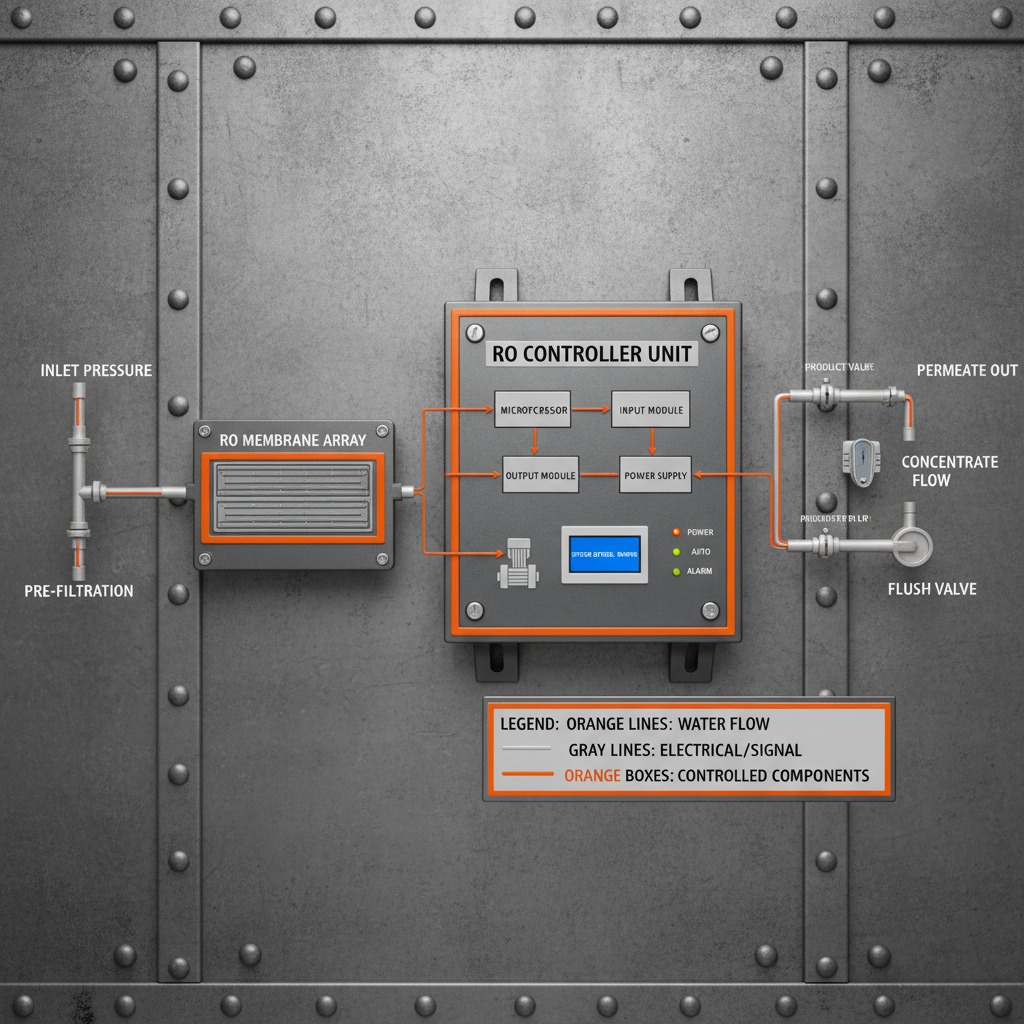
Guide to Choosing the Right RO Controller for Water PurificationMaintaining a high-performance reverse osmosis system requires more than just quality membranes; it demands precise regulation. An ro controller serves as the brain of the entire operation, monitoring critical parameters such as conductivity, temperature, and flow rates to ensure the output water meets stringent purity standards. Without an efficient controller, systems are prone to membrane fouling, inefficient energy use, and inconsistent water quality. In this comprehensive guide, we will explore how these devices optimize water treatment processes and how to select the best model for your specific industrial or commercial needs.
2026-04-09 03:25:47
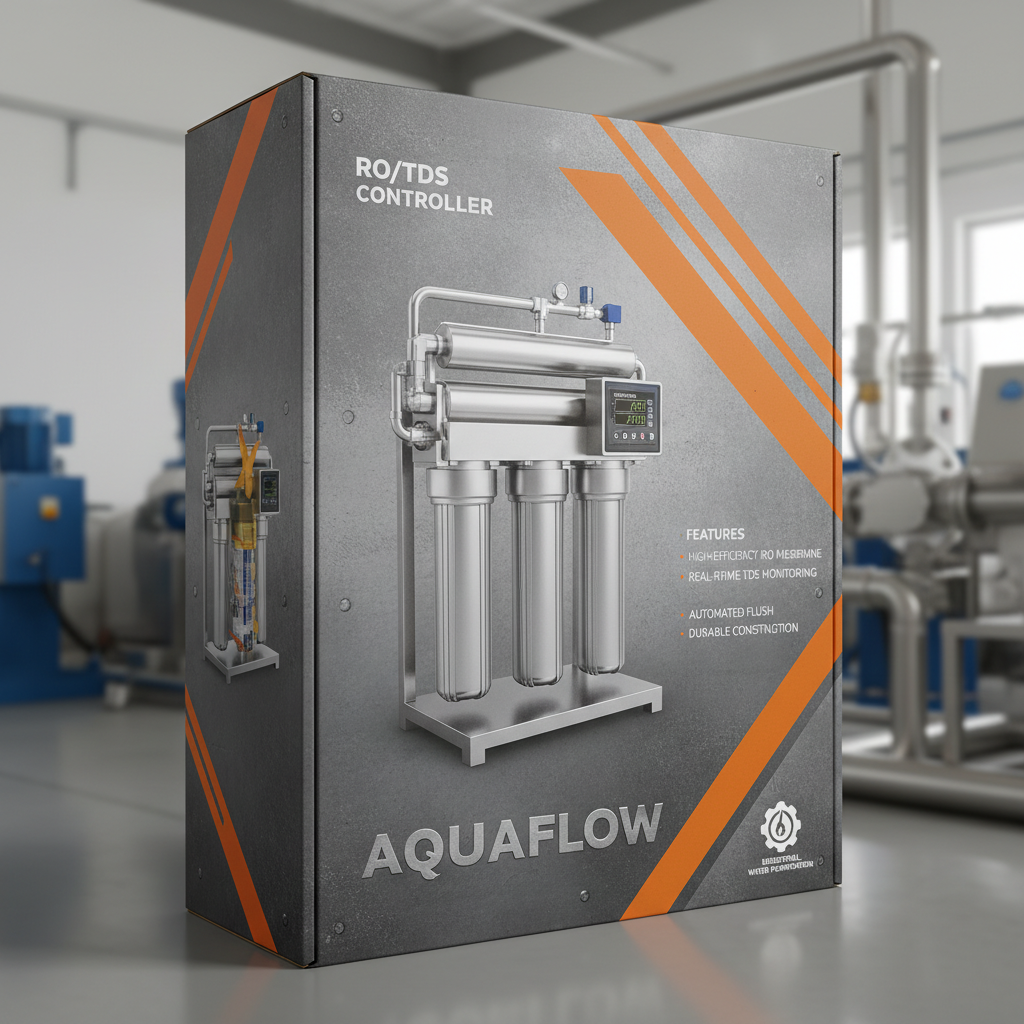
Guide to Water Purity Using RO with TDS Controller SystemsAchieving the perfect balance of mineral content and purity in drinking water is a challenge for many households and industrial facilities. A ro with tds controller offers a sophisticated solution by combining the rigorous filtration of Reverse Osmosis (RO) with the precision of a Total Dissolved Solids (TDS) adjustment system. While standard RO systems remove almost everything, including beneficial minerals, a TDS controller allows users to re-mineralize the water to a desired level. This ensures that the water is not only safe and pure but also tastes better and provides essential nutrients.
2026-04-07 03:17:09
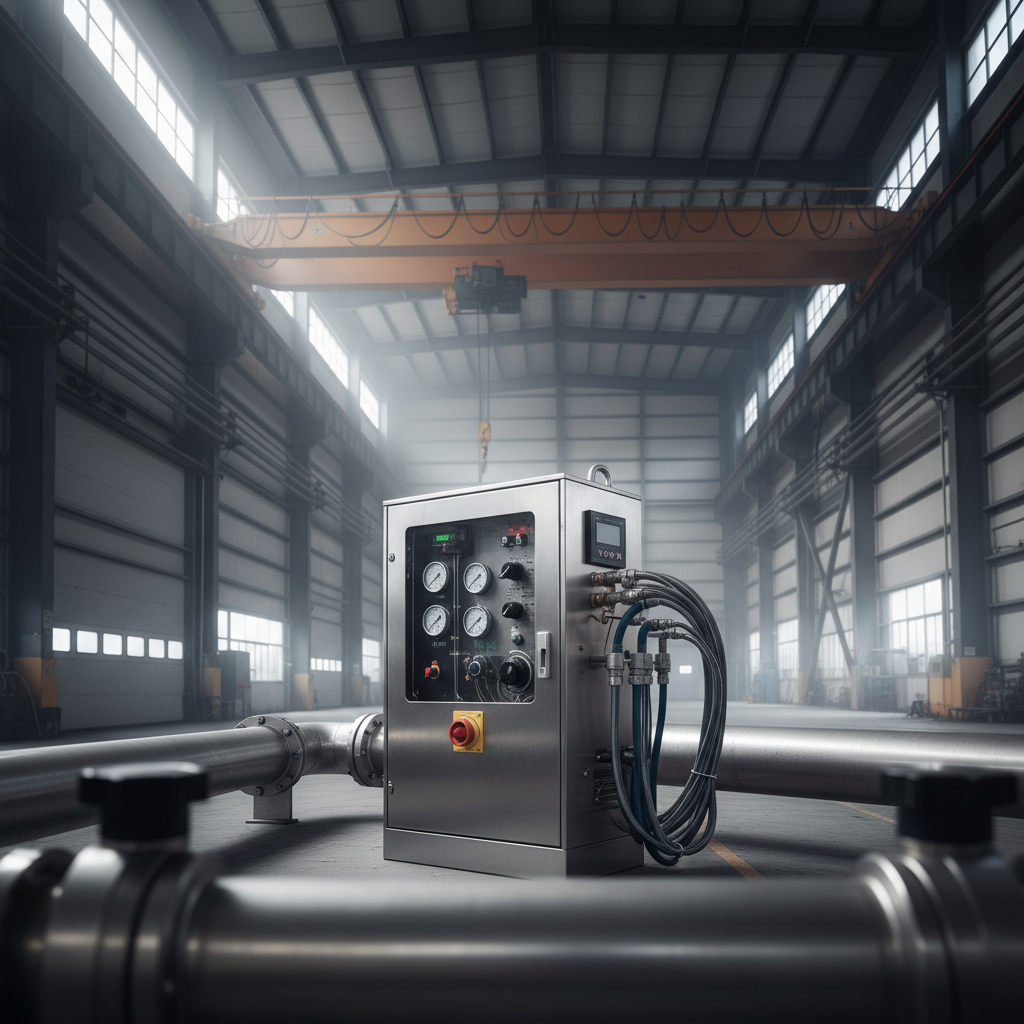
Understanding and Optimizing Reverse Osmosis Systems with a ControllerIn the world of water purification, reverse osmosis (RO) systems are a cornerstone for producing high-quality water for various applications, from drinking water to industrial processes. However, an RO system is only as effective as its control system. This is where the reverse osmosis controller comes into play. This critical component manages and optimizes the RO process, ensuring efficient operation, water quality, and system longevity.
2026-04-04 03:27:19
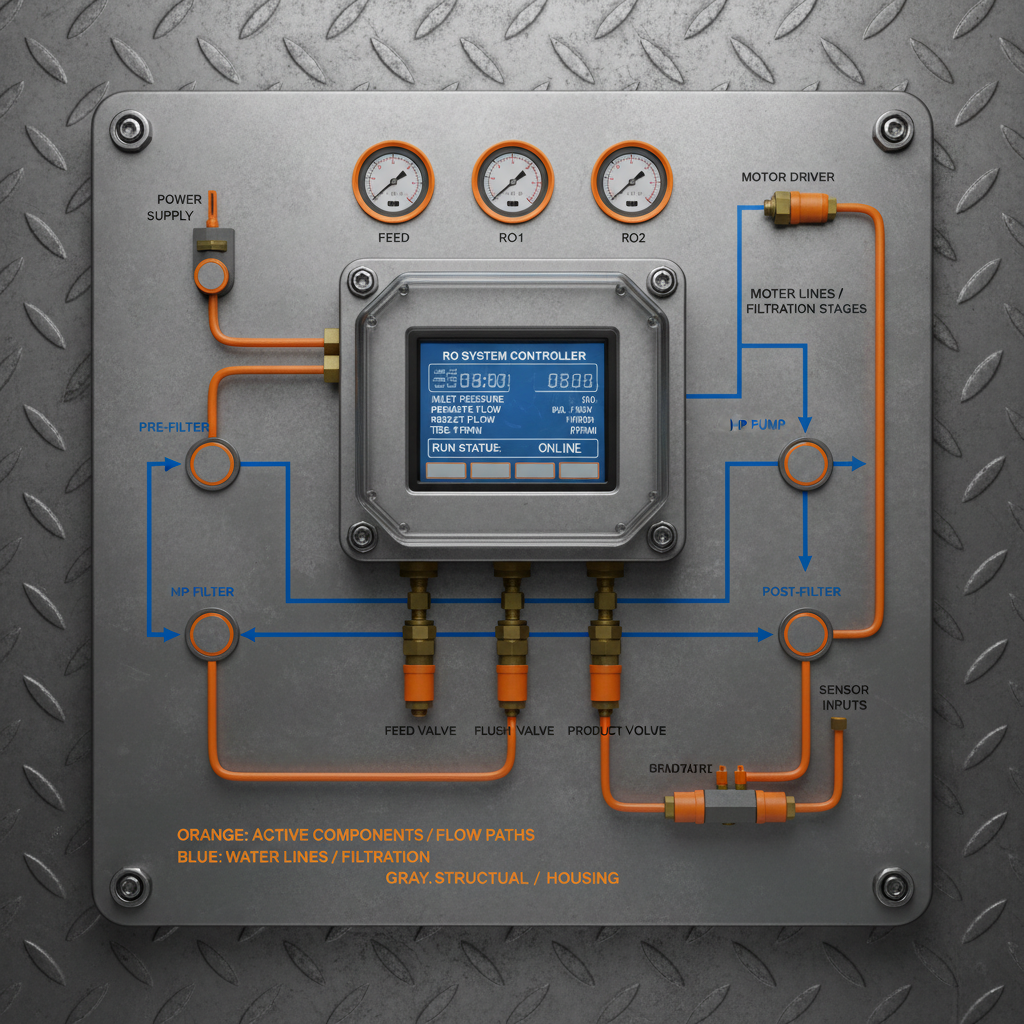
Understanding the Vital Role of an RO System Controller for Optimal PerformanceReverse Osmosis (RO) systems are critical for purifying water across various industries, from residential applications to large-scale industrial processes. At the heart of a well-functioning RO system lies the RO system controller. This intelligent device monitors and regulates all key parameters of the RO process, ensuring optimal performance, efficiency, and water quality. This article delves into the functionalities, benefits, and selection criteria for choosing the right RO system controller, particularly focusing on those offered by Watequipments. Understanding its role is crucial for maximizing the lifespan and effectiveness of your RO investment.
2026-03-24 17:18:24
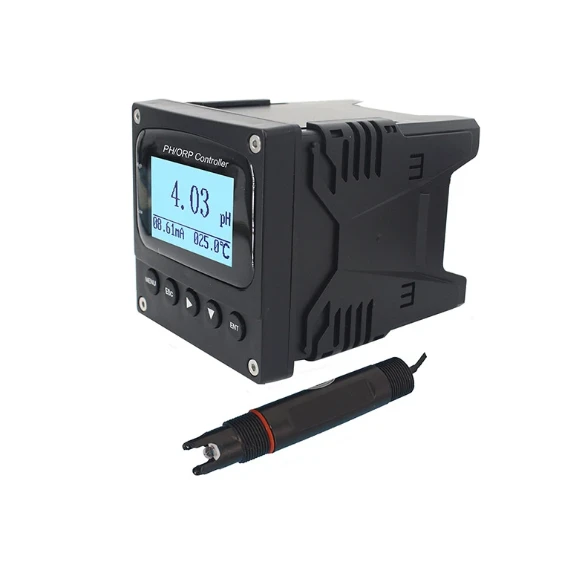
Smart Water Treatment Solutions Using PH ORP Controller SystemsIn modern water treatment and industrial fluid management, maintaining precise chemical balance is essential for safety, efficiency, and regulatory compliance.
2026-03-04 02:55:19
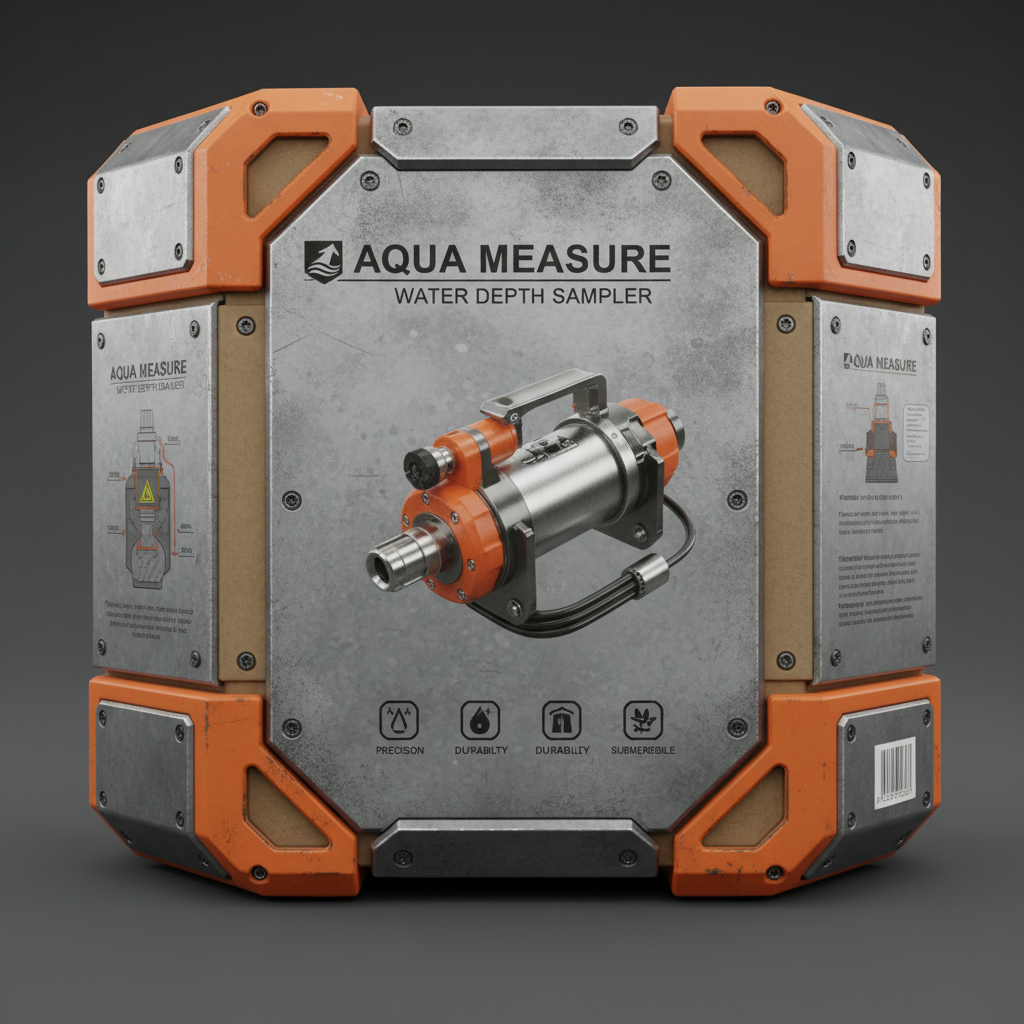
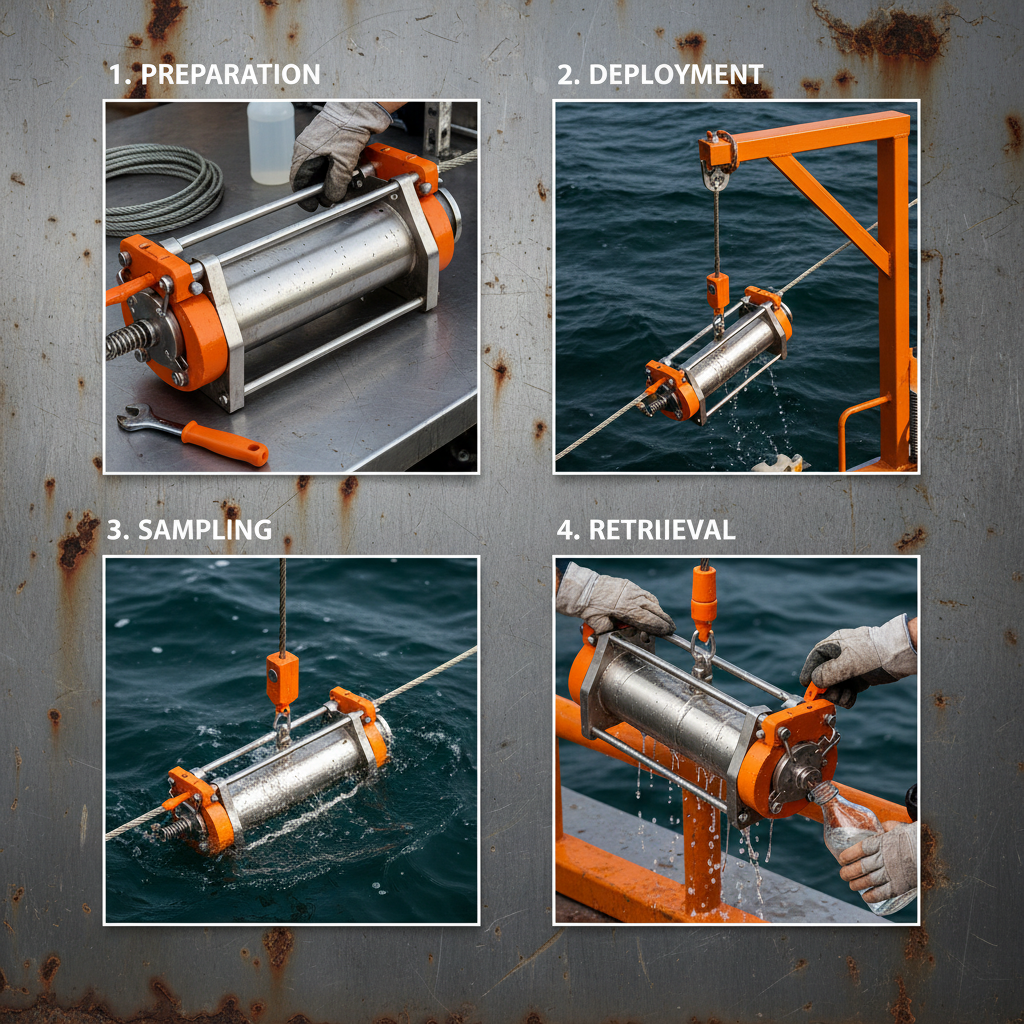
Comprehensive Guide to Water Depth Samplers and Their ApplicationsAccurate water quality monitoring is crucial in various fields, from environmental science and aquaculture to industrial wastewater management. A key tool for this is the water depth sampler. This article provides an in-depth look at water depth samplers, their applications, types, and essential considerations for choosing the right one for your needs. We'll explore the benefits of utilizing this equipment to collect reliable data for analysis and informed decision-making. Selecting the right sampler can significantly improve the precision and efficiency of your water monitoring program. A water depth sampler, also known as a depth-integrated sampler, is a device designed to collect water samples from specific depths within a body of water. Unlike simply dipping a container into the water, a depth sampler allows for collection of a representative sample across a defined depth range. This is critical because water properties (temperature, salinity, pollutants) often vary significantly with depth. The data gathered with a water depth sampler provides a more accurate assessment of water quality than surface samples alone.
2026-03-03 18:55:22
Comprehensive Guide to Horizontal Water Sampler Applications and SelectionCollecting water samples at varying depths is crucial for environmental monitoring, research, and quality control. The horizontal water sampler from Watequipment.com offers a precise and efficient solution for this task. This article provides an in-depth look at horizontal water samplers, their applications, benefits, and key considerations when choosing the right model. We will explore how these samplers contribute to accurate data collection and informed decision-making in various fields. A horizontal water sampler is a device designed to collect water samples from specific depths within a body of water – rivers, lakes, oceans, reservoirs, and even wastewater treatment plants. Unlike vertical samplers which primarily focus on depth, horizontal samplers prioritize collecting samples at a consistent depth while moving along a horizontal plane. This is essential for assessing water quality variations across a waterway or within a specific zone. They are used in applications ranging from environmental monitoring and scientific research to industrial process control and regulatory compliance.
2026-02-28 02:35:09
Comprehensive Guide to Selecting the Right Surface Water Sampler for Your NeedsMonitoring the quality of surface water is critical for environmental protection, public health, and various industrial applications. A surface water sampler is an essential tool for collecting representative samples from rivers, lakes, ponds, and other surface water sources. This article provides a detailed overview of surface water samplers, their types, applications, and key considerations for selecting the right equipment. Accurate water quality data relies on proper sample collection, and choosing the correct sampler is the first step toward achieving reliable results. Surface water samplers come in various designs, each suited to specific sampling needs. Common types include grab samplers, depth-integrating samplers, peristaltic pumps, and automatic samplers. Surface water samplers are used across a broad spectrum of applications, including environmental monitoring, wastewater discharge monitoring, drinking water source monitoring, agricultural runoff analysis, and research studies.

 English