


Precision Soil Sensor with AI Analysis

Precision Soil Sensor with AI Analysis
Aug . 01, 2025
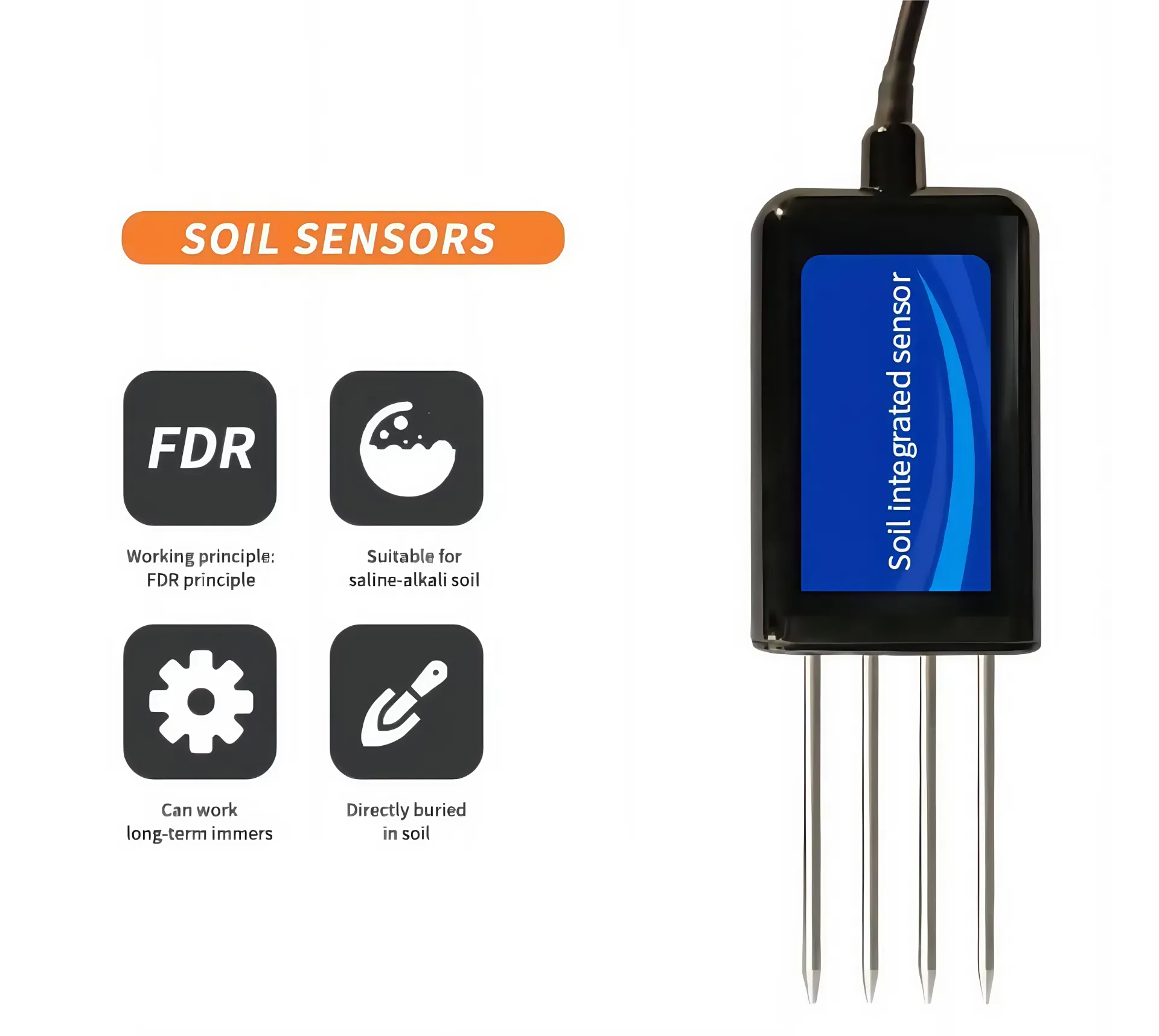
In the era of sustainability and smart agriculture, Soil Sensor technology has rapidly emerged as a fundamental tool for precision environmental monitoring. These advanced devices, also recognized as "soil probes" or "soil analyzers," provide real-time, accurate measurements of vital soil parameters, directly bolstering productivity and sustainability in sectors such as agriculture, landscaping, petrochemical, metallurgy, water management, and environmental engineering.
This in-depth guide explores the latest Soil Sensor industry trends, technical parameters, competitive benchmarks, manufacturing process, and practical application scenarios, enabling stakeholders to make informed decisions for tailored solutions.
Soil Sensor Industry Trends (2024-2028)
- ✓Global Soil Sensor market size expected to reach $800+ million USD by 2028 (MarketsandMarkets).
- ✓Integration with IoT, cloud computing, and AI analytics for Big Data-driven soil management.
- ✓Growing demand for high-frequency, low-power, and multi-parameter sensors.
- ✓Emerging adoption in smart irrigation, environmental remediation, and automated landscaping.
- ✓Compliance with global standards: ISO 11277, ISO 11074, ANSI/ASABE S629, and more.
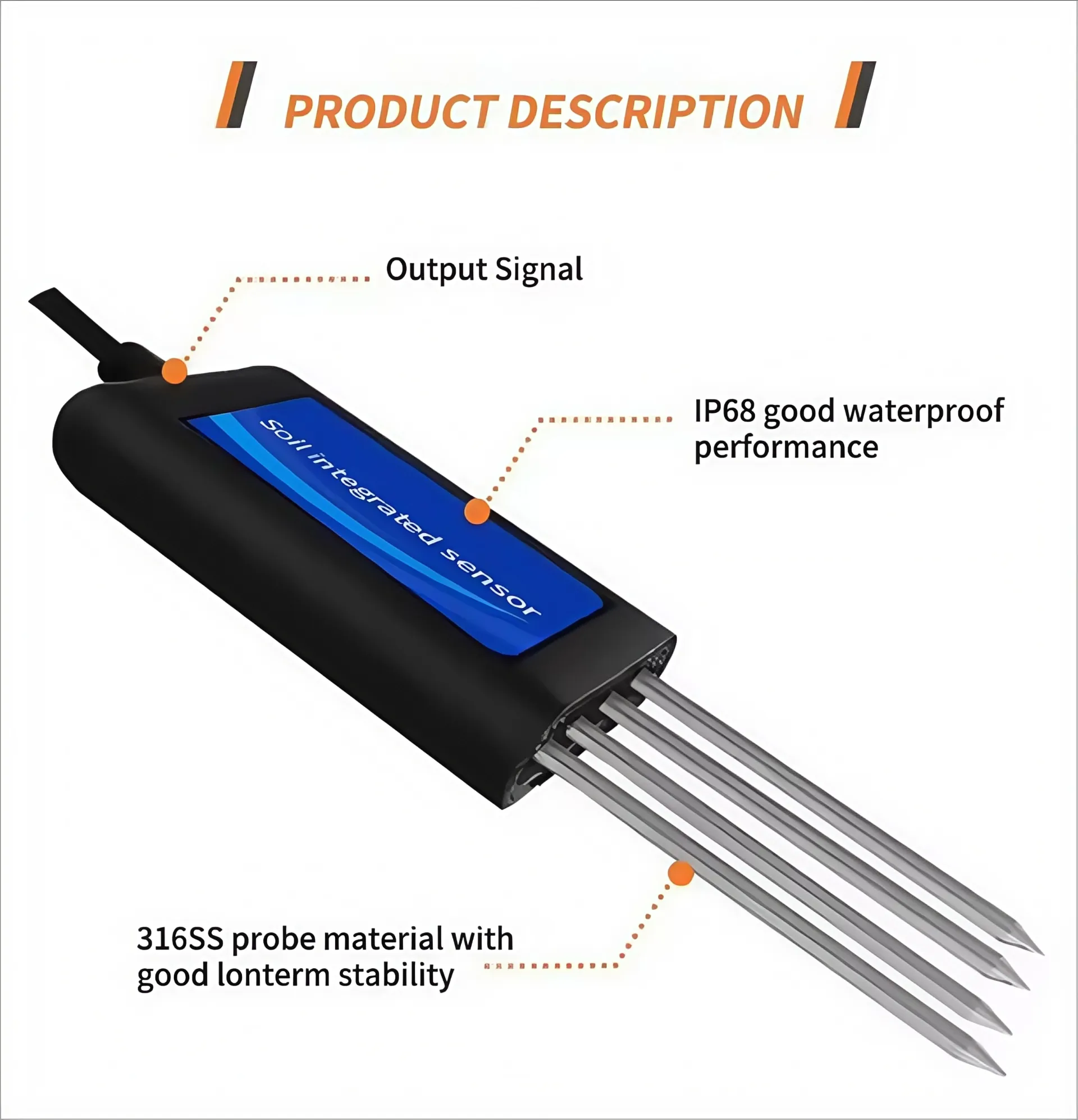
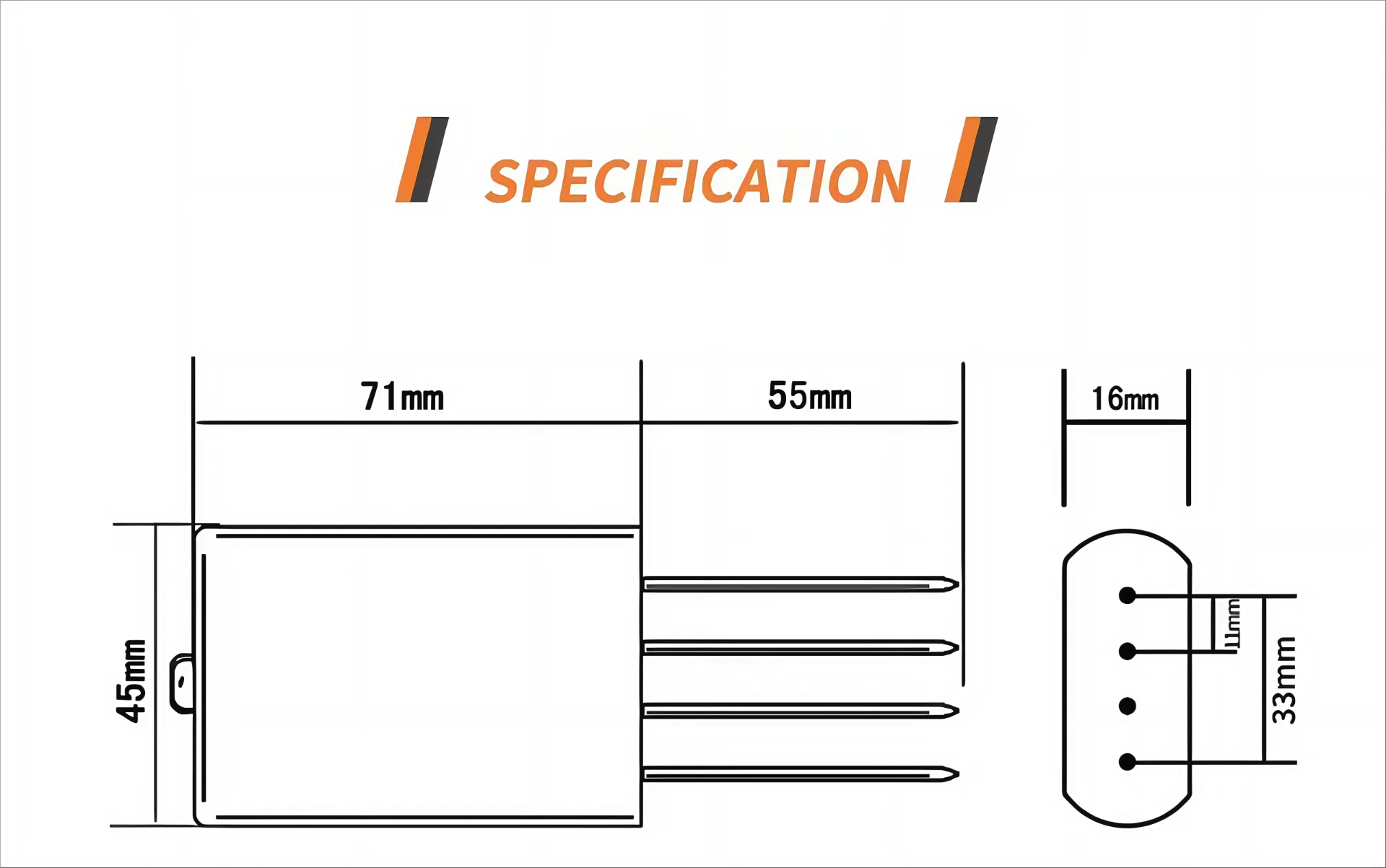
Technical Parameters & Specifications of Soil Sensor
| Parameter | Typical Value | Measurement Range | Accuracy | Remarks |
|---|---|---|---|---|
| Soil Moisture | 0-100% | 0%-100% | ±2% | Capacitive/Resistive |
| Soil Temperature | -40~85°C | -40 to 100°C | ±0.2°C | Thermistor/RTD |
| pH Value | 3-9 | 2-12 | ±0.1 | Glass Electrode |
| EC (Conductivity) | 0-10 mS/cm | 0-20 mS/cm | ±0.02 mS/cm | Platinum Electrode |
| Signal Output | RS485/4-20mA/0-5V | - | - | Modbus/Analog |
| Power Consumption | <60mW | 12-24V DC | - | Low Power Design |
| Ingress Protection | IP67/IP68 | - | - | Dust & Water Proof |
| Operating Life | ≥10 years | - | - | Field-validated |
Manufacturing Process: Soil Sensor Engineering Flow
 Material Selection
(meets ISO 9001:2015/ANSI)
 CNC Precision Fabrication
 Component Assembly
 Testing & Inspection
 Packing & Delivery
- Material: Industrial grade PC/ABS, 316L stainless steel for probe, Platinum/Glass electrode for EC/pH (ISO 11277, FDA, RoHS compliant)
- Process: High-tolerance CNC shaping, vacuum encapsulation, ultrasonic sealing (±0.02mm tolerance)
- Standard: Full compliance with ISO 11277, ANSI/ASABE S629, GB/T 22314, CE/EMC safety certification
- Durability: Designed for ≥10-year outdoor operation, IP67/IP68 ingress protection, anti-UV and anti-corrosive surfaces for extreme soil conditions
- Industries: Agriculture, Landscaping, Petrochemical, Metallurgy, Water/Wastewater Management, Urban Construction, Research
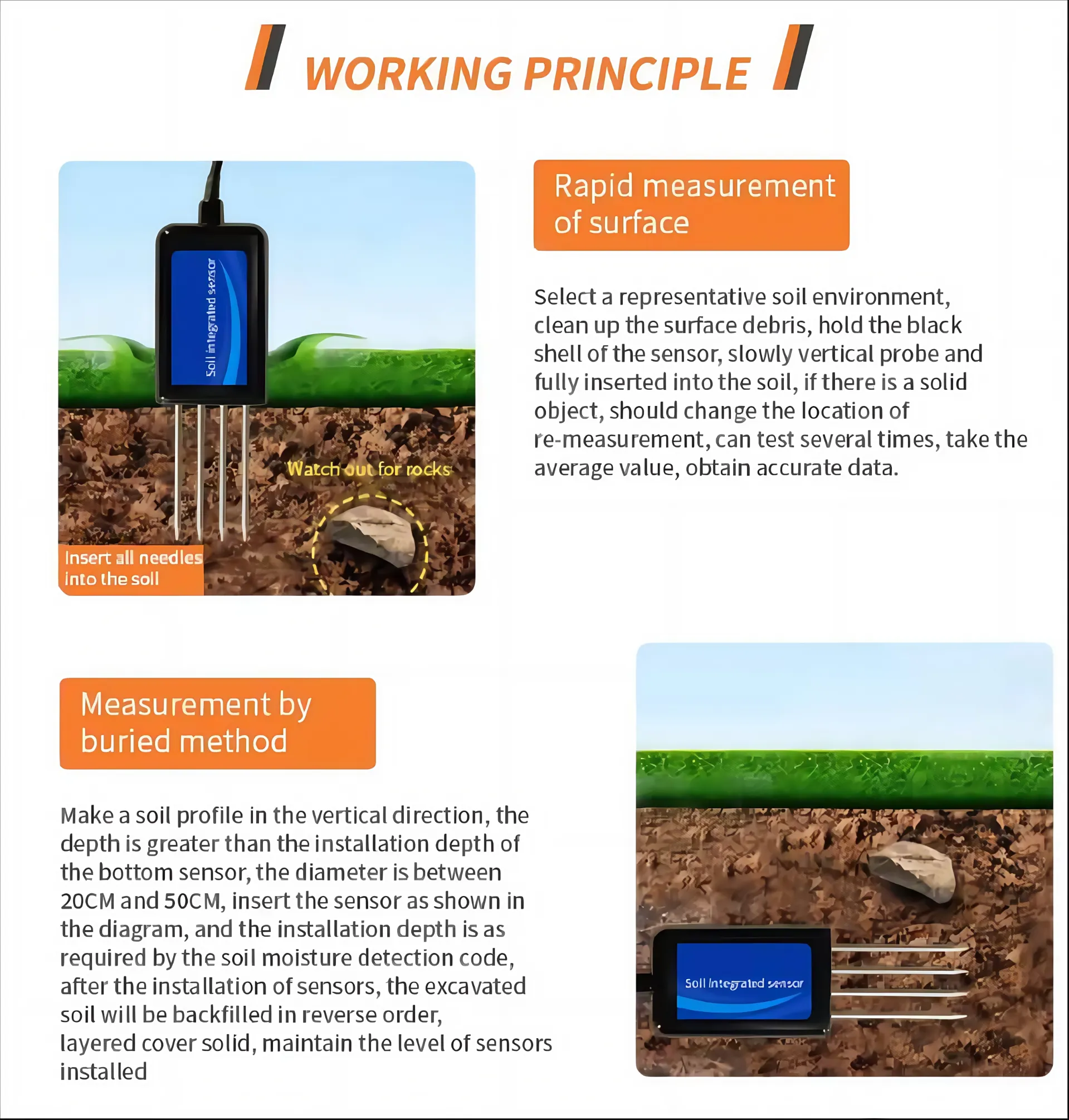
Soil Sensor Competitive Comparison (2024)
| Brand | Model | Core Material | Moisture Accuracy | Output Signal | Ingress Protection | Life Span | Certifications |
|---|---|---|---|---|---|---|---|
| WATEQUIPMENT | ST-500 PRO | 316L SS+PC/ABS | ±2% | RS485, 4-20mA, 0-5V | IP68 | ≥10 years | ISO, CE, RoHS, FCC |
| SoilTech | X5 | 304 SS+ABS | ±2.5% | RS485, Analog | IP67 | 8 years | CE, FCC |
| AgroSense | 220 | Brass+ABS | ±3.0% | Analog | IP65 | 5 years | CE |
| XYZ Enviro | AquaProbe | 304 SS+Plastic | ±3.5% | 0-5V | IP65 | 4 years | CE, EMC |
Customized Soil Sensor Solutions
- ✓Multi-parameter integration: Temperature, EC, Salinity, pH, NPK in one device
- ✓Form factor from miniaturized probe (Ø8mm) to robust industrial housing (Ø40mm)
- ✓Software tailormade for Modbus, LoRaWAN, NB-IoT, WiFi – ready for any smart network
- ✓OEM/ODM branding, project-tailored calibration & reporting
Warranty: 3 years standard, extendable to 5 years (inquire for upgrade).
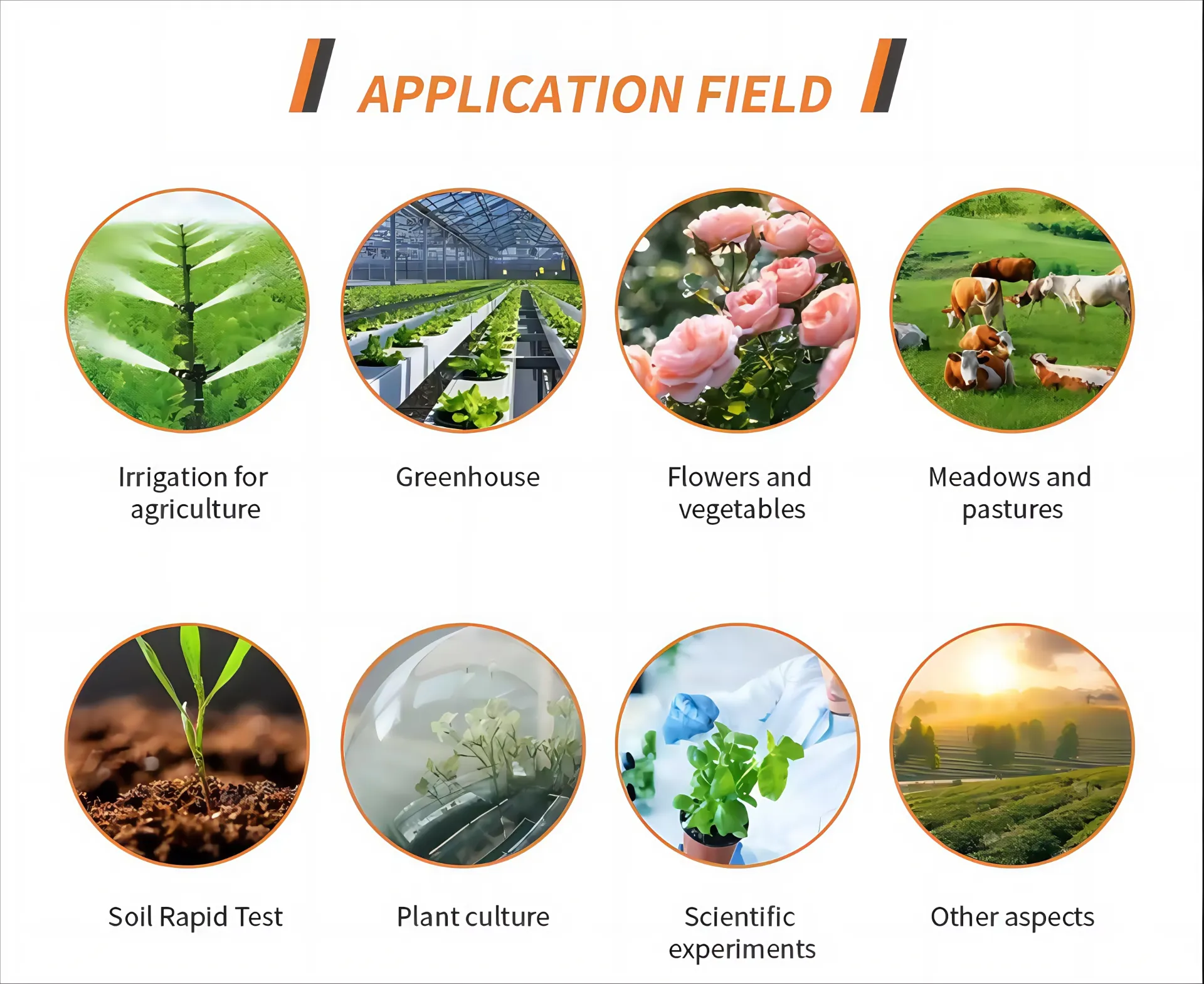
Recent Customization Cases
Challenge: High soil salinity, drought-prone climate
Solution: Deployment of 350+ networked Soil Sensor probes (RS485+LoRa) with high salinity detection and adaptive thresholding.
Benefit: 34% irrigation water savings, 13% yield increase in two harvests.
Quote (AgroCoop Eng.): “The robust build and accurate readings outperformed our previous sensors and enabled us to automate irrigation schedules with confidence.”
Challenge: Hydrocarbon contamination, remote harsh environments
Solution: Customized explosion-proof (EX d) Soil Sensor, IP68, extended pH range (2–12), periodic Modbus RTU remote monitoring.
Benefit: Continuous regulation compliance, reduced manual soil sampling, 24/7 site coverage.
Quote (EnviroEng Corp.): “The custom EX sensors delivered precise results in challenging sites while standing up to extreme chemical exposure.”
Challenge: Typhoon/rainwater drainage management
Solution: Integration of real-time Soil Sensor moisture mapping with automated sprinklers via NB-IoT.
Benefit: Prevented 650+ man-hours of overwatering, improved grass coverage by 11%.
Application Scenarios: Unleashing Soil Sensor Advantages
- ✓Agriculture: Precision irrigation, fertilizer optimization, drought management
- ✓Petrochemical: Soil remediation, leak/contamination monitoring, EX zone deployment
- ✓Water Management: Riverbank, floodplain, and urban stormwater soil health
- ✓Metallurgy: Tailings pond integrity, acid/alkali infiltration prevention
- ✓Environmental Engineering: Landfill, urban park, brownfield rehabilitation, landscaping
- ✓Smart Cities: ESG, green coverage statistics, public landscaping automation
- ✓Research: Universities, soil labs, government agencies
- ✓Ultra-low drift, stable readings in saline, acid, or heavy-clay soils
- ✓Zero-maintenance: No cleaning or recalibration for up to 2 years
- ✓Fast-response (
- ✓Ruggedized for -40°C frost to 80°C tropics
- ✓Plug-and-play, fully compatible with mainstream irrigation and SCADA systems
- ✓Conforms to FDA/ISO standards for safety-critical installations
Certifications, Authority & Service Pledge
- ISO 11277 Soil Quality (Texture & Moisture)
- ANSI/ASABE S629 (Sensor Performance)
- GB/T 22314 National Metrology
- CE (EU EMC, LVD, RoHS directives)
- Bureau Veritas, SGS, Intertek 3rd-party inspection available
- Over 1,500 enterprise clients across 46 countries
- 10+ years proven field deployments in harsh industrial, commercial, and agricultural environments
- Collaborations: Syngenta, Bayer Crop, FAO, Sinopec, State Grid, Local Water & Parks Departments
Expert FAQ: Soil Sensor Technology
FAQ: Delivery, Warranty & Customer Support
- Delivery time: Inventory models ship in 48 hours; custom models 15–40 days depending on complexity.
- Quality warranty: Industry-best 3 years (5 optional); replacements/returns processed within 7 business days.
- After-sales support: 24/7 technical hotline, remote diagnosis, on-site calibration & training worldwide.
- Compliance: All shipments include full testing & QC certification. 3rd-party testing (SGS etc.) available.
- Documentation: Complete LVD/EMC reports, RoHS, manual, and installation guide shipped with every device.
Reference & Further Reading
- MarketsandMarkets – Soil Moisture Sensor Market Analysis (2024-2029)
- ISPRS Archives – Advancements in Soil Sensor Network Deployment
- ResearchGate – Application of Soil Sensors in Precision Agriculture (peer review)
- Agriculture.com – How to Choose Soil Moisture Sensors
- Soil Science Society of America – Technical Resources & Forums

Related Products
Related News
2026-04-16 03:20:19
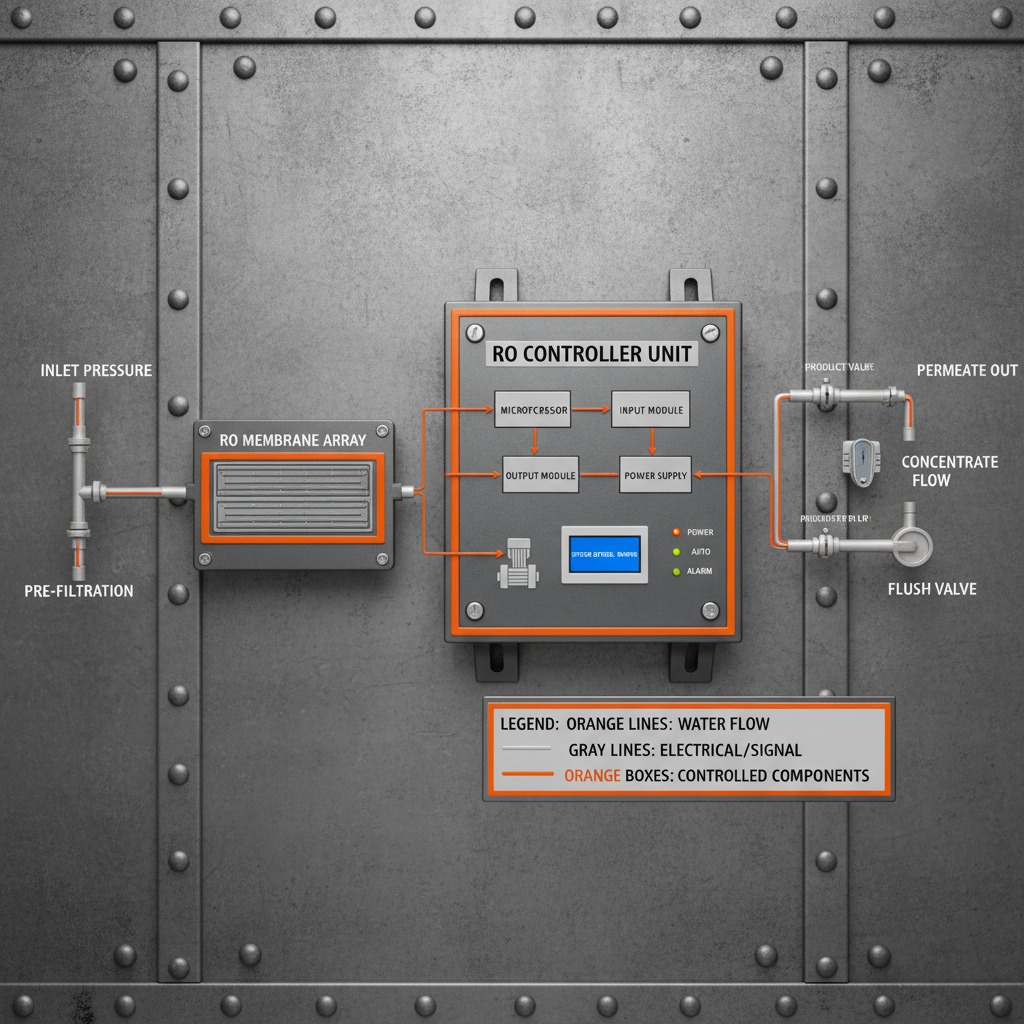
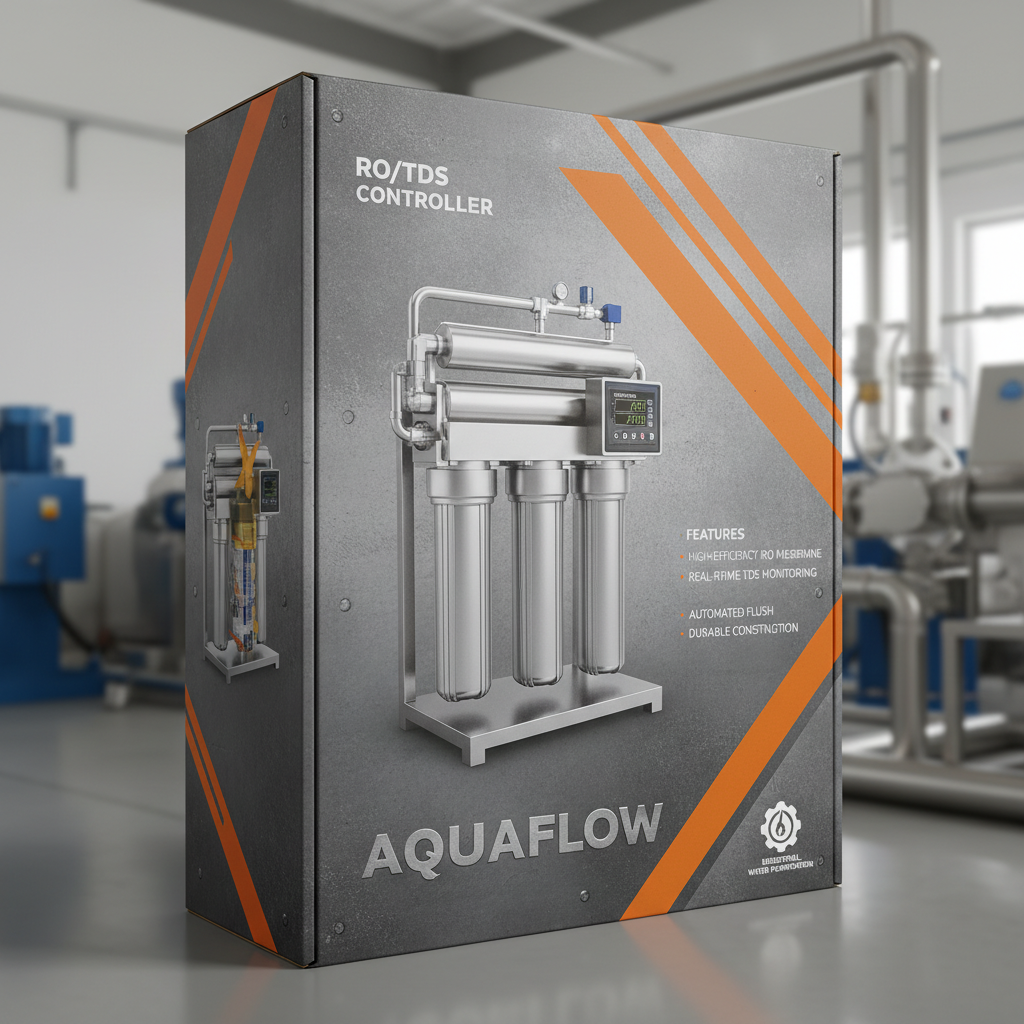
Guide to Choosing the Right RO Controller for Water PurificationMaintaining a high-performance reverse osmosis system requires more than just quality membranes; it demands precise regulation. An ro controller serves as the brain of the entire operation, monitoring critical parameters such as conductivity, temperature, and flow rates to ensure the output water meets stringent purity standards. Without an efficient controller, systems are prone to membrane fouling, inefficient energy use, and inconsistent water quality. In this comprehensive guide, we will explore how these devices optimize water treatment processes and how to select the best model for your specific industrial or commercial needs.
2026-04-09 03:25:47
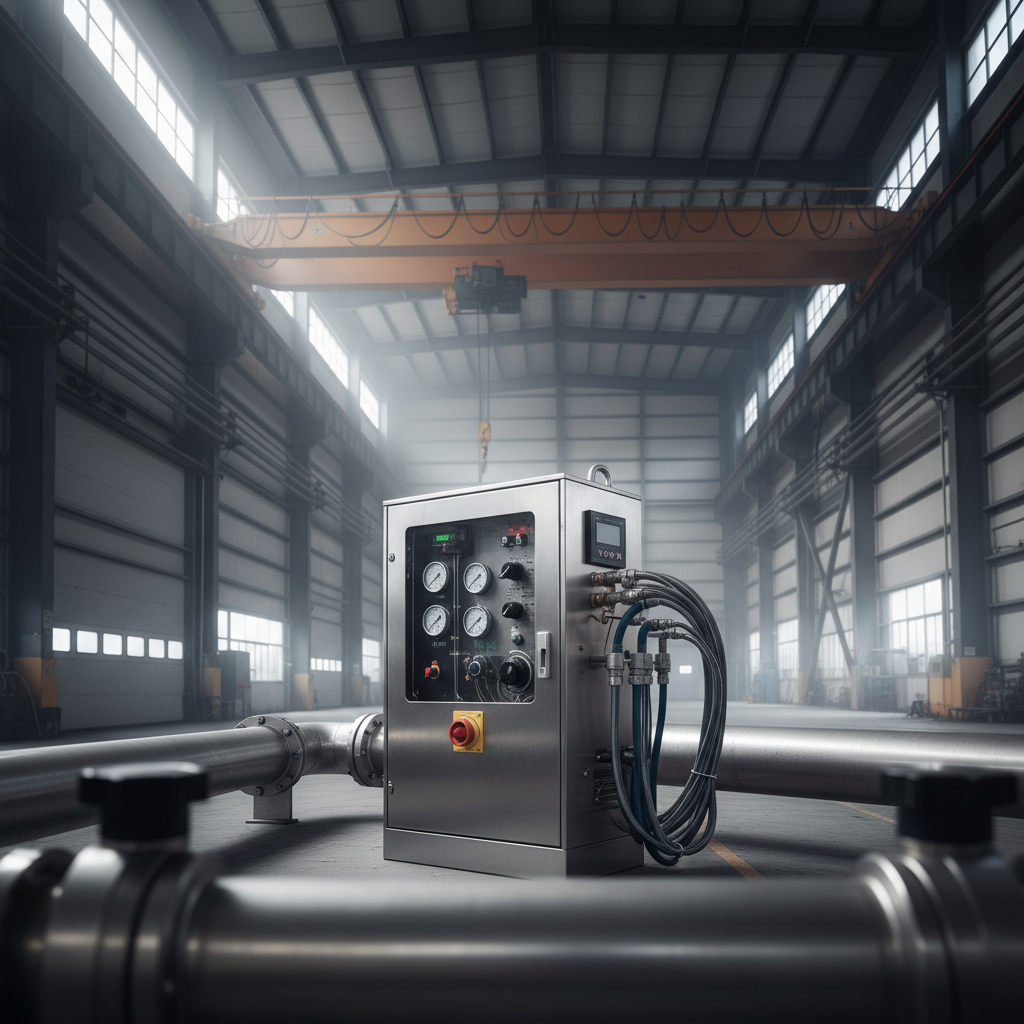
Guide to Water Purity Using RO with TDS Controller SystemsAchieving the perfect balance of mineral content and purity in drinking water is a challenge for many households and industrial facilities. A ro with tds controller offers a sophisticated solution by combining the rigorous filtration of Reverse Osmosis (RO) with the precision of a Total Dissolved Solids (TDS) adjustment system. While standard RO systems remove almost everything, including beneficial minerals, a TDS controller allows users to re-mineralize the water to a desired level. This ensures that the water is not only safe and pure but also tastes better and provides essential nutrients.
2026-04-07 03:17:09
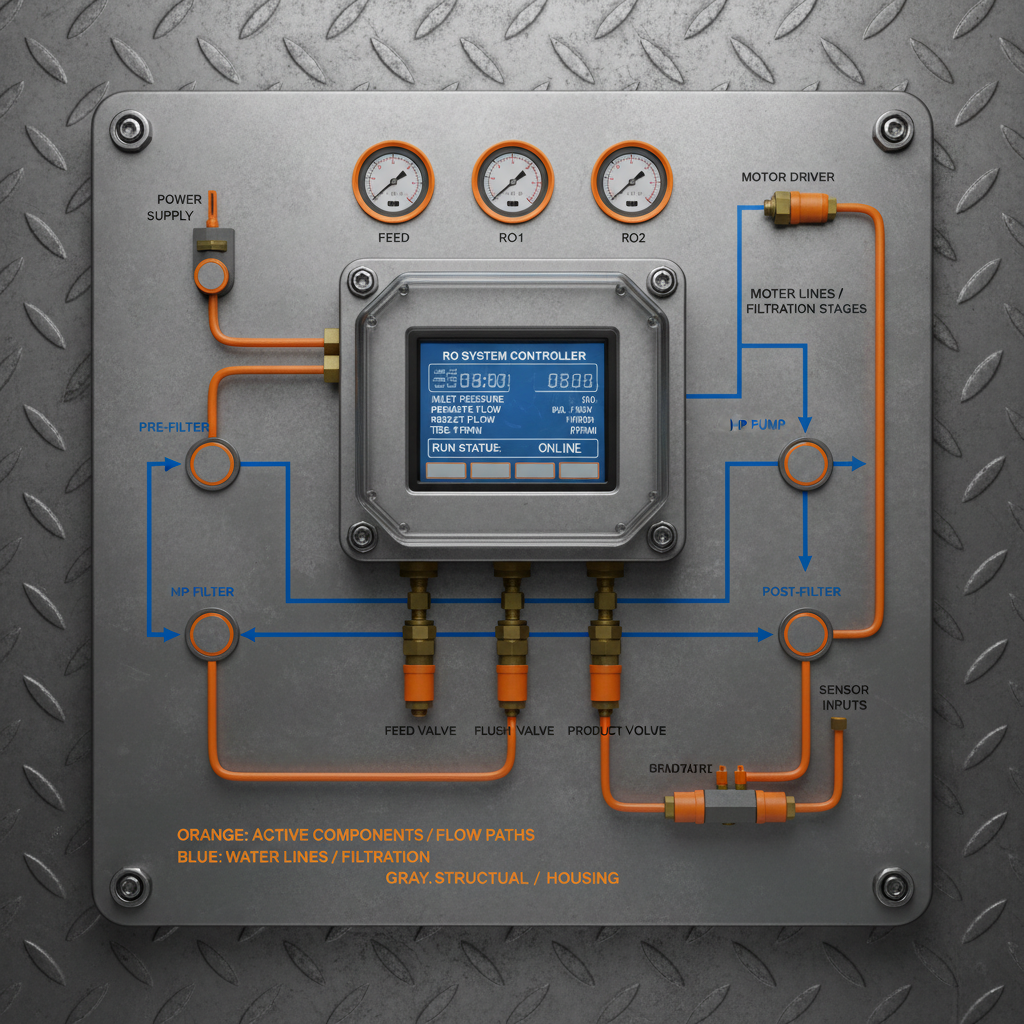
Understanding and Optimizing Reverse Osmosis Systems with a ControllerIn the world of water purification, reverse osmosis (RO) systems are a cornerstone for producing high-quality water for various applications, from drinking water to industrial processes. However, an RO system is only as effective as its control system. This is where the reverse osmosis controller comes into play. This critical component manages and optimizes the RO process, ensuring efficient operation, water quality, and system longevity.
2026-04-04 03:27:19
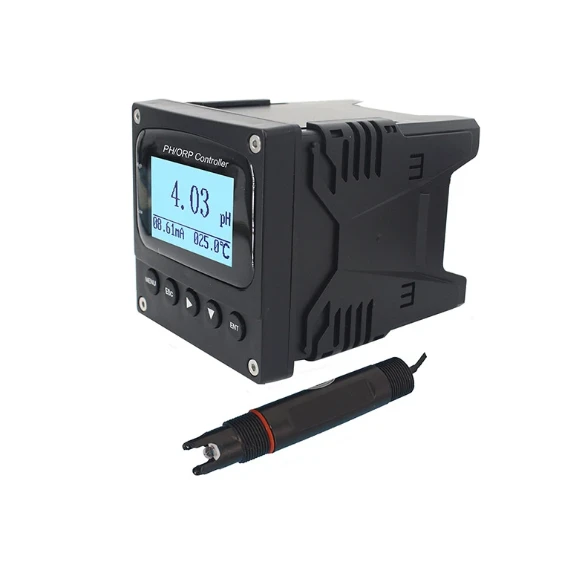
Understanding the Vital Role of an RO System Controller for Optimal PerformanceReverse Osmosis (RO) systems are critical for purifying water across various industries, from residential applications to large-scale industrial processes. At the heart of a well-functioning RO system lies the RO system controller. This intelligent device monitors and regulates all key parameters of the RO process, ensuring optimal performance, efficiency, and water quality. This article delves into the functionalities, benefits, and selection criteria for choosing the right RO system controller, particularly focusing on those offered by Watequipments. Understanding its role is crucial for maximizing the lifespan and effectiveness of your RO investment.
2026-03-24 17:18:24
Smart Water Treatment Solutions Using PH ORP Controller SystemsIn modern water treatment and industrial fluid management, maintaining precise chemical balance is essential for safety, efficiency, and regulatory compliance.
2026-03-04 02:55:19
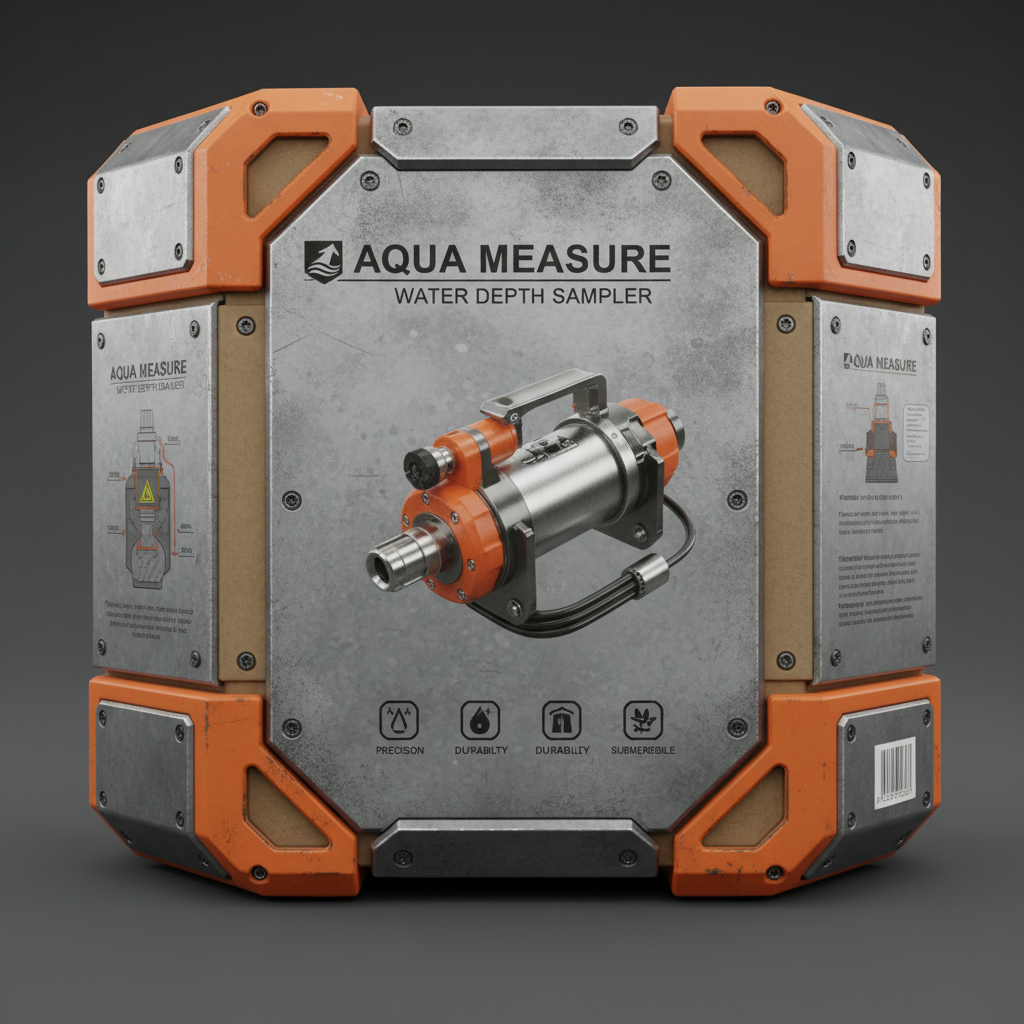
Comprehensive Guide to Water Depth Samplers and Their ApplicationsAccurate water quality monitoring is crucial in various fields, from environmental science and aquaculture to industrial wastewater management. A key tool for this is the water depth sampler. This article provides an in-depth look at water depth samplers, their applications, types, and essential considerations for choosing the right one for your needs. We'll explore the benefits of utilizing this equipment to collect reliable data for analysis and informed decision-making. Selecting the right sampler can significantly improve the precision and efficiency of your water monitoring program. A water depth sampler, also known as a depth-integrated sampler, is a device designed to collect water samples from specific depths within a body of water. Unlike simply dipping a container into the water, a depth sampler allows for collection of a representative sample across a defined depth range. This is critical because water properties (temperature, salinity, pollutants) often vary significantly with depth. The data gathered with a water depth sampler provides a more accurate assessment of water quality than surface samples alone.
2026-03-03 18:55:22
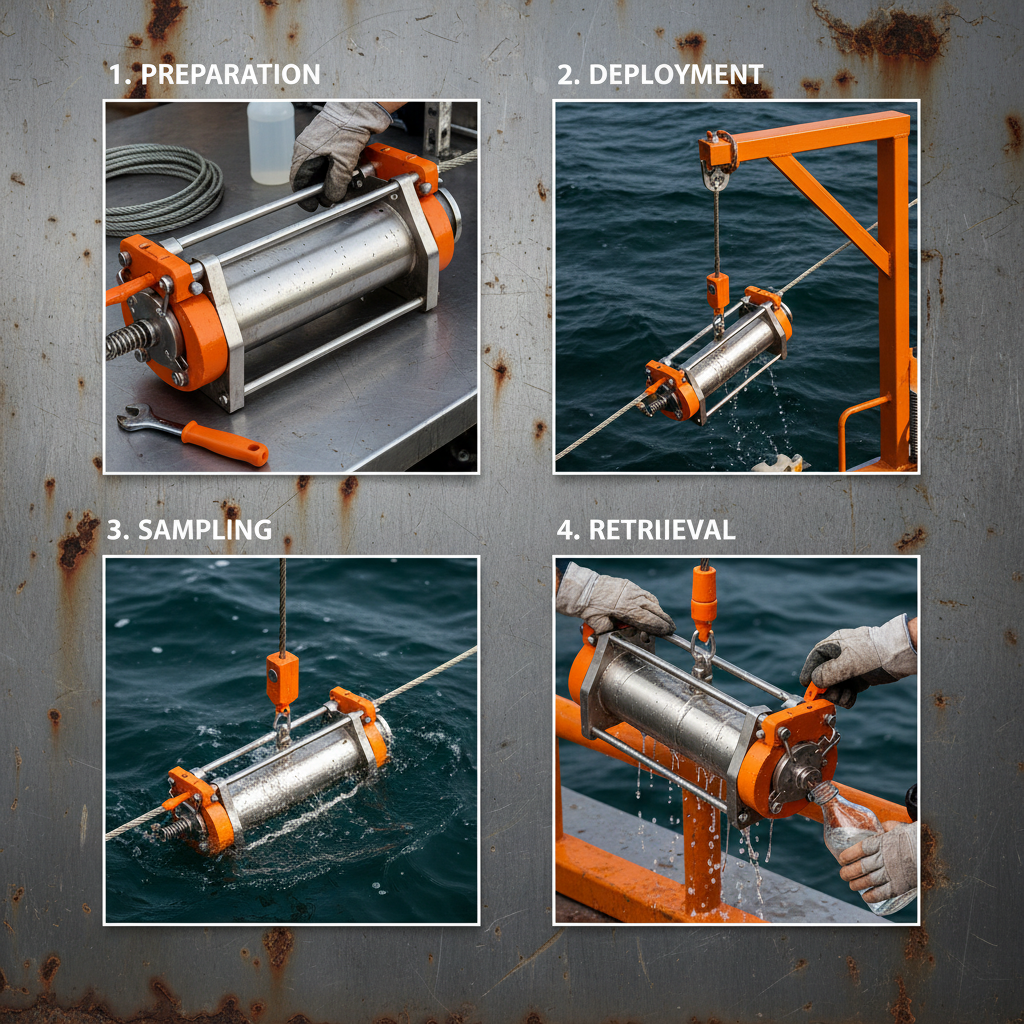
Comprehensive Guide to Horizontal Water Sampler Applications and SelectionCollecting water samples at varying depths is crucial for environmental monitoring, research, and quality control. The horizontal water sampler from Watequipment.com offers a precise and efficient solution for this task. This article provides an in-depth look at horizontal water samplers, their applications, benefits, and key considerations when choosing the right model. We will explore how these samplers contribute to accurate data collection and informed decision-making in various fields. A horizontal water sampler is a device designed to collect water samples from specific depths within a body of water – rivers, lakes, oceans, reservoirs, and even wastewater treatment plants. Unlike vertical samplers which primarily focus on depth, horizontal samplers prioritize collecting samples at a consistent depth while moving along a horizontal plane. This is essential for assessing water quality variations across a waterway or within a specific zone. They are used in applications ranging from environmental monitoring and scientific research to industrial process control and regulatory compliance.
2026-02-28 02:35:09
Comprehensive Guide to Selecting the Right Surface Water Sampler for Your NeedsMonitoring the quality of surface water is critical for environmental protection, public health, and various industrial applications. A surface water sampler is an essential tool for collecting representative samples from rivers, lakes, ponds, and other surface water sources. This article provides a detailed overview of surface water samplers, their types, applications, and key considerations for selecting the right equipment. Accurate water quality data relies on proper sample collection, and choosing the correct sampler is the first step toward achieving reliable results. Surface water samplers come in various designs, each suited to specific sampling needs. Common types include grab samplers, depth-integrating samplers, peristaltic pumps, and automatic samplers. Surface water samplers are used across a broad spectrum of applications, including environmental monitoring, wastewater discharge monitoring, drinking water source monitoring, agricultural runoff analysis, and research studies.

 English