


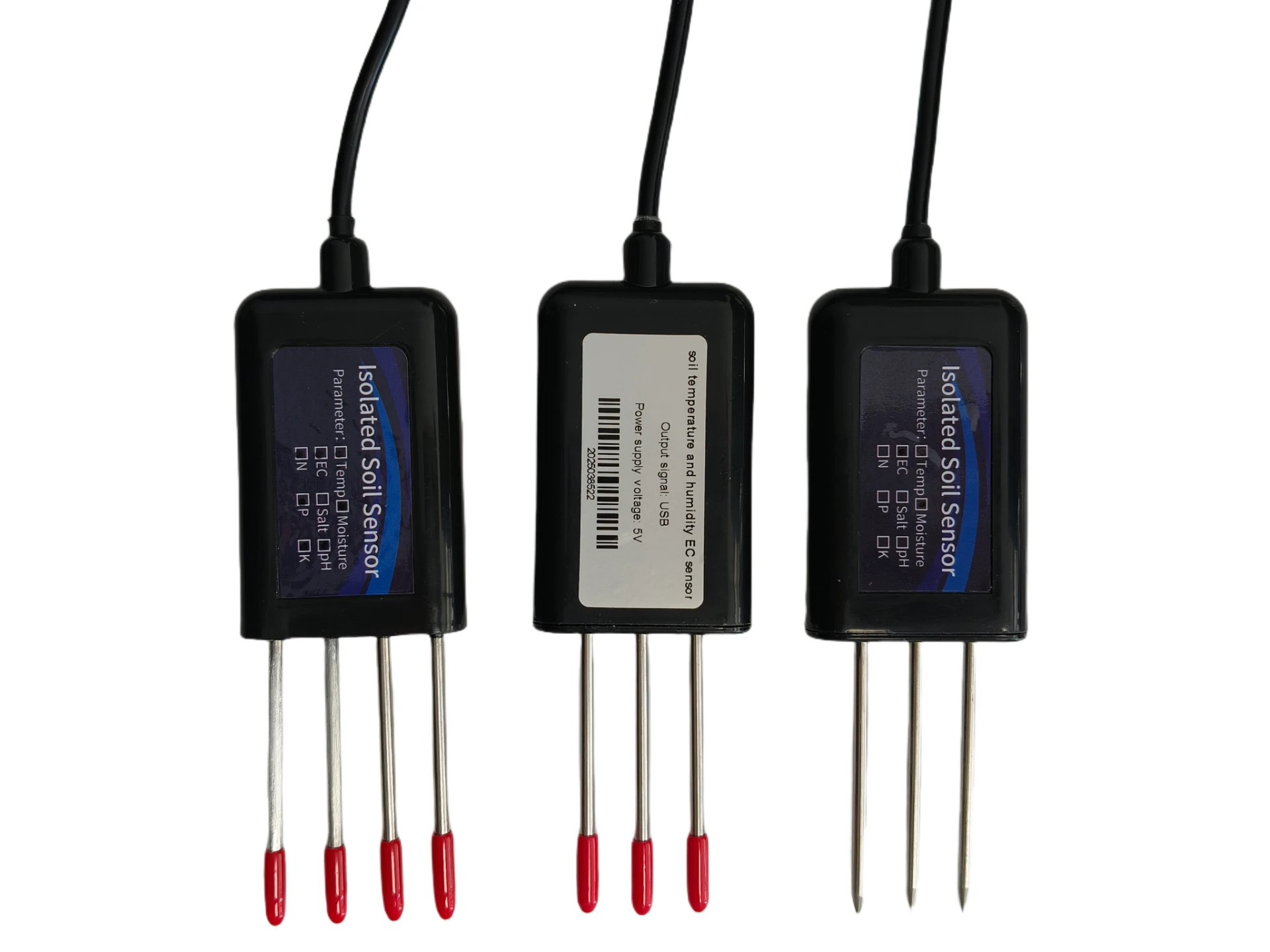
Soil Tester with LCD Screen | Instant Soil Analysis & Readout

Soil Tester with LCD Screen | Instant Soil Analysis & Readout
Aug . 01, 2025
The global soil testing equipment market has seen a robust CAGR of 6.1% since 2020, fuelled by escalating demand for precision agriculture, environmental studies, and rapid industrialization. At the technological frontier stands the Soil Tester-LCD Screen, combining digital accuracy, user-centric display features, and rugged construction. Emerging needs in petrochemical plants, metallurgy, water treatment, and smart farming intensify the call for devices that deliver fast, reliable soil metrics with a low learning curve and high resilience.
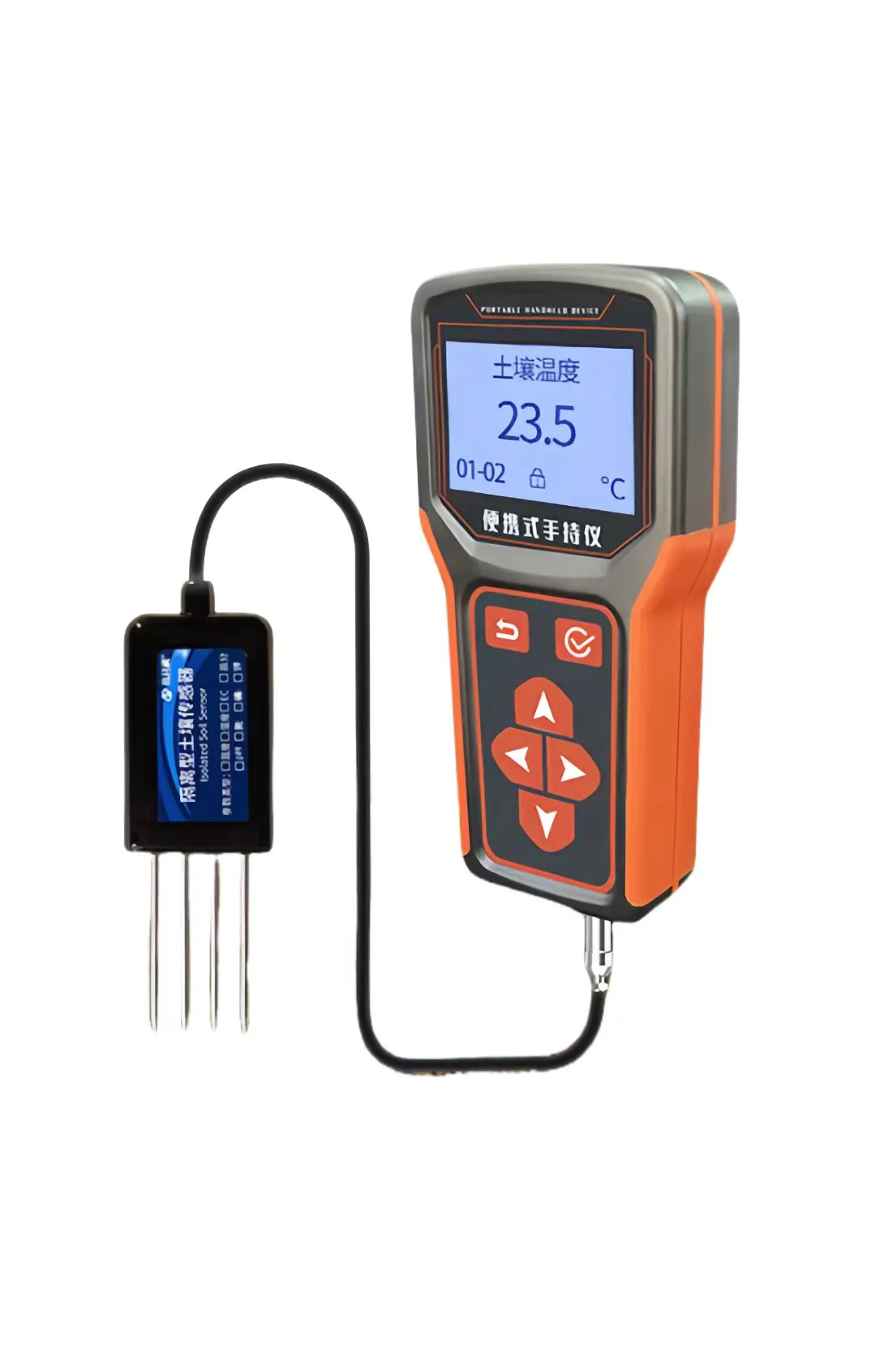
- Digital transformation in equipment: Over 74% of field labs now opt for LCD display testers over analog meters (Markets&Markets Report 2023).
- Eco-regulatory compliance: 68+ countries mandate precise on-site soil monitoring in new constructions and remediation projects.
- Growing need for rapid test cycles to optimize crop yields, lessen resource waste, and monitor pollutants.
| Parameter | Soil Tester-LCD Screen | Analog Soil Tester | Advanced Digital Tester |
|---|---|---|---|
| Display | 3.5" LCD, backlit, 256x128 px | Analog needle, no illumination | OLED, 2.4" |
| Testing Range | pH 3–10, EC 0-20 mS/cm, Temp -10~70°C, Moisture 0-100% | pH 4–8, Moisture 10-90% | pH 2–12, EC 0-30 mS/cm, Moisture 0-100% |
| Response Time | ≤ 8 seconds | 40-120 seconds | ≤ 5 seconds |
| Accuracy | ±0.05 pH, ±0.2% Moisture, ±1.0°C | ±0.2 pH, ±3% Moisture | ±0.01 pH, ±0.1% Moisture |
| Material | 316L Stainless Steel, Industrial-grade PC | Steel, ABS Plastic | 304 SS, ABS+TPE |
| Sensor Lifespan | ≥ 5 years | 1–2 years | 3–8 years |
| Certifications | ISO 9001:2015, CE, RoHS | None/CE (partial) | ISO 14001, CE, FCC |
| IP Rating | IP65 water/dustproof | IP32 | IP67 |
| Calibration | One-touch auto, 3-point memory | Manual, single-point | App-based auto, multi-point |
| Data Output | Micro-USB & Wireless Bluetooth | None | USB, Wi-Fi |
- Raw Material QC: Selection of 316L stainless steel and high-transparency industrial-grade polycarbonate (PC). Materials pass ISO 9001:2015 compliance and are XRF-analyzed for impurities.
- CNC Machining & Casting: Highly automated processes ensure exact sensor geometry (±8 μm). Cast housings enhance shock resistance.
- Sensor Assembly: Multi-point platinum probes, moisture electrodes, and temperature chips mounted with robotic high-precision arms.
- LCD Integration: Dust-free assembly lines attach custom LCD modules (256x128 pixels, backlight 400 nits).
- Quality Inspection: Each production batch examined for signal drift, waterproofing (IP65 test), and screen fidelity per ANSI/ASTM D2974.
- Calibration (ISO/CE): Automated calibration in certified labs (ISO 17025); all units include certificate of traceable metrology.
- Packaging & Shipping: Anti-static and shockproof wrapping; barcoding for supply chain transparency and after-sales service.
- Supported Standards: ISO 9001:2015, CE, RoHS, ANSI/ASTM
- Typical Sensor Lifespan: 5+ years continuous use
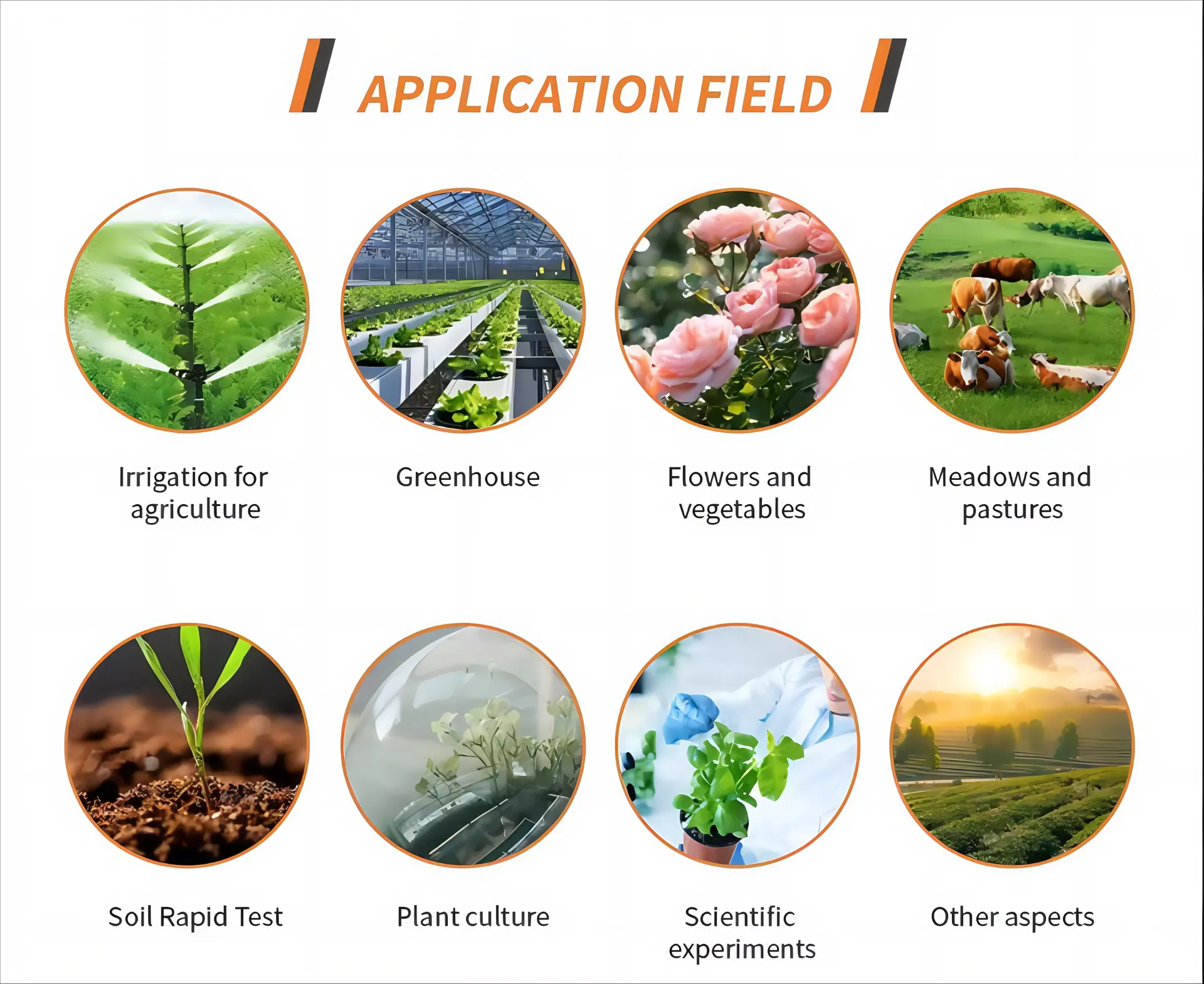
- Applicable Sectors: Petrochemicals, metallurgy, environmental consulting, water supply, agriculture, construction
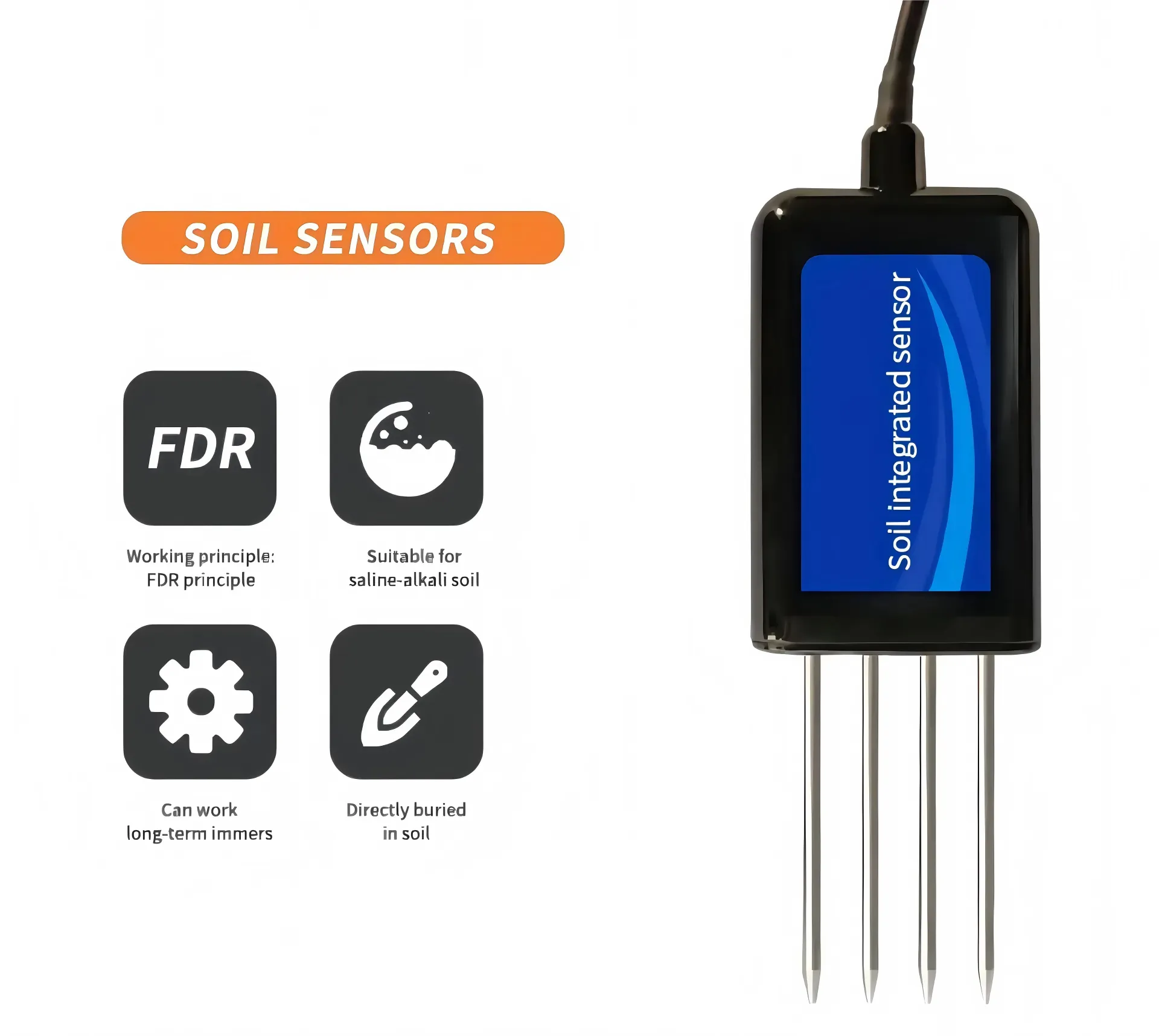
- Advantages in Application: Energy efficient, anti-corrosion sensor casing (for saline and acidic soils), real-time LCD for actionable data, maintenance-free operation in harsh outdoor sites
| Brand | Key Models | Certifications | Warranty | Customized Services | Delivery Times |
|---|---|---|---|---|---|
| Watequipment | Soil Tester-LCD Screen, WT-PHX, HydroPro+ | ISO 9001:2015, CE, RoHS | 24 months | Yes (probe size, logo, screen UI) | 15–21 days |
| Hanna Instruments | HI993310, GroLine Meter | ISO 13485, CE, FCC | 12 months | Limited | 14–30 days |
| Extech / FLIR | MO290, SDL550 | CE, UL | 12 months | Form factor only | 17–35 days |
| Spectrum Technologies | FieldScout SC900, WatchDog | CE | 18 months | Reporting app, firmware | 20–35 days |
Watequipment stands out in the Soil Tester-LCD Screen segment for its deeper customization, dual international QC standards, and swift supply chain efficiency.
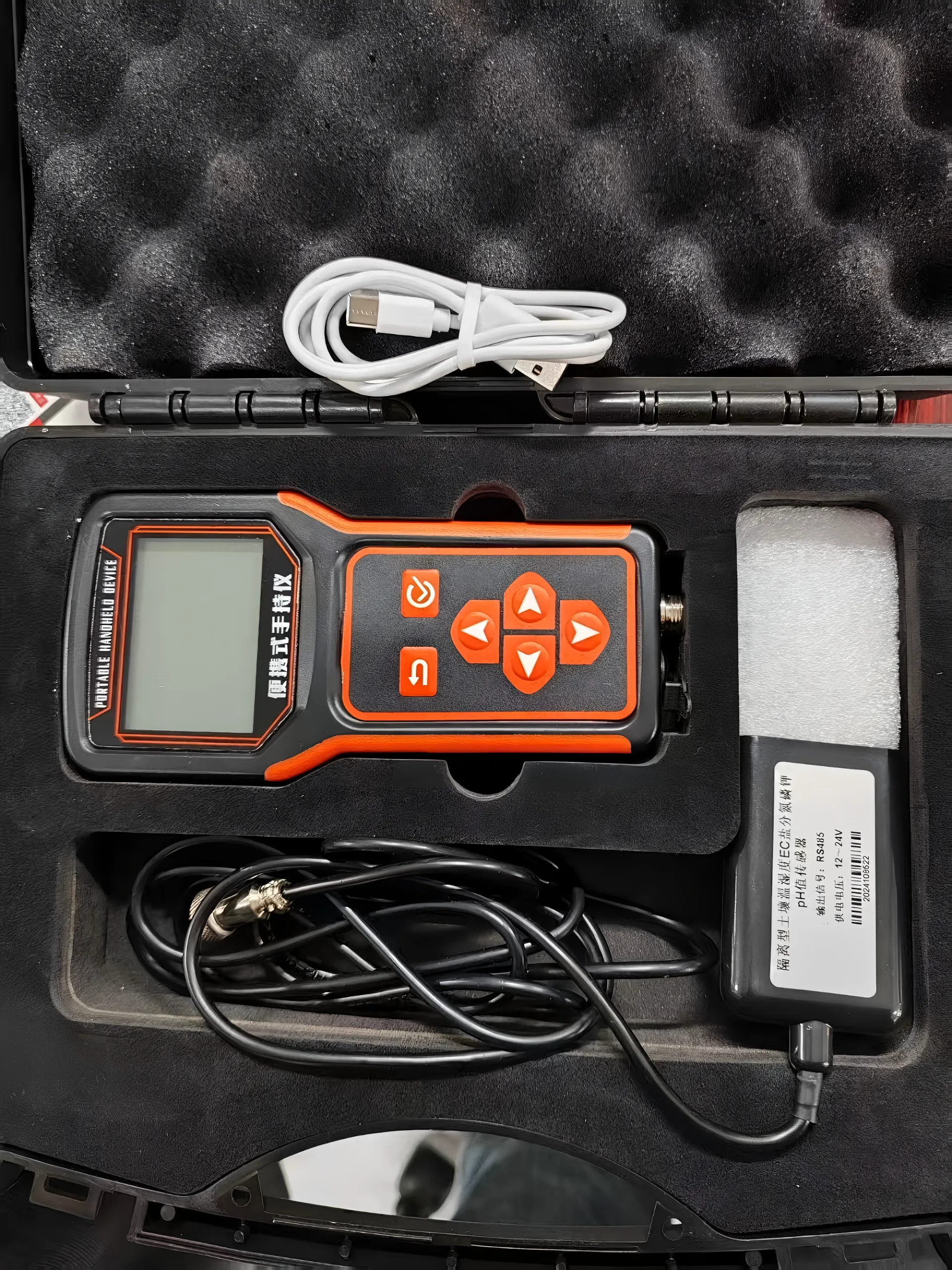
- Screen interface can be branded & multi-lingual (English, Spanish, Chinese, German).
- Sensor probe length customization: 80 mm (pot test), 200 mm (field/industrial), anti-corrosion electrodes for acid soils.
- Wireless Data Module Options: Bluetooth 5.0, LoRaWAN (for remote data logging in smart farms).
- Output Format: JSON, Excel, cloud API integration for environmental dashboards.
- OEM logo engraving, private-label packaging, unique ID embedded traces for project tracking.
Background: Oilfield faced recurring issues of soil salinization and pH imbalance around 42 well sites.
Solution: Deployed 68 units of Soil Tester-LCD Screen for real-time mapping.
Outcome: • Soil acidity variability cut by 34% in 8 months, water influx risk reliably predicted, oil output downtime dropped by 17%. User feedback highlights: "LCD screen made multi-location tracking almost effortless under direct sunlight."
Key Data: Average lifespan per unit: 11.6 months, requiring zero sensor recalibration in >95% of deployments.
Similar applications found in:
- Large-scale greenhouse (NL 2023): Optimizing tomato yields by 22%
- Metallurgy waste dump reclamation (TX, USA): Enabling EPA compliance and groundwater safety
- Smart municipal landscaping (Singapore 2024): City-wide moisture and pH real-time monitoring
-
Q: What is the material composition of the Soil Tester-LCD Screen probe?
A: The sensor probe is fabricated from 316L stainless steel alloy, renowned for its corrosion resistance and mechanical durability. The housing incorporates industrial-grade polycarbonate (PC) for impact resistance and operational clarity. -
Q: Which calibration standard does the Soil Tester comply with?
A: Each unit is calibrated per ISO 17025 lab protocols, and traceability certificates are included. Calibration supports 3-point (pH 4.00/7.00/10.00) and one-touch auto-memory for EC and moisture. -
Q: What installation standards are recommended?
A: For industrial or laboratory use, follow ASTM D2974 or EN 15934 protocols. Probes should be inserted vertically to at least 3/4th length for accurate readings, ensuring full soil contact. -
Q: How is data exported?
A: Data can be transferred via micro-USB cable in Excel/CSV format, or wirelessly exported using Bluetooth to compatible devices or cloud platforms through supplied API. -
Q: Is the Soil Tester-LCD Screen suitable for corrosive or saline environments?
A: Yes, the device's 316L SS probe and sealed PCB assembly are rated for saline/acidic soil and harsh chemical conditions (passed 240-hour salt spray test, ASTM B117). -
Q: What is the recommended service interval and warranty?
A: Manufacturers recommend an annual maintenance check. The standard warranty is 24 months with optional 36-month extended support. -
Q: Can firmware or screen UI be customized for special projects?
A: Yes, both firmware and LCD interface can be customized (logo, screen language, sampling parameters, reporting units) for orders above 50 units.
Quality Guarantee: 100% factory-tested. Unsatisfactory units replaced or refunded if notified within 12 weeks.
Customer Support: 24/7 technical assistance; comprehensive online manuals and troubleshooting videos (QR codes supplied).
Expert insight: "LCD-empowered, precision soil testers now underpin data-driven decisions in agriculture, remediation, and industrial assessments." —Agriculture.com: The Rise of Digital Soil Testing
- Soil Science Society of America Journal: Recent peer-reviewed case studies on electronic soil testing best practices.
- ResearchGate: Evaluating Industrial Soil Tester Performance
- MarketsandMarkets: Soil Testing Equipment Market Report 2023
- ENG-TIPS: Soil Measurement & Instrumentation Forum

Related Products
Related News
2026-04-16 03:20:19
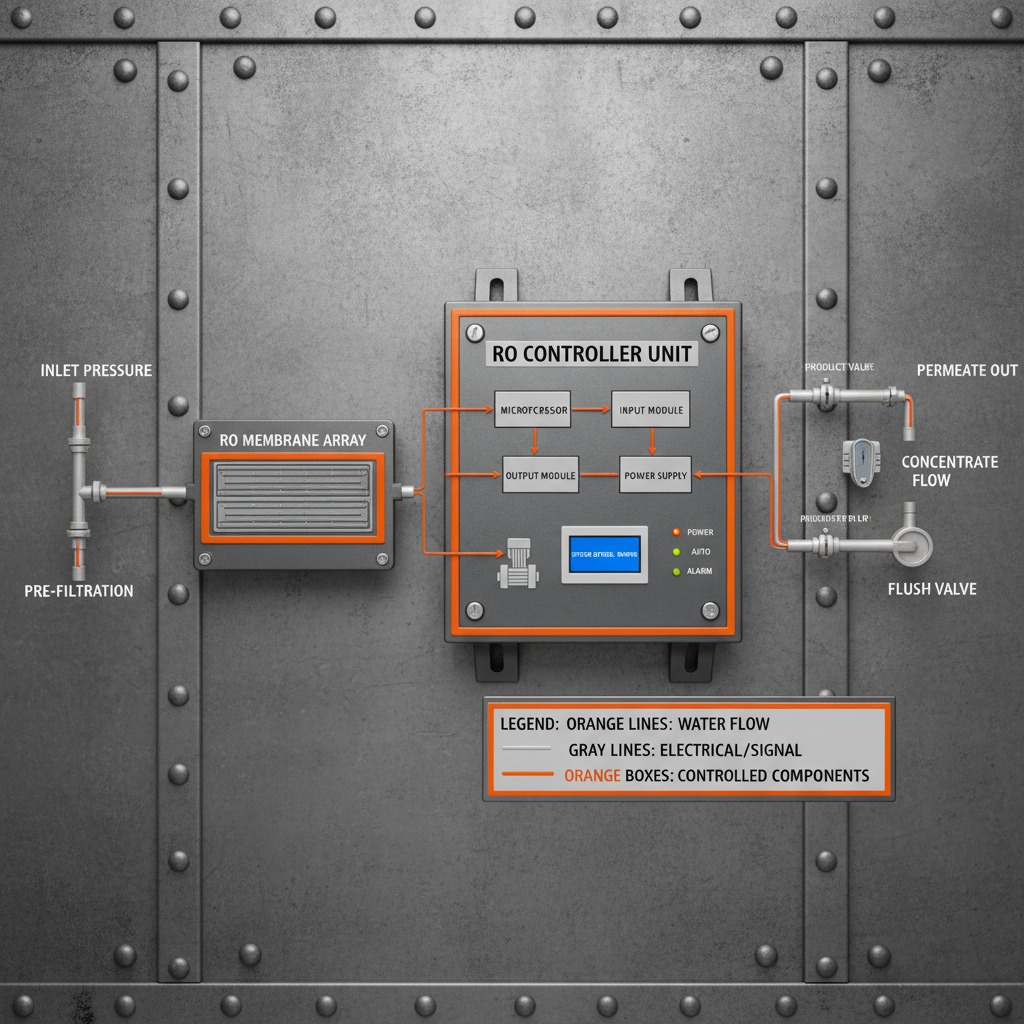
Guide to Choosing the Right RO Controller for Water PurificationMaintaining a high-performance reverse osmosis system requires more than just quality membranes; it demands precise regulation. An ro controller serves as the brain of the entire operation, monitoring critical parameters such as conductivity, temperature, and flow rates to ensure the output water meets stringent purity standards. Without an efficient controller, systems are prone to membrane fouling, inefficient energy use, and inconsistent water quality. In this comprehensive guide, we will explore how these devices optimize water treatment processes and how to select the best model for your specific industrial or commercial needs.
2026-04-09 03:25:47
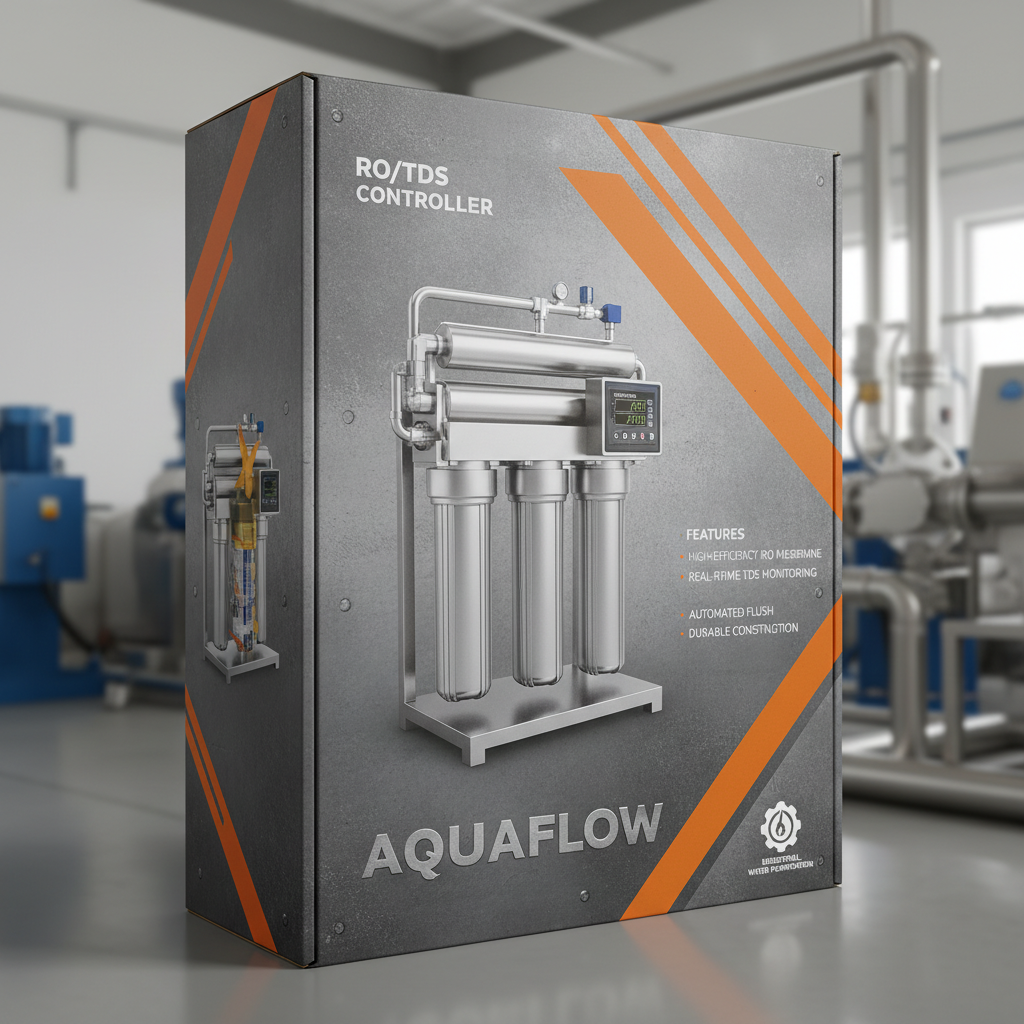
Guide to Water Purity Using RO with TDS Controller SystemsAchieving the perfect balance of mineral content and purity in drinking water is a challenge for many households and industrial facilities. A ro with tds controller offers a sophisticated solution by combining the rigorous filtration of Reverse Osmosis (RO) with the precision of a Total Dissolved Solids (TDS) adjustment system. While standard RO systems remove almost everything, including beneficial minerals, a TDS controller allows users to re-mineralize the water to a desired level. This ensures that the water is not only safe and pure but also tastes better and provides essential nutrients.
2026-04-07 03:17:09
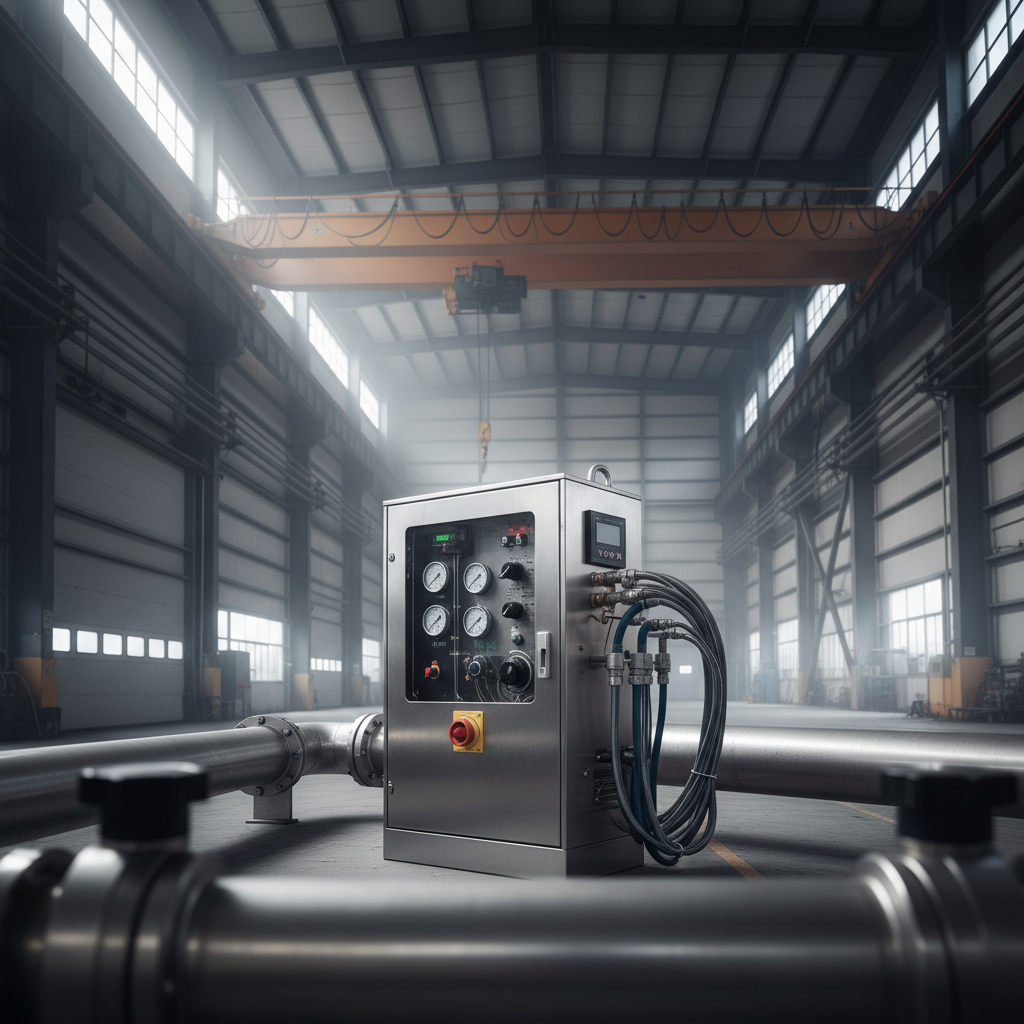
Understanding and Optimizing Reverse Osmosis Systems with a ControllerIn the world of water purification, reverse osmosis (RO) systems are a cornerstone for producing high-quality water for various applications, from drinking water to industrial processes. However, an RO system is only as effective as its control system. This is where the reverse osmosis controller comes into play. This critical component manages and optimizes the RO process, ensuring efficient operation, water quality, and system longevity.
2026-04-04 03:27:19
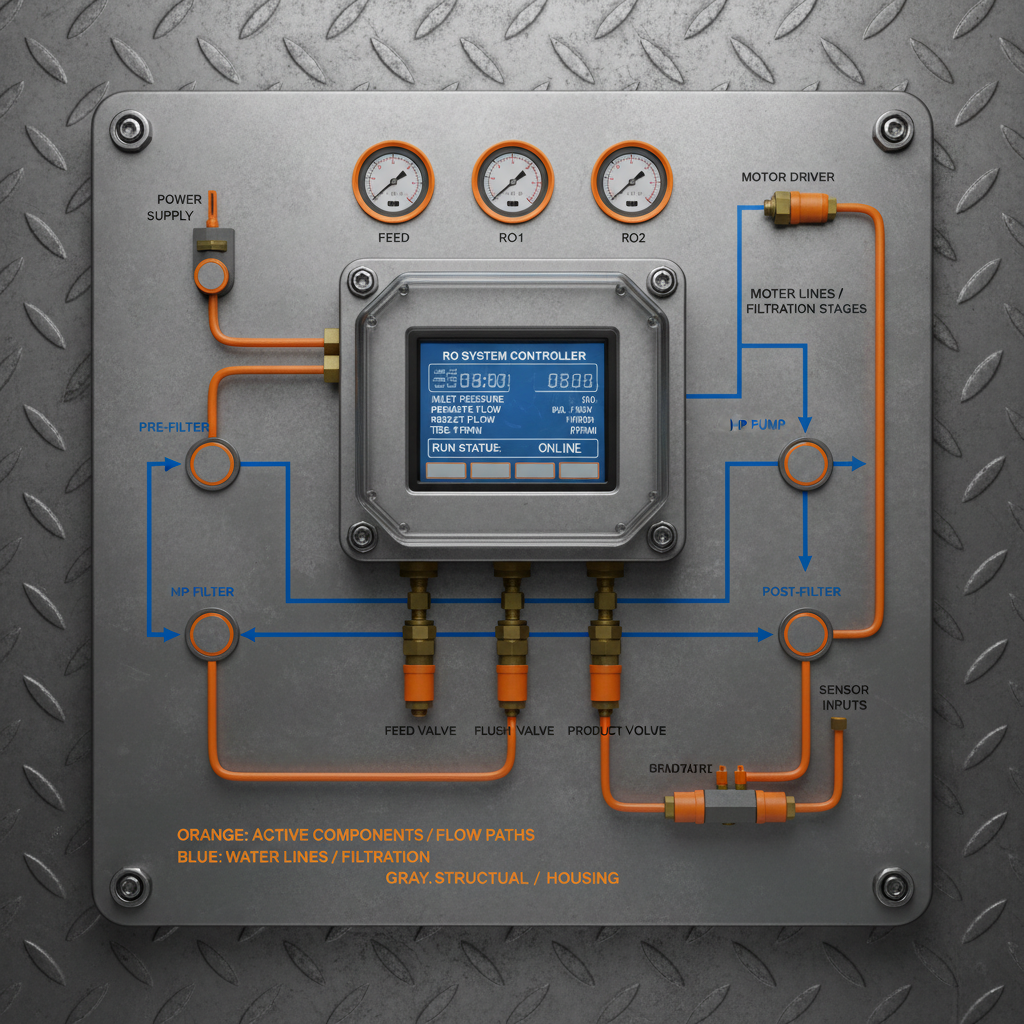
Understanding the Vital Role of an RO System Controller for Optimal PerformanceReverse Osmosis (RO) systems are critical for purifying water across various industries, from residential applications to large-scale industrial processes. At the heart of a well-functioning RO system lies the RO system controller. This intelligent device monitors and regulates all key parameters of the RO process, ensuring optimal performance, efficiency, and water quality. This article delves into the functionalities, benefits, and selection criteria for choosing the right RO system controller, particularly focusing on those offered by Watequipments. Understanding its role is crucial for maximizing the lifespan and effectiveness of your RO investment.
2026-03-24 17:18:24
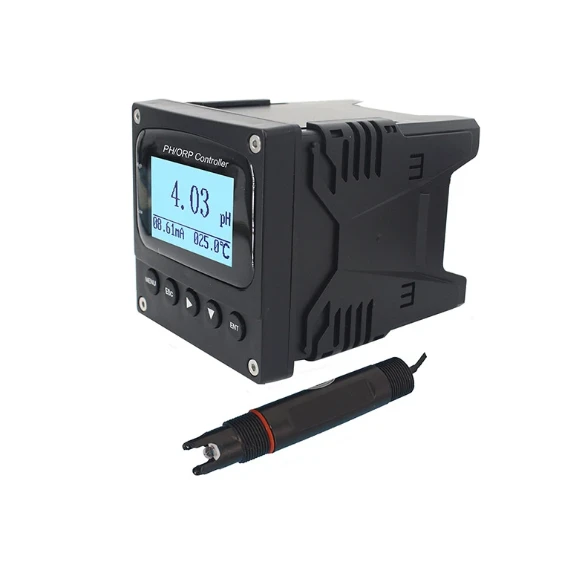
Smart Water Treatment Solutions Using PH ORP Controller SystemsIn modern water treatment and industrial fluid management, maintaining precise chemical balance is essential for safety, efficiency, and regulatory compliance.
2026-03-04 02:55:19
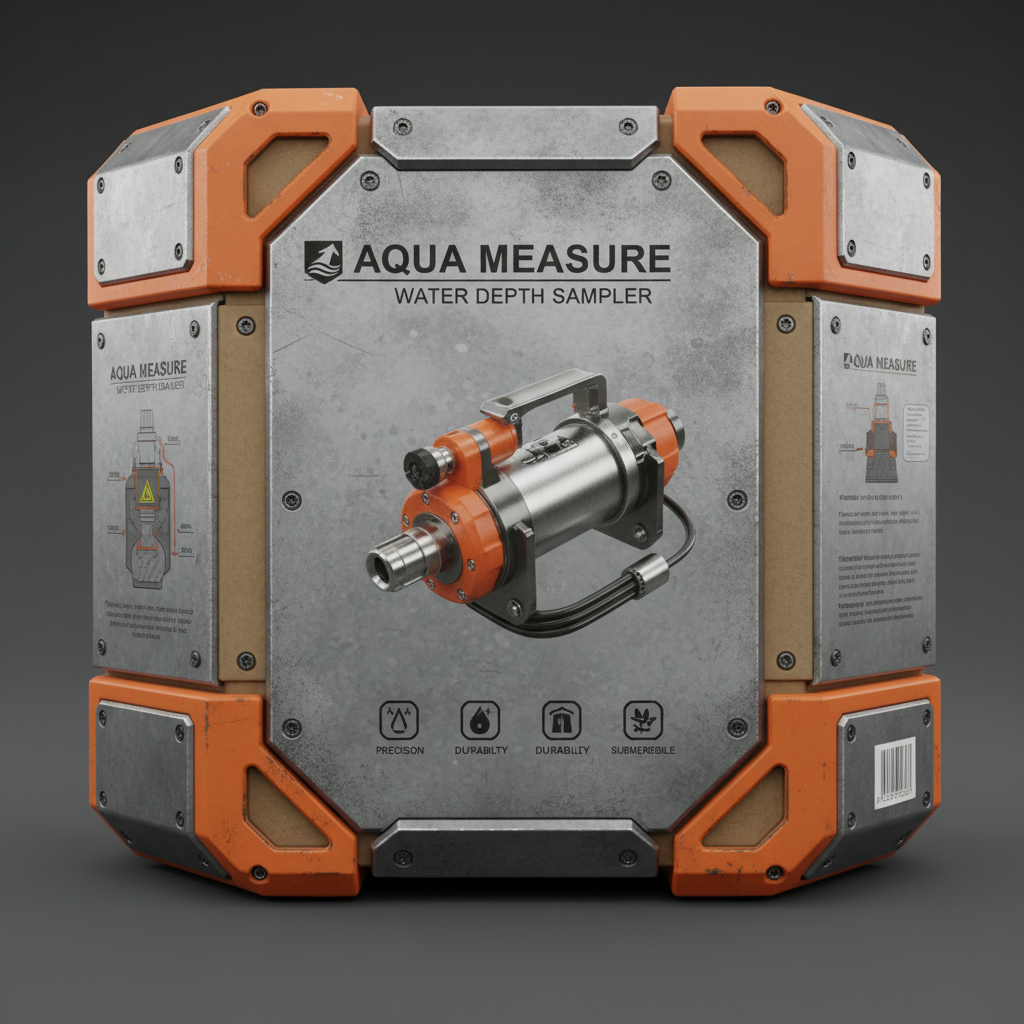
Comprehensive Guide to Water Depth Samplers and Their ApplicationsAccurate water quality monitoring is crucial in various fields, from environmental science and aquaculture to industrial wastewater management. A key tool for this is the water depth sampler. This article provides an in-depth look at water depth samplers, their applications, types, and essential considerations for choosing the right one for your needs. We'll explore the benefits of utilizing this equipment to collect reliable data for analysis and informed decision-making. Selecting the right sampler can significantly improve the precision and efficiency of your water monitoring program. A water depth sampler, also known as a depth-integrated sampler, is a device designed to collect water samples from specific depths within a body of water. Unlike simply dipping a container into the water, a depth sampler allows for collection of a representative sample across a defined depth range. This is critical because water properties (temperature, salinity, pollutants) often vary significantly with depth. The data gathered with a water depth sampler provides a more accurate assessment of water quality than surface samples alone.
2026-03-03 18:55:22
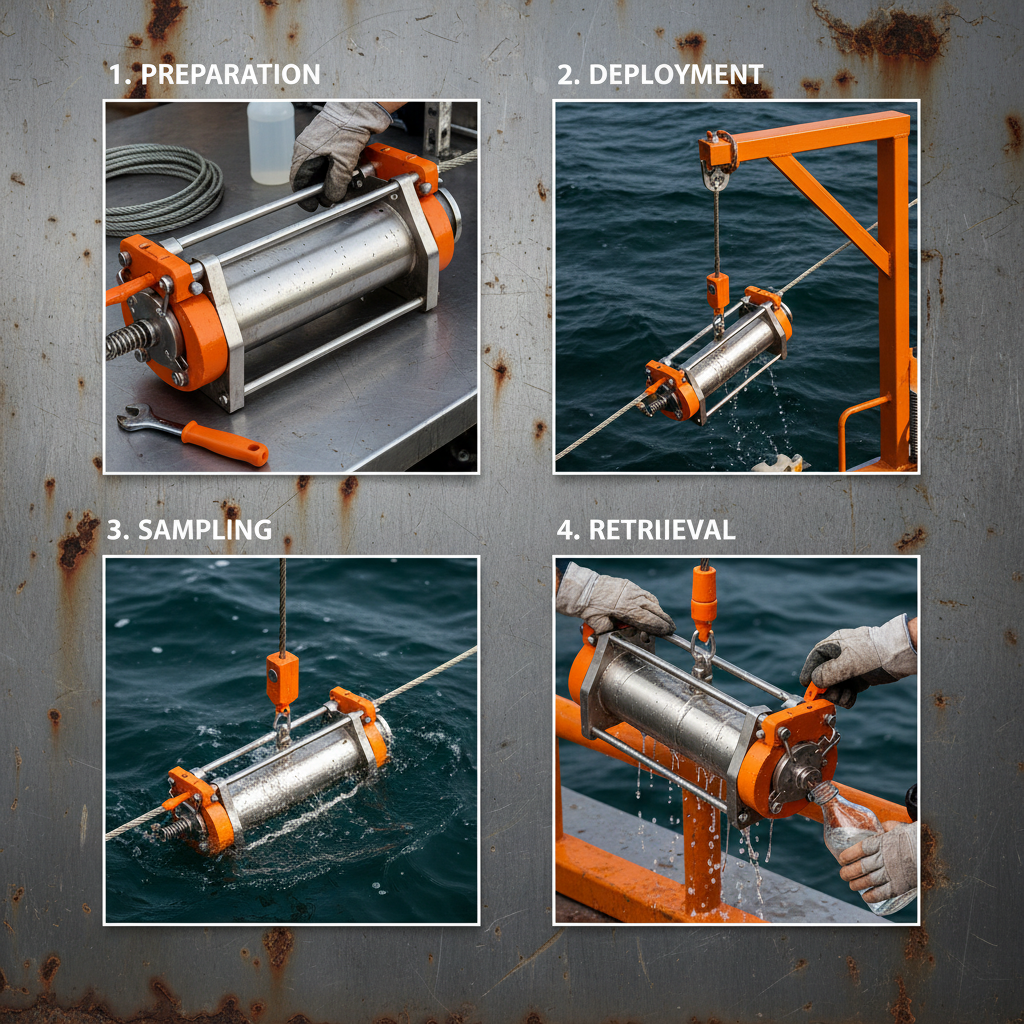
Comprehensive Guide to Horizontal Water Sampler Applications and SelectionCollecting water samples at varying depths is crucial for environmental monitoring, research, and quality control. The horizontal water sampler from Watequipment.com offers a precise and efficient solution for this task. This article provides an in-depth look at horizontal water samplers, their applications, benefits, and key considerations when choosing the right model. We will explore how these samplers contribute to accurate data collection and informed decision-making in various fields. A horizontal water sampler is a device designed to collect water samples from specific depths within a body of water – rivers, lakes, oceans, reservoirs, and even wastewater treatment plants. Unlike vertical samplers which primarily focus on depth, horizontal samplers prioritize collecting samples at a consistent depth while moving along a horizontal plane. This is essential for assessing water quality variations across a waterway or within a specific zone. They are used in applications ranging from environmental monitoring and scientific research to industrial process control and regulatory compliance.
2026-02-28 02:35:09
Comprehensive Guide to Selecting the Right Surface Water Sampler for Your NeedsMonitoring the quality of surface water is critical for environmental protection, public health, and various industrial applications. A surface water sampler is an essential tool for collecting representative samples from rivers, lakes, ponds, and other surface water sources. This article provides a detailed overview of surface water samplers, their types, applications, and key considerations for selecting the right equipment. Accurate water quality data relies on proper sample collection, and choosing the correct sampler is the first step toward achieving reliable results. Surface water samplers come in various designs, each suited to specific sampling needs. Common types include grab samplers, depth-integrating samplers, peristaltic pumps, and automatic samplers. Surface water samplers are used across a broad spectrum of applications, including environmental monitoring, wastewater discharge monitoring, drinking water source monitoring, agricultural runoff analysis, and research studies.

 English