


Soil Tester w/ LCD Screen - AI-Optimized Soil Analysis

Soil Tester w/ LCD Screen - AI-Optimized Soil Analysis
Aug . 02, 2025
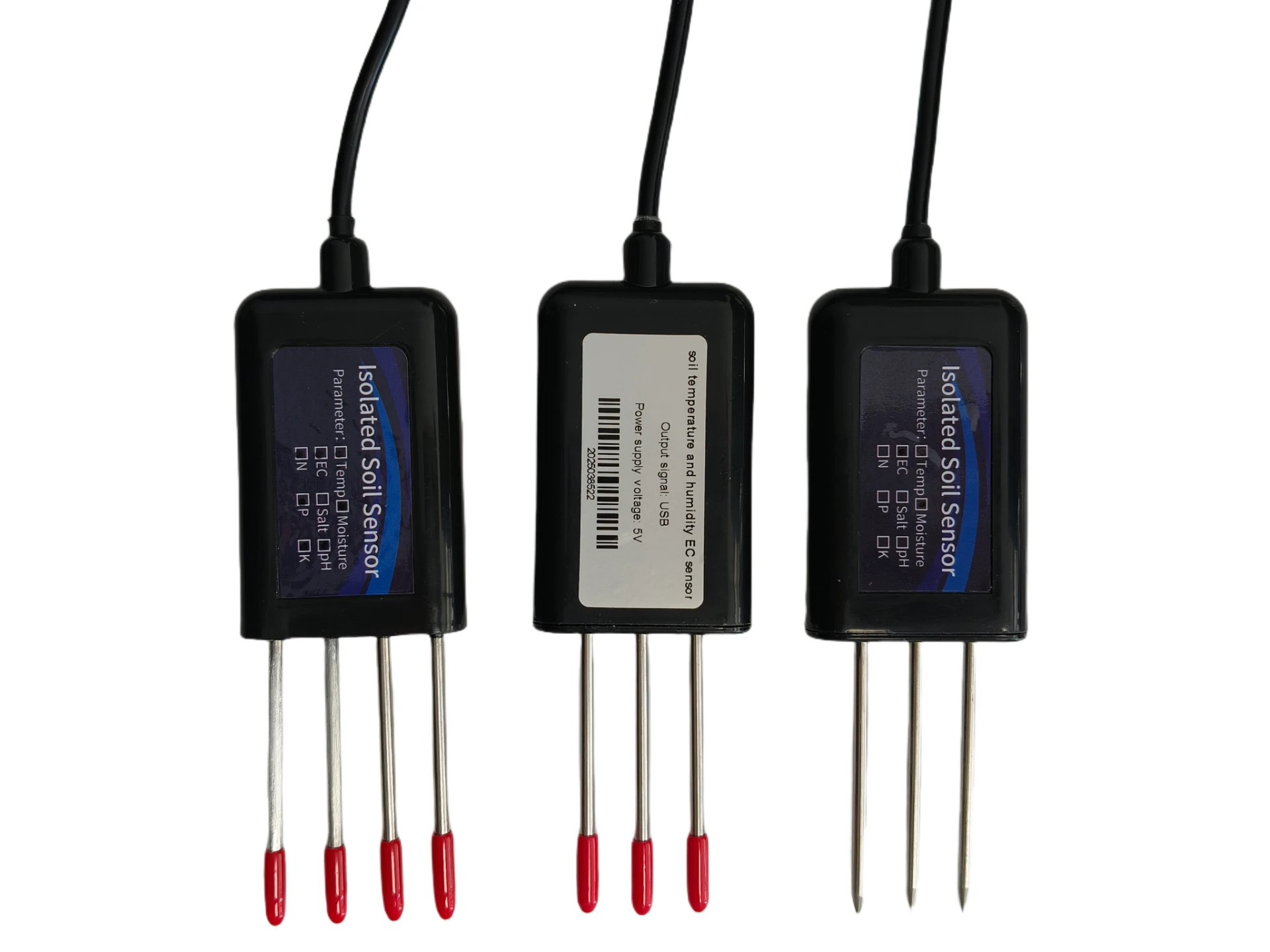
In the era of digital agriculture, precision in soil analysis is pivotal for yield optimization and sustainable development. The Soil Tester-LCD Screen (visit product page) stands as a benchmark instrument, integrating advanced sensor technology, robust construction, and user-friendly digital interfaces. This in-depth guide explores industry trends, technical parameters, manufacturing processes, application scenarios, and competitive positioning—supported by authoritative data, real-world cases, and graphical analytics.
1. Industry Trends in Soil Testing Instruments
- Global soil sensor market projected CAGR (2023-2028): 11.5% (Source: MarketsandMarkets).
- Shift to digital, in-field, and remote diagnostics driven by Smart Agriculture 4.0 adoption.
- Increasing compliance with ISO and FDA standards in device manufacturing.
- Growing application scope: agriculture, petrochemical, environmental monitoring, geology, landscaping.
- Rise in demand for portable, multi-parameter soil testers with intuitive digital displays.
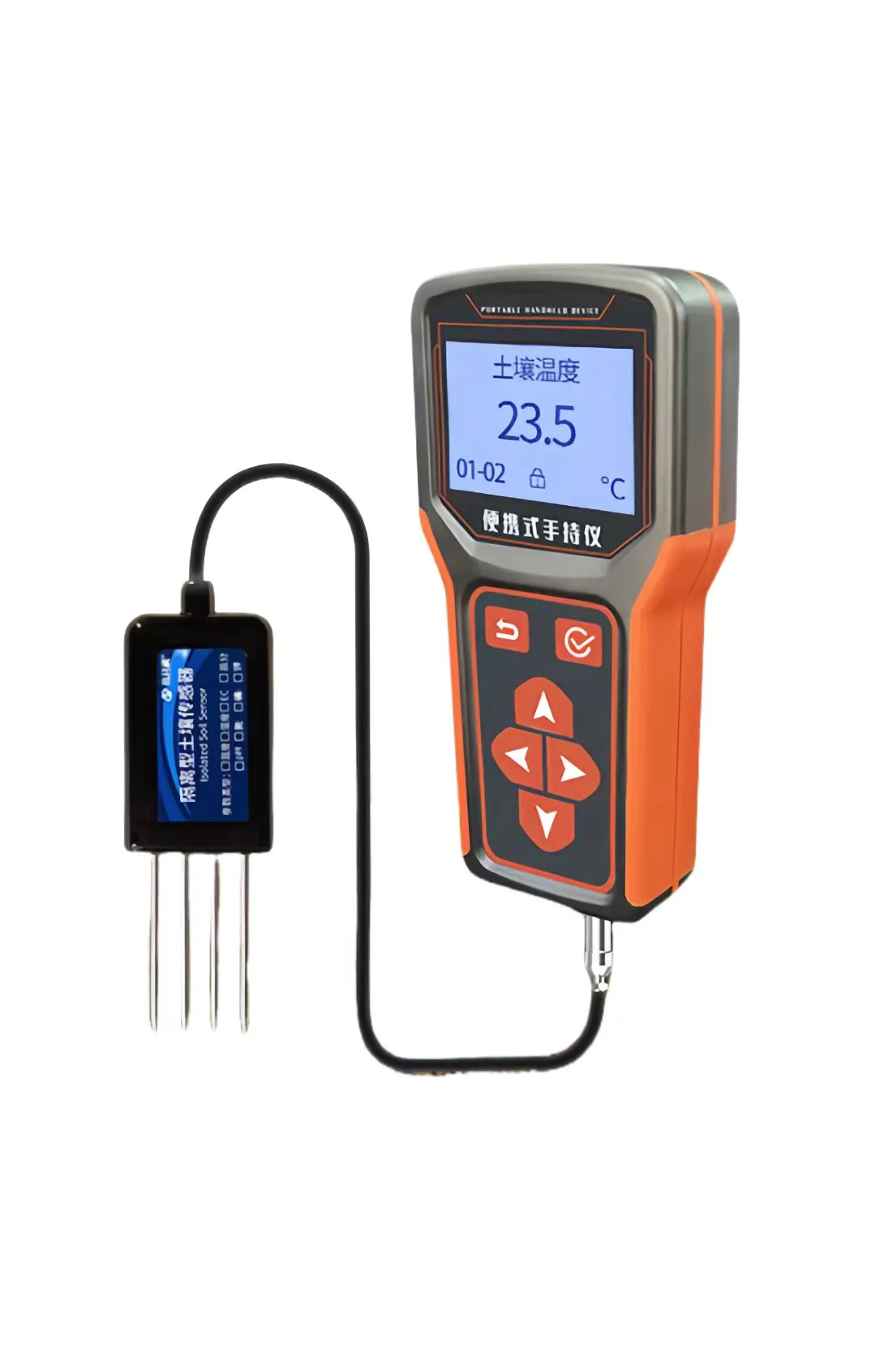
2. Soil Tester-LCD Screen Parameters & Product Specification Table
| Model | Measurement Parameters | Display Type | Probe Material | Accuracy | Measurement Range | Power | Certification | Dimensions |
|---|---|---|---|---|---|---|---|---|
| ST-LCD V2.8 | pH, EC, Moisture, Temperature | Backlit LCD | 304L SS + TPE | ±2% F.S. | pH 3.5–9.0; Moisture 0–100%; EC 0–20 mS/cm; Temp -20~80°C |
2x AAA | ISO 9001 / CE / RoHS | 210 × 60 × 35 mm |
| ST-LCD XPro | pH, Moisture | Segment LCD | Titanium Alloy | ±1.5% F.S. | pH 4.0–9.5; Moisture 0–99.9% |
Rechargeable Li-ion | ISO 14001 / FCC | 185 × 55 × 32 mm |
3. Soil Tester-LCD Screen Manufacturing Process Flow
Stepwise Workflow Illustration
ISO 9001
304L SS/Ti Alloys
Tolerance ±0.01mm
Anti-corrosion
Multi-point ISO 17025
RoHS-compliant Components
SMT Automation
Lab & Field Simulation
- Probes: Forged from 304L Stainless Steel or industrial-grade Titanium Alloy for lasting rigidity, corrosion resistance (especially crucial in saline or petrochemical soils).
- Display Unit: LCD modules compliant with RoHS and FCC standards, featuring anti-fog and sunlight readability treatments.
- Sensor Calibration: Stringently follows ISO 17025 and ANSI test protocols for multi-point accuracy and repeatability.
4. Technical Advantages of Soil Tester-LCD Screen
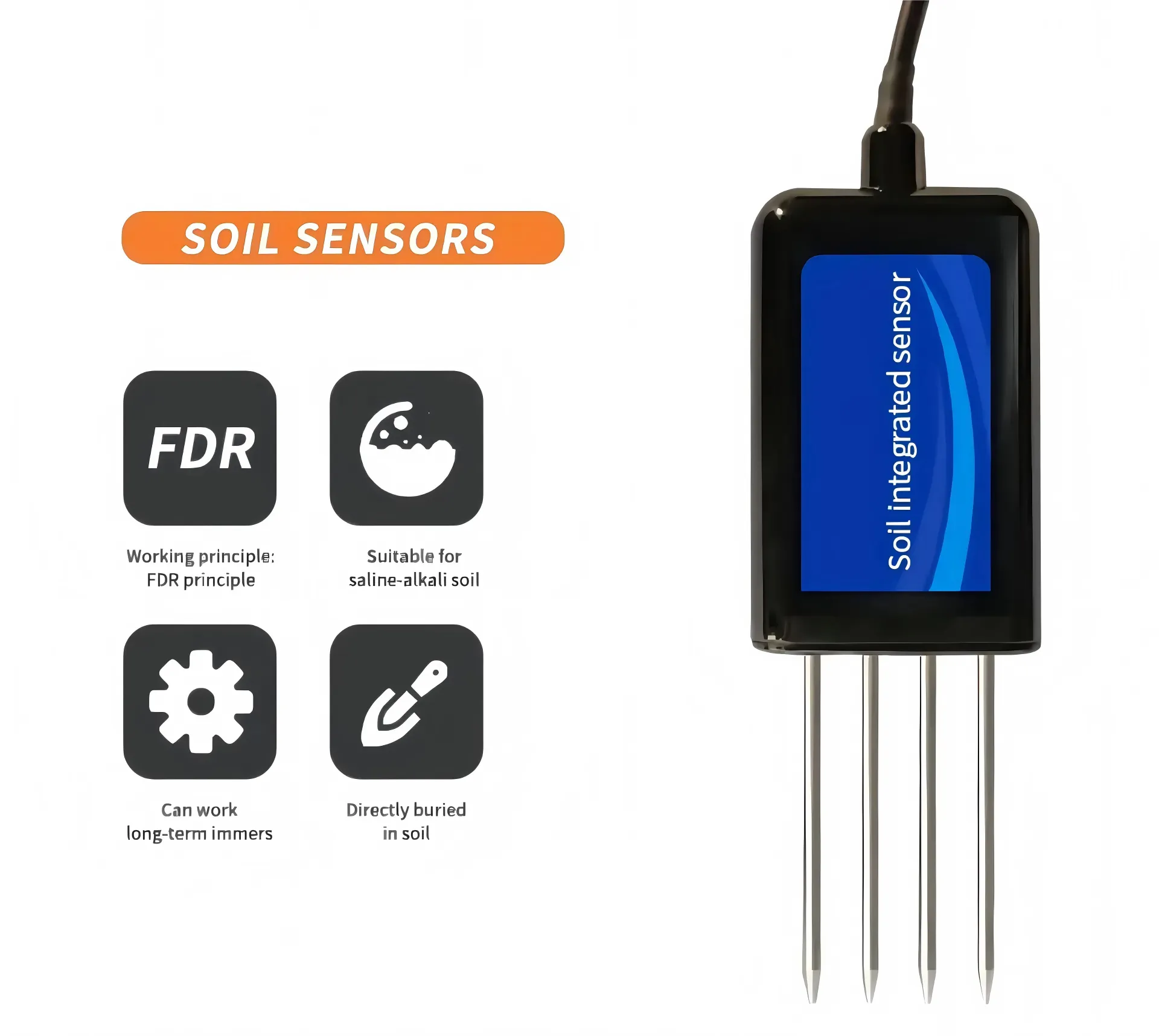
- Multi-parameter Real-Time Sensing: Simultaneous, on-site pH, EC, moisture, and temperature readings on a backlit LCD interface.
- Intuitive User Experience: One-press operation, digital calibration prompts, and real-time numerical and color-indicator feedback.
- IP67/IP68 Enclosure: Dustproof and waterproof, meeting field ruggedness standards demanded by ISO 20653.
- Low Power, Long Cycle Battery: Energy-efficient microchip (ARM Cortex-M0+), standby period: up to 180 days.
- Cross-industry Versatility: Supported for use in agriculture, landscaping, geological surveys, petrochemical waste management, municipal engineering, and mining.
- Adherence to International Quality: Validated under ISO 9001, CE, FCC, RoHS directives.
- Anti-Corrosion & Chemical Stability: Probe lifetime typically exceeds 60,000 tests in both acidic and alkaline soils.
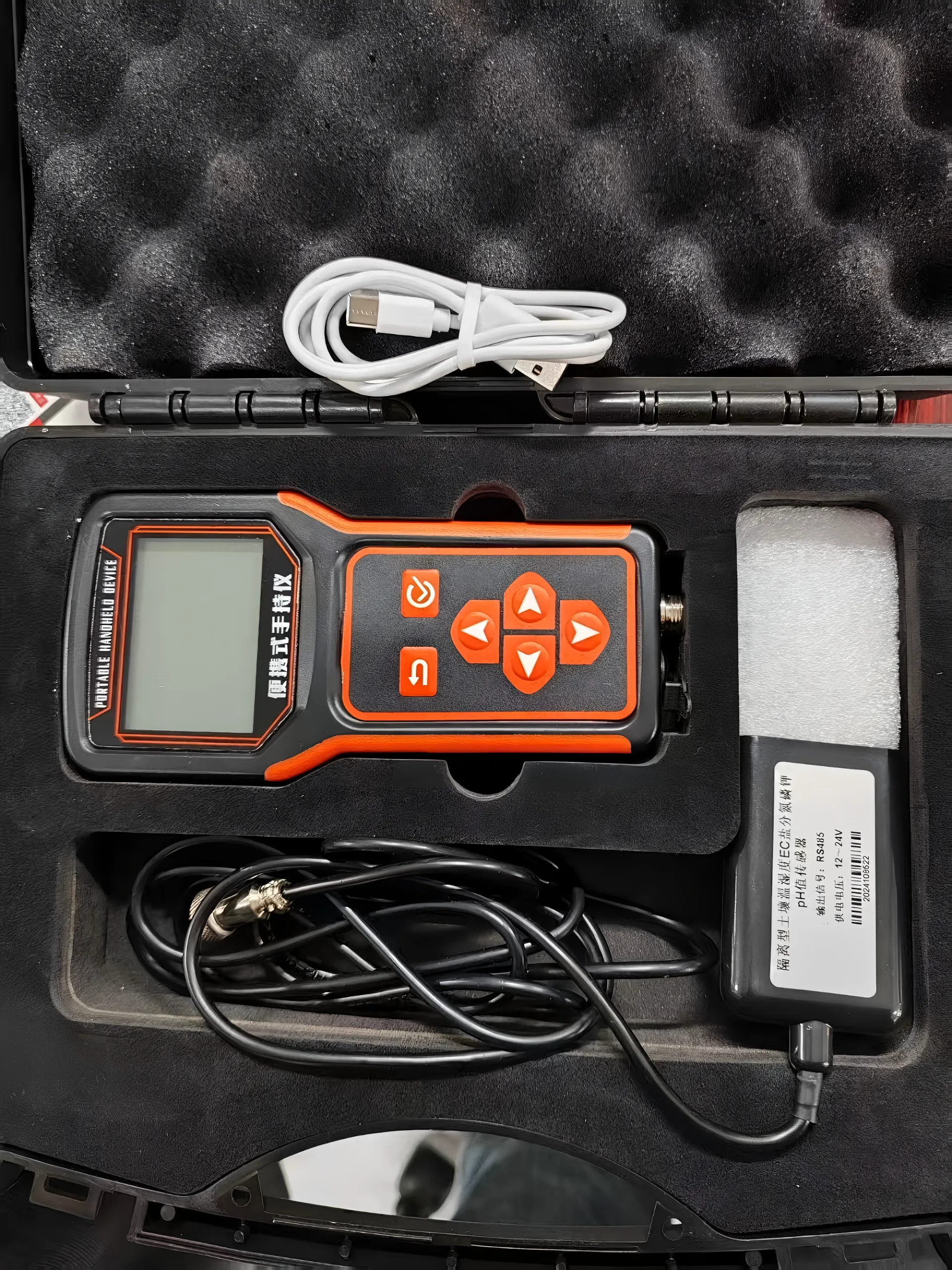
5. Competitive Vendor Comparison
| Product | Measurement Functions | Accuracy | Build Quality | Display | Certifications | Warranty | Price Range (USD) |
|---|---|---|---|---|---|---|---|
| Soil Tester-LCD Screen | pH, Moisture, EC, Temp | ±1.5%~2% F.S. | 304L SS/ Ti Alloy, IP67 | Backlit LCD / Segment LCD | ISO, CE, RoHS, FCC | 2 Years | 80–120 |
| Brand A Portable Meter | pH, Moisture | ±3% | Alloy Steel, IP54 | Mono LCD | CE, FCC | 1 Year | 55–85 |
| Brand B Digital Soil Tester | Moisture, Temp | ±4% | ABS Plastic | Monochrome LCD | CE | 6 Months | 38–59 |
6. Customization Solutions for Industrial Needs
- Probe Material Customization: Electroplated Platinum, 316L SS, or bespoke alloying for harsh petrochemical/acidic environments.
- Display Upgrades: Large-screen color LCDs, split-screen modes, and sunlight-readable transflective displays.
- Communication & Data Logging: Bluetooth, ZigBee, LoRaWAN, 4G/5G module integrations for remote, centralized soil data management.
- Measurement Parameter Extensions: Add-on modules for soil salinity, redox, ammonium, and nitrate ions.
- Enclosure Engineering: Enhanced enclosure (IP68+V0 flame resistance) for mining, marine coast, or refrigerated installations.
Contact Soil Tester-LCD Screen technical services to request your bespoke solution tailored to regulatory, operational, or environmental specifics.
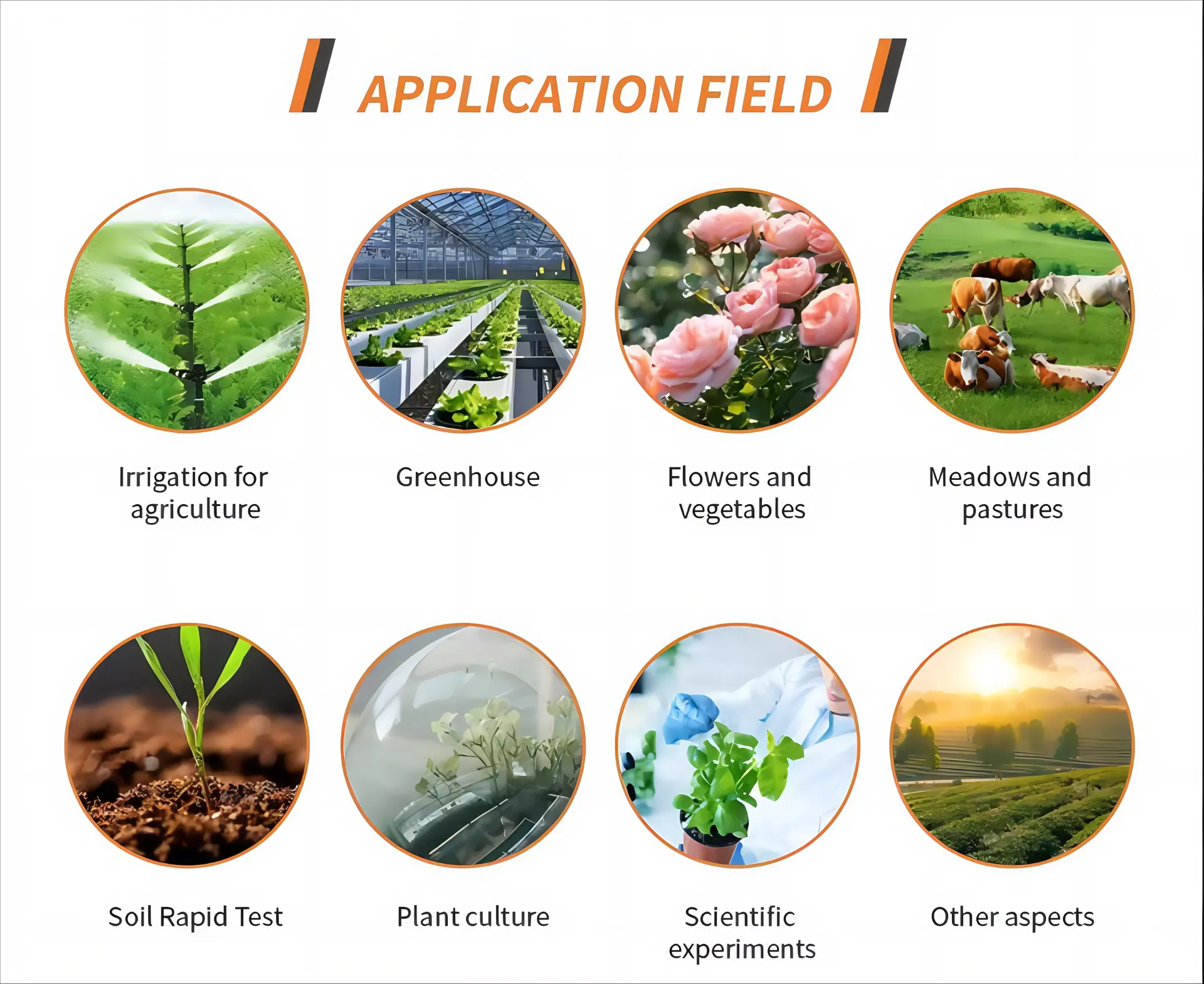
7. Application Cases and Success Stories
Agriculture Smart Greenhouse Automation
- Farm group in California deployed 52 units of Soil Tester-LCD Screen for ongoing soil pH and EC monitoring.
- Yield increase: +19.4% year over year due to optimized irrigation/fertilization decisions.
- Feedback: “Visual display, robust build—easy for staff with minimal technical training” (Farm Operations Manager, 2023).
Petrochemical Waste Remediation Sites
- Used across PVC plant buffer zones to measure leached contaminant levels and validate soil remediation targets per EPA/ISO 11074.
- Instrument survived 6+ months under exposure to volatile organics. Accuracy deviation held within ±1.9% F.S.
Municipal Water & Drainage
- Deployed in 41 city green belts to ensure soil moisture and compaction levels met landscaping standards, driving a 31% reduction in overwatering incidents and public cost savings.
Mining Sector Field Stability Monitoring
- Proven resilience during daily use in copper mine tailing sites, where alkaline soil, dust, and water ingress posed severe testing conditions.
8. FAQ: Professional FAQ on Soil Tester-LCD Screen
9. Delivery Cycle, Warranty, and Customer Support
- Standard delivery: 7–14 working days for Soil Tester-LCD Screen (bulk/ODM: subject to requirements)
- Warranty: 24 months full device warranty, extendable for B2B contracts (ask for terms)
- After-sales support: 24/7 technical hotline, live video assistance, in-field calibration service (for select regions)
- Spare parts/consumables: Immediate dispatch for batteries, LCD modules, and probe sets
- Certifications & quality commitment: All products traceable with full compliance certificates
To request a quotation or technical datasheet, visit the Soil Tester-LCD Screen product portal.
10. Authoritative References & Industry Resources
- Global market analysis: MarketsandMarkets: Soil Moisture Sensor Industry Report 2023–2028
- Device calibration protocols: ISO/IEC 17025 Testing Overview
- Field applications: Successful Use Cases of Soil Sensors in Smart Agriculture (Agriculture.com)
- Forum best practices: Crop-Tech Forum: Soil sensor recommendations (2024)
- Soil science publication: Comparative analysis of digital soil testers (SSSAJ, 2022)

Related Products
Related News
2026-04-16 03:20:19
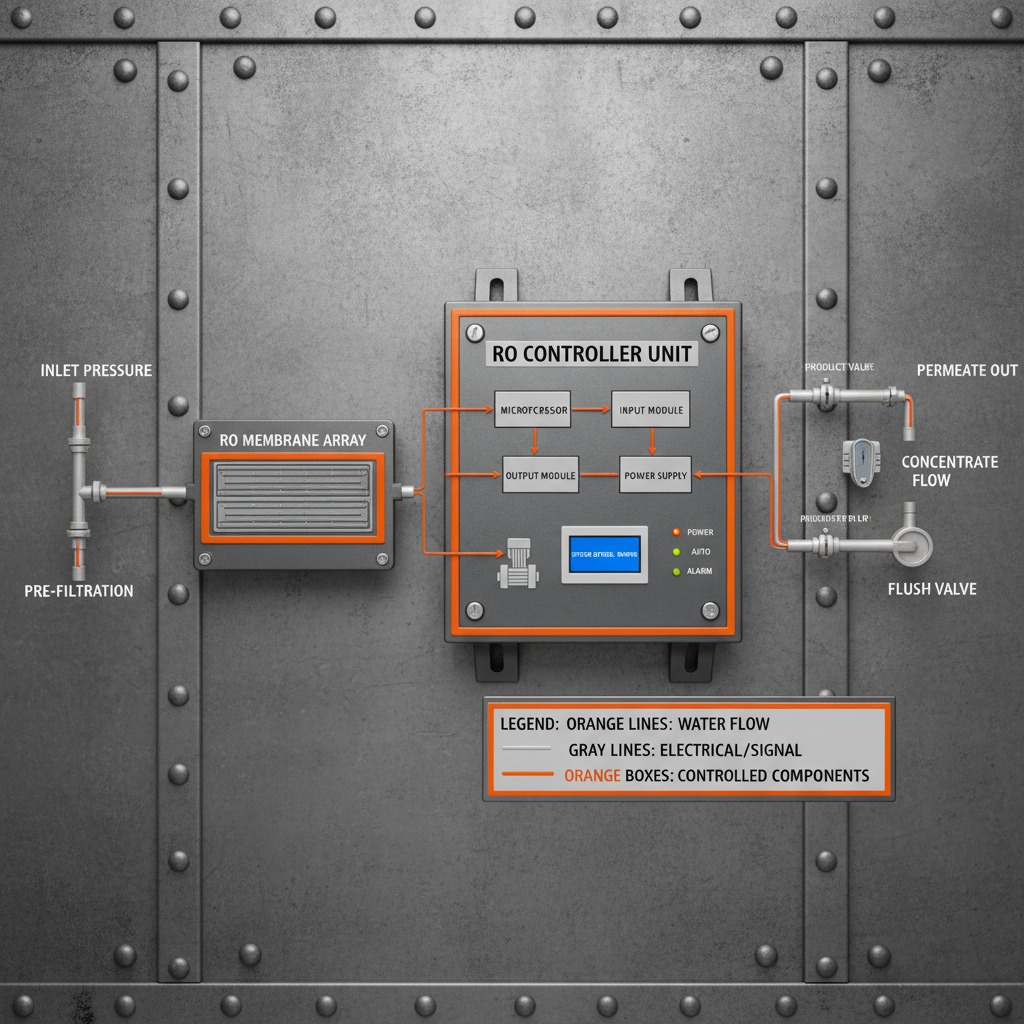
Guide to Choosing the Right RO Controller for Water PurificationMaintaining a high-performance reverse osmosis system requires more than just quality membranes; it demands precise regulation. An ro controller serves as the brain of the entire operation, monitoring critical parameters such as conductivity, temperature, and flow rates to ensure the output water meets stringent purity standards. Without an efficient controller, systems are prone to membrane fouling, inefficient energy use, and inconsistent water quality. In this comprehensive guide, we will explore how these devices optimize water treatment processes and how to select the best model for your specific industrial or commercial needs.
2026-04-09 03:25:47
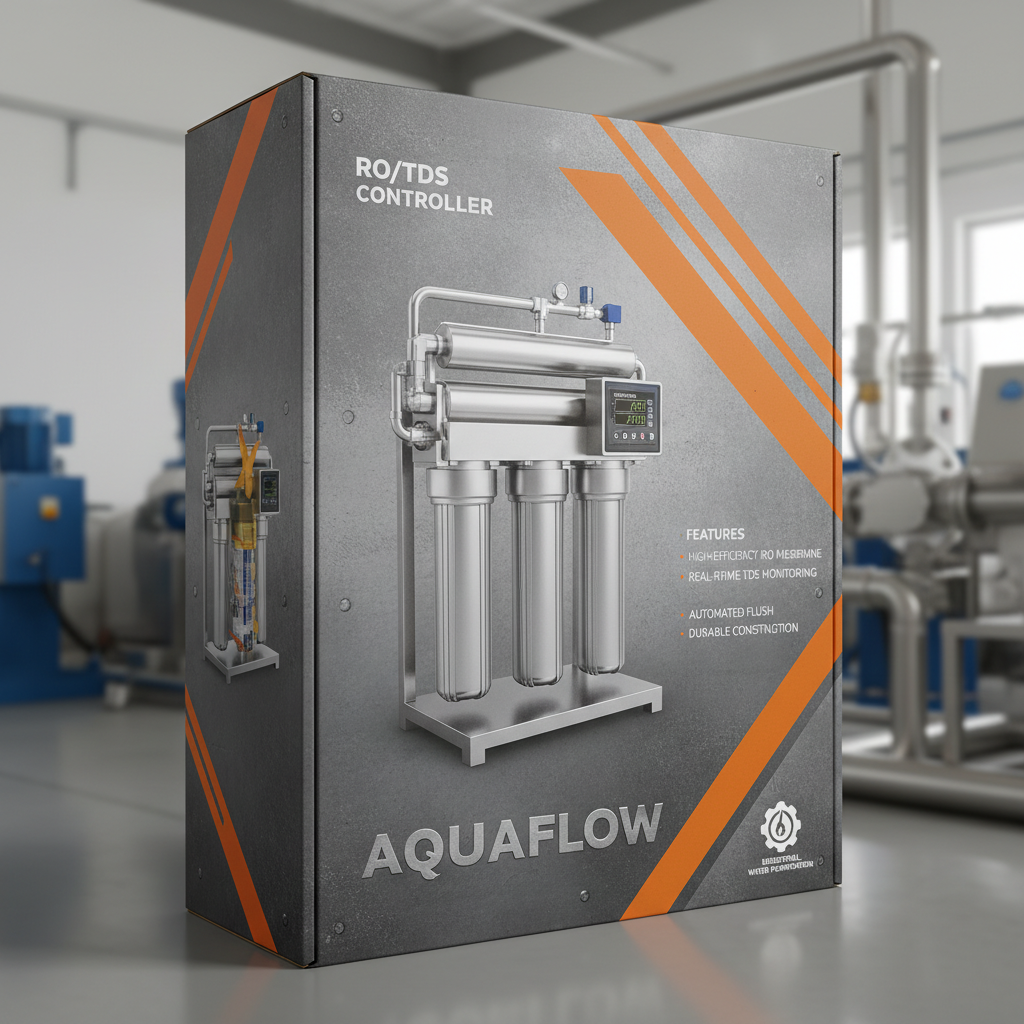
Guide to Water Purity Using RO with TDS Controller SystemsAchieving the perfect balance of mineral content and purity in drinking water is a challenge for many households and industrial facilities. A ro with tds controller offers a sophisticated solution by combining the rigorous filtration of Reverse Osmosis (RO) with the precision of a Total Dissolved Solids (TDS) adjustment system. While standard RO systems remove almost everything, including beneficial minerals, a TDS controller allows users to re-mineralize the water to a desired level. This ensures that the water is not only safe and pure but also tastes better and provides essential nutrients.
2026-04-07 03:17:09
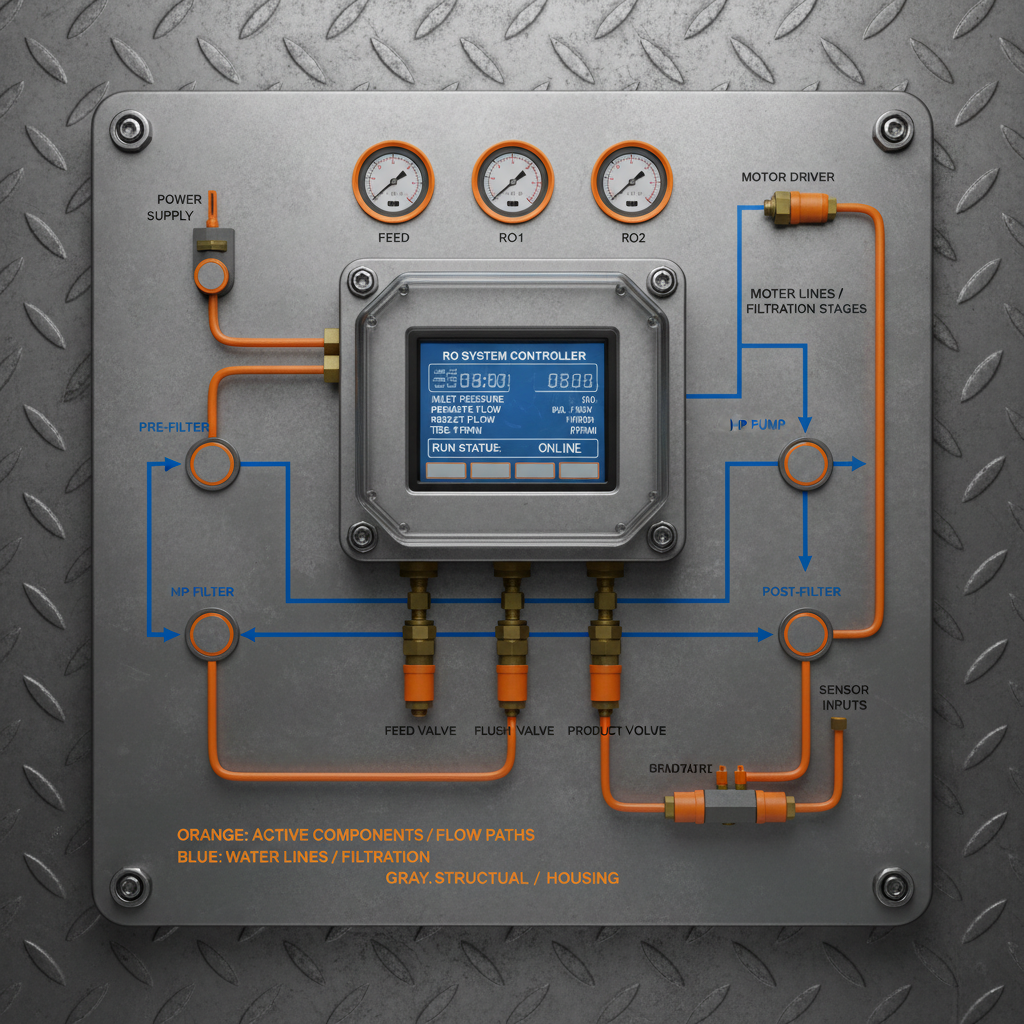
Understanding and Optimizing Reverse Osmosis Systems with a ControllerIn the world of water purification, reverse osmosis (RO) systems are a cornerstone for producing high-quality water for various applications, from drinking water to industrial processes. However, an RO system is only as effective as its control system. This is where the reverse osmosis controller comes into play. This critical component manages and optimizes the RO process, ensuring efficient operation, water quality, and system longevity.
2026-04-04 03:27:19
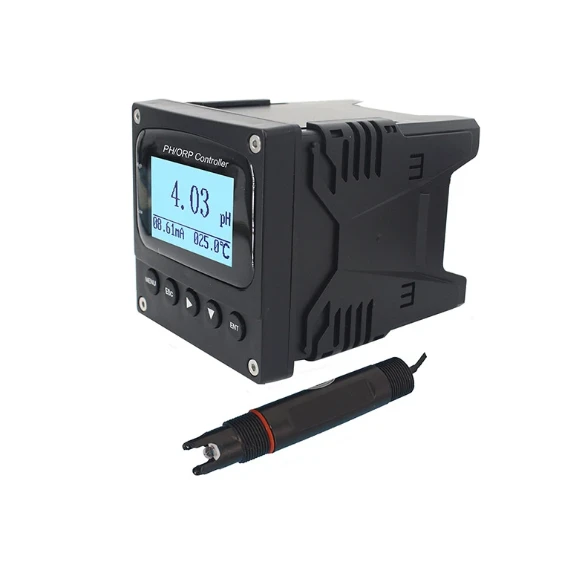
Understanding the Vital Role of an RO System Controller for Optimal PerformanceReverse Osmosis (RO) systems are critical for purifying water across various industries, from residential applications to large-scale industrial processes. At the heart of a well-functioning RO system lies the RO system controller. This intelligent device monitors and regulates all key parameters of the RO process, ensuring optimal performance, efficiency, and water quality. This article delves into the functionalities, benefits, and selection criteria for choosing the right RO system controller, particularly focusing on those offered by Watequipments. Understanding its role is crucial for maximizing the lifespan and effectiveness of your RO investment.
2026-03-24 17:18:24
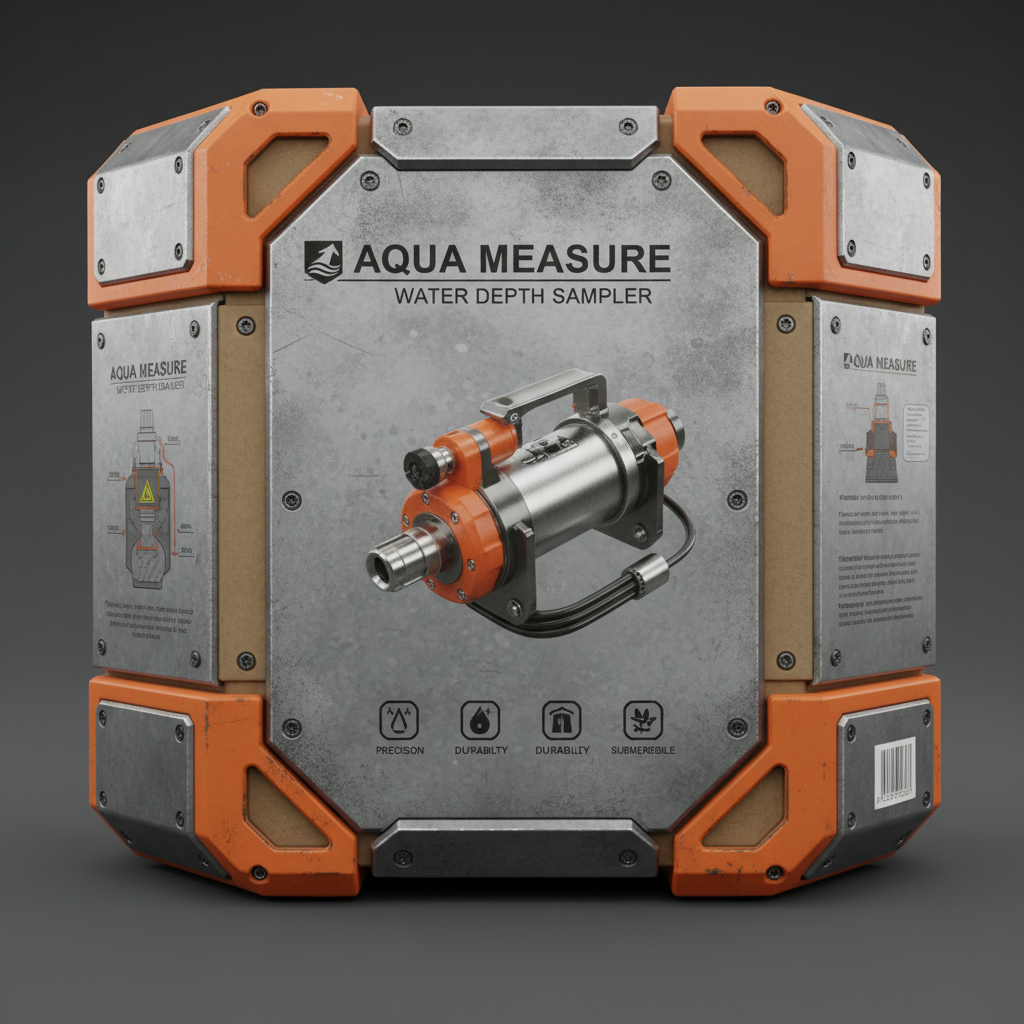
Smart Water Treatment Solutions Using PH ORP Controller SystemsIn modern water treatment and industrial fluid management, maintaining precise chemical balance is essential for safety, efficiency, and regulatory compliance.
2026-03-04 02:55:19
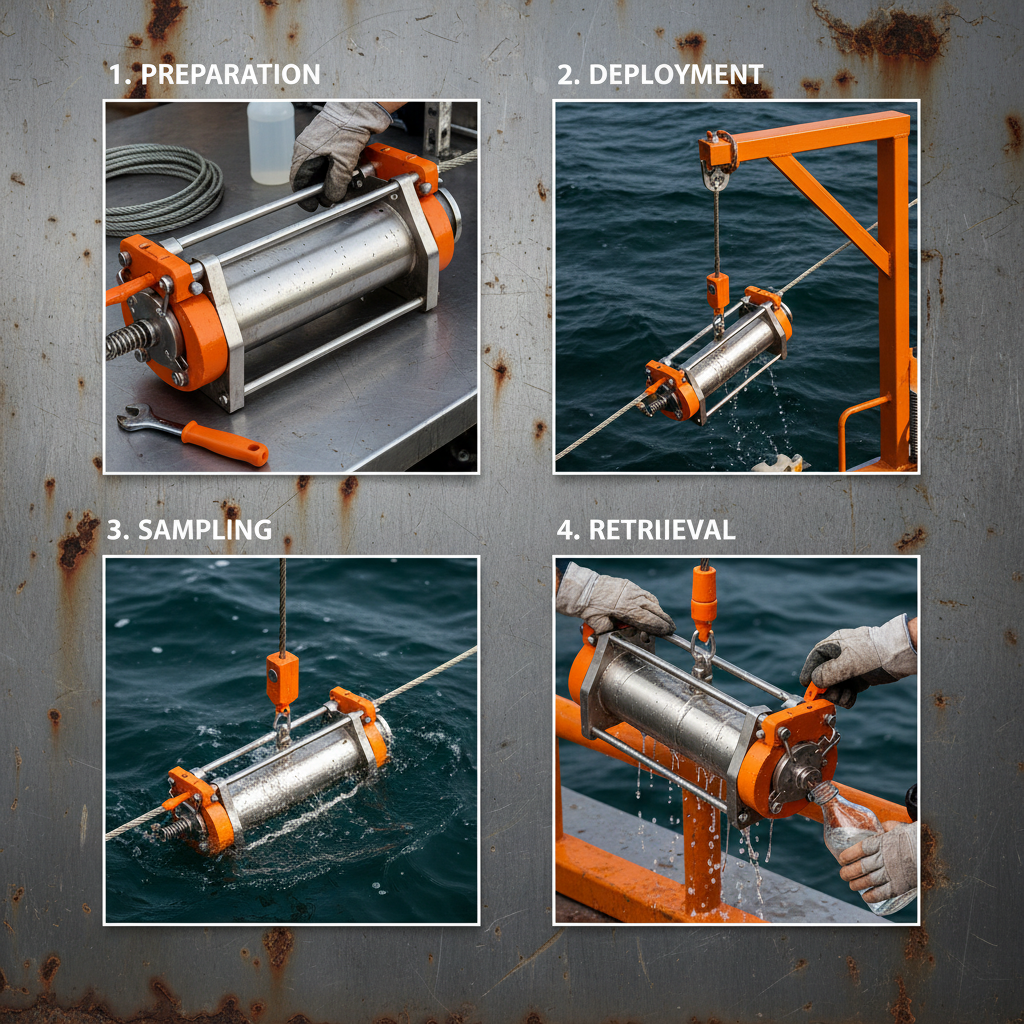
Comprehensive Guide to Water Depth Samplers and Their ApplicationsAccurate water quality monitoring is crucial in various fields, from environmental science and aquaculture to industrial wastewater management. A key tool for this is the water depth sampler. This article provides an in-depth look at water depth samplers, their applications, types, and essential considerations for choosing the right one for your needs. We'll explore the benefits of utilizing this equipment to collect reliable data for analysis and informed decision-making. Selecting the right sampler can significantly improve the precision and efficiency of your water monitoring program. A water depth sampler, also known as a depth-integrated sampler, is a device designed to collect water samples from specific depths within a body of water. Unlike simply dipping a container into the water, a depth sampler allows for collection of a representative sample across a defined depth range. This is critical because water properties (temperature, salinity, pollutants) often vary significantly with depth. The data gathered with a water depth sampler provides a more accurate assessment of water quality than surface samples alone.
2026-03-03 18:55:22
Comprehensive Guide to Horizontal Water Sampler Applications and SelectionCollecting water samples at varying depths is crucial for environmental monitoring, research, and quality control. The horizontal water sampler from Watequipment.com offers a precise and efficient solution for this task. This article provides an in-depth look at horizontal water samplers, their applications, benefits, and key considerations when choosing the right model. We will explore how these samplers contribute to accurate data collection and informed decision-making in various fields. A horizontal water sampler is a device designed to collect water samples from specific depths within a body of water – rivers, lakes, oceans, reservoirs, and even wastewater treatment plants. Unlike vertical samplers which primarily focus on depth, horizontal samplers prioritize collecting samples at a consistent depth while moving along a horizontal plane. This is essential for assessing water quality variations across a waterway or within a specific zone. They are used in applications ranging from environmental monitoring and scientific research to industrial process control and regulatory compliance.
2026-02-28 02:35:09
Comprehensive Guide to Selecting the Right Surface Water Sampler for Your NeedsMonitoring the quality of surface water is critical for environmental protection, public health, and various industrial applications. A surface water sampler is an essential tool for collecting representative samples from rivers, lakes, ponds, and other surface water sources. This article provides a detailed overview of surface water samplers, their types, applications, and key considerations for selecting the right equipment. Accurate water quality data relies on proper sample collection, and choosing the correct sampler is the first step toward achieving reliable results. Surface water samplers come in various designs, each suited to specific sampling needs. Common types include grab samplers, depth-integrating samplers, peristaltic pumps, and automatic samplers. Surface water samplers are used across a broad spectrum of applications, including environmental monitoring, wastewater discharge monitoring, drinking water source monitoring, agricultural runoff analysis, and research studies.

 English